
Art Therapy for PTSD: Finding Peace Through Creative Expression


Welcome to Mind Care Guide.
Feeling overwhelmed by the echoes of trauma? You're not alone. Many find solace and healing in unexpected places. This is why we're diving deep into Art Therapy for PTSD relief. Could unlocking your creative potential be the key to finding inner peace? Let's explore how art can help you reclaim your story and begin your journey towards healing. Discover the transformative power that awaits...
Art Therapy for PTSD: Finding Peace Through Creative Expression
- Understanding PTSD and the Need for Alternative Therapies
- Art Therapy: A Pathway to Healing Trauma Through Creativity
- Benefits of Art Therapy for PTSD Sufferers: A Holistic Approach
-
Art Therapy Techniques for PTSD: Exploring Creative Modalities
- Painting and Drawing: Visualizing and Processing Trauma
- Sculpture and Clay Modeling: Grounding and Tactile Expression
- Collage and Mixed Media: Reconstructing Identity and Narrative
- Journaling and Creative Writing: Articulating Experiences and Emotions
- Mandalas: Creating Structure and Promoting Mindfulness
- Finding a Qualified Art Therapist for PTSD Treatment
- Art Therapy vs. Other Trauma Therapies: A Comparison
- Real-Life Examples: Art Therapy Success Stories for PTSD
- Starting Your Art Therapy Journey: Practical Considerations
- Addressing Common Concerns About Art Therapy for PTSD
- Art Therapy: A Promising Avenue for PTSD Recovery and Well-being
-
Frequently Asked Questions
- What is art therapy and how can it help with PTSD?
- How does art therapy specifically target PTSD symptoms?
- Is art therapy a substitute for traditional PTSD treatments like medication or talk therapy?
- What kind of art experience do I need to participate in art therapy for PTSD?
- How can I find a qualified art therapist specializing in PTSD relief?
- Final Reflection: Unleashing the Healing Power of Art
- Unleash Your Inner Artist: Begin Your Healing Journey Today
Understanding PTSD and the Need for Alternative Therapies
What is Post-Traumatic Stress Disorder (PTSD)?
Post-Traumatic Stress Disorder (PTSD) is a complex mental health condition that can develop after someone has experienced or witnessed a traumatic event. These events can include combat exposure, natural disasters, terrorist incidents, serious accidents, or physical or sexual assault. Symptoms often include flashbacks, nightmares, severe anxiety, and uncontrollable thoughts about the event. Individuals with PTSD may also experience avoidance of situations that remind them of the trauma, negative changes in mood and thoughts, and hyperarousal symptoms like being easily startled or having difficulty concentrating.
The impact of PTSD extends far beyond the initial trauma, affecting daily life, relationships, work, and overall well-being. It's estimated that about 7% of U.S. adults will have PTSD at some point in their lives, though prevalence varies significantly depending on the population and type of trauma exposure. For instance, studies have shown rates as high as 20-30% among combat veterans or survivors of severe interpersonal violence. The persistent nature of symptoms can make traditional coping mechanisms ineffective, leading many to seek professional help and explore various therapeutic avenues for healing.
The Limitations of Traditional PTSD Treatments
Traditional therapeutic approaches for PTSD often involve talk therapy, such as Cognitive Behavioral Therapy (CBT) and Eye Movement Desensitization and Reprocessing (EMDR), as well as pharmacotherapy like antidepressants. While these methods are evidence-based and effective for many individuals, they are not universally successful. Some individuals find it difficult to articulate their traumatic experiences verbally, especially when the memories are fragmented, non-linear, or deeply embedded in somatic (body) sensations.
Furthermore, confronting trauma directly through verbal retelling can sometimes be re-traumatizing for sensitive individuals. Approximately 30-50% of individuals treated with standard trauma-focused therapies may not achieve full remission of symptoms, and some may even drop out of treatment due to the intensity of the process. This highlights the critical need for alternative or complementary therapies that can address the multifaceted nature of trauma and provide additional pathways for healing, particularly for those who struggle with verbal processing or have not responded adequately to traditional methods.
Why Consider Art Therapy for PTSD Relief?
Art therapy offers a unique and powerful approach to addressing the symptoms of PTSD by engaging the creative process. Unlike traditional talk therapy, which primarily relies on verbal communication, art therapy utilizes various art materials and modalities (like painting, drawing, sculpture, or collage) as a primary means of expression and processing. This can be particularly beneficial for trauma survivors whose trauma memories may be stored in non-verbal parts of the brain.
Considering art therapy for PTSD relief provides a less confrontational way to explore difficult emotions and memories. It allows individuals to externalize their internal experiences, giving form and color to feelings or sensations that are hard to put into words. This externalization can create a safe distance from the overwhelming emotions, making them more manageable to process. The act of creating itself can also be grounding and calming, offering a sense of control and agency that may have been lost during the traumatic event.
Art Therapy: A Pathway to Healing Trauma Through Creativity
Defining Art Therapy: More Than Just Making Art
Art therapy is a distinct discipline that integrates mental health principles and practices with the creative process of art-making. It's not simply about creating aesthetically pleasing artwork; rather, it's a therapeutic process facilitated by a trained art therapist who guides the individual in using art materials for self-exploration, emotional expression, conflict resolution, and symptom reduction. The focus is on the process of creating and the insights gained from the artwork, rather than the final product itself.
In a therapeutic setting, art becomes a language, a visual narrative through which individuals can communicate experiences and feelings that might be inaccessible or too painful to articulate verbally. The art therapist is trained to understand the symbolic language of art materials and images and to facilitate a safe space for the individual to explore their inner world. This involves observing the client's interaction with materials, the images they create, and the stories or associations that emerge during or after the art-making process.
The Theoretical Underpinnings of Art Therapy for Trauma
The effectiveness of art therapy for trauma is supported by various psychological and neurological theories. One key principle is that trauma is often stored in non-verbal, sensory, and emotional forms in the brain, making it difficult to access and process through language alone. Art-making engages areas of the brain involved in emotion regulation, sensory processing, and memory, potentially allowing access to these non-verbal trauma memories in a contained and symbolic way.
Furthermore, art therapy draws on psychodynamic principles, viewing the artwork as a projection of the individual's internal state and unconscious processes. It also aligns with body-centered approaches, recognizing that trauma is often held in the body; the tactile and kinesthetic aspects of working with art materials can help individuals reconnect with their bodies in a safe and empowering way. The creative process itself can also foster resilience by promoting adaptive coping skills, problem-solving abilities, and a sense of mastery.
How Art Therapy Differs from Traditional Talk Therapy
The fundamental difference between art therapy and traditional talk therapy lies in the primary mode of communication and processing. Traditional talk therapy, such as CBT or psychoanalysis, relies heavily on verbal dialogue to explore thoughts, feelings, and experiences. Clients are encouraged to articulate their trauma narratives, analyze cognitive patterns, and discuss emotional responses using language.
In contrast, art therapy uses the creation of art as the primary vehicle for expression and exploration. While verbal processing is often incorporated, it typically follows the art-making activity and serves to reflect upon the visual or tactile experience. This allows individuals who find verbal articulation challenging or overwhelming to bypass the limitations of language and access deeper emotional and sensory experiences related to their trauma. The art object serves as a tangible representation that can be observed, discussed, and worked with, providing a different entry point for processing trauma compared to purely verbal recounting.
Benefits of Art Therapy for PTSD Sufferers: A Holistic Approach
Emotional Release and Processing Through Art
One of the most significant benefits of art therapy for PTSD relief is its capacity to facilitate emotional release. Trauma often leaves individuals feeling overwhelmed or numb, making it difficult to identify, express, and process intense emotions like fear, anger, sadness, or shame. Creating art provides a non-verbal outlet for these complex feelings.
Through the use of colors, shapes, textures, and forms, individuals can externalize their inner emotional landscape. For example, using aggressive brushstrokes or dark colors might help express anger, while delicate lines or soft pastels could convey vulnerability or sadness. This process of externalizing emotions onto paper or into a sculpture can feel less threatening than verbalizing them directly, allowing for a safe and contained release that contributes positively to art therapy PTSD relief.
Improved Self-Awareness and Regulation
Art therapy can significantly enhance self-awareness by providing a tangible representation of internal states. As individuals create art, they can observe patterns, recurring themes, or symbolic imagery that reflect their thoughts, feelings, and experiences related to the trauma. Discussing these observations with the therapist helps them gain insight into their reactions and coping mechanisms.
Furthermore, the structured yet flexible nature of art-making can help individuals develop improved emotional regulation skills. Engaging in the creative process can be calming and grounding, providing a sense of control and predictability that may be lacking in their daily lives due to PTSD symptoms. Learning to tolerate difficult emotions while creating art in a safe space can build capacity for managing intense feelings outside of therapy sessions.
Enhanced Communication and Expression of Trauma
For many trauma survivors, articulating their experiences verbally is incredibly difficult, sometimes feeling impossible. Trauma memories can be fragmented, non-linear, and lack a clear narrative structure, making them resistant to traditional talk therapy. Art therapy offers an alternative language for expressing these complex, often non-verbal, aspects of trauma.
Through visual metaphors and symbolic representation in their artwork, individuals can communicate the unspeakable. A fragmented collage might represent a fractured sense of self, while a dark, enclosed space in a drawing could symbolize feelings of being trapped or isolated. This visual communication allows the therapist to understand the client's internal experience in a way that words might fail, fostering a deeper connection and enabling the processing of trauma components that were previously inaccessible.
Reduced Anxiety and Depression Symptoms
PTSD is frequently comorbid with other mental health conditions, particularly anxiety and depression. The persistent hyperarousal, intrusive thoughts, and avoidance behaviors associated with PTSD often fuel significant anxiety, while the emotional numbing, loss of interest, and negative self-perception can contribute to depressive symptoms. Art therapy has shown promise in alleviating these co-occurring symptoms.
The act of creating can be inherently therapeutic, offering a sense of focus, flow, and accomplishment that can counteract feelings of hopelessness and lethargy associated with depression. Engaging with sensory materials and the creative process can also have a calming effect on the nervous system, reducing physiological arousal and anxiety. Preliminary studies and clinical observations suggest that participants in art therapy programs for trauma often report reduced scores on measures of anxiety and depression over the course of treatment, contributing to overall art therapy PTSD relief.
Building Resilience and Coping Mechanisms
Art therapy empowers individuals by fostering a sense of agency and control over their creative process, mirroring the journey of reclaiming control over their lives after trauma. The act of making choices about materials, colors, and forms, and bringing something new into existence, can be deeply empowering.
Moreover, art therapy sessions provide a safe space to experiment with different ways of approaching challenges and expressing difficult emotions, building adaptive coping mechanisms. Learning to navigate the creative process, work through frustration, and find meaning in the artwork can translate into improved problem-solving skills and emotional resilience outside of the therapy room. The finished artwork can also serve as a tangible reminder of the individual's strength, progress, and capacity for healing.
Art Therapy Techniques for PTSD: Exploring Creative Modalities
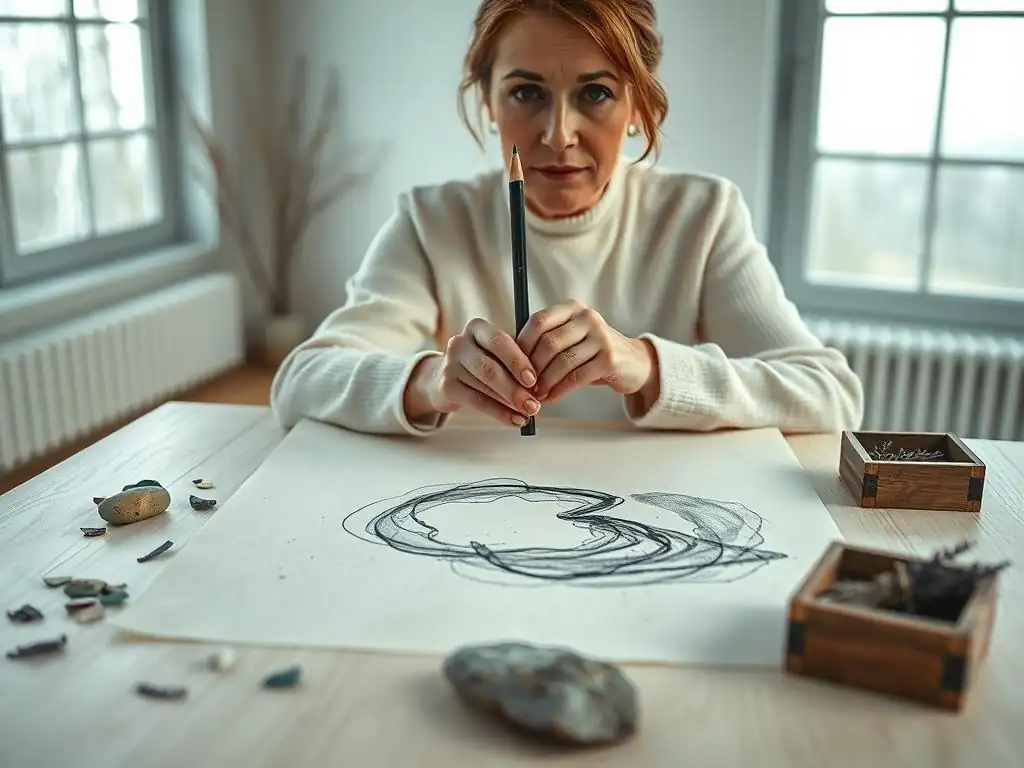
Painting and Drawing: Visualizing and Processing Trauma
Painting and drawing are fundamental art therapy modalities that offer a powerful means of visualizing internal experiences. Using various media like watercolors, acrylics, pastels, pencils, or charcoal, individuals can translate abstract feelings and traumatic memories into concrete images on paper or canvas. The choice of colors, lines, shapes, and composition can reveal significant information about their emotional state and perception of the trauma.
For example, an individual might use chaotic lines and dark colors to depict feelings of panic or confusion during a traumatic event, or create a stark, empty landscape to express feelings of isolation and loss. The therapist can guide the client in exploring the imagery, discussing the emotions evoked by the artwork, and creating alternative images that represent safety, healing, or resilience. This visual processing can help externalize overwhelming internal chaos and provide a structured way to engage with difficult material.
Sculpture and Clay Modeling: Grounding and Tactile Expression
Working with three-dimensional materials like clay, plaster, or mixed media for sculpture offers a tactile and kinesthetic way to process trauma. The physical act of molding, shaping, and manipulating materials can be deeply grounding, helping individuals connect with the present moment and their bodies, which is often challenging for trauma survivors who may feel disconnected or dissociated.
Creating a sculpture can allow individuals to give form to abstract concepts related to their trauma, such as creating a heavy, solid object to represent the burden they carry or a fragmented form to symbolize a shattered sense of self. The tactile experience can also be regulating for the nervous system. One common technique involves simply manipulating clay without a specific goal, allowing the hands to express tension, anxiety, or grief non-verbally, contributing to art therapy PTSD relief through somatic release.
Collage and Mixed Media: Reconstructing Identity and Narrative
Collage involves assembling various materials like paper, fabric, photographs, and found objects onto a surface. Mixed media combines different art materials in a single piece. These techniques are particularly useful for individuals whose trauma has resulted in a fragmented sense of self or a disrupted life narrative.
By selecting and arranging disparate elements, individuals can symbolically piece together fragments of their experience, identity, and history. Creating a collage can represent an attempt to make sense of chaos, rebuild a shattered world, or construct a new narrative that incorporates the trauma but is not defined solely by it. The process allows for flexibility and experimentation, enabling individuals to explore different ways of seeing themselves and their experiences, fostering a sense of reintegration and wholeness.
Journaling and Creative Writing: Articulating Experiences and Emotions
While art therapy often emphasizes non-verbal expression, integrating writing can be a powerful complement, especially when art helps unlock emotions or memories that can then be explored through words. Journaling, poetry, or creative writing within an art therapy context can help individuals articulate the thoughts and feelings that emerge during or after the art-making process.
For instance, after creating a painting, an individual might write a poem about the emotions the colors evoke or journal about the memories that surfaced while drawing. This combination of visual and verbal expression can provide a more comprehensive way to process trauma, allowing for both symbolic representation and narrative articulation. Writing can help organize thoughts, gain perspective, and create a coherent story around the trauma experience.
Mandalas: Creating Structure and Promoting Mindfulness
Mandalas, geometric configurations often circular in form, are used in art therapy to promote mindfulness, concentration, and a sense of containment and wholeness. Creating or coloring mandalas involves repetitive, focused activity that can be very calming and grounding for individuals struggling with hyperarousal, intrusive thoughts, or dissociation common in PTSD.
Working within the structured form of a mandala can provide a sense of safety and order in the face of internal chaos. The process encourages focus on the present moment, fostering mindfulness. Mandalas can also be used symbolically to represent the self, the healing journey, or the integration of different aspects of experience. The act of creating a contained, balanced image can be therapeutic in itself, offering a sense of peace and stability.
Finding a Qualified Art Therapist for PTSD Treatment
Credentials and Training to Look For
When seeking art therapy for PTSD relief, it is crucial to find a qualified and experienced professional. Look for an art therapist who holds specific credentials indicating specialized training. In the United States, this often means being a Registered Art Therapist (ATR) or a Board Certified Art Therapist (ATR-BC), which signifies completion of graduate-level education, supervised clinical experience, and passing a national examination.
Beyond basic art therapy credentials, inquire about their specific experience and training in trauma-informed care and treating PTSD. Many art therapists pursue additional training in trauma modalities. A qualified therapist will understand the complexities of trauma, the potential for re-traumatization, and therapeutic approaches that prioritize safety, stabilization, and empowerment within the art-making process.
Questions to Ask Potential Therapists
To ensure a good fit and assess a therapist's suitability for treating PTSD with art therapy, prepare a list of questions for an initial consultation. Consider asking about their experience working with trauma survivors, specifically those with PTSD. Inquire about their therapeutic approach and how they integrate art-making into trauma processing.
Relevant questions might include:
- What is your experience treating PTSD using art therapy?
- What specific art therapy techniques do you commonly use for trauma?
- How do you ensure a safe and supportive environment during sessions?
- How do you incorporate trauma-informed principles into your practice?
- What is your approach to managing potential emotional intensity or triggers during art sessions?
- How do you integrate verbal processing with the art-making?
Understanding their process and philosophy can help you determine if their approach aligns with your needs and preferences for seeking art therapy PTSD relief.
Ensuring a Safe and Supportive Therapeutic Environment
A safe and supportive therapeutic environment is paramount for effective trauma treatment, including art therapy. The therapist should prioritize creating a space where you feel physically and emotionally secure, respected, and in control of your process. This involves clear boundaries, consistent scheduling, and a non-judgmental attitude.
The therapist should also be attuned to signs of distress or potential triggers and have strategies in place to manage them safely. This might involve slowing down the process, shifting focus, or using grounding techniques. A good art therapist will empower you to decide what materials to use, what images to create (or not create), and how much to share, ensuring that you feel agency throughout the process. Feeling safe allows you to engage more fully in the challenging work of processing trauma through art.
Art Therapy vs. Other Trauma Therapies: A Comparison
Art Therapy vs. Cognitive Behavioral Therapy (CBT)
Cognitive Behavioral Therapy (CBT) is a widely used, evidence-based therapy for PTSD that focuses on identifying and changing negative thought patterns and behaviors related to the trauma. Techniques include psychoeducation, cognitive restructuring (challenging distorted thoughts), and exposure therapy (gradually confronting trauma memories or reminders in a safe way). CBT is highly verbal and structured.
Art therapy, while also structured, offers a less direct, often non-verbal pathway to processing trauma. While CBT directly addresses thoughts and behaviors, art therapy accesses trauma through creative expression and symbolism. For individuals who find verbal exposure or cognitive analysis difficult or overwhelming, art therapy provides an alternative entry point. However, they are not mutually exclusive; art therapy can complement CBT by helping individuals access emotions or memories that can then be explored verbally or cognitively, offering enhanced art therapy PTSD relief.
Art Therapy vs. Eye Movement Desensitization and Reprocessing (EMDR)
Eye Movement Desensitization and Reprocessing (EMDR) is another evidence-based therapy for PTSD that involves processing traumatic memories through bilateral stimulation, often eye movements, while focusing on the memory. The goal is to help the brain reprocess the memory so it is less distressing. EMDR is also highly structured and focuses specifically on targeted trauma memories.
Art therapy differs from EMDR by not relying on bilateral stimulation or direct focus on a specific memory in the same way. Instead, art therapy allows the individual's internal state to emerge organically through the creative process. While EMDR targets specific distressing memories, art therapy can address the broader impact of trauma on identity, emotional regulation, and self-worth, often working with underlying feelings and sensations rather than just the narrative memory. Both can be effective, and for some, integrating both approaches might provide comprehensive art therapy PTSD relief.
Integrating Art Therapy with Other Therapies for Optimal Results
For many individuals with PTSD, a multimodal approach combining different therapeutic interventions yields the best results. Art therapy can be effectively integrated with traditional talk therapies like CBT, EMDR, or psychodynamic therapy, as well as somatic therapies or mindfulness practices.
For example, art therapy could be used to help an individual access and express pre-verbal trauma memories before processing them verbally in CBT. Or, art could be used between EMDR sessions to help regulate emotions or explore themes that arose during processing. Combining approaches allows therapists to address the various facets of PTSD – cognitive, emotional, somatic, and behavioral – in a comprehensive manner, maximizing the potential for long-term art therapy PTSD relief and recovery. Collaboration between therapists is key in such integrated approaches.
Real-Life Examples: Art Therapy Success Stories for PTSD
Case Study 1: Combat Veteran Finds Release Through Painting
A veteran, struggling with severe combat-related PTSD for over a decade, found traditional talk therapy challenging. He felt numb and disconnected, unable to articulate the horrors he had witnessed. Referred to art therapy, he initially felt resistant, stating he had no artistic talent. His therapist encouraged him to simply put color on the canvas.
Over several months, his paintings evolved from chaotic splashes of dark colors to more representational, albeit abstract, depictions of explosions and battlefield scenes. He found that the act of painting allowed him to externalize the intrusive images and intense emotions that had been trapped inside. He reported a significant reduction in nightmares (decreasing from several per week to maybe one every few weeks) and flashbacks, and his anxiety levels decreased noticeably according to self-report measures. The visual expression provided a release he couldn't find in words, contributing significantly to his art therapy PTSD relief journey.
Case Study 2: Sexual Assault Survivor Reclaims Agency Through Sculpture
A young woman who survived a sexual assault experienced profound feelings of helplessness, shame, and a sense of her body not belonging to her. Verbalizing the trauma was excruciating. She began art therapy and was drawn to working with clay. Initially, her creations were small, hidden, and depicted fragile, broken forms.
As therapy progressed, she started creating larger, more solid forms. She found the physical act of shaping the clay empowering, a direct contrast to the powerlessness she felt during the assault. She created a series of figures, some representing her past self, others her desired future self. This process helped her reconnect with her body in a safe way and symbolically rebuild her sense of self and agency. She reported feeling more grounded, less dissociated, and gradually reclaimed a sense of ownership over her body and narrative, demonstrating the profound impact of tactile art therapy PTSD relief.
Case Study 3: Child Abuse Survivor Develops Self-Esteem Through Collaborative Art
A woman who experienced chronic childhood abuse struggled with deep-seated shame, low self-esteem, and difficulty forming trusting relationships. Individual therapy had helped, but she continued to feel isolated. She joined a trauma-informed art therapy group. Initially hesitant to share her work, she gradually found comfort in the shared creative space.
Working on collaborative art projects with other survivors helped her feel less alone and build trust. The process of contributing to a larger piece, seeing her ideas integrated with others, and receiving positive feedback on her creative contributions fostered a sense of belonging and worth. She started creating self-portraits that, over time, shifted from depicting herself as small and gray to using vibrant colors and stronger lines, reflecting her developing self-compassion and confidence. The group setting and collaborative art facilitated interpersonal healing and bolstered her self-esteem, adding a communal dimension to art therapy PTSD relief.
Starting Your Art Therapy Journey: Practical Considerations
Preparing for Your First Art Therapy Session
Starting art therapy can feel both hopeful and a little daunting, especially if you don't see yourself as "artistic." It's important to remember that no prior art experience or talent is necessary. The focus is on the process and expression, not creating a masterpiece. Prepare for your first session by coming with an open mind and a willingness to explore.
You might want to think about what you hope to gain from therapy, but there's no pressure to have clear goals defined beforehand. Wear comfortable clothing that you don't mind potentially getting a little messy, depending on the materials used. If you have any specific concerns or anxieties about using certain materials or engaging in particular activities, feel free to communicate them to your therapist. Remember, it's a space for exploration and safety is the priority.
What to Expect During a Session
A typical art therapy session for PTSD relief might vary depending on the therapist's approach and your individual needs, but generally follows a structure. Sessions usually last between 50 to 90 minutes. The session often begins with checking in verbally about how you are feeling. The therapist will then introduce an art invitation, which might be a specific theme to explore, a suggestion to use certain materials, or simply an open invitation to create whatever feels right in the moment.
You will then spend a significant portion of the session engaging with the art materials and creating. The therapist will be present, observing your process and offering support as needed, but typically won't interfere unless you ask for help or guidance. After the art-making phase, there is usually time for processing the artwork. This might involve talking about what you created, the process of making it, the emotions that arose, and any insights gained. The therapist will help you reflect on the meaning and significance of your creation in relation to your experiences.
Integrating Art Therapy into Daily Life for Continued Healing
The benefits of art therapy for PTSD relief can extend beyond the therapy room. Integrating creative expression into your daily life can support continued healing and well-being. This doesn't mean you need to set up a full art studio; simple activities can be beneficial.
Consider keeping a small sketchbook for drawing or doodling when you feel stressed or overwhelmed. Use coloring books as a grounding practice. Keep a journal where you can combine writing with small drawings or collages. Engaging in creative hobbies like knitting, gardening, or cooking can also be therapeutic, as they involve focused activity and creation. Discuss with your therapist ways you can incorporate art or other creative activities into your routine as a coping mechanism and a way to continue expressing yourself and processing experiences outside of sessions.
Addressing Common Concerns About Art Therapy for PTSD
"I'm Not Artistic": Overcoming Creative Blocks
One of the most common concerns people have about trying art therapy for PTSD is the belief that they need to be "good at art." This is a significant misconception. Art therapy is not about aesthetic skill or creating gallery-worthy pieces. It is about using art as a tool for self-exploration and healing. The process, the feelings evoked, and the insights gained are far more important than the final product.
A qualified art therapist understands this and will create a non-judgmental space where you are free to experiment without pressure. They can offer different materials and techniques to help you find ways to express yourself that feel comfortable. Often, the most powerful therapeutic work comes from spontaneous, unrefined expressions rather than technically perfect art. Focusing on the process rather than the product is key to overcoming creative blocks and allowing for genuine art therapy PTSD relief.
Cost and Accessibility of Art Therapy
The cost and accessibility of art therapy can be a barrier for some individuals seeking art therapy PTSD relief. Sessions can cost anywhere from $75 to $200 or more per session, depending on location, therapist's experience, and whether it's individual or group therapy. Insurance coverage for art therapy varies; some plans cover it as a mental health service if provided by a licensed therapist, while others do not. It's important to check with your insurance provider about their coverage for "art therapy" or "licensed professional counseling" if the therapist holds that license.
Accessibility can also be an issue, as qualified art therapists may not be available in all geographic areas. However, the field is growing, and some therapists offer telehealth sessions, which can increase accessibility. Non-profit organizations and community mental health centers sometimes offer art therapy services on a sliding scale or at reduced cost. Exploring options like university training clinics or connecting with local art therapy associations can also help in finding more affordable or accessible services.
The Importance of Commitment and Patience
Like any therapeutic process for trauma, art therapy for PTSD relief requires commitment and patience. Healing from trauma is not a linear journey, and there will be ups and downs. Progress may be gradual, and it's important to attend sessions consistently and engage actively in the process, both during and between sessions.
Allow yourself time to build trust with your therapist and become comfortable with using art materials for expression. Some sessions may feel more productive than others, and it's okay if you don't have profound breakthroughs every time. The cumulative effect of consistent engagement over time leads to lasting change. Be patient with yourself and the process, recognizing that art therapy is a journey of gradual discovery, processing, and healing.
Art Therapy: A Promising Avenue for PTSD Recovery and Well-being
The Future of Art Therapy in Trauma Treatment
The role of art therapy in trauma treatment, including providing art therapy PTSD relief, is increasingly recognized and valued. As research continues to explore the neurological and psychological impacts of trauma and the non-verbal ways it is processed, art therapy's unique capacity to access these areas becomes more evident. Future developments are likely to include further integration of art therapy with other evidence-based trauma treatments, increased research into specific art therapy techniques for different trauma populations (e.g., military veterans, survivors of domestic violence, child trauma survivors), and greater accessibility through telehealth and community programs.
There is also growing interest in the potential of using technology, such as digital art tools or virtual reality art experiences, within art therapy for trauma, although traditional materials remain central to the practice for many. As the mental health field continues to move towards more holistic and individualized approaches, art therapy is poised to play an even more significant role in helping individuals heal from the profound impact of trauma and reclaim their lives.
Resources for Finding Art Therapists and Support Groups
If you are considering art therapy for PTSD relief, several resources can help you find a qualified therapist. The American Art Therapy Association (AATA) website has a searchable directory of credentialed art therapists by location. Similarly, the Art Therapy Credentials Board (ATCB) website lists ATRs and ATR-BCs. Searching for licensed professional counselors or licensed clinical social workers who also hold art therapy credentials in your state's licensing board directory can also be fruitful.
Additionally, exploring local mental health clinics, hospitals, and veterans' organizations may reveal art therapy programs. Connecting with PTSD support groups, either online or in your community, can also provide valuable peer support and information about local resources, including recommendations for art therapists experienced in trauma. Remember, seeking help is a sign of strength, and finding the right support, potentially through art therapy, is a vital step toward healing and well-being.
Frequently Asked Questions
What is art therapy and how can it help with PTSD?
Art therapy is a form of psychotherapy that uses creative methods like drawing, painting, and sculpting to help individuals express difficult emotions and process traumatic experiences. It provides a non-verbal outlet for feelings that may be hard to articulate.
How does art therapy specifically target PTSD symptoms?
Art therapy can help reduce PTSD symptoms by providing a safe space to confront memories, regulate emotions, and develop coping mechanisms. It can also improve self-awareness and reduce anxiety.
Is art therapy a substitute for traditional PTSD treatments like medication or talk therapy?
No, art therapy is typically used as a complementary therapy alongside traditional treatments like medication and talk therapy. It can enhance the effectiveness of these treatments by providing a different avenue for processing trauma.
What kind of art experience do I need to participate in art therapy for PTSD?
You don't need any prior art experience to benefit from art therapy. The focus is on the process of creating, not the final product. A qualified art therapist will guide you.
How can I find a qualified art therapist specializing in PTSD relief?
Look for therapists who are board-certified in art therapy (ATR-BC) and have experience working with individuals with PTSD. "Mind Care Guide" may have a directory of resources or you can search professional organizations.
Final Reflection: Unleashing the Healing Power of Art
The profound connection between creative expression and trauma recovery is no longer a niche concept; it's a vital pathway to healing for countless individuals grappling with PTSD. Art therapy offers a tangible, accessible tool to navigate the complexities of trauma, providing a language beyond words to process overwhelming emotions and experiences. Its effectiveness is increasingly recognized within the mental health community, offering a beacon of hope where traditional therapies may fall short.
The impact of art therapy on the cultural landscape is subtly yet powerfully transformative. It's shifting the narrative around mental health, fostering a more compassionate understanding of trauma and its effects. It's empowering individuals to reclaim their agency and find solace in self-expression, challenging the stigma often associated with seeking help. Art enables us to find ourselves and lose ourselves at the same time.
– Thomas Merton. This quote perfectly encapsulates the dual nature of the art therapy process: confronting difficult emotions while simultaneously finding peace and self-discovery.
The journey to healing from PTSD is deeply personal, but the tools and techniques explored in this article can be a powerful starting point. Consider how you might incorporate creative expression into your own life, whether through painting, sculpting, writing, music, or any other medium that resonates with you. Don't underestimate the potential of your own creative spirit to foster resilience, self-understanding, and ultimately, peace. Embrace the transformative power of art, and embark on your own path towards healing and wholeness.
Unleash Your Inner Artist: Begin Your Healing Journey Today
Thank you for taking the time to explore the powerful connection between art therapy and PTSD recovery. We hope this article provided you with valuable insights and a renewed sense of hope. Now, it's time to take the next step on your healing journey.
- Start your creative exploration: Dedicate just 15 minutes today to any creative activity – drawing, painting, sculpting, even doodling – and observe how it makes you feel. This is your first step towards self-discovery and expression.
- Share your experience: Connect with others by sharing your thoughts or experiences in the comments section below. Your journey can inspire others!
- Explore local art therapy resources: Look for a qualified art therapist in your area to begin a personalized healing process.
Ready to embrace the transformative power of art? What small creative step will you take today to nurture your wellbeing?