
Art Therapy vs. Talk Therapy for Trauma: Understanding the Differences

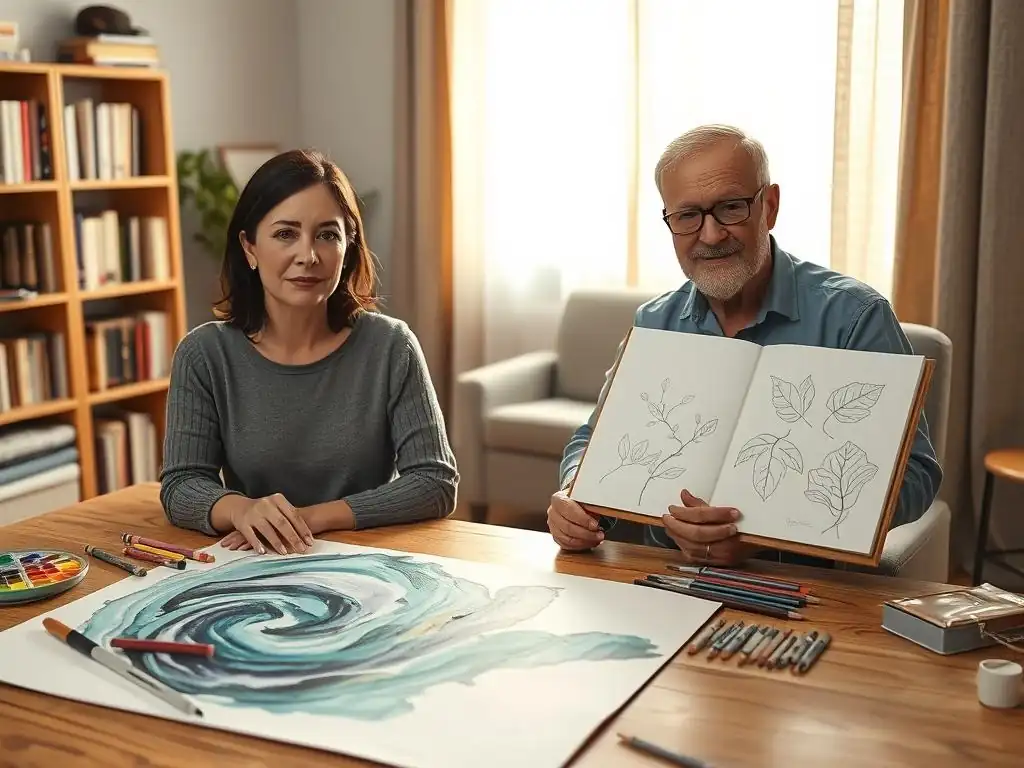
Welcome to Mind Care Guide, a compassionate space dedicated to nurturing your mental well-being. Are you seeking a new path towards healing from trauma? In this article, we delve into the intriguing world of art therapy for trauma recovery, exploring how it differs from traditional talk therapy and offering insights into which approach might resonate best with your unique journey. Let's uncover the possibilities together...
Art Therapy vs. Talk Therapy for Trauma: Understanding the Differences
- Introduction to Trauma Therapy: Exploring Art and Talk Therapy Options
- What is Talk Therapy for Trauma?
- Unveiling Art Therapy for Trauma Recovery: A Creative Approach
- Art Therapy vs. Talk Therapy: A Detailed Comparison
- Benefits of Art Therapy for Trauma: Why Choose Creative Healing?
- Benefits of Talk Therapy for Trauma: Exploring Verbal Processing
-
Who Benefits Most from Art Therapy for Trauma?
- Ideal Candidates for Art Therapy: Individuals with Difficulty Verbalizing Emotions, Children, and Those with Sensory Processing Issues
- When Art Therapy May Be More Effective Than Talk Therapy
- Ideal Candidates for Talk Therapy: Individuals Comfortable with Verbal Expression, Those Seeking Cognitive Understanding, and Those with Strong Social Support Systems
- When Talk Therapy May Be More Effective Than Art Therapy
- Integrating Art Therapy and Talk Therapy: A Holistic Approach
- Finding the Right Trauma Therapy: Factors to Consider
- Conclusion: Choosing the Best Path for Your Trauma Recovery Journey
-
Frequently Asked Questions
- What is the main difference between art therapy and talk therapy for trauma recovery?
- How can art therapy specifically help with trauma recovery?
- Is art therapy only for people who are "good at art"?
- Can art therapy and talk therapy be used together for trauma recovery?
- What types of trauma can art therapy help with?
- Final Reflection: The Healing Power of Expression in Trauma Recovery
- Unlock Your Healing Journey: Next Steps to Finding the Right Therapy
Introduction to Trauma Therapy: Exploring Art and Talk Therapy Options
Understanding Trauma and its Impact on Mental Health
Trauma is an emotional response to a distressing event or series of events that overwhelms an individual's ability to cope, causes feelings of helplessness, diminishes their sense of self, and their ability to feel a full range of emotions and experiences. It's not just the event itself, but the lasting impact it has on a person's nervous system, brain, and overall well-being.
The effects of trauma can manifest in numerous ways, including anxiety, depression, difficulty forming relationships, hypervigilance, emotional numbness, and physical symptoms like chronic pain or fatigue. The brain's response to trauma can alter its structure and function, affecting areas responsible for memory, emotion regulation, and fear response, making daily life challenging for survivors.
The prevalence of trauma is significant. Statistics suggest that a large percentage of the population will experience at least one traumatic event in their lifetime, with estimates often ranging from 60% to 70% for adults. For many, these experiences can lead to post-traumatic stress disorder (PTSD) or other trauma-related conditions. Symptoms can persist for years if untreated, severely impacting quality of life, work, and personal relationships. Effective trauma recovery is crucial for individuals to process these experiences, regain a sense of safety, and build a fulfilling future.
The Growing Need for Effective Trauma Recovery Methods
The increasing understanding of trauma's widespread impact has highlighted the urgent need for accessible and effective therapeutic interventions. Traditional approaches, primarily talk-based therapies, have long been the cornerstone of mental health treatment, including for trauma. However, trauma often involves experiences that are difficult to articulate verbally, especially for those who experienced trauma at a young age or whose memories are fragmented or non-linear. This has led to the exploration and validation of alternative or complementary methods.
The demand for diverse trauma recovery options is driven by the recognition that one size does not fit all. While some individuals thrive in verbal processing environments, others find non-verbal or creative outlets more conducive to accessing and working through deep-seated pain and memories. The field of mental health is increasingly embracing a more holistic view, acknowledging that healing involves mind, body, and emotions. As a result, methods like art therapy for trauma recovery are gaining prominence as valuable tools in the therapeutic landscape, offering different pathways to healing alongside established talk therapies.
What is Talk Therapy for Trauma?
Defining Talk Therapy and its Common Techniques
Talk therapy, also known as psychotherapy or counseling, is a therapeutic approach that involves conversing with a trained mental health professional to explore thoughts, feelings, and behaviors. For trauma survivors, the goal is typically to process the traumatic experience, understand its impact, develop coping strategies, and reduce symptoms. This is achieved through structured conversations, guided exercises, and homework assignments tailored to the individual's needs and the specific therapeutic model being used.
Common techniques employed in talk therapy for trauma include:
- Psychoeducation: Learning about trauma, its effects on the brain and body, and common reactions.
- Cognitive Restructuring: Identifying and challenging negative or distorted thought patterns related to the trauma.
- Exposure: Gradually and safely confronting trauma-related memories, feelings, and situations.
- Skill Building: Developing techniques for managing stress, regulating emotions, and improving communication.
- Narrative Development: Creating a coherent story of the traumatic event to help integrate it into the individual's life history.
Types of Talk Therapy Used in Trauma Treatment: CBT, EMDR, and Narrative Therapy
Several evidence-based talk therapy modalities are widely used and effective in treating trauma. Cognitive Behavioral Therapy (CBT) is a broad category that includes trauma-focused CBT (TF-CBT), often used with children and adolescents, which helps individuals identify and change negative thoughts and behaviors linked to trauma. Prolonged Exposure (PE), another form of CBT, involves confronting trauma-related memories and situations in a safe environment to reduce avoidance and fear.
Eye Movement Desensitization and Reprocessing (EMDR) is a distinct approach that involves recalling distressing images while engaging in bilateral stimulation, such as side-to-side eye movements. The theory is that this process helps the brain reprocess traumatic memories, reducing their emotional intensity. Research consistently shows EMDR's effectiveness, with many individuals experiencing significant symptom reduction, often within 8-12 sessions. Narrative Therapy focuses on separating the person from the problem and helping them rewrite their life story in a way that emphasizes their strengths and resilience, reducing the trauma's dominance over their identity.
Benefits and Limitations of Talk Therapy for Trauma Survivors
Talk therapy offers numerous benefits for trauma survivors. It provides a safe and confidential space to share experiences that may have previously been kept secret. Verbalizing trauma can help individuals make sense of what happened, challenge feelings of guilt or shame, and gain a new perspective. Techniques like cognitive restructuring can significantly reduce distressing thoughts and beliefs. Skill-building components equip survivors with practical tools to manage anxiety, improve sleep, and navigate daily challenges. Many people find the structured nature of these therapies reassuring and empowering.
However, talk therapy also has limitations, particularly for trauma. Some individuals find it incredibly difficult or impossible to verbalize their traumatic experiences, especially if the trauma occurred before they developed language skills or if it involved extreme dissociation. Focusing solely on verbal processing can sometimes feel overwhelming or re-traumatizing if not handled with extreme care. For those who are highly dissociative or have significant difficulty accessing and processing emotions through language, a purely talk-based approach may not be sufficient or even accessible, highlighting the need for alternative methods like art therapy for trauma recovery.
Unveiling Art Therapy for Trauma Recovery: A Creative Approach
Defining Art Therapy and its Core Principles
Art therapy is a form of psychotherapy that uses creative modalities, such as painting, drawing, sculpture, and collage, to help people explore their feelings, reconcile emotional conflicts, foster self-awareness, manage behavior, reduce anxiety, and increase self-esteem. It is not about artistic skill; it is about the process of creation and the images produced serving as a form of communication. A qualified art therapist is trained in both art and psychology, guiding the individual through the creative process and helping them interpret the meaning behind their artwork in a therapeutic context.
The core principles of art therapy for trauma recovery are rooted in the belief that creative expression can access aspects of the psyche that are beyond verbal articulation. It provides a safe, non-threatening way to externalize internal experiences. Key principles include:
- Non-Verbal Expression: Offering a pathway to express feelings and memories that are too difficult or painful to put into words.
- Symbolism: Recognizing that images and symbols can represent complex emotions, relationships, or events.
- Process over Product: Emphasizing the therapeutic benefits derived from the act of creating itself, rather than the aesthetic quality of the finished piece.
- Externalization: Allowing distressing internal states to be projected onto the artwork, making them easier to observe, process, and manage.
How Art Therapy Facilitates Trauma Processing
Art therapy facilitates trauma processing by providing a medium through which survivors can externalize and confront traumatic memories and feelings in a safe, symbolic way. Trauma is often stored in non-verbal parts of the brain, such as the amygdala and limbic system, making it hard to access through language alone. Creating art can tap into these areas, allowing pre-verbal or non-verbal aspects of the trauma experience to surface. For example, a survivor might draw a chaotic scene filled with dark colors to represent the confusion and fear of an event, even if they cannot verbally describe the details.
The artwork becomes a tangible representation of internal states. The therapist and client can then explore the piece together, discussing colors, shapes, textures, and symbols without the pressure of recounting specific details verbally. This distance provided by the artwork allows for processing without becoming overwhelmed. Manipulating materials like clay or paint can also be a physical release for pent-up tension and emotions associated with trauma. This creative engagement helps integrate fragmented traumatic experiences, making them feel less overwhelming and more manageable as part of one's history.
The Role of Creative Expression in Emotional Healing
Creative expression is a powerful tool for emotional healing, particularly in the context of trauma recovery. It provides a voice when words fail. For many trauma survivors, the experience leaves them feeling disconnected from their emotions or overwhelmed by intense feelings they don't understand. Engaging in artistic creation allows these emotions to be safely expressed and contained within the artwork. A survivor might paint anger using aggressive strokes and vibrant reds, or sadness using muted blues and drooping shapes.
This externalization of feelings helps survivors observe their emotions rather than being consumed by them. It can also foster a sense of control over the internal chaos that trauma often creates. The act of choosing colors, making marks, and shaping materials is inherently empowering. Furthermore, the creative process can be a form of mindfulness, grounding individuals in the present moment and providing a respite from intrusive thoughts or flashbacks. Over time, this creative exploration can lead to increased emotional literacy, self-compassion, and a greater capacity for emotional regulation, all vital components of effective art therapy trauma recovery.
Art Therapy vs. Talk Therapy: A Detailed Comparison

Key Differences in Approach and Techniques
The fundamental difference between art therapy and talk therapy for trauma lies in their primary mode of communication and processing. Talk therapy relies heavily on verbal language – recounting events, discussing feelings, analyzing thoughts, and engaging in dialogue. Techniques involve structured conversations, cognitive exercises, and verbal processing of experiences. The therapist uses listening, questioning, and interpretation skills to guide the client.
Art therapy, on the other hand, utilizes visual and sensory modalities as the primary means of expression and exploration. While verbal discussion with the therapist is part of the process, the core work involves creating art. Techniques include drawing, painting, sculpting, collage, and other creative activities. The therapist guides the client through the art-making process, observing their engagement with materials, and helping them explore the meaning and feelings evoked by the artwork. The focus is often on the process of creation and the symbolic content of the art, rather than solely on verbal narrative.
Processing Trauma: Verbal vs. Non-Verbal Expression
Trauma is often stored in the brain in ways that make verbal processing difficult. Flashbacks, intrusive images, and physical sensations are common trauma symptoms that are not easily translated into coherent language. Talk therapy primarily engages the prefrontal cortex, the part of the brain responsible for language, logic, and reasoning. While essential for making sense of trauma cognitively, it may not fully access the emotional and sensory memories stored in the limbic system and other non-verbal brain areas.
Art therapy for trauma recovery provides a direct pathway to these non-verbal experiences. The act of creating art engages different parts of the brain, including those involved in emotion, memory, and sensory processing. A survivor might not be able to describe the terror they felt, but they might be able to show it through chaotic lines or distorted figures in a drawing. This non-verbal expression allows access to feelings and memories that are pre-verbal, fragmented, or too overwhelming to put into words, facilitating processing at a deeper, more somatic level than verbal methods alone might achieve.
Emotional Release: How Art and Talk Therapy Differ
Emotional release is a critical component of trauma recovery, and both art and talk therapy facilitate it, though in different ways. In talk therapy, emotional release often occurs through verbal expression – crying while recounting a painful memory, expressing anger about an injustice, or articulating fear. The release comes from giving voice to internal feelings and having them validated by the therapist. This verbal processing can lead to catharsis and a greater understanding of one's emotional landscape.
In art therapy, emotional release can be more direct and physical. The act of aggressively scribbling with crayons, pounding clay, or freely splashing paint can be a powerful way to discharge intense emotions like anger, frustration, or fear. The artwork itself can also serve as a container for difficult feelings, externalizing them so they feel less overwhelming inside the body.
For example, a survivor might create a sculpture representing their burden of shame and then choose to symbolically destroy or alter it within the session, providing a sense of release and empowerment that differs from simply talking about the shame. This creative outlet offers a unique avenue for emotional processing that complements verbal methods in art therapy trauma recovery.
Benefits of Art Therapy for Trauma: Why Choose Creative Healing?
Accessing Non-Verbal Memories and Emotions
One of the most significant benefits of art therapy for trauma survivors is its ability to access memories and emotions that are stored in non-verbal ways. Trauma can disrupt the brain's ability to form coherent narratives, leaving survivors with fragmented images, physical sensations, and intense emotions that predate or exist outside of language. Traditional talk therapy can struggle to reach these non-verbal layers of experience.
Art-making bypasses the need for words, allowing individuals to express these pre-verbal or non-verbal aspects of trauma. A survivor might draw a feeling, sculpt a memory, or create a collage representing a sensory experience. This process can help bring unconscious material to the surface in a safe and controlled manner. For instance, someone with early childhood trauma might create images that convey feelings of abandonment or fear experienced before they could verbalize them, providing a pathway to process these core wounds that verbal methods alone might not fully access.
Reducing Shame and Building Self-Esteem through Art
Trauma often leaves survivors grappling with intense feelings of shame, guilt, and worthlessness. They may internalize blame for what happened or feel fundamentally flawed. These feelings can be difficult to articulate verbally and can create barriers in traditional talk therapy settings. The non-verbal nature of art therapy can help circumvent some of this shame. Expressing difficult emotions or experiences through art can feel less exposing than talking about them directly.
The creative process itself can also be inherently empowering. Completing an art piece, regardless of artistic skill, can foster a sense of accomplishment and mastery. For someone whose trauma left them feeling helpless and out of control, the ability to create something and make choices within the therapeutic process can be incredibly healing. As survivors explore their inner world through art and are met with acceptance and validation from the therapist, it can help chip away at shame and build a stronger, more positive sense of self, crucial for art therapy trauma recovery.
Fostering Emotional Regulation and Resilience
Trauma significantly impairs an individual's ability to regulate emotions. Survivors may experience emotional numbness or, conversely, intense and unpredictable mood swings, anxiety, or anger. Learning to manage these overwhelming feelings is vital for recovery. Art therapy provides practical ways to practice emotional regulation within the therapeutic space.
Engaging with different art materials can be a grounding experience, helping individuals stay present and manage distress. The act of creating can be calming and help channel difficult emotions into a manageable form. Therapists can guide clients in using art to explore triggers, identify emotional states, and develop visual coping strategies.
For example, a client might create a "safe place" image to return to mentally during moments of anxiety or develop a visual representation of their emotional "volume dial" to practice turning down intensity. This creative exploration of emotions and coping builds resilience, equipping survivors with tools they can use outside of therapy sessions.
Benefits of Talk Therapy for Trauma: Exploring Verbal Processing
Cognitive Restructuring and Trauma Narrative Development
One of the core strengths of talk therapy for trauma is its ability to facilitate cognitive restructuring and the development of a coherent trauma narrative. Trauma can shatter a person's worldview, leading to distorted beliefs about themselves, others, and the world (e.g., "I am unsafe," "It was my fault," "The world is dangerous"). Talk therapy, particularly CBT-based approaches, helps individuals identify these maladaptive thoughts and challenge their validity.
Through guided discussion and cognitive exercises, survivors learn to replace inaccurate or harmful beliefs with more balanced and realistic ones. Furthermore, developing a coherent narrative of the traumatic event(s) is a key aspect of processing. Trauma often fragments memories, making it difficult to sequence events or understand what happened. Talk therapy provides the structure and support needed to piece together these fragments, create a narrative that makes sense, and integrate the experience into one's life story, reducing symptoms like intrusive thoughts and flashbacks.
Developing Coping Mechanisms and Problem-Solving Skills
Talk therapy is highly effective in teaching practical coping mechanisms and problem-solving skills essential for managing the ongoing challenges that trauma survivors face. Therapists work with clients to identify specific difficulties, such as sleep problems, difficulty concentrating, or challenges in relationships, and develop strategies to address them.
Techniques like relaxation exercises, mindfulness practices, communication skills training, and assertiveness training are commonly taught in talk therapy. For example, a survivor struggling with hypervigilance might learn grounding techniques through verbal instruction and practice. Someone experiencing relationship difficulties post-trauma might use role-playing within sessions to improve communication skills. This focus on practical, verbalizable skills empowers survivors to navigate daily life more effectively and build a sense of agency that trauma often diminishes.
Improving Communication and Interpersonal Relationships
Trauma can severely impact a survivor's ability to form and maintain healthy relationships. Difficulties with trust, intimacy, communication, and emotional regulation are common. Talk therapy provides a space to explore these interpersonal challenges and develop healthier ways of relating to others.
Through discussing relationship patterns, practicing communication techniques, and exploring attachment styles, survivors can gain insight into how trauma has affected their interactions. Therapists can help clients set healthy boundaries, express their needs effectively, and work through trust issues. While art therapy for trauma recovery can indirectly improve relationships by fostering emotional regulation, talk therapy offers a direct focus on verbal communication and relational dynamics, providing tools specifically aimed at improving interpersonal functioning.
Who Benefits Most from Art Therapy for Trauma?
Ideal Candidates for Art Therapy: Individuals with Difficulty Verbalizing Emotions, Children, and Those with Sensory Processing Issues
Art therapy is particularly beneficial for individuals who struggle to express themselves verbally. This includes those who experienced trauma at a very young age before language was fully developed, individuals who are non-verbal, or those who find talking about their trauma overwhelming or impossible due to dissociation or intense emotional blocking. The non-verbal nature of art provides an alternative pathway for expression and processing.
Children are often excellent candidates for art therapy. They naturally communicate through play and creative expression, and art provides a developmentally appropriate way for them to process difficult experiences they may not have the words for. Individuals with certain sensory processing sensitivities or those who benefit from hands-on, embodied experiences may also find art therapy more accessible and effective than purely verbal methods. Art therapy for trauma recovery offers a gentle yet profound way to engage with difficult material.
When Art Therapy May Be More Effective Than Talk Therapy
Art therapy may be more effective than talk therapy in several scenarios. It can be particularly useful when:
- Trauma memories are fragmented, non-linear, or primarily sensory/emotional without a clear narrative.
- The individual is highly dissociative and struggles to stay grounded during verbal processing.
- Shame or fear prevents the individual from talking about the trauma directly.
- The individual is resistant to or has had limited success with traditional talk therapy.
- The individual responds well to kinesthetic, visual, or symbolic modes of expression.
- The goal is to access and process pre-verbal trauma or trauma experienced before conscious memory formation.
In these cases, art therapy can provide a breakthrough, allowing access to material that talk therapy cannot easily reach, serving as a powerful tool in art therapy trauma recovery.
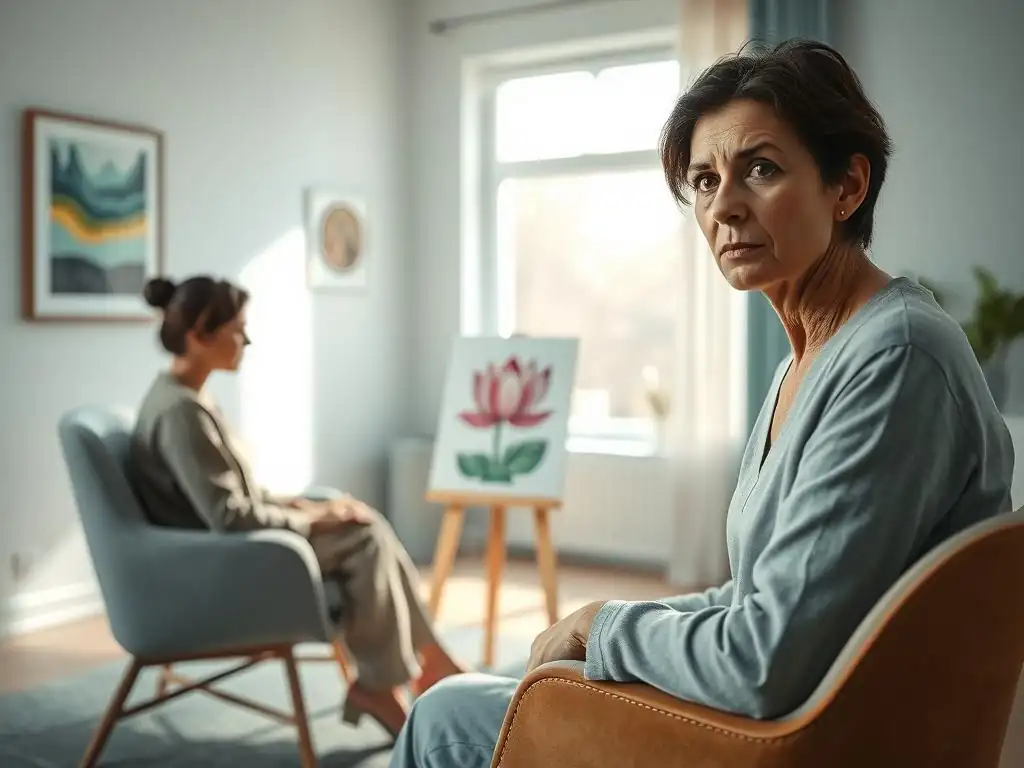
Talk therapy is often most effective for individuals who are comfortable expressing themselves verbally and who have a capacity for introspection and cognitive processing. Those who prefer to understand their experiences through logic and narrative, and who can tolerate discussing painful topics, often benefit greatly from verbal therapeutic approaches.
Individuals who are seeking to develop a clear, chronological narrative of their trauma, challenge distorted beliefs, and gain a cognitive understanding of how the trauma has impacted them are well-suited for talk therapy. Having a relatively stable environment and a degree of social support can also make engaging in the sometimes challenging verbal processing of trauma more manageable.
When Talk Therapy May Be More Effective Than Art Therapy
Talk therapy may be more effective than art therapy in situations where:
- The individual prefers a structured, logical approach to processing.
- The primary goal is to develop specific verbal coping strategies or improve communication skills.
- The trauma narrative is relatively coherent, and the individual is able and willing to discuss it.
- The individual benefits most from verbal processing to challenge thoughts and beliefs.
- The focus is on developing problem-solving skills for current life challenges stemming from trauma.
- The individual has a strong capacity for verbal insight and finds verbal sharing cathartic.
While art therapy is invaluable for non-verbal processing in art therapy trauma recovery, talk therapy excels at cognitive restructuring, narrative building, and developing verbal coping skills.
Integrating Art Therapy and Talk Therapy: A Holistic Approach
Combining Creative and Verbal Methods for Comprehensive Healing
Often, the most comprehensive and effective approach to trauma recovery is integrating both art therapy and talk therapy methods. Trauma affects individuals on multiple levels – cognitive, emotional, physical, and spiritual – and a multi-modal approach can address these complexities more fully. Combining creative expression with verbal processing allows for a richer, more layered exploration of the trauma experience.
In an integrated approach, art can be used to access difficult emotions or fragmented memories, creating a visual representation of internal states. The therapist can then use talk therapy techniques to help the client process the feelings evoked by the art, explore the symbolism, challenge associated thoughts, and integrate the experience into a narrative understanding. This allows the non-verbal depth of art to be complemented by the cognitive clarity and narrative building capabilities of talk therapy, fostering a more complete healing process.
Examples of Integrated Therapy Approaches for Trauma
Integrated approaches can manifest in various ways. A therapist might use art directives within a talk therapy session, such as asking a client to draw how they feel before discussing it. Alternatively, a client might see an art therapist for one session and a talk therapist for another, with the therapists collaborating or the client bringing material from one session to the other. Some therapists are trained in both modalities and seamlessly blend them within a single session.
For example, a survivor might create a mask in art therapy to represent the face they show to the world versus their internal feelings. This art piece then becomes a focal point for discussion in talk therapy, exploring the reasons for concealment and ways to integrate different aspects of the self. Another example involves using art to create a "trauma timeline" visually, which is then verbally processed section by section, helping to organize fragmented memories and build a cohesive narrative. This combined use enhances the power of art therapy trauma recovery.
The Role of the Therapist in Facilitating Integrated Treatment
In integrated therapy, the therapist plays a crucial role in skillfully weaving together the different modalities. They need to be proficient in both art therapy and talk therapy techniques or work collaboratively with another therapist who specializes in the complementary modality. The therapist acts as a guide, helping the client transition between non-verbal expression and verbal reflection.
The therapist must be attuned to when art is needed to bypass verbal blocks and when talking is necessary to process insights gained through art. They help the client interpret the meaning in their artwork without imposing their own views, facilitating the client's own understanding. They also ensure that the process remains safe and contained, managing emotional intensity whether expressed through art or words. This skilled facilitation is key to maximizing the benefits of both approaches in achieving comprehensive trauma recovery.
Finding the Right Trauma Therapy: Factors to Consider
Assessing Your Individual Needs and Preferences
Choosing the right trauma therapy is a personal journey that begins with understanding your own needs and preferences. Ask yourself:
- Do I feel more comfortable expressing myself verbally or through creative means?
- Do I struggle to put my feelings into words?
- Do I tend to intellectualize my experiences, or do I connect more through emotions and sensations?
- What are my goals for therapy (e.g., reducing specific symptoms, understanding the trauma, developing coping skills, processing difficult memories)?
- Have I tried therapy before, and what was that experience like?
- Am I open to trying non-traditional methods like art-making in a therapeutic setting?
Consider what feels most accessible and least intimidating to you right now. Reflecting on these questions can provide valuable clues about whether talk therapy, art therapy for trauma recovery, or an integrated approach might be the best fit.
Consulting with a Mental Health Professional for Guidance
Navigating the different therapy options can be complex, and consulting with a qualified mental health professional is highly recommended. A therapist experienced in trauma treatment can assess your specific symptoms, history, and current functioning to help you determine which therapeutic approach or combination of approaches is most likely to be effective for you.
During an initial consultation, be open about your experiences, your struggles with expressing them, and any preferences or reservations you have about different types of therapy. The therapist can explain the rationale behind different modalities and help you understand how they might address your unique challenges. They can also discuss the evidence base for various treatments and help you make an informed decision about your path towards art therapy trauma recovery or another form of healing.
Understanding the Importance of a Safe and Supportive Therapeutic Relationship
Regardless of the specific modality chosen – whether it's talk therapy, art therapy, or an integrated approach – the quality of the therapeutic relationship is paramount for successful trauma recovery. Healing from trauma requires vulnerability, trust, and feeling safe within the therapeutic space.
A strong therapeutic alliance is built on trust, empathy, respect, and a sense of collaborative partnership between the client and the therapist. Feeling understood, validated, and supported by your therapist is crucial for engaging in the difficult work of processing trauma. Take the time to find a therapist with whom you feel a genuine connection and who has experience working with trauma survivors. This safe and supportive relationship is the foundation upon which any effective trauma recovery, including art therapy trauma recovery, is built.
Conclusion: Choosing the Best Path for Your Trauma Recovery Journey
Frequently Asked Questions
What is the main difference between art therapy and talk therapy for trauma recovery?
Art therapy uses creative expression to process trauma, while talk therapy relies on verbal communication and exploration of thoughts and feelings. Art allows for non-verbal processing, which can be beneficial when words are difficult.
How can art therapy specifically help with trauma recovery?
Art therapy provides a safe outlet to express and process difficult emotions and memories without directly verbalizing the traumatic event. It can also help rebuild a sense of control and empowerment through the creative process.
Is art therapy only for people who are "good at art"?
Absolutely not! Art therapy is about the process of creation, not the final product. No artistic skill or experience is needed; it's about using art as a tool for self-expression.
Can art therapy and talk therapy be used together for trauma recovery?
Yes, combining both therapies can be highly effective. Talk therapy can provide cognitive understanding, while art therapy offers emotional release and non-verbal processing.
What types of trauma can art therapy help with?
Art therapy can be beneficial for a wide range of traumas, including childhood trauma, PTSD, abuse, and grief. It provides a flexible and adaptable approach to healing from various traumatic experiences.
Final Reflection: The Healing Power of Expression in Trauma Recovery
The exploration of art therapy and talk therapy for trauma recovery reveals a crucial truth: healing isn't a one-size-fits-all process. The most effective approach often lies in understanding the unique needs of the individual and leveraging the power of diverse therapeutic modalities. This understanding is more vital than ever in a world grappling with increasing rates of trauma.
The impact of trauma extends far beyond the initial event, weaving its way into the fabric of our social and cultural landscapes. The very act of creating art, of finding expression beyond words, can be profoundly cathartic. Art enables us to find ourselves and lose ourselves at the same time.
– Thomas Merton. This quote beautifully encapsulates the dual nature of art therapy; it allows for both self-discovery and a release from the constraints of trauma's grip. The growing recognition of art therapy's efficacy underscores a shift towards a more holistic and compassionate approach to mental health, one that values the individual's unique path to healing.
Consider the ways in which you process emotions and experiences. Are you a verbal processor, or do you find solace in creative expression? This article isn't just about understanding the differences between art therapy and talk therapy; it's about empowering you to choose the path that best suits your needs. Embrace the power of self-advocacy in your healing journey. Explore the possibilities, research different therapists, and don't hesitate to seek out the support that resonates most deeply with your soul. Your healing is a testament to your strength, and the right therapeutic approach can unlock your inherent resilience.
Unlock Your Healing Journey: Next Steps to Finding the Right Therapy
Thanks for taking the time to explore the world of trauma healing with us! We hope this article shed light on the unique benefits of both art and talk therapy. Now, it's time to take the next steps towards your own healing journey.
- Schedule a consultation: This is the most crucial step. Reach out to a therapist specializing in trauma and discuss which approach – art or talk therapy – might be the best fit for you. Remember, this is a personal decision.
- Explore creative outlets: Even if you choose talk therapy, consider incorporating creative activities into your routine. Journaling, painting, or even simply listening to music can be incredibly helpful in processing emotions.
- Share your insights: Discuss your experiences and thoughts with trusted friends, family members, or in a support group. Sharing your journey can be both cathartic and empowering.
What unique creative outlet will you explore as part of your healing journey?