
Healing is Possible: Hope for Adult Survivors of Childhood Trauma


Welcome to Mind Care Guide.
Are you carrying the weight of the past? We understand that healing from childhood trauma can feel like an impossible journey. This space is dedicated to offering you compassionate guidance and practical tools. In this article, we delve into vital childhood trauma healing resources and provide a roadmap to help you reclaim your life. Begin your journey of healing and self-discovery with us, and find the hope and support you deserve.
Healing is Possible: Hope for Adult Survivors of Childhood Trauma
- Understanding Childhood Trauma and Its Lasting Impact
- Recognizing the Signs and Symptoms of Childhood Trauma in Adulthood
- Pathways to Healing: Exploring Childhood Trauma Healing Resources
- Specific Childhood Trauma Healing Resources for Adult Survivors
- Building Resilience and Moving Forward After Childhood Trauma
- The Importance of Early Intervention and Prevention of Childhood Trauma
- Finding Hope and a Brighter Future: A Message of Encouragement for Adult Survivors
-
Frequently Asked Questions
- What are some of the common long-term effects of childhood trauma on adults?
- Where can I find Childhood trauma healing resources specifically designed for adult survivors?
- How can therapy help in healing from childhood trauma as an adult?
- What are some self-care strategies that can support the healing process after childhood trauma?
- Is it possible to fully recover from the effects of childhood trauma, and what does that look like?
- Final Reflection: Embracing the Journey to Healing
- Unlock Your Healing Journey Today
Understanding Childhood Trauma and Its Lasting Impact
Defining Childhood Trauma: What Qualifies as a Traumatic Experience?
Childhood trauma refers to deeply distressing or disturbing experiences that occur before adulthood. These events can overwhelm a child's ability to cope, disrupting their sense of safety and security. Examples include physical or sexual abuse, emotional abuse or neglect, witnessing domestic violence, living in a dangerous environment, loss of a parent or loved one, serious accidents or illnesses, and experiencing natural disasters or war. The impact is not solely determined by the event itself but also by the child's age, their support system, and the cumulative nature of the traumatic experiences.
It's crucial to understand that trauma is subjective. What might be traumatic for one child may not be for another, depending on their individual circumstances and resilience factors. However, research consistently shows that adverse childhood experiences (ACEs) are surprisingly common.
Studies, such as the original ACE study conducted by the CDC and Kaiser Permanente, revealed that approximately two-thirds of participants reported at least one ACE, and about one in six reported four or more ACEs. These statistics underscore the widespread nature of childhood trauma and its potential long-term public health implications, making accessible childhood trauma healing resources vital for adult survivors.
The Neuroscience of Trauma: How Childhood Trauma Affects the Brain
Childhood is a critical period for brain development. Traumatic experiences during this time can significantly alter the structure and function of the developing brain, particularly areas involved in stress response, emotion regulation, and memory. The amygdala, responsible for processing fear and threat, can become hyperactive, leading to heightened vigilance and reactivity. Simultaneously, the prefrontal cortex, which handles executive functions like planning and decision-making, and the hippocampus, crucial for memory formation and context, may show reduced activity or development, impairing the ability to regulate emotions, think logically under stress, and process traumatic memories effectively.
This neurobiological impact can persist into adulthood. Adults who experienced childhood trauma often have a dysregulated stress response system, the hypothalamic-pituitary-adrenal (HPA) axis. This can lead to elevated levels of stress hormones like cortisol, even in non-threatening situations. Over time, chronic activation of this system can contribute to various physical and mental health issues. Understanding these brain changes highlights why traditional coping mechanisms may be insufficient and underscores the need for specific, trauma-informed approaches and comprehensive childhood trauma healing resources that address both the psychological and physiological aspects of trauma.
Long-Term Effects of Childhood Trauma on Adult Mental Health
The echoes of childhood trauma can resonate throughout adulthood, significantly impacting mental well-being. Adult survivors are at a substantially increased risk for developing a range of mental health conditions. Research indicates that individuals with four or more ACEs are twice as likely to be diagnosed with depression compared to those with none, and their risk for anxiety disorders is also significantly elevated. Post-traumatic Stress Disorder (PTSD), though often associated with adult trauma, is also a common outcome of childhood trauma, manifesting in symptoms like flashbacks, nightmares, avoidance, and hyperarousal.
Beyond these specific diagnoses, childhood trauma can affect personality development, self-esteem, and the ability to form healthy relationships. Survivors may struggle with feelings of shame, guilt, worthlessness, and difficulty trusting others. Emotional dysregulation is common, leading to intense mood swings, difficulty managing anger, or feeling emotionally numb. These challenges can profoundly impact daily functioning, career stability, and overall life satisfaction, emphasizing the critical role of accessible and effective childhood trauma healing resources in supporting recovery.
Recognizing the Signs and Symptoms of Childhood Trauma in Adulthood
Common Psychological Symptoms: Anxiety, Depression, and PTSD
Adult survivors of childhood trauma frequently grapple with persistent psychological distress. Anxiety disorders are prevalent, ranging from generalized anxiety and social anxiety to panic attacks. This often stems from a feeling of being constantly on edge or unsafe, a carryover from the traumatic environment. Depression is another common symptom, characterized by persistent sadness, loss of interest, fatigue, and feelings of hopelessness. The weight of unprocessed trauma, shame, and isolation can be incredibly heavy, contributing to depressive states.
PTSD symptoms in adult survivors can differ slightly from those who experienced single-incident adult trauma. Complex PTSD (C-PTSD) is often used to describe the effects of prolonged, interpersonal trauma like child abuse or neglect. Symptoms include not only the standard PTSD criteria (re-experiencing, avoidance, hyperarousal) but also difficulties with emotional regulation, distorted self-perception (e.g., feeling worthless), relationship problems, and a loss of meaning or hope. Recognizing these interconnected psychological challenges is the first step toward seeking appropriate childhood trauma healing resources.
Behavioral Manifestations: Substance Abuse, Relationship Difficulties, and Self-Harm
The psychological pain resulting from childhood trauma often leads to maladaptive coping behaviors in adulthood. Substance abuse is a significant concern, as individuals may use drugs or alcohol to numb emotional pain, escape intrusive thoughts, or manage overwhelming anxiety. Studies show a strong correlation between the number of ACEs experienced and the likelihood of developing substance dependence; for instance, having six or more ACEs increases the risk of becoming an intravenous drug user by a staggering 46 times.
Relationship difficulties are also common. Survivors may struggle with trust, fear of intimacy, difficulty setting boundaries, or repeating unhealthy relationship patterns. They might alternate between extremes of clinging and pushing people away. Self-harm, such as cutting or burning, can be a desperate attempt to cope with intense emotional pain, feel something when numb, or punish oneself. Eating disorders are another behavioral manifestation, often linked to issues of control, body image, and emotional regulation. Addressing these behavioral patterns requires therapeutic intervention and access to specialized childhood trauma healing resources.
Physical Health Issues Linked to Childhood Trauma: Chronic Pain and Other Ailments
The mind-body connection is profound, and childhood trauma can have significant long-term impacts on physical health. The chronic activation of the stress response system can lead to inflammation and dysregulation of various bodily systems. Adult survivors have a higher incidence of chronic conditions such as fibromyalgia, chronic fatigue syndrome, irritable bowel syndrome (IBS), and other forms of chronic pain that lack a clear physical cause. A study found that individuals with four or more ACEs were four times more likely to report chronic pain compared to those with no ACEs.
Beyond chronic pain, the risk for cardiovascular disease, autoimmune disorders (like rheumatoid arthritis), diabetes, and certain types of cancer is also elevated in individuals with a history of childhood trauma. Sleep disturbances, headaches, and digestive issues are also commonly reported. This highlights that healing from childhood trauma is not just about mental health; it is crucial for overall physical well-being. Integrating physical health considerations into childhood trauma healing resources is essential for comprehensive recovery.
Pathways to Healing: Exploring Childhood Trauma Healing Resources

Therapy for Childhood Trauma: Finding the Right Approach
Therapy is one of the most effective childhood trauma healing resources available to adult survivors. However, finding the right type of therapy is crucial, as traditional talk therapy approaches may not be sufficient or could even be re-traumatizing if not delivered by a trauma-informed therapist. Therapies specifically designed to address trauma help individuals process traumatic memories in a safe environment, regulate overwhelming emotions, and develop healthier coping strategies.
Choosing a therapist who understands trauma and uses evidence-based practices is paramount. It's okay to meet with several therapists before finding one who feels like a good fit. The therapeutic relationship itself is a vital component of healing, providing a safe space to explore difficult experiences without judgment. Many effective childhood trauma healing resources are rooted in specific therapeutic modalities that have demonstrated positive outcomes for survivors.
Trauma-Focused Cognitive Behavioral Therapy (TF-CBT)
While initially developed for children and adolescents, the principles of Trauma-Focused Cognitive Behavioral Therapy (TF-CBT) have been adapted for adults, and many cognitive-behavioral strategies are foundational in adult trauma therapies. TF-CBT typically involves components like psychoeducation about trauma, relaxation techniques, emotional regulation skills, cognitive processing of traumatic beliefs, and gradual exposure to trauma-related memories or situations in a controlled manner. The goal is to help individuals reframe negative thoughts associated with the trauma and reduce avoidance behaviors.
An estimated 70-80% of people who complete a course of evidence-based trauma therapy like CBT or TF-CBT experience a significant reduction in PTSD symptoms. These therapies help survivors understand the connection between their thoughts, feelings, and behaviors, providing practical tools to challenge distorted thinking patterns that developed as a result of the trauma, such as "I am responsible" or "The world is a dangerous place." Access to therapists trained in these modalities is a key part of effective childhood trauma healing resources.
Eye Movement Desensitization and Reprocessing (EMDR) Therapy
Eye Movement Desensitization and Reprocessing (EMDR) is another highly effective therapy for processing traumatic memories. It involves recalling distressing images or memories while simultaneously engaging in bilateral stimulation, typically eye movements guided by the therapist, but sometimes using taps or tones. The theory is that this process helps the brain reprocess the memory, moving it from the part of the brain associated with active trauma response to a more resolved, less distressing state.
EMDR therapy has been recognized by major health organizations, including the World Health Organization, as an effective treatment for trauma. A standard course of EMDR therapy typically involves 8 phases and can significantly reduce the vividness and emotional charge of traumatic memories. Many individuals report that memories that once felt overwhelming become distant or less impactful after EMDR, allowing them to integrate the experience without constant distress. Locating therapists who specialize in EMDR is an important step in utilizing childhood trauma healing resources.
Somatic Experiencing: Healing Trauma Through the Body
Somatic Experiencing (SE) is a body-oriented therapeutic approach developed by Dr. Peter Levine. It is based on the understanding that trauma is not just a psychological event but also a physiological one, and that the body's natural ability to process trauma can be overwhelmed. SE focuses on helping individuals become aware of their bodily sensations (soma) related to trauma and gently releasing the stored traumatic energy. It involves tracking sensations, movements, and impulses in the body without necessarily requiring explicit verbal recounting of the traumatic event.
SE helps individuals regulate their nervous system, which often gets stuck in states of hyperarousal (fight/flight) or hypoarousal (freeze) after trauma. By guiding clients through gentle pendulation between activated and settled states, SE helps restore the body's natural rhythm and capacity for self-regulation. This approach is particularly helpful for individuals who experience dissociation, chronic pain, or feel disconnected from their bodies due to trauma. Somatic-based therapies are increasingly recognized as valuable childhood trauma healing resources that complement cognitive and emotional work.
Self-Help Strategies for Trauma Recovery
While professional therapy is often essential, self-help strategies can be powerful complements to formal treatment and are valuable childhood trauma healing resources in their own right. These strategies empower survivors to take an active role in their healing process, build resilience, and manage daily challenges. They are not a substitute for professional help for severe trauma but can significantly enhance well-being and coping skills.
Implementing self-help techniques requires patience and consistency. Progress may feel slow at times, and setbacks are normal. The key is to find strategies that resonate personally and integrate them into a regular routine. These resources provide tools for managing emotional overwhelm, reconnecting with oneself, and fostering a sense of control and agency.
Mindfulness and Meditation for Emotional Regulation
Mindfulness involves paying attention to the present moment without judgment. For trauma survivors, who may be plagued by intrusive thoughts about the past or anxieties about the future, mindfulness can be a powerful tool for grounding and emotional regulation. Simple practices like focusing on the breath, a body scan meditation, or mindful walking can help interrupt cycles of rumination or dissociation and increase tolerance for difficult emotions.
Studies have shown that mindfulness-based interventions can significantly reduce symptoms of PTSD, anxiety, and depression in trauma survivors. For example, research on Mindfulness-Based Stress Reduction (MBSR) programs demonstrates improvements in emotional regulation and decreased stress reactivity. Starting with just a few minutes a day can make a difference. There are many guided meditations available online or through apps, making this an accessible component of childhood trauma healing resources.
Journaling and Creative Expression as Healing Tools
Journaling provides a safe, private space to explore thoughts and feelings related to trauma. Writing about traumatic experiences, emotions, or even daily struggles can help externalize difficult feelings, gain perspective, and identify patterns. It's not necessary to write about the trauma directly; sometimes writing about current feelings or positive experiences is more helpful. Prompts focused on gratitude, self-compassion, or future hopes can also be beneficial.
Creative expression, such as art, music, dance, or poetry, offers non-verbal ways to process emotions and experiences that may be difficult to articulate in words. Engaging in creative activities can help release tension, connect with suppressed emotions, and foster a sense of self-discovery and agency. Even without formal artistic training, simply doodling, singing, or moving one's body can be therapeutic. These creative outlets serve as important, often overlooked, childhood trauma healing resources.
Building a Supportive Network: The Importance of Connection
Isolation is a common consequence of childhood trauma, but connecting with others is vital for healing. Building a supportive network of trusted friends, family members, or fellow survivors can provide a sense of belonging, validation, and understanding. Sharing experiences with others who have gone through similar challenges can reduce feelings of shame and loneliness.
This network doesn't have to be large; even one or two trusted individuals can make a significant difference. Learning to identify safe people and practicing healthy communication are important skills for trauma survivors. While therapy provides professional support, personal connections offer emotional sustenance and a reminder that you are not alone on the healing journey. Seeking out supportive relationships is a fundamental element among childhood trauma healing resources.
Specific Childhood Trauma Healing Resources for Adult Survivors
Accessing the right information and support is crucial for adult survivors embarking on their healing journey. Fortunately, a growing number of resources are specifically designed to address the unique needs of individuals recovering from childhood trauma. These resources range from structured support systems to educational materials that empower survivors with knowledge and tools.
Identifying and utilizing these resources can significantly impact the pace and depth of healing. It moves beyond individual therapy or self-help to connect survivors with broader communities and validated information. Navigating the array of options can feel daunting, but understanding what is available is the first step towards finding helpful childhood trauma healing resources.
Online Support Groups and Communities for Trauma Survivors
Online support groups offer a flexible and accessible way for adult survivors to connect with peers who understand their experiences. Platforms range from moderated forums and social media groups to structured online communities hosted by mental health organizations. These groups provide a space to share stories, offer mutual support, ask questions, and receive validation from people who "get it."
Participation in online communities can help combat the isolation often felt by trauma survivors. While not a substitute for professional therapy, the peer support aspect can be incredibly powerful. It's important to find groups that are moderated and prioritize safety and respect. Many national trauma-focused organizations offer online support options, connecting survivors across geographical boundaries and expanding the availability of childhood trauma healing resources.
Books and Workbooks on Childhood Trauma Recovery
Numerous books and workbooks have been written specifically for adult survivors of childhood trauma. These resources provide psychoeducation, insights into the effects of trauma, and practical exercises for healing. Authors like Bessel van der Kolk ("The Body Keeps the Score"), Pete Walker ("Complex PTSD: From Surviving to Thriving"), and Judith Herman ("Trauma and Recovery") offer foundational knowledge and therapeutic perspectives.
Workbooks provide structured exercises based on therapeutic principles, allowing individuals to work through concepts and practice skills at their own pace. Examples include journaling prompts, cognitive restructuring exercises, and body awareness activities. These materials can be used independently or in conjunction with therapy, serving as valuable, self-guided childhood trauma healing resources. When selecting books, look for those recommended by trauma professionals or survivor communities.
Finding a Trauma-Informed Therapist: A Guide
Finding a therapist who is truly trauma-informed is critical. A trauma-informed therapist understands the pervasive impact of trauma and integrates this understanding into all aspects of treatment. They prioritize creating a safe environment, empower the client, are trustworthy and transparent, and consider cultural, historical, and gender issues. They will not push you to disclose details before you are ready and will focus on building your coping skills and stability first.
To find such a therapist, you can:
- Ask potential therapists specifically about their training and experience with childhood trauma and complex PTSD.
- Inquire about the therapeutic modalities they use (e.g., EMDR, SE, TF-CBT).
- Check if they are listed on directories for trauma specialists (some professional organizations maintain such lists).
- Trust your gut during the initial consultation; feeling safe and respected is paramount.
- Consider seeking recommendations from trusted sources or mental health organizations focused on trauma.
This process is an active step in securing effective professional childhood trauma healing resources.
Building Resilience and Moving Forward After Childhood Trauma
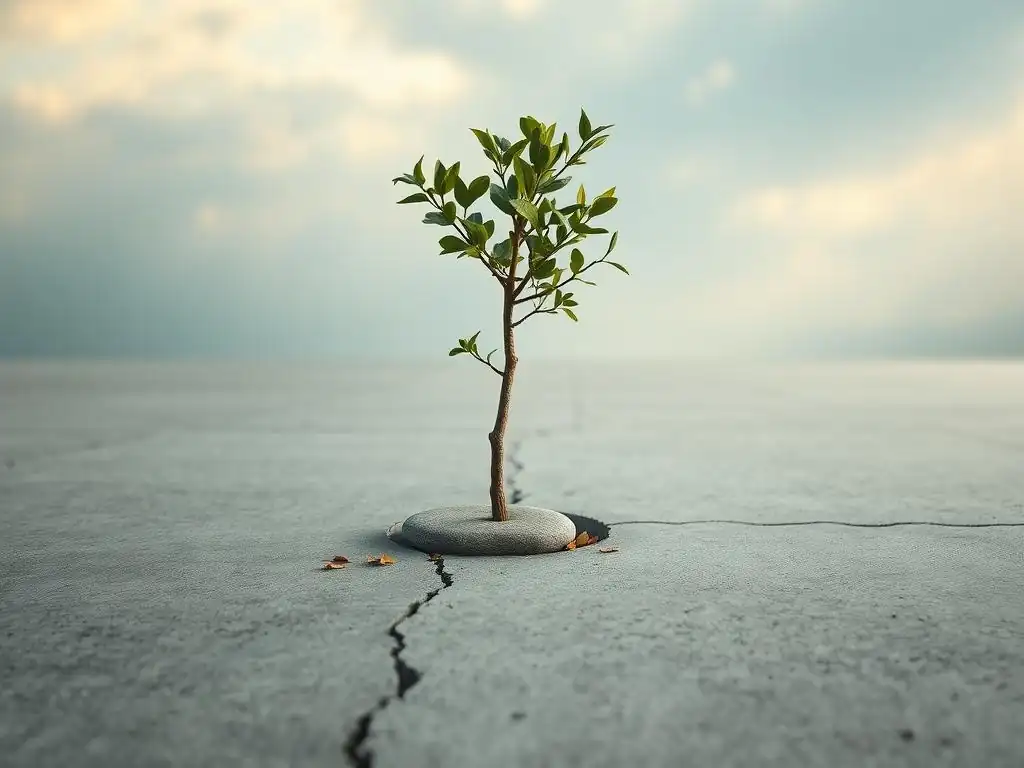
Healing from childhood trauma is not just about processing the past; it's also about building a future. Developing resilience – the ability to adapt and bounce back from adversity – is a key part of this process. Resilience isn't about avoiding pain or difficulty, but about cultivating the inner strength and external support systems to navigate challenges effectively.
Moving forward involves integrating the trauma experience into one's life story without letting it define the entirety of who you are. It's about reclaiming power, fostering self-compassion, and building a life based on your values and aspirations. The journey requires conscious effort and the application of learned skills, often supported by ongoing use of childhood trauma healing resources.
Developing Healthy Coping Mechanisms
Trauma often leads to the development of coping mechanisms that were necessary for survival during childhood but become maladaptive in adulthood (e.g., dissociation, people-pleasing, avoidance). Healing involves identifying these patterns and replacing them with healthier ones. This includes learning effective ways to manage stress, regulate emotions, and soothe oneself without resorting to harmful behaviors.
Healthy coping mechanisms might include deep breathing exercises, progressive muscle relaxation, engaging in hobbies, spending time in nature, exercising, or connecting with supportive people. Therapy often teaches specific skills like distress tolerance (from Dialectical Behavior Therapy - DBT) or grounding techniques. Building a repertoire of healthy coping strategies is an ongoing process that strengthens resilience and supports the use of childhood trauma healing resources.
Setting Boundaries and Practicing Self-Care
Childhood trauma often involves violations of boundaries, leaving survivors with difficulty recognizing or asserting their own needs and limits. Learning to set healthy boundaries in relationships – knowing what you are and are not willing to accept – is crucial for protecting your emotional and physical well-being. This involves clear communication and the willingness to enforce those boundaries, even if it feels uncomfortable initially.
Self-care is not selfish; it is essential for healing and maintaining well-being. It involves consciously engaging in activities that nourish your physical, emotional, and mental health. This could include getting enough sleep, eating nutritious food, exercising, making time for relaxation and enjoyable activities, and taking breaks when needed. Prioritizing self-care reinforces your worth and helps rebuild a sense of safety and control, acting as a foundational element alongside other childhood trauma healing resources.
Cultivating Self-Compassion and Forgiveness
Childhood trauma often leaves survivors feeling responsible or flawed. Cultivating self-compassion involves treating yourself with the same kindness, understanding, and acceptance you would offer a dear friend who is suffering. It means recognizing that your struggles are part of the human experience and validating your own pain without judgment. Practices like self-compassion meditations or writing compassionate letters to yourself can be helpful.
Forgiveness, particularly forgiving those who harmed you, is a complex and deeply personal aspect of healing. It is not about condoning the abusive behavior or forgetting what happened. Rather, it is often about releasing the intense emotional burden of anger, resentment, and pain for your own liberation.
Forgiveness does not mean reconciliation and is a process that happens on the survivor's timeline, if at all. It is a choice made for oneself, not for the perpetrator, and can be a profound step in reclaiming peace. However, this step is not a requirement for healing, and many find peace without it.
The Importance of Early Intervention and Prevention of Childhood Trauma
While this article focuses on adult survivors, it is impossible to discuss childhood trauma healing resources without acknowledging the critical importance of early intervention and prevention. Addressing trauma in childhood can significantly reduce its long-term impact and potentially prevent the need for extensive healing work in adulthood. Efforts to prevent childhood trauma benefit not only the individual child but also society as a whole, reducing the burden of associated health and social problems.
Investing in prevention and early intervention strategies is a public health imperative. This includes supporting families, educating communities, and creating safe environments for children. Addressing trauma when it occurs in childhood, through age-appropriate therapeutic interventions, can help children process experiences, develop coping skills, and mitigate the neurobiological effects before they become deeply ingrained.
Resources for Parents and Caregivers: Creating a Safe and Nurturing Environment
Parents and caregivers play a pivotal role in preventing trauma and fostering resilience in children. Providing resources that support positive parenting, stress management, and understanding child development can help create safe and nurturing home environments. Education on the impact of trauma and how to respond to children who have experienced adversity is crucial.
Resources for parents might include parenting classes, family support programs, mental health services for parents, and information on creating stable and predictable routines. Learning effective non-violent discipline strategies and communication techniques helps build secure attachments, which are protective factors against trauma. Empowering caregivers with knowledge and support is a vital upstream component of childhood trauma healing resources for the next generation.
Breaking the Cycle: Preventing Intergenerational Trauma
Trauma can be passed down through generations, not necessarily genetically, but through learned behaviors, disrupted attachment patterns, and chronic stress within families. Parents who experienced unresolved childhood trauma may struggle with emotional regulation, parenting skills, or maintaining stable relationships, inadvertently creating environments that are challenging for their own children.
Breaking this cycle requires healing at the individual level (for parents), and providing targeted support for families at risk. This includes trauma-informed parenting support, therapy for parents to process their own histories, and interventions that strengthen family connections and communication. By addressing the trauma in one generation, we can significantly reduce the likelihood of its transmission to the next, ultimately decreasing the future need for adult childhood trauma healing resources.
Finding Hope and a Brighter Future: A Message of Encouragement for Adult Survivors
To adult survivors of childhood trauma: Your experiences were real, and their impact is valid. You are not alone, and healing is genuinely possible. The journey is often challenging, requiring courage, patience, and perseverance. There will be ups and downs, moments of progress and times of struggle. But with the right support, resources, and dedication, you can move towards a life of greater peace, connection, and fulfillment.
Your survival itself is a testament to your strength and resilience. Acknowledging the trauma and seeking help are acts of immense bravery. The path to healing is unique for everyone, and there is no single right way or timeline. Be kind to yourself throughout the process. You deserve to heal, to feel safe, and to live a life free from the constant burden of the past. There are many childhood trauma healing resources available to support you every step of the way.
Celebrating Small Victories and Progress in Trauma Recovery
Healing is not linear. It often involves small, incremental steps forward. It's essential to recognize and celebrate these small victories along the way. Did you manage your anxiety during a difficult situation? Did you set a boundary that felt scary? Did you practice a self-care technique even when you didn't feel like it? These are all significant signs of progress.
Acknowledging these steps helps build momentum and reinforces positive changes. Keeping a journal of successes, no matter how minor they seem, can be a powerful reminder of how far you've come. Focusing solely on the distance left to travel can be discouraging; pausing to appreciate the distance already covered is vital for maintaining hope and motivation on your healing journey, supported by the effective use of childhood trauma healing resources.
You Are Not Alone: Connecting with Others Who Understand
One of the most insidious effects of trauma is the feeling of isolation and believing that no one else could possibly understand your pain. However, millions of adults are survivors of childhood trauma, and many are on their own healing journeys. Connecting with others who have similar experiences can be profoundly validating and reduce feelings of shame and uniqueness.
Whether through therapy groups, online communities, or peer support programs, finding others who understand can provide a sense of belonging and shared humanity. Hearing others' stories and sharing your own (when you feel ready and safe) can be incredibly therapeutic. Remember the statistic about two-thirds of people experiencing at least one ACE? You are part of a vast community of survivors, and there are many childhood trauma healing resources designed to foster these connections.
Reclaiming Your Life: Living a Meaningful and Fulfilling Life After Trauma
Healing from childhood trauma is ultimately about reclaiming your life. It's about moving from merely surviving to truly thriving. This involves reconnecting with your authentic self, discovering or rediscovering your passions, setting meaningful goals, and building relationships based on mutual respect and trust. It's about creating a future that is not dictated by the past.
This process takes time and effort, but it is possible to build a life that feels safe, joyful, and fulfilling. It requires courage to face the past, dedication to practicing new skills, and the willingness to embrace vulnerability and connection. The journey of healing, supported by comprehensive childhood trauma healing resources, is an investment in your present and future well-being, allowing you to live a life defined by hope and resilience, not trauma.
Frequently Asked Questions
What are some of the common long-term effects of childhood trauma on adults?
Childhood trauma can manifest in adulthood as anxiety, depression, difficulty in relationships, and low self-esteem. These effects can significantly impact daily life and overall well-being.
Where can I find Childhood trauma healing resources specifically designed for adult survivors?
Mind Care Guide offers a wealth of information, support groups, and therapeutic approaches tailored for adults healing from childhood trauma. Explore our website for articles, directories, and helpful tools.
How can therapy help in healing from childhood trauma as an adult?
Therapy, such as EMDR or Trauma-Focused Cognitive Behavioral Therapy (TF-CBT), provides a safe space to process traumatic memories and develop coping mechanisms. It helps rebuild self-esteem and trust.
What are some self-care strategies that can support the healing process after childhood trauma?
Practicing mindfulness, engaging in regular exercise, maintaining a healthy diet, and establishing strong social connections are crucial self-care strategies. These promote emotional and physical well-being.
Is it possible to fully recover from the effects of childhood trauma, and what does that look like?
While the journey is unique for everyone, healing is possible. It involves processing trauma, developing healthy coping mechanisms, and building resilience. Recovery often means living a fulfilling life despite past experiences.
Final Reflection: Embracing the Journey to Healing
The pervasive impact of childhood trauma is undeniable, yet the path to healing remains a beacon of hope for millions. Understanding the complexities of trauma's effects, as explored throughout this article, is the crucial first step towards reclaiming agency and building a resilient future. The resources highlighted here offer tangible pathways to navigate this challenging journey, proving that healing is not just possible, but achievable with the right support and self-compassion.
The ongoing conversation surrounding childhood trauma is vital, as it dismantles the stigma and fosters a culture of understanding and empathy. It's a conversation that resonates deeply with me, as I've witnessed firsthand the transformative power of healing and the unwavering strength of survivors. The wound is the place where the Light enters you.
– Rumi. This quote encapsulates the profound truth that even from the deepest pain, growth and transformation can emerge. The journey may be arduous, but the potential for profound self-discovery and lasting peace is immeasurable.
Now, I invite you to reflect on your own experiences and the lives of those around you. Consider the ways in which childhood trauma might be impacting individuals, and how you can contribute to a more supportive and understanding environment. Seek out the resources mentioned in this article, connect with support groups, and remember that you are not alone. Embrace the journey of healing, for it is a testament to your resilience and a pathway to a brighter, more fulfilling future. Your healing is possible, and your strength is undeniable.
Unlock Your Healing Journey Today
Thanks for taking the time to explore the powerful path to healing from childhood trauma. We hope this article provided you with valuable insights and renewed hope. Now, it's time to take the next step on your journey.
- Prioritize self-care with one small, mindful act: Start with something manageable, like a short meditation, a warm bath, or listening to calming music. This is your first step towards prioritizing your well-being.
- Engage with our supportive community: Share your thoughts and experiences (or simply read others') in the comments section below. Connecting with others who understand can be incredibly powerful.
- Explore additional resources on MindCareGuide.org: Dive deeper into the specific strategies discussed in the article, or discover new tools and techniques to support your healing journey.
Ready to begin your personalized path to healing? What small act of self-care will you prioritize today?