
The Impact of Injury (Physical) on Veteran Mental Health

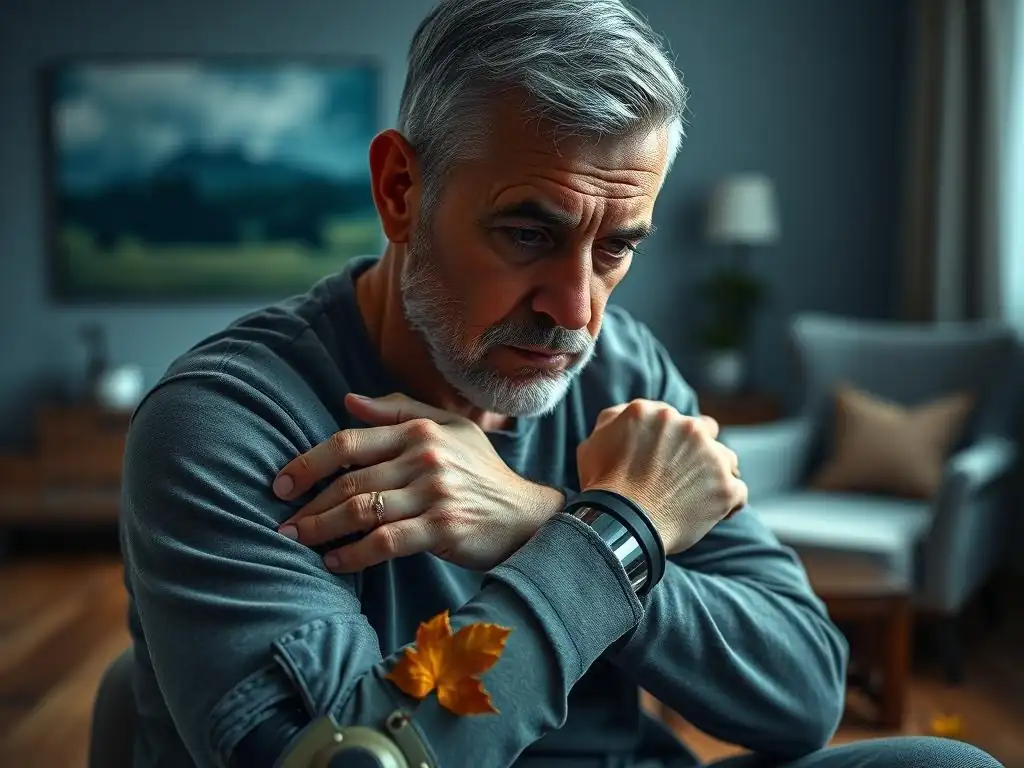
Welcome to Mind Care Guide, a safe space to navigate the complexities of mental well-being.
Are you grappling with the unseen wounds that can follow a physical injury? It's a journey many face, and understanding the connection between physical trauma and mental health is the first step towards healing. This guide delves into the often-overlooked topic of PTSD after physical injury, especially within the veteran community. Discover how to recognize the signs, find effective support, and embark on a path toward lasting recovery. Let's explore this critical issue together...
The Impact of Physical Injury on Veteran Mental Health: A Mind Care Guide
- Introduction: Understanding the Intertwined Link Between Physical Trauma and Veteran Mental Wellbeing
- Physical Injuries and the Increased Risk of PTSD in Veterans: Unveiling the Connection
- The Psychological Impact of Specific Types of Physical Injuries on Veterans
- How Physical Injury Contributes to PTSD and Other Mental Health Conditions in Veterans
- Identifying PTSD Symptoms After Physical Injury in Veterans: Recognizing the Signs
-
Treatment and Support for Veterans Experiencing Mental Health Challenges Following Physical Injury
- Evidence-Based Therapies for PTSD in Physically Injured Veterans
- Cognitive Behavioral Therapy (CBT) for Trauma-Related Symptoms
- Eye Movement Desensitization and Reprocessing (EMDR) for PTSD
- Medications for Managing PTSD Symptoms and Co-occurring Conditions
- The Importance of Peer Support for Veterans with Physical Injuries and Mental Health Concerns
- Resources and Support Systems for Veterans and Their Families
- Building Resilience: Strategies for Coping and Recovery After Physical Injury and Trauma
- Conclusion: Prioritizing Integrated Care for Veteran Mental and Physical Health
-
Frequently Asked Questions
- How does a physical injury sustained during military service increase the risk of developing PTSD?
- What are some common symptoms of PTSD that veterans might experience after a physical injury?
- What types of mental health resources are available specifically for veterans struggling with PTSD after a physical injury?
- How can family members and friends support a veteran dealing with PTSD after a physical injury?
- Why is it important to seek professional treatment for PTSD after a physical injury, and what are the potential benefits?
- Final Reflection: The Unseen Scars of Service
- Unlock Your Path to Healing: Supporting Veteran Mental Wellness
Introduction: Understanding the Intertwined Link Between Physical Trauma and Veteran Mental Wellbeing
Exploring the Scope of Physical Injuries and Mental Health Challenges in Veterans
Veterans often face unique challenges upon returning to civilian life, and physical injuries sustained during service represent a significant hurdle that can profoundly impact their mental health. These injuries range from visible wounds and amputations to less apparent conditions like traumatic brain injury (TBI) and chronic pain.
The sheer volume of veterans affected is substantial; for example, estimates suggest that over 380,000 service members sustained a TBI between 2000 and 2018, many of whom were also dealing with other physical wounds. This complex interplay means that addressing the physical injury is often only one part of a veteran's recovery journey; the psychological toll requires equally dedicated attention.
The consequences of these physical traumas extend far beyond the initial healing process. Veterans with physical injuries are statistically at a much higher risk of developing mental health conditions compared to their uninjured peers. Studies have indicated that veterans with combat injuries, particularly those involving blast exposure or multiple traumas, have a significantly increased likelihood of experiencing conditions like post-traumatic stress disorder (PTSD), depression, anxiety disorders, and substance use disorders. This heightened vulnerability underscores the critical need for integrated care approaches that recognize and treat the mental health implications alongside the physical rehabilitation.
The Mind Care Guide's Commitment to Supporting Veteran Mental Health
Mind Care Guide is dedicated to providing comprehensive information and resources to support the mental well-being of all individuals, with a particular focus on understanding the unique challenges faced by veterans. We recognize the profound and often complex relationship between physical injury and mental health outcomes, including the development of PTSD after physical injury. Our commitment is to shed light on these issues, offer insights into the psychological impact of various types of physical trauma, and guide veterans and their families toward effective strategies for coping, treatment, and recovery.
Our platform aims to be a trusted resource, offering evidence-based information on recognizing the signs of mental health challenges that may arise after physical injury, such as symptoms of PTSD. We provide details on available treatment options, from evidence-based therapies like CBT and EMDR to the role of medication and peer support.
By highlighting the resources offered by organizations like the Department of Veterans Affairs (VA) and various non-profits, Mind Care Guide strives to empower veterans to seek the help they need and deserve, fostering a path towards healing and improved quality of life despite the challenges posed by physical injuries and their associated mental health impacts.
Physical Injuries and the Increased Risk of PTSD in Veterans: Unveiling the Connection
PTSD After Physical Injury: Defining the Scope of the Problem
PTSD after physical injury is a specific manifestation of post-traumatic stress disorder where the traumatic event triggering the condition is the physical injury itself, the circumstances surrounding it (such as combat or an accident), or the subsequent medical procedures and rehabilitation. It's not merely a reaction to the pain or disability, but a complex psychological response to the life-threatening nature of the event, the perceived loss of control, or the profound alteration of one's physical self and future.
The diagnostic criteria for PTSD still apply, including re-experiencing the trauma (e.g., flashbacks of the injury event), avoidance of reminders, negative changes in thoughts and mood, and hyperarousal.
The prevalence of PTSD after physical injury among veterans is notably higher than in the general population or even among veterans without physical injuries. Data from the VA indicates that a significant percentage of veterans receiving care for physical injuries, particularly those from combat zones, also meet the criteria for PTSD. For instance, some studies have shown rates of PTSD among veterans with severe combat injuries reaching 20-30% or even higher, depending on the type and severity of the injury and the combat exposure involved. This highlights that the physical wound is often inextricably linked to a psychological one.
The Higher Prevalence of Mental Health Disorders Among Physically Injured Veterans
Beyond PTSD after physical injury, veterans with physical injuries experience elevated rates of a spectrum of mental health conditions. Depression and anxiety disorders are particularly common co-occurrences. Chronic pain, a frequent consequence of many physical injuries, is strongly correlated with increased rates of depression and anxiety; some estimates suggest that veterans with chronic pain are up to three times more likely to experience depression. Substance use disorders can also develop as veterans attempt to self-medicate pain or manage overwhelming emotional distress stemming from both the physical injury and associated psychological trauma.
This higher prevalence creates a complex clinical picture, often requiring integrated treatment plans that address multiple conditions simultaneously. A veteran dealing with an amputation might also be coping with phantom limb pain, major depressive disorder, and symptoms of PTSD after physical injury. Each condition influences the others, making recovery more challenging without comprehensive support. The physical limitations imposed by the injury can exacerbate feelings of hopelessness and social isolation, further contributing to the mental health burden and underscoring the critical need for accessible and specialized mental healthcare for this population.
The Psychological Impact of Specific Types of Physical Injuries on Veterans
Traumatic Brain Injury (TBI) and its Effects on Mental Health
Traumatic Brain Injury (TBI) is often referred to as a signature wound of recent conflicts due to the prevalence of blast exposures. TBIs can range from mild concussions to severe injuries with lasting cognitive, emotional, and behavioral consequences. The psychological impact is significant and varied. Even mild TBIs can result in persistent symptoms like headaches, dizziness, fatigue, irritability, and difficulty concentrating, which can contribute to frustration, anxiety, and depression. More severe TBIs can lead to profound personality changes, emotional lability, memory problems, and impaired social functioning, severely impacting a veteran's ability to reintegrate and maintain relationships.
Furthermore, TBI is strongly associated with an increased risk of developing PTSD after physical injury. The traumatic event causing the TBI is often life-threatening, fulfilling the trauma criterion for PTSD. The cognitive impairments resulting from TBI can also complicate the processing of the traumatic memory, potentially making trauma-focused therapies more challenging but no less necessary. Research indicates that veterans with both TBI and PTSD experience greater functional impairment and a higher symptom burden than those with either condition alone, emphasizing the need for specialized, integrated treatment approaches that address the unique interaction between brain injury and trauma responses.
Spinal Cord Injuries: Coping with Physical Limitations and Psychological Distress
Spinal cord injuries (SCIs) result in varying degrees of paralysis and loss of sensation, leading to significant physical limitations and often requiring lifelong care and adaptation. The psychological impact of SCIs on veterans is profound, involving a complex process of grieving the loss of physical function, independence, and pre-injury identity. This grief can manifest as depression, anxiety, and a sense of hopelessness about the future. Veterans with SCIs face immense challenges in daily living, mobility, employment, and relationships, all of which can contribute to significant psychological distress.
Coping with chronic pain, bladder and bowel dysfunction, and increased susceptibility to secondary medical complications adds further layers of difficulty. The sudden and dramatic change in life circumstances can also trigger symptoms akin to PTSD after physical injury, particularly if the injury occurred during a traumatic event. Adjusting to assistive devices, navigating inaccessible environments, and dealing with societal perceptions of disability require immense resilience and support. Veterans with SCIs often benefit significantly from peer support groups, adaptive sports programs, and psychological counseling focused on adjustment, acceptance, and finding new ways to engage with life.
Amputations and the Mental Health Burden: Body Image, Grief, and Adjustment
Amputations are among the most visible and life-altering physical injuries veterans can sustain. The loss of a limb carries a significant mental health burden that extends beyond the initial trauma and surgical recovery. Veterans with amputations often grapple with issues of body image, identity, and a sense of loss akin to grieving a death. This grief process can be complicated and prolonged, sometimes leading to depression or complicated grief disorder. Phantom limb pain, experienced by a large percentage of amputees, adds a layer of chronic physical discomfort that can exacerbate psychological distress.
Furthermore, the circumstances surrounding the amputation often involve life-threatening events, placing veterans at high risk for developing PTSD after physical injury. Flashbacks of the blast or incident, nightmares about the loss, and avoidance of reminders are common. Adjusting to prosthetics, navigating daily tasks with altered mobility, and confronting societal reactions to disability require immense psychological adaptation. Support groups for amputee veterans, counseling focused on body image and adjustment, and integrated pain management strategies are crucial components of care to address the complex mental health challenges associated with limb loss.
Chronic Pain and its Devastating Impact on Veteran Mental Health
Chronic pain, defined as pain lasting typically longer than three to six months, is a widespread issue among veterans, often stemming from musculoskeletal injuries, nerve damage, or other service-related conditions. Its impact on mental health is devastating and well-documented. Chronic pain can interfere with sleep, mobility, work, social activities, and overall quality of life, leading to frustration, irritability, and a significant increase in the risk of depression and anxiety. Veterans with chronic pain are disproportionately affected by mood disorders; some studies report that up to 50-70% of veterans with chronic pain also experience significant symptoms of depression or anxiety.
The constant presence of pain can also serve as a persistent reminder of the traumatic event that caused the original injury, potentially triggering or exacerbating symptoms of PTSD after physical injury. The cycle of pain, reduced activity, social withdrawal, and worsening mood can be difficult to break without targeted interventions. Effective management of chronic pain is therefore a critical component of addressing veteran mental health. Integrated pain management programs that combine physical therapy, psychological support (like CBT for chronic pain), mindfulness techniques, and appropriate medication management are essential for improving both physical function and mental well-being.
How Physical Injury Contributes to PTSD and Other Mental Health Conditions in Veterans

The Role of Pain and Disability in Triggering PTSD Symptoms
Pain and disability resulting from physical injury can act as powerful triggers and perpetuators of PTSD symptoms. Chronic pain, for example, can serve as a constant physical reminder of the traumatic event that caused the injury. Each flare-up of pain might bring back intrusive memories or flashbacks of the incident, leading to heightened anxiety and hypervigilance. Similarly, physical limitations imposed by disability can restrict a veteran's ability to engage in activities that previously served as coping mechanisms or sources of social support, such as exercise or hobbies.
Moreover, the unpredictable nature of chronic pain and the challenges of managing a disability can contribute to feelings of lack of control and helplessness, which are core components of trauma responses. The frustration and distress associated with physical limitations can intensify irritability and negative mood states often seen in PTSD. For veterans already struggling with the psychological aftermath of trauma, the burden of managing significant physical challenges can overwhelm coping resources, making them more vulnerable to the onset or worsening of PTSD after physical injury.
The Stress of Rehabilitation and its Impact on Mental Wellbeing
The process of rehabilitation following a significant physical injury is often lengthy, arduous, and emotionally challenging. Veterans undergoing intensive physical therapy, occupational therapy, and potentially multiple surgeries face significant physical discomfort and emotional stress. The focus on regaining function can be demanding, and setbacks are common, leading to frustration, disappointment, and a sense of being stuck in a cycle of pain and effort. This prolonged period of physical and emotional strain can significantly impact a veteran's mental wellbeing.
The rehabilitation environment itself, often a hospital or clinical setting, can sometimes serve as a reminder of the initial injury or the circumstances surrounding it, potentially triggering trauma responses or exacerbating symptoms of PTSD after physical injury. The dependency on others for care, the loss of privacy, and the sterile environment can contribute to feelings of vulnerability and isolation. Providing psychological support within the rehabilitation setting, integrating mental health professionals into the care team, is crucial for addressing the emotional toll and supporting veterans through this challenging phase.
The Loss of Independence and its Effects on Self-Esteem and Mental Health
Physical injuries, particularly those resulting in significant disability, often lead to a profound loss of independence for veterans. Simple daily tasks that were once taken for granted may become difficult or impossible, requiring assistance from others. This loss of autonomy can be devastating to a veteran's self-esteem and sense of identity, particularly for those whose military roles emphasized physical capability and self-reliance. The inability to work, drive, participate in hobbies, or even manage personal care can lead to feelings of inadequacy, shame, and worthlessness.
This erosion of self-esteem is a major contributor to mental health issues like depression and anxiety. Veterans may feel like a burden to their families or caregivers, further isolating themselves. The psychological impact is not merely about the physical limitation but about the perceived loss of one's capable self. Rebuilding a sense of purpose and self-efficacy is vital for recovery, requiring adaptive strategies, vocational rehabilitation, and psychological support focused on adjusting to a new identity and finding new sources of meaning and accomplishment despite physical limitations.
Significant physical injuries often lead to social isolation, which is a well-established risk factor for depression and anxiety. Physical limitations can make it difficult for veterans to participate in social activities, visit friends and family, or engage in community events. Chronic pain and fatigue can further reduce their energy and motivation to socialize. Furthermore, veterans may feel misunderstood by civilian peers who cannot relate to their experiences of both military service and physical trauma, including the potential for PTSD after physical injury.
The lack of social connection removes a vital protective factor against mental health challenges. Social support provides emotional comfort, practical assistance, and a sense of belonging – all crucial for coping with the stress of injury and recovery. Without these connections, veterans can become withdrawn, leading to a downward spiral where isolation exacerbates depression and anxiety, which in turn makes socializing even more difficult. Connecting veterans with peer support groups, veteran organizations, and community programs that accommodate their physical needs is essential for combating isolation and fostering mental well-being.
Identifying PTSD Symptoms After Physical Injury in Veterans: Recognizing the Signs
Recognizing PTSD symptoms after physical injury requires understanding how the trauma of the injury manifests psychologically. Common symptoms fall into four clusters. Re-experiencing symptoms include intrusive thoughts, nightmares, or flashbacks of the injury event itself or the circumstances surrounding it. Avoidance symptoms involve actively avoiding reminders of the trauma, such as places where the injury occurred, people associated with it, or even thoughts and feelings related to the event or the injury's impact.
Negative changes in thoughts and mood can include persistent negative beliefs about oneself or the world (e.g., "I'm broken," "The world is unsafe"), distorted thoughts about the cause or consequences of the injury, feelings of detachment from others, difficulty experiencing positive emotions, and a general loss of interest in previously enjoyed activities. Hyperarousal symptoms involve being easily startled, feeling constantly on edge, difficulty sleeping, irritability, and difficulty concentrating. These symptoms can significantly impair a veteran's daily functioning and quality of life.
Distinguishing Between Physical and Psychological Symptoms
Distinguishing between symptoms caused by the physical injury itself and those stemming from PTSD after physical injury can be challenging, as there is significant overlap. For example, sleep disturbances can be caused by pain or discomfort from the injury and by nightmares or hyperarousal associated with PTSD. Difficulty concentrating might result from a traumatic brain injury or from intrusive thoughts and hypervigilance related to trauma. Fatigue can be due to the body's recovery process and a symptom of depression or the emotional toll of trauma.
It is crucial to consider the timing and context of the symptoms. Are the sleep problems primarily due to pain when lying down, or are they associated with terrifying nightmares? Is the difficulty concentrating constant, or does it worsen when reminded of the injury? Veterans may also attribute psychological symptoms solely to their physical condition, believing their distress is "just" because of the pain or disability. This makes professional evaluation essential to accurately diagnose and treat both the physical and mental health conditions.
Seeking Professional Evaluation for PTSD After Physical Injury
Given the complexity and overlap of symptoms, seeking professional evaluation is the critical next step if a veteran or their family suspects PTSD after physical injury. Primary care physicians are often the first point of contact and can help screen for mental health concerns. However, a formal diagnosis typically requires evaluation by a mental health professional experienced in trauma and veteran issues, such as a psychiatrist, psychologist, licensed clinical social worker, or licensed professional counselor.
The evaluation process involves a thorough clinical interview about the veteran's experiences, symptoms, and history. Standardized assessment tools and questionnaires may also be used to measure the severity of symptoms and rule out other conditions. It is important for veterans to be open and honest about all their symptoms, both physical and emotional, to ensure an accurate diagnosis. Early identification and intervention are key to improving outcomes for veterans coping with the dual challenges of physical injury and PTSD.
Treatment and Support for Veterans Experiencing Mental Health Challenges Following Physical Injury
Evidence-Based Therapies for PTSD in Physically Injured Veterans
Fortunately, several evidence-based therapies are highly effective in treating PTSD, including PTSD after physical injury. These therapies are designed to help individuals process the traumatic experience, reduce distressing symptoms, and regain control over their lives. While adaptations may be needed to accommodate physical limitations or cognitive challenges (such as those resulting from TBI), the core principles of these therapies remain effective. The goal is to help veterans understand and manage their trauma responses safely and effectively.
The VA and other veteran-focused mental healthcare providers prioritize the use of therapies with strong research support. These include trauma-focused cognitive behavioral therapies and therapies specifically designed to process traumatic memories. The choice of therapy often depends on the veteran's specific needs, preferences, and co-occurring conditions. It is important for veterans to discuss treatment options with a mental health professional to find the approach that is best suited for their individual situation.
Cognitive Behavioral Therapy (CBT) is a widely used and effective therapy for PTSD. Trauma-focused CBT specifically helps veterans identify and challenge negative thoughts and beliefs related to the trauma and its aftermath. It often involves exposure techniques, where the veteran gradually and safely confronts traumatic memories or reminders in a controlled environment to reduce their power to trigger distress. For example, this might involve talking about the injury event in detail or visiting a place that reminds them of the trauma.
CBT also teaches coping skills to manage anxiety, improve sleep, and regulate emotions. For veterans with physical injuries, CBT can be adapted to address specific challenges, such as developing strategies for coping with chronic pain alongside trauma symptoms or adjusting exposure techniques to accommodate physical limitations. The focus is on changing unhelpful thought patterns and behaviors that maintain PTSD symptoms, empowering the veteran to process the trauma and move forward.
Eye Movement Desensitization and Reprocessing (EMDR) for PTSD
Eye Movement Desensitization and Reprocessing (EMDR) is another highly effective therapy for PTSD. EMDR involves processing distressing trauma memories using a structured approach that includes bilateral stimulation, such as eye movements, taps, or tones. The theory is that this process helps the brain reprocess the traumatic memory, reducing its emotional intensity and allowing the veteran to integrate it in a less distressing way.
EMDR can be particularly helpful for veterans who have difficulty talking extensively about the trauma or who experience intense emotional reactions when doing so. It allows the memory to be processed without requiring detailed verbal recounting in the same way some other therapies do. Like CBT, EMDR can be adapted for veterans with physical injuries, ensuring comfort and accessibility during sessions. Studies have shown EMDR to be effective in reducing symptoms of PTSD after physical injury.
Medications for Managing PTSD Symptoms and Co-occurring Conditions
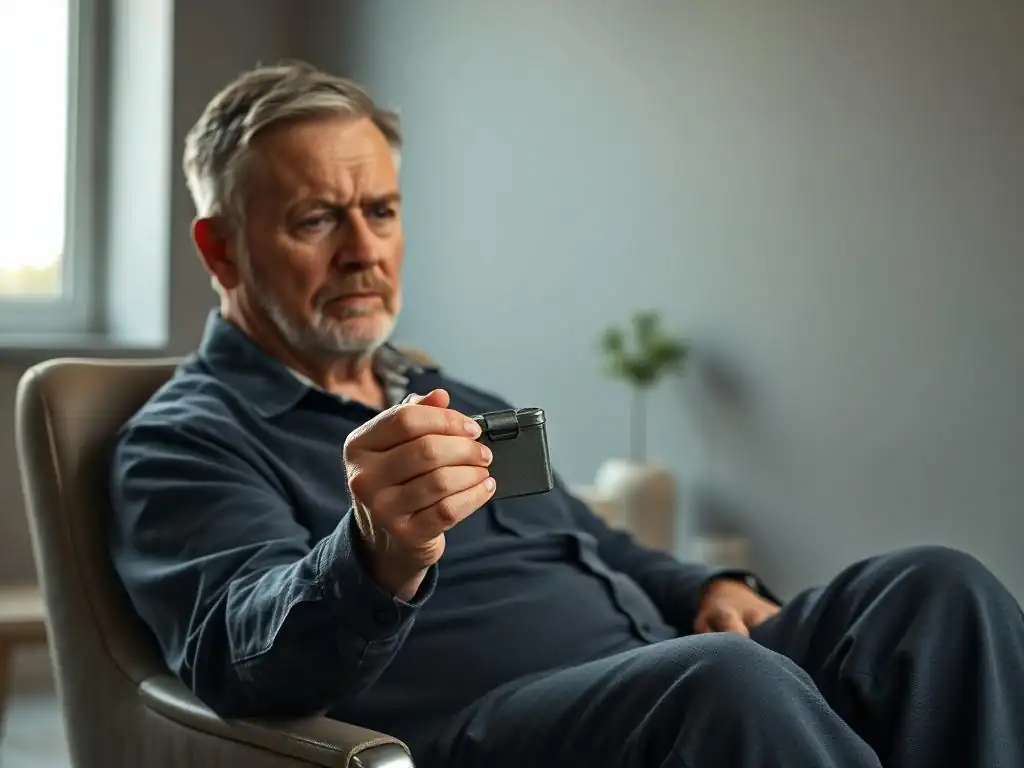
Medication can be a valuable component of the overall treatment plan for veterans with PTSD after physical injury, especially for managing specific symptoms or co-occurring conditions like depression, anxiety, or sleep problems. Antidepressants, particularly Selective Serotonin Reuptake Inhibitors (SSRIs) and Serotonin-Norepinephrine Reuptake Inhibitors (SNRIs), are often prescribed to help reduce core PTSD symptoms like hyperarousal, irritability, and negative mood, as well as treat co-occurring depression and anxiety.
Other medications may be used to target specific symptoms, such as prazosin for trauma-related nightmares or sleep medications for insomnia. Pain management medication is also crucial for veterans with chronic pain, and coordinating pain treatment with mental health care is essential. Medications do not "cure" PTSD but can make symptoms more manageable, allowing veterans to engage more effectively in psychotherapy and other recovery efforts. Medication decisions should always be made in consultation with a prescribing physician, considering potential side effects and interactions.
The Importance of Peer Support for Veterans with Physical Injuries and Mental Health Concerns
Peer support plays a vital role in the recovery journey for veterans with physical injuries and mental health challenges, including PTSD after physical injury. Connecting with other veterans who have shared similar experiences of military service, injury, and the challenges of recovery provides invaluable validation, understanding, and hope. Peers can share practical coping strategies, offer emotional support, and reduce feelings of isolation.
Veteran-specific peer support groups, whether focused on specific injuries (like amputees or TBI survivors) or general mental health, offer a safe space to talk openly about struggles, triumphs, and the unique aspects of navigating the VA system or civilian life with a disability and trauma history. Many non-profit organizations and VA facilities offer peer support programs led by trained veterans. This connection with those who truly "get it" can be a powerful catalyst for healing and resilience.
Resources and Support Systems for Veterans and Their Families
Mental Health Services Offered by the Department of Veterans Affairs (VA)
The Department of Veterans Affairs (VA) is a primary resource for mental healthcare for eligible veterans. VA Medical Centers and Community-Based Outpatient Clinics offer a wide range of mental health services, including evaluation, individual therapy (such as CBT and EMDR), group therapy, medication management, and specialized programs for PTSD, substance use disorders, and other conditions. Many VA facilities have integrated care teams that include mental health professionals working alongside primary care and rehabilitation staff, which is particularly beneficial for veterans with physical injuries.
Veterans can access these services by enrolling in VA healthcare. The VA also operates the Veterans Crisis Line (988 then Press 1), providing immediate support for veterans in distress. Navigating the VA system can sometimes be complex, but resources are available to help veterans understand their eligibility and access the care they need for both their physical injuries and related mental health conditions, including PTSD after physical injury.
Non-Profit Organizations Providing Mental Health Support to Veterans
Numerous non-profit organizations are dedicated to supporting veteran mental health, often complementing the services offered by the VA. These organizations provide a variety of resources, such as counseling services, peer support groups, retreats focused on healing and wellness, adaptive sports programs, and assistance with navigating benefits. Many specialize in supporting veterans with specific injuries, like TBI or spinal cord injuries, or those dealing with trauma like PTSD after physical injury.
Examples of such organizations include the Wounded Warrior Project, Disabled American Veterans (DAV), and smaller, locally focused groups. These organizations often fill gaps in care, provide community connection, and offer programs tailored to the unique needs of injured veterans and their families. Researching and connecting with these groups can provide additional layers of support and community.
State-Specific Veteran Mental Health Resources
In addition to federal VA resources and national non-profits, many states offer their own veteran affairs departments or mental health services specifically for veterans. These state-level resources can provide localized support, connect veterans with community programs, offer financial assistance for certain services, or help veterans navigate state and federal benefits. Some states have initiatives focused on veteran suicide prevention or programs supporting veterans court systems.
Information about state-specific resources can usually be found through the state's Department of Veterans Affairs website or by contacting local county veteran service officers. These resources can be particularly helpful for veterans who live far from a major VA medical center or who are seeking support closer to home. Exploring these local options can enhance a veteran's support network.
Support for Families and Caregivers of Veterans with Physical Injuries and Mental Health Conditions
The impact of physical injury and associated mental health conditions like PTSD after physical injury extends to the veteran's family and caregivers. Families often take on significant caregiving responsibilities, manage household finances, and provide emotional support while also coping with their own stress and emotional toll. Caregivers of veterans with severe injuries or complex needs are at high risk for burnout, depression, and anxiety.
Recognizing the critical role of families, many resources are available to support them. The VA offers caregiver support programs, including stipends, training, and respite care. Non-profit organizations often provide family support services, retreats, and educational resources. Support groups specifically for veteran caregivers or families dealing with trauma and injury can provide a crucial network for sharing experiences and coping strategies. Supporting the family is essential for supporting the veteran's overall recovery.
Building Resilience: Strategies for Coping and Recovery After Physical Injury and Trauma
Developing Coping Mechanisms for Managing Pain and Stress
Developing effective coping mechanisms is fundamental for veterans managing both chronic pain from physical injury and the stress associated with trauma, including PTSD after physical injury. Strategies can include relaxation techniques like deep breathing or progressive muscle relaxation, which can help reduce physical tension and anxiety. Mindfulness practices, focusing on the present moment without judgment, can help veterans observe pain and distressing thoughts without being overwhelmed by them.
Learning pain management techniques, such as pacing activities, gentle stretching, or using heat/cold therapy, can help veterans feel more in control of their physical symptoms. Psychological techniques like cognitive restructuring, learned in therapies like CBT, can help challenge negative thoughts that exacerbate both pain and stress. Building a toolbox of varied coping strategies allows veterans to choose the most effective approach depending on the situation they are facing.
Practicing Mindfulness and Self-Care Techniques
Mindfulness and self-care are powerful tools for building resilience and managing the emotional and physical toll of injury and trauma. Mindfulness involves paying deliberate attention to one's thoughts, feelings, bodily sensations, and surroundings in the present moment. This practice can help veterans become more aware of their triggers for pain or distress and learn to respond to them more effectively rather than reacting automatically. Even brief daily mindfulness exercises can reduce stress and improve emotional regulation.
Self-care involves intentionally engaging in activities that promote physical, mental, and emotional well-being. This can include ensuring adequate sleep, maintaining a healthy diet, engaging in enjoyable hobbies, spending time in nature, or practicing good hygiene. For veterans with physical limitations, self-care might involve adapting activities or finding new ways to nurture themselves. Prioritizing self-care is not selfish; it is a necessary component of long-term recovery and resilience building.
Engaging in Physical Activity and Healthy Lifestyle Choices
Despite physical limitations, engaging in appropriate physical activity is incredibly beneficial for both physical and mental health. Exercise releases endorphins, which have mood-boosting effects and can help reduce pain perception. Physical activity can also improve sleep, reduce anxiety, and enhance overall physical function. For veterans with significant injuries, this might involve adaptive sports, water therapy, or seated exercises. Working with a physical therapist or kinesiologist experienced with veteran injuries can help develop a safe and effective exercise plan.
Coupled with physical activity, making healthy lifestyle choices, such as maintaining a balanced diet and avoiding excessive alcohol or substance use (which can interfere with recovery and exacerbate mental health symptoms), is crucial. These choices contribute to overall physical health, which in turn supports mental resilience and recovery from both the physical injury and the associated psychological challenges, including managing PTSD after physical injury.
As previously discussed, social isolation is a significant challenge for injured veterans. Actively fostering and maintaining social connections is a vital strategy for resilience. This involves reaching out to friends and family, participating in veteran support groups (in-person or online), joining community organizations, or engaging in adaptive recreational activities with others. Building a strong support network provides emotional comfort, reduces feelings of loneliness, and offers practical assistance when needed.
Sharing experiences with trusted individuals or peers who understand can validate feelings and provide different perspectives on coping. Social connection provides a sense of belonging and purpose, counteracting the negative effects of isolation and significantly contributing to a veteran's ability to manage the stress and challenges posed by physical injury and associated mental health conditions like PTSD after physical injury.
Conclusion: Prioritizing Integrated Care for Veteran Mental and Physical Health
The Need for a Holistic Approach to Veteran Healthcare
The complex interplay between physical injury and mental health underscores the critical need for a holistic, integrated approach to veteran healthcare. Treating the physical wound in isolation without addressing the psychological trauma and emotional distress, including the potential for PTSD after physical injury, is insufficient for true recovery. Veterans need care that seamlessly integrates physical rehabilitation, pain management, mental health treatment, and social support services.
This means healthcare systems, like the VA, must continue to enhance collaboration between different departments – physical medicine, pain clinics, mental health clinics, and primary care. It requires healthcare providers across all disciplines to be trained in recognizing the signs of trauma and mental health issues and to understand how physical conditions can impact psychological well-being, and vice versa. A holistic approach acknowledges the veteran as a whole person, not just a collection of injuries or diagnoses.
Empowering Veterans to Seek Help and Live Fulfilling Lives
Empowering veterans to seek help is paramount. Despite increased awareness, stigma surrounding mental health persists, particularly among military populations. Veterans may feel pressure to appear strong or believe that seeking psychological support is a sign of weakness. It is crucial to normalize the experience of struggling with mental health after physical injury and trauma and to emphasize that seeking help is a sign of strength and a necessary step towards healing and recovery.
Providing accessible information, reducing barriers to care, and highlighting the success stories of veterans who have navigated these challenges can encourage others to come forward. The goal is not just symptom management but empowering veterans to live fulfilling lives despite the lasting impact of their injuries and trauma. This involves supporting them in setting new goals, finding purpose, and reconnecting with their communities.
Advancing Research on Integrated Mental and Physical Healthcare for Veterans
Continued research is essential to improve the care provided to veterans with physical injuries and associated mental health conditions, including PTSD after physical injury. Research is needed to better understand the specific biological and psychological mechanisms linking different types of injuries to mental health outcomes. Studies evaluating the effectiveness of integrated care models are also crucial to identify best practices and demonstrate the value of treating the mind and body together.
Research can also explore innovative therapies and support strategies tailored to the unique needs of this population, such as adaptive psychotherapy techniques or technology-assisted interventions. Investing in research helps ensure that veterans receive the most effective, evidence-based care possible, leading to better outcomes and improved quality of life for those who have sacrificed so much.
Frequently Asked Questions
How does a physical injury sustained during military service increase the risk of developing PTSD?
Physical injuries can be traumatic events in themselves, leading to feelings of fear, helplessness, and horror. These feelings can trigger PTSD, especially when coupled with the stressors of military service.
What are some common symptoms of PTSD that veterans might experience after a physical injury?
Common symptoms include flashbacks, nightmares, avoidance of reminders of the injury, and hyperarousal. These symptoms can significantly impact a veteran's daily life.
What types of mental health resources are available specifically for veterans struggling with PTSD after a physical injury?
The Department of Veterans Affairs offers various mental health services, including therapy, medication, and support groups. Many non-profit organizations also provide specialized assistance.
How can family members and friends support a veteran dealing with PTSD after a physical injury?
Family and friends can offer unconditional support, listen without judgment, and encourage the veteran to seek professional help. Understanding the challenges of PTSD is crucial.
Why is it important to seek professional treatment for PTSD after a physical injury, and what are the potential benefits?
Professional treatment, like therapy and medication, can help veterans manage their symptoms, process the trauma, and improve their overall quality of life. Ignoring PTSD can lead to long-term consequences.
Final Reflection: The Unseen Scars of Service
The connection between physical injury and PTSD in veterans is not merely a correlation; it's a deeply intertwined reality that demands our urgent attention. The data presented clearly demonstrates the significantly increased risk of developing PTSD following physical trauma sustained during military service, a risk often underestimated and under-addressed in both healthcare and societal support systems. This isn't just about statistics; it's about the lived experiences of countless individuals struggling in silence.
The pervasive impact of this issue extends far beyond the individual veteran, rippling outwards to affect families, communities, and the national fabric. The invisible wounds of war, often exacerbated by physical injury, demand a fundamental shift in our understanding and response. We must move beyond simply acknowledging the problem and actively work towards creating a supportive environment that prioritizes comprehensive care. The most common way people give up their power is by thinking they don't have any.
– Alice Walker. This quote highlights the crucial need to empower veterans to seek help and to ensure that help is readily available and accessible.
Consider the weight of this information. You've learned about the complex interplay between physical and mental health in veterans, the often-overlooked link between physical injury and PTSD, and the urgent need for improved support systems. Now, I challenge you to take action. Learn more about veteran support organizations in your area, advocate for improved mental health resources for veterans, and most importantly, listen to and support the veterans in your life. Their stories deserve to be heard, and their resilience deserves to be celebrated. Let's work together to ensure that no veteran faces the invisible wounds of war alone.
Unlock Your Path to Healing: Supporting Veteran Mental Wellness
Thank you for taking the time to learn about the crucial link between physical injury and mental health in our veterans. We hope this article provided valuable insights and empowered you to understand this often-overlooked connection. Now, let's take action.
- Prioritize self-care: Identify one small act of self-compassion you can commit to today, whether it’s a relaxing bath, a mindful walk, or simply taking a moment to breathe. This is your foundation for healing.
- Connect with support: Reach out to a veteran support group or consider scheduling a conversation with a mental health professional. Sharing your experiences can be incredibly powerful.
- Share this knowledge: Help raise awareness by sharing this article with a veteran you know, or simply starting a conversation about the importance of holistic veteran care.
What small step will you take today to prioritize your mental and physical well-being, or that of a veteran you know?