
The Path to Recovery: Navigating Healing from Acute Stress Disorder


Welcome to Mind Care Guide, a sanctuary for your mental well-being.
Feeling overwhelmed and searching for a path forward after experiencing a traumatic event? It's okay to feel this way, and you're not alone. This guide offers compassionate support and practical advice, starting with essential acute stress disorder recovery tips. Discover actionable steps you can take today to begin your journey towards healing and reclaiming your inner peace. Let's explore the path to recovery, together.
The Path to Recovery: Navigating Healing from Acute Stress Disorder
- Understanding Acute Stress Disorder (ASD) and its Impact
- Acute Stress Disorder Recovery Tips: A Comprehensive Guide
- Self-Help Strategies for Acute Stress Disorder Recovery
- Therapies for Acute Stress Disorder: Exploring Effective Treatment Options
- Lifestyle Changes to Support Acute Stress Disorder Recovery
- Managing Triggers and Flashbacks in Acute Stress Disorder
- Long-Term Strategies for Maintaining Mental Wellness After ASD
- Resources for Acute Stress Disorder Support and Information
-
Frequently Asked Questions
- What is Acute Stress Disorder (ASD) and how does it differ from PTSD?
- What are some key acute stress disorder recovery tips mentioned in the Mind Care Guide article?
- Why is early intervention so critical in the recovery process for ASD?
- What are some practical self-care strategies one can implement to manage ASD symptoms?
- Where can I find additional resources and support for navigating ASD recovery according to Mind Care Guide?
- Final Reflection: Embracing Resilience on the Path to Recovery
- Uncover Your Strength: Begin Your Healing Journey Today
Understanding Acute Stress Disorder (ASD) and its Impact
What is Acute Stress Disorder? Defining ASD and Its Symptoms
Acute Stress Disorder (ASD) is a mental health condition that can develop after experiencing or witnessing a traumatic event. This event might involve actual or threatened death, serious injury, or sexual violation. Unlike Post-Traumatic Stress Disorder (PTSD), which can manifest weeks, months, or even years after a trauma, ASD symptoms appear relatively quickly, typically within three days to one month following the event. The symptoms are similar to those of PTSD but are confined to this shorter timeframe. If symptoms persist beyond one month, a diagnosis may change to PTSD.
Key symptoms of ASD fall into several categories: intrusion symptoms (recurrent distressing memories, flashbacks, nightmares), negative mood (persistent inability to experience positive emotions), dissociative symptoms (altered sense of reality, inability to recall aspects of the trauma), avoidance symptoms (efforts to avoid distressing memories, thoughts, feelings, or external reminders), and arousal symptoms (sleep disturbance, irritability, difficulty concentrating, hypervigilance). A person must experience at least nine of these symptoms from any combination of categories to be diagnosed with ASD.
For instance, someone might experience intense flashbacks (intrusion), feel numb (negative mood), have trouble remembering parts of the event (dissociation), avoid places associated with the trauma (avoidance), and be constantly on edge (arousal).
Differentiating ASD from PTSD: Key Differences and Similarities
While Acute Stress Disorder and Post-Traumatic Stress Disorder share many symptoms, the primary difference lies in their duration. ASD symptoms occur within the first month after a traumatic event and last for a minimum of three days up to a maximum of one month. PTSD, on the other hand, involves symptoms that last for more than one month and can persist for years, sometimes even decades, if untreated. Think of ASD as an immediate, acute reaction to trauma, while PTSD is a more prolonged, chronic response.
Both conditions involve re-experiencing the trauma, avoiding reminders, negative changes in thoughts and mood, and alterations in arousal and reactivity. However, ASD specifically includes dissociative symptoms like depersonalization (feeling detached from oneself) and derealization (feeling detached from one's surroundings) more prominently than PTSD. For example, a person with ASD might describe feeling like they are watching the traumatic event from outside their body, a dissociative symptom less central to a PTSD diagnosis. Understanding this timeline and the specific symptom clusters is crucial for accurate diagnosis and implementing effective acute stress disorder recovery tips.
The Psychological Impact of ASD: Emotional and Cognitive Effects
The psychological impact of Acute Stress Disorder can be profound, significantly disrupting an individual's emotional and cognitive functioning. Emotionally, individuals often experience intense fear, helplessness, or horror during and immediately after the trauma. This can be followed by persistent negative emotions like sadness, anger, guilt, or shame, coupled with a reduced ability to feel positive emotions like joy or contentment. They may become irritable, anxious, or emotionally numb. Studies have shown that individuals with ASD report significantly higher levels of distress and impaired functioning compared to those who experience trauma but do not develop ASD.
Cognitively, ASD can manifest as difficulty concentrating, memory problems (especially regarding the traumatic event itself), and distorted beliefs about oneself or the world. Flashbacks, where the person feels like they are reliving the trauma, are a hallmark cognitive symptom. These intrusive thoughts and memories can make it challenging to focus on daily tasks, impacting work, school, and relationships.
For example, someone who experienced a car accident might find their thoughts constantly returning to the moment of impact, making it difficult to concentrate on a conversation or a work project. Implementing effective acute stress disorder recovery tips is essential to mitigate these disruptive psychological effects.
Acute Stress Disorder Recovery Tips: A Comprehensive Guide
Early Intervention Strategies for ASD Recovery
Early intervention is a cornerstone of effective acute stress disorder recovery. Addressing symptoms promptly can significantly reduce the likelihood of ASD developing into chronic PTSD. One key strategy is psychological first aid (PFA), which focuses on providing compassionate support, practical help, and connecting individuals with resources immediately after a trauma. PFA is not therapy but aims to stabilize the person, promote a sense of safety, calmness, self-efficacy, connectedness, and hope.
Another crucial early intervention involves psychoeducation about common reactions to trauma. Simply understanding that symptoms like intrusive thoughts, nightmares, and avoidance are normal responses to an abnormal event can be incredibly validating and reduce distress. Providing individuals with information about ASD and available support helps empower them to seek help early. For instance, within days of a traumatic incident, offering a brief session explaining typical stress responses and outlining available mental health services can encourage individuals to engage with treatment proactively, laying the groundwork for successful acute stress disorder recovery.
Seeking Professional Help: The Role of Therapy and Medication
Seeking professional help is one of the most vital acute stress disorder recovery tips. Mental health professionals, such as psychologists, psychiatrists, and licensed clinical social workers, are trained to diagnose and treat trauma-related conditions. Therapy, particularly trauma-focused therapy, is often the first line of treatment. These therapies help individuals process the traumatic event in a safe and controlled environment, reduce distressing symptoms, and develop coping skills.
Medication may also play a role, although it is typically not the primary treatment for ASD itself unless symptoms are severe or co-occurring conditions are present. Antidepressants, such as selective serotonin reuptake inhibitors (SSRIs), might be prescribed to manage severe anxiety, depression, or sleep disturbances that can accompany ASD.
However, the decision to use medication is made on a case-by-case basis, often in conjunction with therapy. Working with a healthcare provider to determine the most appropriate treatment plan, which might include a combination of therapy and medication, is a critical step toward healing and implementing effective acute stress disorder recovery strategies.
Self-Help Strategies for Acute Stress Disorder Recovery
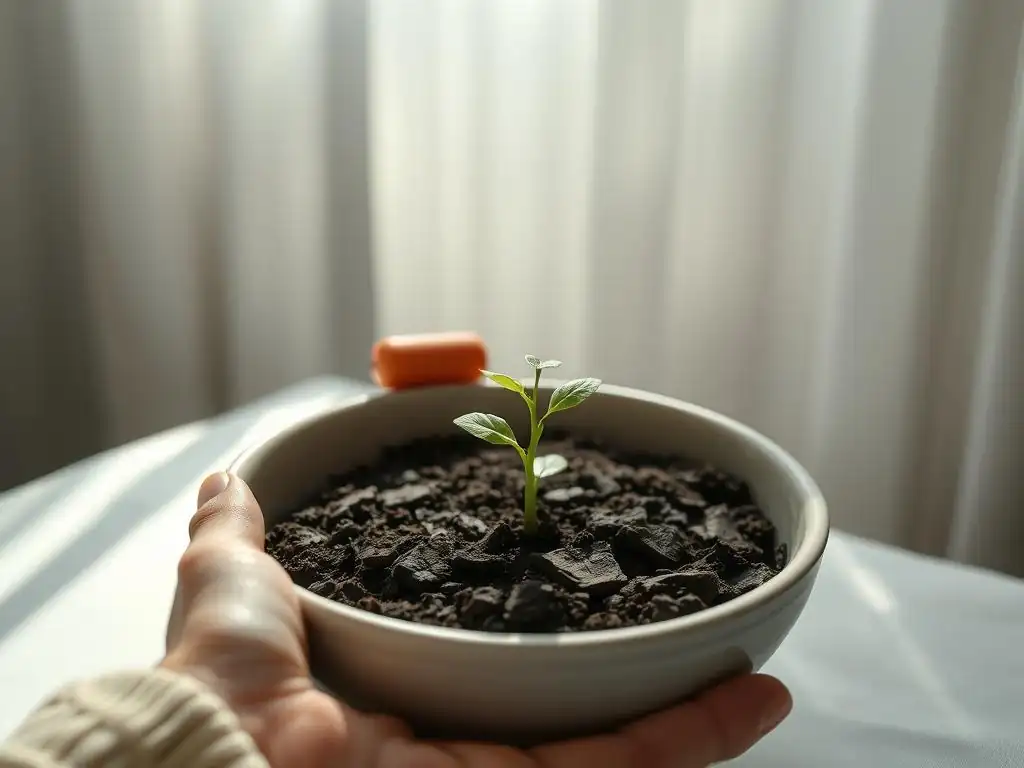
Mindfulness and Relaxation Techniques for Managing Stress
Incorporating mindfulness and relaxation techniques into your daily routine is among the most effective self-help acute stress disorder recovery tips. Mindfulness involves focusing on the present moment without judgment, which can help reduce the intensity of intrusive thoughts and manage anxiety. Simple practices like mindful breathing – paying attention to the sensation of each breath – for just a few minutes each day can help ground you during moments of distress.
Relaxation techniques, such as progressive muscle relaxation (tensing and releasing different muscle groups) or guided imagery, can also help reduce physical tension and promote a sense of calm. For example, practicing progressive muscle relaxation for 10-15 minutes daily can lower overall stress levels and make it easier to manage the physical symptoms of anxiety associated with ASD. These techniques don't erase the trauma but provide tools to manage the body's stress response and create moments of peace amidst the healing process, significantly contributing to acute stress disorder recovery.
The Importance of Self-Care in ASD Recovery
Prioritizing self-care is fundamental when considering acute stress disorder recovery tips. Trauma is physically and emotionally exhausting, and neglecting basic needs can worsen symptoms and hinder healing. Self-care encompasses simple yet crucial activities like ensuring adequate sleep, maintaining a balanced diet, and engaging in gentle physical activity. It also includes setting boundaries to avoid overwhelming situations and scheduling time for enjoyable activities.
Engaging in activities that bring comfort and joy, even in small ways, can help counteract the negative mood associated with ASD. This might involve spending time in nature, listening to music, pursuing a hobby, or connecting with pets. For instance, committing to a 20-minute walk outdoors daily or dedicating 30 minutes each evening to reading a favorite book can provide valuable moments of respite and emotional nourishment. Consistent self-care practices build a foundation of physical and emotional stability necessary for navigating the challenges of acute stress disorder recovery.
Building a Strong Support System for Emotional Well-being
A robust support system is invaluable for emotional well-being during acute stress disorder recovery. Connecting with trusted friends, family members, or support groups can provide comfort, understanding, and practical assistance. Sharing your experiences with someone who listens empathetically without judgment can reduce feelings of isolation and validate your feelings.
Support can take many forms, from having someone to talk to about your feelings to receiving practical help with daily tasks that feel overwhelming. Participating in a support group specifically for trauma survivors can also be beneficial, offering a space to connect with others who understand your struggles firsthand. For example, attending a weekly support group meeting allows individuals to share coping strategies and feel less alone in their journey. Cultivating and utilizing these connections is a critical component of effective acute stress disorder recovery tips, reminding you that you don't have to face the healing process alone.
Therapies for Acute Stress Disorder: Exploring Effective Treatment Options
Cognitive Behavioral Therapy (CBT) for ASD: Restructuring Negative Thoughts
Cognitive Behavioral Therapy (CBT) is a highly effective therapeutic approach for Acute Stress Disorder recovery. CBT helps individuals identify and challenge negative or inaccurate thought patterns that developed after the trauma. For instance, someone might believe they are responsible for the traumatic event or that the world is now a completely unsafe place. These thoughts can fuel anxiety, fear, and avoidance.
In CBT, a therapist works with the individual to examine these thoughts, evaluate their validity, and replace them with more balanced and realistic perspectives. Techniques might include cognitive restructuring, where distorted thoughts are identified and challenged, and exposure therapy, where the individual is gradually and safely exposed to trauma-related memories or reminders to reduce their power. Studies have shown that trauma-focused CBT delivered within the first month of a traumatic event can significantly reduce ASD symptoms and prevent the progression to PTSD in a substantial percentage of cases, making it a key strategy among acute stress disorder recovery tips.
Trauma-Focused Cognitive Behavioral Therapy (TF-CBT) and ASD
Trauma-Focused Cognitive Behavioral Therapy (TF-CBT) is a specific adaptation of CBT designed for individuals who have experienced trauma, particularly effective for children and adolescents but also used with adults. While often associated with chronic trauma and PTSD, principles of TF-CBT can be applied in early intervention for ASD. TF-CBT incorporates elements like psychoeducation about trauma, parenting skills (if applicable), relaxation techniques, affective regulation skills, cognitive processing of the trauma, and gradual exposure.
A core component involves helping the individual create a narrative of the traumatic event in a safe, structured way. This process, often called trauma narrative, allows the individual to process the memories and emotions associated with the trauma, integrating the experience into their life story rather than being overwhelmed by it. For example, a therapist might guide someone through recounting the event piece by piece, helping them manage associated distress and challenge unhelpful beliefs. This systematic approach is a powerful tool in the arsenal of acute stress disorder recovery tips, helping individuals regain control over their memories and emotions.
Eye Movement Desensitization and Reprocessing (EMDR) Therapy: A Potential Treatment for ASD
Eye Movement Desensitization and Reprocessing (EMDR) therapy is another therapeutic approach that shows promise for acute stress disorder recovery. EMDR is based on the theory that traumatic memories can become "stuck" in the brain in an unprocessed state, leading to symptoms like flashbacks and intense distress. The therapy involves recalling distressing images or thoughts related to the trauma while simultaneously engaging in bilateral stimulation, such as following a therapist's finger moving back and forth across the field of vision, tapping, or auditory tones.
The bilateral stimulation is thought to help the brain process the traumatic memory more effectively, reducing its emotional intensity and allowing it to be stored in a less disturbing way. While more research is needed specifically on EMDR for ASD compared to PTSD, clinical experience suggests it can be effective, especially when implemented early.
For example, a therapist might use EMDR to target a specific distressing image or belief related to the trauma, helping to "desensitize" the individual to its emotional impact. EMDR offers a distinct pathway among acute stress disorder recovery tips for individuals seeking to process traumatic memories differently.
Lifestyle Changes to Support Acute Stress Disorder Recovery
Nutrition and Diet: Fueling Your Body for Healing
Supporting your physical health through nutrition and diet is an important, often overlooked, aspect of acute stress disorder recovery. Stress, especially the intense stress associated with trauma, can deplete the body of essential nutrients and affect energy levels and mood. Focusing on a balanced diet rich in whole foods can provide the necessary building blocks for physical and mental healing.
Aim for meals that include lean proteins, complex carbohydrates, healthy fats, and plenty of fruits and vegetables. These foods provide sustained energy and essential vitamins and minerals. For instance, incorporating foods rich in omega-3 fatty acids, like salmon or walnuts, may help support brain health and mood regulation. Conversely, limiting processed foods, excessive sugar, and caffeine can help stabilize energy levels and reduce anxiety spikes. Fueling your body properly is a foundational step in building resilience and supporting the complex process of acute stress disorder recovery.
Exercise and Physical Activity: Reducing Stress and Improving Mood
Regular exercise and physical activity are powerful acute stress disorder recovery tips for managing stress, reducing anxiety, and improving mood. Physical activity helps release endorphins, natural mood boosters, and can serve as a healthy distraction from intrusive thoughts. It also provides a sense of accomplishment and control, which can be particularly helpful when feeling overwhelmed by trauma symptoms.
The type of activity isn't as important as consistency. Aim for activities you enjoy, whether it's walking, jogging, yoga, dancing, or team sports. Even moderate activity, such as a brisk 30-minute walk most days of the week, has been shown to have significant mental health benefits. For example, engaging in gentle yoga can help release physical tension held in the body due to stress and promote a sense of calm. Incorporating movement into your routine is a tangible way to support both physical and mental well-being during acute stress disorder recovery.
Sleep Hygiene: Establishing Healthy Sleep Patterns for Recovery
Sleep disturbances, such as insomnia, nightmares, and difficulty staying asleep, are common symptoms of ASD and can significantly impede recovery. Establishing healthy sleep hygiene practices is crucial for improving sleep quality and quantity, which in turn supports emotional regulation and cognitive function. Consistent, restful sleep is non-negotiable for effective acute stress disorder recovery.
Healthy sleep hygiene involves creating a regular sleep schedule, even on weekends, and creating a relaxing bedtime routine. This might include dimming lights, avoiding screens for an hour before bed, taking a warm bath, or reading a book. It also means creating a sleep environment that is dark, quiet, and cool. Limiting caffeine and alcohol, especially in the evening, is also important. For instance, going to bed and waking up at the same time daily, even after a poor night's sleep, helps regulate your body's internal clock. Prioritizing sleep is a fundamental strategy among acute stress disorder recovery tips.
Managing Triggers and Flashbacks in Acute Stress Disorder

Identifying and Understanding Your Triggers
Identifying and understanding your triggers is a critical step in managing symptoms during acute stress disorder recovery. Triggers are stimuli – sights, sounds, smells, places, people, or even internal sensations or thoughts – that remind you of the traumatic event and can cause a sudden increase in anxiety, fear, or even flashbacks. Becoming aware of what activates your stress response allows you to anticipate and prepare for these reactions.
Keeping a journal can be helpful in identifying triggers. After experiencing a strong reaction or flashback, note what was happening around you, what you were thinking, and where you were. Over time, patterns may emerge, revealing common triggers. For example, someone who experienced a car accident might discover that the smell of exhaust fumes or the sound of screeching tires are significant triggers. Gaining this awareness is the first step toward developing strategies to cope with or avoid triggers, an essential part of acute stress disorder recovery tips.
Developing Coping Mechanisms for Flashbacks
Flashbacks can be intensely distressing, making it feel as though the traumatic event is happening again. Developing effective coping mechanisms is vital for managing these episodes during acute stress disorder recovery. Grounding techniques are particularly useful during a flashback, helping you reconnect with the present moment and reality.
Examples of grounding techniques include the "5-4-3-2-1" method: identify 5 things you can see, 4 things you can touch, 3 things you can hear, 2 things you can smell, and 1 thing you can taste. Holding a comforting object, focusing on your breath, or describing your immediate surroundings in detail can also help anchor you to the present.
Having a plan for what to do when a flashback occurs, such as moving to a safe space or contacting a supportive person, can provide a sense of control. Practicing these techniques regularly, even when not in distress, makes them more accessible when needed, reinforcing your acute stress disorder recovery efforts.
Creating a Safe Space: Promoting a Sense of Security
Creating a physical and emotional "safe space" is an important strategy for promoting a sense of security during acute stress disorder recovery. This doesn't have to be an actual room, although having a designated calm area can be helpful. A safe space is anywhere you feel secure, comfortable, and protected, whether it's a specific corner of your home, a park bench, or even a space you create in your mind through visualization.
Decorating a physical space with comforting items, like soft blankets, calming colors, or meaningful photos, can make it a sanctuary. Emotionally, a safe space involves identifying people, activities, or thoughts that make you feel secure and intentionally seeking them out. For instance, knowing you can retreat to a quiet room with a favorite book or call a specific friend when feeling overwhelmed provides a sense of safety and control. Cultivating these safe spaces, both external and internal, is a key component of building stability and promoting acute stress disorder recovery.
Long-Term Strategies for Maintaining Mental Wellness After ASD
Preventing Relapse: Recognizing Early Warning Signs
Maintaining mental wellness after acute stress disorder recovery involves proactive strategies to prevent relapse. A key component is learning to recognize your early warning signs. These are subtle shifts in your thoughts, feelings, or behaviors that indicate your stress levels are rising or that you might be struggling. Early detection allows you to intervene before symptoms escalate.
Common warning signs might include increased irritability, difficulty sleeping, avoiding social situations, returning intrusive thoughts, or feeling overwhelmed more easily. For example, someone might notice they are snapping at loved ones more often or finding it hard to concentrate on work tasks again. Developing a personal list of your specific warning signs, perhaps with the help of a therapist, and having a plan for what to do when you notice them (e.g., using coping skills, contacting support, scheduling a therapy check-in) is crucial for sustaining acute stress disorder recovery long-term.
Building Resilience: Strengthening Your Ability to Cope with Stress
Building resilience is a continuous process that strengthens your ability to cope with future stressors and maintain mental wellness after acute stress disorder recovery. Resilience isn't about avoiding difficulties but about developing the capacity to bounce back from adversity. This involves cultivating positive coping skills, maintaining healthy habits, and nurturing supportive relationships.
Practicing flexibility in your thinking, developing problem-solving skills, and maintaining a sense of hope are all aspects of building resilience. Engaging in activities that promote personal growth, like learning new skills or pursuing goals, can also enhance your sense of self-efficacy. For instance, regularly practicing mindfulness or engaging in regular exercise builds physical and mental strength that helps you navigate challenges more effectively. Focusing on building resilience complements acute stress disorder recovery tips by equipping you for future challenges.
Continued Support and Self-Care for Long-Term Well-being
Long-term mental wellness after acute stress disorder recovery requires ongoing commitment to support and self-care. Recovery isn't a destination but a journey that involves continued attention to your needs. This might mean continuing with periodic therapy sessions, participating in support groups, or simply maintaining the healthy lifestyle changes you adopted during initial recovery.
Regular check-ins with yourself, paying attention to your emotional state and stress levels, are essential. Don't hesitate to reach out to your support system or a mental health professional if you feel symptoms returning or face new stressors. Treating yourself with compassion and understanding, recognizing that healing takes time and effort, is vital. Consistent self-care, like prioritizing sleep, healthy eating, and enjoyable activities, remains a cornerstone of maintaining the gains made through acute stress disorder recovery tips and living a fulfilling life.
Resources for Acute Stress Disorder Support and Information
Online Resources and Support Groups for ASD
Numerous online resources and support groups can provide valuable information and connection for individuals navigating acute stress disorder recovery. Websites from reputable mental health organizations often offer detailed information about ASD, its symptoms, and treatment options. These resources can help you feel more informed and less alone.
Online support groups, forums, or communities dedicated to trauma recovery can offer a space to share experiences, gain insights from others who have gone through similar challenges, and receive encouragement. For example, organizations like the Depression and Bipolar Support Alliance (DBSA) or the Anxiety & Depression Association of America (ADAA) often have online communities or resources related to trauma. While not a substitute for professional help, these platforms can provide peer support and practical acute stress disorder recovery tips from fellow travelers on the healing path.
Mental Health Professionals Specializing in Trauma and Stress
Finding mental health professionals who specialize in trauma and stress-related disorders is crucial for effective acute stress disorder recovery. Therapists with expertise in trauma-informed care understand the unique challenges faced by trauma survivors and are trained in evidence-based treatments like TF-CBT or EMDR.
Directories provided by professional organizations, such as the American Psychological Association (APA) or the Anxiety & Depression Association of America (ADAA), can help you locate therapists in your area who specialize in trauma. Your primary care physician may also be able to provide referrals. Don't be afraid to ask potential therapists about their experience treating ASD or trauma and their therapeutic approaches to ensure a good fit for your acute stress disorder recovery journey.
Local Crisis Hotlines and Mental Health Services
In times of acute distress or crisis during acute stress disorder recovery, knowing how to access immediate help is vital. Local crisis hotlines and mental health services provide confidential support and can connect you with emergency resources if needed. These services are typically available 24/7 and staffed by trained crisis counselors.
Keep the number for a national or local crisis hotline readily accessible. In the United States, the 988 Suicide & Crisis Lifeline is available nationwide by calling or texting 988. Familiarize yourself with local mental health clinics or emergency services in your area that can provide immediate assistance if you are experiencing severe symptoms or feel unsafe. Having these resources at your fingertips is a crucial safety net and an essential part of comprehensive acute stress disorder recovery planning.
Frequently Asked Questions
What is Acute Stress Disorder (ASD) and how does it differ from PTSD?
ASD is a mental health condition that can occur after experiencing a traumatic event. It differs from PTSD primarily in its duration; ASD symptoms last from 3 days to 1 month.
What are some key acute stress disorder recovery tips mentioned in the Mind Care Guide article?
The article emphasizes the importance of seeking professional support, practicing self-care techniques such as mindfulness, and building a strong social support network.
Why is early intervention so critical in the recovery process for ASD?
Early intervention can help prevent ASD from developing into Post-Traumatic Stress Disorder (PTSD). Addressing symptoms promptly can greatly improve long-term mental health outcomes.
What are some practical self-care strategies one can implement to manage ASD symptoms?
Practical strategies include engaging in relaxation techniques, maintaining a healthy diet and sleep schedule, and limiting exposure to triggers that exacerbate stress.
Mind Care Guide offers information, support, and resources for various mental health challenges. You can explore the website for articles, guides, and links to professional help.
Final Reflection: Embracing Resilience on the Path to Recovery
The journey to healing from acute stress disorder (ASD) is not a linear one, but a testament to the incredible resilience of the human spirit. Understanding the stages of recovery, implementing effective coping mechanisms, and seeking professional support are crucial steps, as highlighted throughout this article. The prevalence of traumatic events in our modern world underscores the vital importance of readily available and accessible resources for those navigating this challenging experience.
The impact of ASD extends far beyond the immediate aftermath of a traumatic event; its ripples affect relationships, work productivity, and overall well-being for months, even years, afterward. The ongoing conversation surrounding mental health, while still evolving, is slowly dismantling the stigma associated with seeking help. This shift is crucial for fostering a supportive environment where individuals feel empowered to prioritize their mental health. The most beautiful people we have known are those who have known defeat, known suffering, known struggle, known loss, and have found their way out of the depths.
- Elisabeth Kübler-Ross. This quote beautifully encapsulates the transformative power of navigating adversity and emerging stronger on the other side.
You, the reader, now hold the knowledge and tools to begin your own journey toward healing. Take the time to reflect on your personal experiences, identify your strengths, and acknowledge the validity of your emotions. Remember that recovery is a process, not a destination, and self-compassion is paramount. Reach out for support – whether it's a therapist, support group, or trusted loved one – and embrace the path towards a healthier, more resilient you. Your journey is unique, and your strength is undeniable.
Uncover Your Strength: Begin Your Healing Journey Today
Thanks for taking the time to explore the path to recovery from acute stress disorder. We hope this article provided valuable insights and empowered you to take the first steps toward healing. Now, it's time to put that knowledge into action.
- Prioritize self-care: Schedule 15 minutes each day for a relaxing activity – even deep breathing can make a difference. This is your cornerstone to building resilience.
- Connect with support: Reach out to a friend, family member, or therapist. Sharing your experiences can be incredibly powerful. Consider journaling your thoughts and feelings as another form of self-expression.
- Explore additional resources: Discover further support and information at your own pace. Think about what resonates with you most and build from there.
What small, yet meaningful step will you take today to nurture your recovery journey?