
Psychological First Aid: Immediate Support for Refugees in Crisis

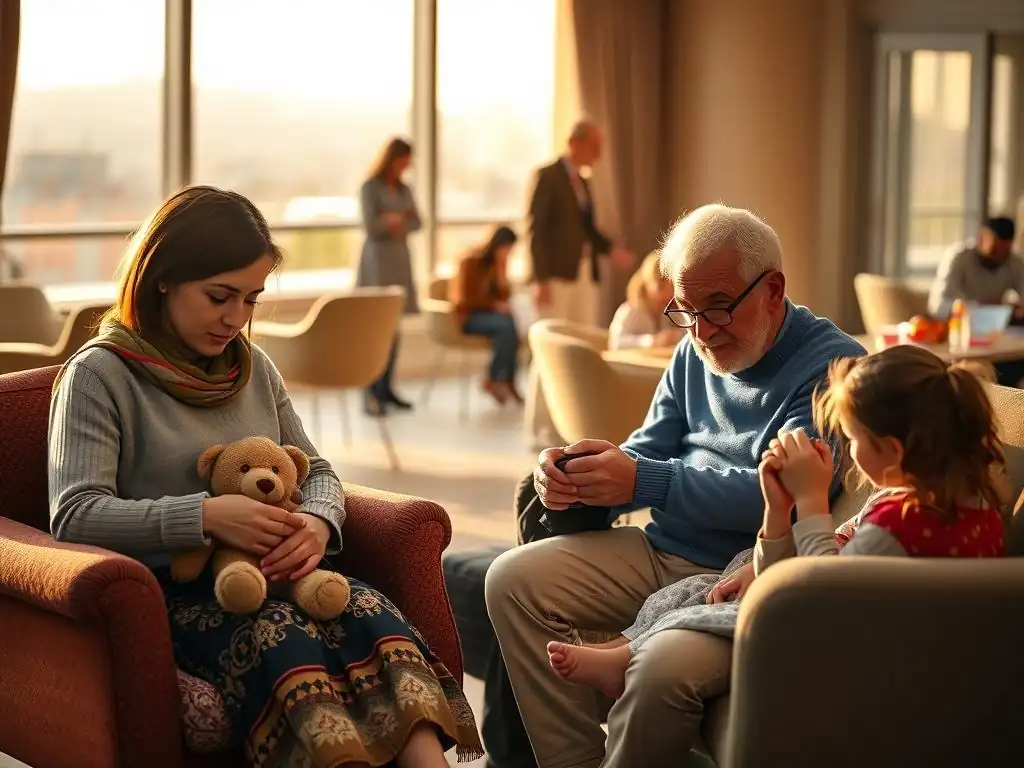
Welcome to Mind Care Guide, a safe space dedicated to understanding and nurturing your mental well-being.
Feeling overwhelmed by the global refugee crisis and its impact on mental health? You're not alone. This guide delves into the urgent need for Refugee mental health crisis support, offering practical insights and immediate resources to help those most vulnerable. Let's explore how we can provide psychological first aid and begin the journey towards healing, together.
- Understanding the Mental Health Crisis and Need for Psychological First Aid in Displacement Scenarios
-
Core Principles of Psychological First Aid for Displaced Persons
- Preparation: Understanding Cultural Sensitivity and Displacement Experiences
- Look, Listen, and Link: The Core Actions of PFA
- Safety and Comfort: Providing a Secure Environment
- Stabilization: Managing Acute Distress
- Information Gathering: Assessing Needs and Concerns
- Practical Assistance: Addressing Immediate Needs
- Connection to Resources: Linking Displaced Persons with Ongoing Support
- Adapting Psychological First Aid for Culturally Sensitive Care in Displaced Populations
- Practical Techniques for Providing Mental Health Crisis Support with PFA for Displaced Persons
- Specific Scenarios and Application of Psychological First Aid for Displaced Persons
- Ethical Considerations and Self-Care for PFA Providers Working with Displaced Persons
- Resources and Further Training for Mental Health Crisis Support for Displaced Persons
-
Frequently Asked Questions
- What is Psychological First Aid (PFA) and why is it important in the context of a refugee mental health crisis?
- How does PFA differ from traditional therapy when assisting refugees?
- What are some key principles to keep in mind when administering PFA to refugees from different cultural backgrounds?
- Where can aid workers and volunteers get trained in providing PFA for refugees?
- What long-term mental health support should be made available to refugees after receiving PFA?
- Final Reflection: The Urgent Need for Psychological First Aid in Refugee Crises
- Empower Yourself: Offer Hope to Refugees in Crisis
Understanding the Mental Health Crisis and Need for Psychological First Aid in Displacement Scenarios
The Unique Mental Health Challenges Faced by Displaced Persons
Displaced persons, including refugees and internally displaced populations, often experience profound and multifaceted mental health challenges. These difficulties stem not only from the traumatic events that forced their displacement – such as conflict, persecution, or natural disasters – but also from the ongoing stressors of displacement itself. The journey can be perilous, involving violence, deprivation, and loss of loved ones. Arrival in a new location, while potentially offering safety, often brings further challenges: navigating unfamiliar systems, language barriers, social isolation, uncertain legal status, and the struggle for basic necessities like food, shelter, and healthcare.
Research consistently highlights the elevated prevalence of mental health conditions among these populations compared to host communities. Studies suggest that rates of Post-Traumatic Stress Disorder (PTSD), depression, and anxiety disorders are significantly higher. For example, some estimates indicate that PTSD rates among adult refugees can be as high as 30-40%, far exceeding the general population average. Children are also deeply affected, often exhibiting behavioral problems, difficulties in school, and symptoms related to trauma exposure. This complex interplay of past trauma and current stressors creates a critical need for immediate and accessible mental health support for refugees facing a crisis.
Why Psychological First Aid is Crucial for Displaced Persons in Crisis
In the immediate aftermath of displacement or a traumatic event within a displacement setting, individuals are often in a state of acute distress. They may feel disoriented, overwhelmed, fearful, or numb. Traditional mental health services, which often require formal diagnosis and long-term therapy, are typically unavailable or inaccessible in these initial crisis phases. Moreover, in mass displacement scenarios, the sheer number of people affected overwhelms existing resources. This is where Psychological First Aid (PFA) plays a crucial, immediate role in refugee mental health crisis support.
PFA is not therapy, but rather a humane, supportive response to a person who is suffering and may need support. It focuses on providing practical care and support, identifying basic needs, protecting people from further harm, offering emotional comfort, and connecting people to information, services, and social support. Implementing PFA quickly can help stabilize individuals experiencing acute distress, prevent the escalation of symptoms, and foster resilience.
It is a scalable approach that can be delivered by trained non-mental health professionals, making it highly suitable for large-scale humanitarian crises involving displaced populations. Effective psychological support for displaced persons begins with this foundational layer of care.
Defining Psychological First Aid (PFA) in the Context of Displacement Support
Psychological First Aid (PFA) is an evidence-informed modular approach for helping people of all ages in the immediate aftermath of disaster and terrorism. When adapted for the context of displacement and refugee mental health crisis support, it focuses on providing practical, compassionate support to individuals affected by traumatic events and ongoing stressors. It is delivered in a way that respects people's dignity, culture, and abilities. PFA is built upon the understanding that people affected by crisis often have increased needs for safety, comfort, social support, and help in meeting their basic needs.
In displacement settings, PFA is typically delivered by aid workers, volunteers, community members, or even fellow displaced persons who have received training. It involves a set of actions aimed at reducing initial distress and fostering adaptive functioning. Unlike clinical therapy, PFA does not require discussing the traumatic event in detail.
Instead, it prioritizes creating a sense of safety, calming distress, connecting individuals with support networks and resources, and empowering them to cope effectively. It is a vital component of the initial humanitarian response, laying the groundwork for potential future mental health interventions if needed, and providing essential psychological support for displaced persons from the outset.
Core Principles of Psychological First Aid for Displaced Persons
Preparation: Understanding Cultural Sensitivity and Displacement Experiences
Effective delivery of Psychological First Aid to displaced persons requires thorough preparation that goes beyond simply understanding the PFA action principles. It necessitates a deep appreciation for the diverse cultural backgrounds, histories, and experiences of the populations being served. This includes understanding their countries of origin, reasons for displacement, cultural norms regarding communication, mental health, help-seeking behaviors, and family structures. Failing to consider these factors can lead to misunderstandings, mistrust, and inadvertently causing further distress.
Preparation also involves understanding the common experiences of displacement itself – the loss of home, community, status, and identity; the trauma of the journey; and the challenges of adapting to a new environment. PFA providers must be aware of the potential impact of these experiences on individuals' emotional states and behaviors.
Training should include components on cultural competency, trauma-informed care principles, and the specific vulnerabilities of displaced populations, such as statelessness, separation from family, or exposure to gender-based violence. This foundational knowledge ensures that the support offered is respectful, relevant, and truly meets the needs for refugee mental health crisis support.
Look, Listen, and Link: The Core Actions of PFA
The core actions of Psychological First Aid can be summarized as Look, Listen, and Link. This simple framework guides the PFA provider's interaction with a person in distress. 'Look' involves observing the situation and the person's reactions – assessing their safety, identifying those in need of immediate support, and noticing signs of severe distress. This initial observation helps the provider understand the context and identify individuals who might benefit most from PFA.
'Listen' means approaching the person, introducing yourself, and listening attentively to their needs and concerns, if they wish to share. It is about being present, offering a calm presence, and allowing the person to express themselves without pressure to talk about the trauma. Active listening involves paying attention not just to words but also to non-verbal cues, showing empathy, and validating their feelings without judgment.
'Link' involves connecting the person with practical help to address their basic needs, providing information, and linking them with loved ones and available services and social support networks. These actions form the backbone of immediate psychological support for displaced persons.
Safety and Comfort: Providing a Secure Environment
One of the most immediate needs for individuals who have experienced trauma and displacement is a sense of safety. PFA providers prioritize ensuring the physical safety of the person receiving support. This might involve helping them move to a safer location, providing protection from the elements, or ensuring they are away from ongoing threats. Beyond physical safety, creating a sense of psychological safety is crucial. This means interacting in a calm, non-threatening manner, respecting their personal space, and ensuring privacy as much as possible, especially when discussing sensitive issues or providing comfort.
Providing comfort involves more than just physical needs. It includes offering a kind word, a warm drink if available, or simply sitting with someone in silence if that is what they need. It's about demonstrating care and compassion.
In chaotic environments like emergency shelters or border crossings, finding a relatively quiet and private space for interaction can significantly enhance a person's sense of comfort and security. Addressing immediate physical needs like food, water, and shelter is also a critical part of providing comfort and stabilization, as these basic securities are fundamental to beginning to address refugee mental health crisis support needs.
Stabilization: Managing Acute Distress
Individuals in the immediate aftermath of a crisis or acute stress may experience intense emotional and physiological reactions, such as panic, uncontrollable crying, disorientation, or feeling numb. Stabilization in PFA involves helping the person manage these acute distress reactions. It is not about eliminating the distress entirely, but about helping them regain a sense of control and calm in the moment. This might involve simple techniques like guiding them to focus on their breathing or grounding them in the present moment by encouraging them to notice their surroundings using their senses.
The PFA provider maintains a calm and steady presence, which can be incredibly reassuring to someone who feels overwhelmed. They offer simple, clear information and guidance. For someone experiencing panic, suggesting slow, deep breaths can help regulate their nervous system.
For someone feeling disoriented, gently helping them orient to where they are and what is happening now can be stabilizing. The goal is to help the person move from a state of intense reactivity to a state where they can begin to think more clearly and access their own coping resources. This step is vital in providing immediate psychological support for displaced persons experiencing acute crisis symptoms.
Information Gathering: Assessing Needs and Concerns
While PFA is not a clinical assessment, it does involve gathering information to understand the person's immediate needs and concerns. This is done sensitively and without being intrusive. The purpose is to identify how best to help them right now. Information gathering focuses on practical needs: Do they need food, water, or medical attention? Are they looking for family members? Do they need information about what is happening or where to go? It also involves understanding their emotional state and whether they are connected to any support networks.
The PFA provider asks open-ended questions and listens carefully, prioritizing the person's stated needs. They do not press for details about the traumatic events themselves unless the person explicitly wants to share and it is relevant to their immediate needs (e.g., needing medical care for an injury sustained during the event). This phase helps tailor the PFA response to the individual's specific situation and ensures that the support provided is relevant and helpful. It is a crucial step in effectively delivering refugee mental health crisis support.
Practical Assistance: Addressing Immediate Needs
Addressing the practical, immediate needs of displaced persons is a cornerstone of Psychological First Aid. Trauma and displacement often leave individuals deprived of basic necessities and cut off from their usual means of support. Providing practical help can be incredibly grounding and empowering. This might include assisting them in finding shelter, accessing food and water, locating medical services for injuries or pre-existing conditions, or helping them contact family members.
Practical assistance goes beyond simply providing resources; it often involves navigating complex systems and advocating for the individual. A PFA provider might help someone fill out a form, understand instructions in a new language, or connect them with a distribution point for essential supplies. By helping people meet their basic needs, PFA reduces stress and anxiety, demonstrates tangible support, and helps restore a sense of dignity and control in a chaotic situation. This direct support is a critical component of effective psychological support for displaced persons.
Connection to Resources: Linking Displaced Persons with Ongoing Support
A key action in Psychological First Aid is linking individuals with ongoing support systems and services. PFA is designed for the immediate aftermath, but the needs of displaced persons are long-term. PFA providers help connect individuals with family and friends, community support networks, and essential services that can provide continued assistance. This might include registration services, legal aid, health clinics, schools for children, or specialized mental health services if available and appropriate.
Providing accurate information about available resources and how to access them empowers displaced persons to seek help independently. It is important to manage expectations and provide realistic information about what services are available. Linking also involves reinforcing the importance of social support and helping individuals connect with others who have shared similar experiences, which can reduce isolation and foster a sense of community. This 'Link' step is vital for transitioning from immediate crisis support to longer-term recovery and well-being for refugees needing mental health crisis support.
Adapting Psychological First Aid for Culturally Sensitive Care in Displaced Populations

Cultural Considerations in Communication and Interaction
Delivering Psychological First Aid effectively to displaced populations requires profound cultural sensitivity in every interaction. Communication styles vary significantly across cultures. For example, direct eye contact, personal space, acceptable levels of physical touch (like a comforting hand on the shoulder), and even the way distress is expressed can differ widely. A PFA provider must be aware of these potential differences and adapt their approach to be respectful and non-intrusive. This involves observing cultural cues and, when in doubt, adopting a more formal and cautious approach until the individual's preferences are clearer.
Understanding cultural norms around authority and help-seeking is also crucial. In some cultures, it may be considered inappropriate or shameful to discuss personal feelings or difficulties with strangers, or particularly with individuals perceived as authority figures. The PFA provider must build trust gradually, demonstrating respect and humility. Using culturally appropriate greetings and forms of address, and being mindful of gender dynamics in interactions, are also vital components of culturally sensitive psychological support for displaced persons. Training should equip providers with the knowledge and skills to navigate these nuances respectfully.
Addressing Language Barriers and Trauma-Informed Interpretation
Language barriers are a significant challenge in providing Psychological First Aid to displaced persons. Effective communication is paramount in PFA, and the inability to understand or be understood can exacerbate feelings of fear and isolation. Whenever possible, utilizing professional, trained interpreters is essential. However, using interpreters requires a specific skill set, both for the interpreter and the PFA provider. Interpreters should be briefed on the principles of PFA and trauma-informed care, understanding the importance of conveying not just words but also tone and emotional context accurately, while maintaining confidentiality.
Using family members, especially children, as interpreters should be avoided as it can be inappropriate, inaccurate, and place an undue burden on them, potentially exposing them to distressing information. If professional interpreters are unavailable, carefully selected and trained community members might serve, but their limitations and potential biases must be considered. The PFA provider should speak clearly, use simple language, and pause frequently to allow the interpreter time. They should also speak directly to the person receiving aid, not to the interpreter. Addressing language barriers effectively is fundamental to providing accessible and sensitive refugee mental health crisis support.
Respecting Cultural Norms and Beliefs Regarding Mental Health
Cultural beliefs surrounding mental health, trauma, and healing vary immensely. In some cultures, distress may be expressed through physical symptoms rather than emotional language. Mental health issues may be stigmatized, attributed to spiritual causes, or considered a private family matter. PFA providers must respect these diverse perspectives and avoid imposing Western concepts of mental health or therapy. The goal of PFA is not to diagnose or treat, but to provide support in a way that is meaningful and acceptable within the individual's cultural framework.
This means being open to understanding how individuals conceptualize their distress and what coping mechanisms and support systems (including traditional or spiritual practices) are important to them. PFA should complement existing coping strategies and community supports rather than undermining them. Providers should avoid language that is overly clinical or pathologizing. By acknowledging and respecting cultural norms and beliefs regarding well-being and distress, PFA can be delivered in a way that is more effective, less stigmatizing, and genuinely supportive of the individual's journey towards stability and recovery, enhancing overall psychological support for displaced persons.
Avoiding Re-Traumatization: Trauma-Sensitive Practices
A fundamental principle when working with displaced persons, many of whom have experienced significant trauma, is to avoid re-traumatization. This means conducting all interactions in a trauma-sensitive manner. PFA providers should be mindful of potential triggers – certain questions, environments, or even tones of voice could inadvertently bring back traumatic memories or induce panic. This is why PFA focuses on the here and now and practical support, rather than probing for details about past traumatic events.
Trauma-sensitive practices include ensuring the person feels in control as much as possible, offering choices where available (e.g., where to sit, whether to talk), respecting their pace, and being transparent about what is happening and what the PFA provider can offer. Physical contact should be avoided unless culturally appropriate and initiated or consented to by the individual. Creating a predictable and safe environment, being reliable, and maintaining confidentiality are all essential components of trauma-informed PFA, ensuring that the support provided truly contributes to refugee mental health crisis support without causing further harm.
Practical Techniques for Providing Mental Health Crisis Support with PFA for Displaced Persons
Active Listening and Empathetic Communication
Active listening is a cornerstone of effective Psychological First Aid. It involves fully concentrating on, understanding, responding to, and remembering what is being said. For displaced persons in distress, simply having someone truly listen can be incredibly validating and calming. This means giving your undivided attention, making appropriate eye contact (respecting cultural norms), nodding, and using verbal cues like "I see" or "Go on." It also involves reflecting back what you've heard to ensure understanding and show that you are processing their words.
Empathetic communication goes hand-in-hand with active listening. It's about conveying that you understand and share the feelings of another person. You don't have to have experienced what they have to show empathy. Phrases like "That sounds incredibly difficult," or "It's understandable that you feel [sad/scared/overwhelmed] after everything you've been through," can acknowledge their pain without minimizing it. Avoid clichés or platitudes like "Everything will be okay." Focus on validating their current feelings and acknowledging the hardship they've endured. This empathetic approach is vital for building trust and providing genuine psychological support for displaced persons.
Grounding Techniques for Managing Anxiety and Panic
When someone is experiencing acute anxiety or panic, they may feel disconnected from reality or overwhelmed by intense sensations or thoughts. Grounding techniques are simple strategies that help bring a person back to the present moment and their physical body, interrupting the cycle of panic. A PFA provider can guide a person through these techniques gently. One common technique is the "5-4-3-2-1" method: ask the person to name 5 things they can see, 4 things they can touch, 3 things they can hear, 2 things they can smell, and 1 thing they can taste.
Another simple grounding technique involves focusing on their feet on the ground, noticing the sensation of the floor beneath them. Or they can be guided to focus on a neutral object in their environment, describing its color, shape, and texture. These techniques redirect the person's attention away from distressing thoughts or physical symptoms towards their immediate, safe surroundings. They are practical tools for managing acute distress and are easily taught and applied in the moment as part of refugee mental health crisis support.
Simple Relaxation Techniques: Breathing Exercises and Mindfulness
Stress and trauma often manifest physically, leading to rapid heart rate, tense muscles, and shallow breathing. Simple relaxation techniques, particularly focused breathing exercises, can help regulate the nervous system and promote a sense of calm. A PFA provider can guide a distressed person through slow, deep breathing. For example, box breathing (inhaling for a count of four, holding for four, exhaling for four, holding for four) or simply focusing on slow inhales and longer exhales can be very effective.
Mindfulness techniques, in their simplest form, involve bringing attention to the present moment without judgment. This could be focusing on the sensation of breath, the feeling of clothing on the skin, or the sounds in the environment. These techniques are not about emptying the mind but about gently redirecting attention away from distressing thoughts to neutral physical sensations. They are simple, portable tools that individuals can use themselves after being guided by a PFA provider, empowering them to manage their own distress. Incorporating these into PFA enhances the psychological support for displaced persons.
Providing Accurate and Honest Information
In times of crisis and displacement, uncertainty and lack of information can fuel fear and anxiety. Providing accurate, timely, and honest information is a critical component of PFA. This includes information about what services are available, how to access them, what the current situation is (if known and safe to share), and what steps are being taken to help. Information should be delivered in a clear, simple, and understandable manner, considering language barriers and potential cognitive difficulties due to stress.
It is equally important to be honest about what is not known. It is better to say "I don't know the answer to that right now, but I can try to find out," than to provide false hope or inaccurate information. Misinformation can erode trust and cause further distress. Empowering displaced persons with reliable information helps them make informed decisions, reduces uncertainty, and restores a sense of agency in a situation where they may feel powerless. This forms a crucial part of practical refugee mental health crisis support.
Addressing Common Reactions to Trauma and Displacement
PFA providers should be knowledgeable about common psychological, emotional, and physical reactions to trauma and displacement. These can include shock, numbness, fear, sadness, anger, irritability, difficulty sleeping, fatigue, muscle tension, and difficulty concentrating. It is important to normalize these reactions as understandable responses to abnormal circumstances. Letting individuals know that what they are experiencing is common and does not mean they are "going crazy" can be immensely validating.
This is done through psychoeducation delivered simply and empathetically. For example, a provider might say, "Many people who have been through experiences like yours find it hard to sleep, or feel on edge. These are normal ways our bodies and minds react to stress and danger." This helps reduce self-blame and fear about their reactions. It is not about diagnosing but about providing context and validation. However, PFA providers must also be able to identify signs of severe distress that may require referral to higher levels of care, a key aspect of responsible psychological support for displaced persons.
Specific Scenarios and Application of Psychological First Aid for Displaced Persons

PFA in Emergency Shelters and Reception Centers
Emergency shelters and reception centers are often the first point of contact for newly arrived displaced persons. These environments can be chaotic, overcrowded, and lacking in privacy, adding to the stress of individuals already reeling from traumatic experiences. Applying PFA in these settings requires adapting the principles to the constraints of the environment. Providers must prioritize creating small pockets of calm and safety where possible, perhaps in a designated quiet area. Initial interactions might be brief, focusing on identifying urgent needs and offering a compassionate presence amidst the turmoil.
In shelters, PFA providers can help orient individuals to the services available within the center (food distribution, medical tents, registration points), which directly addresses the 'Link' and 'Practical Assistance' components. They can also facilitate connections between individuals who arrived together or help people locate family members, strengthening social support networks. Group PFA interventions, such as providing general information sessions on coping with stress (without requiring personal sharing), can also be useful in these settings to reach more people and normalize common reactions, providing essential refugee mental health crisis support on a larger scale.
PFA at Border Crossings and Internally Displaced Persons (IDP) Camps
Border crossings and IDP camps represent different but equally challenging environments for applying PFA. Border crossings are often high-stress points characterized by uncertainty, long waits, and potential exposure to further hardship or exploitation. PFA here is typically brief and focused on immediate safety, providing basic necessities like water or blankets, and offering calm, reassuring presence to individuals who may be exhausted and terrified. Information provision is critical – letting people know about the process or what to expect next, if possible and accurate.
IDP camps, while potentially offering more stability than a border crossing, are often protracted situations characterized by poor living conditions, lack of opportunities, and ongoing insecurity. PFA in camps might involve more sustained presence, helping individuals access camp services, facilitating community-based support groups (focused on mutual support, not therapy), and identifying individuals with more severe needs for referral. Building rapport over time and integrating PFA principles into the daily work of camp staff and volunteers is key to providing ongoing psychological support for displaced persons in these settings.
PFA Following Traumatic Events: Armed Conflict
Displaced persons are often fleeing armed conflict, and may experience traumatic events both before and during their displacement. Applying PFA immediately following a specific traumatic event within a displacement context – such as an attack on a camp or a dangerous journey segment – requires a focus on acute stabilization and safety. The priority is to ensure physical safety first. Then, PFA providers help individuals manage their immediate distress reactions using grounding and breathing techniques.
Information provision is crucial – helping people understand what has just happened in simple terms and what the immediate next steps are for safety and assistance. Linking individuals with medical care for injuries is paramount. PFA in this context is about reducing the immediate impact of the trauma, preventing further harm, and fostering a sense of collective safety and mutual support among those affected. It is a critical component of the initial response to safeguard mental health in refugee crises.
PFA for Children and Adolescents Affected by Displacement: Age-Appropriate Support
Children and adolescents are particularly vulnerable in displacement and require age-appropriate PFA. Their reactions to trauma and stress can differ from adults and may manifest as behavioral changes, withdrawal, or physical complaints. PFA for children focuses on creating a safe and predictable environment, providing comfort, and encouraging expression through play or drawing rather than verbal recounting of events. It is vital to involve caregivers whenever possible, as supporting the caregiver also supports the child.
For adolescents, PFA involves respecting their need for independence while offering support. Providing accurate information, involving them in decisions where appropriate, and connecting them with peers can be helpful. Group activities that promote normalization and coping skills can also be effective. PFA providers working with young people must be patient, gentle, and use language that is easy for them to understand. Recognizing signs of severe distress in children (e.g., persistent withdrawal, aggressive behavior, regressive behaviors) is crucial for timely referral, ensuring young displaced persons receive the psychological support they need.
Ethical Considerations and Self-Care for PFA Providers Working with Displaced Persons
Maintaining Boundaries and Professionalism
Working closely with individuals who have experienced significant trauma and suffering can be emotionally demanding. For PFA providers, maintaining clear boundaries and professionalism is essential for both their own well-being and the effectiveness of the support they provide. This means understanding the scope of PFA – it is not therapy, and providers should not attempt to act as therapists or counselors. They should avoid getting overly involved in individuals' personal lives beyond the scope of PFA actions.
Professionalism also involves respecting confidentiality, even in challenging environments like camps or shelters where privacy is limited. Information shared during PFA interactions should only be disclosed on a need-to-know basis for referral or safety purposes, and with the individual's consent where possible. Avoiding dual relationships (e.g., becoming personal friends with someone you are providing PFA to) is also important. Maintaining these boundaries helps ensure that the support remains focused, ethical, and sustainable, protecting both the provider and the person receiving refugee mental health crisis support.
Recognizing and Addressing Secondary Trauma
PFA providers working with displaced persons are frequently exposed to harrowing stories of violence, loss, and suffering. This can lead to secondary trauma, also known as vicarious trauma or compassion fatigue. Secondary trauma is the emotional distress that results when a person hears about the first-hand trauma experiences of another. Symptoms can mirror those of PTSD and may include intrusive thoughts, avoidance, increased anxiety, difficulty sleeping, irritability, and emotional exhaustion.
It is crucial for PFA providers, and the organizations they work for, to recognize the risks of secondary trauma. Training should include information on these risks and strategies for mitigating them. Providers should be encouraged to monitor their own emotional state and physical well-being. Ignoring symptoms of secondary trauma can lead to burnout, reduced effectiveness, and personal distress. Addressing this risk is as important as providing the aid itself to ensure the sustainability of psychological support for displaced persons.
Seeking Supervision and Support for PFA Providers
Given the emotional demands of the work, seeking supervision and support is not a sign of weakness but a professional necessity for PFA providers. Supervision provides a space to discuss challenging cases (while maintaining anonymity), process difficult emotions, and receive guidance on applying PFA principles effectively in complex situations. It can be provided individually or in group settings by experienced mental health professionals or supervisors trained in supporting humanitarian workers.
Peer support is also invaluable. Connecting with fellow PFA providers who understand the unique challenges of working in displacement settings can reduce feelings of isolation and provide a source of shared coping strategies and encouragement. Organizations deploying PFA providers have an ethical responsibility to ensure that support mechanisms, such as regular supervision and opportunities for peer support, are readily available and actively promoted. This infrastructure is vital for maintaining the capacity to provide ongoing refugee mental health crisis support.
Promoting Self-Care Strategies for Resilience
Promoting and practicing self-care is fundamental for preventing burnout and maintaining resilience among PFA providers. Self-care is not selfish; it is essential for being able to continue helping others effectively. Strategies can include ensuring adequate rest, nutrition, and hydration, especially in challenging field environments. Engaging in physical activity can help manage stress. Maintaining connections with personal support networks outside of the work is also crucial.
Setting realistic expectations about what can be achieved through PFA and recognizing that one person cannot solve all problems is important for managing workload and emotional burden. Taking short breaks during the workday, practicing mindfulness or relaxation techniques, and engaging in hobbies or activities that bring joy and relaxation are all vital components of self-care. Organizations should foster a culture that values and supports provider well-being, recognizing that resilient providers are better equipped to deliver effective psychological support for displaced persons.
Resources and Further Training for Mental Health Crisis Support for Displaced Persons
Organizations Providing Psychological First Aid Training
Several international and national organizations are leaders in developing and delivering Psychological First Aid training, often with specific modules or guidance for working with displaced populations, including refugee mental health crisis support. Prominent examples include the World Health Organization (WHO), the International Federation of Red Cross and Red Crescent Societies (IFRC), and various non-governmental organizations specializing in humanitarian aid and mental health. These organizations often provide training materials, guidelines, and facilitator manuals based on evidence-informed practices.
Accessing training from reputable sources is crucial for anyone wishing to provide PFA ethically and effectively. Training typically covers the core principles, action sequence (Look, Listen, Link), specific techniques, cultural considerations, and self-care for providers. While basic PFA training can be completed in a day or two, supervised practice and ongoing learning, especially regarding the specific context of displacement, are highly recommended to build competence and confidence in providing psychological support for displaced persons.
Mental Health Resources Specific to Displaced Populations
Beyond general PFA training, there are numerous resources focused specifically on the mental health needs of displaced populations. These resources often include guidelines for culturally adapted interventions, information on common mental health conditions in these groups, and strategies for working with specific populations such as children, survivors of sexual violence, or individuals with severe mental illness. Organizations like the United Nations High Commissioner for Refugees (UNHCR), the International Organization for Migration (IOM), and various academic centers and NGOs publish research, toolkits, and best practices.
These resources are invaluable for PFA providers and other humanitarian workers seeking to deepen their understanding of the complex challenges faced by refugees and IDPs. They provide context for the application of PFA principles and highlight the importance of integrating immediate crisis support within a broader framework of mental health and psychosocial support (MHPSS) services. Accessing these specialized resources enhances the quality and relevance of refugee mental health crisis support provided.
Online Resources and Support Networks for PFA Providers
The digital age offers numerous online resources that can support PFA providers. Many organizations offer online PFA courses or webinars, providing flexible training options. Websites and online libraries host a wealth of guides, manuals, and research articles on PFA and MHPSS in humanitarian settings. Online forums and social media groups can also serve as informal support networks where providers can share experiences, ask questions, and offer peer support, though caution must always be exercised regarding confidentiality.
While online resources can be a valuable supplement, they should not replace in-person training and supervision, particularly when working in complex and high-stress environments with vulnerable populations. However, they offer accessible ways for providers to refresh their knowledge, learn new techniques, and stay connected with the wider community of practice dedicated to providing psychological support for displaced persons. Utilizing these resources contributes to continuous learning and improved capacity for refugee mental health crisis support.
Building Capacity for Sustainable Mental Health Support for Displaced Persons: Community-Based Programs
Psychological First Aid is a critical first step, but sustainable mental health support for displaced persons requires building capacity within affected communities themselves. This involves training community members, including displaced individuals, in PFA and basic MHPSS skills. Community-based programs can leverage existing social networks and cultural strengths, making support more accessible, culturally relevant, and less stigmatizing. Training community members as PFA providers empowers them to support their peers and contributes to the long-term resilience of the community.
Building capacity also involves strengthening local health systems to include mental health services and integrating MHPSS into other sectors like education and protection. Sustainable psychological support for displaced persons relies on a multi-layered approach, starting with immediate PFA, layered with basic MHPSS, and connected to specialized services for those who need them. Investing in community-based initiatives and local expertise is key to ensuring that refugee mental health crisis support is not just a short-term intervention but a sustainable part of the recovery and integration process.
Frequently Asked Questions
What is Psychological First Aid (PFA) and why is it important in the context of a refugee mental health crisis?
PFA is an evidence-informed approach that provides immediate support to people experiencing distress. It’s crucial for refugees as it helps address their initial emotional and practical needs following trauma.
How does PFA differ from traditional therapy when assisting refugees?
Unlike therapy, PFA focuses on immediate stabilization and reducing distress. It doesn't involve diagnosing or treating mental health conditions, but rather connecting individuals with appropriate resources and long-term care.
What are some key principles to keep in mind when administering PFA to refugees from different cultural backgrounds?
It's vital to be culturally sensitive and respectful of individual beliefs. Avoid imposing your own views and be mindful of language barriers and communication styles.
Where can aid workers and volunteers get trained in providing PFA for refugees?
Organizations like the World Health Organization (WHO) and many national Red Cross/Red Crescent societies offer PFA training resources and workshops. Look for locally adapted programs for greater relevance.
What long-term mental health support should be made available to refugees after receiving PFA?
Refugees often require ongoing mental health services such as therapy, support groups, and psychiatric care. Access to culturally competent professionals and trauma-informed care is essential for long-term recovery.
Final Reflection: The Urgent Need for Psychological First Aid in Refugee Crises
The global refugee crisis continues to escalate, demanding immediate and effective interventions to address the profound mental health challenges faced by those displaced from their homes. The sheer scale of suffering necessitates a radical shift in our approach, prioritizing accessible and culturally sensitive psychological first aid as a cornerstone of humanitarian response. We cannot afford to wait for long-term solutions when immediate support can mitigate the devastating impact of trauma and foster resilience.
The pervasive effects of displacement, violence, and loss extend far beyond the immediate crisis, shaping the mental well-being of refugees for years to come. The ripple effects on families and communities are equally profound. As we've explored, providing timely psychological first aid is not merely a humanitarian act; it's a crucial investment in the future stability and well-being of these individuals and societies. The best way to predict the future is to create it,
and by proactively addressing the mental health needs of refugees, we can contribute to a more hopeful and resilient future for all.
Consider the impact of even a single act of kindness, a listening ear, or a moment of empathy. You, the reader, hold the power to make a difference. This article is not just a collection of facts and figures; it's a call to action. Learn more about psychological first aid, volunteer your time with organizations supporting refugees, or simply educate yourself and others on the importance of mental health in crisis situations. Let's work together to build a world where every refugee receives the support they deserve, not just to survive, but to thrive.
Empower Yourself: Offer Hope to Refugees in Crisis
Thanks for taking the time to learn about providing Psychological First Aid to refugees. You've gained valuable knowledge to make a real difference. Now, let's put that knowledge into action!
- Prioritize learning a few key PFA techniques: Focus on mastering one or two specific interventions to build confidence and ensure effective support. Consider exploring online resources dedicated to culturally sensitive PFA training.
- Share this article with friends, family, or colleagues who may also want to learn how to help. Start a conversation – even a small act of sharing can have a huge impact.
- Volunteer your time at a local organization supporting refugee resettlement. Many groups eagerly welcome individuals with training and a compassionate heart.
What small step will you take today to offer hope to those in need?