
The Role of Service Animals in Supporting Veteran Mental Health

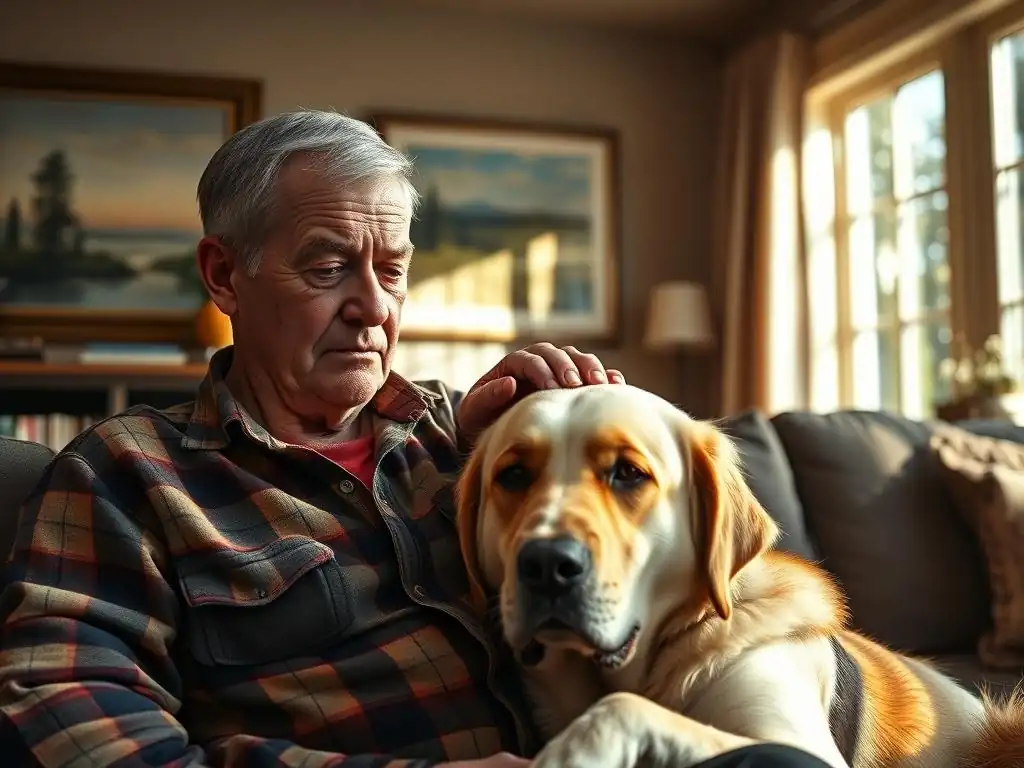
Welcome to Mind Care Guide, a compassionate space dedicated to nurturing your mental well-being.
Are you seeking ways to navigate the invisible wounds of trauma and stress? Perhaps you've heard whispers of a unique path to healing. In our article, " The Role of Service Animals in Supporting Veteran Mental Health," we delve into the profound impact these incredible companions can have. Discover how service animals offer more than just assistance; they provide unwavering support, fostering emotional stability and a renewed sense of purpose. Curious to learn how these bonds can transform lives? Let's explore this powerful connection together...
The Role of Service Animals in Supporting Veteran Mental Health
- Understanding the Mental Health Challenges Faced by Veterans
- Service Animals: A Definition and Overview
-
How Service Animals Support Veteran Mental Health: The Mechanisms
- Alleviating PTSD Symptoms: Service Animals as Grounding Tools
- Reducing Anxiety and Panic Attacks: The Calming Presence of Service Animals
- Combating Social Isolation and Loneliness: Fostering Connection and Routine
- Mitigating Night Terrors and Hypervigilance Through Trained Responses
- Assisting with Medication Management and Other Daily Tasks
- The Benefits of Service Animals for Veterans: Beyond Symptom Relief
- Choosing the Right Service Animal for a Veteran's Needs
- Obtaining a Service Animal: A Step-by-Step Guide for Veterans
- The Veteran-Service Animal Bond: A Powerful Partnership
- Alternative Therapies and Service Animals: A Holistic Approach to Veteran Mental Health
- Research and Evidence Supporting the Effectiveness of Service Animals for Veteran Mental Health
- Overcoming Barriers to Accessing Service Animals for Veterans
- Service Animals and Veteran Mental Health: Resources and Support
- Conclusion: The Enduring Impact of Service Animals on Veteran Mental Well-being
-
Frequently Asked Questions
- What is the primary role of service animals in supporting veteran mental health?
- What specific mental health challenges can service animals help veterans manage?
- How do service animals differ from emotional support animals in terms of veteran mental health support?
- What are some of the key benefits veterans experience from having a service animal for their mental well-being?
- How can a veteran access a service animal to support their mental health needs?
- Final Reflection: The Unwavering Bond: Service Animals and Veteran Wellbeing
- Unlock a Deeper Understanding: Supporting Veteran Mental Wellbeing
Understanding the Mental Health Challenges Faced by Veterans
The Prevalence of PTSD, Anxiety, and Depression Among Veterans
Many veterans face significant mental health challenges following their service, stemming from combat exposure, trauma, and the difficult transition back to civilian life. Post-traumatic stress disorder (PTSD) is particularly prevalent; estimates suggest that between 11% and 20% of veterans of the Iraq and Afghanistan wars have PTSD in a given year, compared to about 6% of the general population. Veterans from the Vietnam era also show high rates, with about 15% diagnosed with PTSD at some point in their lives.
Beyond PTSD, anxiety disorders and depression are also common. Major depression affects roughly 1 in 5 veterans, and anxiety disorders, including generalized anxiety disorder and panic disorder, are frequently co-occurring conditions with both PTSD and depression. These conditions can severely impact a veteran's daily functioning, relationships, and overall quality of life, highlighting the critical need for effective and comprehensive support systems. The complex interplay of these conditions often requires multifaceted treatment approaches.
Impact of Trauma on Veteran Well-being: A Closer Look
Trauma, whether from direct combat, witnessing horrific events, or experiencing military sexual trauma, leaves a lasting imprint on a veteran's psychological and emotional landscape. This impact goes beyond specific diagnostic criteria, often manifesting as chronic pain, sleep disturbances, substance use disorders, and difficulty maintaining employment or stable relationships. The constant state of hypervigilance, a hallmark of PTSD, can make navigating everyday situations exhausting and terrifying.
The invisible wounds of trauma can lead to profound feelings of isolation and alienation. Veterans may feel misunderstood by civilians, struggling to connect with others who haven't shared similar experiences. This can exacerbate existing mental health conditions and create a vicious cycle of withdrawal and worsening symptoms. Addressing this deep-seated impact requires therapeutic interventions that acknowledge the unique nature of military trauma and support the veteran's journey towards healing and reintegration.
Service Animals: A Definition and Overview
What Exactly is a Service Animal? Distinguishing from Emotional Support Animals
Under the Americans with Disabilities Act (ADA), a service animal is defined as a dog that has been individually trained to do work or perform tasks for an individual with a disability. The tasks performed must be directly related to the person's disability. Examples include guiding people who are blind, alerting people who are deaf, pulling a wheelchair, alerting and protecting a person who is having a seizure, or performing psychiatric tasks such as reminding a person with mental illness to take prescribed medications or calming a person during an anxiety attack.
It is crucial to distinguish service animals from emotional support animals (ESAs). While ESAs provide comfort simply by their presence and are often part of a therapeutic plan, they are not trained to perform specific tasks related to a disability and are not granted the same public access rights under the ADA as service animals. A service animal for veteran mental health is specifically trained to perform tasks that mitigate symptoms of conditions like PTSD, anxiety, or depression, making them essential medical aids, not just companions.
The Legal Protections and Rights Afforded to Service Animals and Their Veteran Handlers
The ADA provides significant legal protections for service animals and their handlers. In most public accommodations, such as restaurants, shops, hotels, and transportation, service animals are allowed to accompany their handlers. Businesses cannot ask about the person's disability, require special identification for the animal, or ask that the animal demonstrate its task. They can only ask two questions: 1) is the dog a service animal required because of a disability, and 2) what work or task has the dog been trained to perform?
These protections are vital for veterans relying on service animals for mental health support. They ensure veterans can access necessary public spaces and services without discrimination, which is critical for reducing isolation and promoting independence. However, it's important to note that these rights do not extend to places where the animal's presence would fundamentally alter the nature of the services provided or pose a direct threat to the health and safety of others (and barking or growling is generally not considered a direct threat unless it is excessive or aggressive).
How Service Animals Support Veteran Mental Health: The Mechanisms
Alleviating PTSD Symptoms: Service Animals as Grounding Tools
Service animals play a significant role in alleviating the debilitating symptoms of PTSD in veterans. One key mechanism is their ability to act as grounding tools during moments of distress or dissociation. When a veteran experiences flashbacks, panic attacks, or feels overwhelmed, a trained service animal can provide tactile stimulation – nudging, licking, or leaning – which helps the veteran reconnect with the present moment and their physical surroundings.
Furthermore, service animals can be trained to recognize subtle signs of anxiety or distress in their handler and interrupt the escalating symptoms. This might involve nudging the veteran to encourage them to sit down, placing their weight on the veteran's lap to provide deep pressure therapy, or simply offering a calming presence. This proactive intervention can prevent a full-blown episode, providing the veteran with a sense of control and safety they may have lost due to trauma.
Reducing Anxiety and Panic Attacks: The Calming Presence of Service Animals
The constant presence of a service animal provides an inherent sense of security that can significantly reduce generalized anxiety and the frequency and severity of panic attacks. Knowing that their animal is there, attentive and ready to respond, can lower a veteran's baseline stress levels. The rhythmic petting of a dog has been shown to lower cortisol levels and increase oxytocin, promoting relaxation and a feeling of well-being.
For veterans prone to panic attacks in public places, the service animal acts as a buffer and a source of calm. The animal can perform tasks like creating space in crowded areas, alerting the veteran to someone approaching from behind (reducing hypervigilance), or simply providing a focal point for the veteran to concentrate on, diverting attention away from anxious thoughts or external triggers. This allows veterans to engage more confidently with their environment.
Social isolation is a major challenge for many veterans with mental health conditions. Trauma can make trust difficult, and symptoms like anxiety or depression can make leaving the house or interacting with others feel overwhelming. Service animals inherently combat this isolation. They provide constant companionship, a warm, non-judgmental presence that fills the void left by strained relationships or difficulty connecting with others.
Beyond companionship, a service animal requires care, establishing a daily routine of feeding, walks, and training. This structure provides purpose and responsibility, motivating veterans to get out of bed, leave the house, and engage with the world. Walking a service dog often leads to positive social interactions with strangers, breaking down barriers and providing opportunities for connection that might otherwise be missed.
Mitigating Night Terrors and Hypervigilance Through Trained Responses
Sleep disturbances, particularly night terrors and nightmares related to trauma, are common and distressing symptoms for veterans with PTSD. Service animals can be trained to wake their handler during a night terror, providing comfort and grounding them back to reality. This interruption can prevent the full experience of the terror, leading to improved sleep quality and reduced daytime fatigue and irritability.
Hypervigilance, the state of being constantly on alert for danger, is another exhausting symptom. Service animals can be trained to perform tasks that mitigate this. For example, they can be taught to "clear" a room upon entry, checking corners to give the veteran a sense of security, or to stand behind the veteran in public spaces, allowing them to relax their guard slightly knowing the animal is watching their back.
Assisting with Medication Management and Other Daily Tasks
Managing mental health conditions often involves adhering to a strict medication schedule, which can be challenging for veterans experiencing cognitive difficulties or memory issues related to trauma or depression. A service animal can be trained to remind their handler to take medication at specific times, perhaps by nudging them or bringing them a medication pouch.
Furthermore, service animals can assist with various daily tasks that may be difficult due to symptoms. This could include retrieving items, helping the veteran maintain balance if anxiety causes dizziness, or even helping them locate an exit during a panic attack. These seemingly small tasks contribute significantly to a veteran's independence and ability to function in their daily life.
The Benefits of Service Animals for Veterans: Beyond Symptom Relief
Improved Emotional Regulation and Coping Skills
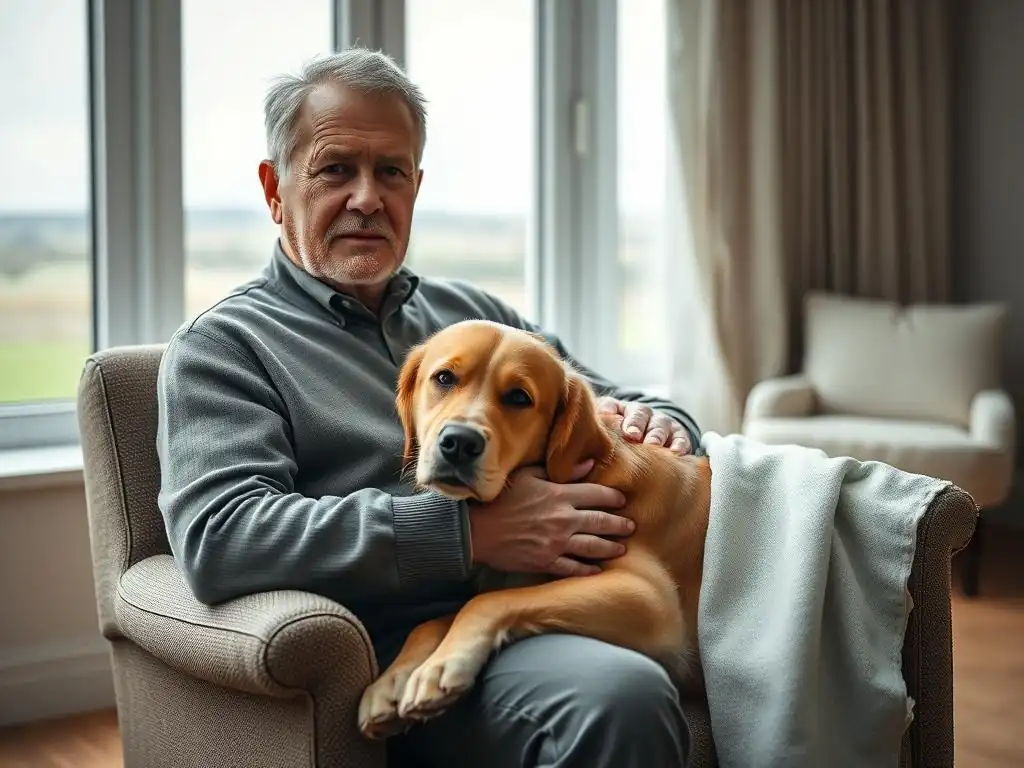
Living with mental health conditions like PTSD, anxiety, or depression often involves difficulties with emotional regulation. Veterans may experience intense mood swings, irritability, or emotional numbness. The presence of a service animal provides a stable, predictable relationship that can help veterans develop better emotional control. The animal's calm demeanor can be infectious, and the responsibility of caring for the animal encourages the veteran to manage their own emotional state for the animal's well-being.
Moreover, interacting with a service animal provides a healthy coping mechanism. Instead of resorting to maladaptive behaviors like isolation or substance use, veterans can turn to their animal for comfort, distraction, or simply a moment of connection. This positive outlet strengthens their ability to navigate difficult emotions and situations.
Enhanced Self-Esteem and Confidence
Trauma and mental health challenges can severely erode a veteran's self-esteem and confidence. They may feel broken, incapable, or like a burden. A service animal can dramatically reverse these feelings. Caring for and working with a trained animal provides a sense of purpose and competence. The animal relies on the veteran, reinforcing their value and ability to care for another living being.
Successfully navigating public spaces with a service animal, completing tasks, and managing symptoms with the animal's help builds confidence. Veterans feel more capable and independent, less defined by their disability and more by their strengths and the powerful partnership they share with their animal.
Increased Independence and Quality of Life
A primary goal of service animals for veteran mental health is to increase the veteran's independence. By mitigating symptoms, providing assistance with daily tasks, and enabling access to public spaces, service animals empower veterans to live fuller, more independent lives. They can go to the grocery store, attend appointments, visit friends, or simply take a walk without being crippled by anxiety or hypervigilance.
This increased independence directly translates to a significantly improved quality of life. Veterans report feeling more hopeful, engaged, and less burdened by their conditions. The ability to participate more fully in life's activities reduces feelings of hopelessness and can be a powerful antidote to suicidal ideation, which is tragically high among veterans.
The transition back to civilian life can be fraught with challenges, including difficulty reconnecting with family and friends and establishing new social networks. Service animals act as social facilitators. People are often curious and friendly towards a service dog, initiating conversations that might not otherwise occur. This helps veterans practice social skills and feel more comfortable interacting with others.
Furthermore, the responsibility of having a service animal encourages veterans to participate in activities that benefit the animal, such as going to parks, training classes, or vet appointments, which further increases social exposure. For family members, the service animal can also reduce stress and worry, as they see the veteran becoming more stable and engaged, strengthening familial bonds and aiding overall reintegration.
Choosing the Right Service Animal for a Veteran's Needs
Assessing Individual Needs and Mental Health Conditions
Selecting the appropriate service animal for a veteran is a critical step that requires careful assessment of their specific needs, lifestyle, and the nature of their mental health conditions. A veteran primarily struggling with panic attacks in public might benefit from a dog trained in blocking and deep pressure therapy, while a veteran experiencing severe night terrors might need a dog specifically trained for nighttime awakenings. The severity of symptoms, the veteran's physical capabilities, living situation, and personal preferences regarding breed and temperament must all be taken into account.
A thorough assessment process, often involving mental health professionals and experienced service animal trainers, helps match the veteran with an animal whose size, energy level, and innate temperament are suited to performing the required tasks and integrating into the veteran's life. This personalized approach ensures the partnership has the best chance of success and provides the most effective support for the veteran's mental health.
Different Breeds and Their Suitability for Specific Tasks
While any breed can potentially be a service animal, certain breeds are more commonly chosen due to their temperament, trainability, and physical characteristics. Labrador Retrievers, Golden Retrievers, and German Shepherds are popular choices because they are generally intelligent, eager to please, stable, and capable of performing a wide range of tasks, from deep pressure therapy to retrieving items.
However, the suitability of a breed depends heavily on the specific tasks required and the individual dog's temperament. A smaller dog might be ideal for tasks like alerting to anxiety onset or medication reminders, while a larger, sturdier dog might be necessary for mobility assistance or deep pressure therapy. The focus should always be on the individual dog's ability to perform the necessary work reliably and safely, rather than solely on breed.
The Importance of Professional Training and Certification
Professional training is non-negotiable for a service animal. These animals undergo rigorous, specialized training, often for 18 to 24 months or more, to learn the specific tasks required to mitigate their handler's disability. This training goes far beyond basic obedience; it involves complex behaviors tailored to the veteran's unique mental health challenges, such as interrupting dissociative episodes, providing calming pressure, or creating space in crowds.
While formal certification bodies vary and are not strictly mandated by the ADA, obtaining an animal from a reputable organization that adheres to high training standards is crucial. These organizations ensure the dog has the right temperament, is healthy, and is reliably trained to perform its tasks in various environments. They also typically provide team training, teaching the veteran how to work effectively with their new partner, which is vital for the success of the service animal veteran mental health partnership.
Obtaining a Service Animal: A Step-by-Step Guide for Veterans
Eligibility Requirements and Application Process
The process for a veteran to obtain a service animal typically begins with determining eligibility. While the ADA broadly defines service animals, specific organizations providing service animals to veterans may have additional criteria, such as requiring a formal diagnosis of a qualifying mental health condition like PTSD, anxiety disorder, or depression, often confirmed by a mental health professional or physician. Some organizations may prioritize veterans with certain levels of disability.
The application process usually involves submitting detailed paperwork about the veteran's background, military service, mental health history, and living situation. This is often followed by interviews, psychological evaluations, and home visits to ensure that a service animal is an appropriate intervention and that the veteran can provide a safe and stable home for the animal. The goal is to ensure a successful match for both the veteran and the dog.
Finding Reputable Service Animal Organizations and Trainers
Identifying reputable service animal organizations is paramount. Veterans should look for non-profit organizations with a proven track record of successfully placing trained service animals with individuals with disabilities, particularly veterans. Organizations accredited by Assistance Dogs International (ADI) or similar bodies often adhere to stringent standards for breeding, raising, training, and placement of assistance dogs.
Veterans can research organizations online, read testimonials, and ideally, speak with other veterans who have received animals from them. It's also important to understand the training philosophy and ongoing support provided by the organization. Some organizations provide the dog free of charge to the veteran, covering the significant costs of breeding, raising, and training, while others may require fundraising or contributions.
Understanding the Costs Involved and Available Financial Assistance
The cost of breeding, raising, training, and placing a fully trained service animal is substantial, often ranging from $20,000 to $50,000 or even more. This includes veterinary care, food, equipment, and the extensive labor involved in training. While this cost is prohibitive for most individuals, many reputable organizations provide service animals to veterans free of charge or for a nominal fee, covering the costs through donations, grants, and fundraising efforts.
Veterans should inquire specifically about the costs they will be responsible for, which may include application fees, travel expenses for team training, and ongoing costs of caring for the animal (food, vet care, grooming, etc.). Some financial assistance programs or grants may be available to help cover these ongoing expenses, although the primary cost of the trained animal is often borne by the non-profit organization dedicated to supporting service animals veteran mental health.
The Veteran-Service Animal Bond: A Powerful Partnership
Building Trust and Communication
The success of a service animal partnership hinges on the strong bond built between the veteran and the animal. This bond is founded on mutual trust, respect, and clear communication. Veterans learn to read their animal's cues, recognizing subtle signals that the animal is sensing their anxiety or preparing to perform a task. Simultaneously, the animal learns to understand the veteran's commands and anticipate their needs.
Building this trust takes time and effort, involving consistent positive reinforcement, training sessions, and simply spending quality time together. As the bond deepens, the veteran feels safer and more connected, and the animal becomes even more attuned to the veteran's emotional state. This unique, non-verbal communication fosters a sense of profound understanding and acceptance.
The Importance of Ongoing Training and Support
While service animals receive extensive initial training, the partnership requires ongoing effort. Regular practice of commands and tasks is essential to maintain the animal's skills and responsiveness. Continued training also helps strengthen the bond and adapt to any changing needs the veteran may have over time.
Reputable service animal organizations typically provide follow-up support, including periodic check-ins, refresher training sessions, and assistance with any behavioral issues that may arise. This ongoing support ensures the partnership remains strong and effective throughout the animal's working life. Veterans also benefit from connecting with other service animal handlers, sharing experiences and support.
Addressing Potential Challenges and Concerns
While overwhelmingly positive, the service animal partnership is not without potential challenges. These can include navigating public access issues, managing the animal's health and aging, dealing with public misconceptions or distractions, and the emotional difficulty of eventually retiring or losing the service animal.
Organizations providing service animals work with veterans to prepare them for these potential challenges. This includes education on ADA rights, guidance on animal care, and emotional support resources for managing the grief associated with the end of the partnership. Open communication with the service animal organization and a strong support network are crucial for navigating these concerns successfully.
Alternative Therapies and Service Animals: A Holistic Approach to Veteran Mental Health
Integrating Service Animals with Traditional Mental Health Treatment
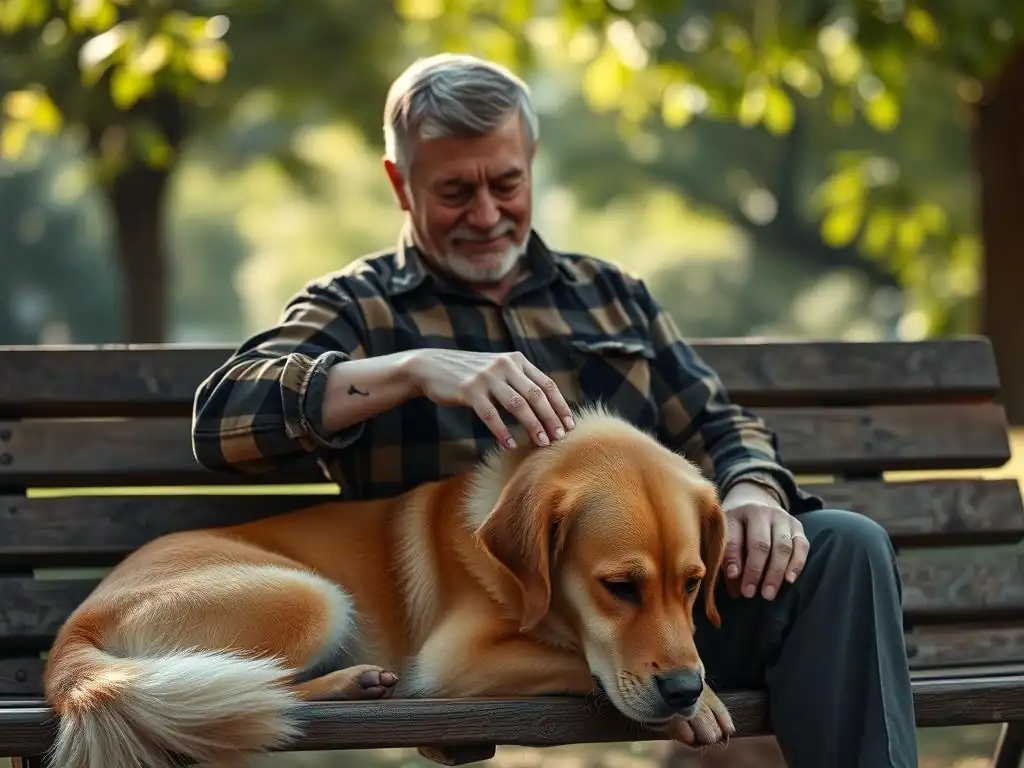
Service animals are not a standalone cure but function most effectively as a complementary therapy integrated into a veteran's overall mental health treatment plan. Traditional therapies such as Cognitive Behavioral Therapy (CBT), Eye Movement Desensitization and Reprocessing (EMDR), and group therapy remain vital components of recovery for conditions like PTSD, anxiety, and depression. A service animal can enhance the effectiveness of these therapies by helping the veteran feel stable enough to engage fully in sessions, manage anxiety during difficult processing, and practice coping skills learned in therapy with the animal's support.
For instance, a veteran learning relaxation techniques in therapy might use their service animal's calming presence to practice these techniques at home. A veteran working on exposure therapy to reduce avoidance might feel more confident facing triggering situations with their service animal by their side. Mental health providers working with veterans should consider how a service animal can be incorporated into the treatment goals and strategies.
The Role of Family and Support Systems in the Veteran-Service Animal Partnership
The successful integration of a service animal into a veteran's life also heavily relies on the understanding and support of their family and broader social network. Family members need to understand the animal's role as a working medical aid, not just a pet, respecting its boundaries while it is performing tasks. Educating family members about the veteran's needs and how the service animal helps can foster a supportive home environment.
Support systems, including friends, fellow veterans, and support groups, can provide encouragement and practical assistance. Sharing experiences with others who understand the unique challenges veterans face, particularly those with service animals, can reduce feelings of isolation and provide valuable insights and resources. A robust support network reinforces the benefits of the service animal veteran mental health partnership.
Research and Evidence Supporting the Effectiveness of Service Animals for Veteran Mental Health
Studies on the Impact of Service Animals on PTSD Symptoms
While research is still evolving, studies are increasingly providing evidence for the positive impact of service animals on veteran mental health, particularly for those with PTSD. A notable study published in the Journal of Consulting and Clinical Psychology in 2018 found that veterans with PTSD who were partnered with service dogs showed significant reductions in symptoms, including lower levels of hypervigilance, fewer intrusive thoughts, and improved sleep compared to those on a waitlist for a service dog.
Another study involving veterans reported that service dogs helped reduce anxiety, depression, and isolation, and improved sleep quality and social functioning. While research methodologies continue to be refined, these initial findings provide compelling empirical support for the anecdotal evidence shared by countless veterans about the life-changing benefits of their service animals for veteran mental health.
Qualitative Data: Veteran Testimonials and Experiences
Beyond quantitative studies, the qualitative data from veteran testimonials offers powerful insights into the impact of service animals. Veterans frequently describe their service animal as a lifeline, enabling them to leave their homes, reconnect with loved ones, and find joy in life again. Common themes include the animal's constant presence as a source of comfort, the ability to perform tasks that interrupt panic or anxiety, and the renewed sense of purpose and responsibility that comes with caring for the animal.
Many veterans share stories of how their service animal helped them navigate specific triggering situations, from crowded stores to loud noises, allowing them to participate in activities they had previously avoided. These personal accounts, while not statistical data, provide invaluable context and underscore the profound, transformative effect service animals can have on a veteran's mental well-being and reintegration into civilian life.
Future Directions for Research and Development
Despite promising findings, more research is needed to fully understand the mechanisms and long-term effects of service animals on veteran mental health. Future studies could explore the specific tasks that are most beneficial for different symptoms, investigate the impact on specific veteran populations (e.g., different eras, genders, or types of trauma), and analyze the cost-effectiveness of service animals compared to or in conjunction with other therapies.
There is also a need for research into the veteran-animal bond itself and how it contributes to therapeutic outcomes. Continued research will help refine training protocols, placement strategies, and advocacy efforts, ensuring that service animals are utilized in the most effective ways to support the mental health and well-being of veterans.
Overcoming Barriers to Accessing Service Animals for Veterans
Addressing the Shortage of Trained Service Animals
One of the most significant barriers veterans face in obtaining a service animal is the considerable shortage of fully trained animals available. The process of breeding, raising, and training a service dog is lengthy, labor-intensive, and expensive, resulting in long waiting lists for veterans in need. Demand far outstrips the supply from reputable organizations.
Addressing this requires increased investment in breeding and training programs, potentially through government funding, corporate sponsorships, and public donations. Expanding the capacity of existing organizations and supporting the development of new, high-quality training programs are crucial steps to reduce wait times and make service animals more accessible to eligible veterans seeking support for their mental health.
Raising Awareness About the Benefits of Service Animals
Despite growing recognition, there is still a need to raise greater awareness among veterans, healthcare providers, and the general public about the specific benefits of service animals for veteran mental health. Many veterans may not be aware that a service animal could be a viable and effective component of their treatment plan, or they may confuse service animals with ESAs.
Educating mental health professionals and primary care physicians who work with veterans is essential so they can inform their patients about this option and refer them to reputable resources. Public awareness campaigns can help reduce stigma, promote understanding of public access rights, and encourage support for organizations that provide these invaluable animals.
Advocating for Increased Funding and Support
Securing adequate and consistent funding is critical for organizations providing service animals to veterans, as they often bear the vast majority of the cost. Advocacy efforts are needed at both the governmental and philanthropic levels to ensure these organizations have the resources necessary to meet the growing demand. This includes advocating for government grants specifically allocated for veteran service animal programs and encouraging private donations.
Increased support can also involve streamlining the process for veterans to access services, ensuring consistent standards across training organizations, and providing resources for the ongoing care and support of the veteran-animal team. Strong advocacy is key to removing systemic barriers and ensuring that every veteran who could benefit from a service animal has the opportunity to obtain one.
Service Animals and Veteran Mental Health: Resources and Support
National Organizations Providing Service Animals to Veterans
Several reputable national organizations are dedicated to providing trained service animals to veterans with mental health conditions like PTSD. Some well-known examples include Patriot Paws Service Dogs, K9s For Warriors, and America's VetDogs. These organizations typically provide the dog, comprehensive training, and ongoing support to the veteran at little to no cost, relying heavily on donations and volunteer support.
Veterans interested in obtaining a service animal should research these and other organizations, reviewing their eligibility criteria, application process, and the type of training they provide. Contacting these organizations directly is the best way to get accurate information and begin the process of applying for a service animal veteran mental health partnership.
Mental Health Services and Support Groups for Veterans and Their Families
While service animals provide incredible support, they are part of a larger ecosystem of care. Veterans utilizing service animals should also remain engaged with traditional mental health services provided by the Department of Veterans Affairs (VA) or private practitioners. These services offer therapy, medication management, and access to a network of support.
Additionally, connecting with veteran support groups, both for mental health in general and specifically for veterans with service animals, can provide invaluable peer support, shared experiences, and practical advice. Support groups for family members can also help them understand the veteran's challenges and the role of the service animal, strengthening the entire support system around the veteran and their service animal veteran mental health team.
Conclusion: The Enduring Impact of Service Animals on Veteran Mental Well-being
The integration of service animals into the lives of veterans struggling with mental health conditions like PTSD, anxiety, and depression represents a profound and impactful therapeutic approach. These specially trained animals perform vital tasks that directly mitigate debilitating symptoms, from interrupting panic attacks and night terrors to providing grounding and reducing hypervigilance. Beyond symptom relief, the presence of a service animal fosters deep emotional bonds, combats social isolation, enhances self-esteem, and promotes independence, significantly improving a veteran's overall quality of life and facilitating their reintegration into civilian society.
While challenges exist, such as the shortage of trained animals and the need for increased awareness and funding, the growing body of research and countless veteran testimonials underscore the transformative power of the service animal veteran mental health partnership. As a crucial component of a holistic care plan, alongside traditional therapies and strong support systems, service animals offer hope, stability, and a loyal companion on the path to healing and recovery.
The enduring impact of these incredible animals on veteran well-being is a testament to the unique and powerful bond between humans and animals, offering a path towards a more fulfilling and engaged life for those who have served.
Frequently Asked Questions
What is the primary role of service animals in supporting veteran mental health?
Service animals provide emotional support and practical assistance to veterans struggling with mental health conditions like PTSD. They can help reduce anxiety, improve coping skills, and foster a sense of security.
What specific mental health challenges can service animals help veterans manage?
Service animals are especially beneficial for veterans dealing with Post-Traumatic Stress Disorder (PTSD), anxiety, and depression. They can also help manage panic attacks, nightmares, and social isolation.
How do service animals differ from emotional support animals in terms of veteran mental health support?
Service animals undergo specialized training to perform specific tasks related to a veteran's disability, unlike emotional support animals. This task-oriented training makes them more effective in addressing mental health challenges.
What are some of the key benefits veterans experience from having a service animal for their mental well-being?
Veterans with service animals often report increased independence, reduced reliance on medication, and improved overall quality of life. A service animal can also help them reintegrate into civilian life.
How can a veteran access a service animal to support their mental health needs?
Veterans can explore options like working with accredited service animal organizations or seeking referrals from their healthcare providers. The process often involves an assessment of needs and specific training.
Final Reflection: The Unwavering Bond: Service Animals and Veteran Wellbeing
The profound impact of service animals on veteran mental health is undeniable, offering a lifeline of support in the ongoing struggle against PTSD, anxiety, and depression. These animals aren't just pets; they are vital partners, providing a tangible connection to stability and a sense of normalcy in a world often fraught with invisible challenges. Their presence offers a powerful counterpoint to the isolating effects of trauma.
The transformative power of this human-animal bond continues to reshape the landscape of veteran care, challenging traditional approaches and highlighting the crucial role of holistic healing. The unwavering loyalty and unconditional love offered by a service animal can be a powerful antidote to the feelings of isolation and distrust that often accompany mental health struggles. The dog was my anchor, my constant companion, and a silent witness to my journey of healing.
This sentiment, echoed by countless veterans, underscores the profound and often life-saving impact of these partnerships.
Now, consider your own life. Perhaps you know a veteran struggling with their mental health, or perhaps you are a veteran yourself. Think about the power of connection, the importance of unwavering support, and the potential for healing that lies within the bond between a human and a dedicated service animal. Reach out to organizations supporting veterans and service animal training programs. Learn more about this vital resource and consider how you can contribute to a future where every veteran has access to the support they need to thrive.
Unlock a Deeper Understanding: Supporting Veteran Mental Wellbeing
Thanks for taking the time to learn about the vital role service animals play in supporting veteran mental health. We hope you gained valuable insights into this powerful partnership. Now it's time to take action!
- Reach out to a veteran support organization: Learn more about how you can volunteer your time or donate to organizations dedicated to pairing veterans with service animals. This direct action makes a tangible difference.
- Share this article: Spread awareness about the positive impact of service animals by sharing this article with your network. Let's build a community of support!
- Explore resources for veterans: Discover more about the resources and support systems available to veterans struggling with mental health challenges. Understanding the landscape empowers us all to help.
Ready to make a difference in the lives of veterans? What step will you take today to support their mental wellbeing?