
SelfCare Essentials for Navigating Trauma Healing


Welcome to Mind Care Guide, a safe space to explore your mental well-being.
Are you seeking gentle paths toward healing after trauma? You've come to the right place. Our guide to trauma healing selfcare strategies offers practical steps and compassionate support. We understand the journey can be challenging, and we're here to help you navigate it. Discover essential self-care techniques that can empower you to reclaim your inner peace and build resilience. Read on to learn how to nurture yourself and begin your journey toward healing.
Self-Care Essentials for Navigating Trauma Healing
- Understanding Trauma and the Importance of Self-Care in Recovery
- Building a Personalized Trauma Healing Self-Care Plan
- Essential Self-Care Strategies for Trauma Survivors
- Trauma-Informed Self-Care Practices: A Deeper Dive
- Maintaining Long-Term Self-Care After Trauma
- Resources for Trauma Healing and Self-Care
-
Frequently Asked Questions
- What is the role of self-care in trauma healing?
- What are some accessible self-care strategies for someone on a tight budget?
- How can I identify self-care activities that are actually helpful for my specific trauma?
- What if I'm struggling to implement self-care consistently?
- Is self-care enough to heal from trauma, or do I still need professional help?
- Final Reflection: The Enduring Power of Self-Care in Trauma Healing
- Unlock Your Healing Journey: Practical Steps to Thrive
Understanding Trauma and the Importance of Self-Care in Recovery
Defining Trauma: A Foundation for Healing
Trauma is not merely an event; it is the profound emotional response to an event or series of events that is deeply distressing or disturbing, overwhelming an individual's ability to cope, causes feelings of helplessness, diminishes their sense of self, and their ability to feel a full range of emotions and sensations. These experiences can include physical or sexual abuse, neglect, natural disasters, accidents, violence, military combat, or even chronic stress like poverty or discrimination.
The impact of trauma is highly subjective; what is traumatic for one person may not be for another, depending on individual resilience, support systems, and the nature of the event.
The effects of trauma can manifest in various ways, impacting mental, emotional, physical, and spiritual health. Common responses include anxiety, depression, flashbacks, nightmares, difficulty concentrating, irritability, social withdrawal, and physical symptoms like headaches or digestive issues. Understanding this broad definition is the first step in recognizing the need for deliberate and compassionate trauma healing selfcare strategies. It acknowledges that healing is a complex process that requires addressing the multifaceted ways trauma affects a person's life.
Why Self-Care is Crucial During Trauma Recovery
Trauma disrupts a person's sense of safety and control, often leaving them feeling vulnerable and overwhelmed. Self-care during this period isn't a luxury; it's a fundamental necessity for recovery. Engaging in trauma healing selfcare strategies helps survivors regain a sense of agency over their bodies and minds, providing stability in the face of internal chaos. It involves consciously choosing activities that nourish and support one's well-being, counteracting the depletion that trauma often causes.
Moreover, trauma can significantly strain the nervous system, keeping it in a state of heightened alert (fight, flight, or freeze). Effective self-care techniques, such as grounding exercises or mindful movement, can help regulate the nervous system, promoting a sense of calm and safety that is essential for processing traumatic memories and emotions. Without dedicated self-care, the risk of burnout, re-traumatization, or exacerbation of symptoms like anxiety and depression increases significantly. Therefore, integrating robust self-care practices is non-negotiable for anyone navigating the path of trauma recovery.
The Connection Between Trauma, Mental Health, and Self-Compassion
Trauma is strongly linked to a higher incidence of mental health conditions. Research consistently shows that individuals with a history of trauma are significantly more likely to develop conditions such as Post-Traumatic Stress Disorder (PTSD), anxiety disorders, depression, substance use disorders, and complex trauma (C-PTSD). For instance, estimates suggest that about 60% of men and 50% of women experience at least one trauma in their lives, and roughly 7-8% of the U.S. population will have PTSD at some point. The profound impact on mental health underscores the need for integrated care that addresses both the trauma and resulting conditions.
Self-compassion plays a vital role in this healing process. Trauma survivors often internalize blame or shame, believing they are somehow responsible for what happened or that they are fundamentally flawed. Self-compassion involves treating oneself with the same kindness, understanding, and acceptance one would offer a friend experiencing similar pain. Practicing self-compassion helps dismantle self-blame, reduces feelings of isolation, and fosters resilience. It's a core component of effective trauma healing selfcare strategies, enabling individuals to approach their pain with gentleness rather than harsh self-criticism, which is essential for emotional processing and recovery.
Building a Personalized Trauma Healing Self-Care Plan
Assessing Your Needs: Identifying Areas for Self-Care Focus
Creating an effective trauma healing self-care plan begins with a thorough and honest assessment of your current needs and challenges. Consider the different domains of your life that trauma has impacted: physical (sleep, energy levels, physical symptoms), emotional (mood swings, difficulty regulating feelings, emotional numbness), mental (concentration issues, intrusive thoughts, memory problems), social (isolation, relationship difficulties), and spiritual (loss of meaning, questioning beliefs). Reflect on which areas feel most depleted or dysregulated since the trauma occurred.
To assess your needs, you might keep a journal for a week or two, noting when symptoms are most intense, what activities seem to help or hinder your well-being, and which parts of your life feel most out of balance. Are you struggling most with sleep? Are flashbacks overwhelming? Do you feel disconnected from others? Identifying these specific areas allows you to tailor your self-care efforts where they are most needed, making your trauma healing selfcare strategies more targeted and effective. Acknowledging your current state without judgment is key to building a foundation for compassionate self-care.
Setting Realistic Goals for Self-Care During Trauma Recovery
Once you've assessed your needs, the next step is to set realistic and achievable goals for your self-care plan. Trauma recovery is a marathon, not a sprint, and attempting to do too much too soon can lead to overwhelm and discouragement. Start small. If sleep is a major issue, a goal might be to establish a consistent bedtime routine three nights a week, rather than aiming for eight hours of perfect sleep every single night immediately. If emotional regulation is difficult, a goal could be to practice a specific grounding technique for five minutes daily.
Realistic goals are specific, measurable, achievable, relevant, and time-bound (SMART). Instead of a vague goal like "feel better," aim for "practice deep breathing for 10 minutes each morning for the next two weeks" or "connect with one supportive friend via phone call this week." Celebrating small victories along the way is crucial for maintaining motivation and reinforcing the positive impact of your trauma healing selfcare strategies. Remember that progress isn't linear, and setbacks are a normal part of the healing journey.
Tailoring Self-Care Strategies to Your Specific Trauma Experience
Trauma is a deeply personal experience, and therefore, effective self-care must be personalized. What works for one trauma survivor may not work for another, depending on the nature of the trauma, individual coping styles, cultural background, and current life circumstances. For example, someone with combat trauma might benefit greatly from structured physical activity or group therapy with fellow veterans, while a survivor of childhood abuse might find gentle, body-based therapies or creative expression more helpful initially.
Consider what feels safe and empowering to you. Some trauma healing selfcare strategies, like certain forms of meditation or bodywork, might be triggering for some individuals and should be approached cautiously, perhaps with the guidance of a trauma-informed therapist. Listen to your body and intuition. Experiment with different techniques and be willing to adjust your plan as your needs change throughout the recovery process. Your self-care plan should evolve with you, always prioritizing your sense of safety and well-being.
Essential Self-Care Strategies for Trauma Survivors

Grounding Techniques for Managing Trauma Symptoms
Trauma can often pull individuals out of the present moment, either through flashbacks to the past or anxiety about the future. Grounding techniques are powerful tools for bringing awareness back to the here and now, helping to manage overwhelming emotions, dissociation, and anxiety symptoms common in trauma survivors. These techniques engage the senses or focus the mind on concrete details of the present environment, providing an anchor when you feel adrift in distress.
Consistent practice of grounding techniques can significantly reduce the frequency and intensity of trauma symptoms. They are simple yet effective trauma healing selfcare strategies that can be used discreetly in almost any situation – whether you're feeling triggered, anxious, or disconnected. Integrating these practices into your daily routine, even when you're not in distress, can build resilience and make them more accessible when you need them most.
Breathing Exercises for Calming Anxiety
Shallow, rapid breathing is a common physiological response to stress and trauma. Consciously slowing and deepening the breath can signal to the nervous system that it is safe, helping to reduce anxiety and promote relaxation. Techniques like diaphragmatic breathing (belly breathing) or the 4-7-8 method (inhale for 4 counts, hold for 7, exhale for 8) are simple yet effective.
Practicing controlled breathing for even a few minutes can lower heart rate, decrease muscle tension, and interrupt the body's stress response. This is a foundational element of many trauma healing selfcare strategies, providing immediate relief during moments of panic or overwhelm. Make it a habit to practice breathing exercises daily, not just during distress.
Sensory Awareness to Reconnect with the Present
Engaging your five senses is a direct way to anchor yourself in the present moment. The "5-4-3-2-1" technique is a popular example: identify 5 things you can see, 4 things you can touch, 3 things you can hear, 2 things you can smell, and 1 thing you can taste. This exercise forces your attention away from internal distress and onto the external environment.
Focusing on sensory details – the feeling of your feet on the ground, the texture of your clothes, the sounds around you, the taste of a mint, the smell of coffee – can interrupt intrusive thoughts and flashbacks. Incorporating sensory awareness into your trauma healing selfcare strategies helps strengthen your connection to the physical world, making it easier to return to the present when your mind wanders to traumatic memories.
Safe Place Visualization for Emotional Regulation
Creating a mental "safe place" is a visualization technique where you imagine a calm, peaceful environment where you feel completely safe and comfortable. This can be a real place you've been or an entirely imagined one. Focus on the details: what do you see, hear, smell, feel, and perhaps even taste in this place? What makes it feel safe?
Regularly visiting your safe place in your mind can be a powerful way to regulate intense emotions and find a sense of refuge when feeling overwhelmed. It's a portable tool for emotional self-soothing and a key component of many therapeutic approaches to trauma. Developing and using a safe place visualization is one of the comforting trauma healing selfcare strategies available anytime, anywhere.
Emotional Regulation Skills for Trauma Healing
Trauma can significantly impair the ability to understand, tolerate, and manage emotions. Survivors may experience intense emotional swings, emotional numbness, or difficulty identifying what they are feeling. Developing emotional regulation skills is crucial for navigating the complex emotional landscape of recovery. This involves learning to recognize emotions without being consumed by them and developing healthy ways to cope with difficult feelings.
Emotional regulation isn't about suppressing emotions; it's about learning to experience them in a way that doesn't lead to destructive behavior or overwhelming distress. Building these skills is a core part of effective trauma healing selfcare strategies, empowering survivors to respond to their feelings with intention rather than reaction.
Identifying and Labeling Emotions
Many trauma survivors struggle to identify their feelings, sometimes experiencing a confusing mix of sensations or a general sense of unease without a clear label. Learning to name emotions (e.g., "I feel anxious," "I feel sad," "I feel angry") is a foundational step in emotional regulation. This process, often called "affect labeling," can actually help decrease activity in the amygdala, the brain's fear center.
Using an emotions chart or journaling about physical sensations and thoughts can help you connect with and name your feelings. Simply acknowledging and labeling an emotion can reduce its intensity and make it feel less overwhelming. This simple practice is a powerful addition to your trauma healing selfcare strategies.
Developing Healthy Coping Mechanisms for Intense Feelings
When intense emotions arise, it's important to have a repertoire of healthy coping mechanisms to turn to instead of relying on potentially harmful strategies like substance use, isolation, or self-harm. Healthy coping mechanisms are activities that help you manage distress in a way that is ultimately constructive and aligned with your well-being.
Examples include talking to a trusted friend, engaging in physical activity, practicing a hobby, writing, listening to music, using grounding techniques, or engaging in distraction techniques (like watching a movie or playing a game) for a short period to allow intense feelings to subside slightly before processing them. Experiment to find which trauma healing selfcare strategies work best for you when emotions are high.
Practicing Self-Compassion and Forgiveness
Self-compassion, as discussed earlier, is vital. It involves being kind and understanding towards yourself, especially when you are struggling. Forgiveness, both of others and potentially yourself (for perceived failings or responses during the trauma), is also a significant, though often challenging, part of healing. Forgiveness is not about condoning what happened but about releasing the burden of anger and resentment that can keep you trapped in the past.
Cultivating self-compassion involves challenging negative self-talk and offering yourself validation and comfort. Forgiveness is a process that may take time and is deeply personal; it is not a mandatory step for everyone but can be profoundly freeing for those who choose it. These empathetic approaches are foundational trauma healing selfcare strategies that support emotional and psychological release.
Physical Self-Care for Trauma Recovery
Trauma doesn't just affect the mind; it is stored in the body. Therefore, physical self-care is an indispensable part of trauma recovery. Attending to your physical health can help regulate the nervous system, reduce stress hormones, improve mood, and increase overall resilience. Neglecting physical needs often exacerbates trauma symptoms.
Prioritizing physical well-being is one of the most tangible trauma healing selfcare strategies you can implement. It involves making conscious choices about sleep, nutrition, and movement that support your body's healing capacity.
The Importance of Sleep for Trauma Healing
Sleep is critical for both physical and mental restoration. Trauma survivors often struggle with sleep disturbances, including insomnia, nightmares, or difficulty staying asleep. Chronic sleep deprivation can worsen anxiety, depression, irritability, and cognitive difficulties, making it harder to cope with trauma symptoms.
Aiming for 7-9 hours of quality sleep per night should be a priority. Establishing a consistent sleep schedule, creating a relaxing bedtime routine, and ensuring your sleep environment is dark, quiet, and cool are important steps. Addressing sleep issues, perhaps with professional help if needed, significantly supports other trauma healing selfcare strategies and overall recovery.
Nutrition and its Impact on Mental Well-being After Trauma
What you eat affects how you feel, both physically and mentally. Trauma and chronic stress can disrupt appetite and lead to poor dietary choices (e.g., relying on processed foods, high sugar intake) which can negatively impact mood, energy levels, and concentration.
Focusing on a balanced diet rich in whole foods, lean proteins, fruits, vegetables, and healthy fats can help stabilize blood sugar, provide essential nutrients for brain health, and improve energy levels. Staying hydrated is also crucial. While diet alone won't cure trauma, supporting your body with good nutrition is a fundamental part of building resilience and enhancing the effectiveness of other trauma healing selfcare strategies.
Exercise and Movement as Trauma Release Techniques
Physical activity can be a powerful tool for processing trauma and releasing stored tension in the body. Exercise helps reduce stress hormones like cortisol and adrenaline and releases endorphins, which have mood-boosting effects. Engaging in movement can also help survivors reconnect with their bodies in a positive way, counteracting feelings of dissociation or disconnect.
Activities like walking, running, yoga, dancing, or even gentle stretching can be beneficial. Some approaches, like trauma-sensitive yoga or specific somatic therapies, are designed to help release trauma stored in the body through mindful movement. Finding enjoyable ways to move your body is a vital component of effective trauma healing selfcare strategies.
Trauma can isolate individuals, leading to withdrawal and difficulty trusting others. However, healthy social connection is a powerful antidote to the isolation trauma creates and a crucial element of healing. Feeling understood, validated, and supported by others can provide a sense of safety and belonging that is essential for recovery.
Building and maintaining a supportive network is not always easy for trauma survivors, but it is a high-impact area for self-care. Prioritizing healthy relationships and seeking connection are among the most important trauma healing selfcare strategies.
Building a Supportive Network of Friends and Family
Identify individuals in your life who are trustworthy, empathetic, and supportive. These are people who listen without judgment, respect your boundaries, and offer comfort and encouragement. Nurture these relationships by spending time together, sharing (when you feel ready and safe), and offering support in return.
It's okay if your supportive network is small; quality is more important than quantity. Conversely, it's also okay to set boundaries or distance yourself from relationships that are unsupportive, critical, or triggering. Focusing on building connections that feel safe and nourishing is key.
Finding a Trauma-Informed Therapist or Support Group
Professional support is often invaluable in trauma recovery. A trauma-informed therapist is trained to understand the impact of trauma on the brain and body and uses therapeutic approaches specifically designed for trauma healing, such as EMDR (Eye Movement Desensitization and Reprocessing), Somatic Experiencing, or Trauma-Focused Cognitive Behavioral Therapy (TF-CBT).
Support groups, whether in-person or online, provide a space to connect with others who have similar experiences. Sharing your story and hearing from others can reduce feelings of isolation and offer valuable insights and coping strategies. Seeking professional help and peer support are essential, specialized trauma healing selfcare strategies.
Setting Healthy Boundaries in Relationships
Trauma can make setting boundaries difficult; survivors may people-please, feel guilty saying no, or struggle to identify their own needs. However, establishing and maintaining healthy boundaries in relationships is fundamental to self-care and safety during recovery. Boundaries protect your emotional and physical energy and communicate your needs to others.
This might involve limiting contact with certain individuals, saying no to requests when you feel overwhelmed, or communicating your needs clearly and directly. Learning to assert your boundaries is an empowering process that reinforces your sense of self-worth and control, vital components of trauma healing selfcare strategies.
Trauma-Informed Self-Care Practices: A Deeper Dive
Mindfulness and Meditation for Trauma Recovery
Mindfulness is the practice of paying attention to the present moment without judgment. For trauma survivors, this can be challenging, as the present moment may feel unsafe or be filled with distressing thoughts and sensations. However, practiced gently and often with guidance, mindfulness and meditation can be powerful tools for increasing self-awareness, reducing reactivity, and cultivating a sense of calm.
Trauma-informed mindfulness emphasizes safety, choice, and a focus on grounding rather than solely on internal sensations, which can be triggering. These practices help individuals observe their thoughts and feelings from a distance, rather than being consumed by them, fostering emotional regulation. Integrating mindfulness is a core element of many effective trauma healing selfcare strategies.
Cultivating Present Moment Awareness
Present moment awareness involves intentionally bringing your attention to what is happening right now – your breath, physical sensations, sights, sounds, etc. This can be practiced informally throughout the day, such as mindfully eating, walking, or washing dishes. The goal is not to stop thinking but to notice thoughts without getting carried away by them.
For trauma survivors, cultivating present moment awareness can help interrupt cycles of rumination or dissociation. It builds the capacity to tolerate discomfort and notice that even during difficult moments, there are aspects of the present that are neutral or even pleasant. This skill is foundational for many trauma healing selfcare strategies.
Reducing Stress and Anxiety Through Meditation
Formal meditation practice, such as sitting meditation or body scan meditation, involves dedicating a specific amount of time to focus awareness. Research suggests that regular meditation can physically change the brain, reducing the size of the amygdala (associated with fear) and increasing activity in areas related to calm and focus.
Studies have shown that mindfulness-based interventions can lead to significant reductions in PTSD symptoms, anxiety, and depression. For instance, one meta-analysis found medium to large effect sizes for mindfulness in reducing PTSD symptoms. Starting with short durations (e.g., 3-5 minutes) and using guided meditations specifically designed for trauma survivors can make this practice more accessible and less potentially triggering.
Integrating Mindfulness into Daily Life
Mindfulness doesn't have to be confined to a formal meditation cushion. You can integrate mindfulness into everyday activities, turning routine tasks into opportunities for present moment awareness. This might involve mindfully brushing your teeth, paying attention to the sensations of water during a shower, or fully engaging your senses while eating a meal.
Small moments of mindfulness throughout the day can add up, helping to build resilience and a greater capacity to stay grounded when faced with challenges. Making mindfulness a consistent practice enhances the effectiveness of your overall trauma healing selfcare strategies.
Creative Expression as a Tool for Trauma Healing
Trauma can sometimes feel ineffable, difficult to put into words. Creative expression offers alternative pathways for processing emotions, memories, and sensations associated with trauma. Engaging in creative activities can bypass verbal barriers, allowing for cathartic release and new insights.
Whether you consider yourself "artistic" or not, creative activities can be powerful trauma healing selfcare strategies. The focus is on the process of creation and expression, not on producing a masterpiece.
Journaling for Processing Emotions
Writing can be a safe and private space to explore thoughts and feelings related to trauma. Journaling allows you to externalize internal experiences, providing distance and clarity. You can write about specific memories, current feelings, challenges, or even positive experiences and hopes for the future.
Different journaling techniques can be helpful, such as stream-of-consciousness writing, writing letters (that you don't send), or using prompts related to emotions or physical sensations. Regular journaling can help identify patterns in your thoughts and feelings and track your progress in recovery.
Art Therapy: Using Art to Express Trauma
Art therapy utilizes various art modalities (drawing, painting, sculpting, collage) to help individuals explore emotions, resolve conflicts, and improve self-awareness. For trauma survivors, art can provide a non-verbal language to express experiences that are too difficult or painful to articulate verbally.
Working with an art therapist can provide guidance and interpretation, but engaging in art on your own can also be therapeutic. Simply making marks on paper, choosing colors, or shaping clay can be a way to externalize internal distress and find a sense of release.
Music Therapy: Finding Healing Through Sound
Music therapy uses music to address physical, emotional, cognitive, and social needs. This can involve listening to music, playing instruments, singing, or composing. Music can evoke emotions, provide comfort, facilitate expression, and help regulate mood.
For trauma survivors, music can be used to manage anxiety, process emotions, and connect with others. Listening to calming music can be a grounding technique, while writing or playing music can be a form of emotional release. Music's ability to access different parts of the brain makes it a unique tool among trauma healing selfcare strategies.
Somatic Experiencing and Body-Based Therapies
Trauma is often stored in the body as physical sensations, tension, and dysregulation of the nervous system. Somatic Experiencing (SE) and other body-based therapies, like Trauma-Sensitive Yoga or Sensorimotor Psychotherapy, focus on the body's role in trauma and healing. These approaches help individuals become aware of physical sensations (soma) in a safe and contained way.
The goal of somatic therapies is to help the body complete the physiological responses that were interrupted during the traumatic event (e.g., fight, flight, or freeze responses that couldn't be fully expressed). By gently tracking physical sensations and allowing the body to discharge trapped energy, survivors can release trauma held in the nervous system. These are advanced trauma healing selfcare strategies often best explored with a trained practitioner.
Understanding the Body's Role in Trauma Storage
When faced with an overwhelming threat, the body's survival instincts take over. If fighting or fleeing is not possible, the body may freeze, holding immense energy and tension. This unresolved physiological arousal can remain trapped in the body long after the threat is gone, contributing to symptoms like chronic pain, tension, anxiety, and hypervigilance.
Understanding that your physical symptoms might be related to stored trauma is a crucial step. It shifts the perspective from "something is wrong with me" to "my body is holding onto something that needs to be released." This understanding is foundational for body-based trauma healing selfcare strategies.
Releasing Trauma Through Somatic Practices
Somatic practices involve paying gentle, non-judgmental attention to physical sensations (like tingling, heat, tension, shaking) in the body. Instead of analyzing or intellectualizing, the focus is on noticing these sensations as they arise and allowing them to move or shift naturally. This process, sometimes called "titration" and "pendulation," involves working with small doses of activation and then returning to a sense of calm, helping the nervous system gradually increase its capacity to handle difficult sensations.
Techniques might include mindful body scans, gentle movement, or specific exercises guided by a therapist to help discharge trapped energy (e.g., controlled shaking or trembling). These practices are powerful trauma healing selfcare strategies for completing the body's natural healing cycle.
Connecting Mind and Body for Healing
Trauma often creates a disconnect between the mind and body, sometimes as a protective mechanism (dissociation). Somatic practices help bridge this gap, fostering a greater sense of integration and wholeness. By safely exploring physical sensations, survivors can learn to inhabit their bodies more fully and feel more grounded in the present.
This mind-body connection is vital for long-term healing. It allows individuals to recognize their body's signals, understand its needs, and respond with compassionate self-care. Re-establishing this connection is a central aim of many effective trauma healing selfcare strategies.
Maintaining Long-Term Self-Care After Trauma
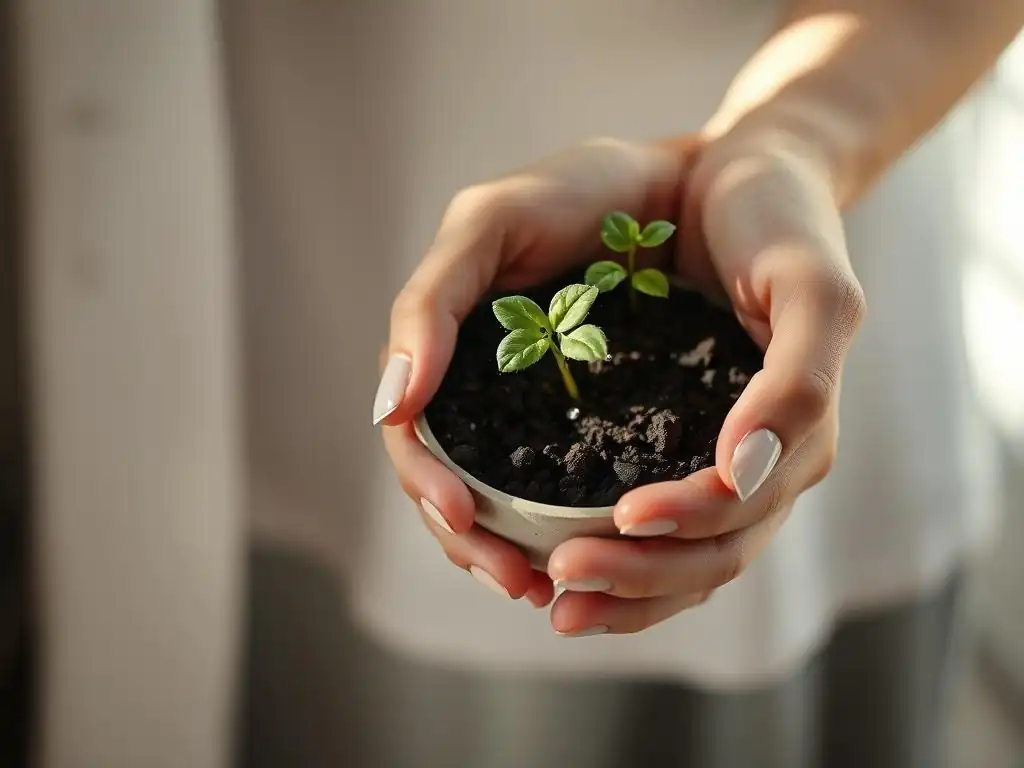
Trauma recovery is not a destination but a continuous journey. Maintaining consistent self-care practices is essential for sustaining healing gains, building resilience against future challenges, and promoting long-term well-being. Self-care shifts from being solely about crisis management to being a fundamental part of a healthy lifestyle.
Long-term self-care involves ongoing awareness of your needs, proactive strategies to prevent relapse or burnout, and a commitment to nurturing yourself through life's ups and downs. These ongoing trauma healing selfcare strategies are key to living a fulfilling life post-trauma.
Preventing Burnout and Compassion Fatigue
Healing from trauma requires significant emotional and physical energy. Without consistent self-care, survivors are at risk of burnout, feeling emotionally exhausted and overwhelmed. Similarly, those who support trauma survivors (including therapists, caregivers, and friends) are susceptible to compassion fatigue, a state of physical and emotional depletion that can mirror trauma symptoms.
Preventing burnout involves recognizing early warning signs (e.g., increased irritability, withdrawal, decreased motivation) and actively engaging in restorative activities. This includes maintaining boundaries, ensuring adequate rest, pursuing hobbies, and seeking support when needed. Prioritizing self-care is not selfish; it's necessary for sustainable healing and the ability to support yourself and others.
Recognizing and Addressing Triggers
Triggers are reminders of the trauma that can evoke intense emotional and physiological responses. They can be sensory (smells, sounds, sights), situational (places, anniversaries), or emotional (feelings similar to those experienced during the trauma). Learning to identify your triggers is a crucial part of managing your response to them.
Once identified, you can develop strategies for coping with triggers, such as using grounding techniques, having a safety plan, communicating with supportive people, or, if possible, avoiding certain triggers while you build resilience. Addressing triggers proactively, rather than avoiding them entirely (which isn't always possible), is an important aspect of long-term trauma healing selfcare strategies.
Celebrating Progress and Practicing Gratitude
In the midst of the challenges of trauma recovery, it's easy to overlook the progress you've made. Intentionally acknowledging and celebrating your achievements, no matter how small, is vital for maintaining hope and motivation. Did you use a coping skill successfully? Did you set a boundary? Did you get a good night's sleep? Recognize these steps forward.
Practicing gratitude involves focusing on the positive aspects of your life, even amidst pain. This doesn't mean denying the reality of your trauma but rather cultivating an appreciation for moments of joy, connection, resilience, and healing. Keeping a gratitude journal or simply taking a moment each day to reflect on what you are grateful for can shift your perspective and foster a sense of well-being. Celebrating progress and practicing gratitude are empowering trauma healing selfcare strategies that reinforce your capacity for healing.
Resources for Trauma Healing and Self-Care
Navigating trauma healing requires support and information. While this article provides an overview of essential trauma healing selfcare strategies, connecting with external resources can offer deeper insight, professional guidance, and community support.
Books on Trauma Recovery and Self-Care
Many excellent books offer detailed information, personal stories, and practical exercises for trauma survivors. Titles like "The Body Keeps the Score" by Bessel van der Kolk, "Complex PTSD: From Surviving to Thriving" by Pete Walker, and "Waking the Tiger: Healing Trauma" by Peter A. Levine are widely recommended and delve into the neuroscience of trauma and effective healing modalities, including somatic approaches and various trauma healing selfcare strategies.
Other books focus specifically on self-compassion, mindfulness, or specific types of trauma, providing targeted support. Reading can be a way to feel less alone, gain knowledge about your experiences, and discover new techniques to add to your self-care toolkit.
Websites and Organizations Offering Support
Numerous reputable websites and organizations provide valuable resources, information, and support for trauma survivors. National organizations dedicated to mental health and trauma often have extensive online libraries, directories of therapists specializing in trauma, and information about support groups.
These resources can offer guidance on specific trauma healing selfcare strategies, provide access to helplines in times of crisis, and connect you with communities of support. Exploring these resources is a proactive step in building a comprehensive support system for your healing journey.
Frequently Asked Questions
What is the role of self-care in trauma healing?
Self-care is crucial because it helps regulate the nervous system and promotes emotional stability during a vulnerable time. It provides a sense of control and agency which can be empowering. It also helps prevent burnout and retraumatization.
What are some accessible self-care strategies for someone on a tight budget?
Affordable options include mindful breathing exercises, spending time in nature, and engaging in free creative activities like journaling or drawing. Connecting with supportive friends or family can also be a powerful, cost-free form of self-care. Utilizing free online resources for guided meditations is another great avenue.
How can I identify self-care activities that are actually helpful for my specific trauma?
Pay attention to how different activities make you feel. Choose activities that promote feelings of safety and calm. Avoid anything that triggers or overwhelms you, even if it's generally considered self-care. Experiment and adjust as needed.
What if I'm struggling to implement self-care consistently?
Start small. Focus on one or two manageable activities and build from there. Be patient with yourself and acknowledge that some days will be harder than others. Don't aim for perfection, aim for progress.
Is self-care enough to heal from trauma, or do I still need professional help?
While self-care is beneficial, it's often not a replacement for professional support. Therapy with a trauma-informed therapist is often necessary to process the trauma effectively. Self-care complements professional treatment and supports overall well-being.
Final Reflection: The Enduring Power of Self-Care in Trauma Healing
The journey to healing from trauma is not a sprint, but a marathon requiring consistent, compassionate self-care. This article has explored various strategies—from mindful movement to setting healthy boundaries—highlighting their crucial role in navigating the complex landscape of trauma recovery. These aren't mere suggestions; they are essential tools for reclaiming your well-being and building resilience.
The impact of trauma extends far beyond the initial event, rippling through our lives and shaping our relationships, perceptions, and self-worth. It's a pervasive issue, affecting countless individuals across diverse backgrounds. Understanding and implementing effective self-care strategies is not a luxury, but a necessity for fostering genuine healing and growth. As Maya Angelou wisely stated, Nothing can dim the light which shines from within.
Self-care, in its many forms, helps to reignite that inner light, allowing us to move forward with strength and hope.
You now possess a toolbox of self-care strategies. I encourage you to explore these techniques, finding what resonates most deeply with your unique needs and experiences. Remember, there is no one-size-fits-all approach to healing. Be patient with yourself, celebrate small victories, and don't hesitate to seek professional support when needed. Your journey towards healing is a testament to your strength and courage—embrace it, nurture it, and allow yourself the time and space to thrive.
Unlock Your Healing Journey: Practical Steps to Thrive
Thanks for taking the time to explore the essential self-care practices for navigating trauma healing. We hope you gained valuable insights and tools to support your journey. Now, it's time to put this knowledge into action!
- Prioritize one self-care activity from the article this week. This could be anything from incorporating a mindful moment into your day to trying a new relaxation technique. Make it a commitment, even if it's just for 5 minutes a day!
- Share this article with someone who might find it helpful. Supporting each other is a powerful part of the healing process.
- Consider journaling your experiences with self-care. Reflect on how these practices impact your well-being and identify what resonates most with you. This can be surprisingly insightful!
What small step will you take today to nurture your well-being?