
Daily Dose of Peace: Integrating Smartwatch Meditation into Your Routine

Welcome to Mind Care Guide, your sanctuary for cultivating inner peace and navigating the complexities of mental well-being.
Feeling overwhelmed by anxiety? You're not alone. In today's fast-paced world, finding moments of calm can feel impossible. But what if I told you a solution was right on your wrist? Discover how smartwatch meditation for anxiety can be a game-changer in reclaiming control and finding your daily dose of peace. Curious to learn more? Let's explore how technology can be your ally on the path to a calmer, more centered you...
Daily Dose of Peace: Integrating Smartwatch Meditation into Your Routine
- Introduction: Finding Calm with Smartwatch Meditation for Anxiety
- Step-by-Step Guide: Integrating Smartwatch Meditation into Your Daily Life
- Maximizing the Benefits of Smartwatch Meditation: Tips and Tricks
- Smartwatch Meditation for Anxiety: Real-Life Success Stories
- Conclusion: Embrace the Power of Smartwatch Meditation for a More Peaceful Life
-
Frequently Asked Questions
- How can a smartwatch help with anxiety through meditation?
- What are the benefits of using a smartwatch for meditation compared to other methods?
- Which smartwatches are best suited for meditation and anxiety management?
- How often should I use smartwatch meditation for anxiety to see noticeable results?
- What are some tips for effectively integrating smartwatch meditation into my daily routine?
- Final Reflection: Cultivating Inner Calm in a Connected World
- Unlock Your Inner Calm: Start Meditating Today!
Introduction: Finding Calm with Smartwatch Meditation for Anxiety
The Rising Need for Mindfulness: Why Smartwatch Meditation?
In today's fast-paced world, the demands of daily life often leave individuals feeling overwhelmed and stressed. Anxiety has become a prevalent challenge, impacting millions globally. According to the World Health Organization, anxiety disorders are among the most common mental health conditions worldwide, affecting an estimated 301 million people in 2019. This growing need for effective coping mechanisms has led many to explore mindfulness and meditation as tools for finding inner peace and managing anxious thoughts. While traditional meditation often requires dedicated time and a quiet space, the integration of technology offers new avenues for practice.
Smartwatches, initially designed for notifications and fitness tracking, have evolved into powerful health and wellness companions. They are always on your wrist, making them uniquely positioned to deliver mindfulness tools directly to the user, anytime, anywhere. This accessibility is particularly beneficial for individuals struggling with anxiety, who may find it difficult to set aside large blocks of time or find a secluded spot for traditional practice. Smartwatch meditation for anxiety leverages this convenience, offering guided sessions and breathing exercises at a moment's notice, helping to interrupt anxious spirals and promote a sense of calm throughout the day.
Smartwatch Meditation: A Convenient Tool for Anxiety Relief
Smartwatch meditation offers a highly accessible and discrete method for integrating mindfulness into even the busiest schedules. Unlike needing to open an app on your phone, find headphones, or locate a quiet corner, a quick glance at your wrist can initiate a short breathing exercise or a brief guided meditation session. This ease of access is crucial for managing acute moments of anxiety, where a rapid intervention can make a significant difference in preventing escalation. Many smartwatch apps offer sessions lasting just one to five minutes, perfect for a quick reset during a stressful meeting or commute.
Furthermore, smartwatches often incorporate biometric data that can enhance the meditation experience and provide tangible feedback. Features like heart rate monitoring can show real-time changes in physiological responses as you practice mindfulness, offering a visual representation of the calming effect. Some advanced devices even track heart rate variability (HRV), a metric increasingly linked to stress levels and nervous system regulation. This data can help users understand how effectively their smartwatch meditation for anxiety is impacting their body, providing motivation and allowing them to tailor their practice for optimal results.
Step-by-Step Guide: Integrating Smartwatch Meditation into Your Daily Life
Step 1: Choosing the Right Smartwatch for Guided Meditation
Selecting a smartwatch that aligns with your needs is the first step towards successfully integrating meditation into your routine. Not all smartwatches are created equal when it comes to health and wellness features. For effective smartwatch meditation for anxiety, look for devices that offer robust app compatibility, accurate health tracking, and a user-friendly interface that makes starting a session quick and intuitive. Consider devices from reputable brands known for their health ecosystems.
Factors like battery life are also important; you don't want your device dying just when you need a moment of calm. Screen clarity and size can affect readability during a session, and water resistance might be a consideration if you plan to meditate in various environments. Research different models and read reviews focusing on their meditation and mindfulness capabilities to ensure the device will be a supportive tool in your journey towards managing anxiety.
Key Features to Look For: Heart Rate Monitoring, Guided Sessions, and App Compatibility
Essential features for a smartwatch intended for meditation include reliable heart rate monitoring, which provides real-time feedback during practice. Many watches now offer continuous heart rate tracking throughout the day and can show trends during specific activities like meditation. Access to guided meditation sessions, either built-in or through compatible third-party apps, is paramount. These guided sessions provide structure and instruction, which can be particularly helpful for beginners using smartwatch meditation for anxiety.
App compatibility is perhaps the most critical feature. Ensure the smartwatch supports popular and well-regarded meditation apps like Calm, Headspace, or others that offer a wide variety of guided meditations, breathing exercises, and mindfulness prompts. The ability to access these apps directly from your wrist, without needing your phone nearby, maximizes convenience and spontaneity, making it easier to deploy smartwatch meditation for anxiety whenever and wherever needed.
Product Example: Apple Watch Series 9 - Seamless Integration and Extensive Meditation Apps
The Apple Watch Series 9 serves as a strong example of a smartwatch well-suited for integrating meditation into a daily routine, especially for managing anxiety. Its tight integration with the iPhone ecosystem allows for easy installation and syncing of popular meditation apps like Calm and Headspace directly to the watch. The watch's built-in Mindfulness app also offers guided breathing exercises and reflective prompts accessible with just a few taps on the wrist.
The Apple Watch boasts advanced health sensors, including a sophisticated heart rate monitor and the ability to estimate blood oxygen and track ECG, providing a comprehensive picture of your physiological state. While not a direct measure of anxiety, monitoring heart rate during and after meditation sessions can offer insights into the body's response to relaxation techniques. The bright, always-on display makes it easy to follow on-screen instructions during guided sessions, and the Taptic Engine provides gentle vibrations for breathing exercises, adding a non-visual cue that can be helpful in public settings when using smartwatch meditation for anxiety.
Step 2: Setting Up Your Smartwatch Meditation App
Once you have your chosen smartwatch, the next step is to set up the meditation application. While some smartwatches have native mindfulness features, the real power often comes from third-party apps. For users looking for comprehensive content and tracking, installing an app like Calm is a popular choice, known for its extensive library of guided meditations, sleep stories, and breathing programs.
The setup process is typically straightforward. Ensure your smartwatch is connected to your smartphone via Bluetooth and Wi-Fi. Navigate to the app store on your smartwatch or use the companion app on your phone to find and install the desired meditation app. Follow the on-screen prompts to complete the installation.
Downloading and Installing Calm on Your Smartwatch
To install Calm (or a similar app) on your smartwatch, open the app store on your device or its paired smartphone app (e.g., the Watch app on iPhone). Search for "Calm." Once found, tap to download and install it directly onto your watch. The app icon should appear on your watch's home screen or app list once installed. This process usually takes only a minute or two, making it a quick initial step towards using smartwatch meditation for anxiety.
Ensure your smartwatch operating system is up-to-date, as app compatibility often relies on the latest software versions. After installation, open the Calm app on your watch. It may require you to log in or sync with your account on your phone, which typically involves opening the phone app and confirming the connection.
Syncing Your Account and Personalizing Your Meditation Preferences
After installation, you'll likely need to sync the smartwatch app with your main account on your smartphone. This ensures your subscription status, saved sessions, and progress are accessible from your wrist. Open the meditation app on your phone and follow any instructions to connect your watch. This might involve scanning a QR code displayed on the watch or simply confirming the connection within the phone app.
Once synced, take a moment to personalize your preferences within the app settings on your phone. You can often set default session lengths, choose preferred meditation styles (like mindfulness, loving-kindness, or body scan), and set reminders. Some apps allow you to download favorite sessions to your watch for offline access, which is useful if you plan to meditate in areas without a network connection. Personalizing these settings makes accessing effective smartwatch meditation for anxiety quicker and more tailored to your specific needs when moments of stress arise.
Step 3: Scheduling Daily Meditation Sessions
Consistency is key to reaping the full benefits of meditation, especially when using smartwatch meditation for anxiety management. While the spontaneity of having meditation on your wrist is valuable for acute moments, establishing a regular practice can build resilience and reduce overall anxiety levels over time. Scheduling dedicated time for meditation helps turn it into a habit rather than just a reactive measure.
Think about your daily routine and identify pockets of time where you can realistically commit to even a short session. It doesn't have to be 30 minutes; even 5-10 minutes of focused practice daily can make a significant difference. Consider setting aside time in the morning to start your day grounded, during a lunch break to reset, or in the evening to wind down before sleep.
Finding the Perfect Time: Morning, Lunch Break, or Before Bed?
Choosing the right time for your daily smartwatch meditation for anxiety depends entirely on your lifestyle and when you feel you most need a moment of calm or preparation. A morning session can help set a positive and mindful tone for the day ahead, potentially reducing anticipatory anxiety. Meditating during a lunch break offers a valuable opportunity to de-stress and regain focus amidst a busy workday, preventing the build-up of tension.
An evening meditation practice before bed can help calm a racing mind, release the day's stresses, and improve sleep quality, which is often impacted by anxiety. Experiment with different times to see what feels most beneficial and sustainable for you. The flexibility of having access on your wrist makes it easier to adjust your schedule as needed.
Utilizing Smartwatch Reminders and Alarms to Stay Consistent
Smartwatches excel at providing timely reminders and notifications, a feature that is incredibly useful for building a consistent meditation habit. Use your smartwatch's built-in reminder or alarm features, or the scheduling functions within your meditation app, to prompt you when it's time for your session. Set a recurring daily reminder for your chosen meditation time.
These gentle nudges from your wrist can serve as valuable cues, helping you prioritize your mental well-being even on busy days. You can often customize the reminder message to be encouraging, such as "Time for your dose of peace" or "Connect with your breath." Relying on these automated reminders reduces the mental effort required to remember to meditate, making it easier to stick to your goal of consistent smartwatch meditation for anxiety relief.
Step 4: Exploring Different Meditation Techniques on Your Smartwatch
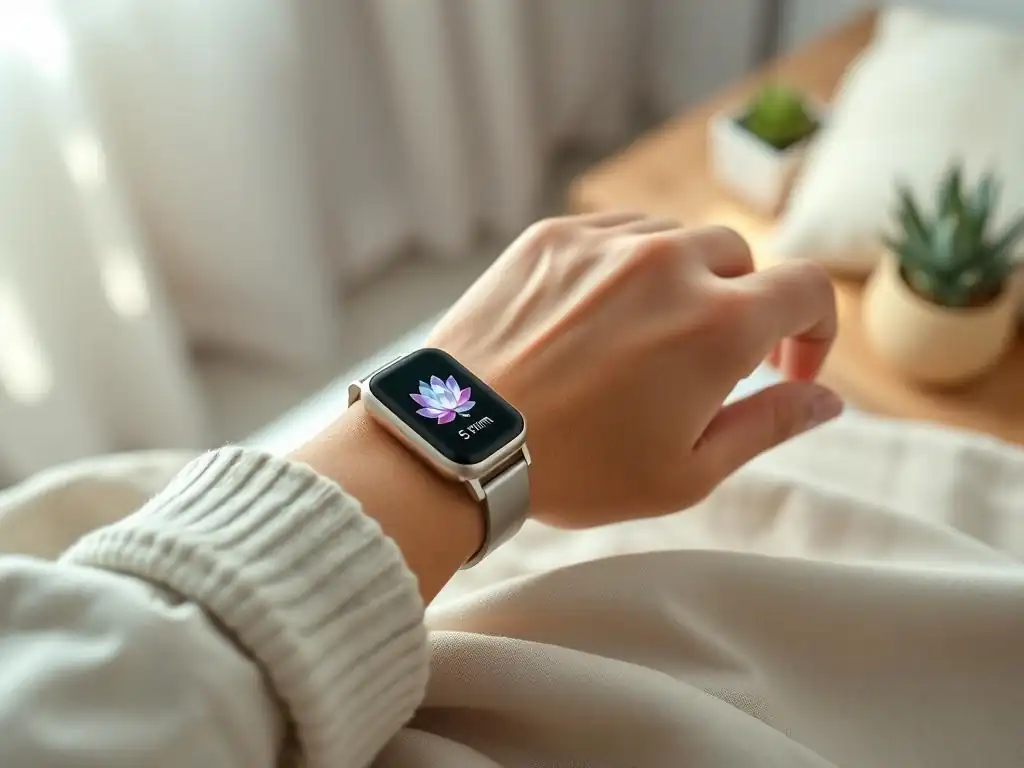
One of the advantages of using meditation apps on a smartwatch is access to a variety of techniques. Different situations and anxiety triggers may call for different approaches. Exploring these options allows you to build a versatile toolkit for managing your mental state throughout the day. Don't feel limited to just one style; experiment to find what resonates most with you at different times.
Most popular meditation apps offer a range of guided practices, from short breathing exercises to longer body scans and mindfulness sessions. Your smartwatch provides a convenient interface to access these, often displaying simple instructions or visual cues directly on your wrist. This accessibility encourages exploration and adaptation of your practice.
Guided Breathing Exercises for Immediate Anxiety Relief
Guided breathing exercises are perhaps the most immediately accessible form of smartwatch meditation for anxiety. Many watches and apps offer simple prompts to inhale and exhale slowly, often accompanied by visual animations or gentle vibrations. These exercises can be as short as one minute and are incredibly effective at calming the nervous system in moments of acute stress or panic.
When you feel anxiety rising, a quick breathing exercise from your wrist can interrupt the stress response cycle. Focusing on the rhythm of your breath helps to ground you in the present moment and activate the body's relaxation response. Practicing these short sessions regularly can also improve your overall ability to regulate your breath, making you better equipped to handle stressful situations when they arise.
Body Scan Meditations for Increased Self-Awareness
Body scan meditations involve bringing focused awareness to different parts of your body, noticing any sensations without judgment. This technique can be particularly helpful for individuals whose anxiety manifests physically (e.g., tension in the shoulders, stomach issues). Smartwatch apps often guide you through scanning different body parts, prompting you to release tension.
Practicing body scan meditation via your smartwatch helps increase your interoceptive awareness – your ability to notice internal bodily cues. This heightened awareness can help you identify the early physical signs of anxiety, allowing you to intervene with other coping strategies sooner. Regular body scans can also improve the mind-body connection, fostering a greater sense of presence and reducing the tendency to get lost in anxious thoughts.
Mindfulness Practices: Focusing on the Present Moment
General mindfulness practices, often available as guided sessions on smartwatch apps, involve paying attention to the present moment without judgment. This could involve noticing your surroundings, the feeling of your feet on the ground, or simply observing your thoughts as they arise and pass. These sessions help train your mind to stay grounded rather than dwelling on past worries or future fears, which are common drivers of anxiety.
Using your smartwatch for mindfulness sessions makes it easy to integrate these practices into everyday activities. A short guided mindfulness session on your commute or during a break can help you shift your focus from anxious rumination to appreciating the present experience. Consistent mindfulness practice through smartwatch meditation for anxiety can gradually reduce the mind's tendency to wander into anxious territory.
Step 5: Tracking Your Progress and Adapting Your Routine
One of the unique benefits of using a smartwatch for meditation is the ability to integrate your practice with health tracking data. While meditation is a qualitative experience, quantitative data can provide valuable insights into how your body is responding and how your practice might be impacting your overall stress and anxiety levels.
Regularly reviewing your meditation frequency and duration, alongside relevant health metrics, can help you stay motivated and understand the impact of your efforts. This data-driven approach allows you to make informed decisions about adjusting your routine for better results.
Monitoring Heart Rate Variability (HRV) to Assess Stress Levels
Many modern smartwatches track Heart Rate Variability (HRV), which is the variation in time between heartbeats. HRV is considered an indicator of the autonomic nervous system's balance and is often used as a proxy for stress levels and recovery. Higher HRV is generally associated with better stress resilience and parasympathetic nervous system activity (the "rest and digest" state), while lower HRV can indicate stress, fatigue, or illness.
While HRV is influenced by many factors, tracking trends over time can provide insights into how your meditation practice, particularly smartwatch meditation for anxiety, might be influencing your body's stress response. Some apps or watch platforms allow you to log your mood alongside HRV data, helping you correlate your meditation sessions with physiological changes and subjective feelings of anxiety. Note that HRV data should not be used for medical diagnosis but can be a useful personal metric.
Using Apple Health Data to Track Meditation Effectiveness
For users of Apple Watch, the Apple Health app serves as a central repository for health and wellness data, including mindfulness minutes logged by meditation apps. When you complete a session using a compatible app on your Apple Watch, that time is automatically recorded in the Health app's "Mindfulness" category. This provides a clear overview of your consistency and total meditation time over days, weeks, months, and even years.
Tracking your mindfulness minutes in Apple Health allows you to see your progress towards building a regular habit. You can correlate periods of consistent practice with how you felt during those times, potentially identifying a link between increased meditation frequency and reduced anxiety symptoms. This objective tracking can be a powerful motivator to continue your smartwatch meditation for anxiety. Other platforms like Google Fit offer similar functionalities for tracking mindfulness activities.
Adjusting Session Length and Technique Based on Your Needs
Your meditation needs may change over time or from day to day. The data you gather from tracking your practice and monitoring metrics like HRV can help you adapt your routine. If you notice that shorter breathing exercises are most effective during work hours, focus on those. If you find longer body scans before bed significantly improve your sleep and reduce evening anxiety, prioritize that practice.
Use your subjective experience alongside any data insights to tailor your smartwatch meditation for anxiety. On days when anxiety is particularly high, you might opt for multiple short, calming sessions. During periods of lower stress, you might explore longer, more introspective practices. The flexibility offered by having access to a variety of techniques on your wrist makes it easy to make these adjustments and ensure your practice remains relevant and effective for your current state.
Maximizing the Benefits of Smartwatch Meditation: Tips and Tricks
While the convenience of smartwatch meditation for anxiety is undeniable, optimizing your practice can enhance its effectiveness. Simply starting a session from your wrist is a great first step, but incorporating a few simple strategies can deepen your experience and maximize the calming benefits.
These tips focus on creating an environment conducive to mindfulness and integrating your smartwatch practice seamlessly into your overall well-being efforts. Small adjustments to your surroundings and approach can significantly impact the quality of your meditation sessions.
Creating a Calming Environment for Your Meditation Sessions
Even though smartwatch meditation can be done anywhere, whenever possible, try to create a relatively calm and quiet environment for your session. This doesn't mean you need a dedicated meditation room, but minimizing external distractions can help you focus inward. Find a comfortable place to sit or lie down where you won't be interrupted.
If possible, dim the lights, turn off notifications on other devices (your smartwatch will handle the meditation), and let others in your household know you need a few minutes of quiet time. While smartwatch meditation for anxiety can be a quick fix in a stressful moment, dedicating even a few minutes in a peaceful setting allows for deeper relaxation and focus, amplifying the benefits of the practice.
Combining Smartwatch Meditation with Other Relaxation Techniques (e.g., Yoga, Deep Breathing)
Smartwatch meditation doesn't have to be your only tool for managing anxiety; it can complement other relaxation techniques. Many smartwatches also offer guided yoga sessions or track deep breathing exercises independent of a full meditation app. Combining these practices can create a more holistic approach to stress and anxiety management.
For example, you might use a smartwatch-guided yoga session to release physical tension, followed by a short guided meditation from your wrist to calm your mind. Integrating deep breathing exercises throughout the day, perhaps prompted by your watch's built-in features, can further support your overall sense of calm. View your smartwatch as one part of a broader wellness strategy that includes physical activity, healthy eating, and adequate sleep.
Utilizing Noise-Canceling Headphones for Deeper Immersion
While visual cues and vibrations on your smartwatch can guide you through meditation, audio guidance from the app is often a key component, especially for guided sessions. Using noise-canceling headphones can significantly enhance your experience by blocking out distracting external sounds, allowing for deeper immersion in the meditation.
Connecting wireless headphones to your smartwatch lets you listen to guided instructions, calming music, or ambient sounds privately, making it easier to focus on your breath and the meditation prompts. This is particularly useful if you are practicing smartwatch meditation for anxiety in a public or noisy environment, such as an office break room or during your commute. A quiet audio environment helps the mind settle more easily.
Dealing with Distractions: Staying Focused During Meditation
Distractions are a natural part of meditation practice; the goal isn't to eliminate thoughts but to notice them without judgment and gently return your attention to the meditation object (like your breath or the guide's voice). When using smartwatch meditation for anxiety, distractions might include external noises, physical discomfort, or the mind wandering into anxious thoughts.
Acknowledge the distraction without criticizing yourself. Simply notice what pulled your attention away and then gently redirect your focus back to the meditation instructions on your watch or the guided audio. Remember that each time you notice your mind has wandered and bring it back, you are strengthening your "focus muscle." Be patient and compassionate with yourself; inconsistency and distraction are normal, especially when first starting out with smartwatch meditation for anxiety.
Smartwatch Meditation for Anxiety: Real-Life Success Stories
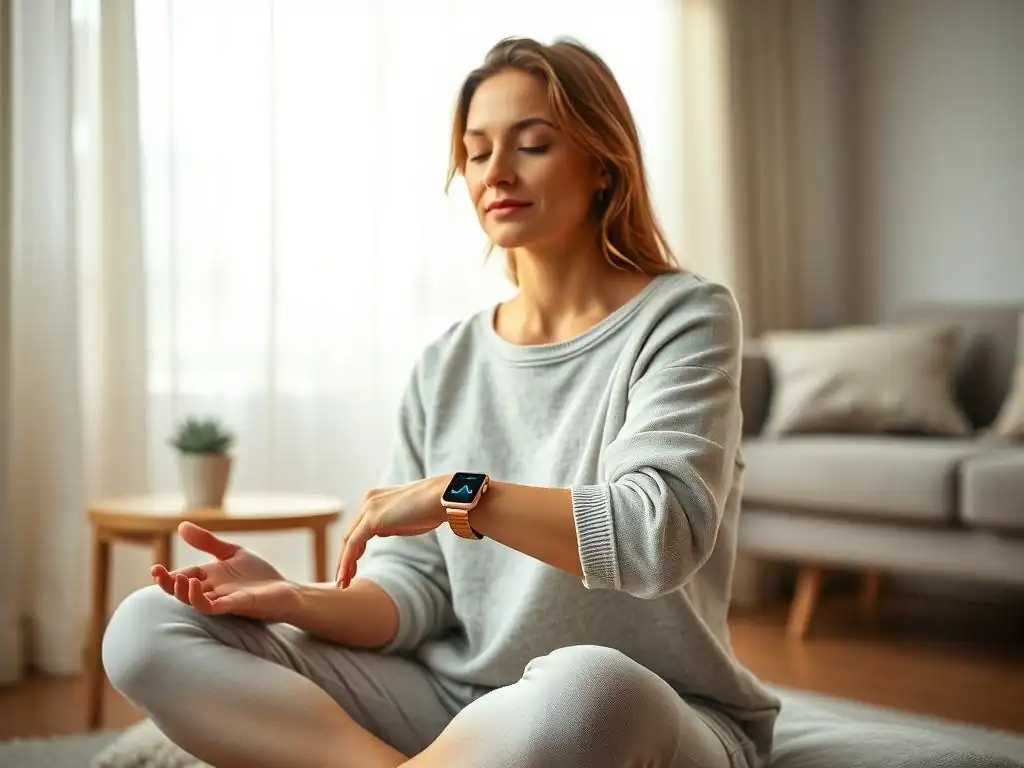
Hearing about how others have benefited from integrating smartwatch meditation can be incredibly motivating. While individual results vary, these examples illustrate the potential impact of consistent practice on managing anxiety in different contexts.
These are illustrative examples based on common experiences shared by individuals who incorporate mindfulness technology into their lives.
Sarah, a 32-year-old marketing professional, struggled with significant social anxiety that made networking events and team meetings particularly challenging. She often felt overwhelmed by racing thoughts and physical symptoms like a pounding heart and shaky hands before and during social interactions. Traditional meditation felt daunting to fit into her busy schedule.
Sarah decided to try smartwatch meditation for anxiety using her device. She started by scheduling a five-minute guided breathing exercise on her watch 15 minutes before any planned social event. She also used quick one-minute sessions whenever she felt a wave of anxiety during meetings.
After three months of consistent practice, Sarah reported a noticeable reduction in the intensity of her physical anxiety symptoms. She felt more present in conversations and less consumed by self-conscious thoughts. She credited the accessibility of quick sessions on her wrist with making the practice sustainable and effective in the moments she needed it most.
David, a 45-year-old project manager, experienced high levels of stress and anxiety related to tight deadlines and heavy workloads. He found himself constantly thinking about work, even at home, leading to poor sleep and irritability. He recognized the need to de-stress but felt he didn't have time for lengthy relaxation techniques.
He began incorporating short mindfulness sessions using a meditation app on his smartwatch. David scheduled a three-minute "mindful break" reminder for his watch every afternoon around 3 PM. During this time, he would step away from his desk, find a quiet spot, and follow a brief guided session focused on body awareness or simply observing his breath.
These short, consistent breaks, facilitated by his smartwatch, helped him punctuate his stressful day with moments of calm. Over several months, David noticed he was better able to detach from work stress in the evenings and felt a greater sense of control over his reactions to workplace pressures. The convenience of starting a session directly from his wrist was key to maintaining this habit amidst his demanding schedule, demonstrating the practical benefits of smartwatch meditation for anxiety in a professional setting.
Conclusion: Embrace the Power of Smartwatch Meditation for a More Peaceful Life
Smartwatch Meditation: A Valuable Tool for Everyday Anxiety Management
Smartwatch meditation has emerged as a powerful and accessible tool for individuals seeking to manage anxiety and cultivate mindfulness in their daily lives. By leveraging the convenience of wearable technology, it removes common barriers to practice, allowing for spontaneous moments of calm and the development of a consistent meditation habit. From guided breathing exercises for immediate relief to longer mindfulness sessions for building resilience, smartwatches provide a versatile platform for exploring various techniques.
Integrating smartwatch meditation for anxiety into your routine, following steps like choosing the right device, setting up apps, scheduling sessions, exploring different methods, and tracking progress, can significantly contribute to a greater sense of peace and well-being. While not a substitute for professional help when needed, it offers a practical, on-the-go strategy for navigating the challenges of anxiety in the modern world.
Finding Your Inner Peace, One Breath at a Time
The journey to managing anxiety and finding inner peace is ongoing, and tools like smartwatch meditation can be valuable companions along the way. By making mindfulness accessible throughout your day, your smartwatch empowers you to take small, consistent steps towards a calmer state of mind. Each guided breath, each moment of focused attention facilitated by your wrist, contributes to building a stronger capacity to handle stress and anxious thoughts.
Embrace the potential of smartwatch meditation for anxiety. Start small, be patient with yourself, and celebrate the moments of calm you create. Your smartwatch is more than just a gadget; it can be a gateway to a more mindful and peaceful existence, one breath, one session at a time.
Resources for Mental Well-being.
Frequently Asked Questions
How can a smartwatch help with anxiety through meditation?
Smartwatches offer a convenient and accessible way to practice meditation. They often include guided meditation apps and features that track heart rate and stress levels, providing real-time feedback and promoting relaxation.
What are the benefits of using a smartwatch for meditation compared to other methods?
Smartwatches offer convenience and portability, allowing for meditation anytime, anywhere. They also provide personalized data and insights into your meditation practice, helping you optimize your techniques and progress.
Which smartwatches are best suited for meditation and anxiety management?
Look for smartwatches with built-in meditation apps, heart rate monitoring, and stress tracking features. Brands like Apple, Fitbit, and Garmin offer models that cater to these needs.
How often should I use smartwatch meditation for anxiety to see noticeable results?
Consistency is key. Aim for daily meditation sessions, even if just for a few minutes. Over time, regular practice can significantly reduce anxiety symptoms and improve overall well-being.
What are some tips for effectively integrating smartwatch meditation into my daily routine?
Start with short, guided meditations and gradually increase the duration. Find a quiet and comfortable space, and be patient with yourself as you learn to focus and quiet your mind.
Final Reflection: Cultivating Inner Calm in a Connected World
The relentless pace of modern life, amplified by our ever-present technological companions, often leaves us feeling overwhelmed and anxious. Smartwatches, initially designed for fitness tracking, now offer a powerful tool to counter this very stress, providing accessible and convenient avenues for mindfulness and meditation. This integration of technology and well-being represents a significant shift in how we approach mental health, offering a potential solution to the widespread anxiety affecting our society.
The accessibility of smartwatch meditation has profoundly impacted my own life, and I suspect many others'. It's no longer a luxury reserved for those with ample time and resources; it's woven into the fabric of our daily routines. The time to repair the world is now.
This quote, often attributed to Hillel the Elder, resonates deeply here. We are constantly connected, and this connection can be harnessed not just for information, but for inner peace, for the crucial work of self-care. The subtle reminders, the guided meditations readily available at a glance – these small acts of self-compassion accumulate into a significant impact on our overall well-being.
Now, consider your own relationship with technology. How can you leverage the tools at your disposal, including your smartwatch, to cultivate a daily dose of peace? Don't wait for a crisis to prioritize your mental health; start small, integrate mindfulness into your existing routine, and experience the transformative power of even a few minutes of daily meditation. Embrace the opportunity to find calm amidst the chaos, and discover the profound impact of integrating technology for your inner peace.
Unlock Your Inner Calm: Start Meditating Today!
Thanks for taking the time to explore the power of smartwatch meditation with us! We hope you gained valuable insights into how easily you can weave mindfulness into your busy day. Ready to dive deeper?
- Begin your daily meditation journey: Set a reminder on your smartwatch and dedicate just 5 minutes to a guided meditation session. Even small steps make a big difference!
- Share your experience: Tell us in the comments below what you found most helpful or challenging about integrating meditation into your routine. Let’s build a supportive community together!
- Explore different meditation apps and techniques: Experiment to find what resonates most with you and helps you find your daily dose of peace.
What small change will you make today to prioritize your mental well-being?