
Unlock Deeper Sleep and a Clearer Mind with Wearable Tracking Tech


Welcome to Mind Care Guide, a sanctuary dedicated to nurturing your mental well-being. Feeling overwhelmed by the complexities of modern life? We understand. This week, we're diving into a fascinating and potentially transformative area: how wearable sleep tracking can unlock surprising benefits for your mental health. Intrigued? Discover how understanding your sleep patterns can be the key to a clearer, calmer mind. Let's explore the science and practical applications together...
Unlock Deeper Sleep and a Clearer Mind with Wearable Tracking Tech
- Understanding the Connection: Wearable Sleep Tracking and Mental Well-being
- Top Wearable Sleep Trackers for Enhancing Mental Health: Our 2024 Recommendations
- Option 1: Whoop 4.0 - Recovery-Focused Sleep and Strain Tracking
- Option 2: Eight Sleep Pod 3 - Advanced Sleep Environment Control and Tracking
- Option 3: Biostrap EVO - Comprehensive Sleep and Biometric Data Analysis
- Option 4: Dreem 3S - Clinical-Grade Sleep Tracking at Home
- How to Maximize the Mental Health Benefits of Wearable Sleep Tracking
- Beyond the Device: Holistic Approaches to Better Sleep and Mental Well-being
- Conclusion: Investing in Your Sleep is Investing in Your Mental Health
-
Frequently Asked Questions
- ### How can wearable sleep trackers actually improve my mental well-being?
- ### What specific sleep metrics do these wearables track, and why are they important for mental health?
- ### Are the sleep insights provided by wearable trackers accurate enough to rely on for making changes to my routine?
- ### How do I choose the right wearable sleep tracker for my needs, considering the impact on my mental health?
- ### Besides tracking, how can wearable sleep trackers actively help me improve my sleep and, consequently, my mental health?
- Final Reflection: The Mindful Revolution of Wearable Sleep Tech
- Unleash Your Best Rest: Take Control of Your Sleep
Understanding the Connection: Wearable Sleep Tracking and Mental Well-being
Why is Sleep Tracking Important for Mental Health?
Sleep is not merely a period of rest; it's a vital process for both physical and mental restoration. Chronic sleep deprivation or poor sleep quality has been consistently linked to a higher incidence of mental health challenges, including increased anxiety, heightened stress levels, and a greater risk of developing depression.
For instance, research indicates that individuals with insomnia are significantly more likely to experience depression compared to those who sleep well, with some studies suggesting this risk can be several times higher. Understanding your sleep patterns through objective data is a crucial first step in addressing these issues, as subjective perceptions of sleep can often be inaccurate.
Wearable sleep tracking benefits mental health by providing concrete data that can illuminate underlying problems. Instead of just feeling tired or stressed, you can see patterns: perhaps your deep sleep is consistently low, your wake-up times are erratic, or your heart rate remains elevated throughout the night. This data serves as a powerful tool for self-awareness, allowing you to identify specific sleep disturbances that might be contributing to your mental health struggles. It transforms the abstract feeling of "bad sleep" into tangible metrics you can understand and work to improve.
The Science Behind Sleep, Stress, and Wearable Tech
The intricate connection between sleep and stress is deeply rooted in our physiology. Sleep disruption can activate the body's stress response system, leading to increased production of hormones like cortisol. Elevated cortisol levels, especially at night, can interfere with sleep further, creating a vicious cycle that negatively impacts mood, cognitive function, and emotional regulation. Wearable sleep tracking technology plays a role here by monitoring physiological signals that reflect both sleep quality and stress levels.
Modern wearable devices utilize sensors to estimate sleep stages (light, deep, REM) based on movement (actigraphy), heart rate, and heart rate variability (HRV). Deep sleep is critical for physical recovery and growth, while REM sleep is vital for emotional processing and memory consolidation – both essential for mental well-being.
HRV, measured during sleep and wakefulness, is a key metric reflecting the balance of the autonomic nervous system; higher HRV is generally associated with better stress resilience. By tracking these metrics, wearable tech provides insights into how well your body and mind are recovering each night and how daily stressors or lifestyle choices might be impacting this crucial recovery process.
Top Wearable Sleep Trackers for Enhancing Mental Health: Our 2024 Recommendations
Choosing the Right Sleep Tracker: Key Features to Consider
When exploring how wearable sleep tracking benefits mental health, selecting the appropriate device is paramount. The market offers a variety of options, each with different strengths and features. Understanding what to look for ensures you get data that is not only accurate but also actionable for improving your sleep and, consequently, your mental state. Key considerations go beyond simple step counting to focus on specific sleep and recovery metrics.
The ideal wearable sleep tracker for mental health support should provide detailed insights into your sleep architecture, recovery status, and potentially stress indicators. While no consumer device is a substitute for a clinical sleep study (polysomnography), many high-quality wearables offer valuable approximations of sleep stages and physiological markers. Prioritizing devices that offer robust data analysis and clear interpretation within their accompanying app can make a significant difference in how effectively you can use the information to make positive changes in your life.
Accuracy of Sleep Stage Detection
The ability of a wearable to accurately distinguish between light sleep, deep sleep, and REM sleep is fundamental. Different devices use varying combinations of sensors (accelerometers, heart rate sensors, sometimes even specialized biosensors) and algorithms to estimate these stages. While actigraphy (movement) is common, incorporating heart rate variability and other metrics can improve accuracy. It's important to understand that consumer-grade devices provide estimates, not clinical diagnoses, but consistent, relatively accurate estimates over time can still reveal valuable patterns about your sleep architecture and its potential impact on your mood and energy levels.
Heart Rate Variability (HRV) Monitoring for Stress Assessment
Heart Rate Variability (HRV) is a powerful, non-invasive measure of the variations in time between heartbeats. It's regulated by the autonomic nervous system and serves as a strong indicator of your body's readiness to perform and its ability to handle stress. Lower HRV can be associated with stress, fatigue, or illness, while higher HRV often indicates better recovery and resilience.
Tracking HRV, particularly during sleep when the body is at rest, provides insight into your recovery status and can help you understand how daily stressors, exercise, or lack of sleep are affecting your physiological state. This metric is a key way wearable sleep tracking benefits mental health by offering a window into your stress load.
Battery Life and Comfort
For consistent and reliable sleep tracking, the device needs to be comfortable enough to wear throughout the night and have sufficient battery life to avoid frequent charging interruptions. A tracker that is bulky or needs charging every day might deter you from wearing it consistently, leading to gaps in data. Look for devices that offer several days of battery life on a single charge and are designed with comfortable materials and a low profile. The form factor (wrist band, ring, headband, etc.) also plays a role in comfort, so consider what you find least intrusive during sleep.
Data Privacy and Security
Sleep and health data are highly personal and sensitive. Before choosing a wearable sleep tracker, review the company's data privacy policy. Understand how your data is collected, stored, used, and whether it is shared with third parties. Prioritize devices and platforms that have strong security measures in place to protect your information. Ensuring the privacy of your sleep patterns and physiological data is crucial for peace of mind when using wearable technology for health insights.
Option 1: Whoop 4.0 - Recovery-Focused Sleep and Strain Tracking
The Whoop 4.0 is more than just a sleep tracker; it's a comprehensive health and performance coach focused heavily on recovery, sleep, and daily strain. Its strength lies in integrating these metrics to provide actionable insights into your readiness for the day. For those seeking to understand how their sleep directly impacts their ability to handle physical and mental stress, and how wearable sleep tracking benefits mental health by guiding recovery, the Whoop system is a compelling option.
Unlike many traditional fitness trackers, Whoop doesn't have a screen and operates on a subscription model, emphasizing continuous monitoring and data analysis delivered through its app. This design encourages users to focus on the data insights rather than constant notifications. The device tracks sleep with significant detail, including sleep stages, disturbances, respiratory rate, and skin temperature, and combines this with daily strain and recovery metrics derived from HRV and resting heart rate.
Key Features of the Whoop 4.0 for Sleep and Mental Health
Recovery Score: A Personalized Readiness Assessment
The Whoop Recovery Score is a central feature, presented as a percentage from 0 to 100, color-coded (red, yellow, green) to indicate your physiological readiness. This score is calculated using key metrics like Heart Rate Variability (HRV), Resting Heart Rate (RHR), and sleep performance from the previous night.
A high recovery score (green) suggests your body is well-rested and ready for strain, while a low score (red) indicates you may need more rest or recovery. This daily metric directly supports mental well-being by providing objective feedback on your body's state, helping you decide whether to push hard, take it easy, or prioritize rest to manage stress effectively.
Sleep Debt Calculation and Optimization
Whoop meticulously tracks your time spent in bed versus your actual sleep time and calculates "sleep debt" if you consistently get less sleep than your body needs based on recent strain. It also provides a "Sleep Need" recommendation each night, adjusted based on your daily strain and prior sleep.
The app offers a "Sleep Planner" feature, suggesting optimal bedtimes and wake times to help you achieve your sleep goal and reduce accumulated debt. This data-driven approach to understanding and optimizing your sleep duration and consistency is a direct way wearable sleep tracking benefits mental health by helping you build healthier sleep habits.
Strain Score: Understanding Physical Exertion Impact
The Whoop Strain Score quantifies the cardiovascular load of your day's activities, from workouts to stressful meetings. It's calculated on a scale of 0 to 21. By comparing your daily Strain with your Recovery Score, Whoop helps you understand the balance between exertion and rest. Consistently high strain without adequate recovery can lead to burnout and increased stress. Monitoring your strain helps you avoid overexertion, both physically and mentally, ensuring you allocate sufficient time for recovery, which is crucial for maintaining mental resilience.
Pricing and Value: Is the Whoop 4.0 Worth It?
The Whoop 4.0 operates on a membership model, which includes the device itself. Membership plans are typically available in 12-month or 24-month commitments, or a more flexible monthly option, with costs generally ranging from approximately $30 per month for a 12-month commitment upwards. This pricing structure means the value is in the ongoing data analysis, insights, and app features rather than just the hardware.
For individuals who benefit from detailed physiological data, a focus on recovery, and a coaching-like experience to guide their daily decisions around rest and activity for improved well-being, the subscription cost can be justified. It's an investment in continuous self-monitoring aimed at optimizing performance and recovery, directly influencing mental state.
Option 2: Eight Sleep Pod 3 - Advanced Sleep Environment Control and Tracking
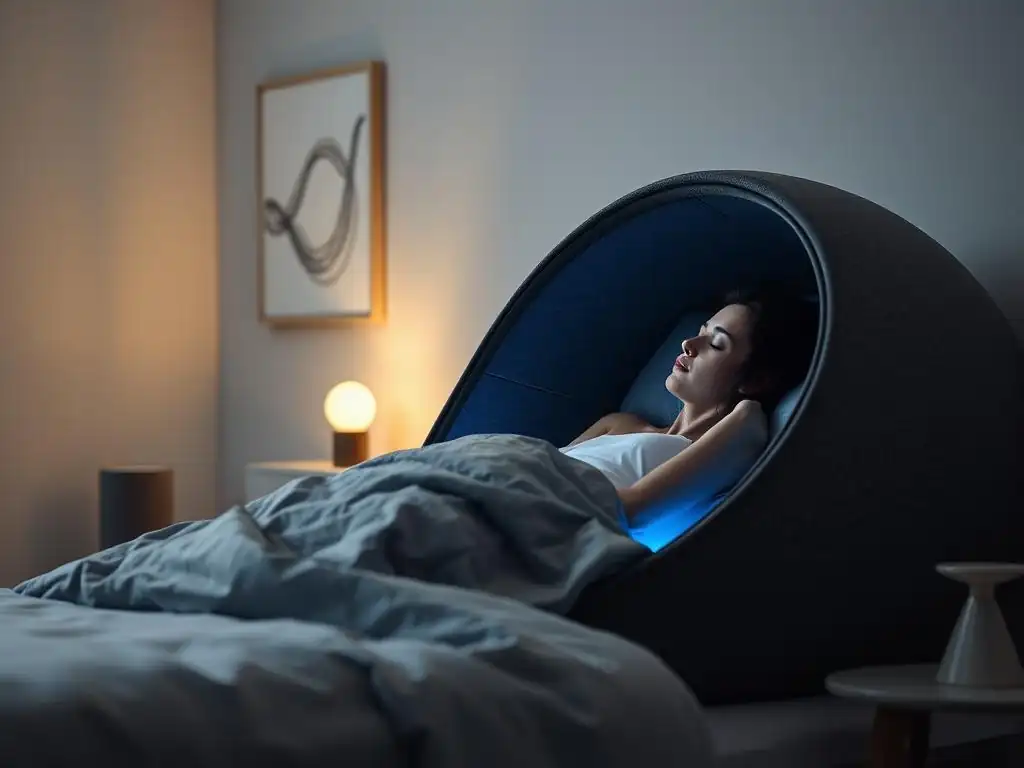
The Eight Sleep Pod 3 takes a unique approach to wearable sleep tracking benefits mental health by focusing on optimizing the sleep environment itself, in addition to monitoring sleep patterns. It's a smart mattress cover that actively heats and cools each side of the bed based on individual preferences and sleep stages, aiming to create the ideal temperature for optimal sleep quality. While not a traditional wrist or ring wearable, it acts as a passive, highly sophisticated sleep tracker integrated into your bed.
This system recognizes that external factors like temperature significantly impact sleep architecture, particularly the amount of time spent in deep and REM sleep. By controlling the sleep surface temperature throughout the night, the Pod 3 aims to facilitate smoother transitions between sleep stages and reduce disturbances. The integrated sensors also track detailed sleep metrics without requiring you to wear anything on your body, offering a seamless tracking experience.
The Eight Sleep Pod 3's Unique Approach to Sleep Monitoring
Temperature Regulation for Optimal Sleep
Research consistently shows that sleeping in a cooler environment promotes better sleep quality. The ideal sleep temperature range is often cited as between 60-67°F (15-19°C). The Eight Sleep Pod 3 allows users to set specific temperatures for each side of the bed and can automatically adjust temperatures throughout the night based on sleep stages, ambient temperature, and personal preferences.
For example, it might cool down during deep sleep phases and slightly warm up towards morning for a gentler wake-up. This active temperature management directly addresses a key environmental factor impacting sleep quality, which in turn supports mental clarity and stress reduction.
Sleep Stage Tracking and HRV Analysis
Embedded sensors within the Eight Sleep Pod 3 cover track sleep duration, tosses and turns, sleep stages (estimated), respiratory rate, and Heart Rate Variability (HRV). This provides a comprehensive overview of your night's rest without the need for a separate device. The data is collected passively, making it ideal for those who find wearables uncomfortable in bed. The analysis of sleep stages and HRV offers insights into recovery levels, similar to traditional wearables, helping users understand how well their body is recovering and how this might be influencing their mood and cognitive function the following day.
Smart Alarm and Gentle Wake-Up
The Pod 3 includes a Smart Alarm feature that uses your sleep stage data to wake you during a period of light sleep within a set window. Waking during light sleep cycles can feel more natural and less jarring than being pulled out of deep sleep, contributing to a more positive start to the day and potentially reducing morning grogginess and associated stress. The cover can also use gradual temperature changes to gently ease you awake, further enhancing the wake-up experience.
Eight Sleep Membership: Unlocking Advanced Insights and Personalized Guidance
Access to the full suite of features, including detailed sleep analysis, personalized temperature profiles, and advanced insights, requires an Eight Sleep membership. Membership costs typically range from approximately $15 to $25 per month, depending on the plan chosen. This subscription unlocks advanced analytics, personalized recommendations based on your data, and access to new features as they are developed. The value proposition lies in the combination of environmental control and sophisticated passive tracking, providing a unique path to improving sleep quality and understanding how wearable sleep tracking benefits mental health through a holistic approach focused on the sleep environment.
Option 3: Biostrap EVO - Comprehensive Sleep and Biometric Data Analysis
The Biostrap EVO system is designed for in-depth physiological monitoring, offering detailed insights into sleep, recovery, and overall health metrics. While it includes a wrist-worn device, its unique capability to integrate data from an optional shoe or ankle-worn sensor provides more granular data points than many competitors. This focus on comprehensive biometric data analysis makes it a powerful tool for those who want a deeper understanding of their body's signals, including how wearable sleep tracking benefits mental health through detailed physiological feedback.
Biostrap emphasizes clinical-grade accuracy in its data collection and analysis, aiming to provide users with research-grade metrics accessible in a consumer device. It tracks a wide array of metrics beyond basic activity, including pulse waveform analysis, SpO2, and unique metrics like leg respiration rate when the ankle strap is used. This detailed data set allows for a more nuanced understanding of sleep quality and recovery.
Biostrap EVO: In-Depth Sleep Analysis and Recovery Metrics
Advanced Physiological Data Analysis
Biostrap EVO utilizes photoplethysmography (PPG) and accelerometry, combined with advanced algorithms, to derive detailed sleep stage analysis. While it doesn't use EEG like clinical systems, its analysis goes beyond simple movement tracking. It processes raw pulse waveform data to derive metrics like Pulse Oximetry (SpO2), Heart Rate Variability (HRV), and Resting Heart Rate (RHR) with reported high accuracy. This detailed physiological data is used to inform its sleep staging and recovery metrics, providing a potentially more robust estimate of sleep quality than devices relying solely on movement and basic heart rate.
Blood Oxygen Saturation Monitoring
Monitoring Blood Oxygen Saturation (SpO2) during sleep is a significant feature, as drops in oxygen levels can indicate disturbed breathing patterns, such as those associated with sleep apnea. While Biostrap is not a medical device for diagnosing conditions, consistent low SpO2 readings during sleep flagged by the device can be a crucial indicator that warrants further investigation by a healthcare professional. Poor oxygenation during sleep can severely impact sleep quality and has downstream effects on cognitive function and stress levels, highlighting another way wearable sleep tracking benefits mental health by identifying potential underlying issues.
Leg Respiration Rate Tracking
A unique feature of the Biostrap system, when used with the optional shoe or ankle strap, is the ability to track leg respiration rate. This metric, derived from subtle movements associated with breathing, adds another layer of data to the sleep analysis. Monitoring respiration rate during sleep can provide additional context for overall sleep quality and potential disturbances. This level of detail in physiological tracking is aimed at giving users a comprehensive picture of their body's state during rest.
Biostrap App: Visualizing Your Sleep and Recovery Data
The Biostrap app is where all the rich data collected by the EVO device is processed and presented. It offers detailed visualizations of sleep stages, HRV trends, SpO2 levels, and other recovery metrics. The app provides daily, weekly, and monthly reports, allowing users to identify patterns and trends over time.
Access to the full suite of advanced metrics and analysis typically requires a subscription, which generally costs around $10 to $20 per month. The value lies in the depth and breadth of the physiological data provided, offering a potentially more granular understanding of how sleep and recovery metrics are impacting your overall well-being and mental health.
Option 4: Dreem 3S - Clinical-Grade Sleep Tracking at Home
The Dreem 3S headband stands out in the consumer sleep tracking market by employing electroencephalography (EEG), the same technology used in clinical sleep labs (polysomnography) to measure brainwave activity directly. This allows the Dreem 3S to offer highly accurate sleep stage detection (light, deep, REM) compared to devices relying solely on movement and heart rate. For individuals seeking the most accurate insights into their sleep architecture at home and understanding how precise wearable sleep tracking benefits mental health through detailed brain activity analysis, the Dreem 3S is a leading option.
Beyond just tracking, the Dreem 3S is designed to be an intervention tool, offering features aimed at helping users fall asleep faster and improve sleep quality. Its focus on brainwave data provides a level of detail that can reveal nuances in sleep patterns that other consumer devices might miss, offering a more clinical perspective on your nightly rest and its impact on daytime functioning and mental state.
Leveraging the Dreem 3S for Accurate Sleep Analysis and Intervention
EEG-Based Sleep Stage Tracking and Brainwave Analysis
The core strength of the Dreem 3S is its use of multiple EEG electrodes placed on the scalp, providing a direct measurement of the electrical activity in your brain. This is the gold standard for identifying sleep stages in clinical settings. By analyzing these brainwave patterns, the Dreem 3S can accurately determine when you are in light sleep, deep sleep (Slow-Wave Sleep), and REM sleep. This precision is invaluable for understanding your sleep architecture and identifying potential issues, as adequate amounts of deep and REM sleep are crucial for cognitive restoration, emotional regulation, and overall mental well-being.
Personalized Sound-Based Sleep Interventions
The Dreem 3S isn't just a monitoring device; it actively tries to improve your sleep. It incorporates features like personalized soundscapes designed to help you relax and fall asleep faster. It also uses auditory stimulation techniques, such as delivering specific sounds (pink noise) during identified periods of deep sleep, which some research suggests can potentially enhance the quality and duration of slow-wave sleep. These interventions offer a proactive way to use the device to address sleep onset latency and improve restorative sleep phases, directly supporting mental health by facilitating better rest.
Sleep Apnea Detection
In addition to EEG, the Dreem 3S monitors respiratory rate and oxygen saturation using a pulse oximeter on the finger (connected to the headband). This allows the device to detect potential breathing disturbances during sleep, which could be indicative of conditions like sleep apnea. While, like other consumer devices, it's not a diagnostic tool, flagging such issues provides users with critical information that they can then discuss with a healthcare provider. Identifying and treating sleep-disordered breathing is essential for improving sleep quality and can have a significant positive impact on mental health and daytime functioning.
Dreem App: Expert Insights and Personalized Coaching
The Dreem app provides a detailed breakdown of your nightly sleep based on the highly accurate EEG data. It presents clear hypnograms showing your sleep cycles and time spent in each stage.
The app offers personalized insights based on your data, educational content about sleep science, and guided programs designed to help you improve specific aspects of your sleep, such as falling asleep faster or reducing nighttime awakenings. The Dreem 3S is typically purchased upfront (often priced in the range of several hundred dollars), without a recurring subscription for core tracking and analysis features, making it a significant initial investment for those prioritizing accuracy.
How to Maximize the Mental Health Benefits of Wearable Sleep Tracking
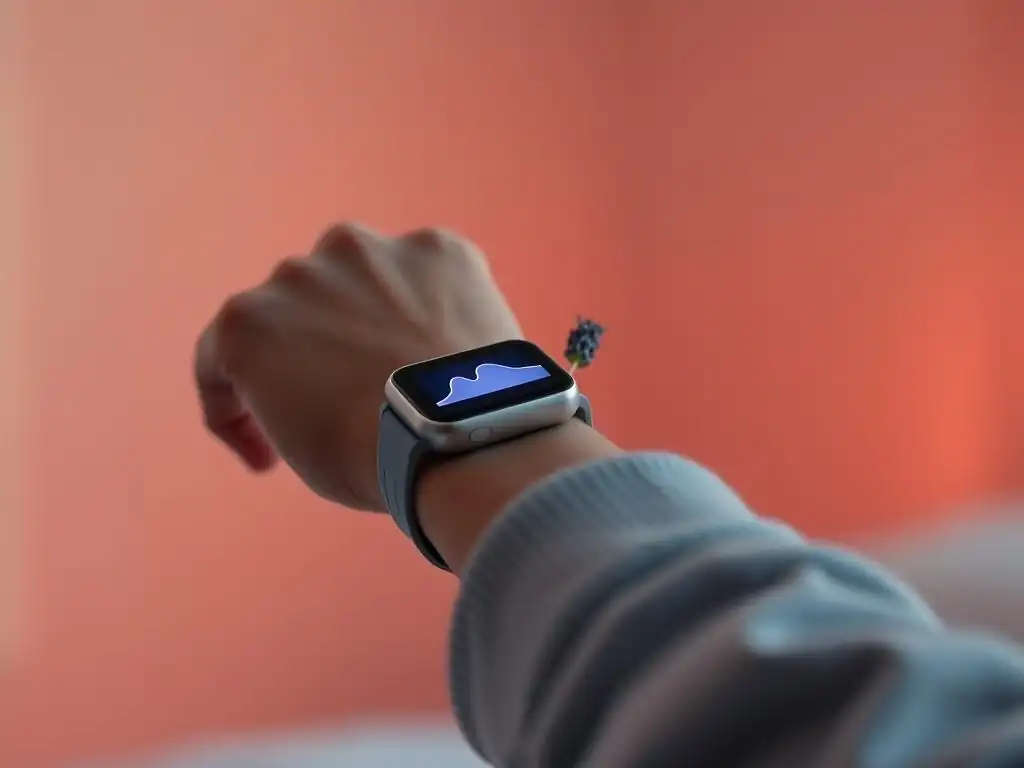
Utilizing wearable sleep tracking benefits mental health most effectively when the data collected is used proactively. Simply wearing the device is the first step; the real value comes from engaging with the information and implementing changes based on the insights gained. This requires a combination of understanding your data, setting realistic goals, and integrating sleep improvements into your broader mental wellness routine.
Making the most of your wearable involves more than just glancing at a dashboard each morning. It's about building a feedback loop where data informs behavior, and changes in behavior are reflected in the data. This process of continuous improvement, guided by objective measurements, can empower you to take greater control over your sleep and, by extension, your mental and emotional state.
Setting Realistic Sleep Goals and Establishing a Consistent Sleep Schedule
Based on your sleep tracking data, identify areas for improvement. Are you consistently getting less than seven hours of sleep? Is your bedtime varying by several hours each night? Set realistic, achievable goals, such as aiming for a consistent bedtime within a 30-minute window or gradually increasing your total sleep time by 15 minutes per night.
Establishing a consistent sleep schedule – going to bed and waking up around the same time, even on weekends – is one of the most impactful changes you can make. Your wearable tracker will provide data on the consistency of your schedule and how it correlates with your sleep quality metrics like deep and REM sleep. Use this feedback to reinforce your efforts and stay accountable to your sleep goals.
Interpreting Your Sleep Data and Identifying Potential Issues
Learn what the different metrics on your wearable mean. Understand your average total sleep time, the proportion of time spent in light, deep, and REM sleep, your average resting heart rate, and your HRV trends. Look for patterns:
- Task: Check if low deep sleep correlates with feeling less refreshed.
- Task: See if high resting heart rate or low HRV aligns with periods of increased stress.
- Task: Identify if late-night meals or screen time impact your sleep onset or quality.
Identifying these correlations in your data helps you pinpoint specific behaviors or issues that might be hindering your sleep and affecting your mental health.
Integrating Sleep Data with Other Mental Wellness Practices (e.g., Meditation, Therapy)
Your sleep data can serve as a valuable tool when incorporating other mental wellness practices. For example, if your tracker shows high stress indicators (low HRV, elevated RHR), it might be a signal to prioritize a meditation session or gentle yoga. If you are seeing a therapist, sharing insights from your sleep data can provide objective context to discussions about your mood, energy levels, and stress management strategies. Wearable sleep tracking benefits mental health not in isolation, but as part of a holistic approach.
Using Sleep Data to Adjust Your Lifestyle and Reduce Stress
The insights from your wearable should inform adjustments to your daily life. If your data shows poor sleep after late-night caffeine, commit to an earlier cut-off time. If your HRV drops significantly after particularly stressful workdays, plan for more downtime or stress-reducing activities on those evenings.
Use the data to experiment with changes – like trying a blackout curtain, incorporating a bedtime ritual, or adjusting exercise timing – and see how they impact your sleep metrics and how you feel the next day. This iterative process, guided by objective data, empowers you to make targeted changes that reduce stress and improve sleep quality.
Beyond the Device: Holistic Approaches to Better Sleep and Mental Well-being
While wearable sleep tracking benefits mental health by providing valuable insights and motivation, it is a tool to support, not replace, fundamental healthy habits. Achieving optimal sleep and robust mental well-being requires a holistic approach that addresses lifestyle factors, environment, and, when necessary, professional support. The data from your tracker can help you identify areas where these foundational elements might be lacking.
Think of your wearable as a sophisticated mirror reflecting your sleep health. What you do outside of wearing the device has the most significant impact on what that mirror shows you. Integrating good sleep hygiene practices, mindful nutrition, and knowing when to seek expert help are essential components of this broader picture.
The Importance of Sleep Hygiene
Maintaining good sleep hygiene involves creating an environment and routine conducive to sleep. This includes ensuring your bedroom is dark, quiet, and cool. Establishing a relaxing pre-sleep routine signals to your body that it's time to wind down; this might involve reading, taking a warm bath, or listening to calm music, avoiding bright screens (phones, tablets, TVs) for at least an hour before bed. Consistently practicing these habits, regardless of what your tracker says on any given night, builds a strong foundation for healthy sleep.
Dietary Considerations for Improved Sleep
What you eat and drink can significantly affect your sleep quality. Avoiding stimulants like caffeine and nicotine, especially in the hours leading up to bedtime, is crucial. Limiting alcohol intake in the evening is also recommended, as while it might initially make you feel sleepy, it disrupts sleep architecture later in the night, reducing REM sleep. Avoiding heavy meals close to bedtime can also prevent discomfort that interferes with sleep. Conversely, certain foods containing tryptophan or magnesium might support sleep for some individuals, though dietary changes should be approached mindfully.
Seeking Professional Help for Persistent Sleep Problems
Wearable sleep tracking benefits mental health by helping you identify patterns and potential issues, but it cannot diagnose or treat sleep disorders. If you consistently experience significant difficulty falling or staying asleep, excessive daytime sleepiness, or suspect you might have a sleep disorder like sleep apnea, it is essential to consult a healthcare professional. This could be your primary doctor or a sleep specialist. They can conduct clinical assessments, order diagnostic tests if needed (like a sleep study), and recommend appropriate treatments, which may include behavioral therapies (like CBT-I) or medical interventions.
Conclusion: Investing in Your Sleep is Investing in Your Mental Health
Prioritizing sleep is not a luxury; it's a fundamental necessity for both physical health and mental well-being. The interconnectedness of sleep quality, stress levels, mood, and cognitive function is well-established. Poor sleep can exacerbate mental health challenges, while improving sleep can significantly enhance resilience, emotional regulation, and overall quality of life. Recognizing this crucial link is the first step towards making sleep a non-negotiable part of your self-care routine.
Making a conscious effort to improve your sleep is a powerful investment in your mental health. It's about giving your brain and body the time they need to recover, process emotions, consolidate memories, and regulate vital systems. Whether through establishing consistent routines, optimizing your sleep environment, or seeking professional guidance, every step taken towards better sleep contributes positively to your psychological state.
Wearable Sleep Tracking: A Powerful Tool for Self-Awareness and Improved Well-being
Wearable sleep tracking benefits mental health by offering a window into your nightly recovery that was previously unavailable to most people outside of a lab setting. Devices like the Whoop 4.0, Eight Sleep Pod 3, Biostrap EVO, and Dreem 3S provide objective data on sleep duration, quality, stages, and physiological markers like HRV. This data transforms subjective feelings about sleep into actionable insights, helping you identify patterns, understand the impact of your lifestyle choices, and track the effectiveness of interventions.
By providing objective data and trends over time, wearable sleep trackers empower you to become more self-aware about your sleep habits and their downstream effects on your mental state. They can highlight the tangible results of positive changes you make or flag when stress or unhealthy habits are taking a toll. Used mindfully, as part of a broader commitment to sleep hygiene and mental wellness, wearable sleep tracking is a powerful tool for gaining control over your sleep and unlocking deeper rest and a clearer, more resilient mind.
Frequently Asked Questions
### How can wearable sleep trackers actually improve my mental well-being?
Wearable sleep trackers can improve mental well-being by providing data-driven insights into your sleep patterns. This allows you to identify and address sleep-related issues that can negatively impact mood and cognitive function. Ultimately, better sleep often leads to improved mental health.
### What specific sleep metrics do these wearables track, and why are they important for mental health?
Wearable trackers commonly monitor metrics like sleep duration, sleep stages (light, deep, REM), and sleep disturbances. Understanding these metrics helps identify potential problems like insomnia or sleep apnea, which are linked to anxiety, depression, and other mental health conditions.
### Are the sleep insights provided by wearable trackers accurate enough to rely on for making changes to my routine?
While not as accurate as a clinical sleep study, wearable trackers offer valuable directional information. It is crucial to consider the data in conjunction with how you feel and consult a healthcare professional for a definitive diagnosis and treatment plan.
### How do I choose the right wearable sleep tracker for my needs, considering the impact on my mental health?
Consider factors like comfort, battery life, and the specific metrics tracked. Also, look for devices with user-friendly interfaces and features like sleep score analysis. Prioritize trackers that align with your budget and integrate with other health apps.
### Besides tracking, how can wearable sleep trackers actively help me improve my sleep and, consequently, my mental health?
Many trackers offer features such as smart alarms that wake you during light sleep, or guided relaxation exercises to help you fall asleep. These features can promote better sleep hygiene and reduce stress, ultimately benefiting your mental well-being.
Final Reflection: The Mindful Revolution of Wearable Sleep Tech
The data is clear: prioritizing sleep is no longer a luxury, but a necessity for optimal mental wellbeing. Our exploration of wearable sleep tracking technology reveals a powerful tool, not just for monitoring sleep patterns, but for actively improving mental health outcomes. The ability to quantify sleep quality and identify disruptive patterns empowers individuals to take proactive steps towards a healthier, more balanced life.
The impact of this technology extends far beyond individual users; it's reshaping our understanding of sleep's crucial role in mental wellness. We're witnessing a cultural shift, a growing awareness of the interconnectedness of sleep, mental clarity, and overall well-being. This is a positive evolution, moving away from a society that often glorifies sleep deprivation towards one that prioritizes rest and recovery. The best bridge between despair and hope is a good night's sleep.
– Matthew Walker. This quote perfectly encapsulates the transformative power of prioritizing sleep, a power now amplified by the accessibility of wearable sleep tracking.
Now, consider your own sleep habits. What small changes could you implement, guided by the insights of wearable technology, to enhance your mental clarity and emotional resilience? Take the first step towards a more mindful approach to sleep. Download a sleep tracking app, invest in a wearable device, or simply dedicate a few minutes each evening to creating a relaxing bedtime routine. The journey to better sleep, and a clearer mind, begins with a single, conscious breath.
Unleash Your Best Rest: Take Control of Your Sleep
Thanks for diving into the world of sleep optimization with us! We hope you gained valuable insights into how wearable technology can improve your sleep quality and overall well-being. Now it's time to put that knowledge into action.
- Prioritize your sleep hygiene: Start tracking your sleep tonight using a wearable device and take note of any patterns you observe. Even small changes can make a big difference.
- Share your experience: Join the Mind Care Guide community and discuss your sleep tracking journey with others. Let's inspire each other to reach peak rest!
- Explore advanced sleep features: Many wearables offer features beyond basic sleep tracking, like sleep stage analysis and personalized recommendations. Discover what your device can offer to tailor your sleep journey.
Ready to unlock the secrets to your best sleep yet? What personalized sleep improvement strategy will you implement first?