
GutBrain Axis: How Your Microbiome Impacts Brain Plasticity

Welcome to Mind Care Guide, your compassionate companion on the path to mental well-being.
Are you curious about the surprising connection between your gut and your brain? It's more profound than you might imagine. Delve into the fascinating world of the gut microbiome brain plasticity benefits and discover how nurturing your gut can unlock new potential for cognitive flexibility and resilience. What if the key to a healthier mind lies within your digestive system? Let's explore together...
- Gut-Brain Axis: Unlocking Brain Plasticity Through Your Microbiome - Mind Care Guide
- Brain Plasticity Explained: How the Gut Microbiome Influences Brain Rewiring
- The Science Behind the Gut Microbiome's Influence on Brain Plasticity
- The Gut Microbiome and Mental Health Disorders: A Closer Look
- Strategies for Optimizing Gut Health to Enhance Brain Plasticity
- Practical Tips for Improving Gut-Brain Axis Function for Better Mental Health
- The Future of Gut-Brain Research: Novel Therapies for Mental Health
- Conclusion: Harnessing the Power of the Gut-Brain Axis for Brain Plasticity and Mental Wellness
-
Frequently Asked Questions
- What is the Gut-Brain Axis and how does it relate to mental well-being?
- How does the gut microbiome influence brain plasticity?
- What are the potential benefits of a healthy gut microbiome for brain plasticity?
- What lifestyle changes can I make to improve my gut microbiome and potentially enhance brain plasticity?
- Where can I find more comprehensive resources and support related to the Gut-Brain Axis and mental well-being?
- Final Reflection: Unlocking the Mind-Gut Connection
- Unlock Your Brain's Potential: Nurture Your Gut-Brain Connection
Gut-Brain Axis: Unlocking Brain Plasticity Through Your Microbiome - Mind Care Guide
The Intricate Link Between Gut Health and Brain Function
The connection between the gut and the brain is far more profound and complex than previously understood. This bidirectional communication highway, known as the gut-brain axis, constantly exchanges signals influencing everything from digestion to mood, cognition, and even the brain's ability to adapt, known as brain plasticity.
Emerging research highlights how the composition and health of our gut microbiome – the trillions of bacteria, viruses, fungi, and other microbes residing in our digestive tract – play a critical role in this communication, significantly impacting our mental well-being. Understanding this intricate link is fundamental to appreciating the potential benefits of optimizing the gut microbiome for brain plasticity and overall mental health.
This fascinating relationship involves multiple pathways, including the vagus nerve, the endocrine system (hormones), the immune system, and the production of various neurochemicals and metabolites by gut microbes. For instance, the gut is often referred to as the "second brain" because it houses an extensive network of neurons, the enteric nervous system (ENS), which can operate somewhat independently but also communicates directly with the central nervous system (CNS) via the vagus nerve.
Disruptions in this delicate balance, often termed gut dysbiosis, are increasingly being associated with a wide range of conditions, from digestive issues like Irritable Bowel Syndrome (IBS) to neurological and psychiatric disorders.
What is the Gut-Brain Axis and Why Does it Matter for Mental Health?
The gut-brain axis is a complex communication system that links the central nervous system with the enteric nervous system. This axis integrates signals from the gut lumen, the gut wall, and the gut microbiota, transmitting them to the brain, and vice versa. It's not just a simple line of communication; it's a dynamic feedback loop where the brain can influence gut function (think about getting "butterflies" in your stomach when nervous), and the gut, particularly its microbial inhabitants, can influence brain function and behavior. This constant dialogue is crucial for maintaining homeostasis and overall health.
For mental health, the gut-brain axis is paramount because it provides a direct pathway through which gut signals can impact mood, stress response, cognition, and even the development and function of brain structures involved in emotional regulation and learning. The microbes in our gut produce a vast array of compounds, some of which can cross the blood-brain barrier or signal through other pathways to influence brain chemistry and function.
A healthy, diverse microbiome is thought to support optimal function of this axis, contributing to improved mood, reduced anxiety, and potentially enhancing the benefits of the gut microbiome for brain plasticity, which is vital for recovery and adaptation in mental health challenges.
The Role of the Microbiome in Neurological Processes
The gut microbiome actively participates in numerous neurological processes. Through their metabolic activities, gut bacteria produce a wide range of substances, including short-chain fatty acids (SCFAs) like butyrate, propionate, and acetate, as well as various neurotransmitters such as gamma-aminobutyric acid (GABA), serotonin, and dopamine precursors. These compounds can influence brain health directly or indirectly. For example, SCFAs are known to cross the blood-brain barrier and have neuroactive properties, affecting neurotransmitter synthesis, neuroinflammation, and even supporting the integrity of the blood-brain barrier itself.
Furthermore, the microbiome modulates the immune system, a critical factor in neurological health. Chronic low-grade inflammation, often linked to gut dysbiosis, is implicated in various neurological and psychiatric conditions, including depression and neurodegenerative diseases. By influencing inflammatory pathways, the gut microbiome can either protect against or contribute to neuroinflammation. This complex interplay underscores why nurturing a balanced and diverse gut microbiome is considered a promising strategy not only for digestive health but also for supporting neurological functions and potentially leveraging the gut microbiome brain plasticity benefits.
Brain Plasticity Explained: How the Gut Microbiome Influences Brain Rewiring
Defining Brain Plasticity: The Brain's Ability to Adapt and Change
Brain plasticity, also known as neuroplasticity, is the remarkable ability of the brain to reorganize itself throughout life. This involves forming new neural connections in response to learning, experience, or injury. It's the biological basis for how we learn new skills, form memories, and recover from brain trauma.
Plasticity occurs at multiple levels, from changes in individual synapses (synaptic plasticity) to the birth of new neurons (neurogenesis) in specific brain regions, such as the hippocampus, which is crucial for memory and learning. High levels of brain plasticity are associated with better cognitive function, resilience to stress, and improved mental health outcomes.
This capacity for change is not static; it can be enhanced or diminished by various factors, including lifestyle, environment, and physiological state. For example, learning a new language or playing a musical instrument can increase synaptic connections, while chronic stress can impair neurogenesis in the hippocampus. Understanding the factors that positively influence brain plasticity is key to developing strategies for cognitive enhancement and mental wellness. Increasingly, research points to the gut microbiome as a significant, yet often overlooked, modulator of this fundamental brain process, suggesting potential gut microbiome brain plasticity benefits.
How Gut Microbiome Influences Cognitive Function
The composition and activity of the gut microbiome have a measurable impact on cognitive functions such as memory, learning, decision-making, and attention. Studies in both animals and humans have demonstrated that alterations in the gut microbiota can lead to cognitive deficits, while interventions aimed at improving gut health can enhance cognitive performance. This influence is mediated through the various communication pathways of the gut-brain axis, including microbial metabolites, neurotransmitter modulation, and immune signaling.
For instance, SCFAs produced by beneficial gut bacteria provide energy for colon cells but also influence brain function. Butyrate, in particular, has been shown to support brain health by reducing neuroinflammation and promoting synaptic plasticity.
Furthermore, gut microbes produce or influence levels of neurotransmitters like serotonin and GABA, which play crucial roles in mood regulation and cognitive processes. A balanced microbiome supports the production of beneficial compounds and helps maintain the integrity of the gut barrier, preventing the release of inflammatory molecules into the bloodstream that could negatively impact brain function and hinder the benefits of the gut microbiome for brain plasticity.
The Impact of Gut Bacteria on Neurogenesis and Synaptic Plasticity
Gut bacteria exert a significant influence on both neurogenesis and synaptic plasticity, two core mechanisms of brain rewiring. Neurogenesis, the creation of new neurons, primarily occurs in the hippocampus and is vital for learning and memory. Research has shown that specific probiotic strains and dietary interventions that promote the growth of beneficial bacteria can increase neurogenesis in animal models. Conversely, gut dysbiosis or exposure to harmful bacteria can impair this process.
Synaptic plasticity, the strengthening or weakening of connections between neurons, is the cellular basis of learning and memory. Gut microbes, through their metabolites and influence on neurotransmitter systems, can modulate synaptic function. For example, microbial SCFAs like butyrate can influence gene expression in the brain that is critical for synaptic plasticity. By supporting these fundamental processes, a healthy gut microbiome directly contributes to the brain's capacity for change and adaptation, providing significant gut microbiome brain plasticity benefits that are essential for cognitive resilience and mental health.
The Science Behind the Gut Microbiome's Influence on Brain Plasticity
Microbial Metabolites: Short-Chain Fatty Acids (SCFAs) and Their Impact on the Brain
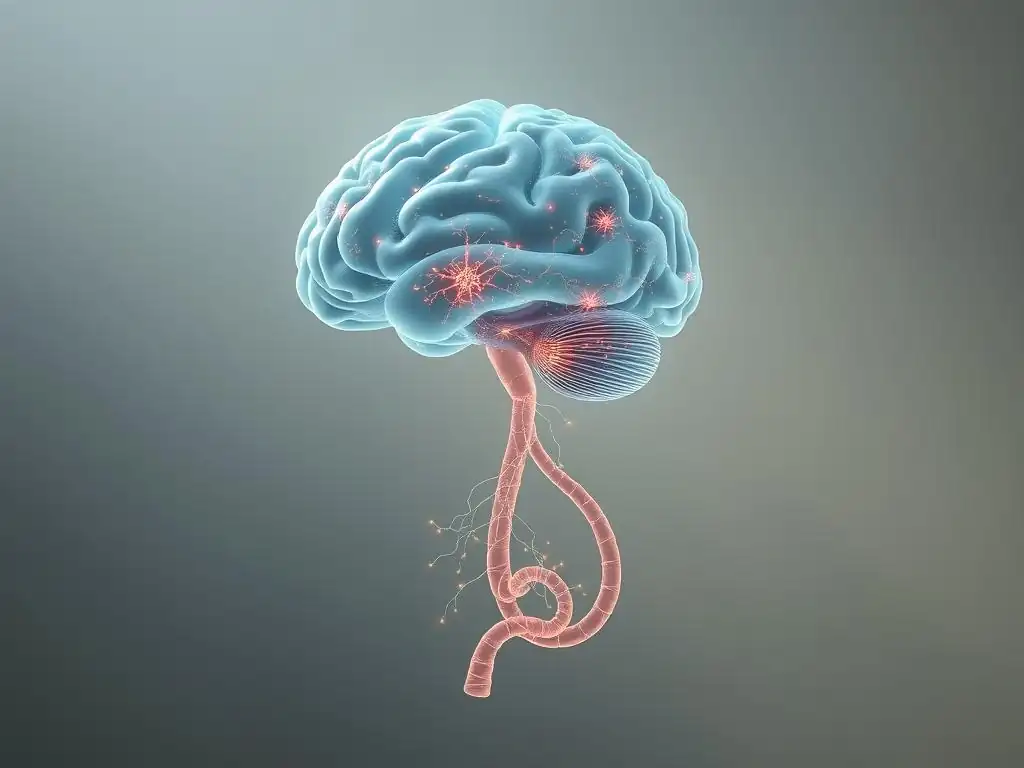
Microbial metabolites, particularly Short-Chain Fatty Acids (SCFAs) such as acetate, propionate, and butyrate, are primary mediators of the gut microbiome's influence on the brain. These fatty acids are produced by the bacterial fermentation of dietary fibers in the colon. SCFAs can reach the brain through the bloodstream and interact with various cell types, including neurons, glial cells, and endothelial cells of the blood-brain barrier. Butyrate, for example, is a significant energy source for colonocytes but also has systemic effects, including influencing histone acetylation in the brain, a process critical for gene expression related to learning and memory.
Research indicates that SCFAs can modulate neurotransmitter synthesis, reduce neuroinflammation, and support the integrity of the blood-brain barrier, which is vital for protecting the brain from harmful substances. Studies have shown that increasing SCFA production through dietary fiber intake or probiotic supplementation can lead to improved cognitive function and potentially enhance brain plasticity. For instance, animal studies have demonstrated that butyrate administration can increase hippocampal neurogenesis and improve memory performance, highlighting the direct benefits of these microbial metabolites on brain function and the potential gut microbiome brain plasticity benefits they offer.
The Role of Neurotransmitters: Serotonin, Dopamine, and GABA
The gut microbiome significantly influences the production and regulation of key neurotransmitters that impact mood, behavior, and cognitive function. While most people associate neurotransmitters like serotonin, dopamine, and gamma-aminobutyric acid (GABA) primarily with the brain, a substantial portion of these neurochemicals are produced in the gut, either by gut cells or directly by gut microbes. It's estimated that around 90% of the body's serotonin is synthesized in the gut.
Gut microbes can produce or influence the availability of precursors for these neurotransmitters, or even produce them directly. For example, certain Lactobacillus and Bifidobacterium species are known to produce GABA, an inhibitory neurotransmitter that helps regulate anxiety and stress. Similarly, gut bacteria can influence tryptophan metabolism, a precursor to serotonin.
Imbalances in the gut microbiome can disrupt this delicate balance of neurotransmitter production, potentially contributing to mood disorders like anxiety and depression, and impacting the neurochemical environment necessary for optimal brain plasticity. Supporting a healthy gut biome thus becomes a strategy for modulating neurotransmitter levels in a way that may support brain health and unlock further gut microbiome brain plasticity benefits.
Inflammation and the Gut-Brain Axis: A Pathway to Mental Health Issues
Inflammation is a critical component of the gut-brain axis and plays a significant role in mental health. The gut barrier, a single layer of cells lining the intestine, acts as a crucial gatekeeper, preventing bacteria and their inflammatory components (like lipopolysaccharide, LPS) from entering the bloodstream. Gut dysbiosis can compromise this barrier, leading to increased intestinal permeability, often referred to as "leaky gut." When the gut barrier is compromised, bacterial products can cross into circulation, triggering a systemic inflammatory response.
This peripheral inflammation can signal the brain through various pathways, including the vagus nerve and the bloodstream, where inflammatory cytokines can cross the blood-brain barrier. Neuroinflammation, inflammation within the brain, is increasingly recognized as a contributing factor to various mental health disorders, including depression, anxiety, and neurodegenerative diseases.
Chronic inflammation can impair neurogenesis, disrupt neurotransmitter balance, and negatively impact synaptic function, thereby hindering brain plasticity. By maintaining a healthy gut microbiome and a strong gut barrier, we can minimize systemic inflammation, protecting the brain from its detrimental effects and creating an environment more conducive to leveraging the gut microbiome brain plasticity benefits.
The Gut Microbiome and Mental Health Disorders: A Closer Look
Gut Dysbiosis and its Association with Anxiety and Depression
A growing body of research indicates a strong association between gut dysbiosis – an imbalance in the composition or function of the gut microbiome – and mood disorders like anxiety and depression. Individuals diagnosed with depression or anxiety often exhibit different microbial profiles compared to healthy individuals, typically characterized by reduced diversity and an altered ratio of certain bacterial species. This link is supported by studies showing that transferring gut microbiota from depressed or anxious individuals to germ-free animals can induce anxiety- and depression-like behaviors in the recipients.
The mechanisms underlying this association are multifaceted, involving the disruption of the gut-brain axis communication. Gut dysbiosis can lead to increased inflammation, altered production of microbial metabolites (like reduced SCFAs), impaired neurotransmitter signaling, and increased gut permeability. These factors collectively contribute to neuroinflammation, oxidative stress, and neurochemical imbalances in the brain, all of which are implicated in the pathophysiology of anxiety and depression. While correlation doesn't equal causation, these findings suggest that targeting the gut microbiome could offer novel therapeutic avenues for these pervasive mental health conditions and potentially enhance the gut microbiome brain plasticity benefits needed for recovery.
The Link Between Gut Health and Neurodevelopmental Disorders: Autism Spectrum Disorder
Emerging research also points to a connection between gut health, the microbiome, and neurodevelopmental disorders, most notably Autism Spectrum Disorder (ASD). A significant percentage of individuals with ASD experience gastrointestinal issues, and studies have frequently reported differences in the gut microbial composition of children with ASD compared to neurotypical children. While the exact nature of this link is still being investigated, hypotheses include the role of microbial metabolites affecting brain development and function, immune dysregulation originating in the gut, and the impact of gut inflammation on behavior.
Specific microbial metabolites or toxins produced by certain bacteria present in altered ASD microbiomes are being investigated for their potential neuroactive effects. For instance, some studies have explored the role of propionic acid, a SCFA, which in excess has been hypothesized to contribute to some behavioral symptoms observed in ASD in animal models.
While interventions targeting the gut microbiome in ASD are still experimental and require much more research, the consistent observation of gut abnormalities and distinct microbial profiles in individuals with ASD highlights the potential significance of the gut-brain axis in these complex conditions and suggests that understanding the gut microbiome brain plasticity benefits might be relevant here too.
Can Modifying the Gut Microbiome Improve Mental Health Outcomes?
Given the strong associations between the gut microbiome and mental health disorders, a critical question is whether modifying the gut microbiome can lead to improved mental health outcomes. Preliminary research and clinical trials using interventions like dietary changes, probiotics, prebiotics, and even fecal microbiota transplantation (FMT) show promising results in alleviating symptoms of anxiety and depression in some individuals. For example, several meta-analyses have suggested that probiotic supplementation can have a modest but significant effect in reducing symptoms of depression and anxiety.
These interventions aim to restore a healthier microbial balance, increase beneficial metabolites like SCFAs, reduce gut inflammation, and improve the integrity of the gut barrier. By positively influencing the gut-brain axis, these modifications can potentially modulate neurotransmitter systems, reduce neuroinflammation, and support brain plasticity, thereby contributing to better mood regulation and cognitive function. While not a standalone cure, modifying the gut microbiome is gaining traction as a complementary approach in the management of certain mental health conditions, leveraging the potential gut microbiome brain plasticity benefits.
Strategies for Optimizing Gut Health to Enhance Brain Plasticity
Dietary Interventions: Foods That Support a Healthy Gut Microbiome
Diet is arguably the most powerful tool we have for shaping our gut microbiome. A diet rich in diverse plant-based foods provides the necessary fiber and nutrients to nourish beneficial gut bacteria. These bacteria, in turn, produce beneficial metabolites that support brain health and plasticity.
Key dietary strategies include:
- Increasing Fiber Intake: Dietary fiber, found in fruits, vegetables, whole grains, legumes, and nuts, is the primary fuel source for many beneficial gut bacteria. Aim for a variety of fiber sources to cultivate a diverse microbiome.
- Eating Fermented Foods: Foods like yogurt (with live active cultures), kefir, sauerkraut, kimchi, miso, and tempeh contain live beneficial bacteria and can introduce new beneficial strains to the gut.
- Consuming Polyphenol-Rich Foods: Polyphenols, plant compounds found in berries, dark chocolate, green tea, coffee, and colorful vegetables, act as prebiotics, selectively feeding certain beneficial bacteria, and also have antioxidant and anti-inflammatory properties beneficial for the brain.
- Including Omega-3 Fatty Acids: Found in fatty fish (salmon, mackerel), flaxseeds, chia seeds, and walnuts, Omega-3s have anti-inflammatory effects and can influence the composition of the gut microbiome.
Conversely, diets high in processed foods, sugar, and unhealthy fats can negatively impact the gut microbiome, reducing diversity and promoting the growth of less beneficial bacteria, which can negatively affect brain health and limit the gut microbiome brain plasticity benefits.
Probiotics and Prebiotics: Choosing the Right Supplements for Brain Health
Beyond diet, specific supplements can be used to target the gut microbiome.
- Probiotics: These are live microorganisms that, when administered in adequate amounts, confer a health benefit on the host. Different probiotic strains have different effects. For gut-brain health, strains like Lactobacillus helveticus R0052 and Bifidobacterium longum R0175 have been studied for their potential effects on mood and stress. Other strains like Bifidobacterium breve and Lactobacillus rhamnosus GG are also being researched for their impact on the gut-brain axis. Choosing a multi-strain probiotic with clinically studied strains relevant to mental health goals is often recommended, though individual responses vary.
- Prebiotics: These are non-digestible compounds that selectively stimulate the growth and/or activity of beneficial bacteria already residing in the colon. Examples include inulin, fructans, and galacto-oligosaccharides (GOS). Sources include garlic, onions, leeks, asparagus, bananas, and chicory root. Prebiotic supplements can be used to specifically feed beneficial bacteria like Bifidobacteria. Combining probiotics and prebiotics (a synbiotic approach) may offer enhanced benefits.
It is important to note that the effects of probiotics and prebiotics can be strain-specific and individual responses vary. Consulting with a healthcare professional or a registered dietitian knowledgeable in gut health can help in choosing the most appropriate supplements to support the gut microbiome brain plasticity benefits.
Lifestyle Factors: Stress Management and Exercise for Gut-Brain Harmony
Beyond diet and supplements, lifestyle plays a crucial role in the health of the gut-brain axis. Chronic stress, for instance, can profoundly impact the gut microbiome composition and function. Stress hormones can alter gut motility, increase gut permeability, and shift the balance of gut bacteria towards less beneficial species. This creates a vicious cycle where stress negatively impacts the gut, and the altered gut then sends signals back to the brain that can exacerbate stress and anxiety.
- Stress Management: Implementing stress-reducing practices like mindfulness meditation, deep breathing exercises, yoga, or spending time in nature can help regulate the stress response and positively influence the gut microbiome. Reducing chronic stress helps maintain gut barrier integrity and supports a healthier microbial balance, thereby fostering better gut-brain communication and potentially enhancing the gut microbiome brain plasticity benefits.
- Exercise: Regular physical activity has been shown to increase the diversity of the gut microbiome and promote the growth of beneficial bacteria, such as those that produce SCFAs. Exercise also reduces inflammation and improves mood and cognitive function independently, but its positive effects on the gut microbiome likely contribute to these benefits. Aim for consistent, moderate exercise most days of the week.
Prioritizing sleep is another vital lifestyle factor. Poor sleep can negatively impact gut health and has been linked to changes in the microbiome composition. Ensuring adequate, quality sleep supports overall physiological balance, including the health of the gut-brain axis.
Practical Tips for Improving Gut-Brain Axis Function for Better Mental Health
Increasing Fiber Intake for Gut Health
A simple yet powerful step to improve gut-brain axis function is to significantly increase your daily intake of diverse dietary fibers. Most people in Western populations consume far less fiber than recommended (often less than 15 grams per day, compared to a recommended 25-30 grams or more). Increasing fiber intake provides the necessary substrate for beneficial gut bacteria to produce SCFAs, which are vital for gut health and brain function.
Here are some practical ways to boost fiber:
- Start your day with oatmeal or a high-fiber cereal.
- Add legumes (beans, lentils, chickpeas) to soups, salads, or stews.
- Snack on fruits like berries, apples, and pears with the skin on.
- Choose whole-grain bread, pasta, and rice over refined versions.
- Include a variety of colorful vegetables in every meal.
- Add nuts and seeds to yogurt, salads, or eat them as snacks.
- Task List:
- [ ] Track current fiber intake for a few days.
- [ ] Identify 3-5 high-fiber foods to incorporate daily.
- [ ] Plan meals to include at least one serving of legumes each day.
- [ ] Gradually increase fiber intake to avoid digestive discomfort.
Remember to increase fiber intake gradually and drink plenty of water to aid digestion. Consistent high fiber intake is key to long-term gut microbiome health and maximizing the gut microbiome brain plasticity benefits.
Choosing the Right Probiotic Strains for Specific Mental Health Benefits
While general probiotics can support overall gut health, specific strains have been studied for their potential effects on mental health and the gut-brain axis. When considering a probiotic supplement for mental well-being, look for products that list specific strains, not just the genus (e.g., Lactobacillus acidophilus NCFM, not just Lactobacillus acidophilus).
Research suggests certain strains may help with:
- Anxiety & Stress: Lactobacillus helveticus R0052 and Bifidobacterium longum R0175 (often found together in "psychobiotic" blends), Bifidobacterium bifidum, Bifidobacterium infantis.
- Depression: Some studies point to benefits from blends containing Lactobacillus acidophilus, Lactobacillus casei, and Bifidobacterium bifidum.
- Overall Mood: Lactobacillus rhamnosus GG, Lactobacillus plantarum.
It's beneficial to read scientific literature or consult resources that detail the specific effects of different strains. Dosage is also important, typically measured in Colony Forming Units (CFUs), often ranging from 1 billion to 100 billion CFUs per dose depending on the product and targeted effect. Keep in mind that probiotic effects are highly individual, and finding the right strain or combination may require some experimentation.
Practicing Mindfulness and Meditation for Stress Reduction
Given the significant negative impact of stress on the gut microbiome and the gut-brain axis, incorporating stress reduction techniques like mindfulness and meditation is a practical step with potential benefits for both gut health and brain plasticity. These practices help regulate the sympathetic nervous system ("fight or flight") and activate the parasympathetic nervous system ("rest and digest"), promoting a state of calm that is conducive to healthy gut function.
Regular mindfulness and meditation can:
- Lower stress hormones like cortisol.
- Reduce inflammation throughout the body, including neuroinflammation.
- Potentially influence gut motility and permeability positively.
- Improve emotional regulation, which is linked to brain plasticity.
Even short, consistent practices can be beneficial. Starting with just 5-10 minutes per day of focused breathing or body scan meditation can make a difference. Many guided meditations are available for free online or through apps. Integrating these practices into your daily routine supports overall mental well-being and fosters a healthier gut-brain connection, contributing to the benefits of the gut microbiome for brain plasticity.
The Future of Gut-Brain Research: Novel Therapies for Mental Health
Emerging Research on Fecal Microbiota Transplantation (FMT)
Fecal Microbiota Transplantation (FMT) involves transferring stool from a healthy donor into the gastrointestinal tract of a recipient. While currently FDA-approved in the US only for treating recurrent Clostridioides difficile infection, research is exploring its potential for a wide range of other conditions, including those involving the gut-brain axis and mental health. The rationale is that introducing a diverse and healthy microbial community can reset the gut microbiome and restore beneficial functions.
Preliminary studies and case reports on FMT for conditions like IBS (which often co-occurs with anxiety/depression) and even depression itself have shown some promising results, with participants reporting improvements in mood and anxiety symptoms. However, this area of research is still in its early stages, and the mechanisms are not fully understood.
FMT is a powerful intervention with potential risks, and its use for mental health conditions is still considered experimental, typically confined to research settings. Nevertheless, it highlights the significant potential of directly manipulating the gut microbiome to impact brain function and potentially enhance gut microbiome brain plasticity benefits in severe cases.
Targeting the Gut Microbiome with Precision Medicine
The future of gut-brain research is increasingly moving towards precision medicine approaches. Rather than broad interventions, the goal is to identify specific microbial imbalances or functional deficits in an individual's gut microbiome and target them with highly specific therapies. This could involve:
- Personalized Probiotic/Prebiotic Blends: Based on an individual's unique microbiome profile (determined through sequencing), specific strains or prebiotics could be recommended to address identified deficiencies or functional issues.
- Postbiotics: These are the beneficial metabolic products produced by gut bacteria (like SCFAs, vitamins, or enzymes). Administering specific postbiotics directly could bypass the need for the host to cultivate the bacteria that produce them, offering a more direct therapeutic effect on the brain.
- Engineered Microbes: Scientists are exploring the possibility of engineering bacteria to produce specific therapeutic compounds (e.g., neurotransmitters, anti-inflammatory molecules) within the gut.
This precision approach holds the promise of developing more effective and tailored interventions for mental health conditions by specifically leveraging the intricate ways the gut microbiome influences brain function and plasticity. Understanding an individual's unique gut signature may unlock more targeted strategies to enhance the gut microbiome brain plasticity benefits.
The Potential of Psychobiotics for Mental Well-being
The term "psychobiotics" has been coined to describe probiotics or prebiotics that, when ingested, produce a positive effect on mental health. This is a rapidly evolving area of research focused specifically on identifying microbial interventions with clinically demonstrated benefits for psychological well-being.
Psychobiotic research aims to identify specific strains or combinations that can reliably:
- Reduce stress and anxiety levels.
- Improve mood and alleviate depressive symptoms.
- Enhance cognitive function.
- Modulate the stress response system (HPA axis).
While some promising candidates have been identified (like the L. helveticus R0052 and B. longum R0175 blend), the field is still working to establish clear guidelines on effective strains, dosages, and treatment durations for specific mental health conditions. Rigorous clinical trials are underway to solidify the evidence base for psychobiotics as a legitimate therapeutic avenue. As this research progresses, psychobiotics may become a valuable tool in supporting mental health and harnessing the gut microbiome brain plasticity benefits.
Conclusion: Harnessing the Power of the Gut-Brain Axis for Brain Plasticity and Mental Wellness
The scientific understanding of the gut-brain axis has revolutionized our perspective on mental health. It is now clear that the trillions of microbes residing in our gut are not merely passive passengers but active participants in a complex communication network that profoundly influences brain function, mood, and the brain's remarkable ability to adapt and change – brain plasticity.
The intricate links involving microbial metabolites, neurotransmitter modulation, and immune signaling demonstrate how the state of our gut health directly impacts the neurobiological underpinnings of mental well-being. Leveraging the benefits of the gut microbiome for brain plasticity is becoming an exciting frontier in mental health support.
Optimizing the gut microbiome through dietary strategies rich in fiber and fermented foods, judicious use of specific probiotic and prebiotic supplements, and lifestyle interventions like stress management and exercise offers tangible ways to support a healthy gut-brain axis. These approaches can help create an internal environment that fosters neurogenesis, enhances synaptic plasticity, reduces neuroinflammation, and balances neurotransmitter levels, all of which are crucial for cognitive function, emotional resilience, and recovery from mental health challenges.
While research is ongoing, particularly in novel areas like FMT and precision psychobiotics, the current evidence strongly supports focusing on gut health as a fundamental component of a holistic approach to enhancing brain plasticity and achieving optimal mental wellness. By nurturing our gut microbiome, we are directly investing in the health and adaptability of our brain.
Frequently Asked Questions
What is the Gut-Brain Axis and how does it relate to mental well-being?
The Gut-Brain Axis is a bidirectional communication system connecting the gut microbiome and the brain. It plays a crucial role in mental well-being as it influences brain plasticity through various signaling pathways.
How does the gut microbiome influence brain plasticity?
The gut microbiome influences brain plasticity by producing neurotransmitters and metabolites that affect neuronal structure and function. This can lead to changes in cognitive abilities and emotional regulation.
What are the potential benefits of a healthy gut microbiome for brain plasticity?
A healthy gut microbiome may enhance brain plasticity, leading to improved learning and memory, reduced risk of neurodegenerative diseases, and better stress resilience.
What lifestyle changes can I make to improve my gut microbiome and potentially enhance brain plasticity?
You can improve your gut microbiome by consuming a diverse diet rich in fiber, probiotics, and prebiotics. Reducing stress levels and getting enough sleep are also beneficial.
Mind Care Guide offers a comprehensive collection of information, support, and resources related to mental well-being, including the Gut-Brain Axis and strategies for improving gut health.
Final Reflection: Unlocking the Mind-Gut Connection
The intricate relationship between our gut microbiome and brain plasticity is no longer a niche scientific curiosity; it's a fundamental understanding crucial for shaping our future health and well-being. The research presented highlights the profound impact of the trillions of microorganisms residing within our digestive system on our cognitive abilities, emotional regulation, and even our susceptibility to neurological disorders. This is not simply about improving digestion; it's about unlocking the potential of our brains.
The implications of this burgeoning field are staggering. We are only beginning to scratch the surface of how manipulating the gut microbiome—through diet, lifestyle changes, or even targeted therapies—can positively influence brain function and resilience throughout our lifespan. The gut is the second brain,
a phrase often used, is more than a metaphor; it's a testament to the bidirectional communication system that governs our physical and mental states. Understanding this connection allows us to move beyond simplistic approaches to mental and physical health, fostering a more holistic and integrated perspective.
Consider the power you hold. You are not merely a passive recipient of your genetic inheritance; you are an active participant in shaping your own brain's plasticity through the choices you make every day. What you eat, how you manage stress, and even the quality of your sleep all contribute to the thriving ecosystem within your gut, which in turn profoundly impacts your cognitive function and overall well-being. Embrace this knowledge, explore the possibilities, and embark on a journey towards a healthier, more vibrant mind and body.
Unlock Your Brain's Potential: Nurture Your Gut-Brain Connection
Thanks for exploring the fascinating world of the gut-brain axis with Mind Care Guide! You've learned how profoundly your gut microbiome impacts brain health and plasticity. Now it's time to put this knowledge into action.
Here's how you can start nurturing your gut-brain connection today:
- Prioritize Gut-Friendly Foods: Begin incorporating more fermented foods and fiber-rich options into your diet this week. Notice how your energy levels and mental clarity change.
- Consider a Probiotic Supplement: Explore different probiotic strains and their potential benefits for brain health. Consult your doctor before starting any new supplement regimen.
- Share Your Insights: Discuss your newly-discovered understanding of the gut-brain connection with friends and family – you might inspire them to improve their own well-being!
What small change will you make this week to support your gut and brain health?