
Neuroplasticity and Depression: How Your Brain Can Learn to Heal

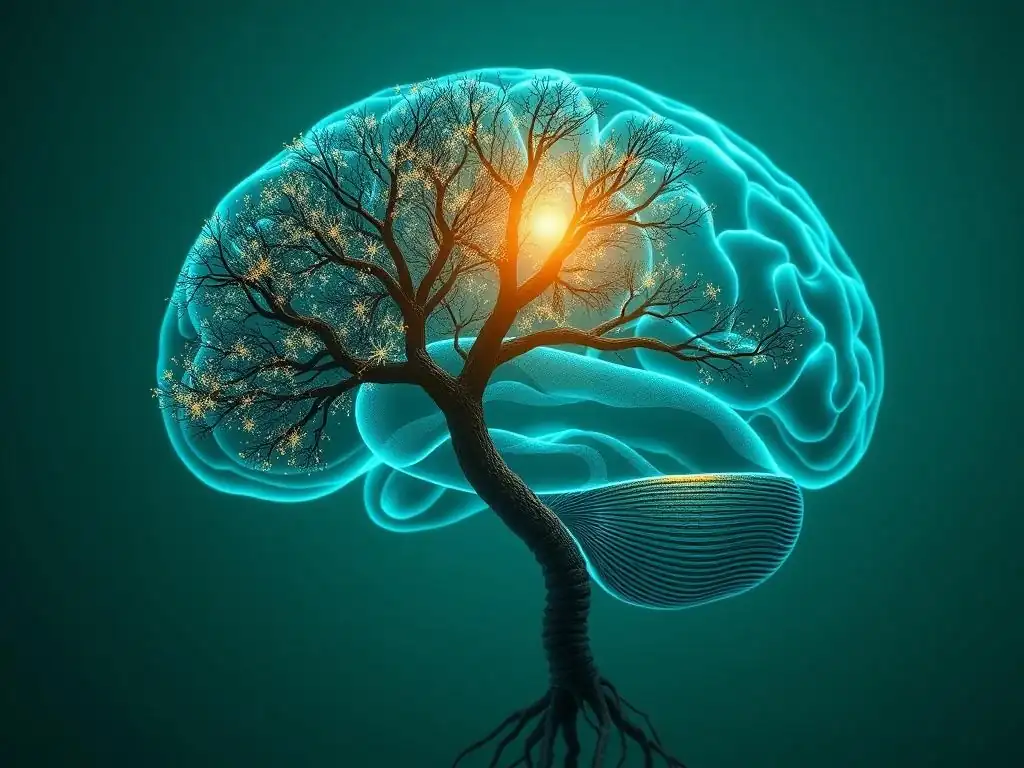
Welcome to Mind Care Guide, a sanctuary for your mental well-being.
Are you feeling stuck, like your brain is working against you? There's hope. Dive into our exploration of brain healing through neuroplasticity, and discover how your brain's remarkable ability to adapt and change can be harnessed to overcome challenges like depression. Uncover the science behind this transformative process and begin your journey towards a brighter, more resilient you. Eager to learn how to rewire your thinking?
Neuroplasticity and Depression: How Your Brain Can Learn to Heal | Mind Care Guide
- Understanding Neuroplasticity and its Role in Mental Well-being
- Depression and the Brain: Exploring the Neurological Connection
- Brain Healing Through Neuroplasticity: Rewiring for Recovery
-
Techniques to Harness Neuroplasticity for Depression Treatment
- Cognitive Behavioral Therapy (CBT) and Neuroplasticity: A Powerful Combination
- Mindfulness and Meditation: Cultivating Neuroplasticity for Mood Regulation
- Physical Exercise and Brain Health: Promoting Neuroplasticity Through Movement
- Learning New Skills: Stimulating Neuroplasticity and Cognitive Function
- The Importance of Social Connection and Support for Brain Plasticity
- Lifestyle Factors That Support Brain Plasticity and Mental Health
- Measuring Progress: Assessing Neuroplasticity Changes in Depression Treatment
- Overcoming Challenges: Addressing Obstacles in Neuroplasticity-Based Treatment for Depression
- The Future of Neuroplasticity Research in Depression Treatment
- Conclusion: Embracing the Brain's Capacity for Healing and Recovery from Depression
-
Frequently Asked Questions
- What is neuroplasticity and how does it relate to brain healing?
- How can neuroplasticity help someone struggling with depression?
- What are some practical strategies for promoting neuroplasticity in the context of depression?
- How long does it typically take to see noticeable improvements in mental well-being through neuroplasticity?
- Are there any potential downsides or limitations to relying on neuroplasticity for brain healing and depression recovery?
- Final Reflection: Rewiring Hope: Neuroplasticity's Promise in Depression
- Unlock Your Brain's Healing Power
Understanding Neuroplasticity and its Role in Mental Well-being
What is Neuroplasticity? Defining the Brain's Adaptability
Neuroplasticity refers to the brain's remarkable ability to reorganize itself throughout life, forming new neural connections in response to learning, experience, and even injury. This fundamental biological process allows the brain to adapt, grow, and change, constantly rewiring its structure and function. It's not a static organ but a dynamic system capable of continuous modification, which is crucial for everything from learning a new language to recovering from a stroke.
This adaptability occurs at multiple levels, from microscopic changes in individual synapses—the junctions between neurons—to macroscopic shifts in the organization of entire brain regions. For example, when you learn a new skill, specific neural pathways involved in that skill become stronger and more efficient. Conversely, pathways that are used less frequently may weaken. This inherent flexibility is the biological basis for learning, memory, and behavioral change, highlighting the brain's potential for continuous development and brain healing through neuroplasticity.
The Link Between Neuroplasticity and Mental Health: An Overview
The intricate relationship between neuroplasticity and mental health is a rapidly evolving area of research. It is now understood that many mental health conditions, including depression, are associated with disruptions in neuroplastic processes. This means that the brain's ability to adapt and form healthy connections may be impaired, contributing to persistent negative thought patterns, emotional dysregulation, and other symptoms.
However, the very same principles of neuroplasticity that can be disrupted in mental illness also offer a powerful pathway to recovery. By understanding and harnessing the brain's capacity for change, therapeutic interventions can be designed to promote positive rewiring. This concept of brain healing through neuroplasticity suggests that targeted experiences and treatments can stimulate the formation of new, healthier neural circuits, effectively counteracting the maladaptive patterns associated with conditions like depression.
Depression and the Brain: Exploring the Neurological Connection
How Depression Impacts Brain Structure and Function
Depression is more than just feeling sad; it's a complex disorder with tangible effects on brain structure and function. Research using neuroimaging techniques like fMRI and MRI has revealed that individuals with depression often show changes in several key brain regions. For instance, studies frequently report reduced volume in the hippocampus, a region critical for memory and emotional regulation, particularly in cases of chronic or severe depression. Some findings suggest a volume reduction ranging from 9% to 13% compared to healthy individuals in certain hippocampal subfields.
Beyond structural changes, depression significantly alters brain activity and connectivity. The prefrontal cortex, responsible for executive functions, decision-making, and mood regulation, often shows decreased activity, while the amygdala, involved in processing emotions like fear and anxiety, may show increased activity. Furthermore, the connectivity within and between brain networks, such as the default mode network (involved in self-referential thought and rumination) and the executive control network (involved in goal-directed behavior), can become disrupted, contributing to the characteristic symptoms of persistent negative thinking and impaired cognitive function seen in depression.
The Role of Neurotransmitters in Depression: Serotonin, Dopamine, and Norepinephrine
Neurotransmitters are chemical messengers that play a crucial role in brain communication, influencing mood, motivation, and cognition. Disruptions in the balance or function of certain neurotransmitters are strongly implicated in the development and persistence of depression. Serotonin, often dubbed the "feel-good" neurotransmitter, is involved in regulating mood, sleep, and appetite. Lower levels or impaired signaling of serotonin are commonly associated with depressive symptoms, which is why many antidepressant medications target the serotonin system.
Dopamine and norepinephrine are other key neurotransmitters linked to depression. Dopamine is central to the brain's reward system, influencing motivation, pleasure, and drive. Reduced dopamine activity can manifest as a loss of interest or pleasure in activities (anhedonia), a core symptom of depression. Norepinephrine affects alertness, energy levels, and attention. Imbalances in norepinephrine can contribute to fatigue, difficulty concentrating, and changes in sleep patterns often experienced by individuals with depression. Understanding these neurochemical imbalances is vital for developing effective treatments aimed at restoring healthy brain function and supporting brain healing through neuroplasticity.
Brain Healing Through Neuroplasticity: Rewiring for Recovery
Can Neuroplasticity Help Overcome Depression? Exploring the Potential
Yes, neuroplasticity offers a profound potential for overcoming depression. The very fact that the brain can change and adapt means that the maladaptive patterns associated with depression are not fixed. Therapeutic interventions, lifestyle changes, and even certain medications can actively promote positive neuroplastic changes, helping to rebuild healthier neural circuits and restore balanced brain function. This is the fundamental principle behind brain healing through neuroplasticity.
This capacity for change allows the brain to weaken the connections associated with negative thoughts and emotions while strengthening pathways linked to positive mood, resilience, and adaptive coping mechanisms. For instance, engaging in activities that promote positive emotions or learning new ways to respond to stressful situations can physically alter the brain's structure and connectivity over time. This offers significant hope for individuals struggling with depression, demonstrating that recovery involves a biological process of rewiring the brain towards health.
Neuroplasticity and the Formation of New Neural Pathways
The process of brain healing through neuroplasticity involves the formation of new neural pathways and the strengthening or weakening of existing ones. When we engage in new experiences, learn new information, or practice new behaviors, our neurons form new connections, or synapses. The more frequently a pathway is used, the stronger the synaptic connections become, making communication along that path more efficient. Conversely, pathways that are rarely used may weaken or be pruned away.
In the context of depression recovery, therapies and activities are designed to stimulate the creation and strengthening of neural pathways associated with positive emotional regulation, cognitive flexibility, and resilience. For example, practicing mindfulness can strengthen pathways in the prefrontal cortex related to attention and emotional control, while challenging negative thought patterns in therapy can build new connections that bypass old, maladaptive circuits. This continuous process of building and refining neural networks is the biological engine driving recovery and fostering brain healing through neuroplasticity.
Techniques to Harness Neuroplasticity for Depression Treatment
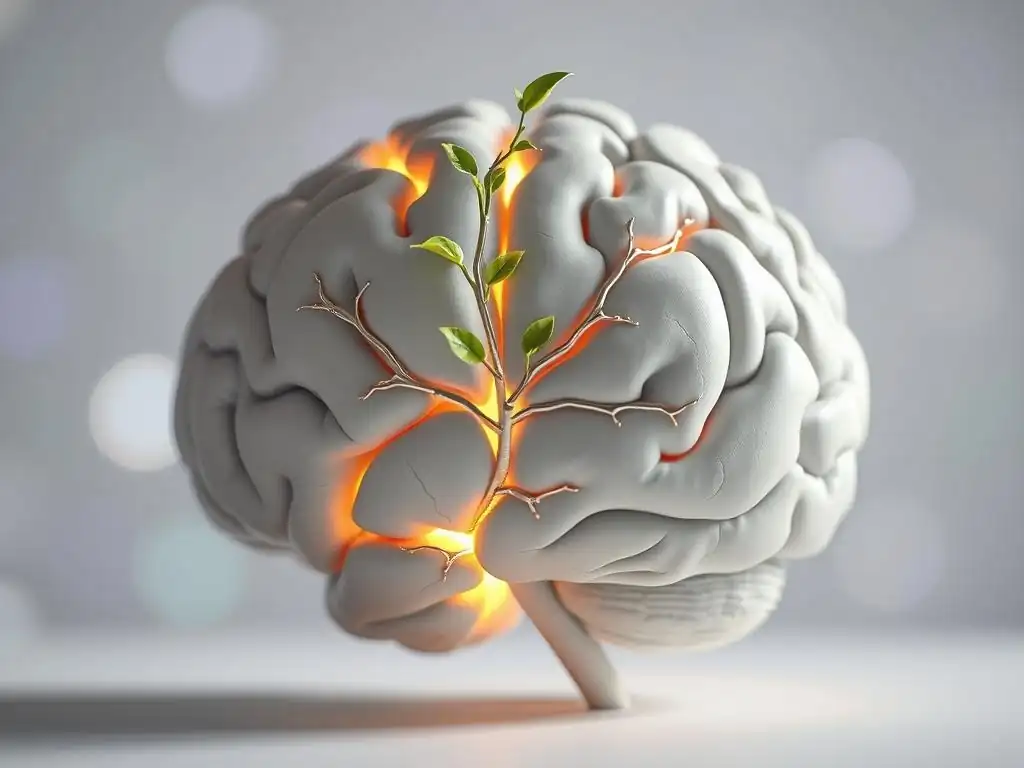
Cognitive Behavioral Therapy (CBT) and Neuroplasticity: A Powerful Combination
Cognitive Behavioral Therapy (CBT) is a highly effective psychotherapy that has a direct impact on brain plasticity. CBT helps individuals identify and challenge negative thought patterns and core beliefs that contribute to depression. By learning to recognize cognitive distortions and replace them with more realistic and positive thoughts, individuals are actively engaging in a process that rewires their brain. Studies using fMRI have shown that successful CBT treatment for depression is associated with increased activity in the prefrontal cortex and changes in connectivity within limbic regions, demonstrating the therapy's neuroplastic effects.
The core mechanism involves repeatedly practicing new ways of thinking and responding, which strengthens the neural pathways associated with these healthier cognitive processes. For example, instead of automatically catastrophizing a minor setback, a person learns to pause, evaluate the situation realistically, and generate alternative interpretations. Each time this new, adaptive pathway is activated, its connections are reinforced, while the old, maladaptive pathway weakens. This makes CBT a powerful tool for facilitating brain healing through neuroplasticity in depression.
Mindfulness and Meditation: Cultivating Neuroplasticity for Mood Regulation
Mindfulness and meditation practices are increasingly recognized for their ability to promote positive neuroplastic changes that can alleviate depression symptoms. Regular meditation has been shown to increase gray matter density in brain regions associated with self-awareness, compassion, and emotional regulation, such as the prefrontal cortex and insula. It can also lead to decreased activity in the amygdala, the brain's fear center, reducing reactivity to stressful or negative stimuli.
By focusing attention on the present moment without judgment, mindfulness trains the brain to disengage from ruminative thought patterns common in depression. This practice strengthens neural circuits involved in attention control and reduces the dominance of the default mode network, which is often overactive in depressed individuals. Consistent practice cultivates a more resilient and less reactive brain, contributing significantly to brain healing through neuroplasticity and improved mood regulation.
Physical Exercise and Brain Health: Promoting Neuroplasticity Through Movement
Physical exercise is a potent promoter of brain health and neuroplasticity, offering significant benefits for depression. Aerobic exercise, in particular, increases blood flow to the brain, delivering vital oxygen and nutrients. More importantly, it stimulates the production of neurotrophic factors, such as Brain-Derived Neurotrophic Factor (BDNF). BDNF acts like a fertilizer for the brain, supporting the growth, survival, and differentiation of neurons and synapses, which is critical for learning and memory.
Studies consistently show that regular exercise can increase hippocampus volume, counteracting the shrinkage often observed in depression. It also influences neurotransmitter levels, boosting serotonin, dopamine, and norepinephrine, which are often deficient in depression. Even moderate exercise, such as brisk walking for 30 minutes several times a week, can initiate these positive changes, making it a cornerstone for supporting brain healing through neuroplasticity and improving mood.
Learning New Skills: Stimulating Neuroplasticity and Cognitive Function
Engaging in activities that challenge the brain and involve learning new skills is a direct way to stimulate neuroplasticity and enhance cognitive function, which can be impaired in depression. Learning a new language, playing a musical instrument, or even mastering a complex puzzle game requires the formation of new neural connections and the strengthening of existing ones. This process builds cognitive reserve and improves abilities such as problem-solving, memory, and attention.
These cognitive benefits can positively impact mood by increasing feelings of competence and self-efficacy. Furthermore, the act of learning itself can be engaging and distracting from negative thought loops. By actively stimulating brain activity and creating new neural pathways, learning new skills contributes to the overall process of brain healing through neuroplasticity and supports recovery from depression.
Social connection and strong support systems play a vital, though often underestimated, role in promoting brain plasticity and mental well-being. Positive social interactions stimulate the release of oxytocin and other neurochemicals that foster feelings of trust, bonding, and well-being. These interactions can buffer the effects of stress, which is known to impair neuroplasticity. Loneliness and social isolation, conversely, are associated with increased stress hormone levels and reduced neuroplasticity, exacerbating depressive symptoms.
Engaging in meaningful social activities and maintaining supportive relationships provides opportunities for emotional regulation, perspective-taking, and learning from others, all of which involve complex brain processes and promote healthy neural connectivity. Participation in support groups or engaging with trusted friends and family can provide emotional scaffolding that encourages resilience and adaptive coping, actively contributing to brain healing through neuroplasticity by fostering a positive and stimulating environment for the brain.
Lifestyle Factors That Support Brain Plasticity and Mental Health
Nutrition for Brain Health: Fueling Neuroplasticity with a Balanced Diet
Nutrition plays a fundamental role in supporting brain health and optimizing neuroplasticity. The brain requires a steady supply of essential nutrients to function properly and build new connections. A diet rich in omega-3 fatty acids, found in fatty fish, flaxseeds, and walnuts, is particularly important, as these fats are critical components of neuronal membranes and play a role in synaptic function and BDNF production.
Antioxidant-rich foods like berries, leafy greens, and nuts protect brain cells from damage and inflammation, which can hinder neuroplasticity. B vitamins, found in whole grains, legumes, and lean meats, are essential for neurotransmitter synthesis and nerve function. Ensuring adequate intake of these nutrients through a balanced diet provides the necessary building blocks and support for the brain's capacity for change and brain healing through neuroplasticity.
Sleep Hygiene: Optimizing Sleep for Brain Repair and Neuroplasticity
Quality sleep is absolutely critical for brain health and neuroplasticity. During sleep, the brain consolidates memories, clears metabolic waste products, and undergoes processes essential for synaptic plasticity. Chronic sleep deprivation impairs cognitive function, increases stress hormone levels, and disrupts neurotransmitter systems, all of which can worsen depression and hinder the brain's ability to adapt and heal.
Aiming for 7-9 hours of consistent, quality sleep per night supports optimal brain function and promotes the restorative processes necessary for neuroplasticity. Establishing a regular sleep schedule, creating a relaxing bedtime routine, and ensuring a dark, quiet sleep environment are key components of good sleep hygiene that directly benefit the brain's capacity for brain healing through neuroplasticity.
Stress Management Techniques: Reducing the Negative Impact of Stress on the Brain
Chronic stress is highly detrimental to brain health and can significantly impair neuroplasticity, particularly in areas like the hippocampus and prefrontal cortex. Prolonged exposure to stress hormones like cortisol can damage neurons and reduce the brain's ability to form new connections. Effective stress management is therefore crucial for supporting brain healing through neuroplasticity and recovery from depression.
Techniques such as deep breathing exercises, progressive muscle relaxation, yoga, and spending time in nature can help regulate the body's stress response, lowering cortisol levels and promoting a state conducive to brain repair and growth. Learning to identify stressors and develop healthy coping mechanisms empowers individuals to protect their brain's capacity for change and support their mental well-being.
Measuring Progress: Assessing Neuroplasticity Changes in Depression Treatment
Brain Imaging Techniques: fMRI, EEG, and DTI
Advances in brain imaging techniques allow researchers and clinicians to observe some of the structural and functional changes associated with neuroplasticity in depression treatment. Functional Magnetic Resonance Imaging (fMRI) measures brain activity by detecting changes in blood flow, allowing researchers to see which brain regions are more or less active during specific tasks or states. This can reveal shifts in activity patterns in areas like the prefrontal cortex or amygdala following successful therapy or treatment, indicative of functional neuroplasticity.
Electroencephalography (EEG) measures electrical activity in the brain and can provide insights into brain wave patterns and connectivity. Diffusion Tensor Imaging (DTI), a type of MRI, allows visualization of white matter tracts, the bundles of nerve fibers that connect different brain regions. Changes in the integrity or organization of these tracts can reflect structural neuroplasticity. While these techniques are primarily research tools, they provide compelling evidence that therapeutic interventions do indeed lead to measurable changes in the brain, underscoring the reality of brain healing through neuroplasticity.
Cognitive Assessments: Tracking Improvements in Mental Function
Beyond direct brain imaging, cognitive assessments provide a practical way to track improvements in mental function that are underpinned by neuroplastic changes. Depression often impairs cognitive abilities such as attention, memory, executive function, and processing speed. Standardized cognitive tests can measure these abilities before and after treatment.
Improvements in performance on these tests – for example, increased attention span, better working memory scores, or enhanced problem-solving skills – reflect positive changes in the underlying neural networks supporting these functions. While not directly measuring plasticity at the cellular level, these observable improvements in cognitive function are strong indicators that the brain is rewiring itself in a way that supports recovery and enhanced mental capacity, providing tangible evidence of brain healing through neuroplasticity.
Overcoming Challenges: Addressing Obstacles in Neuroplasticity-Based Treatment for Depression
Addressing Treatment Resistance Through Combination Therapies
Despite the brain's capacity for change, some individuals experience treatment resistance in depression, where standard interventions like medication or psychotherapy are not fully effective. This can be due to various factors, including the severity of the depression, co-occurring conditions, or individual differences in neurobiological responses. In such cases, combination therapies that target multiple pathways may be more effective in stimulating neuroplasticity.
Combining psychotherapy (like CBT) with medication, exploring novel treatments like transcranial magnetic stimulation (TMS) which directly influences brain activity, or incorporating lifestyle interventions simultaneously can create a synergistic effect. This multi-modal approach aims to provide a more comprehensive stimulus for the brain to adapt and heal, increasing the likelihood of promoting sufficient brain healing through neuroplasticity to alleviate persistent symptoms.
Maintaining Motivation and Consistency Through Goal Setting and Support Systems
Harnessing neuroplasticity for recovery is not a passive process; it requires active engagement and consistency in applying therapeutic strategies and lifestyle changes. Maintaining motivation, especially when struggling with the low energy and anhedonia of depression, can be a significant challenge. Setting realistic, achievable goals provides a roadmap and celebrates small victories, reinforcing positive behaviors and their associated neural pathways.
Equally important is leveraging support systems. Friends, family, support groups, and mental health professionals can provide encouragement, accountability, and a sense of connection, which, as discussed earlier, is vital for brain health. Sharing experiences and challenges with others can reduce feelings of isolation and reinforce the commitment to the practices that facilitate brain healing through neuroplasticity, making the journey towards recovery more sustainable.
The Future of Neuroplasticity Research in Depression Treatment
Emerging Therapies and Technologies
The field of neuroplasticity research in depression is rapidly advancing, leading to the development of exciting new therapies and technologies. Beyond traditional treatments, researchers are exploring interventions like ketamine, which has shown rapid antidepressant effects potentially by promoting synaptic plasticity in certain brain regions. Psychedelic-assisted therapy is another area of intense research, with substances like psilocybin being studied for their potential to induce profound neuroplastic changes and shift perspectives in individuals with treatment-resistant depression.
Neuromodulation techniques such as Transcranial Magnetic Stimulation (TMS) and Transcranial Direct Current Stimulation (tDCS) are becoming more refined, offering targeted ways to stimulate specific brain areas and influence neural activity and connectivity. Deep Brain Stimulation (DBS) is also being investigated for severe, refractory depression, involving surgically implanted electrodes that deliver electrical impulses to specific brain circuits. These emerging approaches represent the cutting edge of leveraging the brain's capacity for brain healing through neuroplasticity.
Personalized Approaches to Neuroplasticity-Based Interventions
Recognizing that depression is a highly heterogeneous disorder, the future of treatment is moving towards personalized approaches to harnessing neuroplasticity. Instead of a one-size-fits-all model, treatments will likely be tailored based on an individual's specific brain profile, genetic predisposition, and clinical presentation. Neuroimaging and other biomarkers may one day help predict which interventions are most likely to promote positive neuroplastic changes for a given individual.
This personalized approach could involve combining specific types of psychotherapy with targeted neuromodulation or pharmacological agents known to enhance plasticity in relevant brain circuits. Understanding the unique neurobiological underpinnings of an individual's depression will allow for more precise and effective interventions designed to optimize their personal journey of brain healing through neuroplasticity, leading to better and more sustainable recovery outcomes.
Conclusion: Embracing the Brain's Capacity for Healing and Recovery from Depression
Depression is a challenging condition, but understanding neuroplasticity offers a message of profound hope. The science reveals that the brain is not fixed; it possesses an inherent capacity to change, adapt, and heal. The symptoms of depression, while rooted in altered brain function, are not necessarily permanent. Through targeted interventions and conscious effort, individuals can actively participate in the process of rewiring their brains.
Embracing the concept of brain healing through neuroplasticity empowers individuals to view recovery as a dynamic process of growth and change. By engaging in therapies like CBT, practicing mindfulness, exercising regularly, prioritizing sleep and nutrition, and nurturing social connections, individuals can actively stimulate the formation of healthier neural pathways. While the journey may require patience and persistence, the brain's remarkable ability to learn and adapt provides a powerful foundation for overcoming depression and building lasting mental wellness.
Frequently Asked Questions
What is neuroplasticity and how does it relate to brain healing?
Neuroplasticity is the brain's ability to reorganize itself by forming new neural connections throughout life. This brain healing process allows for adaptation and recovery from various mental health challenges, including depression.
How can neuroplasticity help someone struggling with depression?
By leveraging neuroplasticity, individuals can rewire negative thought patterns and behaviors associated with depression. This involves actively engaging in activities that promote positive brain changes and emotional well-being.
What are some practical strategies for promoting neuroplasticity in the context of depression?
Engaging in activities like mindfulness meditation, learning new skills, and practicing gratitude can stimulate new neural pathways and improve mood. These strategies support brain healing and resilience.
How long does it typically take to see noticeable improvements in mental well-being through neuroplasticity?
The timeline varies depending on individual factors, but consistent effort over several weeks or months is generally required. Patience and persistence are crucial for long-term brain changes and sustained recovery.
Are there any potential downsides or limitations to relying on neuroplasticity for brain healing and depression recovery?
While powerful, neuroplasticity isn't a guaranteed cure and requires active participation. It's important to combine it with other therapies and professional support for comprehensive mental well-being and address underlying issues.
Final Reflection: Rewiring Hope: Neuroplasticity's Promise in Depression
The power of neuroplasticity isn't just a scientific concept; it's a revolutionary hope for millions struggling with depression. Understanding how our brains can physically reshape themselves in response to experience offers a tangible pathway to healing, challenging the previously held belief that depression is a purely chemical imbalance with limited avenues for recovery. This understanding empowers individuals to actively participate in their own healing journey, moving beyond passive reliance on medication alone.
The ongoing impact of this research is profound, shifting the narrative surrounding mental health from one of hopelessness to one of possibility. It's inspiring to witness the growing acceptance of holistic approaches to treatment, integrating therapy, lifestyle changes, and medication to harness the brain's inherent capacity for change. The brain is not a static organ; it is constantly changing and adapting throughout our lives.
This truth, once a niche scientific observation, is now becoming a widely accepted cornerstone of mental health care, offering a beacon of hope to those who previously felt trapped in the darkness of depression.
You now hold the key to unlocking your brain's incredible potential for healing. Consider the ways you can nurture your neuroplasticity: through mindful practices, consistent exercise, enriching social connections, and engaging in activities that stimulate your mind and spirit. Embrace the journey of self-discovery and healing, knowing that your brain is not your fate, but rather a dynamic landscape you can actively cultivate and reshape. Begin today, and witness the transformative power of neuroplasticity in your own life.
Unlock Your Brain's Healing Power
Thanks for taking the time to explore the incredible potential of neuroplasticity in overcoming depression. You've learned how your brain can adapt and heal – now it's time to put that knowledge into action!
Here are a few steps to begin your journey toward greater well-being:
- Prioritize a daily mindfulness practice: Even 5 minutes of focused breathing can make a significant difference in rewiring your brain for resilience. This is the cornerstone of harnessing neuroplasticity for mental health.
- Explore new hobbies or activities: Engage your brain in novel ways to stimulate growth and foster positive emotional connections. Consider something you've always wanted to try but haven't yet!
- Share your newfound knowledge: Discuss this information with someone who might benefit from understanding the power of neuroplasticity and healing.
What small step will you take today to nurture your brain's amazing ability to heal?