
Beyond the Cushion: Everyday Mindfulness for Anxiety Management

Welcome to Mind Care Guide, a space dedicated to nurturing your mental well-being.
Feeling overwhelmed by anxiety? You're not alone. Discover how simple, everyday mindfulness practices can become powerful tools for relief. This isn't just about meditation cushions and quiet spaces; it's about weaving mindfulness into the fabric of your life. Ready to learn how? Let's explore Mindfulness for anxiety relief and unlock a calmer, more centered you.
Beyond the Cushion: Everyday Mindfulness for Anxiety Management
- Mindfulness for Anxiety Relief: A Practical Guide
- Understanding Anxiety and the Power of Mindfulness
- Integrating Mindfulness into Your Daily Routine for Anxiety
- Mindfulness Techniques for Managing Anxiety Triggers
- Mindfulness Practices Beyond Formal Meditation
- Overcoming Challenges in Your Mindfulness Practice
- Resources for Continued Mindfulness Practice for Anxiety
-
Frequently Asked Questions
- What exactly is mindfulness and how can it help with anxiety?
- How does "Beyond the Cushion" differ from traditional mindfulness practices?
- What are some examples of everyday mindfulness techniques I can use for anxiety relief?
- How quickly can I expect to see results from practicing mindfulness for anxiety?
- Where can I find additional resources and support for learning more about mindfulness and anxiety management?
- Final Reflection: Cultivating Calm in a Chaotic World
- Unlock Your Calm: Start Practicing Mindfulness Today!
Mindfulness for Anxiety Relief: A Practical Guide
Living with anxiety can feel like being caught in a constant loop of worry and unease. The mind races, the body tenses, and everyday situations can become overwhelming challenges. While traditional meditation practices often involve sitting on a cushion for extended periods, the true power of mindfulness for anxiety relief lies in integrating its principles into the fabric of your daily life.
This guide explores practical strategies to cultivate mindfulness not just in formal practice, but in every moment, helping you navigate anxiety with greater ease and presence. Learning how to apply mindfulness for anxiety management can significantly shift your relationship with difficult thoughts and feelings.
This article delves into the core of anxiety, explains how mindfulness intervention works, and provides actionable techniques you can start using today. We'll cover everything from simple breathing exercises to mindful engagement with everyday tasks, helping you build a robust toolkit for calming your mind and finding peace beyond the traditional meditation cushion. Discovering effective mindfulness for anxiety relief is a journey accessible to everyone, regardless of prior experience.
Understanding Anxiety and the Power of Mindfulness
What is Anxiety? Recognizing Common Symptoms
Anxiety is a natural human response to stress, but when it becomes excessive or persistent, it can interfere with daily life. It's more than just feeling stressed or worried; it's often characterized by a sense of impending doom, nervousness, or fear that is disproportionate to the actual threat. Common symptoms can manifest in various ways, affecting both the mind and body.
Mentally, individuals often experience racing thoughts, difficulty concentrating, excessive worrying about future events, and a sense of restlessness. For instance, someone might spend hours fixating on a potential negative outcome for a minor task, consuming mental energy and causing distress.
Physically, anxiety can trigger a range of uncomfortable sensations. These might include a rapid heartbeat, sweating, trembling, shortness of breath, chest tightness, dizziness, or digestive issues like nausea or stomachaches. Imagine experiencing a pounding heart and sweaty palms before a simple social gathering, even when there's no real danger. These physical symptoms are part of the body's "fight or flight" response, which gets activated even in the absence of a physical threat. Understanding these varied symptoms is the first step in recognizing when anxiety is becoming problematic and exploring tools like mindfulness for anxiety management.
How Mindfulness Works: Calming the Nervous System
Mindfulness works by cultivating a state of present moment awareness without judgment. When you practice mindfulness, you are intentionally paying attention to your thoughts, feelings, bodily sensations, and the surrounding environment as they arise, without getting carried away by them or trying to change them. This process helps to interrupt the automatic cycle of worry and rumination that fuels anxiety. Instead of being swept up in anxious thoughts about the future or regrets about the past, mindfulness gently guides you back to the here and now, the only moment you truly have control over.
One of the key mechanisms by which mindfulness helps calm the nervous system is by reducing the activity in the amygdala, the brain's fear center, and increasing activity in the prefrontal cortex, which is responsible for executive functions like decision-making and emotional regulation. Regular mindfulness practice can literally rewire the brain over time, making it less reactive to perceived threats and more capable of returning to a state of calm.
Think of it like exercising a muscle; the more you practice bringing your attention back to the present moment, the stronger your ability becomes to manage the body's stress response and find genuine mindfulness for anxiety relief.
The Science Behind Mindfulness and Anxiety Reduction
Extensive research supports the efficacy of mindfulness practices for reducing anxiety. Studies using fMRI scans have shown changes in brain structure and function after just eight weeks of regular mindfulness training, such as Mindfulness-Based Stress Reduction (MBSR). These changes include a decrease in gray matter density in the amygdala and an increase in the prefrontal cortex, indicating a reduced fear response and enhanced emotional control. A meta-analysis published in JAMA Internal Medicine in 2014 reviewed 47 trials with 3,515 participants and found moderate evidence that mindfulness meditation programs can improve anxiety, depression, and pain.
Further studies have demonstrated specific physiological effects related to anxiety management with mindfulness. For example, research has shown that mindfulness can lead to lower levels of stress hormones like cortisol. One study found that participants who completed an MBSR program had significantly lower cortisol levels compared to a control group. Moreover, mindfulness has been shown to improve heart rate variability (HRV), a marker of parasympathetic nervous system activity associated with relaxation and recovery from stress. These scientific findings provide a solid foundation for understanding why integrating mindfulness for anxiety relief can be a powerful tool.
Integrating Mindfulness into Your Daily Routine for Anxiety
Mindful Breathing Exercises for Immediate Anxiety Relief
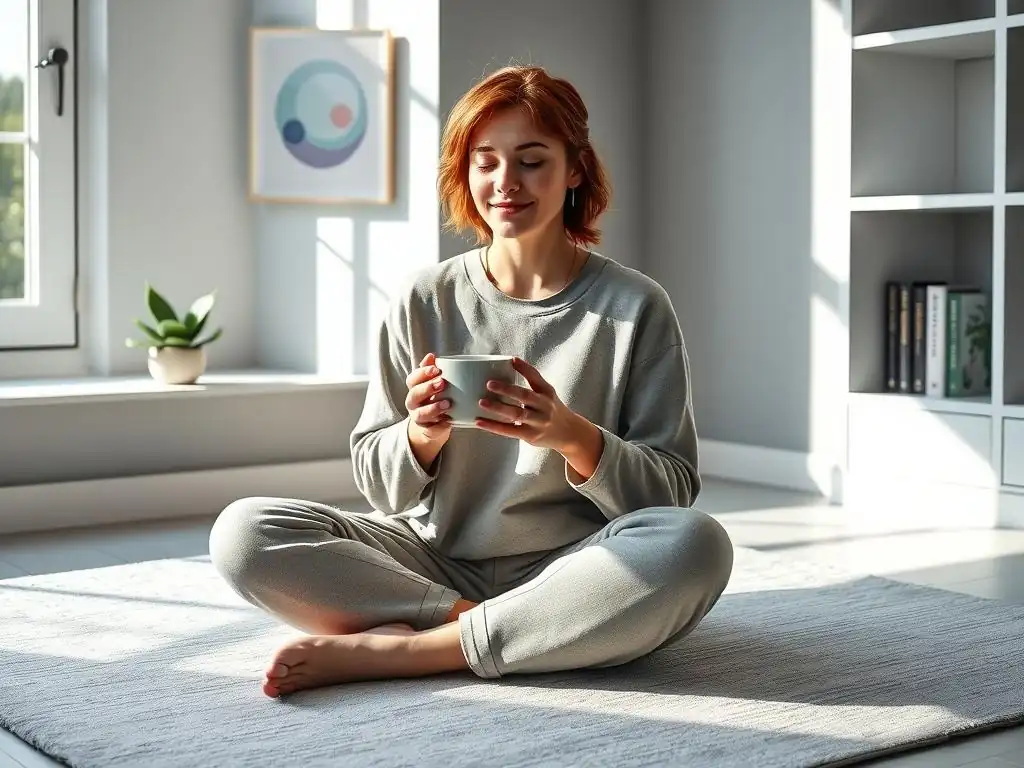
Mindful breathing is perhaps the most accessible and immediate tool for managing anxiety. It involves intentionally focusing your attention on the sensation of your breath as it enters and leaves your body. This simple act anchors you in the present moment and activates the parasympathetic nervous system, counteracting the "fight or flight" response.
When anxiety spikes, taking even just a few slow, deep breaths can make a significant difference. A common technique is the 4-7-8 method: inhale deeply through your nose for a count of four, hold your breath for a count of seven, and exhale completely through your mouth for a count of eight. Repeat this cycle several times.
Practicing mindful breathing regularly, even when not feeling anxious, builds your capacity to use it effectively during moments of distress. You can practice while waiting in line, sitting at your desk, or before a challenging conversation. The key is non-judgmental observation – simply notice the breath without trying to change it initially. Observe the coolness on the inhale, the warmth on the exhale, the rise and fall of your chest or abdomen. This consistent, gentle focus trains your mind to stay present, providing a reliable pathway to find calm and apply mindfulness for anxiety relief whenever you need it.
Body Scan Meditation for Stress Reduction
A body scan meditation is a practice where you systematically bring your attention to different parts of your body, noticing any sensations present without judgment. This helps to increase body awareness and can be incredibly effective for releasing physical tension often held due to anxiety. You might start by focusing on your toes, noticing any tingling, warmth, coolness, or pressure, then slowly move up through your feet, ankles, calves, knees, and so on, all the way to the crown of your head. The goal isn't to make sensations go away, but simply to notice them as they are.
This practice helps to ground you in your physical body, pulling your awareness away from anxious thoughts and into the present moment. By regularly practicing the body scan, you become more attuned to the early physical signs of anxiety, such as a tight jaw or clenched shoulders, allowing you to address them before they escalate. Even a short 5-10 minute body scan can help reduce overall stress levels and improve your ability to use mindfulness for anxiety management by connecting you to the physical reality of the present.
Mindful Walking: Finding Peace in Movement
Mindful walking involves bringing your full awareness to the experience of walking. This can be done outdoors or even just walking across a room. Pay attention to the sensations in your feet as they make contact with the ground, the movement of your legs, the swing of your arms, and the rhythm of your breath. Notice the sights, sounds, and smells around you without getting lost in thought about them. If your mind wanders (which it will), gently guide your attention back to the physical sensations of walking.
This practice transforms a simple activity into an opportunity for present moment awareness. It's a dynamic form of mindfulness that can be easily integrated into your daily routine – walking to work, taking a break, or even just moving around your home. Mindful walking helps to release physical tension, clear the mind, and ground you in the present, making it a powerful tool for managing restlessness and finding mindfulness for anxiety relief through movement.
Mindful Eating: Savoring the Moment and Reducing Stress
Mindful eating is about paying full attention to the experience of eating and drinking. Instead of rushing through meals or eating while distracted, you engage all your senses: noticing the colors and textures of the food, the aromas, the sounds of chewing, and the flavors as you chew. Pay attention to the physical sensations of hunger and fullness, and the effect the food has on your body. Take small bites and chew slowly, savoring each one.
This practice can help reduce stress around food and eating, combat emotional eating driven by anxiety, and improve digestion. By focusing on the present experience of nourishment, you interrupt the cycle of anxious thoughts often associated with meals or body image. Incorporating mindful eating, even for just one meal or snack a day, can bring a sense of calm and appreciation, contributing to overall mindfulness for anxiety relief and a healthier relationship with food.
Mindful Listening: Improving Focus and Reducing Anxiety in Conversations
Mindful listening involves giving your full, undivided attention to another person when they are speaking. This means putting away distractions (like your phone), making eye contact, and truly hearing the words being spoken, as well as noticing the speaker's tone of voice and body language, without formulating your response while they are still talking. It's about being present and receptive to the other person's message.
Practicing mindful listening can significantly reduce anxiety in social situations or challenging conversations. By focusing on the other person, you shift attention away from your own anxious self-talk ("What should I say?" "Do I sound awkward?"). It improves communication, builds stronger connections, and reduces misunderstandings that can fuel anxiety. Furthermore, it trains your mind to focus on one thing at a time, a skill directly applicable to calming a racing anxious mind and enhancing overall mindfulness for anxiety management.
Mindfulness Techniques for Managing Anxiety Triggers
Identifying Your Anxiety Triggers: A Key First Step
Understanding what situations, thoughts, or feelings tend to provoke your anxiety is a crucial step in managing it with mindfulness. Triggers can be external, like public speaking, social events, or specific places, or internal, such as certain thoughts ("What if I fail? "), physical sensations (a racing heart), or memories. Keeping a journal can be incredibly helpful in identifying patterns. Note down when you feel anxious, what was happening just before, how you felt physically and mentally, and what thoughts were running through your mind.
For example, someone might discover that their anxiety consistently spikes before team meetings at work. By journaling, they might pinpoint the specific trigger isn't the meeting itself, but the fear of being asked a question they can't answer. Once triggers are identified, they lose some of their power because you can anticipate them and prepare your mindful response. Pinpointing these specific catalysts is fundamental to applying targeted mindfulness for anxiety relief.
Using Mindfulness to Respond, Not React, to Triggers
Mindfulness provides the space between a trigger and your reaction. Typically, an anxiety trigger leads to an automatic, often overwhelming, emotional and physical reaction. Mindfulness helps you pause and observe the trigger, the thoughts and feelings it brings up, and the physical sensations in your body, without immediately getting swept away by them. This pause allows you to choose a response rather than being controlled by a reaction.
When a trigger occurs, you can practice acknowledging the anxious thoughts ("Ah, there's the thought 'I can't handle this'"), notice the physical sensations (a tightening in the chest), and label them without judgment. This non-judgmental observation weakens the trigger's hold. Instead of immediately trying to escape the feeling or getting lost in the worry, you can simply be with the experience for a moment. This mindful pause creates the opportunity to choose a different path, perhaps using a breathing technique or reminding yourself that the feeling is temporary, effectively applying mindfulness for anxiety management in real-time.
Grounding Techniques for Overwhelming Anxiety
When anxiety feels overwhelming and you feel disconnected or panicky, grounding techniques can help bring you back to the present moment and your physical body. These techniques use your senses to anchor you in reality. A popular method is the 5-4-3-2-1 technique: identify 5 things you can see, 4 things you can touch, 3 things you can hear, 2 things you can smell, and 1 thing you can taste. This simple exercise redirects your attention away from anxious thoughts and towards your immediate surroundings.
Another grounding technique is focusing on your feet on the ground. Feel the pressure, the texture of your shoes or the floor, and the stability of being supported. You can also focus on the sensations of your hands, perhaps rubbing them together or holding a comforting object. These practices are powerful tools for rapid mindfulness for anxiety relief when you feel overwhelmed, quickly bringing you back into your body and the present moment.
Acceptance and Commitment Therapy (ACT) and Mindfulness for Anxiety
Acceptance and Commitment Therapy (ACT) is a type of psychotherapy that heavily incorporates mindfulness principles. ACT teaches individuals to accept difficult thoughts and feelings rather than fighting, avoiding, or being controlled by them. It encourages committing to actions that align with your personal values, even in the presence of discomfort. Mindfulness plays a key role in ACT by helping individuals develop psychological flexibility – the ability to be present with difficult internal experiences while still moving towards valued behaviors.
In ACT, mindfulness is used to observe thoughts and feelings as just that – thoughts and feelings – rather than objective truths or commands. For example, instead of believing the thought "I'm going to fail" and letting it paralyze you, mindfulness helps you see it as just a thought passing through your mind.
This allows you to accept the presence of the anxious thought without letting it dictate your actions, freeing you to commit to behaviors that are important to you, such as preparing for the task despite the fear. This integration of acceptance and action, facilitated by mindfulness, is a powerful approach to managing anxiety.
Mindfulness Practices Beyond Formal Meditation

Mindful Chores: Finding Calm in Everyday Tasks
Mindfulness doesn't have to be limited to sitting on a cushion; it can be integrated into even the most mundane tasks. Doing chores mindfully means bringing your full attention to the activity at hand. When washing dishes, feel the temperature of the water, the texture of the soap, the smoothness or roughness of the dishes. Notice the scent of the detergent and the sound of the water running. When folding laundry, pay attention to the feel of the fabric, the movements of your hands, and the rhythm of the task.
Transforming chores into mindful practices shifts them from being perceived as tedious obligations to opportunities for present moment awareness. This can reduce the mental resistance often associated with chores and alleviate the anxiety that can arise from feeling overwhelmed by a to-do list. By focusing entirely on the physical sensations and actions of the task, you create a pocket of calm in your day, demonstrating that mindfulness for anxiety relief is possible even while completing necessary activities.
Mindful Communication: Expressing Yourself with Clarity and Calm
Mindful communication involves speaking and listening with intention and full presence. When speaking, it means being aware of your words, your tone of voice, and your body language. It also means being mindful of your own internal state – are you speaking from a place of anxiety, anger, or calm? Before responding in a conversation, take a brief pause to check in with yourself and consider the most helpful way to express your thoughts. This pause prevents impulsive or reactive communication driven by anxiety.
Practicing mindful communication can reduce anxiety in interactions by helping you feel more in control of your responses and more connected to others. When you speak mindfully, you are clearer and more authentic, which can reduce misunderstandings that often fuel social anxiety. Similarly, as discussed earlier, mindful listening helps you stay present and engaged. Together, these aspects of mindful communication foster a sense of calm and confidence in your interactions, significantly aiding in mindfulness for anxiety management in social contexts.
Mindful Technology Use: Reducing Screen Time Anxiety
In our hyper-connected world, technology can be a significant source of anxiety, from the pressure of social media to the constant barrage of notifications. Mindful technology use involves being intentional about when, why, and how you interact with your devices. Instead of mindlessly scrolling, take a moment before opening an app to ask yourself why you are doing it. Set specific times for checking emails or social media and stick to them.
Pay attention to how different apps or online interactions make you feel. Does endless scrolling on social media leave you feeling anxious or inadequate? Notice these effects without judgment. Consider implementing digital detox periods, even if just for an hour or two a day or one day a week. By bringing conscious awareness to your technology habits, you regain control, reduce the overwhelm, and create boundaries that protect your mental peace, making mindful technology use a vital part of modern mindfulness for anxiety relief.
Creating a Mindful Morning Routine for a Calm Start
How you start your day can significantly impact your overall anxiety levels. Creating a mindful morning routine involves intentionally setting aside time to engage in practices that ground you and set a positive tone for the day. This doesn't have to be elaborate; it could be as simple as taking five minutes to sit quietly and focus on your breath before checking your phone, or mindfully sipping your morning tea or coffee, paying attention to the warmth, aroma, and taste.
Other elements could include gentle stretching, a short mindful walk, or reading something inspiring. The key is to engage in these activities with full presence, rather than rushing through them or letting your mind jump ahead to the day's tasks. A mindful morning routine helps to reduce the feeling of being rushed or overwhelmed from the moment you wake up, creating a foundation of calm that can help you navigate potential anxiety triggers throughout the day, establishing a consistent practice of mindfulness for anxiety management.
Overcoming Challenges in Your Mindfulness Practice
Common Obstacles to Mindfulness and How to Overcome Them
Starting and maintaining a mindfulness practice, especially for anxiety relief, can present challenges. One common obstacle is the belief that you're "doing it wrong," particularly if your mind is busy with thoughts. It's important to understand that the goal isn't to stop thinking, but to notice when your mind wanders and gently bring it back to the present moment. This act of noticing and returning is the practice itself. Another obstacle is impatience or expecting immediate results; mindfulness is a skill that develops over time with consistent effort.
Lack of time is another frequent challenge. However, even just 1-2 minutes of mindful breathing or awareness can be beneficial. Try integrating micro-practices throughout your day. Feeling discouraged by difficult emotions arising during practice is also common; mindfulness involves being with discomfort, not making it disappear. Approach these feelings with curiosity and self-compassion. Recognizing these obstacles is the first step; approaching them with patience and persistence is how you build a sustainable practice of mindfulness for anxiety relief.
Dealing with Distractions During Meditation
Distractions are a natural part of meditation. Your mind will wander, you'll notice sounds, physical sensations, or thoughts unrelated to your focus object (like the breath). The key is not to eliminate distractions, but to change your relationship with them. When you notice your mind has wandered, simply acknowledge where it went without judgment ("Ah, thinking about dinner") and gently guide your attention back to your chosen anchor, such as the breath.
Treating distractions with kindness and curiosity is essential. Each time you notice your mind has wandered and bring it back, you are strengthening your "attention muscle." It's like doing a bicep curl for your brain. Don't get frustrated; that's just another distraction. Simply acknowledge, let go, and return. This process of recognizing and redirecting attention is fundamental to developing the focus needed for effective mindfulness for anxiety management.
Staying Consistent with Your Mindfulness Practice
Consistency is more important than duration when it comes to reaping the benefits of mindfulness for anxiety relief. Aim for short, regular practices rather than infrequent long ones. Try to make mindfulness a non-negotiable part of your day, like brushing your teeth. Schedule it into your calendar, even if it's just for five minutes. Linking it to an existing habit can also help; for example, practice mindful breathing for two minutes before your first cup of coffee.
Finding a practice you enjoy and that feels accessible is also key. If sitting meditation feels too challenging, try mindful walking or mindful eating. Practice with a friend or join a group for accountability. Track your progress, noting how consistent practice seems to correlate with reduced anxiety over time. Be kind to yourself if you miss a day; simply start again without self-criticism. Building this consistent habit reinforces your ability to use mindfulness for anxiety management whenever anxiety arises.
When to Seek Professional Help for Anxiety
While mindfulness is a powerful tool for managing anxiety, it is not a replacement for professional medical or psychological care, especially for severe anxiety disorders. If your anxiety is significantly impacting your daily life, relationships, or work, or if you experience panic attacks, persistent feelings of dread, or have thoughts of harming yourself, it is crucial to seek help from a qualified healthcare professional. This could be a doctor, therapist, psychiatrist, or counselor.
Mindfulness can be a valuable complement to therapy and other treatments, but it's important to address underlying issues with professional support. A therapist specializing in anxiety can provide diagnosis, develop a personalized treatment plan which might include cognitive behavioral therapy (CBT), medication, and provide guidance on integrating mindfulness effectively. Recognizing when professional help is needed is a sign of strength and a vital step in your journey towards comprehensive anxiety relief.
Resources for Continued Mindfulness Practice for Anxiety
Guided Mindfulness Meditations for Anxiety (Links to Resources)
Resources for guided meditations can be found on various platforms and websites. Many offer specific meditations tailored for anxiety relief, panic attacks, or stress reduction. Search online for reputable sources like university-based mindfulness centers or well-known meditation teachers.
Guided meditations are an excellent way to start or deepen your mindfulness practice. A guide's voice can help keep you focused and gently lead you through the process, which can be particularly helpful when your mind feels restless or anxious. Many guided meditations specifically target the symptoms of anxiety, using language and techniques designed to soothe the nervous system and cultivate a sense of safety and calm.
Mindfulness Apps for Anxiety Management (Reviews and Comparisons)
Numerous smartphone apps offer guided meditations, body scans, breathing exercises, and features to support consistent practice. Popular apps often include programs specifically focused on mindfulness for anxiety. Look for apps with positive user reviews and features that align with your needs, such as session length options and reminders.
Mindfulness apps provide convenient access to a wide range of practices anytime, anywhere. They can help you integrate short mindfulness breaks into your busy day and offer structured programs to learn different techniques. Some apps also include tracking features to monitor your practice consistency, which can be motivating. Exploring different apps can help you find a style and interface that resonates with you, making it easier to stick with your mindfulness for anxiety relief journey.
Books and Articles on Mindfulness and Anxiety Reduction
Many insightful books and articles delve deeper into the principles of mindfulness and its application to anxiety. Search for authors who are experts in mindfulness, psychology, or stress reduction. Reputable sources often include academic journals, mental health organizations, and established mindfulness centers.
Reading provides a deeper understanding of the 'why' behind mindfulness practices and can offer different perspectives and techniques. Books often provide comprehensive programs or detailed explanations of how mindfulness interacts with the brain and body to reduce anxiety. Articles can offer concise tips, research updates, or specific strategies for applying mindfulness to particular anxious situations. Educating yourself further can strengthen your motivation and inform your practice of mindfulness for anxiety relief.
Mindfulness Retreats and Workshops for Deeper Practice
For those seeking a more immersive experience, mindfulness retreats and workshops offer focused time away from daily distractions to deepen practice. These can range from half-day workshops to multi-day silent retreats. Search for retreats and workshops offered by certified mindfulness instructors or established retreat centers.
Participating in a retreat or workshop provides dedicated time and often a supportive community environment to explore mindfulness more deeply. Under the guidance of experienced teachers, you can learn new techniques, gain insights into your practice, and experience the cumulative effects of sustained mindfulness. While a larger commitment, these immersive experiences can significantly accelerate your progress in using mindfulness for anxiety management and provide valuable tools for continued practice at home.
Frequently Asked Questions
What exactly is mindfulness and how can it help with anxiety?
Mindfulness is the practice of paying attention to the present moment without judgment. It helps with anxiety by reducing overthinking and promoting a sense of calm awareness.
How does "Beyond the Cushion" differ from traditional mindfulness practices?
"Beyond the Cushion" focuses on integrating mindfulness into daily activities, rather than solely relying on formal meditation sessions. This makes mindfulness more accessible and sustainable.
What are some examples of everyday mindfulness techniques I can use for anxiety relief?
Examples include mindful breathing during stressful situations, paying attention to the sensations while eating, or noticing your surroundings during a walk.
How quickly can I expect to see results from practicing mindfulness for anxiety?
Results vary, but consistent practice can lead to noticeable improvements in anxiety levels within a few weeks. Remember to be patient and kind to yourself.
Where can I find additional resources and support for learning more about mindfulness and anxiety management?
Mind Care Guide offers a wealth of information, including articles, guides, and support resources for various mental health challenges, including anxiety.
Final Reflection: Cultivating Calm in a Chaotic World
The pervasive nature of anxiety in modern life demands accessible and effective coping mechanisms, and mindfulness offers a powerful antidote. We've explored practical techniques to integrate mindfulness into daily routines, moving beyond the often-misunderstood image of serene meditation retreats to embrace the everyday application of this ancient practice. This isn't about escaping life; it's about engaging with it more fully and compassionately.
The journey towards mindful living is a deeply personal one, and its impact resonates far beyond the individual. The ability to cultivate inner peace in the face of stress ripples outwards, influencing our relationships, our productivity, and our overall well-being. As Thich Nhat Hanh wisely said, Peace is not something you can find. Peace is something you create.
This creation begins with the small, consistent acts of mindfulness we choose to incorporate into our days – from mindful breathing during a stressful meeting to savoring a cup of tea with full attention.
You now hold the tools to begin your own journey towards a calmer, more present life. Don't be discouraged by setbacks; mindfulness is a practice, not a destination. Start small, be patient with yourself, and celebrate every moment of clarity and peace you cultivate. Choose one technique from this article – perhaps mindful breathing or body scanning – and commit to practicing it for just five minutes each day. Observe the subtle shifts in your perspective, your stress levels, and your overall sense of well-being. The journey to anxiety relief begins with a single, mindful breath.
Unlock Your Calm: Start Practicing Mindfulness Today!
Thank you for taking the time to explore the world of everyday mindfulness with us! We hope you gained valuable insights into managing anxiety through simple, practical techniques. Now it's time to put those insights into action.
Here's how you can continue your journey towards a calmer, more present you:
- Integrate one new mindfulness exercise into your daily routine. Start small – even 5 minutes of mindful breathing can make a significant difference. Choose the exercise that resonated most with you from the article.
- Share this article with someone who might benefit from learning about mindfulness for anxiety. Let's spread awareness and support each other in our journey to well-being.
- Explore a guided meditation app or online resource. There’s a whole world of resources available; experiment to find what works best for you.
What small step will you take today to cultivate more mindfulness in your life?