
The MoodBoosting Plate: Designing Meals to Ease Anxiety.

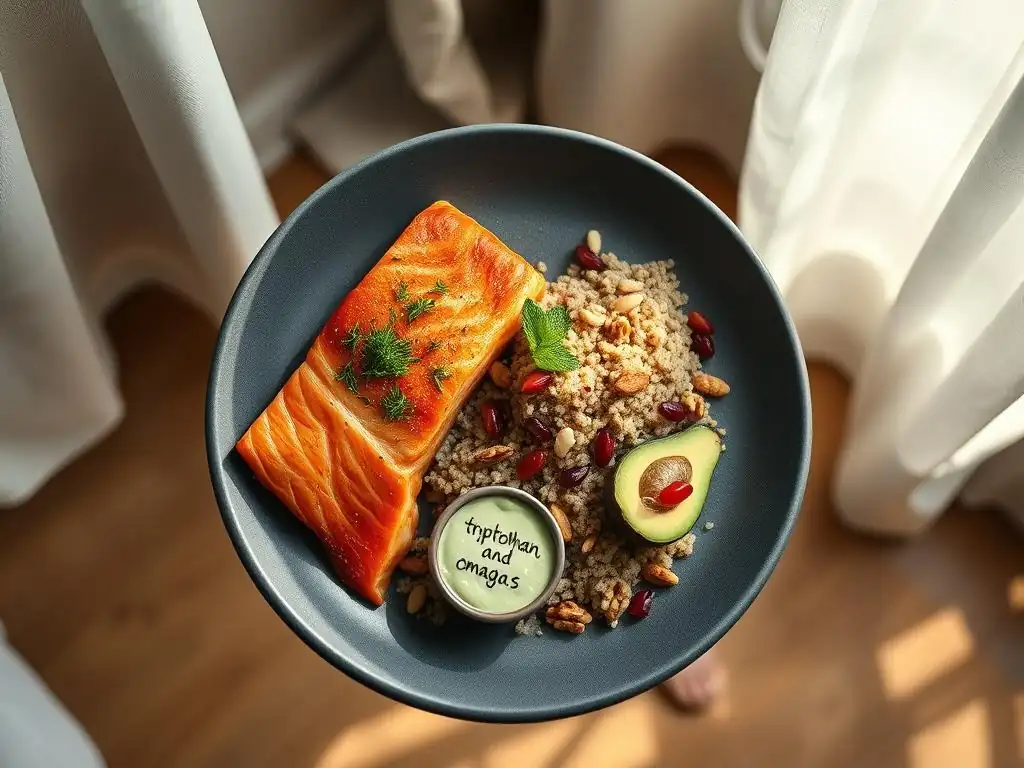
Welcome to Mind Care Guide, your sanctuary for cultivating inner peace.
Feeling overwhelmed by anxiety? You're not alone, and we're here to help. In this space, we believe that even the smallest changes can make a big difference in your mental well-being. Did you know that what you eat can significantly impact your anxiety levels?
Dive into our guide, "The MoodBoosting Plate: Designing Meals to Ease Anxiety," where we explore the power of anxietyreducing foods for mood. Discover how simple dietary adjustments can help you navigate the complexities of anxiety and nourish yourself from the inside out. Ready to craft a happier, healthier you? Let's begin.
The MoodBoosting Plate: Designing Meals to Ease Anxiety
- Understanding the Link Between Diet and Anxiety
- Key Nutrients for Anxiety Relief and Better Mood
- Anxiety-Reducing Foods for Mood: Your Grocery List
- Designing Your Mood-Boosting Meal Plan
- Beyond Food: Lifestyle Factors to Enhance the Anxiety-Reducing Effects of Diet
- Creating a Sustainable and Enjoyable Anxiety-Reducing Diet
- Sample Anxiety-Reducing Meal Plan: A Week of Mood-Boosting Meals
- Conclusion: Embracing a Holistic Approach to Anxiety Management Through Diet
-
Frequently Asked Questions
- What are some anxiety-reducing foods I can easily incorporate into my diet?
- How do anxiety-reducing foods work to improve my mental well-being?
- Does eating a specific diet guarantee a cure for anxiety?
- Can I still enjoy my favorite foods while focusing on anxiety-reducing foods?
- Where can I find more information and support for anxiety management beyond dietary changes?
- Final Reflection: Cultivating Calm Through Culinary Choices
- Unleash Your Inner Chef: Craft Calming Meals Today!
Understanding the Link Between Diet and Anxiety
How Food Impacts Anxiety Levels: A Neurochemical Perspective
The foods we consume have a profound impact on our brain chemistry, influencing neurotransmitter production, energy levels, and overall cognitive function, all of which are intimately linked to anxiety. For instance, fluctuating blood sugar levels, often caused by diets high in refined sugars and processed foods, can trigger the release of adrenaline and cortisol, stress hormones that can exacerbate feelings of anxiety and nervousness. Conversely, consuming complex carbohydrates and lean proteins helps maintain stable blood sugar, promoting a sense of calm and sustained energy.
Furthermore, specific nutrients act as building blocks or cofactors for neurotransmitters like serotonin, dopamine, and gamma-aminobutyric acid (GABA), which play critical roles in mood regulation and anxiety control. Serotonin, often called the "feel-good" neurotransmitter, is largely produced in the gut and requires nutrients like tryptophan, B vitamins, and magnesium for its synthesis. Deficiencies in these essential nutrients can impair neurotransmitter production, potentially contributing to increased anxiety symptoms. Research indicates that individuals with generalized anxiety disorder may have altered levels of certain neurotransmitters, highlighting the importance of nutrient availability through diet.
The Gut-Brain Axis: Its Role in Anxiety and Mood Regulation
The gut-brain axis is a complex bidirectional communication system linking the central nervous system with the enteric nervous system, which governs the gastrointestinal tract. This axis involves neural, hormonal, and immunological signaling, with a significant role played by the trillions of microorganisms residing in our gut – the gut microbiota. These bacteria produce various compounds, including short-chain fatty acids (SCFAs) like butyrate, which can cross the blood-brain barrier and influence brain function, including mood and anxiety.
Emerging research strongly suggests a correlation between gut dysbiosis (an imbalance in gut bacteria) and mood disorders, including anxiety. A diet rich in fiber, prebiotics (which feed beneficial bacteria), and probiotics (beneficial bacteria themselves) supports a healthy gut microbiome. A diverse and balanced gut flora can positively influence neurotransmitter production, reduce inflammation (another factor linked to anxiety), and modulate stress responses, thereby acting as a crucial pathway through which anxiety-reducing foods for mood exert their effects. Studies in both animals and humans have demonstrated that altering the gut microbiome through diet or probiotics can impact anxiety-like behaviors and symptoms.
Key Nutrients for Anxiety Relief and Better Mood
Magnesium: The Anxiety-Fighting Mineral
Magnesium is a vital mineral involved in over 300 biochemical reactions in the body, including nerve function and stress response regulation. It plays a role in the activity of GABA, an inhibitory neurotransmitter that helps calm the nervous system. Low magnesium levels have been associated with increased anxiety, irritability, and poor sleep quality.
While the recommended daily intake of magnesium for adult women is around 310-320 mg and for men around 400-420 mg, many individuals do not meet this requirement through diet alone. Incorporating magnesium-rich anxiety-reducing foods for mood, such as leafy greens (like spinach, which contains about 157 mg per cooked cup), nuts and seeds (pumpkin seeds offer roughly 156 mg per ounce), and legumes, can help ensure adequate intake and support a calmer state.
Vitamin D: Boosting Serotonin and Reducing Anxiety Symptoms
Vitamin D, often synthesized in the skin upon exposure to sunlight, is increasingly recognized for its role beyond bone health, particularly its influence on brain function and mood. Receptors for Vitamin D are found in areas of the brain linked to mood and behavior, and the vitamin is involved in the synthesis of serotonin.
Studies have indicated a link between Vitamin D deficiency and increased risk of depression and anxiety. While sunlight is a primary source, dietary sources are limited but include fatty fish (like salmon, providing about 400-800 IU per 3.5 oz serving), fortified foods (milk, cereals, orange juice), and egg yolks. Ensuring adequate Vitamin D levels through safe sun exposure, diet, or supplementation (under guidance) can be a supportive strategy for managing anxiety.
Omega-3 Fatty Acids: Essential for Brain Health and Mood Stability
Omega-3 fatty acids, particularly EPA (eicosapentaenoic acid) and DHA (docosahexaenoic acid), are polyunsaturated fats crucial for brain structure and function. They are essential components of cell membranes in the brain and have anti-inflammatory properties, which may help mitigate neuroinflammation linked to mood disorders.
Research suggests that omega-3 supplementation may help reduce anxiety symptoms in certain populations. Fatty fish like salmon, mackerel, and sardines are excellent sources, providing significant amounts of EPA and DHA (e.g., a 3-ounce serving of salmon can contain over 1,000 mg combined). Plant-based sources like flaxseeds, chia seeds, and walnuts contain ALA (alpha-linolenic acid), which the body can partially convert to EPA and DHA, making them valuable anxiety-reducing foods for mood for vegetarians and vegans.
B Vitamins: Supporting Nerve Function and Reducing Stress
The B vitamins, including B1 (thiamine), B3 (niacin), B6 (pyridoxine), B9 (folate), and B12 (cobalamin), are a group of water-soluble vitamins essential for energy metabolism, nerve function, and the synthesis of neurotransmitters. Chronic stress and anxiety can deplete B vitamin levels, creating a cycle where deficiency might worsen symptoms.
Folate (B9) and B12, in particular, are involved in the methylation cycle, a biochemical process crucial for the synthesis of neurotransmitters like serotonin and dopamine. Low levels of folate and B12 have been associated with an increased risk of depression and may also play a role in anxiety. Incorporating a variety of B vitamin-rich anxiety-reducing foods for mood like whole grains, leafy greens, legumes, nuts, seeds, and lean meats can help ensure adequate intake. For example, a cup of cooked lentils provides over 350 mcg of folate, close to the recommended daily intake of 400 mcg for adults.
Anxiety-Reducing Foods for Mood: Your Grocery List
Fruits and Vegetables: Nature's Mood Enhancers
Fruits and vegetables are cornerstones of a healthy diet and are packed with vitamins, minerals, fiber, and antioxidants that support overall well-being, including mental health. Their high nutrient density helps combat oxidative stress and inflammation, processes implicated in the development and exacerbation of anxiety. Prioritizing a colorful variety ensures a broad spectrum of beneficial compounds.
Including a generous portion of fruits and vegetables at every meal is a simple yet effective strategy for incorporating anxiety-reducing foods for mood into your daily routine. Aim for 5-7 servings daily, focusing on diversity to maximize nutrient intake. For example, a study involving nearly 60,000 participants found that consuming at least 5 servings of fruits and vegetables daily was associated with lower psychological distress.
Berries: Rich in Antioxidants and Anxiety-Reducing Compounds
Berries like blueberries, strawberries, raspberries, and blackberries are celebrated for their high antioxidant content, including flavonoids and anthocyanins. These powerful compounds help protect brain cells from damage caused by free radicals and reduce inflammation, both of which can contribute to anxiety.
Research suggests that diets high in antioxidants may be associated with lower levels of anxiety and depression. Blueberries, in particular, have been studied for their potential cognitive benefits and are considered excellent anxiety-reducing foods for mood. A cup of blueberries contains roughly 13,427 total antioxidants, making them a potent addition to your anxiety-fighting dietary arsenal.
Leafy Greens: Packed with Magnesium and Folate
Leafy green vegetables such as spinach, kale, Swiss chard, and romaine lettuce are nutritional powerhouses, offering significant amounts of magnesium, folate, and various B vitamins. As previously discussed, magnesium is crucial for calming the nervous system, while folate and B vitamins are essential for neurotransmitter synthesis.
Regular consumption of leafy greens can contribute significantly to meeting your daily requirements for these vital nutrients, supporting nerve function and potentially reducing anxiety symptoms. For instance, one cup of cooked spinach provides about 40% of the daily recommended value for magnesium and over 60% for folate, making it a top choice among anxiety-reducing foods for mood.
Asparagus: High in Folate and Antioxidants
Asparagus is another valuable vegetable for those seeking anxiety relief through diet. It is notably high in folate, a B vitamin essential for mood regulation and cognitive function. Adequate folate intake is linked to a lower risk of depression and may help alleviate anxiety symptoms.
In addition to folate, asparagus contains antioxidants and has mild diuretic properties, which some believe can help reduce feelings of bloat and discomfort that might contribute to anxiety. While specific data on asparagus's direct impact on anxiety is limited, its rich nutrient profile, including approximately 70 mcg of folate per half cup cooked, supports overall brain health and makes it a beneficial component of an anxiety-reducing diet.
Protein Sources: Fueling Brain Function and Mood
Protein is essential for building and repairing tissues, but it also plays a critical role in brain function and mood. Proteins are broken down into amino acids, some of which are precursors to neurotransmitters. Consuming adequate protein throughout the day helps maintain stable blood sugar levels and provides the necessary building blocks for brain health.
Choosing lean protein sources ensures you get the benefits without excessive saturated fat, which can contribute to inflammation. Incorporating protein into each meal and snack is a strategic way to support sustained energy and mood stability, making these key anxiety-reducing foods for mood.
Turkey and Chicken: Providing Tryptophan for Serotonin Production
Lean poultry like turkey and chicken are well-known sources of tryptophan, an essential amino acid that serves as a precursor to serotonin. While the brain's uptake of tryptophan is complex and influenced by other dietary factors (like carbohydrates), ensuring adequate dietary intake of tryptophan is a necessary step in the serotonin synthesis pathway.
Including lean turkey or chicken in meals can contribute to the body's supply of tryptophan, potentially supporting healthy serotonin levels, which are associated with feelings of well-being and calmness. A 3-ounce serving of cooked chicken breast contains roughly 350 mg of tryptophan, providing a solid contribution to your daily needs.
Fish: Rich in Omega-3s and Essential Nutrients
Fatty fish, such as salmon, mackerel, sardines, and herring, are perhaps the most celebrated anxiety-reducing foods for mood due to their high concentration of EPA and DHA omega-3 fatty acids. As discussed earlier, these fats are vital for brain health and have anti-inflammatory effects that can help manage anxiety.
Beyond omega-3s, fish also provides high-quality protein, Vitamin D, and selenium, another mineral with antioxidant properties that supports brain health. Aiming for at least two servings of fatty fish per week is often recommended for optimal omega-3 intake and overall mental well-being.
Eggs: Source of Choline and Essential Amino Acids
Eggs are a versatile and nutrient-dense food, offering high-quality protein, essential amino acids, vitamins (including B vitamins and Vitamin D), and minerals. They are also a significant source of choline, a nutrient important for brain development and function, including the synthesis of acetylcholine, a neurotransmitter involved in memory and mood regulation.
The combination of protein, B vitamins, and choline makes eggs excellent anxiety-reducing foods for mood for breakfast or any meal. The protein helps stabilize blood sugar, while the B vitamins and choline support nervous system health and neurotransmitter production. One large egg contains about 147 mg of choline and provides approximately 6 grams of complete protein.
Complex Carbohydrates: Sustained Energy and Mood Stability
Complex carbohydrates, found in whole grains, legumes, and vegetables, are crucial for providing the brain with a steady supply of glucose, its primary energy source. Unlike simple carbohydrates, which cause rapid spikes and crashes in blood sugar, complex carbohydrates are digested slowly, promoting stable energy levels and preventing mood swings and irritability that can worsen anxiety.
Furthermore, many complex carbohydrate sources are also rich in fiber, which supports gut health – a key component of the gut-brain axis. Incorporating these into your diet is essential for maintaining balanced energy and mood throughout the day.
Whole Grains: Regulating Blood Sugar and Mood Swings
Whole grains, such as oats, brown rice, quinoa, and whole wheat, retain the bran and germ, which are rich in fiber, B vitamins, and minerals like magnesium and selenium. Their high fiber content ensures slow glucose release into the bloodstream, preventing the blood sugar rollercoaster that can trigger anxiety.
Including whole grains as a primary carbohydrate source helps provide sustained energy and supports the nervous system with essential nutrients. For example, a cup of cooked oatmeal provides about 4 grams of fiber and a good source of B vitamins, making it a calming start to the day as one of the effective anxiety-reducing foods for mood.
Legumes: Providing Fiber and Nutrients for Gut Health
Legumes, including beans, lentils, chickpeas, and peas, are nutritional powerhouses. They are excellent sources of plant-based protein, complex carbohydrates, fiber, folate, magnesium, and iron. Their high fiber content is particularly beneficial for feeding gut bacteria, promoting a healthy gut microbiome.
Regular consumption of legumes supports stable blood sugar, provides essential nutrients for brain function, and nurtures the gut-brain axis, all contributing to reduced anxiety. A cup of cooked lentils contains an impressive 15 grams of fiber and about 18 grams of protein, along with significant amounts of folate and magnesium, solidifying their place among valuable anxiety-reducing foods for mood.
Sweet Potatoes: Source of Vitamin A and Fiber
Sweet potatoes are a delicious and nutrient-dense complex carbohydrate. They are rich in fiber and provide a steady release of glucose. They are also an excellent source of Vitamin A (in the form of beta-carotene), Vitamin C, and B6.
The combination of complex carbohydrates, fiber, and vitamins makes sweet potatoes a comforting and calming food choice. Their fiber content supports digestive health, while their nutrient profile supports overall well-being. A medium sweet potato provides about 4 grams of fiber and significantly exceeds the daily recommended intake for Vitamin A, contributing to overall health and resilience against stress.
Designing Your Mood-Boosting Meal Plan
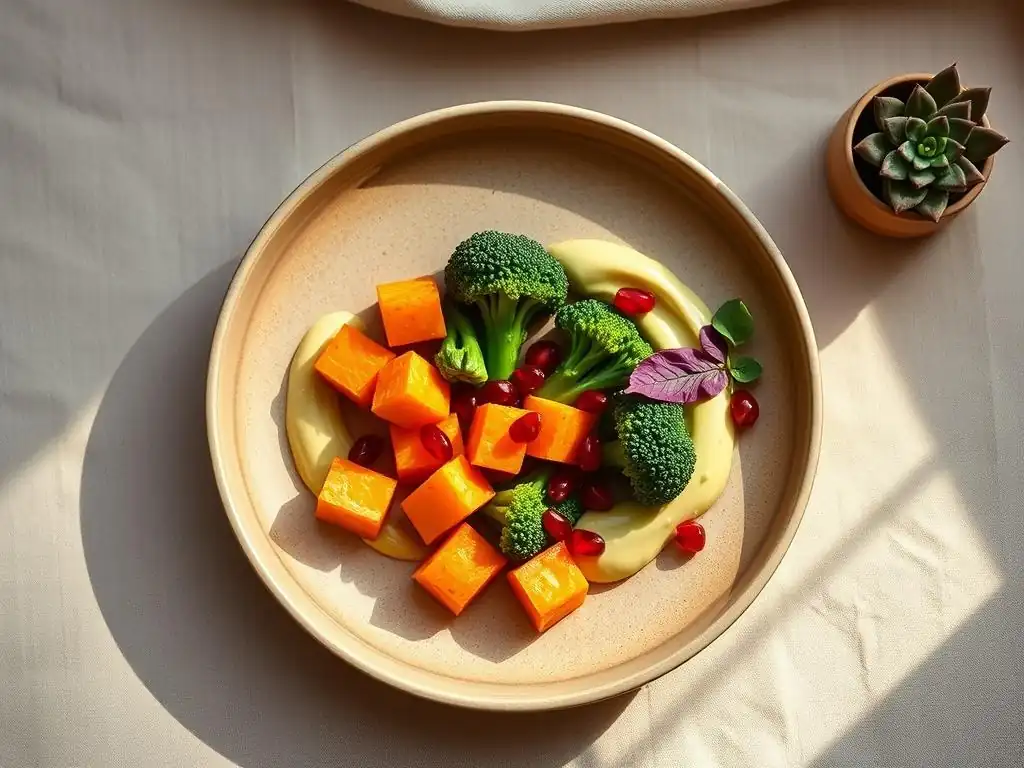
Creating a meal plan centered around anxiety-reducing foods for mood involves incorporating balanced meals and snacks that provide sustained energy and essential nutrients throughout the day. Consistency is key to reaping the benefits of dietary changes for anxiety.
Focus on combining complex carbohydrates, lean protein, healthy fats (like those found in nuts, seeds, avocados, and olive oil), and plenty of fruits and vegetables at each meal. This balance helps stabilize blood sugar, provides necessary nutrients for neurotransmitter synthesis, and keeps you feeling satisfied.
Breakfast Ideas for a Calm and Focused Start
A mood-boosting breakfast sets the tone for the day by providing sustained energy and essential nutrients. Avoid sugary cereals or pastries that can lead to a blood sugar crash.
- Oatmeal made with whole rolled oats, topped with berries, nuts (like walnuts or almonds), and a sprinkle of chia seeds. This combines complex carbs, fiber, antioxidants, omega-3s, and protein.
- Scrambled eggs with spinach and a side of avocado. This provides protein, B vitamins, choline, magnesium, and healthy fats.
- Greek yogurt (plain, unsweetened) with fruit and a small amount of granola containing whole grains and nuts. Offers protein, probiotics (if live cultures are present), and fiber.
Lunch Recipes to Combat Midday Anxiety
Lunch should refuel your body and brain without causing post-meal sluggishness or blood sugar dips.
- Large salad with mixed greens, grilled chicken or chickpeas, various colorful vegetables (bell peppers, carrots, cucumbers), and a dressing made with olive oil and lemon juice. Packed with fiber, protein, vitamins, and healthy fats.
- Lentil soup or a hearty vegetable soup with a side of whole-grain bread. Provides complex carbs, fiber, protein, and numerous vitamins and minerals.
- Turkey and avocado wrap on a whole-wheat tortilla with lettuce and tomato. Offers lean protein, healthy fats, and complex carbohydrates.
Dinner Options for Relaxation and Improved Sleep
Dinner should be nutrient-rich and satisfying but not overly heavy, promoting relaxation and supporting good sleep, which is crucial for anxiety management.
- Baked salmon with roasted sweet potatoes and steamed broccoli. Combines omega-3s, complex carbs, Vitamin A, and magnesium.
- Stir-fry with lean chicken or tofu, mixed vegetables (bok choy, snap peas, carrots), and brown rice, using a light soy-ginger sauce. Provides lean protein, complex carbs, and a wide array of vitamins and minerals.
- Chickpea and vegetable curry with quinoa. Offers plant-based protein, fiber, complex carbs, and anti-inflammatory spices (like turmeric, if included).
Snacking Strategies for Managing Anxiety Between Meals
Smart snacking can help maintain stable blood sugar and nutrient levels between meals, preventing hunger-induced anxiety or irritability.
- A handful of raw almonds or walnuts: Provides healthy fats, protein, and magnesium.
- Apple slices with almond butter: Combines fiber, vitamins, protein, and healthy fats.
- Carrot sticks or cucumber slices with hummus: Offers fiber, protein, and B vitamins.
- A small container of plain Greek yogurt with a few berries: Provides protein and antioxidants.
Beyond Food: Lifestyle Factors to Enhance the Anxiety-Reducing Effects of Diet
While focusing on anxiety-reducing foods for mood is powerful, dietary strategies are most effective when combined with other healthy lifestyle practices. A holistic approach addresses multiple facets of well-being that influence anxiety levels.
Integrating these lifestyle factors alongside dietary changes creates a synergistic effect, amplifying the positive impact on your mood and reducing anxiety symptoms more effectively than diet alone.
The Importance of Hydration for Mental Wellbeing
Dehydration, even mild, can negatively impact mood, concentration, and energy levels, potentially exacerbating anxiety. The brain is composed of about 75% water, and proper hydration is essential for optimal cognitive function and neurotransmitter balance.
Aiming to drink adequate water throughout the day is a simple yet crucial step. The general recommendation is about 8 glasses (around 2 liters), but individual needs vary based on activity level, climate, and overall health. Staying well-hydrated supports all bodily functions, including those involved in stress and anxiety regulation.
Exercise and its Impact on Anxiety and Mood
Regular physical activity is a well-documented stress reducer and mood enhancer. Exercise releases endorphins, natural mood boosters, and helps reduce levels of stress hormones like cortisol. It can also improve sleep quality and provide a healthy distraction from anxious thoughts.
Finding an activity you enjoy, whether it's brisk walking, yoga, swimming, or dancing, and incorporating it regularly into your routine can significantly complement the effects of consuming anxiety-reducing foods for mood. Aim for at least 30 minutes of moderate-intensity exercise most days of the week.
Sleep Hygiene: Optimizing Sleep for Anxiety Management
Chronic sleep deprivation is a significant contributor to anxiety and can make it harder to cope with stress. Poor sleep disrupts hormone balance and can increase activity in the brain's amygdala, the region responsible for processing fear and threat.
Prioritizing 7-9 hours of quality sleep per night is vital. Establishing a consistent sleep schedule, creating a relaxing bedtime routine, ensuring your bedroom is dark, quiet, and cool, and avoiding screens before bed are practices that support good sleep hygiene and enhance the positive effects of dietary changes on anxiety.
Creating a Sustainable and Enjoyable Anxiety-Reducing Diet
Adopting an anxiety-reducing diet doesn't have to be restrictive or boring. The goal is to create sustainable eating habits that support your mental well-being long-term. Focusing on enjoyment and flexibility is key to success.
Making gradual changes, practicing mindful eating, and seeking professional support when needed are strategies that can help you integrate these dietary principles into your life in a way that feels manageable and positive.
Mindful eating involves paying attention to your food, your body's hunger and fullness cues, and the experience of eating without judgment. This practice can help reduce stress around food choices and improve your relationship with eating.
Take time to savor your meals, eat slowly, chew thoroughly, and notice the textures, smells, and flavors of your anxiety-reducing foods for mood. Avoiding distractions like screens while eating can help you become more attuned to your body's signals and make more conscious food choices.
Gradual Changes: Implementing Dietary Changes Without Overwhelm
Overhauling your diet overnight can be overwhelming and difficult to sustain. Instead, focus on making small, gradual changes. Start by incorporating one new habit, such as adding a serving of leafy greens to your dinner or swapping sugary snacks for fruit and nuts.
Once one change feels comfortable, introduce another. This incremental approach makes the process less daunting and increases the likelihood that these positive changes become lasting habits, helping you consistently benefit from anxiety-reducing foods for mood.
Consulting a Professional: When to Seek Expert Guidance
While dietary changes can be a powerful tool for managing anxiety, they are not a substitute for professional medical or mental health care. If you are experiencing significant anxiety, it is crucial to consult with a doctor or therapist.
A registered dietitian or nutritionist specializing in mental health can also provide personalized guidance on creating a meal plan tailored to your specific needs and health status, ensuring you are safely and effectively incorporating anxiety-reducing foods for mood into your lifestyle.
Sample Anxiety-Reducing Meal Plan: A Week of Mood-Boosting Meals

This sample plan provides examples of how to incorporate anxiety-reducing foods for mood into your daily meals. Portions should be adjusted based on individual needs and activity levels.
Day 1:
- Breakfast: Oatmeal with berries and walnuts.
- Lunch: Large mixed green salad with grilled chicken, avocado, and a light vinaigrette.
- Dinner: Baked salmon with roasted sweet potato and steamed asparagus.
- Snack: Apple slices with almond butter.
Day 2:
- Breakfast: Scrambled eggs with spinach and a side of whole-grain toast.
- Lunch: Lentil soup with a small whole-wheat roll.
- Dinner: Turkey meatballs (made with lean ground turkey) with brown rice and broccoli.
- Snack: Greek yogurt with a few berries.
Day 3:
- Breakfast: Greek yogurt with granola (containing whole grains and nuts) and berries.
- Lunch: Leftover turkey meatballs and brown rice.
- Dinner: Chickpea and vegetable curry with quinoa.
- Snack: A handful of almonds.
Day 4:
- Breakfast: Smoothie made with spinach, banana, chia seeds, and almond milk.
- Lunch: Tuna salad (made with plain yogurt or avocado instead of mayo) on whole-grain crackers with cucumber slices.
- Dinner: Baked cod with roasted Brussels sprouts and a small baked potato.
- Snack: Hummus with carrot and cucumber sticks.
Day 5:
- Breakfast: Whole-wheat toast with avocado and a sprinkle of pumpkin seeds.
- Lunch: Leftover baked cod and vegetables.
- Dinner: Lean beef stir-fry with mixed vegetables and brown rice.
- Snack: A small handful of walnuts and a few dried apricots.
Day 6:
- Breakfast: Oatmeal with sliced banana and a tablespoon of flaxseeds.
- Lunch: Large salad with chickpeas, chopped vegetables, and a lemon-tahini dressing.
- Dinner: Roasted chicken breast with quinoa and steamed green beans.
- Snack: Apple slices with a small slice of cheese.
Day 7:
- Breakfast: Scrambled eggs with mushrooms and tomatoes.
- Lunch: Leftover roasted chicken and quinoa salad.
- Dinner: Salmon patties (made with canned salmon) with a side salad and sweet potato fries.
- Snack: Plain Greek yogurt with a drizzle of honey.
Conclusion: Embracing a Holistic Approach to Anxiety Management Through Diet
Understanding the intricate connection between what we eat and how we feel is a powerful step towards managing anxiety. By focusing on incorporating anxiety-reducing foods for mood – those rich in magnesium, B vitamins, omega-3s, and complex carbohydrates – we can actively support our brain health and nervous system function.
Building a plate centered around colorful fruits and vegetables, lean proteins, healthy fats, and whole grains provides the essential nutrients needed for neurotransmitter synthesis, stable energy levels, and a healthy gut microbiome. While diet is a significant piece of the puzzle, remember that it works best when combined with adequate hydration, regular exercise, sufficient sleep, and professional support when necessary. Embracing these dietary and lifestyle strategies offers a proactive and empowering path towards finding greater calm and improving your overall mood.
Frequently Asked Questions
What are some anxiety-reducing foods I can easily incorporate into my diet?
Foods rich in omega-3 fatty acids, like salmon and flaxseeds, and those high in magnesium, such as leafy greens and dark chocolate, are good choices. These nutrients play a role in regulating mood.
How do anxiety-reducing foods work to improve my mental well-being?
Certain nutrients, like antioxidants and vitamins, help reduce inflammation and support neurotransmitter function. This can lead to a more balanced mood and reduced anxiety symptoms.
Does eating a specific diet guarantee a cure for anxiety?
No, anxiety-reducing foods are not a cure. They are a complementary approach that can support mental well-being alongside other treatments, like therapy and medication.
Can I still enjoy my favorite foods while focusing on anxiety-reducing foods?
Absolutely! It's about balance. Focus on incorporating more mood-boosting foods into your diet without completely restricting your favorite treats.
Where can I find more information and support for anxiety management beyond dietary changes?
Mind Care Guide offers a wealth of resources, including articles, support groups, and information on various mental health challenges. Consider exploring those resources for comprehensive support.
Final Reflection: Cultivating Calm Through Culinary Choices
The connection between what we eat and how we feel is undeniable, and in our increasingly anxious world, understanding this link is more crucial than ever. The power of food to soothe a racing mind and calm a frazzled nervous system is not just a trendy wellness concept; it's a fundamental truth with profound implications for our mental well-being. We've explored the science behind anxiety-reducing foods and how strategic meal planning can become a powerful tool in managing stress and promoting emotional resilience.
This journey into the "MoodBoosting Plate" has been a deeply personal one, highlighting the often-overlooked role of nutrition in mental health. I've come to appreciate the subtle yet significant impact of mindful eating on my own anxiety levels. The food we eat can influence our mood, our energy levels, and even our ability to cope with stress,
a sentiment echoed by countless experts and personal experiences. The simple act of choosing nourishing foods becomes an act of self-care, a conscious decision to prioritize mental well-being alongside physical health. This isn't about restrictive dieting; it's about cultivating a mindful relationship with food, one that supports both body and mind.
Now, I invite you to consider your own relationship with food and anxiety. What small changes can you make to your diet to better support your mental well-being? Perhaps it's incorporating more magnesium-rich foods, experimenting with calming herbal teas, or simply taking the time to savor each bite with intention. Remember, the journey to a calmer, more resilient you begins with one mindful meal at a time. Embrace the power of the "MoodBoosting Plate" and discover the transformative potential of food in your own life.
Unleash Your Inner Chef: Craft Calming Meals Today!
Thanks for taking the time to explore the power of food in managing anxiety! We hope you found practical tips to build a mood-boosting plate. Now it's time to put your newfound knowledge into action.
- Design your first anxiety-reducing meal: Choose 2-3 recipes from the article or get creative with your own combinations, focusing on the ingredients highlighted for their calming effects. This is your primary step to a more peaceful you!
- Share your culinary creations: Snap a photo of your mood-boosting masterpiece and share it on social media, using #MindCareMeal. Let's inspire others to nourish their minds!
- Explore our recipe archive: Dive deeper into our collection of anxiety-friendly recipes for even more delicious options to help manage your stress levels.
What calming ingredient are you most excited to incorporate into your next meal?