
Anxiety Management: Cultural Perspectives and Adapted Therapy Approaches


Welcome to Mind Care Guide, a sanctuary for your mental well-being.
Feeling overwhelmed by anxiety? You're not alone. We understand the unique challenges life presents, and we're here to offer support. Explore our comprehensive guide to mental health, starting with our featured article on Cultural anxiety management techniques effective. Discover time-tested strategies from around the world that might just hold the key to a calmer, more centered you. Ready to unlock a new perspective on managing your anxiety? Let's begin...
- Anxiety Management: Cultural Perspectives and Adapted Therapy Approaches - A Mind Care Guide
- Cultural Variations in Anxiety Expression and Perception
- Cultural Anxiety Management Techniques: Effective Strategies
- Adapting Therapy Approaches for Cultural Sensitivity
- Case Studies: Illustrating Culturally Informed Anxiety Management
- Bridging the Gap: Integrating Cultural Practices with Modern Therapy
- Resources for Culturally Sensitive Anxiety Treatment
- Conclusion: Promoting Inclusive and Effective Anxiety Care
-
Frequently Asked Questions
- How do cultural perspectives influence the experience of anxiety?
- What are some examples of cultural anxiety management techniques?
- How can traditional therapy be adapted to be more culturally sensitive?
- Why is it important to consider cultural background in anxiety treatment?
- Where can I find resources for culturally adapted anxiety management?
- Final Reflection: Weaving a Tapestry of Understanding in Anxiety Management
- Unlock Your Calm: Practical Steps to Manage Anxiety
Anxiety Management: Cultural Perspectives and Adapted Therapy Approaches - A Mind Care Guide
The Importance of Cultural Sensitivity in Anxiety Treatment
Anxiety is a universal human experience, but how it is understood, expressed, and treated varies significantly across cultures. Recognizing these differences is not merely a matter of politeness; it is fundamental to providing effective care. Ignoring cultural context can lead to misdiagnosis, ineffective treatment plans, and decreased trust between clients and therapists. A culturally sensitive approach acknowledges that a person's beliefs, values, family structure, and historical experiences shape their perception of mental health challenges like anxiety and influence which coping strategies and cultural anxiety management techniques effective they might find helpful.
Furthermore, cultural sensitivity impacts access to and engagement with mental health services. For individuals from cultures where mental health stigma is high, or where traditional healing practices are preferred, Western-style therapy might be perceived as alien or even threatening. Understanding these perspectives allows practitioners to build rapport, adapt communication styles, and incorporate culturally relevant elements into treatment, making interventions more accessible and acceptable. This empathetic understanding is crucial for ensuring that individuals receive care that respects their background and promotes healing within their own cultural framework.
Defining Anxiety: A Cross-Cultural Perspective
While diagnostic criteria for anxiety disorders exist in Western frameworks like the DSM-5, the concept and experience of "anxiety" are not uniformly defined or recognized globally. In some cultures, distress might be expressed primarily through physical symptoms (somatization) rather than psychological or emotional ones. For example, worries about finances or social standing might manifest as headaches, stomach issues, or fatigue, without the individual labeling it as "anxiety" in the Western sense.
Cross-cultural research highlights this diversity. Studies have shown that while core components of anxiety like worry or fear exist everywhere, the objects of worry, the intensity of expression, and the social acceptance of expressing distress vary widely. In some cultures, overt displays of fear or worry might be discouraged as a sign of weakness, leading individuals to suppress emotional expression or seek help only when physical symptoms become unbearable. Therefore, a culturally informed understanding of anxiety requires looking beyond standard definitions and exploring how distress is understood and communicated within a person's specific cultural context.
Cultural Variations in Anxiety Expression and Perception
Somatization of Anxiety: Cultural Manifestations
Somatization, the experience and expression of psychological distress through physical symptoms, is a well-documented phenomenon that varies significantly across cultures. In many non-Western societies, it is more common and socially acceptable to report physical ailments like headaches, dizziness, fatigue, or digestive problems when experiencing anxiety or depression, rather than discussing feelings of worry, sadness, or nervousness. This can be influenced by cultural beliefs about the mind-body connection, linguistic limitations in describing emotional states, or societal norms that stigmatize psychological vulnerability.
For instance, research among certain Asian populations has shown a higher tendency to report somatic symptoms when distressed compared to Western populations. Similarly, individuals from some Mediterranean or Latin American cultures may also frequently express psychological distress through physical complaints. This cultural pattern means that healthcare providers, particularly those trained in Western models, must be vigilant in assessing for underlying anxiety when presented with a cluster of unexplained physical symptoms, as these may be the primary way anxiety is being communicated.
Stigma and Mental Health: Impact on Seeking Anxiety Treatment Across Cultures
Stigma surrounding mental health is a significant barrier to seeking help globally, but its nature and intensity differ culturally. In many cultures, mental illness is attributed to moral failing, spiritual causes, bad luck, or bringing shame upon the family. This can lead to profound fear of judgment, social exclusion, and discrimination, discouraging individuals from acknowledging their anxiety or seeking professional help. The fear of being labeled "crazy" or weak often outweighs the desire for relief from distressing symptoms.
The impact of stigma is often amplified in collectivist cultures where the individual's well-being is closely tied to the family's reputation. Seeking mental health treatment might be seen as a private matter that should not be aired publicly, or as an admission of failure that reflects poorly on the entire family unit. This deep-seated fear can prevent individuals from even discussing their anxiety with loved ones, isolating them further and delaying access to potentially effective cultural anxiety management techniques effective within therapeutic settings. Addressing this stigma often requires community-level interventions and culturally sensitive public education campaigns.
Cultural Norms and Emotional Expression: How Culture Shapes Anxiety Response
Cultural norms heavily influence how individuals are taught to perceive, experience, and express emotions, including anxiety. Some cultures encourage open emotional expression, while others value emotional restraint, stoicism, or indirect communication. These norms impact how anxiety is felt and how readily someone might disclose their distress or seek support. For example, in cultures that emphasize self-reliance and emotional control, individuals may suppress feelings of anxiety, leading to internalized distress or somatic symptoms.
Conversely, cultures that value communal support and interdependence may encourage sharing burdens, potentially leading to more overt expressions of anxiety within trusted social circles. However, even within cultures that encourage emotional expression, the type of emotion deemed acceptable can vary. Worry about family harmony or fulfilling social obligations might be more culturally sanctioned than expressing personal fears about the future. Understanding these nuances is vital for therapists to interpret a client's presentation accurately and to suggest cultural anxiety management techniques effective that align with their comfort level and cultural background regarding emotional disclosure.
Cultural Anxiety Management Techniques: Effective Strategies
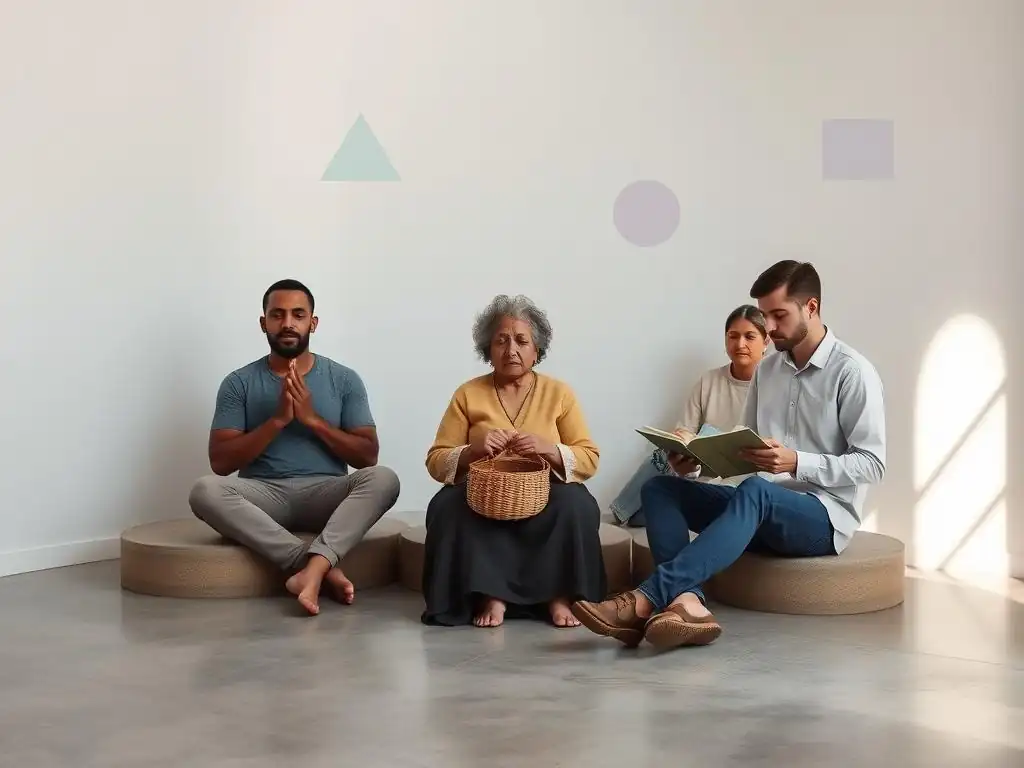
Traditional Healing Practices for Anxiety Relief
Across the globe, numerous traditional healing practices have been used for centuries to address various forms of distress, including what might be understood as anxiety. These practices are deeply embedded in cultural beliefs, worldviews, and community life. They often involve rituals, ceremonies, herbal remedies, and spiritual interventions aimed at restoring balance, harmony, or connection within the individual, their community, and the natural or spiritual world. While not always aligning with Western medical models, these practices often provide comfort, meaning, and a sense of agency for those who adhere to them.
Examples of such practices include Indigenous healing ceremonies focused on spiritual cleansing or connection to nature, traditional Chinese medicine approaches like acupuncture and Qigong aimed at balancing vital energy (Qi), or African healing rituals involving drumming, dance, and community participation to address spiritual or social disharmony perceived as the root of distress. For many people, these traditional methods are the first, and sometimes only, line of defense against anxiety, representing trusted cultural anxiety management techniques effective within their own belief systems.
Mindfulness and Meditation in Different Cultural Contexts
Mindfulness and meditation, often presented as modern stress-reduction techniques in the West, have deep roots in various cultural and religious traditions, particularly in Eastern philosophies like Buddhism, Hinduism, and Taoism. These practices involve cultivating present moment awareness, often through focusing on breath, body sensations, or observing thoughts without judgment. While the core practice may seem similar, their purpose and context can differ significantly from secular Western applications.
In their traditional contexts, mindfulness and meditation are often part of a broader spiritual or ethical path aimed at achieving enlightenment, self-transcendence, or cultivating compassion, rather than solely for symptom reduction. However, their application as cultural anxiety management techniques effective is increasingly recognized. Secular mindfulness-based interventions (like MBSR or MBCT) adapt these ancient practices for clinical use, demonstrating effectiveness in reducing anxiety symptoms by helping individuals manage racing thoughts and emotional reactivity. The cultural origins and spiritual dimensions may still be important for individuals from those cultural backgrounds, influencing how they perceive and engage with these techniques.
Herbal Remedies and Traditional Medicine for Anxiety
The use of herbal remedies and traditional medicinal plants to alleviate symptoms of anxiety and promote relaxation is a practice found in nearly every culture worldwide. Knowledge of specific plants and their properties has been passed down through generations, often within families or communities of traditional healers. Examples include the use of Chamomile, Valerian root, and Lemon Balm in European traditions; Kava in Pacific Island cultures; Ashwagandha in Ayurvedic medicine (India); and various herbal formulas in Traditional Chinese Medicine.
While many of these traditional remedies are used anecdotally or based on long-standing cultural practice, scientific research is increasingly exploring their efficacy and mechanisms of action. For instance, studies have investigated compounds in Valerian or Kava for their potential anxiolytic effects. It is crucial to note that the use of herbal remedies should ideally be discussed with healthcare professionals, as they can interact with medications or have side effects. Nevertheless, for many individuals, these culturally embedded practices represent accessible and trusted cultural anxiety management techniques effective that resonate with their beliefs about health and healing.
Social Support Systems and Community Involvement in Anxiety Management
Social support and community integration are powerful buffers against stress and anxiety across all cultures, but the form and function of these support systems vary. In many collectivist cultures, family and community ties are exceptionally strong and serve as a primary source of emotional, practical, and financial support during times of distress. Sharing problems with trusted family members, elders, or community leaders is a common and culturally sanctioned way of coping with anxiety.
Community involvement, whether through religious institutions, cultural associations, or neighborhood groups, also provides a sense of belonging and shared identity that can reduce feelings of isolation often associated with anxiety. Rituals, celebrations, and communal activities within these groups offer opportunities for connection and collective coping. These robust social networks represent potent cultural anxiety management techniques effective that provide a sense of security and shared responsibility, contrasting with the more individualistic approaches often emphasized in Western contexts.
The Role of Spirituality and Religion in Coping with Anxiety
Spirituality and religion play a profound role in the lives of billions of people and often serve as significant resources for coping with anxiety and distress. Religious or spiritual beliefs can provide individuals with a framework for understanding suffering, a sense of purpose, hope for the future, and a connection to something larger than themselves. Practices such as prayer, meditation, attending religious services, reading sacred texts, and participating in rituals can offer comfort, reduce feelings of helplessness, and foster resilience.
Furthermore, religious institutions often serve as vital community hubs, providing social support networks, guidance from religious leaders, and opportunities for service, all of which can mitigate anxiety. Studies have shown that strong religious coping can be associated with lower levels of anxiety in various populations. For many, faith-based practices are not merely coping mechanisms but are deeply integrated cultural anxiety management techniques effective that provide meaning and strength in the face of life's challenges, including mental health struggles.
Adapting Therapy Approaches for Cultural Sensitivity
Challenges in Implementing Western Therapy in Diverse Cultural Settings
Implementing therapeutic approaches developed primarily in Western, individualistic contexts presents numerous challenges when working with individuals from diverse cultural backgrounds. These challenges include differences in communication styles (e.g., direct vs. indirect), varying comfort levels with disclosing personal information to strangers, different understandings of the causes of distress (e.g., internal psychological factors vs. external social/spiritual factors), and differing expectations about the role of a therapist (e.g., facilitator vs. expert advisor).
Moreover, concepts central to some Western therapies, such as individual autonomy, self-exploration, or assertiveness, may conflict with cultural values emphasizing collectivism, respect for elders, or group harmony. For example, encouraging a client to express their individual needs assertively might be counterproductive in a culture where group consensus is paramount. Without careful adaptation, these therapies can be perceived as irrelevant, culturally insensitive, or even harmful, leading to high dropout rates and poor treatment outcomes.
Culturally Adapted Cognitive Behavioral Therapy (CBT) for Anxiety
Culturally Adapted Cognitive Behavioral Therapy (CA-CBT) represents a significant step towards making evidence-based treatments more accessible and effective for diverse populations. Instead of simply translating materials, CA-CBT involves modifying the core principles and techniques of standard CBT to align with the client's cultural context, beliefs, and values. This process is collaborative, involving input from clients, community members, and bicultural therapists.
Adaptations can include incorporating cultural idioms of distress, using culturally relevant metaphors and examples, involving family members when culturally appropriate, addressing culture-specific stressors (like discrimination or acculturation challenges), and integrating traditional coping strategies. Research indicates that CA-CBT can be more effective than standard CBT for certain cultural groups, demonstrating the value of tailoring interventions to fit the client's specific cultural landscape and leveraging existing cultural anxiety management techniques effective within their community.
Adapting CBT Techniques to Address Cultural Beliefs and Values
Adapting CBT techniques requires a deep understanding of the client's cultural framework. For example, cognitive restructuring, a core CBT technique, involves identifying and challenging unhelpful thought patterns. When applied cross-culturally, this might involve exploring cultural beliefs about fate, destiny, or external locus of control that influence how a person perceives their ability to manage anxiety. Instead of solely focusing on individual thoughts, the therapist might help the client examine how their thoughts align or conflict with community values or religious teachings.
Behavioral techniques, such as exposure therapy, might also need adaptation. If anxiety is tied to cultural rituals or social obligations, exposure exercises might need to be designed in a way that respects cultural norms while still challenging avoidance. For instance, gradual exposure to feared social situations might involve practicing interactions within culturally safe contexts first. The effectiveness of these cultural anxiety management techniques effective within a CBT framework depends heavily on the therapist's ability to flexibly apply techniques while respecting and integrating the client's cultural reality.
Incorporating Cultural Metaphors and Analogies in Therapy
Using cultural metaphors, proverbs, stories, and analogies can significantly enhance communication and rapport in therapy, making complex psychological concepts more relatable. Metaphors drawn from a client's cultural background can help illustrate CBT principles in a way that resonates deeply. For example, explaining the concept of cognitive distortions using a folktale about misperception or using an analogy related to farming or weaving to describe building coping skills can make the process more understandable and less alienating.
A therapist working with someone from a culture that values resilience might use metaphors related to overcoming hardship or weathering storms to frame the process of managing anxiety. Incorporating proverbs or wise sayings from the client's culture can also validate their existing knowledge and provide familiar frameworks for understanding psychological challenges and potential solutions. This approach leverages existing cultural wisdom as powerful cultural anxiety management techniques effective within the therapeutic dialogue, fostering a stronger therapeutic alliance.
Considerations for Language and Communication in Therapy
Language is perhaps the most immediate and critical factor in cross-cultural therapy. Providing therapy in the client's preferred language is ideal, but even when using a common language, differences in linguistic nuances, idioms, and communication styles must be considered. Direct communication, valued in some Western cultures, might be perceived as rude or aggressive in cultures that favor indirectness and subtlety. A client might express disagreement or discomfort through non-verbal cues or by agreeing verbally while inwardly disagreeing.
Using qualified cultural interpreters when language barriers exist is essential, but it's also important to work with interpreters who understand mental health concepts and can convey not just words but also cultural context and emotional tone. Therapists must be mindful of their own communication style, adjusting their pace, use of jargon, and level of formality to match the client's comfort level and cultural expectations. Effective communication is the foundation upon which successful cultural anxiety management techniques effective are built in therapy.
Case Studies: Illustrating Culturally Informed Anxiety Management
Case Study 1: Anxiety Management in a Collectivist Culture
Consider Maria, a 45-year-old woman from a culture where family honor and collective well-being are highly valued. She presents with symptoms of anxiety: constant worry about her children's future, difficulty sleeping, and physical complaints like stomachaches. In her culture, discussing personal worries outside the family is uncommon, and seeking help for "nerves" might be seen as a sign of personal weakness that reflects poorly on her family. She initially sought help from a traditional healer who performed rituals to restore balance, which provided some temporary relief but didn't fully address her pervasive worry.
A culturally informed therapist would recognize Maria's somatization and reluctance to discuss personal feelings openly. Therapy might involve incorporating family members (with Maria's consent) into some sessions to provide support and normalize her experience within the family context. Cognitive restructuring might focus on challenging worries through a lens of family responsibility and using cultural proverbs about resilience.
Behavioral strategies might involve gradually increasing social activities within her cultural community rather than focusing solely on individual challenges. Integrating her positive experience with traditional rituals as a coping resource, rather than dismissing it, would also be crucial for delivering cultural anxiety management techniques effective that align with her worldview.
Case Study 2: Addressing Stigma and Seeking Help in a Specific Community
Consider Ali, a 28-year-old man from a community where mental health issues are highly stigmatized and often attributed to lack of faith or moral failing. He experiences severe social anxiety, making it difficult for him to participate in community gatherings or even leave his home. He feels immense shame and fear of judgment, preventing him from discussing his struggles with anyone, including his family. He believes his anxiety is a personal failing he must overcome alone, but his attempts have been unsuccessful, leading to increasing isolation.
A culturally sensitive approach for Ali would prioritize building trust and addressing the internalized stigma directly but empathetically. The therapist might normalize his experience by discussing stress and worry as common human challenges, perhaps referencing figures or stories from his cultural or religious tradition who faced adversity. Psychoeducation about anxiety might be framed in a way that de-links it from moral judgment.
Behavioral exposure might begin with very small steps within a safe, controlled environment, respecting his fear of public scrutiny. Connecting him with culturally appropriate support groups, perhaps faith-based ones if available, could be a powerful cultural anxiety management techniques effective that leverages community support while respecting his need for privacy and understanding within his cultural context.
Bridging the Gap: Integrating Cultural Practices with Modern Therapy

Collaboration Between Mental Health Professionals and Traditional Healers
An increasingly recognized approach to providing holistic and culturally relevant care is fostering collaboration between Western-trained mental health professionals and traditional healers. In many communities, traditional healers are highly respected and trusted figures, deeply embedded in the social fabric. They are often the first point of contact for individuals experiencing distress and hold significant influence. Dismissing their role or practices can alienate clients and miss valuable opportunities for coordinated care.
Collaboration can take various forms, from mutual referral systems to co-facilitating sessions or simply engaging in dialogue to understand each other's approaches. Acknowledging and respecting traditional healing practices, even if their mechanisms differ from biomedical explanations, validates the client's experience and belief system. Integrating traditional practices that are safe and beneficial (like certain meditation techniques or community rituals) alongside modern therapy can create a more effective and acceptable treatment plan, leveraging the strengths of both systems to provide cultural anxiety management techniques effective that resonate with the individual and their community.
Developing Culturally Competent Mental Health Services
Developing culturally competent mental health services is an ongoing process that goes beyond individual therapist training. It requires systemic changes within mental health organizations and institutions. This includes recruiting and retaining a diverse workforce that reflects the communities served, providing mandatory cultural competency training for all staff (clinical and administrative), developing language access services (including skilled interpreters), and creating culturally relevant outreach and education programs.
Furthermore, organizations should engage with community leaders and members to understand their needs and preferences regarding mental health care. This might involve adapting clinic environments to feel more welcoming, offering flexible appointment times to accommodate cultural practices or work schedules, and integrating cultural anxiety management techniques effective into program offerings, such as group therapy models that incorporate collective coping strategies or mindfulness practices rooted in local traditions. Culturally competent services are essential for reducing disparities in mental health care access and outcomes.
Resources for Culturally Sensitive Anxiety Treatment
Organizations Providing Culturally Adapted Mental Health Services
Several national and local organizations are dedicated to providing mental health services that are sensitive and adapted to the needs of diverse cultural groups. These organizations often have staff who share cultural backgrounds with the clients, offer services in multiple languages, and incorporate culturally relevant therapeutic approaches. Examples include organizations focusing on specific ethnic communities (e.g., Asian American, Latino, African American mental health associations) or those specializing in refugee and immigrant populations.
These organizations often serve as vital bridges, connecting individuals with care that understands their unique challenges, such as acculturation stress, intergenerational conflict, or the impact of discrimination. They frequently integrate cultural anxiety management techniques effective that are familiar and comforting to clients, such as family-focused interventions or community-based support groups. Searching for mental health providers or clinics that specifically mention cultural competency or specialize in serving particular communities can be a crucial step for individuals seeking relevant support.
Books and Articles on Cultural Perspectives on Anxiety
For those interested in delving deeper into the intersection of culture and anxiety, a wealth of academic literature, books, and articles explore these topics. These resources provide insights into how anxiety is conceptualized and experienced in different parts of the world, discuss the challenges of cross-cultural mental health care, and highlight examples of successful culturally adapted interventions.
Key texts and research often cover topics such as culture-bound syndromes related to anxiety, the impact of migration and trauma on mental health in specific populations, and the effectiveness of various cultural anxiety management techniques effective used globally. Reading such materials can broaden understanding for both individuals seeking help and practitioners aiming to provide more informed and empathetic care, emphasizing that mental well-being is deeply intertwined with cultural context.
Conclusion: Promoting Inclusive and Effective Anxiety Care
The Future of Culturally Sensitive Anxiety Management
The future of effective anxiety management lies in embracing cultural diversity as a strength, not a barrier. Moving forward, mental health systems must continue to evolve beyond Western-centric models to incorporate a broader understanding of human distress and healing. This involves ongoing research into the effectiveness of traditional and cultural anxiety management techniques effective when integrated with modern approaches, further development and dissemination of culturally adapted therapies, and systemic changes to make services truly accessible and relevant for all.
Training for mental health professionals must increasingly emphasize cultural humility – a lifelong commitment to learning about others' cultures, recognizing one's own biases, and approaching each client as the expert on their own cultural experience. Ultimately, promoting inclusive and effective anxiety care means ensuring that everyone, regardless of their cultural background, can access support that respects their identity, leverages their community strengths, and helps them navigate anxiety in a way that is meaningful and healing within their own cultural world.
Frequently Asked Questions
How do cultural perspectives influence the experience of anxiety?
Cultural norms and values shape how individuals perceive and express anxiety. Different cultures may have varying levels of stigma associated with mental health issues, impacting help-seeking behaviors. Understanding these nuances is crucial for effective anxiety management.
What are some examples of cultural anxiety management techniques?
Techniques vary widely, including practices like mindfulness meditation adapted to specific cultural contexts, traditional healing rituals, and community-based support systems. These methods often emphasize holistic well-being and connection to one's cultural heritage.
How can traditional therapy be adapted to be more culturally sensitive?
Therapists can adapt their approach by incorporating cultural values and beliefs into the treatment plan. This might involve using culturally relevant metaphors, addressing cultural stressors, and collaborating with traditional healers.
Why is it important to consider cultural background in anxiety treatment?
Ignoring cultural background can lead to misdiagnosis and ineffective treatment. Culturally sensitive care ensures that interventions are relevant and acceptable to the individual, fostering trust and improving outcomes.
Where can I find resources for culturally adapted anxiety management?
Mind Care Guide offers information and resources on various mental health challenges, including cultural anxiety management techniques. Look for community organizations and mental health professionals specializing in culturally competent care.
Final Reflection: Weaving a Tapestry of Understanding in Anxiety Management
The pervasive nature of anxiety in our globally interconnected world demands a nuanced approach that transcends simple, one-size-fits-all solutions. Understanding and addressing anxiety effectively requires acknowledging the profound influence of culture on its manifestation and treatment. Ignoring this crucial element renders our therapeutic efforts incomplete and potentially ineffective.
The exploration of cultural perspectives in anxiety management has been a deeply enriching journey, highlighting the rich diversity of coping mechanisms and therapeutic approaches across different societies. It underscores the importance of moving beyond a purely biomedical model and embracing a holistic understanding of the human experience. The mind is not a vessel to be filled, but a fire to be kindled.
– Plutarch. This quote beautifully encapsulates the need to ignite individual resilience and empowerment through culturally sensitive interventions, rather than simply suppressing symptoms. The ongoing dialogue surrounding culturally adapted therapies is vital for ensuring equitable access to effective mental healthcare for all.
Consider the implications of this exploration for your own life. Are you aware of the cultural influences shaping your understanding of anxiety and your approach to managing it? I invite you to reflect on your own experiences and explore how incorporating culturally sensitive strategies might enhance your well-being and resilience. By embracing a more inclusive and understanding approach to anxiety management, we can collectively build a future where mental health support is truly accessible and effective for everyone, regardless of their cultural background.
Unlock Your Calm: Practical Steps to Manage Anxiety
Thank you for taking the time to explore the diverse world of anxiety management with us! We hope you gained valuable insights into cultural perspectives and tailored therapy approaches. Now it's time to put this knowledge into action.
Here are a few ways you can continue your journey towards a calmer you:
- Prioritize one practical technique from the article that resonated most with you and try it consistently for a week. Notice how it impacts your daily life.
- Share your key takeaway from the article on social media – perhaps a specific coping mechanism or cultural perspective that surprised you. Let's create a supportive community!
- Explore additional resources on our website (MindCareGuide.org) focusing on culturally-sensitive mental health practices. There's a wealth of information waiting to be discovered.
What small step will you take today to nurture your mental well-being?