
Quick Body Scan: Find Calm in 3 Minutes


Welcome to Mind Care Guide, a sanctuary for your mental well-being.
Feeling overwhelmed? It's okay, you're not alone. Many find solace in simple practices. This week, we delve into a powerful technique to ground yourself: Body scan meditation calm. Discover how just three minutes can bring you back to the present moment, easing anxiety and fostering inner peace. Intrigued? Let's explore how this accessible method can transform your day.
Quick Body Scan: Find Calm in 3 Minutes - Mind Care Guide
- Introduction: Discover Inner Peace with a 3-Minute Body Scan Meditation
- Understanding Body Scan Meditation for Calm
- Step-by-Step Guide: The 3-Minute Body Scan for Immediate Calm
- Tips for a Successful 3-Minute Body Scan Meditation
- Integrating Body Scan Meditation into Daily Life for Lasting Calm
- Body Scan Meditation: Beyond the 3-Minute Practice
- Conclusion: Embrace the Power of the Body Scan for Daily Calm and Well-being
-
Frequently Asked Questions
- What is a body scan meditation and how does it relate to finding calm?
- How long does a typical body scan meditation take, and is a 3-minute version effective?
- How does a body scan meditation specifically help with mental well-being?
- Can anyone practice body scan meditation, or are there any contraindications?
- How often should I practice body scan meditation to experience its benefits?
- Final Reflection: Unlocking Inner Peace Through the Power of Presence
- Unlock Your Inner Calm: Start Your Journey Now!
Introduction: Discover Inner Peace with a 3-Minute Body Scan Meditation
The Power of Mindfulness: Achieving Calm Through Body Awareness
Mindfulness is the practice of intentionally bringing your attention to the present moment without judgment. It's a powerful tool for navigating the complexities of modern life, which often pull our minds into worrying about the future or dwelling on the past. By cultivating mindfulness, we learn to observe our thoughts, feelings, and physical sensations as they arise, fostering a sense of calm and clarity amidst the internal and external noise. This practice isn't about emptying the mind, but rather about changing our relationship with our thoughts and experiences, allowing us to respond more skillfully to stress and challenges.
Developing mindfulness can significantly impact mental well-being. Studies have shown that regular mindfulness practice can lead to measurable changes in brain activity associated with stress reduction and emotional regulation. For instance, research indicates that mindfulness can decrease activity in the amygdala, the brain's fear center, while increasing connectivity to the prefrontal cortex, which is involved in higher-level functions like planning and decision-making. This neurological shift supports a greater capacity for finding calm and maintaining emotional balance, even when faced with difficult situations.
Why a Quick Body Scan? Benefits for Mental Well-being
In our fast-paced world, finding extended periods for meditation can be challenging. This is where a quick body scan, specifically a 3-minute version, becomes an incredibly valuable tool. It offers an accessible entry point into mindfulness, requiring minimal time and no special equipment, making it perfect for busy schedules. The brevity of the practice means it can be performed almost anywhere – at your desk, on public transport, or even while waiting in line – providing immediate relief when stress begins to build.
The benefits of even a brief body scan for mental well-being are notable. It helps to ground you in the present moment, pulling your awareness away from anxious thoughts or worries. By systematically bringing attention to different parts of the body, you interrupt the cycle of rumination and activate the parasympathetic nervous system, promoting relaxation.
Many individuals report feeling a significant reduction in tension and a greater sense of peace after just a few minutes of this simple body scan meditation. It's a practical technique for anyone seeking a quick path to feeling more centered and finding calm amidst daily pressures.
Understanding Body Scan Meditation for Calm
What is a Body Scan? A Simple Explanation
A body scan is a mindfulness meditation technique that involves systematically bringing your attention to different areas of your body, noticing any sensations without judgment. It's like shining a gentle spotlight of awareness from one part of your body to the next, observing what is present in that moment. This could be feelings of warmth, coolness, tingling, pressure, or simply the absence of sensation. The goal isn't to change anything you feel, but simply to observe and acknowledge your physical experience as it is.
The body scan serves as an anchor to the present moment, using the physical body as the focus of attention. Unlike typical relaxation techniques that aim to make you feel a certain way (like completely relaxed), the body scan is about awareness of whatever sensations are present, whether they are pleasant, unpleasant, or neutral. This non-judgmental observation helps to cultivate acceptance and can reveal areas of tension you might not have been consciously aware of, providing an opportunity to gently release them.
How Body Scan Meditation Promotes Relaxation and Stress Reduction
Body scan meditation promotes relaxation and stress reduction through several mechanisms. Firstly, by directing attention away from stressful thoughts and towards physical sensations, it interrupts the cognitive loops that often fuel anxiety and worry. This shift in focus provides a mental break, allowing the nervous system to settle. Secondly, as you scan your body and notice areas of tension, the simple act of acknowledging these sensations with awareness can facilitate their release. It's as if the light of attention allows the body to let go of held stress.
Furthermore, regular practice of body scan meditation helps to cultivate greater interoceptive awareness – the ability to feel and understand what's happening inside your body. This heightened awareness allows you to recognize the early physical signs of stress or anxiety, such as a tight jaw or tense shoulders, before they escalate. By noticing these signals sooner, you can proactively use tools like a quick body scan to intervene and promote a state of body scan meditation calm before stress becomes overwhelming. This proactive approach is key to managing stress effectively in daily life.
Connecting Mind and Body: The Core of Body Scan Practice
At its heart, body scan practice is about strengthening the connection between your mind and body. In our modern lives, we often live predominantly "in our heads," disconnected from the physical sensations and signals our bodies are constantly sending. This disconnection can lead to ignoring signs of stress, fatigue, or emotional distress until they manifest as significant physical or mental health issues. The body scan meditation intentionally bridges this gap.
By systematically paying attention to physical sensations, you train your mind to inhabit your body more fully. This enhanced mind-body connection allows for a deeper understanding of how your emotions and thoughts manifest physically. For example, you might notice that anxiety often shows up as tightness in your chest or stomach. Recognizing these patterns through body scan helps you become more attuned to your internal state, enabling you to respond with greater self-compassion and wisdom. This connection is fundamental to achieving a state of body scan meditation calm and integrated well-being.
Step-by-Step Guide: The 3-Minute Body Scan for Immediate Calm
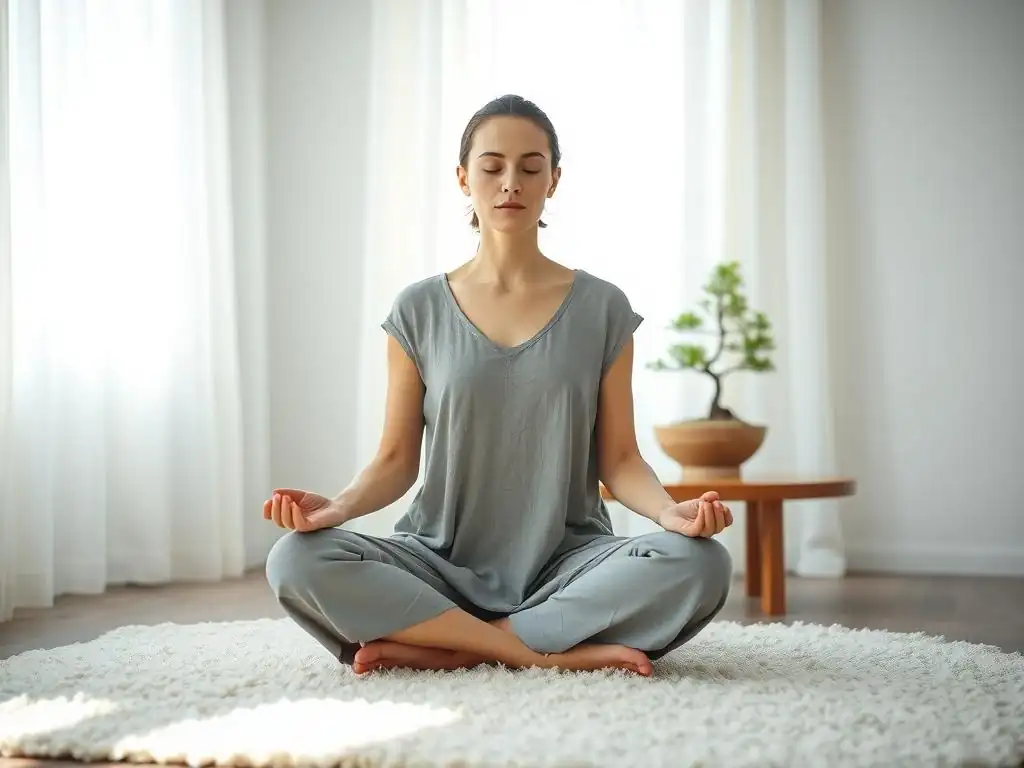
Here is a simple, step-by-step guide for practicing a 3-minute body scan meditation to find quick calm. Remember, the goal is awareness, not necessarily to feel completely relaxed immediately, although that often happens naturally.
- Find a Comfortable Position:
- Sit or lie down.
- Close your eyes gently if comfortable.
- Allow your body to settle.
- Initial Breath Awareness:
- Take a few deeper breaths.
- Notice the sensation of air entering and leaving your body.
- Let your breath return to its natural rhythm.
- Scan Your Body:
- Bring your attention to your feet.
- Slowly move your attention up your legs.
- Continue scanning through your torso, arms, neck, and head.
- Release and Return:
- Gently broaden your awareness to your whole body.
- Wiggle fingers and toes.
- Open your eyes when ready.
Step 1: Finding a Comfortable Position for Your Body Scan
Choosing a comfortable position is the first crucial step in preparing for your 3-minute body scan. While you can practice a body scan in almost any position, finding one where you feel stable and relatively at ease will support your ability to focus. For a short practice like this, sitting upright in a chair with your feet flat on the floor and hands resting comfortably in your lap or on your thighs is often ideal. This posture helps maintain alertness while allowing the body to feel grounded.
If you prefer, you can also lie down on your back, perhaps on a mat or a firm surface. If lying down, allow your arms to rest by your sides, palms up or down, whichever feels more natural. Ensure your head is comfortably supported, possibly with a small cushion, and allow your legs to be uncrossed. The key is to find a position where you can remain relatively still for three minutes without significant discomfort, enabling you to dedicate your attention to the body scan meditation calm practice.
Step 2: Focusing Your Attention: The Initial Breath Awareness
Before beginning the systematic scan, it's helpful to anchor your attention with a few moments of breath awareness. This step serves to gently transition your mind from external distractions or internal chatter to the present moment. Begin by simply noticing the sensation of your breath as it enters and leaves your body. You don't need to alter your breathing in any way; just observe it as it is.
Take maybe three to five slightly deeper breaths if that feels comfortable, inhaling fully and exhaling slowly. Then, allow your breath to return to its natural, effortless rhythm. Spend perhaps 30 seconds simply resting your attention on the breath, feeling the rise and fall of your chest or abdomen. This initial focus on the breath helps to quiet the mind slightly and prepares you to bring a focused yet gentle awareness to the rest of your body during the body scan meditation calm practice.
Step 3: Scanning Your Body: A Guided Journey from Head to Toe
With your attention settled, you can now begin the actual body scan. This involves systematically moving your awareness through different regions of your body, noticing any sensations present without judgment. A common approach is to start at the feet and slowly work your way up to the head, or vice versa. For a 3-minute scan, keep the transitions relatively quick, spending just a few seconds in each major area.
As you bring your attention to a specific part of your body, simply notice what you feel there. Are there sensations of warmth, coolness, tingling, pressure, vibration, or perhaps no distinct sensation at all? Whatever you notice, simply acknowledge it and let it be. If your mind wanders, which it likely will, gently guide your attention back to the area of the body you are currently scanning. This process of noticing and returning is part of the practice and builds your capacity for focused awareness, contributing to a state of body scan meditation calm.
Scanning Your Head and Face: Releasing Tension
Begin by bringing your awareness to your head and face. Notice sensations in your scalp, forehead, temples, eyes, cheeks, jaw, and mouth. Many people hold significant tension in their facial muscles, often unconsciously.
As you focus on your head and face, gently inquire if there is any tightness or clenching, particularly around the jaw or between the eyebrows. Simply notice these sensations without trying to force them away. The act of conscious awareness itself can sometimes allow these muscles to soften naturally, promoting a sense of release and contributing to the overall goal of body scan meditation calm.
Moving to Your Neck and Shoulders: Easing Muscle Stiffness
Next, shift your attention down to your neck and shoulders. This is another area where tension frequently accumulates, especially from sitting at a computer or experiencing stress. Notice any stiffness, tightness, warmth, or other sensations present in your neck and shoulder area.
Bring a gentle, non-judgmental awareness to these sensations. Imagine your breath flowing into these areas, and as you exhale, perhaps visualize or feel the tension gently easing away. Acknowledging the stiffness without resistance can be surprisingly effective in allowing some release, making this step vital for cultivating a sense of body scan meditation calm.
Focusing on Your Chest and Back: Noticing Breath and Posture
Now, direct your awareness to your chest and upper back. Notice the sensations in your chest cavity – perhaps the gentle movement of your breath, the beating of your heart, or feelings of openness or tightness. Extend this awareness to your upper and middle back, noticing your posture and any sensations along your spine.
Pay particular attention to the movement of your breath in your chest and back. Feel how the breath expands and contracts these areas. This focus helps deepen your connection to the present moment and can reveal how your emotional state might be reflected physically, further enhancing your body scan meditation calm practice.
Scanning Your Arms and Hands: Feeling Sensations
Move your attention down your arms, through your elbows, forearms, wrists, and into your hands and fingers. Notice any sensations present in these limbs. This might include warmth, coolness, tingling, or the feeling of contact with your clothing or the surface they are resting on.
Allow your awareness to explore each part of your arms and hands. Wiggle your fingers slightly if that helps bring attention there. These extremities are often very sensitive, and bringing conscious awareness to them can be a grounding experience, supporting your journey toward body scan meditation calm.
Directing Attention to Your Abdomen and Hips: Grounding Yourself
Shift your focus now to your abdomen and hips. Notice the sensations in your belly, perhaps the subtle movements associated with digestion or breathing. Extend your awareness to your hips and pelvis, noticing how your body makes contact with the chair or surface you are sitting or lying on.
The abdomen is often referred to as a center of gravity and can hold emotional tension. Simply bringing non-judgmental awareness to this area can be very grounding. Noticing the sensations in your hips and pelvis can also enhance your sense of stability and connection to the earth, deepening the relaxation aspect of your body scan meditation calm.
Scanning Your Legs and Feet: Completing the Body Scan
Finally, bring your attention down through your thighs, knees, shins, calves, ankles, and into your feet and toes. Notice any sensations in your legs and feet – perhaps the feeling of your feet inside your shoes, contact with the floor, or sensations within the muscles and bones.
Spend a few moments allowing your awareness to rest in your feet, the base of your body. Feel the weight of your legs and feet. This final part of the scan helps to complete the journey through the body and can leave you feeling more grounded and present, solidifying the state of body scan meditation calm you've cultivated.
Step 4: Releasing and Returning: Integrating Calm into Your Day
After systematically scanning your body from head to toe (or toe to head), gently broaden your awareness to include your entire body as a whole. Notice the overall sense of your physical presence. You might notice a feeling of increased spaciousness, reduced tension, or simply a greater sense of being present in your body.
Before ending the practice, you might take one or two slightly deeper breaths. When you feel ready, gently wiggle your fingers and toes to re-engage with your physical surroundings. Then, slowly and mindfully open your eyes. Take a moment to notice how you feel after this brief body scan meditation calm practice and carry this awareness with you as you transition back into your daily activities.
Tips for a Successful 3-Minute Body Scan Meditation
Creating a Calm Environment for Your Practice
While a 3-minute body scan can be done almost anywhere, taking a moment to create as calm an environment as possible can enhance the practice. If possible, find a quiet space where you are unlikely to be interrupted for the next few minutes. This might mean stepping into an empty meeting room, finding a quiet corner of your office, or simply closing your door.
Minimize distractions by turning off notifications on your phone or putting it on silent mode. While you don't need perfect silence, reducing external noise can help you tune into your internal experience more easily. Even small adjustments to your surroundings can make a significant difference in your ability to focus during the body scan meditation calm practice.
Dealing with Wandering Thoughts During the Body Scan
It is completely normal for your mind to wander during body scan meditation, even a short 3-minute one. The goal isn't to stop thinking, but to notice when your mind has wandered and gently guide your attention back to the body part you were scanning. Think of your thoughts like clouds drifting across the sky – you notice them, but you don't need to get carried away by them.
When you realize your mind has drifted off into planning, worrying, or reminiscing, simply acknowledge it without judgment. There's no need to feel frustrated; this is part of the practice. Gently escort your attention back to the current point in your body scan. Each time you notice your mind has wandered and bring it back, you are strengthening your capacity for focus and attention, which is a core benefit of cultivating body scan meditation calm.
Adjusting the Body Scan to Your Needs and Preferences
The 3-minute body scan is a flexible tool that can be adjusted to suit your needs and preferences. While the head-to-toe or toe-to-head sequence is standard, you can experiment with focusing only on areas where you typically hold tension, such as the shoulders and neck, for a minute or two. Or, if you are feeling particularly anxious, you might spend more time focusing on your feet and the connection to the ground for a stronger sense of grounding.
You can also adjust the pace. If three minutes feels too fast to move through the whole body, perhaps focus on just the upper body or the lower body for that duration. The key is to make the practice work for you and to find a rhythm that allows you to bring mindful awareness to your physical sensations. The goal is always to use the body scan meditation calm technique in a way that supports your well-being in that particular moment.
Integrating Body Scan Meditation into Daily Life for Lasting Calm

Using the 3-Minute Body Scan Throughout the Day: Quick Stress Relief
One of the greatest advantages of the 3-minute body scan is its portability and brevity, making it an excellent tool for integrating quick stress relief into your daily routine. Identify moments during your day when you typically feel a surge of stress, such as before a challenging meeting, during a hectic commute, or when feeling overwhelmed by tasks. Scheduling or consciously choosing to perform a quick body scan during these times can provide an immediate pause and reset.
For example, instead of reaching for your phone during a short break, take three minutes to sit quietly and scan your body. Or, practice it while waiting for your computer to boot up in the morning. Aim to use it proactively when you anticipate stress, or reactively when you notice tension building. Making the 3-minute body scan a go-to strategy for finding moments of body scan meditation calm throughout the day can significantly impact your overall stress levels and responsiveness.
Combining Body Scan with Other Mindfulness Techniques
The body scan meditation can be effectively combined with other mindfulness techniques to deepen your practice and enhance its benefits. For instance, you might start your day with a few minutes of mindful breathing, followed by a quick body scan to ground yourself before facing the day's challenges. Or, after a walking meditation, you could sit down for a brief body scan to integrate the sensations you noticed while moving.
Another powerful combination is using the body scan alongside mindful self-compassion practices. As you notice difficult sensations during the scan, you can bring an attitude of kindness and acceptance to them, rather than wishing they weren't there. This integration helps to cultivate not just awareness, but also a gentle and caring relationship with your physical and emotional experience, further supporting the cultivation of body scan meditation calm.
The Long-Term Benefits of Regular Body Scan Practice for Mental Health
While a single 3-minute body scan can provide immediate calm, the true power lies in regular practice. Consistently engaging in body scan meditation, even for short durations, builds resilience over time. Research suggests that regular mindfulness practice can lead to reduced symptoms of anxiety and depression, improved sleep quality, and enhanced emotional regulation. For example, a meta-analysis of multiple studies showed that mindfulness-based interventions had a moderate effect size in reducing symptoms of anxiety and depression.
Over weeks and months of regular body scanning, you develop a heightened awareness of your body's signals, becoming more attuned to your physical and emotional state. This allows you to catch stress and other challenging emotions earlier and respond to them with greater wisdom and less reactivity. The cumulative effect of consistent body scan meditation calm practice contributes significantly to long-term mental health and overall well-being.
Body Scan Meditation: Beyond the 3-Minute Practice
Exploring Longer Body Scan Meditations for Deeper Relaxation
Once you feel comfortable with the 3-minute body scan, you may wish to explore longer versions for a deeper dive into relaxation and awareness. Standard body scan meditations often range from 10 to 45 minutes and are a core practice in mindfulness-based programs like MBSR (Mindfulness-Based Stress Reduction). These longer practices allow for more time to settle into each body region and notice subtle sensations.
Engaging in a longer body scan can lead to profound states of relaxation and can reveal deeper layers of physical and emotional holding patterns. While the 3-minute version is excellent for quick relief, dedicating a longer period, say 15-20 minutes, a few times a week can significantly deepen your capacity for mindfulness and enhance the long-term benefits for body scan meditation calm and stress reduction.
Resources for Learning More About Body Scan Meditation and Mindfulness
For those interested in delving further into body scan meditation and the broader field of mindfulness, numerous resources are available. Books by pioneering figures like Jon Kabat-Zinn, the creator of MBSR, offer comprehensive guidance on the body scan and other mindfulness practices. His book "Full Catastrophe Living" provides a detailed explanation and context for the practice.
Many reputable websites and organizations dedicated to mindfulness also offer articles, guides, and information about the science behind body scan meditation calm and its benefits. Exploring these resources can provide a richer understanding of the practice and its potential to transform your relationship with stress and your physical experience.
Finding Guided Body Scan Meditations Online
One of the most accessible ways to practice body scan meditation, especially for beginners, is by using guided meditations. Many experienced mindfulness instructors offer guided body scans online, ranging from a few minutes to an hour or more. These guides verbally lead you through the process, directing your attention to each part of the body and offering gentle reminders to stay present.
You can find guided body scan meditations on various platforms. Searching for "guided body scan 3 minutes" or "guided body scan meditation calm" will likely yield many options suitable for quick practice. Using a guided version can help you stay focused and learn the technique more effectively, particularly when you are just starting out or feeling particularly restless.
Conclusion: Embrace the Power of the Body Scan for Daily Calm and Well-being
The 3-minute body scan meditation is a simple yet profoundly effective tool for cultivating calm and enhancing mental well-being in the midst of a busy life. By dedicating just a few minutes to intentionally connect with your physical sensations, you create space for relaxation, reduce stress, and strengthen the vital link between your mind and body. This practice isn't about achieving a perfect state of stillness, but about gently training your attention and fostering a non-judgmental awareness of your present experience.
Regularly incorporating this quick body scan into your day, perhaps using it during moments of stress or transition, can offer immediate relief and contribute to greater resilience over time. As you become more familiar with the practice, you may notice a greater capacity to navigate challenges with more ease and less reactivity. Embrace the accessibility of the 3-minute body scan meditation calm practice as a powerful pathway to integrating mindfulness into your daily life and nurturing your inner peace.
Frequently Asked Questions
What is a body scan meditation and how does it relate to finding calm?
A body scan meditation is a mindfulness technique where you systematically bring your attention to different parts of your body. It helps cultivate present moment awareness and can effectively promote calm and relaxation.
How long does a typical body scan meditation take, and is a 3-minute version effective?
Body scan meditations can range from 5 minutes to over an hour. A 3-minute body scan is a quick and effective way to reduce stress and cultivate calm, making it accessible even with a busy schedule.
How does a body scan meditation specifically help with mental well-being?
It helps by increasing awareness of physical sensations, which can ground you in the present and reduce overthinking. This awareness also allows you to notice and release tension held in the body, contributing to overall mental well-being.
Can anyone practice body scan meditation, or are there any contraindications?
Generally, body scan meditation is safe for most people. However, individuals with a history of severe trauma or acute mental health conditions should consult with a mental health professional before practicing regularly.
How often should I practice body scan meditation to experience its benefits?
Even short, regular practice can be beneficial. Aim for at least a few times a week, or even daily if possible, to experience the cumulative benefits of reduced stress and increased inner calm.
Final Reflection: Unlocking Inner Peace Through the Power of Presence
The simple act of noticing your body, breath by breath, can be a revolutionary tool for navigating the relentless pace of modern life. In a world saturated with demands and distractions, the ability to find calm in just three minutes is not a luxury, but a necessity for maintaining mental and physical well-being. This seemingly small practice, the quick body scan, offers a powerful antidote to the pervasive stress that impacts so many.
The impact of mindfulness practices, like the body scan, is increasingly recognized in our culture, moving beyond the realm of esoteric practices to become integrated into mainstream wellness strategies. The ability to cultivate a sense of presence, to anchor oneself in the present moment, is a skill that transcends cultural boundaries and resonates deeply with our shared human experience. The present moment is filled with joy and happiness. If you are attentive, you will see it.
– Thich Nhat Hanh. This quote perfectly encapsulates the transformative potential of even a short body scan meditation; it invites us to discover the peace already within us, waiting to be acknowledged.
Now, I invite you to integrate this practice into your daily routine. Try it first thing in the morning, during a stressful moment at work, or before bed. Experience the subtle shift in your energy, the softening of tension, and the blossoming of inner peace. Remember, the power lies not in perfection, but in the consistent effort to connect with your body and breathe into the present moment. This simple act, repeated daily, can profoundly alter your relationship with stress and cultivate a deeper sense of calm and well-being.
Unlock Your Inner Calm: Start Your Journey Now!
Thanks for taking the time to explore the power of quick body scans with Mind Care Guide! We hope you gained valuable tools to manage stress and find moments of peace throughout your day. Ready to integrate this practice into your routine?
- Prioritize your well-being: Schedule 3 minutes daily for a body scan—make it a non-negotiable part of your day, just like brushing your teeth! Try it first thing in the morning or before bed.
- Share your experience: Tell us (or a friend!) about your first body scan. What did you notice? What surprised you?
- Explore variations: Experiment with different body scan guided meditations to discover your favorite technique. Search for "guided body scan meditation" online for a wealth of options.
So, what small step will you take today to cultivate more calm in your life?