
Is Poor Sleep Fueling Your Depression? Understanding the Vicious Cycle


Welcome to Mind Care Guide, a space dedicated to nurturing your mental well-being.
Ever feel like you're trapped in a loop, where exhaustion and sadness feed off each other? We understand. This article delves into the intricate relationship between sleep deprivation and depression, exploring the vicious cycle that can impact your mental health. Ready to break free and discover practical strategies to reclaim your rest and your well-being? Let's begin...
- Is Poor Sleep Fueling Your Depression? Understanding the Vicious Cycle - Mind Care Guide
- How Sleep Deprivation Contributes to Depression Symptoms
- Recognizing the Signs: Identifying Sleep Problems in Depressed Individuals
-
Breaking the Vicious Cycle: Strategies for Better Sleep and Improved Mental Well-being
- Establishing a Consistent Sleep Schedule for Mental Health Improvement
- Creating a Relaxing Bedtime Routine: Wind-Down Techniques for Better Sleep
- Optimizing Your Sleep Environment: Creating a Sleep-Conducive Space
- Dietary Considerations: Foods and Drinks to Avoid Before Bed for Better Sleep
- The Role of Exercise in Promoting Sleep and Mood Stability
- Addressing Underlying Sleep Disorders: Seeking Professional Help
- Long-Term Strategies for Maintaining Healthy Sleep and Preventing Depression Relapse
- The Importance of Prioritizing Sleep for Overall Mental Wellness
-
Frequently Asked Questions
- How does sleep deprivation contribute to depression?
- What is the "sleep deprivation depression cycle"?
- What are some common symptoms of depression linked to sleep deprivation?
- Are there specific sleep disorders that are often associated with depression?
- What steps can I take to break the sleep deprivation depression cycle?
- Final Reflection: Breaking the Chains of Sleep and Despair
- Unlock Your Best Sleep & Mood: Take Control Now!
Is Poor Sleep Fueling Your Depression? Understanding the Vicious Cycle - Mind Care Guide
The Intertwined Relationship Between Sleep and Mental Health
Sleep and mental health are deeply interconnected, forming a complex relationship where issues in one area often significantly impact the other. It's well-established in scientific literature that sleep disturbances are incredibly common in individuals experiencing depression. In fact, studies suggest that a vast majority, perhaps as high as 75% or more, of people with depression report experiencing some form of sleep problem, most often insomnia. This isn't just a coincidence; the same brain regions and neurotransmitters that regulate mood also play crucial roles in governing sleep-wake cycles.
Beyond just insomnia, other sleep disorders are also frequently observed alongside depression, including hypersomnia (excessive sleeping), fragmented sleep, and changes in the timing of sleep (circadian rhythm disruption). This high co-occurrence highlights the intimate link between sleep and emotional well-being. Understanding this connection is vital because addressing sleep issues can be a powerful lever in managing and improving depressive symptoms, and conversely, treating depression can often alleviate sleep problems, potentially helping to break the destructive sleep deprivation depression cycle.
Understanding the Bidirectional Impact: How Sleep Problems Can Trigger Depression and Vice Versa
The relationship between sleep deprivation and depression is often described as bidirectional, meaning that poor sleep can contribute to the development or worsening of depression, and depression itself can disrupt sleep patterns. This creates a vicious cycle that can be incredibly difficult to escape without targeted intervention. Someone struggling with sleep might experience increased irritability, difficulty concentrating, and fatigue, symptoms that can easily overlap with or exacerbate feelings of low mood and hopelessness characteristic of depression.
Conversely, the negative thought patterns, anxiety, and low energy levels associated with depression can make it hard to fall asleep or stay asleep. Worry and rumination might keep a depressed individual awake at night, while a lack of motivation during the day can lead to poor sleep hygiene and irregular schedules.
This perpetuates the sleep deprivation depression cycle, making it crucial to address both aspects simultaneously rather than focusing on just one in isolation. Research indicates that chronic sleep problems can even be a significant risk factor for developing depression later in life, underscoring the importance of prioritizing healthy sleep habits for long-term mental wellness.
How Sleep Deprivation Contributes to Depression Symptoms
The Neurochemical Link: Sleep Loss and Imbalances in Brain Chemistry (Serotonin, Dopamine, Norepinephrine)
Sleep plays a critical role in regulating neurotransmitters, the chemical messengers in the brain that control mood, energy levels, and cognitive function. Chronic sleep deprivation can disrupt the delicate balance of these neurochemicals. For instance, serotonin, often dubbed the "feel-good" neurotransmitter, is heavily involved in mood regulation and is thought to be dysregulated in depression. Sleep loss appears to negatively impact serotonin production, release, and receptor sensitivity, potentially contributing to symptoms like persistent sadness, loss of interest, and irritability.
Furthermore, sleep deprivation can affect dopamine, a neurotransmitter associated with motivation, pleasure, and reward. Alterations in dopamine pathways due to lack of sleep might contribute to the anhedonia (inability to experience pleasure) and lack of motivation often seen in depression. Norepinephrine, which is involved in alertness, stress response, and mood, can also be impacted. Poor sleep can lead to increased activity in the stress response system (the HPA axis), increasing cortisol levels and potentially dysregulating norepinephrine, contributing to feelings of anxiety, agitation, and fatigue, all components of the sleep deprivation depression cycle.
The Cognitive Impact: How Poor Sleep Affects Mood Regulation and Emotional Processing
Beyond neurochemistry, sleep deprivation significantly impairs cognitive functions, particularly those related to emotional regulation and processing. When you're sleep-deprived, your brain's prefrontal cortex, responsible for complex decision-making, impulse control, and modulating emotional responses, becomes less effective. At the same time, the amygdala, the brain region associated with processing fear and other negative emotions, can become hyperactive.
This imbalance means that sleep-deprived individuals are often less able to manage stress, control negative thoughts, and regulate their emotional reactions. They might react more intensely to negative stimuli, dwell on worries, and find it harder to bounce back from setbacks. This impaired emotional resilience makes individuals more vulnerable to depressive symptoms and can intensify existing ones, further solidifying the sleep deprivation depression cycle. The reduced ability to concentrate and make decisions due to fatigue also adds to feelings of helplessness and frustration, common in depression.
Sleep Deprivation and Increased Stress Vulnerability
Chronic sleep deprivation is a significant stressor on the body and mind. It activates the body's stress response system, leading to elevated levels of stress hormones like cortisol. While short-term cortisol release is part of a healthy stress response, chronically high levels due to persistent sleep loss can have detrimental effects on both physical and mental health. This constant state of physiological stress can make individuals more reactive to everyday challenges and reduce their capacity to cope effectively.
Increased stress vulnerability directly feeds into the sleep deprivation depression cycle. Stress is a known trigger and exacerbator of depressive episodes. When someone is sleep-deprived, they are less equipped to handle stressful situations, which can lead to increased worry, anxiety, and rumination – factors that, in turn, make it harder to sleep. This feedback loop creates a difficult cycle where poor sleep increases stress, which worsens mood, which further disrupts sleep.
Recognizing the Signs: Identifying Sleep Problems in Depressed Individuals
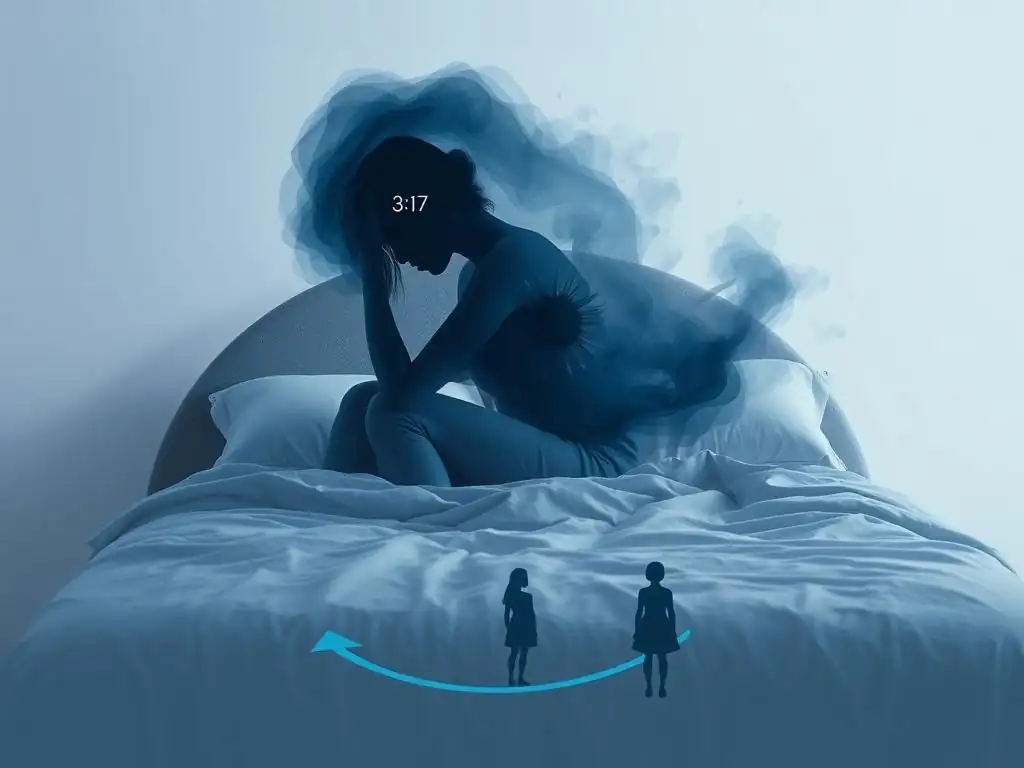
Common Sleep Disorders Associated with Depression (Insomnia, Obstructive Sleep Apnea, Restless Legs Syndrome)
While insomnia is the most frequently reported sleep problem among those with depression, it's important to be aware of other common sleep disorders that can be linked to or exacerbate depressive symptoms. Insomnia, characterized by difficulty falling asleep, staying asleep, or waking too early and being unable to return to sleep, affects a large percentage of depressed individuals. This persistent lack of restorative sleep significantly contributes to fatigue, irritability, and low mood, reinforcing the sleep deprivation depression cycle.
Obstructive Sleep Apnea (OSA) is another disorder where breathing repeatedly stops and starts during sleep. OSA can cause fragmented sleep and reduced oxygen levels, leading to excessive daytime sleepiness, fatigue, and cognitive impairment. Research shows a significant overlap between OSA and depression; studies suggest that individuals with OSA are at a higher risk of experiencing depressive symptoms, and treating OSA often improves mood.
Restless Legs Syndrome (RLS), characterized by an irresistible urge to move the legs, often accompanied by uncomfortable sensations, can also disrupt sleep onset and maintenance, contributing to sleep deprivation and potentially worsening depression. Recognizing these distinct sleep issues is crucial for effective intervention within the sleep deprivation depression cycle.
Symptoms Checklist: Are Your Sleep Habits Contributing to Your Depression?
Identifying whether poor sleep is playing a role in your depression requires paying close attention to your sleep patterns and how they affect your daily life. It's more than just feeling tired; it's about the quality and quantity of your sleep and its impact on your mood and functioning. Consider the following questions as a starting point for assessing your sleep habits in the context of the sleep deprivation depression cycle:
- Do you consistently have trouble falling asleep, even when you feel tired?
- Do you wake up frequently during the night and struggle to fall back asleep?
- Do you wake up much earlier than planned and can't get back to sleep?
- Do you feel tired or unrefreshed even after sleeping for several hours?
- Do you experience excessive sleepiness during the day, finding it hard to stay awake?
- Do you rely heavily on naps to get through the day?
- Do you feel irritable, anxious, or moody due to lack of sleep?
- Has your ability to concentrate or make decisions worsened, seemingly linked to poor sleep?
- Do you find yourself canceling social plans because you're too tired?
If you answered yes to several of these questions, especially if these issues are persistent (e.g., happening at least three nights a week for three months), it strongly suggests that sleep problems are a significant factor in your current state and are likely contributing to or worsening your depression, perpetuating the sleep deprivation depression cycle.
Breaking the Vicious Cycle: Strategies for Better Sleep and Improved Mental Well-being
Establishing a Consistent Sleep Schedule for Mental Health Improvement
One of the most powerful strategies for breaking the sleep deprivation depression cycle is establishing and strictly adhering to a consistent sleep schedule. This means going to bed and waking up at roughly the same time every day, including weekends. Consistency helps regulate your body's internal clock, or circadian rhythm, which governs sleep-wake cycles and numerous other biological processes influencing mood and energy. When your circadian rhythm is stable, it becomes easier to fall asleep when you're supposed to and wake up feeling more refreshed.
While it might be tempting to sleep in significantly on weekends to "catch up" on lost sleep, large variations can actually further disrupt your circadian rhythm, making it harder to get back on track during the week. Aim for no more than an hour or two difference between weekday and weekend sleep times. Gradually shifting your schedule by 15-30 minutes each day can help if you need to make a significant adjustment. Prioritizing this consistency sends a powerful signal to your brain and body, reinforcing a healthy sleep pattern and supporting efforts to manage the sleep deprivation depression cycle.
Creating a Relaxing Bedtime Routine: Wind-Down Techniques for Better Sleep
Transitioning from the demands of the day to a state conducive to sleep requires a wind-down period. Creating a relaxing bedtime routine signals to your body that it's time to prepare for rest. This routine should ideally start 30-60 minutes before your target bedtime and involve calming activities that help reduce stress and quiet the mind, factors often disrupted in the sleep deprivation depression cycle.
Examples of relaxing activities include:
- Reading a physical book (avoiding backlit screens).
- Taking a warm bath or shower.
- Listening to calming music or a podcast.
- Practicing gentle stretching or yoga.
- Engaging in mindfulness or meditation exercises.
- Writing in a journal to clear your thoughts.
Avoid stimulating activities like checking work emails, engaging in intense discussions, watching exciting TV shows, or using electronic devices (phones, tablets, computers) with bright screens, as the blue light emitted can interfere with melatonin production, a hormone essential for sleep. Consistently following a calming routine helps lower your heart rate and prepare your mind for sleep, counteracting the anxiety and rumination that often fuel the sleep deprivation depression cycle.
Optimizing Your Sleep Environment: Creating a Sleep-Conducive Space
Your bedroom environment plays a significant role in the quality of your sleep. Making your bedroom a sanctuary specifically for sleep and intimacy can help strengthen the association between the space and rest, aiding in breaking the sleep deprivation depression cycle. The ideal sleep environment is:
- Dark: Use blackout curtains or blinds to block out external light. Even small amounts of light can disrupt sleep.
- Quiet: Use earplugs or a white noise machine if necessary to mask disruptive sounds.
- Cool: Most people sleep best in a room temperature between 60-67°F (15-19°C). Being too warm can lead to restlessness.
- Comfortable: Ensure your mattress and pillows are supportive and comfortable.
Remove distractions like televisions, computers, and work materials from the bedroom. Avoid using your bed for activities other than sleep and intimacy, such as working, eating, or watching TV for extended periods. By creating a space that promotes relaxation and minimizes disruptions, you enhance your body's natural ability to fall and stay asleep, a crucial step in alleviating the sleep deprivation depression cycle.
Dietary Considerations: Foods and Drinks to Avoid Before Bed for Better Sleep
What you consume in the hours leading up to bedtime can significantly impact your ability to fall asleep and the quality of your sleep throughout the night. Certain substances are known sleep disruptors and should ideally be avoided in the late afternoon and evening, especially when trying to manage the sleep deprivation depression cycle.
Key culprits include:
- Caffeine: Found in coffee, tea, soda, and chocolate, caffeine is a stimulant that can stay in your system for many hours. Avoid it for at least 4-6 hours before bedtime.
- Alcohol: While alcohol might initially make you feel sleepy, it disrupts sleep architecture later in the night, leading to fragmented sleep and reduced REM sleep. It's best to avoid alcohol close to bedtime.
- Nicotine: Nicotine is also a stimulant. Avoid smoking or using nicotine products close to bedtime and if you wake up during the night.
- Heavy Meals: Eating a large, heavy meal right before bed can cause digestive discomfort that interferes with sleep. Try to finish dinner a few hours before bedtime.
- Excessive Liquids: Drinking too many fluids close to bedtime can lead to frequent awakenings to use the bathroom.
Opt for light snacks if you're hungry before bed, such as a small amount of complex carbohydrates or a glass of warm milk, which contains tryptophan, an amino acid that can aid sleep. Making mindful choices about your evening diet can be a simple yet effective strategy in your efforts to break the sleep deprivation depression cycle.
The Role of Exercise in Promoting Sleep and Mood Stability
Regular physical activity is a powerful tool for both improving sleep and managing depression. Exercise helps reduce stress and anxiety, which are common barriers to sleep. It can also regulate your body temperature; the post-exercise drop in temperature signals the body to wind down and prepares it for sleep. Furthermore, exercise increases the production of endorphins, natural mood boosters that can help alleviate depressive symptoms.
Aim for at least 30 minutes of moderate-intensity exercise most days of the week. The timing of your exercise can also matter. While exercising at any time of day is beneficial, intense workouts too close to bedtime (within 2-3 hours) might be stimulating for some individuals and interfere with sleep onset. Experiment to find what works best for you. Incorporating regular physical activity is a foundational element in a holistic approach to breaking the sleep deprivation depression cycle and fostering overall well-being.
Addressing Underlying Sleep Disorders: Seeking Professional Help

When to Consult a Doctor or Sleep Specialist
While implementing lifestyle changes and sleep hygiene strategies is crucial, sometimes sleep problems are symptoms of or are compounded by underlying medical conditions or primary sleep disorders. If you have consistently tried improving your sleep habits for several weeks or months without significant improvement, or if you experience symptoms like extremely loud snoring, gasping for air during sleep, uncontrollable urges to move your legs, or excessive daytime sleepiness despite adequate opportunity for sleep, it's time to consult a healthcare professional.
Your primary care physician is a good starting point. They can evaluate your general health, check for common medical conditions that might affect sleep (like thyroid issues or chronic pain), and discuss potential medication side effects. If they suspect a primary sleep disorder like sleep apnea, restless legs syndrome, or a significant circadian rhythm disorder, they may refer you to a sleep specialist or a sleep clinic for further evaluation, which might include a sleep study (polysomnography). Addressing these specific disorders is often essential for effectively breaking the sleep deprivation depression cycle.
Exploring Treatment Options for Sleep Disorders (CBT-I, CPAP, Medication)
Treatment for sleep disorders varies depending on the specific diagnosis and its severity. For insomnia, Cognitive Behavioral Therapy for Insomnia (CBT-I) is widely considered the first-line treatment and is highly effective. CBT-I is a structured program that helps identify and replace thoughts and behaviors that cause or worsen sleep problems with habits that promote sound sleep. It addresses the psychological and physiological factors contributing to insomnia and can be very successful in breaking the sleep deprivation depression cycle associated with chronic sleeplessness.
For Obstructive Sleep Apnea, Continuous Positive Airway Pressure (CPAP) therapy is the most common and effective treatment. A CPAP machine delivers pressurized air through a mask worn during sleep, keeping the airway open and preventing breathing pauses. For Restless Legs Syndrome, treatments might include lifestyle changes, iron supplementation if levels are low, or specific medications prescribed by a doctor.
While sleep medications can sometimes be used for short-term relief of insomnia, they are generally not recommended for long-term use and do not address the root causes of sleep problems or the sleep deprivation depression cycle as effectively as behavioral therapies or treatments for underlying disorders. A thorough evaluation by a specialist will determine the most appropriate treatment plan.
Long-Term Strategies for Maintaining Healthy Sleep and Preventing Depression Relapse
Mindfulness and Meditation Techniques for Stress Reduction and Improved Sleep
Integrating mindfulness and meditation into your daily routine can be a powerful long-term strategy for managing stress, reducing anxiety, and improving sleep quality, thereby helping to prevent relapse into the sleep deprivation depression cycle. Mindfulness involves paying attention to the present moment without judgment, which can help quiet the racing thoughts and worries that often keep individuals awake at night.
Regular meditation practice has been shown to lower cortisol levels, reduce activity in the amygdala (the brain's fear center), and promote relaxation. Even a few minutes of mindful breathing or a guided meditation before bed can make a difference. Daytime mindfulness practices can also help you become more aware of stress triggers and develop healthier coping mechanisms, reducing the overall burden of stress that contributes to both poor sleep and depression. Making mindfulness a habit reinforces positive mental states that support restorative sleep and emotional resilience.
Cognitive Behavioral Therapy for Insomnia (CBT-I): A Powerful Tool for Breaking the Cycle
As mentioned earlier, CBT-I is not just a short-term fix but a highly effective long-term strategy for maintaining healthy sleep and preventing the recurrence of the sleep deprivation depression cycle. Unlike sleep medications, which often only mask symptoms, CBT-I addresses the underlying behavioral and cognitive factors that perpetuate insomnia. It teaches individuals sustainable skills and strategies to improve their sleep habits and challenge unhelpful beliefs about sleep.
A typical CBT-I program involves several sessions with a trained therapist and covers techniques such as:
- Sleep Restriction: Temporarily limiting time in bed to consolidate sleep.
- Stimulus Control: Re-associating the bed and bedroom with sleep and intimacy only.
- Cognitive Restructuring: Identifying and changing negative or anxious thoughts about sleep.
- Sleep Hygiene Education: Learning about factors that promote or hinder sleep.
By equipping individuals with these tools, CBT-I empowers them to manage future sleep difficulties independently, making it a crucial component in preventing the return of the sleep deprivation depression cycle and supporting long-term mental wellness.
Human beings are social creatures, and strong social connections are vital for mental health. A robust support system can provide emotional comfort, practical assistance, and a sense of belonging, all of which can help buffer against stress and improve mood. This, in turn, can positively impact sleep quality. Sharing your struggles with trusted friends, family, or a support group can reduce feelings of isolation often associated with depression and sleep problems.
Spending time with supportive individuals can help distract from worries, provide perspective, and even encourage healthier habits like regular exercise or sticking to a sleep schedule. Conversely, isolation and loneliness are known risk factors for both depression and sleep disturbances. Actively nurturing your relationships and seeking connection is not just good for your mood; it's a fundamental part of a holistic approach to breaking the sleep deprivation depression cycle and maintaining overall well-being.
The Importance of Prioritizing Sleep for Overall Mental Wellness
Sleep as a Cornerstone of Holistic Mental Health Care
In the realm of mental health care, sleep is increasingly recognized not just as a symptom of distress but as a fundamental pillar of well-being, alongside nutrition, exercise, and social connection. Addressing sleep problems is no longer an afterthought but an essential component of comprehensive mental health treatment plans. Ignoring sleep difficulties when treating depression is like trying to build a house on a shaky foundation; the structure is unlikely to be stable in the long term.
Prioritizing sleep means viewing it as a non-negotiable biological necessity, much like eating or breathing. It's during sleep that the brain consolidates memories, processes emotions, and performs critical restorative functions. Chronic sleep deprivation compromises these processes, making it significantly harder to manage stress, regulate mood, and maintain cognitive function. Therefore, any effective strategy aimed at improving mental wellness, particularly in the context of the sleep deprivation depression cycle, must place a strong emphasis on achieving consistent, quality sleep.
Taking Control: Empowering Yourself to Prioritize Sleep and Improve Your Mental Well-being
Recognizing the powerful link between sleep deprivation and depression is the first step towards taking control. Understanding the sleep deprivation depression cycle can empower you to implement the necessary changes to break free from its grip. It requires commitment and patience, as establishing new habits and regulating your sleep can take time, especially if you've been struggling for a while.
Be kind to yourself during this process. There will be nights when sleep is still difficult, but consistency in your efforts is key. Celebrate small victories, whether it's sticking to your bedtime routine or waking up feeling slightly more rested.
If you are struggling with persistent sleep problems or depression, remember that seeking professional help from doctors, therapists, or sleep specialists is a sign of strength and can provide you with the targeted support and strategies needed to effectively navigate the sleep deprivation depression cycle and build a foundation for lasting mental wellness. Your sleep health is integral to your mental health; prioritizing it is an investment in your overall well-being.
Frequently Asked Questions
How does sleep deprivation contribute to depression?
Sleep deprivation can disrupt neurotransmitter balance in the brain, specifically impacting serotonin and dopamine, which are crucial for mood regulation. This imbalance can lead to or worsen depressive symptoms.
What is the "sleep deprivation depression cycle"?
It's a vicious cycle where depression makes it difficult to sleep, and the resulting sleep deprivation then exacerbates depressive symptoms, creating a self-perpetuating pattern.
What are some common symptoms of depression linked to sleep deprivation?
Common symptoms include increased irritability, difficulty concentrating, feelings of hopelessness, and loss of interest in activities, all of which are amplified by poor sleep.
Are there specific sleep disorders that are often associated with depression?
Yes, conditions like insomnia, sleep apnea, and restless legs syndrome are frequently linked to depression, as they all disrupt sleep quality and can contribute to the sleep deprivation depression cycle.
What steps can I take to break the sleep deprivation depression cycle?
Focus on improving sleep hygiene (consistent sleep schedule, dark room, etc.), seeking professional help for depression, and potentially exploring cognitive behavioral therapy for insomnia (CBT-I).
Final Reflection: Breaking the Chains of Sleep and Despair
The insidious link between poor sleep and depression is not merely a correlation; it's a vicious cycle actively shaping the mental health landscape of our modern world. Millions struggle daily with the debilitating effects of this intertwined affliction, impacting productivity, relationships, and overall well-being. Understanding this connection is the first crucial step towards breaking free from its grip.
The pervasive nature of sleep deprivation, exacerbated by our always-on culture, has profoundly impacted our collective mental health. We are a society increasingly starved for restorative rest, and the consequences are far-reaching and devastating. The constant pressure to perform, coupled with readily available digital distractions, has normalized sleep deficiency, creating a societal acceptance of a condition that significantly contributes to depression. Sleep is the golden chain that ties health and our bodies together.
- Thomas Dekker. This quote, while written centuries ago, rings truer than ever in our current context, highlighting the fundamental role sleep plays in our overall well-being.
You now possess a deeper understanding of the intricate relationship between sleep and depression. This knowledge is not just information; it's a tool. Take control of your sleep hygiene. Prioritize consistent sleep schedules, create a relaxing bedtime routine, and seek professional help if you suspect a sleep disorder is contributing to your mental health struggles. Remember, breaking the cycle starts with a single, conscious choice – a choice to prioritize your mental and physical health by prioritizing sleep. Your journey to a healthier, happier you begins tonight.
Unlock Your Best Sleep & Mood: Take Control Now!
Thanks for taking the time to explore the connection between sleep and depression with us. We hope you gained valuable insights into this often-overlooked relationship. Now it's time to turn that knowledge into action.
Here’s what you can do next:
- Prioritize your sleep hygiene: Start small. Try adjusting your bedtime routine by 15 minutes earlier tonight, focusing on relaxation techniques.
- Track your sleep: Use a sleep journal (even a simple notebook!) to monitor your sleep patterns and identify any potential triggers for poor sleep. This will empower you to proactively make changes.
- Share your experience: Connect with others in our community by sharing your thoughts and experiences in the comments below. Let’s break the silence around sleep and mental health together.
What small step will you take tonight to improve your sleep and mood?