
Bright Light vs. Dawn Simulation: Which Light Therapy is Right for You?

Welcome to Mind Care Guide, your compassionate companion on the path to mental well-being.
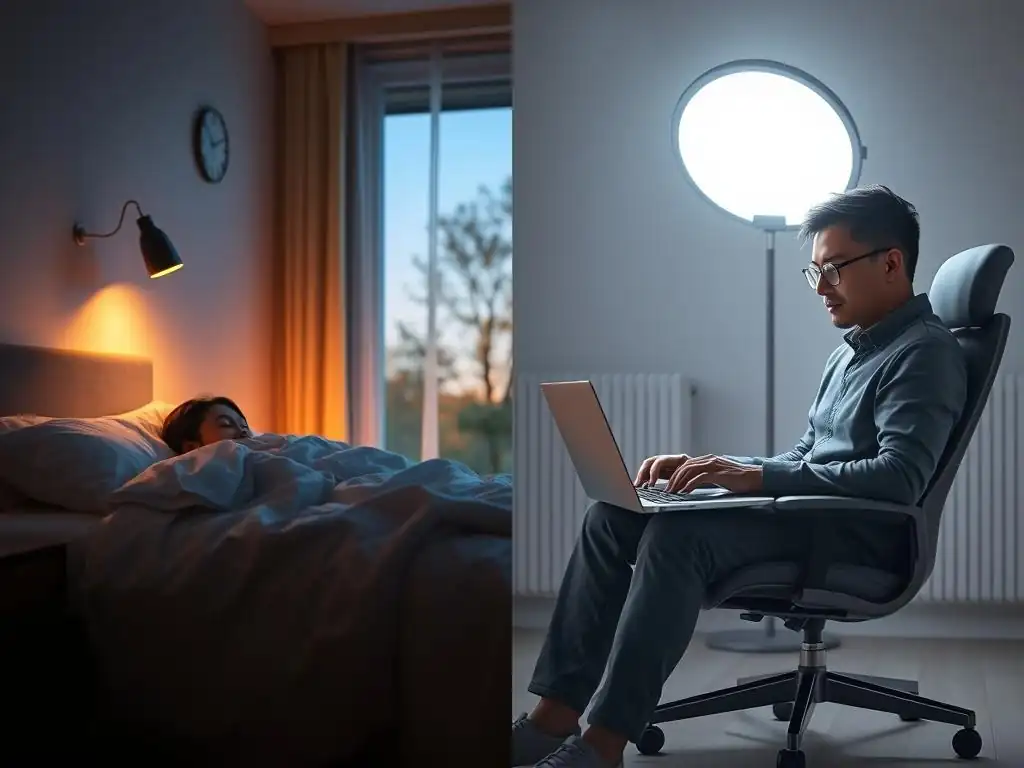
Feeling the winter blues creeping in? You're not alone. We understand the weight that seasonal changes can have on your mood. This article dives into a powerful tool for lifting those shadows: light therapy. Curious about the light therapy benefits seasonal depression can offer? Discover the differences between bright light and dawn simulation, and find out which approach might be the key to unlocking a brighter you.
Bright Light vs. Dawn Simulation: Which Light Therapy is Right for You?
- Understanding Seasonal Affective Disorder (SAD) and Light Therapy
-
Exploring Bright Light Therapy for SAD
- How Bright Light Therapy Works to Combat Seasonal Depression
- Benefits of Bright Light Therapy for Seasonal Affective Disorder
- Potential Side Effects of Bright Light Therapy
- Choosing the Right Bright Light Therapy Device: Lumens, Spectrum, and Safety
- How to Use a Bright Light Therapy Box Effectively: Timing, Duration, and Distance
-
Delving into Dawn Simulation Therapy for SAD
- Understanding Dawn Simulation: Mimicking Natural Sunrise
- Benefits of Dawn Simulation for Seasonal Affective Disorder and Sleep
- How Dawn Simulation Therapy Differs from Bright Light Therapy
- Dawn Simulators: Features and Considerations: Light Intensity, Gradual Increase, and Alarm Options
- Using a Dawn Simulator Effectively: Consistency and Placement
-
Bright Light Therapy vs. Dawn Simulation: A Detailed Comparison
- Light Intensity: Bright Light vs. Dawn Simulation
- Treatment Timing: When to Use Each Type of Light Therapy
- Impact on Sleep: Comparing Effects on Sleep Quality and Wakefulness
- User Experience: Which Therapy is Easier to Integrate into Daily Life?
- Cost Comparison: Bright Light Boxes vs. Dawn Simulators
- Which Light Therapy Benefits Seasonal Depression: Which One is Right for You?
- Combining Light Therapy with Other SAD Treatments
- Maximizing the Effectiveness of Light Therapy for Seasonal Affecting Disorder
- Conclusion: Finding the Best Light Therapy Approach for Your Needs
-
Frequently Asked Questions
- What is light therapy and how does it relate to seasonal depression?
- What are the main differences between bright light therapy and dawn simulation?
- What are the potential benefits of using light therapy for seasonal depression?
- Are there any side effects associated with light therapy?
- How do I choose between bright light therapy and dawn simulation for my seasonal depression?
- Final Reflection: Choosing Your Light, Choosing Your Well-being
- Unleash Your Inner Sunshine: Take Control of Your Light
Understanding Seasonal Affective Disorder (SAD) and Light Therapy
What is Seasonal Affective Disorder (SAD)?
Seasonal Affective Disorder (SAD) is a type of depression that is related to changes in seasons. It typically begins in the late fall or early winter and goes away during the spring and summer months. While less common, some people experience SAD in the spring or summer. The symptoms of SAD can range from mild to severe and often include feelings of sadness, loss of interest or pleasure in activities, low energy, difficulty concentrating, and changes in sleep patterns and appetite. It's more than just the "winter blues"; it's a clinically recognized depressive episode.
The exact cause of SAD is not fully understood, but it is believed to be linked to a disruption in the body's internal biological clock, also known as the circadian rhythm. Reduced exposure to sunlight during the shorter days of fall and winter is thought to play a significant role. This lack of light can affect brain chemicals like melatonin and serotonin, which regulate mood and sleep, potentially leading to depressive symptoms. Women are diagnosed with SAD more often than men, and it is more common in people living in regions with long winter nights.
The Role of Light in Regulating Mood and Sleep
Light is a powerful regulator of our circadian rhythm, the natural sleep-wake cycle that governs many physiological processes, including hormone release and mood regulation. When light enters the eyes, it travels along the optic nerve to the suprachiasmatic nucleus (SCN) in the brain's hypothalamus. The SCN acts as the body's master clock, signaling to other parts of the brain and body, including the pineal gland, which produces melatonin, the hormone that induces sleepiness.
During the day, bright light suppresses melatonin production, helping us feel awake and alert. As light diminishes in the evening, melatonin levels rise, preparing the body for sleep. In individuals with SAD, the reduced light exposure in winter can disrupt this delicate balance, leading to excessive melatonin production, lower serotonin levels, and a phase shift in the circadian rhythm (often a delay), contributing to symptoms like fatigue, oversleeping, and depressed mood. Understanding this fundamental connection between light and our internal biology is key to appreciating how light therapy benefits seasonal depression.
Light Therapy as a Treatment for Seasonal Depression: An Overview
Light therapy, also known as phototherapy, is a common and effective treatment for Seasonal Affective Disorder. It involves exposure to artificial light that mimics natural sunlight. The primary goal is to reset the body's internal clock and regulate the neurochemicals that are believed to be involved in SAD. By providing intense light exposure, typically in the morning, light therapy helps to suppress melatonin production at the appropriate time and may influence serotonin levels, thereby alleviating depressive symptoms.
While the exact mechanisms are still being researched, clinical studies have shown that light therapy can significantly improve symptoms for many people with SAD. Response rates vary, but many individuals report feeling better within a week or two of starting treatment. It's considered a first-line treatment for SAD and offers a non-pharmacological option for managing symptoms, helping individuals regain energy, improve mood, and restore healthy sleep patterns that are often disrupted by seasonal changes. Exploring the different types of light therapy is crucial to finding the best approach.
Exploring Bright Light Therapy for SAD
How Bright Light Therapy Works to Combat Seasonal Depression
Bright light therapy typically involves sitting near a specialized light box that emits a very bright light, usually 10,000 lux, which is significantly brighter than standard indoor lighting (which is often only a few hundred lux). This intense light is thought to influence the brain's production of melatonin and serotonin. By exposing the eyes to this bright light, particularly in the morning, it signals the SCN to suppress melatonin production, helping to normalize the sleep-wake cycle and combat the lethargy and hypersomnia often associated with SAD.
Furthermore, increased light exposure is believed to boost serotonin levels in the brain. Serotonin is a neurotransmitter that plays a key role in regulating mood. Lower levels of serotonin are often found in individuals with depression, including SAD. While the precise mechanism isn't fully understood, the hypothesis is that bright light exposure helps to increase serotonin activity or availability, leading to an improvement in mood and a reduction in depressive symptoms. This regulation of key neurochemicals is central to how bright light therapy benefits seasonal depression.
Benefits of Bright Light Therapy for Seasonal Affective Disorder
Bright light therapy is one of the most well-studied treatments for SAD and has demonstrated significant benefits. A primary advantage is its effectiveness in alleviating core SAD symptoms such as low mood, fatigue, increased appetite, and excessive sleepiness. Many users report a noticeable improvement in energy levels and mood within one to two weeks of consistent daily use. Studies have shown remission rates comparable to or even better than some antidepressant medications for moderate SAD, with response rates often cited between 50% and 80%.
Another significant benefit is its relatively rapid onset of action compared to oral antidepressants, which can take several weeks to show full effect. Light therapy is also non-invasive and generally well-tolerated. For individuals who prefer to avoid medication or who experience significant side effects from antidepressants, bright light therapy offers a valuable alternative or complementary treatment option. The ease of use, once incorporated into a daily routine, also makes it a practical choice for many people seeking relief from seasonal depression.
Potential Side Effects of Bright Light Therapy
While generally safe, bright light therapy can have some potential side effects, although they are usually mild and temporary. The most common side effects reported include eye strain, headaches, and nausea. These symptoms often occur during the first few days of treatment as the body adjusts to the intense light and typically subside with continued use. Adjusting the distance from the light box or the duration of the session can often help mitigate these issues.
Less common side effects might include irritability, agitation, or feeling "wired," particularly if the therapy is used too late in the day or for too long. Individuals with certain eye conditions, such as glaucoma, macular degeneration, or diabetic retinopathy, or those taking medications that increase photosensitivity (like certain antibiotics or mood stabilizers), should exercise caution and consult with an ophthalmologist or healthcare provider before starting bright light therapy. Proper usage and medical consultation are key to minimizing risks and maximizing the benefits of light therapy for seasonal depression.
Choosing the Right Bright Light Therapy Device: Lumens, Spectrum, and Safety
Selecting an appropriate bright light therapy device is crucial for effectiveness and safety. The most important specification is light intensity, measured in lux. For treating SAD, a device that provides 10,000 lux at a comfortable sitting distance (usually 16-24 inches) is generally recommended. Lower intensity devices (e.g., 2,500 lux) may require longer treatment times to achieve similar results, which might be less practical for daily use.
The light spectrum is also important. Effective light boxes emit white light that mimics natural sunlight but should filter out most or all ultraviolet (UV) rays, which can be harmful to the eyes and skin. Look for devices specifically labeled as UV-filtered or UV-free. Safety certifications from recognized bodies can also provide assurance regarding the device's construction and electrical safety. Considering factors like device size, portability, and design can also help ensure the chosen light box fits comfortably into your home or office environment.
How to Use a Bright Light Therapy Box Effectively: Timing, Duration, and Distance
Effective use of a bright light therapy box involves paying close attention to timing, duration, and distance. For most people with SAD, therapy is most effective when used shortly after waking up in the morning, ideally within the first hour. Morning use helps to reset the body's circadian clock, aligning it with the natural day-night cycle. Using the light in the evening can potentially interfere with sleep.
The typical recommended duration for a 10,000 lux light box is 20 to 30 minutes per day. If using a lower intensity box, the duration will need to be longer (e.g., 60-90 minutes for 2,500 lux). The distance from the light box is critical because light intensity decreases significantly with distance.
Follow the manufacturer's instructions to position yourself at the distance specified for achieving the recommended lux level (e.g., 16-24 inches for 10,000 lux). You don't need to stare directly at the light; you can read, eat, or work while the light is positioned to shine indirectly into your eyes. Consistency is key to seeing the benefits of light therapy for seasonal depression.
Delving into Dawn Simulation Therapy for SAD
Understanding Dawn Simulation: Mimicking Natural Sunrise
Dawn simulation therapy uses a specialized lamp that gradually increases in brightness over a set period, typically 30 to 90 minutes, before your scheduled wake-up time. The light starts very dim, mimicking the faint light of predawn, and slowly brightens to a level comparable to room light or even brighter by the time your alarm sounds. This gradual increase in light exposure, while you are still asleep or just waking up, is intended to gently signal your body to transition from sleep to wakefulness, much like a natural sunrise.
The principle behind dawn simulation is to influence the circadian rhythm by providing a subtle light cue before the abrupt transition of waking up. This gradual light exposure is thought to help suppress melatonin production and prepare the body for activity in a more natural way than a sudden alarm. While the peak intensity is generally lower than bright light therapy (often reaching a few hundred to a few thousand lux), the timing and gradual nature of the light exposure are the key therapeutic elements aimed at resetting the internal clock.
Benefits of Dawn Simulation for Seasonal Affective Disorder and Sleep
Dawn simulation offers unique benefits, particularly for individuals with SAD who also experience significant sleep disturbances, such as difficulty waking up or feeling groggy in the morning. By mimicking sunrise, dawn simulators can help regulate the sleep-wake cycle more smoothly, making it easier to wake up feeling more refreshed and less sluggish. This gentle transition can alleviate the "heavy" feeling often associated with winter mornings and SAD.
Beyond easing the waking process, dawn simulation is also reported to improve mood and energy levels throughout the day, similar to bright light therapy, though perhaps with a more gradual effect. Some users find the experience less intense and more pleasant than sitting in front of a bright light box. For those whose SAD symptoms are closely tied to a delayed sleep phase or difficulty with morning wakefulness, dawn simulation can provide targeted benefits, helping to synchronize their internal clock with the social demands of the day and contributing to the overall benefits of light therapy for seasonal depression.
How Dawn Simulation Therapy Differs from Bright Light Therapy
The primary difference between dawn simulation and bright light therapy lies in the intensity and timing of the light exposure. Bright light therapy uses a high intensity light (10,000 lux) for a relatively short duration (20-30 minutes) while the person is awake, typically in the early morning. The goal is a strong, direct signal to the brain's clock.
Dawn simulation, on the other hand, uses a much lower intensity light (often peaking around a few hundred to a few thousand lux) that increases gradually over a longer period (30-90 minutes) before and during the natural waking process. The light is received while the person is still asleep or just beginning to wake.
The goal is a more subtle, naturalistic signal to gently shift the circadian rhythm and ease the transition to wakefulness. While both therapies aim to regulate the circadian clock and improve SAD symptoms, they do so through different mechanisms related to light intensity and timing relative to sleep.
Dawn Simulators: Features and Considerations: Light Intensity, Gradual Increase, and Alarm Options
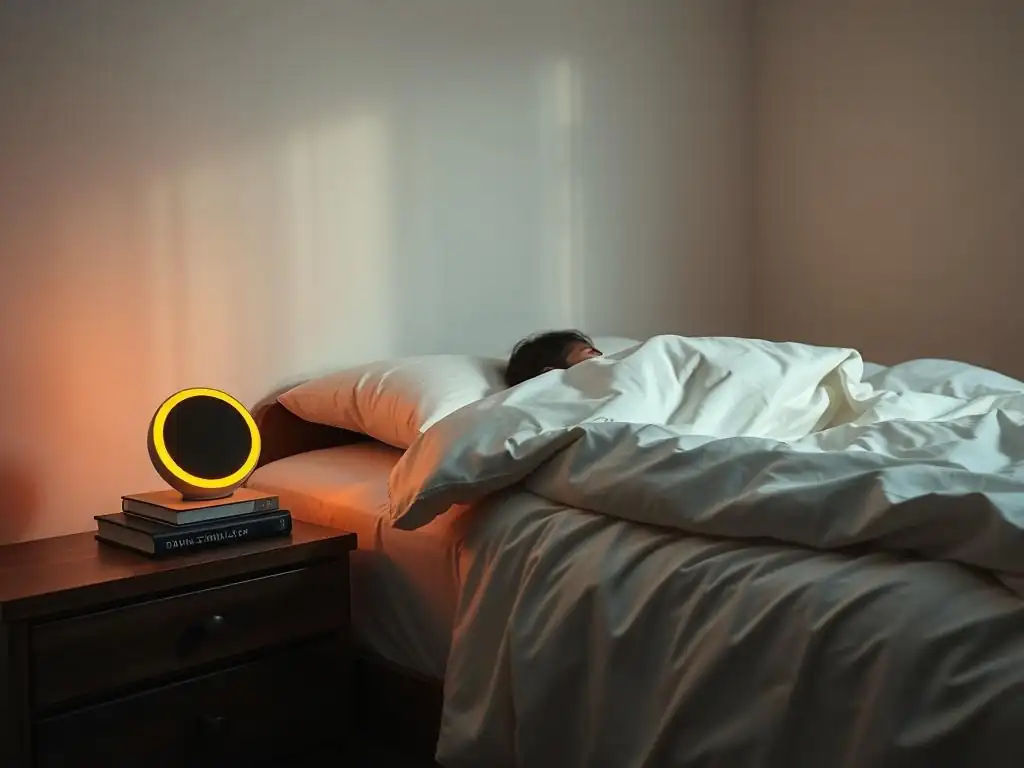
When choosing a dawn simulator, several features are important to consider. The range and peak intensity of the light are relevant, though the gradual increase is the defining characteristic. Look for devices that allow you to set the duration of the "sunrise" period (e.g., 30, 60, or 90 minutes) to find what works best for your waking process. The maximum brightness reached should be sufficient to act as a wake-up cue, but it doesn't need to be 10,000 lux like a bright light box.
Many dawn simulators also include alarm options, often combining the light with sound (like nature sounds or radio) or vibration. The ability to customize the intensity and the gradual increase period is key. Some models offer additional features like sunset simulation (gradually dimming light in the evening to aid sleep), color options, or smart features. Ensure the device is placed correctly in your bedroom, typically on a bedside table, so the light reaches your eyes as it brightens.
Using a Dawn Simulator Effectively: Consistency and Placement
Effective use of a dawn simulator relies heavily on consistency and proper placement. The device should be set to begin its gradual brightening process a specific amount of time before your desired wake-up time, typically 30 to 90 minutes. It's crucial to use the simulator every day, including weekends, to help maintain a stable circadian rhythm, which is fundamental to seeing the benefits of light therapy for seasonal depression.
Place the dawn simulator on your bedside table, close enough so the light reaches your eyes as you sleep and wake. Avoid placing it too far away or having obstructions between you and the light source. While you don't need to look directly at the light, your eyes should be exposed to it. Combining the light with an audible alarm set for the end of the simulation period can help ensure you wake up fully. Patience is also important; it may take a week or two of consistent use to notice significant improvements in waking and mood.
Bright Light Therapy vs. Dawn Simulation: A Detailed Comparison
Light Intensity: Bright Light vs. Dawn Simulation
The most striking difference between the two therapies is the intensity of the light used. Bright light therapy utilizes a high intensity light, typically 10,000 lux, for a short duration (20-30 minutes). This high intensity is designed to deliver a potent signal to the brain's clock in a concentrated period.
In contrast, dawn simulation uses a much lower peak intensity, often ranging from a few hundred to a few thousand lux, but the light is delivered over a longer period (30-90 minutes) and increases gradually. The therapeutic effect here is believed to come from the pattern of gradual light exposure mimicking sunrise, rather than a single burst of high intensity. Both approaches can be effective, but they achieve their results through different light delivery methods.
Treatment Timing: When to Use Each Type of Light Therapy
Optimal timing is crucial for both therapies but differs slightly. Bright light therapy is most effective when used within the first hour or two of waking up in the morning. This timing helps to reset the circadian rhythm and suppress melatonin at the start of the day. Using bright light therapy later in the day can potentially interfere with nighttime sleep.
Dawn simulation is designed to be used before and during the wake-up period. The gradual increase in light begins while you are still asleep, typically 30-90 minutes before your set alarm time. This timing is specifically aimed at easing the transition from sleep to wakefulness and shifting the circadian phase more gently. Both therapies emphasize morning light exposure, but dawn simulation integrates it directly into the waking process.
Impact on Sleep: Comparing Effects on Sleep Quality and Wakefulness
Both bright light therapy and dawn simulation can positively impact sleep patterns disrupted by SAD, but they do so differently. Bright light therapy, when used correctly in the morning, helps to consolidate nighttime sleep and improve daytime alertness by reinforcing a clear day-night cycle. It can help individuals feel more awake during the day and more ready for sleep at night.
Dawn simulation has a more direct impact on the waking process. Users often report feeling more naturally and easily awakened, reducing morning grogginess and the struggle to get out of bed. By promoting a smoother transition from sleep, it can improve the subjective experience of waking and reduce the feeling of being "stuck" in sleep. Both therapies aim to regulate the circadian rhythm, which underlies healthy sleep, but dawn simulation specifically targets the transition from sleep to wakefulness.
User Experience: Which Therapy is Easier to Integrate into Daily Life?
The ease of integrating each therapy into daily life can vary depending on individual routines and preferences. Bright light therapy requires setting aside a specific 20-30 minute block of time each morning to sit near the light box. While you can multitask during this time (e.g., eat breakfast, read), it does necessitate a dedicated period. Some people find it challenging to consistently allocate this time, especially on busy mornings.
Dawn simulation is often perceived as easier to integrate because the therapy occurs while you are still in bed. You simply set the alarm time, and the light does its work automatically, gently waking you up. This passive approach can feel less demanding than actively sitting for a bright light session. However, it requires the device to be placed correctly in the bedroom and consistent wake-up times (or adjusting the device setting) to be most effective. Ultimately, the "easier" therapy depends on whether you prefer a dedicated morning session or a passive wake-up aid.
Cost Comparison: Bright Light Boxes vs. Dawn Simulators
The cost of bright light therapy devices and dawn simulators can vary widely based on features, brand, and certifications. Generally speaking, basic bright light boxes (10,000 lux, UV-filtered) can range from approximately $50 to $200. More advanced models with timers, adjustable stands, or specific designs might cost more.
Basic dawn simulators, which primarily offer the gradual light increase function, might start in a similar price range, perhaps $40 to $150. However, models with additional features like multiple sound options, sunset simulation, color changes, app connectivity, or backup power can be significantly more expensive, sometimes ranging from $150 to $300 or even more. When considering which light therapy benefits seasonal depression most effectively for your budget, it's helpful to compare basic models of each type first.
Which Light Therapy Benefits Seasonal Depression: Which One is Right for You?
Factors to Consider When Choosing Between Bright Light and Dawn Simulation
Choosing between bright light therapy and dawn simulation involves considering several personal factors. There isn't a single "best" therapy; the most effective one for you will depend on your specific symptoms, lifestyle, preferences, and any existing health conditions. Thinking about how your SAD manifests and how it impacts your daily routine is essential in making an informed decision.
Key factors include the severity of your SAD symptoms, particularly how they affect your energy levels and sleep patterns. Your morning routine and ability to dedicate time for therapy are also practical considerations. Furthermore, consulting with a healthcare professional can provide personalized guidance based on your medical history and overall health status. It's about finding the approach that you are most likely to use consistently and that addresses your most pressing symptoms.
Individual Preferences and Lifestyle
Your daily schedule and personal preferences play a significant role in determining which type of light therapy might be a better fit. If you have a predictable morning routine and can easily set aside 20-30 minutes for a dedicated session while multitasking, bright light therapy might be straightforward to incorporate. It can be used while you eat breakfast, read the news, or work at a desk.
If your mornings are rushed, or you struggle significantly with the physical act of waking up and getting out of bed, a dawn simulator might integrate more seamlessly into your routine. It works passively while you are still in bed, making the transition to wakefulness easier before you even fully open your eyes. Consider which method feels less like a chore and more like a supportive part of your morning.
Severity of SAD Symptoms
The severity and specific nature of your SAD symptoms can also influence the choice. Bright light therapy, with its high intensity, is often considered a potent treatment for moderate to severe SAD symptoms, particularly significant low mood and low energy. Its direct and intense signal is designed to have a strong impact on neurochemical regulation.
If your primary SAD symptom is difficulty waking up, excessive sleepiness (hypersomnia), or a feeling of being "stuck" in bed, dawn simulation might be particularly beneficial. Its focus on easing the transition from sleep and gently shifting the circadian rhythm can directly address these specific challenges. For milder symptoms, either therapy might be sufficient, and personal preference becomes even more important. Sometimes, a combination or trying one after the other can help determine the most effective approach.
Existing Sleep Problems
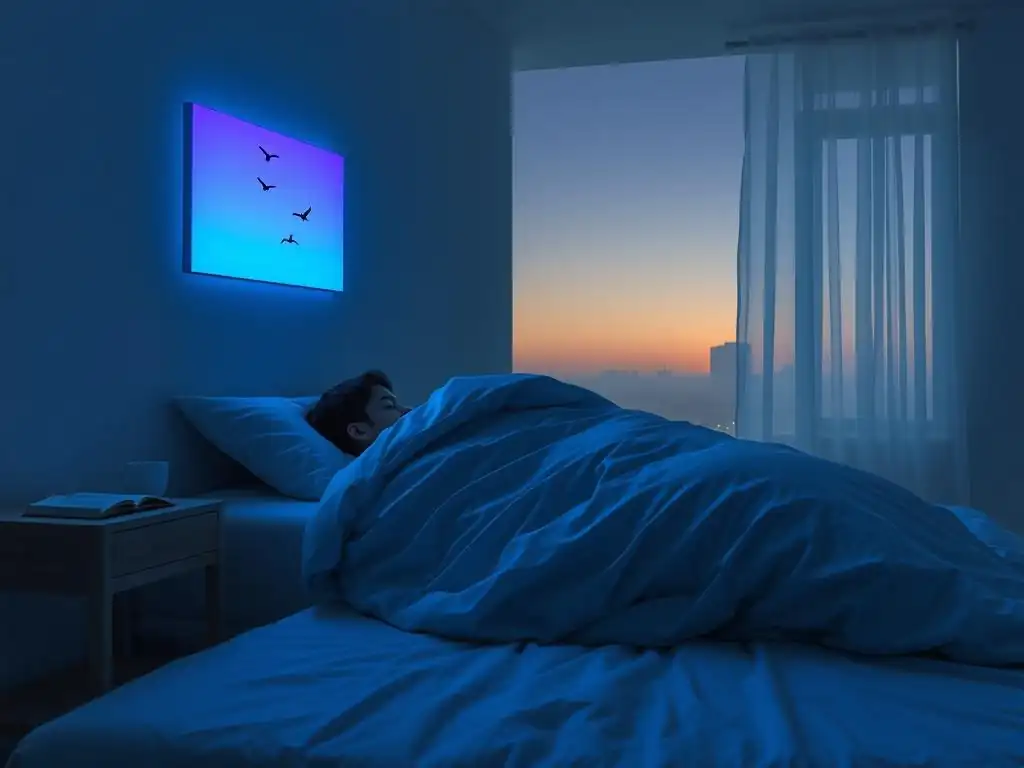
Individuals with existing sleep problems, in addition to SAD, should carefully consider how each therapy might interact with their sleep issues. For those with delayed sleep phase disorder (difficulty falling asleep and waking up late), bright light therapy in the early morning is often recommended to help shift the sleep schedule earlier.
Dawn simulation can also be very helpful for delayed sleep phase, as it provides a gentle wake-up cue that can make it easier to get out of bed at an earlier, desired time. For individuals with insomnia (difficulty falling or staying asleep), the timing of bright light therapy is especially critical to avoid exacerbating sleep onset problems. Consulting a sleep specialist or a healthcare provider familiar with sleep disorders and light therapy is advisable to ensure the chosen method supports, rather than disrupts, healthy sleep patterns.
Consulting with a Healthcare Professional
Before starting any form of light therapy for seasonal depression, it is highly recommended to consult with a healthcare professional, such as a doctor, psychiatrist, or therapist. They can help confirm the diagnosis of SAD and rule out other potential causes for your symptoms. They can also assess your overall health, including any eye conditions or medications you are taking, to ensure light therapy is safe and appropriate for you.
A professional can provide guidance on the most suitable type of light therapy based on your specific symptoms and medical history. They can also advise on proper usage, potential side effects, and how light therapy fits into a broader treatment plan that might include lifestyle adjustments, psychotherapy, or medication. Their expertise is invaluable in maximizing the benefits of light therapy for your seasonal depression while minimizing risks.
Combining Light Therapy with Other SAD Treatments
Light Therapy and Medication for Seasonal Depression
Light therapy can be used effectively as a standalone treatment for many individuals with SAD, particularly for mild to moderate symptoms. However, for those with more severe symptoms, or who do not achieve full remission with light therapy alone, it can also be used in conjunction with antidepressant medication. Selective serotonin reuptake inhibitors (SSRIs) are commonly prescribed for SAD, and the combination of light therapy and medication may provide more comprehensive symptom relief for some individuals.
It is crucial to discuss the use of light therapy alongside medication with your prescribing physician. Some medications can increase sensitivity to light (photosensitivity), which might require adjustments to light therapy duration or intensity, or careful monitoring for side effects like skin rashes or eye irritation. Your doctor can help determine the safest and most effective way to integrate both treatments into your plan for managing seasonal depression.
The Role of Therapy and Counseling in Managing SAD
Beyond light-based treatments, psychotherapy, particularly cognitive behavioral therapy for SAD (CBT-SAD), plays a vital role in managing seasonal depression. While light therapy addresses the biological aspects related to light exposure and circadian rhythms, therapy helps individuals develop coping strategies, challenge negative thought patterns associated with winter, and build behavioral skills to maintain activity and social connection during the darker months.
CBT-SAD teaches individuals techniques such as scheduling pleasant activities, identifying and restructuring negative thoughts about winter, and improving sleep hygiene. Combining light therapy with counseling can offer a more holistic approach, addressing both the physiological and psychological components of SAD. Therapy provides tools for long-term management and can be particularly helpful for those who experience significant functional impairment or have co-occurring mental health conditions.
Supporting light therapy with healthy lifestyle changes can significantly enhance overall well-being and resilience against SAD. Regular physical activity is a powerful mood booster and can help combat the low energy and fatigue associated with seasonal depression. Aiming for at least 30 minutes of moderate exercise most days of the week can make a difference.
A balanced diet, rich in fruits, vegetables, and whole grains, provides essential nutrients that support brain health. While there's no specific "SAD diet," avoiding excessive sugar and processed foods can help maintain stable energy levels. Crucially, maintaining social connections is vital. SAD can lead to withdrawal and isolation; actively scheduling time with friends and family or joining group activities can provide emotional support and combat feelings of loneliness. Integrating these lifestyle factors with light therapy benefits seasonal depression by fostering resilience on multiple fronts.
Maximizing the Effectiveness of Light Therapy for Seasonal Affecting Disorder
Creating a Consistent Light Therapy Routine
Consistency is arguably the most important factor in maximizing the effectiveness of light therapy for SAD. Whether you choose bright light therapy or dawn simulation, using the device at the same time every day, preferably in the morning, helps to regulate your body's internal clock most effectively. Skipping days or using the therapy at inconsistent times can disrupt the very rhythm you are trying to stabilize.
Incorporate light therapy into your existing morning routine to make it a habit. For instance, set up your bright light box where you eat breakfast or read the newspaper. If using a dawn simulator, ensure it's set to turn on the same amount of time before your desired wake-up time each day. Even on weekends, try to stick to a schedule that is as consistent as possible to maintain the benefits.
Optimizing Your Environment for Light Exposure
Beyond using your light therapy device, optimizing your overall environment for light exposure during the day can complement the treatment. Maximize natural light exposure whenever possible. Open curtains and blinds immediately upon waking. Arrange your living and workspace to be near windows. Consider spending time outdoors during the brightest part of the day, even if it's cloudy; natural light, even diffused, is still significantly brighter than indoor lighting.
During the darker months, using brighter indoor lighting in general living areas can also be helpful, though it doesn't replace the intensity of a therapeutic light box. Ensure your workspace is well-lit. Creating an environment that promotes light exposure throughout the day supports the goals of light therapy and helps reinforce a healthy circadian rhythm, contributing to the cumulative benefits of light therapy for seasonal depression.
Monitoring Your Symptoms and Adjusting Treatment Accordingly
It's important to monitor your symptoms after starting light therapy to assess its effectiveness and make adjustments as needed. Keep a simple journal noting your mood, energy levels, sleep patterns, and any side effects. Most people notice improvement within one to two weeks, but it can take longer.
If you are not experiencing significant improvement after several weeks of consistent use, or if side effects are bothersome, consult your healthcare provider. They may recommend adjusting the duration or timing of your light therapy sessions, trying a different type of light therapy (e.g., switching from bright light to dawn simulation or vice versa), or considering adding or changing other treatments like medication or therapy. Open communication with your provider is key to finding the most effective strategy for managing your SAD symptoms throughout the season.
Conclusion: Finding the Best Light Therapy Approach for Your Needs
Seasonal Affective Disorder is a challenging condition, but effective treatments like light therapy offer significant hope and relief. Both bright light therapy and dawn simulation have demonstrated benefits for seasonal depression by helping to regulate the body's circadian rhythm and influence mood-related neurochemicals. While bright light therapy uses a high-intensity light for a short duration to provide a strong signal, dawn simulation employs a gradual increase in lower-intensity light to mimic a natural sunrise and ease the waking process.
Choosing between these two approaches depends on individual symptoms, lifestyle, and preferences. Bright light therapy may be preferred for its established efficacy and ability to multitask during sessions, while dawn simulation might appeal to those who struggle with morning wakefulness and prefer a more passive, naturalistic approach.
Consulting with a healthcare professional is crucial to determine the most appropriate light therapy for your specific needs and to integrate it into a comprehensive treatment plan that may also include lifestyle changes, therapy, or medication. By understanding the options and using them consistently, you can harness the power of light to navigate the darker months and find relief from seasonal depression.
Frequently Asked Questions
What is light therapy and how does it relate to seasonal depression?
Light therapy involves exposure to intense artificial light to mimic natural sunlight. It's a common treatment for Seasonal Affective Disorder (SAD), also known as seasonal depression, helping to regulate your body's natural rhythms.
What are the main differences between bright light therapy and dawn simulation?
Bright light therapy uses a high-intensity light box for a shorter period, typically in the morning. Dawn simulation gradually increases light intensity over time, mimicking a natural sunrise, often while you sleep.
What are the potential benefits of using light therapy for seasonal depression?
Light therapy can help alleviate symptoms of SAD like low mood, fatigue, and sleep disturbances. It can also improve energy levels and concentration during the winter months.
Are there any side effects associated with light therapy?
Some people may experience headaches, eye strain, or nausea when starting light therapy. These side effects are usually mild and temporary. It's important to consult with a healthcare professional before starting light therapy.
How do I choose between bright light therapy and dawn simulation for my seasonal depression?
The best option depends on your individual needs and preferences. Bright light therapy is often more effective for immediate symptom relief, while dawn simulation may be preferred by those sensitive to bright light or seeking a more gradual approach.
Final Reflection: Choosing Your Light, Choosing Your Well-being
The quest for effective light therapy for seasonal affective disorder (SAD) is a journey of self-discovery, demanding a careful consideration of individual needs and responses. The differences between bright light therapy and dawn simulation are significant, impacting not only treatment efficacy but also the overall experience of incorporating light therapy into daily life. Understanding these nuances is crucial for maximizing benefits and minimizing potential drawbacks.
The impact of light therapy extends far beyond the alleviation of SAD symptoms; it speaks to our fundamental connection with natural rhythms and the profound influence of light on our mental and physical health. The ongoing research into circadian rhythms and their relationship to mood underscores the importance of this field. Light is the most powerful synchronizer of our internal clocks, influencing everything from sleep-wake cycles to hormone production.
This quote highlights the far-reaching implications of choosing the right type of light therapy, impacting not just mood but overall well-being. The subtle shift in understanding, from simply treating symptoms to optimizing our biological clocks, represents a significant advancement in our approach to mental health.
Now, consider your own relationship with light. Reflect on your daily routine, your sleep patterns, and your overall energy levels. Which type of light therapy – the intense brightness of a light box or the gentler, more natural transition of a dawn simulator – aligns best with your lifestyle and preferences? Take the time to explore the options, consult with a healthcare professional, and embark on a journey towards a brighter, healthier you. The power to improve your well-being lies within your grasp; choose wisely, and let the light guide your way.
Unleash Your Inner Sunshine: Take Control of Your Light
Thanks for taking the time to learn about the power of light therapy! We hope this article helped you understand the differences between bright light and dawn simulation. Now it's time to put that knowledge into action.
- Choose Your Light: Based on your needs and preferences (as discussed in the article), decide which type of light therapy is best for you. Is it the vibrant boost of bright light, or the gentle awakening of dawn simulation?
- Share Your Experience: Tell us – and others! – what you've learned. Share your thoughts, questions, or even your own light therapy journey in the comments below. Let’s build a supportive community around improving well-being through light!
- Try a New Routine: Experiment with incorporating your chosen light therapy into your daily routine. Even small changes can have a big impact.
Ready to shine brighter? What simple step will you take today to improve your sleep and mood with light therapy?