
Your Brain on Calm: The Neuroscience of Mindful Emotion Regulation

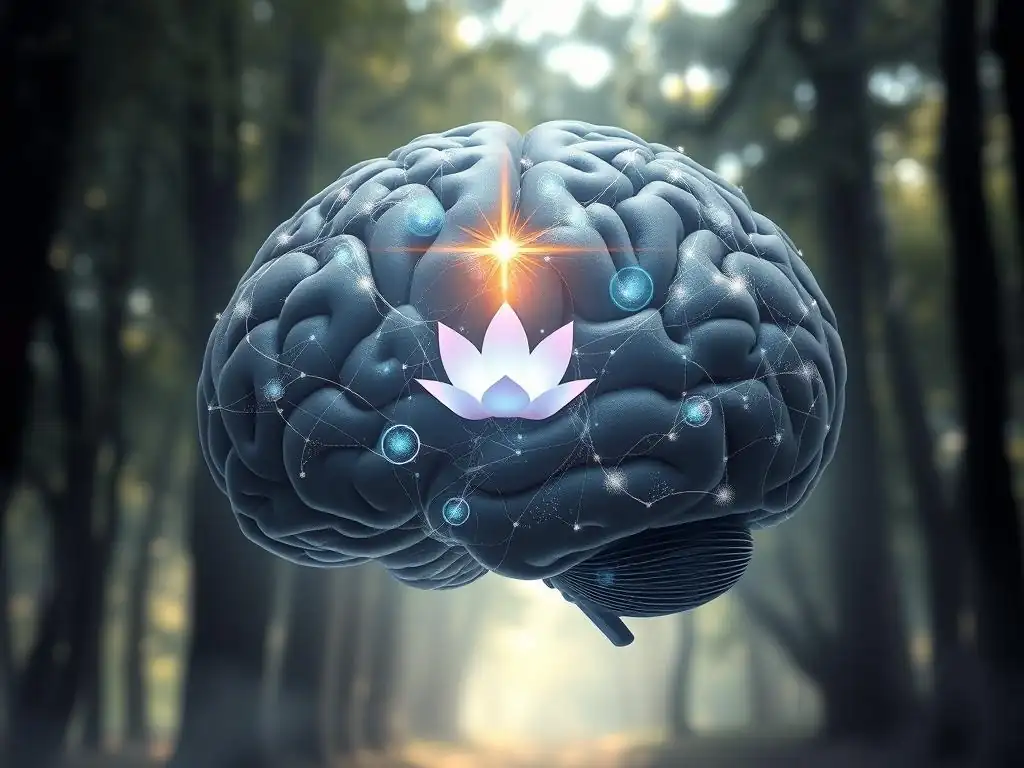
Welcome to Mind Care Guide.
Feeling overwhelmed by your emotions? You're not alone. We understand the challenges of navigating a complex inner world. This guide offers a beacon of hope, starting with a deep dive into mindful emotion regulation neuroscience. Discover how understanding your brain can empower you to cultivate inner peace and resilience. Curious to unlock the secrets of a calmer, more centered you? Let's explore the science together...
Your Brain on Calm: The Neuroscience of Mindful Emotion Regulation
- Understanding Mindful Emotion Regulation: A Neuroscientific Perspective
- The Brain's Emotional Landscape: Key Regions Involved
- How Mindfulness Impacts Brain Structure and Function
- The Science of Calm: Neurotransmitters and Mindfulness
- Practical Mindfulness Techniques for Emotional Regulation: A Neuroscience-Backed Approach
- The Benefits of Mindful Emotion Regulation: Beyond Calm
- Integrating Mindful Emotion Regulation into Daily Life: A Step-by-Step Guide
- Mindful Emotion Regulation Neuroscience: Future Directions and Research
- Conclusion: Embracing the Neuroscience of Calm for Emotional Well-being
-
Frequently Asked Questions
- What exactly is mindful emotion regulation, and how does it relate to neuroscience?
- How does mindful emotion regulation, viewed through a neuroscience lens, benefit mental well-being?
- Can mindful emotion regulation techniques actually change the structure or function of the brain?
- What are some specific mindful emotion regulation techniques that leverage our understanding of neuroscience?
- Where can I find more information and resources on mindful emotion regulation neuroscience from Mind Care Guide?
- Final Reflection: Cultivating Inner Peace Through Neuroscience
- Unlock Your Inner Calm: Start Practicing Mindfulness Today!
Understanding Mindful Emotion Regulation: A Neuroscientific Perspective
Defining Mindful Emotion Regulation for Mental Well-being
Mindful emotion regulation is a process rooted in awareness and acceptance, allowing individuals to observe their emotional experiences without immediate judgment or reaction. It's about acknowledging feelings like anger, sadness, or anxiety as transient states rather than identifying with them or being overwhelmed by them. This practice contrasts sharply with automatic or reactive emotional responses, offering a path toward greater emotional stability and resilience. At its core, mindful emotion regulation involves cultivating a non-reactive presence towards internal states, which neuroscience is increasingly showing has profound effects on brain function.
This approach to managing emotions is not about suppressing or denying feelings, but rather about understanding their nature and origin with curiosity and compassion. By developing this capacity, individuals can choose how to respond to challenging emotions, rather than being dictated by them. This shift from reactivity to responsiveness is central to improving mental well-being and is a key area explored within the field of mindful emotion regulation neuroscience, revealing how intentional mental training can reshape our internal world.
The Importance of Neuroscience in Understanding Emotional Control
Neuroscience provides a critical lens through which we can understand the mechanisms underlying emotional control and how practices like mindfulness influence these processes. By studying the brain, researchers can identify the specific neural circuits involved in generating and regulating emotions, offering empirical evidence for the effectiveness of mindfulness techniques. This scientific understanding moves mindful emotion regulation beyond anecdotal evidence, grounding it in verifiable biological changes.
Investigations using tools like fMRI (functional magnetic resonance imaging) and EEG (electroencephalography) allow scientists to observe brain activity in real-time as individuals practice mindfulness or experience emotional challenges. These studies illuminate how different brain regions interact and how these interactions change with regular mindfulness practice. Understanding the neuroscience of mindful emotion regulation helps validate these practices and informs the development of more effective strategies for supporting mental health.
The Brain's Emotional Landscape: Key Regions Involved
The Amygdala: Processing and Responding to Emotional Stimuli
The amygdala, a pair of almond-shaped structures deep within the temporal lobes, is a cornerstone of the brain's emotional processing system, particularly for detecting threats and generating rapid fear and anxiety responses. Often referred to as the brain's "alarm system," it processes emotional information incredibly quickly, sometimes even before that information reaches conscious awareness in the cortex. Its primary function is survival-oriented, triggering the "fight or flight" response when danger is perceived, whether real or imagined.
Research consistently shows that the amygdala is highly reactive to emotionally charged stimuli. In individuals experiencing conditions like anxiety disorders or PTSD, the amygdala can be hyperactive, leading to exaggerated or persistent fear responses. Understanding the amygdala's role is fundamental to appreciating how mindful emotion regulation works, as a key aspect of this practice involves learning to modulate the amygdala's reactivity.
The Prefrontal Cortex: The Brain's Emotion Regulator
The prefrontal cortex (PFC), located at the front of the brain, represents the executive control center responsible for higher-level cognitive functions such as planning, decision-making, working memory, and impulse control. Crucially, the PFC also plays a vital role in regulating emotional responses originating from subcortical areas like the amygdala. It allows us to evaluate the context of an emotional situation, understand its implications, and choose a response that is appropriate rather than purely reactive.
The PFC's ability to regulate emotions relies on its extensive neural connections with the amygdala and other limbic structures. It can essentially "dial down" the intensity of emotional signals from the amygdala, preventing impulsive or overwhelming reactions. This top-down control mechanism is central to intentional emotion regulation and is a key area targeted and strengthened by mindful practices, as demonstrated by mindful emotion regulation neuroscience studies.
How the Dorsolateral Prefrontal Cortex Impacts Emotional Control
A specific region within the prefrontal cortex, the dorsolateral prefrontal cortex (dlPFC), is particularly important for cognitive regulation of emotion. The dlPFC is heavily involved in executive functions like maintaining attention, working memory, and cognitive flexibility – skills essential for shifting focus away from distress and reappraising emotional situations. Its activity is associated with the deliberate effort to control or modify emotional states.
Studies using neuroimaging techniques have shown increased activity in the dlPFC when individuals actively try to regulate their emotions, for example, by reinterpreting a negative event in a more positive light. This area acts as a crucial node in the network that allows for conscious, effortful control over emotional reactivity. Strengthening the dlPFC's function is a significant outcome observed in individuals who regularly practice mindful emotion regulation, enhancing their capacity for intentional emotional control.
The Hippocampus: Memory and Emotional Context
The hippocampus, another structure within the limbic system, is primarily known for its role in forming and retrieving memories, especially episodic and contextual memories. However, it is also deeply interconnected with the amygdala and plays a significant role in processing the contextual information surrounding emotional events. This allows us to understand when and where an emotional event occurred, providing crucial context that helps modulate the emotional response.
For example, the hippocampus helps differentiate between a genuinely threatening situation and one that merely resembles a past threat but is currently safe, thereby influencing the amygdala's response. In conditions like PTSD, hippocampal dysfunction can contribute to difficulty discriminating between safe and unsafe contexts, leading to inappropriate fear responses. Mindful emotion regulation, by enhancing present-moment awareness and reducing the hold of past experiences, may indirectly support healthier hippocampal function in processing emotional memories.
How Mindfulness Impacts Brain Structure and Function
Neuroplasticity and Mindfulness: Rewiring the Brain for Calm
Neuroplasticity is the remarkable ability of the brain to reorganize itself by forming new neural connections throughout life. This means that our experiences, behaviors, and even thoughts can physically change the structure and function of our brains. Mindfulness practice leverages this principle; by repeatedly bringing attention to the present moment and observing internal states without judgment, individuals are effectively training specific neural pathways.
Research in mindful emotion regulation neuroscience has provided compelling evidence for neuroplastic changes associated with regular mindfulness meditation. Studies have shown changes in grey matter density in brain regions crucial for attention, self-awareness, and emotion regulation, such as the prefrontal cortex and the insula. These structural changes are thought to underpin the observed improvements in emotional stability and cognitive control seen in experienced meditators.
Mindfulness Meditation and Amygdala Activity: Reducing Emotional Reactivity
One of the most widely reported findings in the neuroscience of mindful emotion regulation is the impact of mindfulness meditation on the amygdala. Numerous studies have demonstrated that consistent mindfulness practice can lead to a reduction in amygdala reactivity, particularly in response to negative or stressful stimuli. This suggests that mindfulness helps to dampen the brain's immediate alarm system.
For instance, research comparing experienced meditators to novices often shows lower amygdala activation in meditators when exposed to emotionally challenging images or situations. Some studies approximate this reduction in reactivity to be around 10-20% lower compared to control groups. This reduced "firing" of the amygdala translates into a less intense initial emotional shock and a greater capacity to respond thoughtfully rather than instinctively to stressful events.
Enhanced Prefrontal Cortex Function Through Mindfulness Practices
Mindfulness doesn't just quiet the amygdala; it also appears to strengthen the brain's top-down regulatory systems, particularly within the prefrontal cortex. Regular mindfulness meditation is associated with increased activity and connectivity within PFC regions, including the dorsolateral prefrontal cortex mentioned earlier. This enhancement supports improved executive control over emotional responses.
This means that with practice, the PFC becomes more efficient at evaluating emotional signals from the amygdala and other areas, allowing for a more considered and less impulsive reaction. The increased communication between the PFC and the amygdala is thought to be a key neural mechanism underlying improved mindful emotion regulation. This strengthened regulatory circuit provides the brain with a more robust capacity to navigate complex emotional landscapes.
Improved Attention and Focus
A crucial aspect of enhanced prefrontal cortex function through mindfulness is the improvement in attentional control. Mindfulness meditation practices, especially focused attention techniques, directly train the ability to concentrate and redirect attention when the mind wanders. This training strengthens the neural networks within the PFC involved in sustaining focus and inhibiting distractions.
Improved attention is vital for mindful emotion regulation because it allows an individual to notice the onset of an emotion without immediately being swept away by it. It provides the mental space to observe the emotion, its physical sensations, and associated thoughts, rather than getting lost in rumination or reactivity. This enhanced capacity for focused attention, supported by a stronger PFC, is a foundational skill for navigating challenging emotions mindfully.
Increased Emotional Awareness
Mindfulness practice cultivates a heightened awareness of internal states, including emotions, physical sensations, and thoughts. This increased emotional awareness is strongly linked to activity in brain regions like the insula, which processes bodily sensations and subjective feelings, and its connectivity with the prefrontal cortex. By paying non-judgmental attention to the present moment, individuals become more attuned to the subtle nuances of their emotional experience.
This enhanced awareness, facilitated by changes in PFC and insula connectivity, allows for earlier detection and identification of emotions. Instead of being blindsided by intense feelings, individuals can notice emotions as they arise, giving them more opportunity to apply mindful regulation strategies. This conscious recognition is the first step in choosing a response rather than automatically reacting, a core principle of effective mindful emotion regulation.
The Science of Calm: Neurotransmitters and Mindfulness
Serotonin and Mindfulness: Boosting Mood and Emotional Stability
Serotonin is a neurotransmitter widely known for its role in regulating mood, sleep, appetite, and social behavior. Lower levels of serotonin are often associated with depression and anxiety. While the direct link between mindfulness and serotonin levels is still an active area of research, some studies suggest that practices that promote well-being and reduce stress, such as mindfulness, may positively influence serotonin activity or availability in the brain.
Chronic stress is known to negatively impact serotonin pathways. By reducing stress and promoting a sense of calm and acceptance, mindfulness may indirectly support healthier serotonin function, contributing to improved mood and greater emotional stability. This potential influence on neurotransmitter systems adds another layer to the understanding provided by mindful emotion regulation neuroscience.
Dopamine and Mindfulness: Cultivating Reward and Motivation
Dopamine is a key neurotransmitter involved in the brain's reward system, motivation, pleasure, and executive functions. While often associated with immediate gratification, dopamine also plays a role in learning and reinforcing behaviors that lead to positive outcomes. Some research suggests that mindfulness practice, particularly loving-kindness meditation which cultivates feelings of warmth and connection, may influence dopamine pathways.
By shifting focus from external rewards to internal states of peace and contentment, mindfulness might subtly influence the brain's reward circuitry. Cultivating appreciation for the present moment and developing self-compassion could activate dopamine pathways in a way that reinforces calm and positive emotional states, contributing to sustained motivation for practice and overall well-being.
GABA and Mindfulness: Reducing Anxiety and Promoting Relaxation
Gamma-aminobutyric acid (GABA) is the primary inhibitory neurotransmitter in the central nervous system. Its main function is to reduce neuronal excitability, essentially acting as the brain's primary "calming" agent. Low levels of GABA or impaired GABA function are often linked to increased anxiety, stress, and difficulty relaxing.
Preliminary research, including some neuroimaging studies, suggests that mindfulness meditation may be associated with increased levels of GABA in certain brain regions. For instance, one study using magnetic resonance spectroscopy found higher levels of GABA in the posterior cingulate cortex of mindfulness practitioners compared to controls. This potential increase in GABA could contribute significantly to the anxiety-reducing and relaxation-promoting effects commonly reported by individuals who engage in mindful emotion regulation practices.
Practical Mindfulness Techniques for Emotional Regulation: A Neuroscience-Backed Approach
Mindful Breathing Exercises: Calming the Nervous System
Focusing attention on the breath is a foundational mindfulness technique. This simple practice involves observing the sensation of the breath entering and leaving the body without trying to change it. From a neuroscience perspective, mindful breathing activates the parasympathetic nervous system, which counteracts the "fight or flight" response initiated by the sympathetic nervous system and the amygdala.
By intentionally focusing on the breath, individuals engage the prefrontal cortex to direct attention. This focus helps to interrupt the cycle of reactive thinking and physiological arousal associated with strong emotions. Regular mindful breathing trains the brain to activate calming pathways more readily, providing an immediate tool for reducing stress and anxiety by modulating the autonomic nervous system.
Body Scan Meditation: Increasing Body Awareness and Reducing Tension
Body scan meditation involves systematically bringing attention to different parts of the body, noticing physical sensations without judgment. This practice enhances interoceptive awareness – the ability to perceive internal bodily states – which is linked to activity in the insula. Increased awareness of physical sensations associated with emotions (e.g., tightness in the chest with anxiety, heat in the face with anger) is crucial for mindful emotion regulation.
By practicing the body scan, individuals learn to recognize how emotions manifest physically and to release physical tension held in the body. This process, supported by enhanced insula-PFC connectivity, helps to ground awareness in the present moment and prevent escalation of emotional distress. It provides a tangible way to connect the mind and body, reducing the overwhelming nature of intense feelings.
Loving-Kindness Meditation: Fostering Compassion and Emotional Resilience
Loving-kindness meditation (Metta) involves cultivating feelings of warmth, compassion, and kindness towards oneself and others. While seemingly distinct from traditional emotion regulation, this practice directly targets emotional states and relationships. Neuroscience research suggests that Metta meditation can increase activity in brain regions associated with empathy and positive emotion, such as the medial prefrontal cortex and the insula.
By intentionally generating feelings of kindness, individuals can shift their emotional state, counteracting negative emotions like anger or resentment. This practice builds emotional resilience by fostering a more compassionate relationship with oneself and challenging emotions. It demonstrates how mindful emotion regulation isn't just about managing negative states but also about actively cultivating positive ones, supported by changes in neural circuits related to social cognition and affect.
Open Monitoring Meditation: Cultivating Non-Judgmental Awareness
Open monitoring meditation involves paying attention to whatever arises in present-moment awareness – thoughts, feelings, sensations, sounds – without focusing on any one thing in particular and without judgment. This practice cultivates a broad, non-reactive awareness. Neuroscience suggests that open monitoring engages a different network than focused attention, involving areas like the default mode network (DMN), which is typically active during mind-wandering.
By observing the contents of consciousness without getting caught up in them, individuals learn to detach from automatic thought patterns and emotional reactivity. This practice helps to weaken the neural pathways that lead to rumination and identification with negative thoughts or feelings. It fosters a metacognitive perspective, allowing one to see thoughts and emotions as transient events rather than absolute truths, thus improving mindful emotion regulation capacity.
The Benefits of Mindful Emotion Regulation: Beyond Calm
Reducing Stress and Anxiety Through Mindfulness
One of the most widely recognized benefits of mindful emotion regulation is its efficacy in reducing stress and anxiety. Chronic stress activates the hypothalamic-pituitary-adrenal (HPA) axis, leading to the release of stress hormones like cortisol. Prolonged exposure to high cortisol levels can have detrimental effects on both mental and physical health, including impacting brain structures involved in emotion regulation.
Mindfulness practices have been shown to buffer the stress response, leading to lower levels of perceived stress and potentially lower cortisol levels in some studies. By reducing amygdala reactivity and strengthening PFC control, mindful emotion regulation helps individuals respond to stressors with greater equanimity, interrupting the physiological cascade that leads to chronic anxiety and promoting a state of calm.
Improving Emotional Resilience and Coping Skills
Emotional resilience is the ability to adapt well in the face of adversity, trauma, tragedy, threats, or significant sources of stress. Mindful emotion regulation directly cultivates this resilience. By learning to observe difficult emotions without being overwhelmed, individuals develop a greater capacity to navigate challenges and bounce back from setbacks.
Mindfulness practices provide a toolkit of coping skills that can be applied in real-time when faced with stressful situations. Techniques like mindful breathing or body scanning offer immediate ways to ground oneself, while cultivating non-judgmental awareness helps to prevent getting stuck in negative thought loops. This enhanced ability to cope is a direct outcome of the neuroplastic changes fostered by mindful emotion regulation, building a more robust emotional architecture.
Enhancing Self-Awareness and Emotional Intelligence
Self-awareness, a core component of emotional intelligence, is significantly enhanced through mindful emotion regulation. Emotional intelligence involves understanding one's own emotions and those of others, and using this understanding to guide thinking and behavior. Mindfulness practice, by its very nature, requires paying close attention to one's internal experience – thoughts, feelings, and bodily sensations.
This sustained, non-judgmental attention leads to a deeper understanding of one's emotional patterns, triggers, and reactions. This increased self-awareness is the foundation for better emotional regulation and more skillful interpersonal interactions. As individuals become more attuned to their own emotional landscape, they are better equipped to understand and respond empathetically to the emotions of others, thereby enhancing overall emotional intelligence.
Integrating Mindful Emotion Regulation into Daily Life: A Step-by-Step Guide

Integrating mindful emotion regulation into the fabric of daily life requires intention and practice. It's not about adding another chore to your day, but about weaving moments of awareness into existing activities.
- Step 1: Start Small: Begin with short, manageable practices. Even five minutes of mindful breathing or a brief body scan can make a difference.
- Step 2: Choose a Regular Time: Link your practice to an existing habit, like before breakfast or during your commute. Consistency is more important than duration initially.
- Step 3: Practice Informally: Mindfulness isn't limited to formal meditation sessions. Bring awareness to everyday activities like eating, walking, or washing dishes. Notice the sensations, sights, and sounds.
- Step 4: Identify Emotional Triggers: Pay attention to situations or thoughts that typically lead to challenging emotions. Use your growing emotional awareness to notice the subtle signs as they arise.
- Step 5: Apply Techniques In the Moment: When you feel a difficult emotion arising, pause. Try mindful breathing or a brief body scan. Observe the emotion without judgment, reminding yourself it's temporary.
- Step 6: Reflect Regularly: At the end of the day, take a moment to reflect on your emotional experiences. What did you notice? How did you respond? What felt challenging? What felt helpful?
Setting Realistic Goals for Mindfulness Practice
When embarking on mindful emotion regulation, setting realistic goals is crucial for maintaining motivation and avoiding discouragement. Aiming for 30 minutes of meditation daily from the outset might be overwhelming for a beginner. Instead, start with achievable goals, perhaps 5-10 minutes a few times a week. As you become more comfortable, you can gradually increase the duration or frequency.
It's also important to set process-oriented goals rather than outcome-oriented ones. Focus on the intention to practice regularly, rather than expecting immediate or dramatic changes in your emotional state. A realistic goal might be "I will practice mindful breathing for 5 minutes every morning," rather than "I will never feel anxious again." Acknowledge that some days will be easier than others and approach your practice with self-compassion.
Creating a Consistent Mindfulness Routine
Consistency is key to reaping the neuroscientific benefits of mindful emotion regulation. Just as physical exercise strengthens muscles, regular mindfulness practice strengthens neural pathways associated with attention, self-awareness, and emotional regulation. Establishing a routine helps embed the practice into your daily life, making it a sustainable habit.
Find a time and place that works for you and try to stick to it. This could be first thing in the morning, during a lunch break, or before bed. Consider using reminders or linking your practice to an existing daily event, such as brushing your teeth or having a cup of tea. Remember that a consistent, even short, practice is far more effective than infrequent, long sessions.
Addressing Common Obstacles: Wandering Minds and Self-Criticism
Two significant obstacles in mindfulness practice are a wandering mind and self-criticism. It is perfectly normal for the mind to wander during meditation or mindful activities; the practice is not about stopping thoughts, but about noticing when the mind has wandered and gently bringing it back to the present moment. Each time you notice wandering and redirect your attention, you are strengthening the neural networks involved in focus and control.
Self-criticism can arise when we feel we are "failing" at mindfulness, perhaps because our mind is busy or we feel restless. Approach these thoughts and feelings with the same non-judgmental awareness you apply to other experiences. Recognize the self-criticism, acknowledge it without believing it, and gently return to your chosen anchor (like the breath). Cultivating self-compassion is an integral part of mindful emotion regulation, allowing you to approach challenges with kindness rather than harsh judgment.
Mindful Emotion Regulation Neuroscience: Future Directions and Research
Emerging Research on Mindfulness and Brain Health
The field of mindful emotion regulation neuroscience is rapidly expanding, with ongoing research exploring the full extent of mindfulness's impact on brain health across the lifespan. Emerging studies are investigating how mindfulness might influence neurodegenerative conditions, cognitive decline, and even recovery from brain injury. Researchers are particularly interested in mindfulness's potential to promote brain resilience and maintain cognitive function in aging populations.
Studies are also delving deeper into the effects of different types of mindfulness meditation on specific neural circuits. This includes examining how practices focused on compassion versus attention might differentially impact brain structure and function. This nuanced research aims to tailor mindfulness interventions more effectively for specific mental health goals and populations, building on the foundational understanding of mindful emotion regulation neuroscience.
The Potential of Mindfulness for Treating Mental Health Conditions
Given its observed effects on brain regions involved in emotional processing and regulation, mindfulness holds significant potential as a therapeutic tool for a range of mental health conditions. Research has already demonstrated its effectiveness as an adjunct treatment for depression, anxiety disorders, and PTSD, often delivered through programs like Mindfulness-Based Stress Reduction (MBSR) or Mindfulness-Based Cognitive Therapy (MBCT).
Future research in mindful emotion regulation neuroscience is focused on understanding the specific neural mechanisms by which mindfulness alleviates symptoms in these conditions. This includes investigating its impact on aberrant connectivity patterns and neurotransmitter imbalances often seen in mental illness. The goal is to integrate mindfulness practices more effectively into clinical settings and potentially develop personalized mindfulness interventions based on an individual's specific neural profile.
Advancing Mindfulness Research: The Role of fMRI and EEG Studies
Functional Magnetic Resonance Imaging (fMRI) and Electroencephalography (EEG) are cornerstone technologies in advancing mindful emotion regulation neuroscience research. fMRI allows researchers to measure brain activity by detecting changes in blood flow, providing detailed spatial information about which brain regions are active during mindfulness practices or emotional tasks. This has been instrumental in identifying the role of the amygdala, PFC, and other structures.
EEG measures electrical activity in the brain using electrodes placed on the scalp, offering excellent temporal resolution – the ability to track brain activity changes very quickly. This is valuable for understanding the rapid shifts in neural states associated with mindfulness and emotional responses. Future research utilizing these and other advanced neuroimaging techniques, combined with sophisticated data analysis methods, will continue to deepen our understanding of how mindful emotion regulation reshapes the brain for greater well-being.
Conclusion: Embracing the Neuroscience of Calm for Emotional Well-being
Frequently Asked Questions
What exactly is mindful emotion regulation, and how does it relate to neuroscience?
Mindful emotion regulation involves consciously observing and accepting emotions without judgment. Neuroscience helps us understand the brain regions and processes involved in this regulation, such as the prefrontal cortex and amygdala.
How does mindful emotion regulation, viewed through a neuroscience lens, benefit mental well-being?
By understanding the neural pathways involved, we can see how mindfulness practices strengthen circuits that regulate emotions. This leads to reduced reactivity to stress and improved overall well-being.
Can mindful emotion regulation techniques actually change the structure or function of the brain?
Yes, research suggests that regular practice of mindful emotion regulation can lead to neuroplasticity, meaning changes in brain structure and function. These changes often involve increased gray matter in areas associated with attention and emotional control.
What are some specific mindful emotion regulation techniques that leverage our understanding of neuroscience?
Techniques like mindful breathing and body scans help activate the parasympathetic nervous system, calming the body and brain. Understanding the neuroscience behind these techniques enhances their effectiveness.
Where can I find more information and resources on mindful emotion regulation neuroscience from Mind Care Guide?
Mind Care Guide offers a variety of articles, guides, and resources on its website. Search for "mindfulness, emotion regulation, and neuroscience" to find relevant content.
Final Reflection: Cultivating Inner Peace Through Neuroscience
The science of mindful emotion regulation isn't just a niche academic pursuit; it's a vital tool for navigating the complexities of modern life. Understanding how our brains process emotions and learning techniques to manage them effectively is no longer a luxury, but a necessity in a world increasingly characterized by stress and anxiety. The ability to cultivate inner peace is not simply a desirable trait, but a crucial skill for personal well-being and societal harmony.
The exploration of mindful emotion regulation's neurological underpinnings has profoundly impacted my own understanding of stress and emotional reactivity. I've personally witnessed the transformative power of practices like meditation and mindfulness in shifting my own emotional landscape. The research highlighted in this article underscores the tangible, measurable changes occurring in the brain through consistent practice. The mind is everything. What you think you become.
– Buddha. This ancient wisdom is now supported by cutting-edge neuroscience, demonstrating the profound impact of our thoughts and mental states on our physical and emotional well-being.
Now, consider your own relationship with your emotions. What strategies do you currently employ to manage stress and difficult feelings? Are you curious to explore the neuroscience behind these strategies, or perhaps discover new techniques grounded in scientific understanding? I invite you to embark on a journey of self-discovery, to experiment with mindful practices, and to witness firsthand the transformative power of harnessing your brain's capacity for emotional regulation. The path to inner peace begins with a single, mindful breath.
Unlock Your Inner Calm: Start Practicing Mindfulness Today!
Thanks for exploring the neuroscience of mindful emotion regulation with us! We hope you gained valuable insights into how to manage your emotions more effectively. Ready to put this knowledge into practice?
Here's how to take the next step:
- Begin a daily mindfulness practice: Even 5-10 minutes a day can make a significant difference in your emotional well-being. Try a guided meditation or simply focus on your breath. This is your primary step toward cultivating inner peace.
- Share your experience: Tell us about your mindfulness journey! What techniques resonate most with you? Sharing your insights can inspire others.
- Explore Mind Care Guide’s resources: Dive deeper into our articles and guides on mindfulness, stress reduction, and emotional intelligence for more support on your journey.
What small step will you take today to nurture your emotional well-being?