
Vipassana Retreats: A Deeper Dive into Insight Meditation

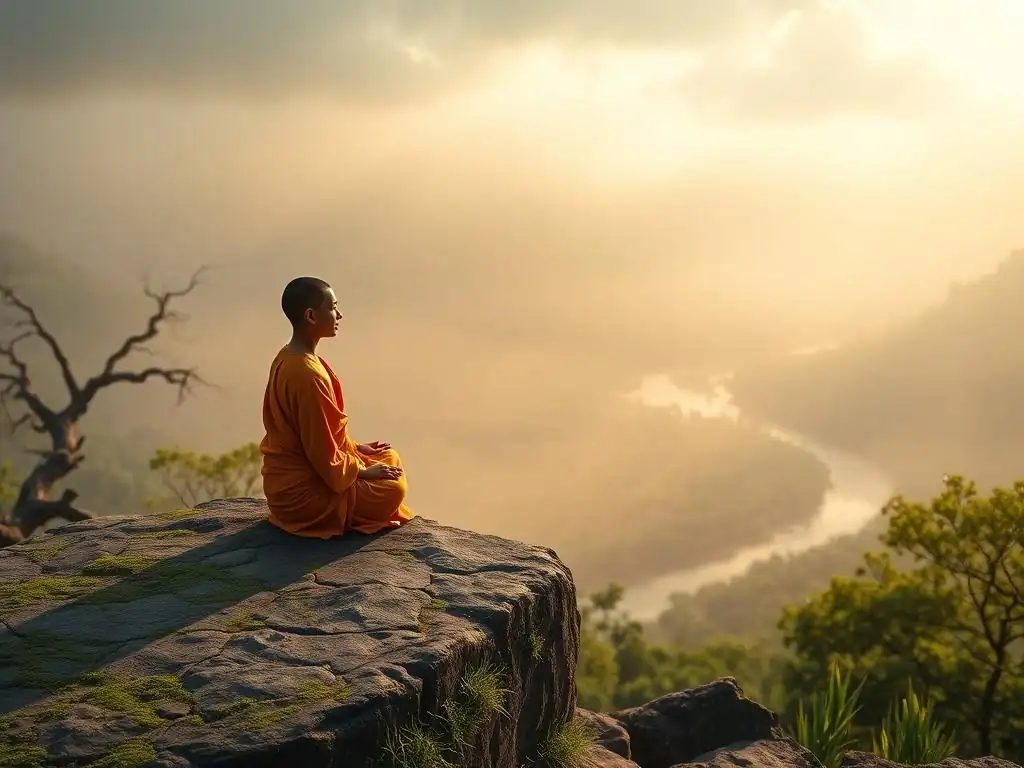
Welcome to Mind Care Guide, your sanctuary for cultivating inner peace and navigating life's complexities. Feeling overwhelmed by stress? You're not alone. Our exploration of Vipassana retreat benefits for stress offers a pathway to profound healing and lasting well-being. Discover how this ancient practice can unlock a calmer, more centered you. Intrigued? Let's delve deeper...
- Vipassana Retreats: A Deeper Dive into Insight Meditation for Stress Reduction
- The Vipassana Retreat Experience: What to Expect
- Vipassana Retreat Benefits for Stress: A Detailed Exploration
- Who Should Consider a Vipassana Retreat?
- Finding the Right Vipassana Retreat for You
- Maximizing Your Vipassana Retreat Experience: Tips and Strategies
- Vipassana Meditation and Stress Relief: Real-Life Success Stories
- Conclusion: Embracing the Power of Vipassana for a Stress-Free Life
-
Frequently Asked Questions
- What exactly is a Vipassana retreat and how does it relate to stress reduction?
- What are the primary benefits of attending a Vipassana retreat, particularly in relation to managing stress?
- How long do Vipassana retreats typically last, and is there a recommended duration for beginners seeking stress relief?
- Is prior meditation experience required to participate in a Vipassana retreat, and what can I expect in terms of daily schedule and practices?
- What are some practical tips for preparing for a Vipassana retreat to maximize its benefits for stress management, and are there any specific resources you recommend from Mind Care Guide?
- Final Reflection: Finding Stillness in a Restless World
- Unlock Your Inner Peace: Take the Next Step on Your Mindfulness Journey
Vipassana Retreats: A Deeper Dive into Insight Meditation for Stress Reduction
What is Vipassana? Exploring the Ancient Insight Meditation Technique
Vipassana, meaning "to see things as they really are," is one of India's most ancient meditation techniques. It was rediscovered by Gautama Buddha more than 2500 years ago and taught by him as a universal remedy for universal ills.
The technique is a path of self-transformation through self-observation, focusing on the deep interconnection between mind and body, which can be experienced directly by disciplined attention to the physical sensations that form the life of the body, and that continuously interconnect and condition the life of the mind. It is a non-sectarian technique aiming at the total eradication of mental impurities.
The practice involves observing reality as it is, without judgment or reaction. It is not an intellectual exercise but a practical method of self-exploration. Through sustained observation, practitioners begin to understand the nature of their own minds and bodies, recognizing the impermanent nature of all phenomena. This understanding is not based on belief but on direct, personal experience. Over time, this insight leads to profound changes in habits of mind, including those that contribute significantly to stress and anxiety.
The Goal of Vipassana: Achieving Mental Clarity and Inner Peace
The primary goal of practicing Vipassana is to purify the mind of suffering. According to the teachings, the root causes of suffering are craving, aversion, and ignorance. By observing the arising and passing away of physical sensations and mental phenomena with equanimity, practitioners gradually weaken these root causes. This process leads to greater mental clarity, allowing one to see situations more objectively without the distortion of personal biases and emotional reactivity.
Achieving inner peace is a natural outcome of this purification process. As the mind becomes less agitated by cravings and aversions, a deep sense of calm and contentment emerges. This isn't a superficial peace dependent on external circumstances but a stable state derived from understanding and accepting reality. While stress reduction is a significant and often immediate Vipassana retreat benefit for stress, the ultimate aim is a deeper, more lasting freedom from suffering, leading to a state of equanimity and genuine inner peace.
Core Principles of Vipassana: Mindfulness, Impermanence, and Non-Attachment
Mindfulness, or sati, is a foundational principle of Vipassana. It involves paying deliberate, non-judgmental attention to the present moment, observing thoughts, feelings, and physical sensations as they arise and pass away. This sustained awareness is cultivated without reacting to what is observed, fostering a state of mindful presence that is crucial for identifying the patterns of the mind that contribute to stress. It's through this heightened awareness that one can begin to understand the other core principles on a deeper level.
Impermanence, or anicca, is the understanding that everything is constantly changing. By observing the continuous flux of sensations in the body, practitioners directly experience this reality. Recognizing the impermanent nature of pleasant and unpleasant experiences, including stressful thoughts and feelings, helps to reduce the tendency to cling to the pleasant or push away the unpleasant. This experiential understanding of impermanence is key to developing non-attachment.
Non-attachment, or aparigraha, arises naturally from the understanding of impermanence and suffering ( dukkha). It is not about becoming indifferent but about releasing the grip of craving and aversion, which are major sources of stress. By practicing non-attachment to outcomes, thoughts, or feelings, individuals can navigate life's challenges, including stressful situations, with greater ease and resilience.
The Vipassana Retreat Experience: What to Expect
Preparing for a Vipassana Retreat: A Comprehensive Guide
Preparing for a Vipassana retreat involves both mental and practical steps. Mentally, it's crucial to understand the commitment required – typically 10 days of intensive meditation and adherence to a strict discipline code. This includes Noble Silence, abstaining from reading, writing, and external communication. Managing expectations is also vital; it's a challenging but potentially transformative experience, not a spa vacation. Understanding that difficult emotions or physical discomfort may arise is part of the preparation.
Practically, preparation involves arranging time off work, notifying family of your inaccessibility, and packing appropriately. Comfortable, modest clothing is essential, as are basic toiletries. Most centers provide bedding and simple vegetarian meals. It's advisable to tie up all loose ends before the retreat begins to minimize external worries. Some centers also recommend gradually reducing reliance on electronic devices in the days leading up to the retreat to ease the transition into a period of digital detox and focused self-observation.
Daily Schedule and Routine at a Vipassana Meditation Retreat
A typical Vipassana retreat day is highly structured and begins early, often around 4:00 or 4:30 AM. The schedule is primarily devoted to meditation, alternating between group sittings in the meditation hall and individual practice in one's room or designated areas. There are short breaks for meals and rest throughout the day, but even during these times, Noble Silence is observed.
The day usually includes several hours of meditation practice, broken up by meals (breakfast, lunch, and sometimes a light evening tea). In the evening, there is typically a discourse by the teacher (often a video recording of S.N. Goenka, a principal teacher of Vipassana), explaining the theory and practice of Vipassana and helping students understand the experiences they are having. The day concludes relatively early, around 9:00 or 9:30 PM, allowing for sufficient rest before the next day's practice begins. This rigorous schedule is designed to facilitate deep immersion in the technique.
The Importance of Noble Silence During a Vipassana Retreat
Noble Silence ( ariya mauna) is a fundamental aspect of the Vipassana retreat experience, observed from the beginning of the retreat until the morning of the last full day. It means abstaining from all forms of communication, including talking, gesturing, writing, reading, and using electronic devices. The only exception is communicating with the teacher when necessary or with management for practical matters.
The purpose of Noble Silence is multifaceted. It minimizes external distractions and interactions that can keep the mind engaged with the outside world, allowing energy to be directed inward. It also reduces the likelihood of engaging in activities that fuel ego or create new attachments or aversions.
By eliminating external communication, practitioners are confronted with their own internal landscape, facilitating deeper self-observation and fostering the conditions necessary for the profound insight that is the essence of Vipassana. This intense introspection is a key factor in the Vipassana retreat benefits for stress, as it allows individuals to directly observe the roots of their tension.
Meditation Techniques Practiced During Vipassana
Anapana Sati: Mindfulness of Breathing
Anapana Sati is the first technique taught in a Vipassana retreat and is practiced for the initial few days. It involves focusing attention solely on the natural, incoming and outgoing breath at the entrance of the nostrils or on the upper lip. The purpose is not to control the breath but simply to observe it as it is – long or short, deep or shallow, rough or subtle.
The primary goal of Anapana Sati is to develop concentration ( samadhi). By repeatedly bringing the wandering mind back to the breath, the mind becomes sharper, more focused, and less agitated. This heightened concentration is a necessary preparation for the practice of Vipassana itself, enabling the practitioner to observe the subtler realities of the mind-body connection. It also provides a stable anchor for the mind, which can be particularly helpful in managing anxiety and developing initial Vipassana retreat benefits for stress.
Vipassana: Observing Sensations and Thoughts
After the mind has been somewhat settled through Anapana Sati, the practice shifts to Vipassana itself. This involves systematically scanning the body, area by area, and observing the physical sensations that arise – heat, cold, itching, pressure, tingling, pain, pleasure, etc. The key is to observe these sensations with equanimity, without reacting with craving for pleasant ones or aversion to unpleasant ones.
Simultaneously, one observes the arising and passing away of thoughts and emotions. The practice is to see thoughts as merely mental formations, observing them without getting caught up in their content or judging them. By experiencing the impermanent nature of sensations and thoughts directly, the practitioner begins to understand that all phenomena are constantly changing. This experiential wisdom undermines the habitual patterns of reaction that lead to suffering and stress, offering significant Vipassana retreat benefits for stress by changing one's relationship with difficult internal states.
Metta Meditation: Cultivating Loving-Kindness
Metta meditation, or loving-kindness meditation, is typically introduced on the last full day of the retreat. After cultivating a purer mind through Vipassana, practitioners are guided to share the peace and harmony they have developed with all beings. This involves radiating thoughts and feelings of loving-kindness, goodwill, and compassion outwards, starting with oneself and then extending to others – loved ones, neutral people, difficult people, and eventually all living beings.
Metta practice helps to integrate the insights gained during Vipassana and provides a positive framework for returning to daily life. It helps to dissolve any residual negativity or hardness that might have arisen during the intense self-observation and fosters a sense of interconnectedness. While the primary technique for insight is Vipassana, Metta serves as a crucial complement, helping to cultivate positive mental states that support emotional well-being and contribute to the overall Vipassana retreat benefits for stress and interpersonal harmony.
Vipassana Retreat Benefits for Stress: A Detailed Exploration

How Vipassana Reduces Stress and Anxiety: The Science Behind It
Vipassana meditation has been shown in various studies to have tangible effects on the body and mind that contribute to stress reduction. One mechanism involves the autonomic nervous system. Regular meditation practice, including Vipassana, can shift the balance from the sympathetic nervous system (responsible for the "fight or flight" response) towards the parasympathetic nervous system (responsible for "rest and digest").
This leads to physiological changes such as lowered heart rate, reduced blood pressure, and decreased levels of stress hormones like cortisol. Studies have indicated that even short periods of intensive meditation can lead to measurable reductions in cortisol levels and inflammatory markers associated with chronic stress.
Furthermore, Vipassana impacts brain structure and function. Research using fMRI scans has suggested that long-term meditators show changes in areas associated with stress regulation, such as the amygdala (involved in processing fear and emotional responses) and the prefrontal cortex (involved in executive functions and emotional regulation). The practice helps to weaken the neural pathways associated with automatic, reactive responses to stressors and strengthen pathways related to mindful awareness and considered responses. This neurobiological basis underpins the significant Vipassana retreat benefits for stress by changing how the brain processes potential threats and challenges.
Vipassana and Emotional Regulation: Gaining Control Over Your Emotions
A key aspect of Vipassana practice is learning to observe emotions without being overwhelmed by them. During the retreat, as practitioners observe physical sensations associated with emotions (e.g., tightness in the chest with anxiety, heat with anger), they learn to recognize that these sensations, and the emotions themselves, are impermanent. This direct experience weakens the tendency to immediately react to emotions with habitual patterns like suppression, avoidance, or lashing out.
By cultivating equanimity towards sensations, individuals develop a greater capacity to tolerate uncomfortable emotional states. Instead of being swept away by a wave of anger or anxiety, they can observe the emotion's physical and mental manifestations with a degree of detachment. This allows for a more conscious choice in how to respond to a situation, rather than being driven by automatic emotional reactions. This improved emotional regulation is a significant Vipassana retreat benefit for stress, enabling individuals to navigate challenging feelings with greater skill and less suffering.
Improved Focus and Concentration Through Vipassana Practice
The initial stages of Vipassana, particularly Anapana Sati, are specifically designed to sharpen concentration. By repeatedly training the mind to stay focused on the subtle sensation of the breath, practitioners develop enhanced attentional control. This improved focus is not just limited to meditation sessions; it spills over into daily life, making it easier to concentrate on tasks, listen attentively, and be present in interactions.
In a world filled with distractions, the ability to focus is increasingly valuable, and lack of focus can contribute significantly to feelings of overwhelm and stress. By strengthening the capacity for sustained attention through Vipassana, individuals can approach tasks more effectively, reduce mind-wandering that often fuels anxiety about the past or future, and experience a greater sense of control and presence. This enhanced cognitive function is a tangible Vipassana retreat benefit for stress reduction in demanding environments.
Long-Term Mental Health Benefits of Regular Vipassana Meditation
While a single Vipassana retreat can provide immediate stress relief and valuable insights, the full benefits, including sustained mental well-being, are realized through continued daily practice. Regular meditation helps to maintain the neurological changes initiated during the retreat, reinforcing new, healthier patterns of thought and reaction. Studies following Vipassana meditators over time have reported sustained reductions in symptoms of anxiety, depression, and chronic stress.
Beyond symptom reduction, long-term practice fosters increased self-awareness, resilience, and a greater sense of peace and contentment. Individuals develop a deeper understanding of their own mental patterns and triggers, enabling them to address sources of stress more effectively. The cultivation of equanimity helps them face life's inevitable challenges with greater stability and less distress. This commitment to ongoing practice is key to unlocking the profound and lasting Vipassana retreat benefits for stress and overall psychological health.
Who Should Consider a Vipassana Retreat?
Vipassana for Beginners: Is it Right for You?
A Vipassana retreat is designed to be accessible to beginners, and many people attend their first retreat with no prior meditation experience. The technique is taught step-by-step, starting with the simple practice of Anapana Sati. The structure of the retreat, including the disciplined schedule and Noble Silence, provides an ideal environment for someone new to meditation to dedicate significant time and focus to learning the technique without daily distractions.
However, it is important for beginners to be aware that a 10-day silent retreat is an intensive undertaking. It requires a willingness to commit fully to the process, including adhering to the rules and facing potential physical discomfort or challenging emotions that may arise. While the technique is universal, the retreat format requires a certain level of mental and physical resilience. For those seeking significant Vipassana retreat benefits for stress and are prepared for a rigorous but rewarding journey of self-discovery, it can be a powerful starting point.
Vipassana for Experienced Meditators: Deepening Your Practice
For individuals with existing meditation experience, a Vipassana retreat offers an opportunity to deepen their practice significantly. While they may be familiar with mindfulness or concentration techniques, the specific method of body scanning with equanimity to cultivate insight into impermanence is unique to Vipassana as taught in this tradition. The extended period of intensive, uninterrupted practice allows for a much deeper level of exploration than is typically possible with shorter daily sessions.
Experienced meditators can refine their technique, overcome plateaus in their practice, and gain deeper insights into the nature of reality and their own minds. The guidance from experienced teachers and the supportive environment of the retreat can help navigate subtle challenges that arise on the path. For those already benefiting from meditation for stress, a Vipassana retreat can amplify these Vipassana retreat benefits for stress and lead to more profound shifts in consciousness and a more stable sense of equanimity.
Addressing Common Concerns and Misconceptions About Vipassana Retreats
One common concern is the difficulty of remaining silent for 10 days. While challenging, most participants find that they adapt relatively quickly, and the silence becomes a valuable aid to introspection. Another concern is the intensity of confronting one's own mind and emotions. It is true that difficult feelings can surface, but the technique provides tools to observe these without being overwhelmed, and teachers are available for guidance.
Some people worry about physical discomfort from sitting for long periods. Centers provide cushions and support, and while some discomfort is common as part of observing sensations, it is seen as part of the learning process of equanimity towards unpleasantness. Misconceptions include viewing it as a religious conversion (it is non-sectarian), or a quick fix (it requires effort and continued practice). Understanding that it is a rigorous training in mental discipline, offering substantial Vipassana retreat benefits for stress through dedicated work, helps manage expectations.
Finding the Right Vipassana Retreat for You
Factors to Consider When Choosing a Vipassana Center
When choosing a Vipassana center, several factors are important. The tradition or lineage of Vipassana being taught is primary; the S.N. Goenka tradition is widely recognized and offers retreats globally, but other lineages exist. Ensure the center teaches a technique that resonates with your goals. Location and accessibility are practical considerations, as is the availability of retreats that fit your schedule.
It's also helpful to consider the facilities offered, although Vipassana centers are generally simple and conducive to meditation rather than luxury. Reading reviews or talking to people who have attended retreats at specific centers can provide valuable insights into the environment and teaching quality. While the core technique is consistent within a tradition, the atmosphere can vary slightly. Choosing a center where you feel comfortable and supported is important for maximizing the Vipassana retreat benefits for stress and having a positive experience.
Reputable Vipassana Organizations and Retreat Centers
The Vipassana tradition taught by S.N. Goenka is offered through a network of centers and courses organized by the Vipassana International Academy and associated trusts worldwide. These centers adhere to a consistent teaching methodology and code of discipline. Examples include centers in the United States (like Dhamma Dharā in Massachusetts or Dhamma Mahāvana in California), India (like Dhamma Giri in Igatpuri), and numerous other countries across Europe, Asia, Oceania, Africa, and the Americas.
Beyond the Goenka tradition, other reputable organizations teach Vipassana or insight meditation, often with slightly different approaches or formats (e.g., shorter retreats, more teacher interaction). Examples include Insight Meditation Society (IMS) in Barre, Massachusetts, or Spirit Rock Meditation Center in California, which draw from different Burmese traditions. When researching, look for established centers with experienced teachers and clear guidelines on their technique and retreat structure to ensure authenticity and safety in your pursuit of Vipassana retreat benefits for stress.
Cost and Duration of Vipassana Retreats: Understanding the Options
Most Vipassana retreats in the S.N. Goenka tradition are offered on a donation basis. This means there is no charge for the course, food, or accommodation. All expenses are met by donations from people who have completed a previous course and experienced the benefits of Vipassana, wishing to give others the same opportunity. This unique model ensures that the technique is accessible to everyone, regardless of their financial means, emphasizing the non-commercial nature of the teaching.
The standard introductory course duration is 10 days, which is considered the minimum time required to learn the technique effectively and experience initial Vipassana retreat benefits for stress. Longer courses (20, 30, 45, or even 60 days) are available for students who have completed the 10-day course and wish to deepen their practice. Some other insight meditation centers might have fees for their retreats, varying based on duration, location, and accommodation type, so it's essential to check their specific policies.
Maximizing Your Vipassana Retreat Experience: Tips and Strategies

Cultivating Mindfulness in Daily Life After the Retreat
The true measure of a Vipassana retreat's success lies in the integration of the practice into daily life. The intense concentration and awareness cultivated during the retreat provide a strong foundation, but maintaining mindfulness requires consistent effort. A key strategy is to establish a regular daily meditation practice, ideally two hours – one hour in the morning and one in the evening – as recommended in the tradition. Even shorter periods of dedicated practice are beneficial if time is limited, but consistency is paramount.
Beyond formal sitting, integrating mindfulness involves bringing awareness to everyday activities. This means practicing mindful eating, walking, and interacting with others, observing sensations, thoughts, and emotions as they arise throughout the day without getting lost in them. Regularly checking in with the breath or body sensations can serve as mini-meditations amidst the busyness, helping to maintain equanimity and reinforcing the Vipassana retreat benefits for stress in real-world situations.
Integrating Vipassana Principles into Your Relationships and Work
The insights gained during a Vipassana retreat into the nature of impermanence and non-reaction can profoundly impact relationships and work life. By observing the changing nature of emotions and thoughts within oneself, it becomes easier to understand and accept the changing nature of others and external circumstances. This reduces reactivity in interpersonal interactions; instead of immediately responding with anger or frustration to a difficult person or situation, one can pause, observe their internal reaction, and choose a more skillful response.
Applying the principle of equanimity at work means observing successes and failures, praise and criticism, with a balanced mind, understanding that these too are impermanent. This helps reduce attachment to outcomes and aversion to challenges, lessening work-related stress. The improved focus gained from practice also enhances productivity and clarity. By consciously applying the understanding of impermanence and the practice of equanimity, the Vipassana retreat benefits for stress can be extended far beyond the cushion.
Addressing Challenges and Maintaining Consistency in Your Practice
Maintaining a consistent daily Vipassana practice after a retreat is perhaps the biggest challenge. Life's demands can quickly encroach upon dedicated meditation time. Anticipating these challenges is the first step. Committing to a specific time each day, treating it as non-negotiable, and finding a quiet space are crucial. Connecting with other Vipassana meditators or attending group sittings can provide support and encouragement.
Challenges within the practice itself, such as restlessness, doubt, or the resurgence of difficult emotions, are also common. Recalling the principles learned during the retreat – observing with equanimity, understanding impermanence – is vital. If significant difficulties arise, seeking guidance from an assistant teacher from the tradition or attending a shorter follow-up course can be very helpful. Persistence and patience are key; the journey of purification is gradual, and setbacks are a normal part of the path towards realizing the full Vipassana retreat benefits for stress and suffering reduction.
Vipassana Meditation and Stress Relief: Real-Life Success Stories
Consider the case of 'Mark,' a software engineer who felt perpetually overwhelmed by deadlines, demanding clients, and a constant influx of emails. He experienced classic signs of burnout: chronic fatigue, cynicism about his job, and reduced professional efficacy. Despite trying various stress management techniques, nothing seemed to address the underlying tension. Attending a 10-day Vipassana retreat was a turning point. Initially, sitting for long hours was difficult, and his mind was a whirlwind of work-related worries.
However, through persistent practice, he began to observe the physical sensations associated with his stress – tightness in his shoulders, a knot in his stomach – and the incessant stream of anxious thoughts, without immediately reacting to them. He started to see that the stress wasn't solely caused by external factors but by his internal reactions and aversion to discomfort. After the retreat, by maintaining a daily practice, Mark developed the ability to pause before reacting to stressful emails or project setbacks.
He learned to observe his frustration or anxiety as temporary phenomena, allowing them to pass without getting consumed by them. This shift in his relationship with stress significantly reduced his feelings of burnout, allowing him to approach his work with more presence and less emotional drain, highlighting the powerful Vipassana retreat benefits for stress in a professional context.
Managing Chronic Pain with Insight Meditation
Another example is 'Sarah,' who suffered from chronic back pain that significantly impacted her quality of life, leading to increased stress, frustration, and feelings of helplessness. Medical treatments provided some relief but didn't address the mental anguish associated with the persistent pain. She attended a Vipassana retreat hoping to find a way to cope better with her condition. The retreat was physically challenging due to the pain, but it provided a unique opportunity to work directly with the sensations.
Through Vipassana, Sarah learned to observe the pain not as a monolithic 'bad' thing to be resisted, but as a constantly changing flow of sensations – sometimes intense, sometimes dull, sometimes sharp, sometimes throbbing. By practicing equanimity towards these sensations, she began to disentangle the physical pain from the mental suffering (aversion, fear, anger) that amplified it.
While the physical pain didn't necessarily disappear entirely, her experience of the pain transformed. She developed greater acceptance and less reactivity, which significantly reduced her overall stress levels and improved her emotional well-being, demonstrating how Vipassana retreat benefits for stress can extend to managing the mental burden of chronic physical conditions.
Conclusion: Embracing the Power of Vipassana for a Stress-Free Life
Vipassana meditation, particularly through the immersive experience of a residential retreat, offers a profound pathway to understanding and reducing stress. By delving into the core principles of mindfulness, impermanence, and non-attachment, practitioners learn to observe the reality of their own minds and bodies without reaction. The structured environment and dedicated practice time of a retreat provide the ideal conditions to cultivate the concentration and insight necessary for this deep internal work.
The benefits extend beyond the retreat itself, leading to improved emotional regulation, enhanced focus, and lasting positive impacts on mental health. While challenging, the practice is accessible to both beginners and experienced meditators and is offered in a way that makes it available to all. By embracing the discipline and wisdom of Vipassana and integrating it into daily life, individuals can cultivate a more balanced, less reactive relationship with stress, paving the way for greater inner peace and a truly stress-free life. The journey requires commitment, but the potential Vipassana retreat benefits for stress and overall well-being are immeasurable.
Frequently Asked Questions
What exactly is a Vipassana retreat and how does it relate to stress reduction?
A Vipassana retreat is a period of intense meditation practice focused on insight meditation. It aims to cultivate self-awareness and reduce stress by observing thoughts and sensations without judgment.
What are the primary benefits of attending a Vipassana retreat, particularly in relation to managing stress?
The benefits include reduced anxiety, improved focus, and a greater understanding of one's stress triggers. This leads to better emotional regulation and increased mental clarity.
How long do Vipassana retreats typically last, and is there a recommended duration for beginners seeking stress relief?
Vipassana retreats commonly last from 10 days to several weeks. For beginners focused on stress relief, a 10-day retreat is often recommended as a good starting point.
Is prior meditation experience required to participate in a Vipassana retreat, and what can I expect in terms of daily schedule and practices?
Prior experience isn't strictly required, but helpful. Expect a structured schedule with silent meditation, mindfulness practices, and minimal interaction to deepen your inner focus.
What are some practical tips for preparing for a Vipassana retreat to maximize its benefits for stress management, and are there any specific resources you recommend from Mind Care Guide?
Prepare by gradually incorporating mindfulness into your daily routine. The Mind Care Guide offers articles on mindfulness techniques and stress management strategies to help you prepare for the retreat.
Final Reflection: Finding Stillness in a Restless World
The relentless pace of modern life leaves many of us feeling overwhelmed and depleted, craving a respite from the constant barrage of stimuli. Vipassanā retreats, with their emphasis on mindful observation and self-awareness, offer a powerful antidote to this pervasive stress, providing a tangible path towards inner peace and lasting well-being. The benefits extend far beyond the retreat itself, leaving a lasting impact on how we navigate the challenges of daily life.
The profound impact of even a short Vipassanā retreat is undeniable. The practice of observing the breath, sensations, and thoughts without judgment fosters a sense of detachment from the anxieties that often grip us. It's a process of reclaiming our inner landscape, allowing us to cultivate a more compassionate and accepting relationship with ourselves and the world around us. As the Buddha himself said, Holding on to anger is like grasping a hot coal with the intent of throwing it at someone else; you are the one who gets burned.
This perfectly encapsulates the transformative power of letting go, a skill honed through dedicated Vipassanā practice.
Now, consider how you can integrate the principles of mindful awareness into your own life. Perhaps it's starting with a few minutes of daily meditation, consciously slowing down during meals, or simply pausing to appreciate the present moment. The journey towards stress reduction isn't a destination, but a continuous practice of self-discovery. Embrace the opportunity to cultivate inner stillness, and discover the profound peace and resilience that await you. The benefits of a Vipassanā retreat, though experienced intensely during the retreat itself, are meant to ripple outwards, transforming your relationship with stress and enriching your life in countless ways.
Unlock Your Inner Peace: Take the Next Step on Your Mindfulness Journey
Thanks for taking the time to explore the world of Vipassana retreats with us! We hope this article has provided you with valuable insights into this transformative practice. Ready to deepen your understanding and experience the benefits firsthand?
- Schedule a retreat: This is the most powerful step you can take. Research different centers and find one that resonates with you. Committing to a retreat is a significant investment in your well-being.
- Share your thoughts: Discuss your experience (or planned experience) with others in the comments below. Let's build a supportive community of mindful explorers!
- Explore further: Delve into the history of Vipassana or investigate other related meditation techniques to enrich your practice.
What unique insight or challenge are you most looking forward to facing during your Vipassana journey?