
Beyond Relaxation: How Mindfulness Exercises Rewire Your Brain for Calm


Welcome to Mind Care Guide, a space dedicated to nurturing your mental well-being.
Feeling overwhelmed and searching for genuine calm? Discover how mindfulness exercises rewire brain calm, offering a pathway to lasting peace and resilience. Explore our comprehensive guide and uncover the transformative power of mindfulness to navigate life's challenges with greater ease and clarity. Ready to begin your journey to inner peace?
Beyond Relaxation: How Mindfulness Exercises Rewire Your Brain for Calm
- Introduction: Understanding the Power of Mindfulness for Brain Calm
- The Science Behind Mindfulness and Brain Rewiring
- Practical Mindfulness Exercises for Rewiring Your Brain
- Integrating Mindfulness into Your Daily Life for Long-Term Brain Health
- The Long-Term Benefits: A Calm and Rewired Brain
- Conclusion: Embracing Mindfulness for a Calmer, Healthier Brain
-
Frequently Asked Questions
- How exactly do mindfulness exercises rewire the brain for calm?
- What specific areas of the brain are affected by regular mindfulness practice?
- How long does it typically take to see noticeable benefits from mindfulness exercises in terms of calmness?
- Are there different types of mindfulness exercises, and which are most effective for rewiring the brain for calm?
- Can mindfulness exercises be used to treat specific mental health conditions, or are they primarily for general well-being?
- Final Reflection: The Rewiring of Calm
- Unlock Your Inner Calm: Start Practicing Mindfulness Today!
Introduction: Understanding the Power of Mindfulness for Brain Calm
Mindfulness is often perceived simply as a relaxation technique, a temporary escape from the daily grind. While it certainly offers profound relaxation benefits, its impact extends far beyond momentary calm. At its core, mindfulness is a practice of bringing one's attention to the present moment, non-judgmentally. This focused awareness, cultivated through regular mindfulness exercises, initiates subtle yet powerful changes within the brain itself. It's not just about feeling peaceful in the moment; it's about actively engaging in a process that can fundamentally alter neural pathways, essentially helping to rewire your brain for calm and resilience in the long term.
The true power of mindfulness lies in its capacity to influence the physical structure and function of the brain. By consistently directing attention and observing internal and external experiences without getting carried away, individuals can strengthen areas associated with focus, emotional regulation, and self-awareness, while potentially dampening activity in regions linked to stress and reactivity.
This process of brain rewiring through mindfulness is supported by a growing body of scientific research, revealing that these ancient practices have tangible, measurable effects on our most complex organ. Understanding this neurological basis can deepen our appreciation for mindfulness exercises and motivate consistent practice for a truly calm brain.
The Science Behind Mindfulness and Brain Rewiring
How Mindfulness Impacts Brain Structure and Function
Regular engagement in mindfulness exercises has been shown in numerous studies to lead to significant changes in brain structure and function. One notable area is the prefrontal cortex (PFC), particularly the medial PFC, which is involved in self-referential processing, introspection, and emotional regulation. Research, including studies using MRI scans, has indicated that long-term mindfulness practitioners often exhibit increased gray matter density in this region compared to non-practitioners. This structural change is associated with enhanced executive functions, improved decision-making, and a greater capacity to manage emotional responses, contributing directly to a more calm and stable mental state.
Furthermore, mindfulness practice appears to decrease the activity and potentially the size of the amygdala, the brain's primary alarm center responsible for processing fear and triggering the stress response. Studies involving participants undergoing mindfulness-based stress reduction (MBSR) programs, typically lasting 8 weeks, have reported reductions in amygdala volume and decreased functional connectivity between the amygdala and areas of the brain associated with worry and rumination.
This neurological shift helps explain why individuals who practice mindfulness regularly tend to react less intensely to stressors and recover more quickly, demonstrating how mindfulness exercises rewire brain pathways associated with threat perception and anxiety.
Neuroplasticity: The Brain's Ability to Change with Mindfulness
The fundamental principle underlying how mindfulness exercises rewire the brain for calm is neuroplasticity. This is the brain's remarkable ability to reorganize itself by forming new neural connections throughout life. Unlike older views that saw the adult brain as fixed, we now understand that experiences, behaviors, and even focused thoughts can physically alter the brain's structure and function. Mindfulness practice provides a consistent, targeted 'training' for the brain, specifically encouraging the growth and strengthening of neural circuits associated with positive states like calm, focus, and compassion, while potentially weakening those linked to stress, anxiety, and negative thought patterns.
Think of neuroplasticity like building muscle. Just as repeatedly lifting weights strengthens specific muscle groups, repeatedly focusing attention, observing thoughts without judgment, and returning to the present moment strengthens the neural pathways involved in these processes. For example, the consistent effort to return attention to the breath during meditation reinforces the circuits in the prefrontal cortex responsible for attention control.
Simultaneously, by observing stressful thoughts or emotions without immediately reacting, the connection between the amygdala (the threat detector) and the prefrontal cortex (the rational regulator) can be altered, allowing for a more measured response. This active process of brain rewiring through dedicated mindfulness exercises is key to cultivating long-term calm.
Mindfulness and Stress Reduction: A Neurological Perspective
From a neurological standpoint, stress triggers a cascade of physiological responses, often initiated by the amygdala's activation and the subsequent release of stress hormones like cortisol. Chronic stress can lead to detrimental changes in the brain, including shrinkage in areas crucial for memory and learning, and increased reactivity in the amygdala. Mindfulness exercises offer a powerful countermeasure by directly influencing this stress response pathway. By cultivating present moment awareness, individuals learn to recognize the early signs of stress (physical sensations, thoughts, emotions) without immediately being swept away by them.
This non-reactive observation, facilitated by strengthened connections to the prefrontal cortex, allows for a conscious pause before the full-blown stress response takes over. Studies have shown that mindfulness practice can reduce levels of stress hormones circulating in the body. For instance, research has demonstrated reductions in cortisol levels in participants who regularly practice mindfulness.
This physiological change, coupled with the structural and functional brain changes mentioned earlier, creates a feedback loop: a calmer brain is less reactive to stress, and reduced stress further supports healthy brain function and structure. Effectively, mindfulness exercises help to rewire the brain's stress response system, promoting a greater capacity for calm and resilience in the face of life's challenges.
Practical Mindfulness Exercises for Rewiring Your Brain
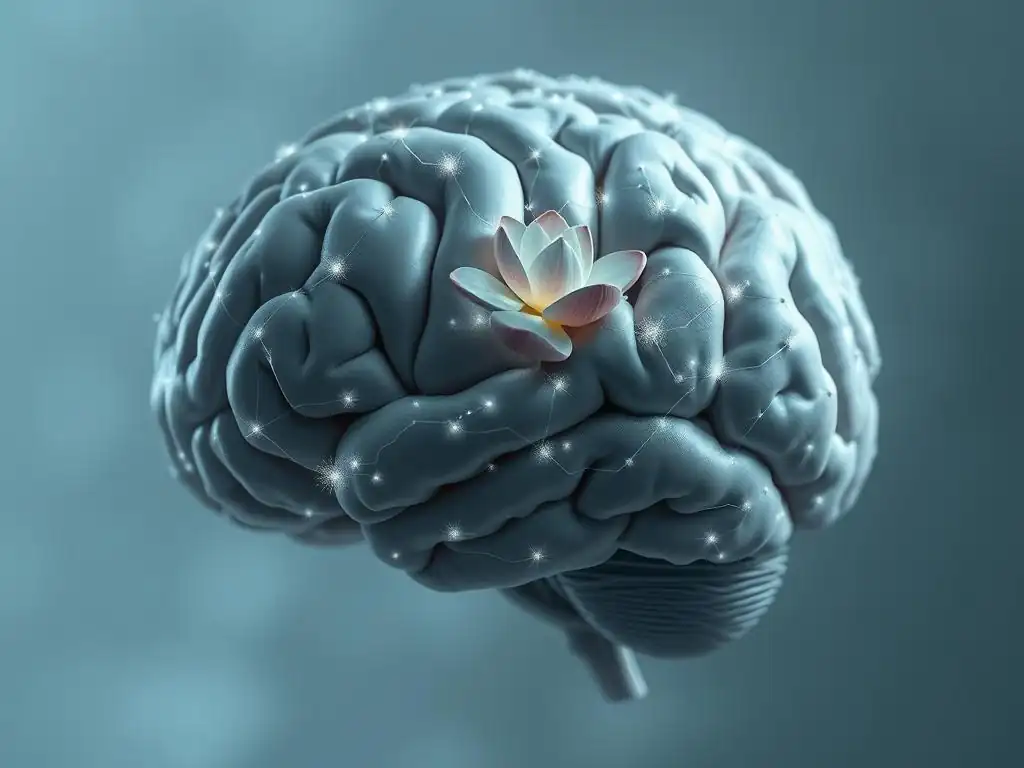
Breathing Exercises for Calming the Mind
Breathing is the anchor of mindfulness practice. Simple breathing exercises are incredibly effective tools for bringing the mind back to the present moment and activating the body's relaxation response. When stressed or anxious, our breathing often becomes shallow and rapid. Consciously shifting to slow, deep breathing signals to the nervous system that it's safe to relax, counteracting the fight-or-flight response and promoting a calm brain state. Regularly practicing mindful breathing helps to strengthen the neural pathways associated with parasympathetic nervous system activation, which is responsible for rest and digestion, essentially helping to rewire the brain for calm.
The beauty of breathing exercises is their accessibility – they can be done anywhere, anytime, without any special equipment. Even a few minutes of focused, intentional breathing can interrupt a stress cycle and restore a sense of presence. Incorporating these simple yet powerful mindfulness exercises into your daily routine is a foundational step in the process of brain rewiring for enhanced calm and emotional stability.
Diaphragmatic Breathing: A Simple Technique for Stress Relief
Diaphragmatic breathing, also known as belly breathing, involves engaging the diaphragm, a large muscle located at the base of the chest cavity, to draw deep breaths. This technique maximizes the amount of oxygen entering the bloodstream and effectively slows the heart rate, directly counteracting the physiological symptoms of stress. To practice, find a comfortable position, either sitting or lying down. Place one hand on your chest and the other just below your rib cage, on your abdomen. As you inhale slowly through your nose, feel your abdomen rise, while your chest remains relatively still.
Exhale slowly through pursed lips, feeling your abdomen gently fall. Focus your attention entirely on the sensation of the breath moving in and out of your body and the rise and fall of your abdomen. Aim to make your exhalation slightly longer than your inhalation. Practicing this for just 5-10 minutes daily can significantly reduce stress levels and reinforce the brain's capacity for calm. Over time, this consistent practice helps to strengthen the neural connections that promote relaxation and dampen those associated with anxiety, contributing to the process of brain rewiring.
Box Breathing: A Technique Used by Navy Seals for Focus
Box breathing, or square breathing, is a simple yet powerful technique used by various professionals, including Navy Seals, to enhance focus and manage stress in high-pressure situations. It involves breathing in a specific pattern of four counts: inhale for four, hold for four, exhale for four, hold for four, and repeat. This rhythmic pattern helps to regulate the nervous system, reduce stress, and improve concentration, making it an excellent mindfulness exercise for cultivating a calm and focused brain.
To practice box breathing, sit comfortably with your spine straight. Close your eyes or soften your gaze. Inhale slowly through your nose for a count of four, filling your lungs. Hold your breath at the top of the inhale for a count of four.
Exhale slowly through your mouth for a count of four, emptying your lungs. Hold your breath at the bottom of the exhale for a count of four. Repeat this cycle for 3-5 minutes. The structured nature of box breathing provides a clear anchor for attention, helping to quiet mental chatter and promoting a state of calm alertness, thereby aiding the brain rewiring process.
Body Scan Meditation: Cultivating Awareness and Reducing Tension
Body scan meditation is a foundational mindfulness exercise that involves systematically bringing awareness to different parts of the body, noticing physical sensations without judgment. This practice helps to cultivate present moment awareness, reduce physical tension, and improve the mind-body connection.
By directing attention to the body, we interrupt the tendency to get lost in thoughts about the past or future, grounding ourselves firmly in the here and now. This focused attention practice strengthens areas of the brain related to sensory awareness and interoception (the sense of the internal state of the body), contributing to brain rewiring for a more embodied and calm state.
Regular body scan practice can help individuals recognize where they hold tension in their bodies – a common manifestation of stress and anxiety. By simply noticing these sensations with curiosity rather than trying to fix them, we create space for them to dissipate naturally. This non-judgmental observation is a key aspect of mindfulness that helps to weaken the neural links between physical discomfort and negative emotional reactivity.
Step-by-Step Guide to Body Scan Meditation
Here is a simple guide to practicing a body scan meditation:
- Find a comfortable position, either lying down on your back or sitting upright in a chair. If lying down, let your arms rest at your sides, palms up or down. If sitting, place your feet flat on the floor and your hands in your lap.
- Close your eyes or soften your gaze. Take a few deep breaths, allowing yourself to settle into the present moment.
- Bring your awareness to your feet. Notice any sensations present there – tingling, warmth, coolness, pressure. Simply observe without trying to change anything.
- Slowly move your attention up through your body, section by section: ankles, lower legs, knees, thighs, pelvis, lower back, abdomen, upper back, chest, shoulders, arms, hands, neck, face, and finally, the top of your head.
- As you focus on each area, notice any sensations you find. If your mind wanders, which it will, gently guide your attention back to the part of the body you were focusing on. There's no need to judge or criticize yourself.
- Once you have scanned your entire body, rest in a state of overall body awareness for a few moments.
- When you are ready, gently open your eyes and bring your awareness back to your surroundings.
- [ ] Find a comfortable position (lying down or sitting).
- [ ] Close eyes or soften gaze.
- [ ] Take a few settling breaths.
- [ ] Bring awareness to feet, notice sensations.
- [ ] Slowly scan up the body, area by area.
- [ ] Notice sensations in each area without judgment.
- [ ] Gently redirect wandering mind back to the current body part.
- [ ] Rest in overall body awareness.
- [ ] Gently open eyes.
Addressing Discomfort During Body Scan Practice
It's common to encounter areas of discomfort or pain during a body scan meditation. The practice is not about making discomfort disappear, but rather about learning to relate to it differently. When you notice an uncomfortable sensation, try to bring a sense of curiosity and kindness to it. Can you observe the sensation without labeling it as "bad" or wishing it would go away? Notice its qualities – is it throbbing, aching, sharp, dull? Does it have a temperature or texture?
If the discomfort is intense, you can choose to gently widen your focus to include the area around the sensation, or even the whole body, rather than fixating on the pain itself. Alternatively, you can choose to gently move your awareness to a part of the body that feels neutral or pleasant for a few moments before returning, if possible.
The key is to approach discomfort with acceptance and non-resistance, which helps to interrupt the cycle of fear and tension that often accompanies pain. This practice of mindful acceptance is a powerful way that mindfulness exercises can help rewire the brain's response to challenging physical sensations.
Mindful Walking: Engaging Your Senses for Present Moment Awareness
Mindful walking is a dynamic mindfulness exercise that brings awareness to the simple act of walking. It transforms a routine activity into an opportunity to practice presence, engaging the senses and grounding oneself in the physical experience of movement. This practice helps to integrate mindfulness into everyday life, demonstrating that a calm brain state isn't limited to formal meditation sessions but can be cultivated during ordinary activities. Mindful walking strengthens the connection between the body and mind, enhancing sensory awareness and reducing the tendency for the mind to wander into worry or distraction.
Unlike walking for exercise or transportation, the goal of mindful walking is not to get somewhere, but to simply be with the experience of walking itself. This shift in focus helps to interrupt habitual thought patterns and anchors attention in the physical sensations of moving through space. Regularly incorporating mindful walking into your routine can contribute to the brain rewiring process by strengthening pathways associated with presence, sensory awareness, and calm focus.
How to Practice Mindful Walking Effectively
To practice mindful walking, find a quiet place where you can walk undisturbed, such as a park, a garden, or even a long hallway. You can practice indoors or outdoors. Begin by standing still for a moment, taking a few deep breaths and bringing your awareness to your body.
Notice the sensation of your feet on the ground. When you begin to walk, do so at a slower pace than usual. Bring your attention to the physical sensations of walking: the lifting of one foot, the movement through the air, the placing of the foot back on the ground, the shift of weight.
Notice the subtle movements in your legs, hips, and torso. You can also expand your awareness to include other senses – the feeling of air on your skin, the sounds around you, the sights you encounter, the smells in the air. Simply notice these sensations without judgment or analysis. When your mind inevitably wanders off into thoughts or plans, gently acknowledge the distraction and guide your attention back to the physical sensations of walking or the engagement of your senses. Start with 10-15 minutes of mindful walking and gradually increase the duration as you feel comfortable.
Mindful Walking in Nature vs. Urban Environments
Mindful walking can be practiced in any environment, but the experience can differ significantly between nature and urban settings. Walking mindfully in nature, such as a park, forest trail, or by a body of water, often provides a richer sensory experience with natural sights, sounds (birds, wind, water), and smells (earth, foliage, flowers). The natural environment itself can have a calming effect on the nervous system, complementing the mindfulness practice and potentially deepening the sense of peace. Research suggests spending time in nature can reduce stress hormones and improve mood, enhancing the brain rewiring effects of mindful walking.
Practicing mindful walking in an urban environment presents different challenges and opportunities. There may be more noise, distractions (traffic, billboards, crowds), and artificial stimuli. However, this setting provides an excellent opportunity to practice maintaining presence amidst chaos. It challenges you to anchor your attention more firmly in your internal experience (the sensations of walking) while also mindfully observing the external environment without getting overwhelmed or agitated. Learning to cultivate a calm brain state amidst the hustle and bustle of city life is a powerful skill developed through this type of mindfulness exercise.
Loving-Kindness Meditation (Metta): Fostering Compassion and Emotional Resilience
Loving-Kindness Meditation, or Metta meditation, is a practice focused on cultivating feelings of warmth, friendliness, and compassion towards oneself and others. While many mindfulness exercises emphasize attention and awareness, Metta actively cultivates positive emotional states. This practice directly impacts areas of the brain associated with empathy, social connection, and emotional processing, such as the insula and specific regions within the prefrontal cortex. By intentionally generating feelings of kindness, Metta meditation helps to counteract negative emotional patterns and strengthens the neural basis for compassion and emotional resilience, contributing significantly to rewiring the brain for calm and connection.
Metta practice involves silently repeating phrases that express good wishes, directing them towards oneself, loved ones, neutral persons, difficult persons, and eventually all beings. This systematic approach helps to break down barriers and broaden one's capacity for empathy and understanding. Regular Metta practice has been linked to increased positive emotions and reduced symptoms of depression and anxiety, demonstrating its powerful effect on emotional well-being and the ability to maintain a calm brain state even in challenging interpersonal situations.
Short Loving-Kindness Meditation Script
Here is a basic script for a short Loving-Kindness meditation:
-
Find a comfortable sitting position. Close your eyes or soften your gaze. Take a few moments to settle and connect with your breath.
-
Begin by directing loving-kindness towards yourself. Silently repeat phrases like:
- May I be happy.
- May I be healthy.
- May I be safe.
- May I be free from suffering.
Repeat these or similar phrases gently to yourself for several minutes, allowing the meaning of the words to resonate.
-
Next, bring a loved one to mind. Visualize them clearly and send them warm wishes by repeating phrases like:
- May you be happy.
- May you be healthy.
- May you be safe.
- May you be free from suffering.
-
Then, bring a neutral person to mind – someone you see regularly but don't have strong feelings about (e.g., the person who works at your local coffee shop). Send them the same good wishes:
- May you be happy.
- May you be healthy.
- May you be safe.
- May you be free from suffering.
-
Optionally, bring a difficult person to mind – someone with whom you have a challenging relationship. This can be difficult, so approach it gently. Send them the same wishes, recognizing their shared humanity:
- May you be happy.
- May you be healthy.
- May you be safe.
- May you be free from suffering.
-
Finally, extend loving-kindness outwards to all beings everywhere:
- May all beings be happy.
- May all beings be healthy.
- May all beings be safe.
- May all beings be free from suffering.
-
Rest for a moment in the feeling generated by this practice.
Loving-Kindness Script Structure:
- Settle and connect with breath.
- Direct wishes to SELF: May I be [happy/healthy/safe/free from suffering].
- Direct wishes to a LOVED ONE: May you be [happy/healthy/safe/free from suffering].
- Direct wishes to a NEUTRAL PERSON: May you be [happy/healthy/safe/free from suffering].
- (Optional) Direct wishes to a DIFFICULT PERSON: May you be [happy/healthy/safe/free from suffering].
- Direct wishes to ALL BEINGS: May all beings be [happy/healthy/safe/free from suffering].
- Rest in the feeling.
Cultivating Self-Compassion through Metta
A crucial starting point for Metta practice, and indeed for overall emotional well-being, is cultivating self-compassion. Many people find it easier to offer kindness to others than to themselves. However, extending loving-kindness inwards is fundamental to developing emotional resilience and a truly calm brain. Self-compassion involves treating yourself with the same kindness, care, and understanding you would offer a dear friend who is struggling. It means recognizing your own suffering and imperfections as part of the shared human experience, rather than feeling isolated or judgmental.
Practicing Metta towards yourself helps to counteract the inner critic and fosters a sense of inner safety and acceptance. This can be particularly powerful in rewiring the brain away from patterns of self-criticism and towards self-acceptance. By consistently offering yourself phrases of kindness and understanding, you strengthen the neural pathways associated with self-soothing and self-worth. This internal shift is a vital component of how mindfulness exercises, specifically Metta, contribute to a calm, resilient, and self-accepting brain.
Integrating Mindfulness into Your Daily Life for Long-Term Brain Health
Creating a Daily Mindfulness Routine
Consistency is key when it comes to leveraging mindfulness exercises to rewire your brain for calm. Just as you wouldn't expect to build physical muscle with sporadic workouts, significant and lasting changes in brain structure and function require regular practice. Establishing a daily mindfulness routine, even if it's just for a few minutes, provides the necessary repetition to strengthen new neural pathways and weaken old, unhelpful ones. The ideal routine looks different for everyone, but finding a time and place where you can practice consistently is crucial.
Consider starting small, perhaps with 5-10 minutes of mindful breathing or a short body scan each morning before your day begins, or in the evening before bed. You might also integrate "micro-mindfulness" moments throughout your day – taking three mindful breaths before opening an email, paying full attention while brushing your teeth, or engaging your senses during your lunch break.
These brief periods of presence add up and reinforce the brain's capacity for calm awareness. Scheduling these moments, perhaps even putting them in your calendar, can help make mindfulness a non-negotiable part of your day, supporting the long-term process of brain rewiring.
Addressing Distractions and Mental Chatter During Practice
One of the most common misconceptions about mindfulness is that the goal is to stop thinking or eliminate distractions. This is not the case. The mind is designed to think and wander. The practice of mindfulness is about noticing when the mind has wandered and gently guiding it back to the chosen anchor (like the breath, body sensations, or sounds) without judgment. Distractions are not failures; they are opportunities to practice the core skill of mindfulness: bringing present moment awareness back.
When you notice your mind has drifted off into thoughts, plans, worries, or memories during a mindfulness exercise, simply acknowledge where it went ("Ah, thinking about dinner") and, as kindly as possible, redirect your attention back to your anchor. This gentle redirection is the neurological "workout" that strengthens the prefrontal cortex and other areas involved in attention regulation and self-control. Each time you notice and return, you reinforce the neural pathways that support focused awareness and interrupt the automatic pilot of the wandering mind, actively participating in rewiring your brain for calm focus.
Mindfulness Apps and Resources for Guided Meditation
For many people, especially beginners, using guided meditations can be incredibly helpful in establishing a mindfulness practice. Mindfulness apps and online resources offer a wide variety of guided exercises, ranging in length and focus, from basic breathing techniques to more complex body scans or loving-kindness meditations. These resources provide instructions and gentle guidance, making it easier to stay focused and learn the techniques correctly. Examples of popular apps include Calm, Headspace, Insight Timer (which offers many free guided meditations), and Ten Percent Happier.
Utilizing these resources can provide structure and motivation, particularly when you're starting out or finding it challenging to maintain consistency. They can also introduce you to different types of mindfulness exercises, helping you find what resonates most with you. While guided meditations are valuable tools, the ultimate goal is to be able to access mindful presence in any moment, with or without guidance. However, apps and online resources are excellent aids in the journey of learning how mindfulness exercises can effectively rewire your brain for enhanced calm and well-being.
The Long-Term Benefits: A Calm and Rewired Brain

Improved Focus and Concentration through Mindfulness Training
One of the most significant long-term benefits of regular mindfulness practice is a marked improvement in focus and concentration. In our increasingly distracted world, the ability to sustain attention on a single task or object is becoming a valuable commodity. Mindfulness exercises, at their core, are attention training. By repeatedly practicing bringing a wandering mind back to the present moment anchor, individuals strengthen the neural circuits in the brain responsible for sustained attention, inhibitory control (the ability to ignore distractions), and cognitive flexibility (the ability to shift attention appropriately).
Studies have shown that mindfulness training can improve performance on cognitive tasks requiring sustained attention and working memory. For example, research has indicated that participants in mindfulness programs show improvements in attention scores after just a few weeks. This enhanced capacity for focus isn't limited to meditation sessions; it translates into daily life, making it easier to concentrate on work, listen attentively to others, and engage more fully in activities. This improved focus is a direct result of how mindfulness exercises help to rewire the brain's attentional networks, contributing to a more stable and calm brain state.
Enhanced Emotional Regulation and Resilience
Mindfulness practice significantly enhances emotional regulation, which is the ability to understand and manage one's emotional responses. Instead of being immediately overwhelmed by difficult emotions, regular practitioners develop the capacity to pause, observe the emotion without judgment, and choose a skillful response rather than reacting impulsively. This is facilitated by the strengthened connection between the prefrontal cortex, involved in rational processing and decision-making, and the amygdala, the brain's emotional alarm system.
Through mindfulness exercises, the reactivity of the amygdala can decrease, while the prefrontal cortex gains greater influence over emotional responses. This brain rewiring allows for a more balanced and less volatile emotional landscape. Furthermore, practices like Metta meditation actively cultivate positive emotions and a compassionate stance towards oneself and others, building emotional resilience – the ability to bounce back from adversity. Research consistently links mindfulness practice to reduced emotional reactivity and increased well-being, highlighting its profound impact on creating a more emotionally stable and calm brain.
Reduced Anxiety and Depression Symptoms
Perhaps one of the most widely studied benefits of mindfulness is its effectiveness in reducing symptoms of anxiety and depression. These conditions are often characterized by excessive rumination on the past (depression) or worry about the future (anxiety), coupled with difficulty regulating negative emotions. Mindfulness directly addresses these patterns by training the mind to stay anchored in the present moment and observe thoughts and feelings without getting entangled in them.
Studies on Mindfulness-Based Stress Reduction (MBSR) and Mindfulness-Based Cognitive Therapy (MBCT) have demonstrated significant reductions in symptoms of anxiety and depression, sometimes comparable in effectiveness to other therapeutic interventions. For example, MBCT is recognized as an effective relapse prevention strategy for individuals with recurrent depression. By helping individuals disidentify from negative thought patterns and cultivate a non-judgmental awareness of their internal experience, mindfulness exercises help to rewire the brain away from the neural loops that perpetuate anxiety and depression, fostering a greater sense of inner peace and a truly calm brain.
Conclusion: Embracing Mindfulness for a Calmer, Healthier Brain
The journey towards a calmer, healthier brain is deeply intertwined with the practice of mindfulness. Far from being just a simple relaxation technique, engaging in regular mindfulness exercises initiates profound and lasting changes in the brain's structure and function. Through the mechanism of neuroplasticity, practices like mindful breathing, body scans, mindful walking, and loving-kindness meditation actively help to rewire the brain, strengthening areas responsible for attention, emotional regulation, and compassion, while reducing the reactivity of regions associated with stress and fear.
Embracing mindfulness means committing to regular practice, integrating moments of presence into daily life, and approaching the inevitable challenges of a wandering mind with patience and self-compassion. The scientific evidence is clear: these practices have a tangible impact on our neural landscape, leading to improved focus, enhanced emotional resilience, and significant reductions in symptoms of anxiety and depression.
By making mindfulness a cornerstone of your well-being routine, you are not just finding temporary calm; you are actively participating in the powerful process of brain rewiring, cultivating a foundation for lasting peace and mental health. The path to a calm brain is paved with mindful steps.
Frequently Asked Questions
How exactly do mindfulness exercises rewire the brain for calm?
Mindfulness exercises encourage neuroplasticity, the brain's ability to form new neural connections. This allows the brain to become more efficient at regulating emotions and reducing stress responses.
What specific areas of the brain are affected by regular mindfulness practice?
Studies show mindfulness significantly impacts the amygdala (responsible for fear), the prefrontal cortex (decision-making), and the hippocampus (memory and learning). These changes contribute to increased emotional regulation and focus.
How long does it typically take to see noticeable benefits from mindfulness exercises in terms of calmness?
While individual results vary, many people experience initial benefits like reduced anxiety within a few weeks. Sustained practice over months leads to more profound and lasting changes in brain structure and function.
Are there different types of mindfulness exercises, and which are most effective for rewiring the brain for calm?
Yes, there are various types like meditation, mindful breathing, and body scans. The most effective depends on individual preference, but all aim to cultivate present moment awareness, which is crucial for rewiring.
Can mindfulness exercises be used to treat specific mental health conditions, or are they primarily for general well-being?
Mindfulness is increasingly used as a complementary therapy for conditions like anxiety, depression, and PTSD. It helps individuals develop coping mechanisms and manage symptoms alongside traditional treatments.
Final Reflection: The Rewiring of Calm
The practice of mindfulness isn't merely a trendy relaxation technique; it's a powerful tool for reshaping our brains and cultivating lasting inner peace in a world increasingly demanding our attention. The research presented throughout this article demonstrates a clear link between consistent mindfulness exercises and measurable changes in brain structure and function, leading to reduced stress, improved emotional regulation, and enhanced cognitive abilities. This isn't just about feeling better; it's about fundamentally altering our response to the challenges of daily life.
The impact of mindfulness extends far beyond the individual. As more people embrace these practices, we see a shift in societal attitudes towards stress and mental well-being. The stigma surrounding mental health is slowly diminishing, replaced by a growing understanding of the importance of self-care and emotional intelligence. The mind is everything. What you think you become.
– Buddha. This ancient wisdom resonates powerfully today as we discover the scientific basis for the transformative power of mindful awareness. The cultural shift towards prioritizing mental health is a testament to the growing recognition of the profound impact of mindfulness on our collective well-being.
Consider the ways in which you can integrate mindfulness into your daily routine. Perhaps it's starting with just five minutes of mindful breathing each morning, or incorporating mindful movement into your day. Don't underestimate the power of small, consistent actions. You have the capacity to cultivate inner calm and resilience, to rewire your brain for peace, and to build a life characterized by greater focus, clarity, and joy. Begin today. Embrace the journey of self-discovery and transformation that awaits you.
Unlock Your Inner Calm: Start Practicing Mindfulness Today!
Thanks for taking the time to explore the power of mindfulness with us! We hope you gained valuable insights into how this practice can transform your brain and cultivate lasting inner peace. Now it's time to put these insights into action.
- Begin your mindfulness journey with a 5-minute guided meditation: Even a short session can significantly impact your mental state. There are many free resources available online!
- Share this article with a friend or loved one: Spread the word about the benefits of mindfulness and encourage them to embark on this transformative journey with you.
- Explore different mindfulness techniques: Experiment with mindful walking, breathing exercises, or body scans to discover what resonates most with you. Find what works best for your mind!
Ready to experience the profound changes mindfulness can bring to your life? What small step will you take today to cultivate more calm and focus?