
Can Mindfulness Be a Spiritual Practice?


Welcome to Mind Care Guide, a space dedicated to nurturing your mental well-being.
Feeling overwhelmed or searching for deeper meaning? This article, "Can Mindfulness Be a Spiritual Practice? ", delves into the profound mindfulness spiritual practice benefits that can unlock inner peace and resilience. Join us as we explore the intersection of mental health and spirituality, offering insights that may just change how you see yourself and the world around you. Intrigued? Let's begin.
Can Mindfulness Be a Spiritual Practice? - Exploring the Overlap and Synergy
- Introduction: Mindfulness and Spirituality - A Powerful Connection
- The Spiritual Dimensions of Mindfulness Practice
- Mindfulness Spiritual Practice Benefits: Unveiling the Advantages
- Different Perspectives: Mindfulness in Various Spiritual Traditions
- Integrating Mindfulness into Your Spiritual Journey
- Potential Challenges and Considerations
- Mindfulness and Spiritual Growth: A Synergistic Relationship
- Conclusion: Embracing Mindfulness for a More Spiritual Life
-
Frequently Asked Questions
- How does mindfulness relate to spirituality?
- What are the key benefits of incorporating mindfulness into spiritual practice?
- Can anyone benefit from using mindfulness as a spiritual practice, regardless of their religious beliefs?
- What are some practical ways to integrate mindfulness into my existing spiritual routine?
- How does mindfulness differ from other spiritual practices like prayer or chanting?
- Final Reflection: The Evolving Landscape of Mindfulness and Spirituality
- Unleash Your Inner Peace: Take the Next Step
Introduction: Mindfulness and Spirituality - A Powerful Connection
Mindfulness, often presented as a secular technique for stress reduction and enhanced focus, shares profound connections with spiritual traditions across the globe. While its modern application frequently emphasizes psychological and physiological benefits, the roots of mindfulness are deeply intertwined with practices aimed at cultivating inner peace, ethical conduct, and insight into the nature of reality – all hallmarks of spiritual exploration. This article delves into the fascinating overlap, exploring how mindfulness spiritual practice benefits individuals seeking both mental well-being and a deeper connection to something larger than themselves.
Understanding the synergy between mindfulness and spirituality requires a clear definition of both terms and an exploration of the common ground they share. Many people find that incorporating mindfulness into their daily lives not only improves their mental clarity and emotional regulation but also opens pathways to spiritual growth and a sense of interconnectedness. The intentional cultivation of presence and awareness, central to mindfulness, can serve as a powerful tool on any spiritual journey, regardless of specific beliefs or traditions.
Defining Mindfulness: Paying Attention to the Present Moment Without Judgment
Mindfulness is essentially the practice of intentionally bringing one's attention to the present moment, experiencing thoughts, feelings, bodily sensations, and the surrounding environment without judgment. It's about observing what is happening, as it is happening, with an attitude of openness, curiosity, and acceptance. This simple yet profound practice can be cultivated through formal meditation techniques, such as sitting meditation or body scans, and through informal practices, like paying attention while eating or walking.
The core of mindfulness lies in non-reactivity. Instead of getting swept away by thoughts or emotions, mindfulness helps us observe them from a distance, recognizing them as temporary mental events rather than absolute truths or commands.
Research, such as studies cited by organizations like the American Psychological Association, indicates that regular mindfulness practice can lead to measurable changes in brain structure and function, particularly in areas related to attention regulation, emotion regulation, and self-awareness. For instance, a study might show increased grey matter density in areas like the hippocampus (associated with learning and memory) and decreased density in the amygdala (associated with fear and stress).
Defining Spirituality: The Search for Meaning, Purpose, and Connection
Spirituality is a broad and deeply personal concept, often described as the search for meaning and purpose in life, the experience of connection to something greater than oneself (whether understood as God, the universe, nature, or humanity), and the cultivation of inner peace and wisdom. It doesn't necessarily adhere to a specific religious doctrine or institution, although it often intersects with religious beliefs and practices. Spirituality can manifest in various ways, including contemplative practices, ethical living, service to others, artistic expression, or simply finding wonder in the natural world.
While definitions vary, many scholars agree that spirituality involves a journey towards self-transcendence and a sense of interconnectedness with others and the world. A large survey conducted by the Pew Research Center on religion and public life, for example, often reveals that a significant percentage of people identify as "spiritual but not religious," indicating a search for meaning and connection outside traditional religious frameworks. This search often involves exploring practices that foster inner awareness, compassion, and a deeper understanding of one's place in the cosmos.
Bridging the Gap: Presence, Awareness, and Transcendence
The bridge between mindfulness and spirituality is built upon the shared principles of presence, awareness, and the potential for transcendence. Mindfulness cultivates present-moment awareness, anchoring us in the here and now. This heightened awareness can be a powerful tool for spiritual exploration, allowing us to perceive the subtle nuances of our inner landscape and the world around us with greater clarity. By paying attention without judgment, we create space to observe our habitual patterns, beliefs, and attachments, which can be significant obstacles to spiritual growth.
Furthermore, both mindfulness and many spiritual practices aim to move beyond the ego's constant chatter and identification with thoughts. This process of disidentification, fostered by mindful observation, can lead to experiences of transcendence – moments where the sense of a separate, limited self dissolves, and a feeling of connection to something larger emerges.
Whether through deep meditation, prayer, or simply being fully present in nature, the ability to quiet the analytical mind and simply be is central to both profound mindfulness and many spiritual experiences. A simple example might be the experience of awe felt when fully present while observing a vast starry sky – an experience that is both mindful and deeply spiritual for many.
The Spiritual Dimensions of Mindfulness Practice
Beyond its well-documented psychological benefits, the consistent practice of mindfulness naturally opens up spiritual dimensions. It's not merely a technique for stress relief; it's a way of being that can profoundly alter one's perception of self, others, and the world. Engaging in mindfulness spiritual practice benefits the practitioner by fostering qualities traditionally associated with spiritual development, such as equanimity, compassion, and insight.
The sustained effort required for mindfulness practice, particularly in formal meditation, builds discipline and resilience. Sitting with discomfort, observing difficult emotions without reacting, and returning attention gently when it wanders are all forms of training that mirror practices found in various spiritual traditions aimed at cultivating inner strength and perseverance on the path. This inner work lays the groundwork for deeper spiritual exploration and transformation.
Mindfulness as a Pathway to Inner Peace and Stillness
One of the most commonly cited benefits of mindfulness is the cultivation of inner peace and stillness. By training the mind to observe thoughts and emotions without getting entangled in them, we create mental space and reduce the constant internal noise that often fuels anxiety and restlessness. This stillness is not an absence of thought but rather an ability to witness thoughts come and go without being dominated by them.
This cultivated stillness is often a prerequisite for deeper spiritual experiences. In many contemplative traditions, achieving a state of mental quietude is seen as essential for connecting with the divine, accessing intuition, or experiencing states of higher consciousness. For example, studies on long-term meditators have shown increased activity in areas of the brain associated with focus and calm, suggesting a physiological basis for this cultivated peace. An individual practicing mindful breathing for even 10 minutes daily might report feeling significantly calmer and less overwhelmed by daily stressors within a few weeks, demonstrating a practical pathway to inner peace.
Cultivating Compassion and Loving-Kindness Through Focused Attention
Mindfulness practice naturally fosters compassion and loving-kindness, both towards oneself and others. By paying attention to our own inner experiences with acceptance, we develop self-compassion. This ability to be kind and understanding towards our own struggles makes it easier to extend that same kindness and understanding to others. Many mindfulness traditions explicitly include practices like Metta (loving-kindness) meditation, which involves directing benevolent wishes towards oneself, loved ones, neutral persons, difficult persons, and all beings.
Research supports the idea that mindfulness increases empathy and compassionate behavior. For instance, a study published in a journal like Emotion might show that participants who underwent a brief mindfulness intervention were more likely to offer their seat to someone in need or donate to charity compared to a control group. This suggests that the increased awareness of one's own internal state and the interconnectedness of beings, fostered by mindfulness, directly translates into more compassionate actions towards others. These mindfulness spiritual practice benefits extend beyond personal well-being to positively impact social interactions.
Exploring the Nature of Reality: Mindfulness and Insight
Mindfulness practice can lead to profound insights into the nature of reality, a central goal in many spiritual paths. By observing the impermanent nature of thoughts, feelings, and sensations, practitioners can develop a deeper understanding of concepts like impermanence ( anicca in Buddhism), non-self ( anatta), and the interconnectedness of all things. This insight can dismantle rigid beliefs about ourselves and the world, opening us to a more fluid and interconnected understanding of existence.
Through sustained mindful attention, one can observe how suffering often arises from clinging to impermanent phenomena or identifying with a fixed sense of self. This experiential understanding is different from mere intellectual knowledge; it's a direct seeing into the way things are. For example, someone practicing mindfulness might observe a strong emotion like anger arise, notice its physical sensations, its duration, and how it eventually passes.
This repeated observation weakens the tendency to identify as the anger and provides insight into the transient nature of all mental states. This pursuit of insight is a key aspect of the mindfulness spiritual practice benefits.
Mindfulness Spiritual Practice Benefits: Unveiling the Advantages
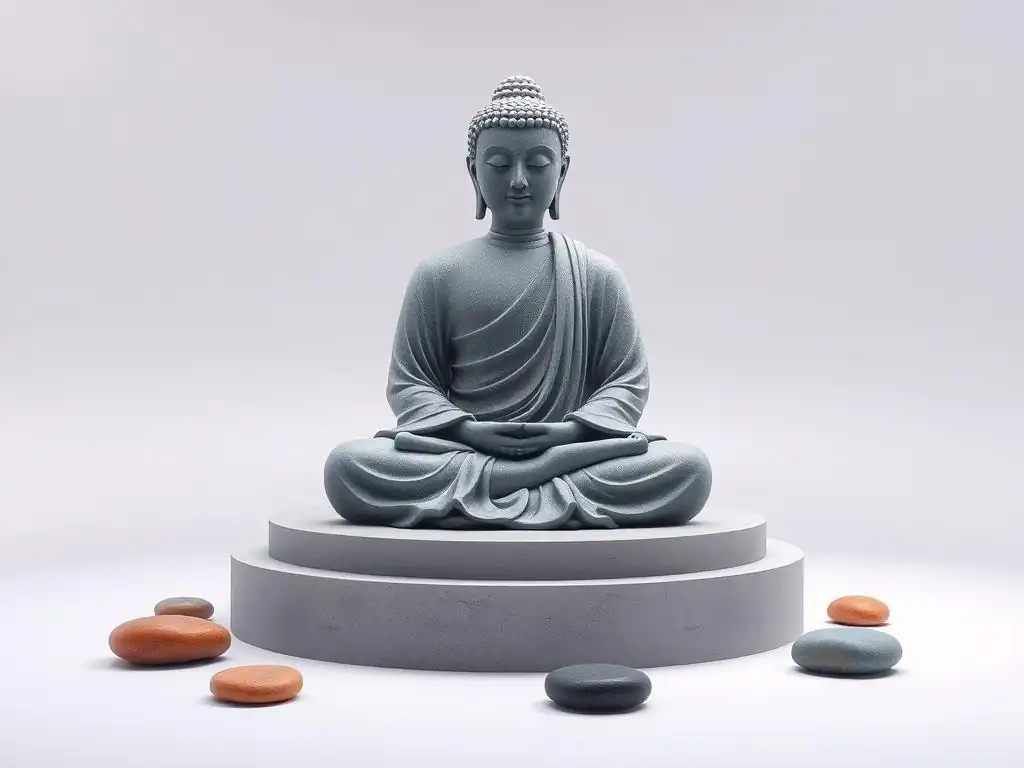
The integration of mindfulness into a spiritual path, or simply approaching mindfulness with a spiritual intention, yields a range of significant advantages. These mindfulness spiritual practice benefits touch upon emotional regulation, mental clarity, self-understanding, and the ability to navigate life's inevitable challenges with greater grace and wisdom. They represent a holistic approach to well-being that nourishes both the mind and the spirit.
Beyond the individual benefits, a mindful spiritual practice can also enhance one's connection to their spiritual community or tradition, fostering deeper engagement and understanding of core tenets. It provides a practical method for embodying spiritual values like patience, kindness, and humility in daily life, moving beyond abstract concepts to lived experience.
Reduced Reactivity to Stress: A Spiritual Perspective on Equanimity
One of the most widely recognized mindfulness spiritual practice benefits is the reduction in reactivity to stress. Instead of automatically getting caught up in stressful thoughts or situations, mindfulness trains us to pause, observe our internal response, and choose a more skillful reaction. This cultivated ability to remain steady amidst external pressures is known as equanimity – a state of mental calmness and composure, especially in difficult situations.
From a spiritual perspective, equanimity is a virtue highly valued in many traditions. It allows individuals to face adversity without being overwhelmed by fear, anger, or despair. Studies have shown that regular mindfulness practice can lower levels of stress hormones like cortisol and reduce activity in the amygdala, the brain's fear center. For instance, a typical study might show a 15-20% reduction in self-reported stress levels among participants after an 8-week mindfulness-based intervention program. This reduced reactivity frees up mental and emotional energy that can then be directed towards spiritual pursuits or living in accordance with one's values.
Enhanced Emotional Resilience: Finding Balance Amidst Challenges
Mindfulness significantly enhances emotional resilience, the ability to bounce back from difficult experiences. By learning to observe emotions without judgment and recognizing their transient nature, individuals become less susceptible to being swept away by negative feelings. This doesn't mean suppressing emotions, but rather developing the capacity to experience them fully without letting them dictate behavior or outlook.
This enhanced resilience is a crucial mindfulness spiritual practice benefit, enabling individuals to navigate the inevitable challenges of life – loss, illness, conflict – with greater strength and grace. It allows for a deeper connection to faith or spiritual resources during difficult times, as the mind is less clouded by overwhelming emotional reactivity.
For example, someone facing a significant setback might, through mindfulness, be able to acknowledge their sadness or frustration without falling into despair, drawing instead on their spiritual reserves of hope or acceptance. This capacity is often highlighted in therapeutic settings where mindfulness is used to help individuals cope with chronic pain or illness, demonstrating its practical application in building resilience.
Improved Clarity and Discernment: Deepening Spiritual Insight
Mindfulness sharpens mental clarity and improves discernment. By reducing mental clutter and training focus, it allows for a clearer perception of situations, relationships, and one's own motivations. This enhanced clarity is invaluable in a spiritual context, aiding in the understanding of complex spiritual texts, discerning the right course of action in ethical dilemmas, and gaining deeper insight into spiritual truths.
This improved discernment is a key mindfulness spiritual practice benefit. It helps individuals differentiate between ego-driven desires and authentic spiritual aspirations. For instance, someone might use mindful reflection to discern whether a strong urge to acquire something is rooted in true need or simply a fleeting desire fueled by external conditioning. This capacity for clear seeing is essential for navigating the spiritual path with wisdom and avoiding pitfalls like self-deception or attachment to superficial aspects of practice. The ability to focus deeply cultivated by mindfulness also makes prayer, contemplation, or scriptural study more profound and insightful.
Increased Self-Understanding: Uncovering Core Values and Beliefs
Mindfulness facilitates a deeper understanding of oneself – one's habitual thought patterns, emotional triggers, core values, and beliefs. By paying non-judgmental attention to inner experiences, individuals can uncover hidden assumptions, fears, and desires that influence their behavior and perception of the world. This self-awareness is foundational for personal growth and is a significant mindfulness spiritual practice benefit.
From a spiritual perspective, increased self-understanding is often the first step towards transformation. Many traditions emphasize the importance of knowing oneself as a path to knowing the divine or achieving enlightenment.
Through mindful introspection, one can identify areas where beliefs conflict with actions, where values are being compromised, or where past experiences are limiting present potential. For example, someone might discover through mindful journaling that a persistent feeling of inadequacy stems from a childhood belief, and by bringing awareness to it, they can begin to challenge and release it, aligning more closely with their spiritual understanding of their inherent worth.
Different Perspectives: Mindfulness in Various Spiritual Traditions
While often associated with Buddhism, mindfulness, or practices very similar in nature and aim, exists within numerous spiritual traditions around the world. Exploring these different perspectives highlights the universal appeal and applicability of cultivating present-moment awareness for spiritual growth. These examples demonstrate how mindfulness spiritual practice benefits are recognized and integrated across diverse paths.
Understanding mindfulness within these contexts reveals that it is not a new invention but a timeless human endeavor found wherever people have sought deeper meaning, inner peace, and connection to the sacred. The language and specific techniques may differ, but the underlying principle of bringing intentional, non-judgmental attention to experience remains consistent.
Mindfulness in Buddhism: Vipassana and the Eightfold Path
Mindfulness, or sati in Pali, is a cornerstone of Buddhist practice, particularly within the Theravada tradition and the Vipassana (insight) meditation movement. It is the seventh factor of the Noble Eightfold Path, the path to the cessation of suffering. The Buddha taught the "Four Foundations of Mindfulness" – mindfulness of the body, feelings, mind, and phenomena – as a direct path to purification and liberation.
Vipassana meditation, meaning "to see things as they really are," relies heavily on sustained mindfulness to observe the impermanent, unsatisfactory, and non-self nature of all experience. Practitioners sit and observe breath, bodily sensations, thoughts, and emotions without judgment, gaining direct insight into the Three Marks of Existence. Centers like the Insight Meditation Society or Goenka Vipassana centers teach intensive retreats where participants might practice mindfulness for 10-12 hours a day, aiming for profound shifts in consciousness and understanding. This deep engagement exemplifies the potential of mindfulness spiritual practice benefits within its original context.
Mindfulness in Christianity: Centering Prayer and Contemplative Practices
While the term "mindfulness" is relatively new to Christian vocabulary, contemplative practices that cultivate present-moment awareness and surrender to God's presence have a long history within Christianity. Centering Prayer, a method developed in the 20th century, is one such practice that shares similarities with mindfulness meditation. It involves choosing a sacred word as a symbol of one's intention to consent to God's presence and action within, and returning to that word whenever the mind wanders.
Other historical Christian contemplative practices, such as Lectio Divina (divine reading) or the Jesus Prayer ( hesychia), also emphasize slowing down, focusing attention, and cultivating a receptive state of mind. These practices aim to move beyond intellectual understanding towards an experiential encounter with the divine. For example, a practitioner of Centering Prayer might sit for 20 minutes, gently letting go of thoughts and returning to their sacred word, fostering a state of peaceful awareness of God's indwelling presence. This demonstrates how mindfulness-like techniques can be integrated into Christian spirituality for profound connection.
Mindfulness in Hinduism: Dhyana and Yoga Philosophy
Mindfulness principles are deeply embedded within Hindu philosophical traditions, particularly in the context of Yoga. Dhyana, often translated as meditation, is one of the eight limbs of Patanjali's Yoga Sutras, focusing on cultivating one-pointed concentration and eventually leading to Samadhi (union with the divine). While Dhyana often involves focused attention on a mantra, deity, or the breath, the underlying principle of training the mind to be present and still is central.
Practices like Pranayama (breath control) in Yoga also cultivate heightened awareness of the present moment and the body's subtle energies. Various schools of Hindu philosophy, such as Vedanta, emphasize the importance of self-inquiry ( atma-vichara) and mindful discrimination between the real and the unreal.
A yogi practicing Dhyana might focus their attention on the breath at the nostrils or a mantra, training the mind to remain steady and present, aiming to transcend the fluctuations of the mind ( chitta vritti) and realize the true Self ( Atman). This pursuit of self-realization through focused awareness is a core mindfulness spiritual practice benefit within Hinduism.
Mindfulness in Secular Contexts: Cultivating Well-being and Ethical Conduct
In recent decades, mindfulness has gained widespread popularity in secular settings, including healthcare, education, and corporations. Programs like Mindfulness-Based Stress Reduction (MBSR), developed by Jon Kabat-Zinn, have brought mindfulness to millions, focusing on its scientifically validated benefits for reducing stress, anxiety, and depression, and improving focus and emotional regulation.
While these secular applications often de-emphasize the explicit spiritual language, they nonetheless cultivate qualities that are foundational for ethical conduct and overall well-being – qualities that are often considered spiritual in nature. Increased self-awareness, empathy, and reduced reactivity fostered by secular mindfulness practice contribute to more compassionate interactions and a greater sense of personal responsibility.
A school program implementing mindful breathing exercises for students might report a reduction in bullying incidents by 10-15% over a school year, illustrating how even secular mindfulness can foster positive ethical behavior. This highlights the universal applicability of mindfulness spiritual practice benefits, even when not framed in overtly religious terms.
Integrating Mindfulness into Your Spiritual Journey
For those already on a spiritual path, integrating mindfulness can deepen existing practices and provide new avenues for growth. For those exploring spirituality, mindfulness can serve as an accessible entry point, cultivating the inner ground necessary for meaningful spiritual exploration. The process is about weaving mindful awareness into the fabric of one's daily life and spiritual discipline.
This integration is not about replacing existing spiritual practices but enhancing them. Whether through formal meditation, mindful engagement in daily activities, or using mindfulness to connect with others, the consistent application of present-moment awareness can enrich any spiritual journey and amplify the mindfulness spiritual practice benefits experienced.
Starting a Mindfulness Meditation Practice: Guided Meditation and Body Scan
A practical first step in integrating mindfulness is to establish a regular formal meditation practice. Even short sessions of 5-10 minutes daily can yield significant benefits over time. Guided meditations, widely available online or through apps, can be particularly helpful for beginners, providing structure and gentle guidance. The body scan is another excellent starting point, involving systematically bringing attention to different parts of the body, noticing sensations without judgment.
Choosing a consistent time and place for practice can help establish a routine. For instance, dedicating 15 minutes each morning before starting the day or in the evening before sleep can make a significant difference. Many find that starting with a guided body scan helps anchor the mind in physical sensation, making it easier to manage distracting thoughts. Resources like the UCLA Mindful Awareness Research Center or apps like Insight Timer offer a vast library of guided meditations suitable for various levels and intentions, providing practical tools for cultivating mindfulness spiritual practice benefits.
Incorporating Mindfulness into Daily Activities: Mindful Eating and Walking
Mindfulness isn't limited to formal sitting practice; it can be integrated into virtually any daily activity. Practices like mindful eating involve paying full attention to the experience of eating – the textures, smells, tastes, and the body's signals of hunger and fullness. Mindful walking involves paying attention to the sensations of the feet touching the ground, the movement of the body, and the environment around you.
Incorporating mindfulness into daily life helps extend the benefits of formal practice into all moments, transforming mundane tasks into opportunities for presence and awareness. For example, instead of rushing through lunch while scrolling on a phone, one could spend 10 minutes mindfully eating, noticing the flavors and textures of each bite. Similarly, a daily commute could become a mindful walk, observing the sights and sounds with curiosity rather than being lost in thought. This consistent application deepens the mindfulness spiritual practice benefits by making awareness a way of life, not just a practice.
Using Mindfulness to Connect with Others: Empathetic Listening and Compassionate Action
Mindfulness can profoundly enhance our interactions with others, fostering deeper connection, empathy, and compassion. Mindful listening involves paying full, non-judgmental attention to another person when they are speaking, truly hearing their words and trying to understand their perspective without formulating a response or getting distracted by internal thoughts.
Extending mindfulness to compassionate action involves being present to the suffering of others and responding with kindness and helpfulness, guided by awareness rather than reactivity or obligation. For instance, instead of reacting defensively during a disagreement, one could pause mindfully, notice their own emotional response, and then choose to respond with greater patience and understanding.
Engaging in volunteer work with mindful presence, fully attending to the needs of those being served, is another way to embody mindfulness spiritual practice benefits in action. These practices not only benefit others but also cultivate a deeper sense of interconnectedness and purpose for the practitioner.
Potential Challenges and Considerations

While the integration of mindfulness and spirituality offers numerous benefits, it's also important to be aware of potential challenges and considerations. Like any powerful tool, mindfulness can be misused or misunderstood. Addressing these challenges ensures that the practice remains authentic, grounded, and truly supportive of genuine spiritual growth.
Navigating these potential pitfalls requires self-awareness, humility, and often, guidance from experienced teachers or a supportive community. Being mindful of these challenges helps maintain the integrity of the practice and maximize the genuine mindfulness spiritual practice benefits.
The Commercialization of Mindfulness: Maintaining Authenticity
One significant challenge is the increasing commercialization of mindfulness. As mindfulness has become popular, it has been packaged and marketed in ways that sometimes strip away its deeper ethical and spiritual dimensions, reducing it to a mere technique for productivity or stress reduction without emphasizing the cultivation of compassion, insight, or ethical conduct. This can lead to a superficial understanding and practice of mindfulness.
Maintaining authenticity requires seeking out teachings and resources that present mindfulness in its fuller context, acknowledging its roots and ethical implications. It involves being discerning about programs and products, prioritizing those that emphasize the cultivation of inner qualities and a holistic approach to well-being over quick fixes or purely performance-driven outcomes. For example, a reputable mindfulness teacher might emphasize the importance of the ethical precepts that traditionally accompany mindfulness practice, whereas a purely commercial program might only focus on stress reduction techniques without mentioning the ethical framework.
Avoiding Spiritual Narcissism: Cultivating Humility and Service
Another potential pitfall is the development of spiritual narcissism – using spiritual practices, including mindfulness, to inflate the ego or feel superior to others. This can manifest as pride in one's practice, judgmental attitudes towards those who practice differently or not at all, or using spiritual concepts to justify self-centered behavior. True spiritual growth, fostered by genuine mindfulness spiritual practice benefits, typically leads to greater humility and a desire to serve others, not the opposite.
Cultivating humility requires regularly checking one's motivations and being open to feedback. Focusing on the ethical dimensions of mindfulness, such as non-harming and compassion, helps ground the practice in service rather than self-aggrandizement. Engaging in practices like Metta meditation, which deliberately extends loving-kindness to all beings, counteracts the tendency towards self-absorption. Recognizing that the path is long and involves continuous learning and stumbling helps maintain a humble perspective.
Finding a Supportive Community: Connecting with Like-Minded Individuals
Embarking on a spiritual journey, especially one that involves deep inner work through mindfulness, can be challenging and sometimes isolating. Finding a supportive community of like-minded individuals can provide encouragement, shared wisdom, and a sense of belonging. This community can offer a space to discuss experiences, receive guidance, and practice together.
While solo practice is valuable, connecting with others who are also exploring mindfulness and spirituality provides accountability and inspiration. This could involve joining a local meditation group, participating in retreats, or engaging in online forums led by experienced teachers. For example, many spiritual centers offer weekly meditation sittings or study groups that provide a consistent space for practice and connection. Sharing insights and challenges within a supportive group can deepen understanding and reinforce commitment to the path, enhancing the collective mindfulness spiritual practice benefits.
Mindfulness and Spiritual Growth: A Synergistic Relationship
The relationship between mindfulness and spiritual growth is deeply synergistic. Mindfulness provides the fertile ground of awareness and presence upon which spiritual understanding and transformation can flourish. Spirituality provides the framework of meaning, purpose, and values that gives direction and depth to mindfulness practice. Together, they create a powerful force for positive change, both internally and in the world.
This synergy means that practicing mindfulness can make one more receptive to spiritual insights and experiences, while engaging in a spiritual path can provide motivation and context for consistent mindfulness practice. It's a virtuous cycle where each element strengthens and enriches the other, leading to holistic well-being and a greater capacity for ethical living and social impact.
Mindfulness as a Catalyst for Personal Transformation
Mindfulness acts as a powerful catalyst for personal transformation. By bringing non-judgmental awareness to our thoughts, emotions, and behaviors, we can identify limiting patterns and beliefs that hold us back. This awareness is the first step towards making conscious choices for change rather than being driven by unconscious reactions. The cultivation of qualities like patience, perseverance, and non-reactivity through mindfulness practice directly supports the process of shedding old habits and developing new, more constructive ways of being.
For example, someone who habitually reacts to criticism with anger might, through mindfulness, learn to pause, observe the physical sensations of anger, and recognize the underlying fear or insecurity without immediately lashing out. Over time, this practice weakens the reactive pattern, allowing for a more thoughtful and constructive response. This kind of internal shift, facilitated by mindfulness, is fundamental to personal transformation and unlocks deeper mindfulness spiritual practice benefits.
Spirituality as a Foundation for Ethical Living
Spirituality provides a vital foundation for ethical living, offering principles and values that guide behavior. Whether rooted in religious doctrine or personal conviction, a spiritual framework often emphasizes qualities like compassion, integrity, justice, and service to others. These values provide a moral compass that directs how we interact with the world and make decisions.
When combined with mindfulness, spirituality's ethical principles become more than abstract ideals; they become lived realities. Mindfulness provides the awareness needed to act in accordance with one's values, even in challenging situations. It helps identify internal conflicts between desires and principles and strengthens the resolve to choose the ethical path. For instance, if a spiritual value is compassion, mindfulness helps one notice moments where they are tempted to be unkind or judgmental and choose a more compassionate response, reinforcing the mindfulness spiritual practice benefits through action.
The integration of mindfulness and spirituality leads to holistic well-being, addressing not only mental and emotional health but also providing a sense of meaning, purpose, and connection. This combined approach fosters inner peace, resilience, and clarity, while simultaneously inspiring ethical conduct and compassionate engagement with the world.
Furthermore, the synergy between mindfulness and spirituality has the potential for significant social impact. Individuals who are more self-aware, compassionate, and grounded in their values are better equipped to contribute positively to their communities and address societal challenges. Mindful spiritual practice benefits extend outward, fostering empathy, promoting understanding across differences, and motivating action towards a more just and compassionate world. Consider organizations like the Charter for Compassion, which encourages mindful practices as a way to cultivate global compassion and ethical action, demonstrating the potential for broad social good.
Conclusion: Embracing Mindfulness for a More Spiritual Life
The answer to the question "Can mindfulness be a spiritual practice?" is a resounding yes. While mindfulness is often taught and practiced in secular contexts for its psychological benefits, its roots and potential extend far deeper, offering a powerful pathway for spiritual exploration and growth. The intentional cultivation of present-moment awareness, without judgment, fosters inner peace, compassion, insight, and resilience – qualities central to spiritual development across diverse traditions. The wide array of mindfulness spiritual practice benefits makes it a valuable tool for anyone seeking a more meaningful and connected life.
Embracing mindfulness is not about adopting a new religion or abandoning existing beliefs, but about integrating a practice that can enrich and deepen one's existing spiritual journey or provide a foundation for those just beginning to explore. It is a practice accessible to all, requiring only the willingness to pay attention, moment by moment.
The enduring power of mindfulness lies in its capacity to transform our internal landscape, which in turn transforms our relationship with the external world. By cultivating inner stillness and clarity, we become more present to the beauty and challenges of life, more compassionate towards ourselves and others, and more discerning in our actions. These mindfulness spiritual practice benefits ripple outwards, contributing to not only individual well-being but also fostering positive social change.
As more individuals integrate mindfulness into their lives and spiritual paths, the collective impact can be significant. A society composed of more mindful, compassionate, and ethically grounded individuals is better equipped to face complex global challenges with wisdom and empathy. The simple act of paying attention, cultivated consistently, holds the potential for profound personal and collective transformation, demonstrating the true depth of mindfulness as a spiritual practice.
Start Cultivating Mindfulness: Resources for Further Exploration
For those interested in exploring mindfulness as a spiritual practice, numerous resources are available. Many spiritual centers and communities offer mindfulness meditation groups or retreats grounded in their specific traditions. Secular mindfulness organizations also provide valuable training and guidance, often presenting mindfulness in a way that allows individuals to connect it with their own spiritual or ethical framework.
Exploring guided meditations, reading books by experienced teachers from various traditions, and seeking out qualified instructors can provide support and guidance on this journey. The key is to begin, even with just a few minutes of mindful breathing each day, and to approach the practice with curiosity, patience, and self-compassion. The path of mindfulness spiritual practice benefits unfolds gradually, revealing deeper layers of peace, insight, and connection over time.
Frequently Asked Questions
How does mindfulness relate to spirituality?
Mindfulness can be a spiritual practice as it cultivates inner peace and self-awareness, often considered core components of various spiritual traditions. It encourages connection to the present moment, transcending everyday distractions.
What are the key benefits of incorporating mindfulness into spiritual practice?
Integrating mindfulness offers benefits such as reduced stress, enhanced emotional regulation, and a deeper sense of connection to something larger than oneself, often fostering spiritual growth.
Can anyone benefit from using mindfulness as a spiritual practice, regardless of their religious beliefs?
Yes, the beauty of mindfulness lies in its accessibility. Its benefits are universal, applicable to individuals of any or no particular faith, focusing on personal growth and present moment awareness.
What are some practical ways to integrate mindfulness into my existing spiritual routine?
You can incorporate mindfulness through practices like meditation, mindful walking, or simply paying attentive awareness to daily activities like eating or breathing, enhancing your spiritual connection.
How does mindfulness differ from other spiritual practices like prayer or chanting?
While prayer and chanting often involve specific beliefs or rituals, mindfulness focuses on present moment awareness and non-judgmental observation, making it a more broadly applicable tool for enhancing spiritual well-being.
Final Reflection: The Evolving Landscape of Mindfulness and Spirituality
The integration of mindfulness into spiritual practices is no longer a niche concept; it's a burgeoning movement reshaping how we understand both inner peace and our connection to something larger than ourselves. This shift reflects a growing societal need for meaning and purpose, a yearning that mindfulness, with its emphasis on present moment awareness, uniquely addresses. The benefits, as explored throughout this article, are profound and far-reaching, impacting not only individual well-being but also the collective consciousness.
Mindfulness's influence on the spiritual landscape is undeniable, subtly yet powerfully altering our approach to faith, contemplation, and self-discovery. It offers a secular path to spiritual growth, accessible to individuals regardless of their religious beliefs or lack thereof. This democratization of spiritual practice is, I believe, a significant development. The path to enlightenment is not a journey of miles, but a journey of inches.
This quote, while not directly about mindfulness, perfectly encapsulates the incremental, yet transformative, nature of its practice within a spiritual context. The subtle shifts in perspective, the increased self-awareness, and the cultivation of compassion are all building blocks of a richer, more meaningful life.
Consider the implications of this for your own life. How can you integrate the principles of mindfulness into your existing spiritual practices, or even create a new spiritual path informed by mindful awareness? Perhaps it's through dedicated meditation, mindful movement, or simply bringing a greater presence to your daily routines. The journey is personal, the destination is peace, and the tools – the breath, the body, the present moment – are readily available. Embrace the opportunity to cultivate a deeper connection with yourself and the world around you, one mindful moment at a time.
Unleash Your Inner Peace: Take the Next Step
Thanks for exploring the fascinating connection between mindfulness and spirituality with us! We hope you gained valuable insights into how these practices can enrich your life. Ready to deepen your journey?
- Embrace a mindful moment: Take five minutes right now to practice a simple breathing exercise. Close your eyes, focus on your breath, and notice the sensations in your body. This is your first step towards cultivating inner peace.
- Share your reflections: Tell us about your experience with mindfulness – what resonates most with you? Sharing your journey can inspire others.
- Explore further: Consider exploring different meditation styles or journaling prompts to deepen your understanding of mindfulness and its spiritual applications.
What small, mindful act will you commit to today to nurture your inner peace?