
Teaching Coping Skills: Practical Tools for Managing Anxiety, Stress, and Sadness


Welcome to Mind Care Guide, a space dedicated to nurturing your mental well-being. Feeling overwhelmed by anxiety or stress? You're not alone.
Here, we understand the daily struggles that can impact your peace of mind. This week, we're focusing on coping skills for anxiety and stress, offering practical tools and techniques to help you navigate those challenging moments and reclaim your inner calm. Curious to discover how you can build resilience and find relief? Let's explore together.
Teaching Coping Skills: Practical Tools for Managing Anxiety, Stress, and Sadness
- Understanding Coping Skills and Their Importance for Children's Mental Well-being
- Identifying Anxiety, Stress, and Sadness in Children: Recognizing the Signs
-
Practical Coping Skills for Managing Childhood Anxiety: Techniques and Strategies
- Relaxation Techniques for Anxiety Relief: Deep Breathing Exercises
- Mindfulness for Kids: Cultivating Present Moment Awareness to Reduce Anxiety
- Cognitive Restructuring: Challenging Negative Thoughts and Anxious Thinking Patterns
- Creative Outlets for Anxiety: Art Therapy, Music, and Play
- Physical Activity and Anxiety Reduction: The Mind-Body Connection
-
Effective Coping Skills for Stress Management in Children: Building Resilience
- Time Management and Organization Skills for Reducing Stress
- Problem-Solving Strategies for Kids: Addressing Stressful Situations
- Healthy Lifestyle Habits: Sleep, Nutrition, and Stress Reduction
- Building a Strong Support System: Encouraging Social Connections
- Using Positive Self-Talk to Manage Stress: "I can handle this," "I am strong," "I am capable."
-
Supporting Children Through Sadness: Coping Mechanisms for Emotional Well-being
- Validating Feelings: Acknowledging and Accepting Sadness
- Encouraging Emotional Expression: Talking, Writing, and Creative Outlets
- Promoting Self-Care Activities: Activities that Bring Joy and Comfort
- Building Resilience to Loss and Disappointment: Grief Counseling, Memorialization
- Seeking Professional Help When Needed: Knowing When to Consult a Therapist
- Teaching Coping Skills: A Step-by-Step Guide for Parents and Educators
-
Coping Skills Activities for Children: Engaging and Fun Exercises
- Sensory Activities for Calming Anxiety: Playing with Clay, Listening to Calming Music
- Gratitude Exercises for Boosting Mood: Gratitude Journaling, Sharing Gratitude at Dinner
- Role-Playing Scenarios for Practicing Coping Skills: Dealing with Conflicts, Asking for Help
- Creating a "Coping Skills Toolbox": A Collection of Resources and Strategies
- Long-Term Benefits of Teaching Coping Skills to Children
- Additional Resources for Parents and Educators: Supporting Children's Mental Health.
-
Frequently Asked Questions
- What are some practical coping skills I can learn to manage anxiety and stress?
- How can Mind Care Guide help me find resources for coping skills?
- What is the role of mindfulness in developing coping skills for anxiety stress?
- Can coping skills really help with sadness, or are they just for anxiety and stress?
- How often should I practice coping skills to see a noticeable difference in my anxiety and stress levels?
- Final Reflection: Cultivating Resilience Through Coping Skills
- Unlock Your Inner Resilience: Start Practicing Today!
Understanding Coping Skills and Their Importance for Children's Mental Well-being
What are Coping Skills? Defining Healthy and Unhealthy Coping Mechanisms
Coping skills are the strategies, techniques, and behaviors individuals use to manage difficult emotions, thoughts, and experiences. For children, these skills are essential tools that help them navigate the inevitable challenges of growing up, such as academic pressure, social dynamics, family changes, or dealing with unexpected disappointments. Healthy coping mechanisms are constructive and help a child process feelings and problems effectively without causing harm to themselves or others.
Examples include talking about feelings, engaging in physical activity, creative expression, or seeking support from trusted adults. These are the building blocks for developing robust coping skills for anxiety stress and sadness.
Conversely, unhealthy coping mechanisms provide temporary relief but often lead to negative long-term consequences. These can include avoidance behaviors like withdrawing from social situations or school, aggressive outbursts, excessive screen time, or even physical symptoms like stomachaches without a clear medical cause. Recognizing the difference between these types of responses is the first step in teaching children how to manage their emotional well-being effectively. Helping children identify their own patterns, particularly when facing anxiety or stress, is crucial for shifting towards healthier, more adaptive responses.
Why Coping Skills are Crucial for Children's Anxiety, Stress, and Sadness
Childhood is a period of significant growth and change, bringing unique stressors. Learning effective coping skills for anxiety stress and sadness equips children with the internal resources they need to face these challenges head-on. Without these skills, mild worries can escalate into significant anxiety, everyday pressures can become overwhelming stress, and temporary sadness can deepen into prolonged low mood. A 2021 report indicated that global prevalence rates of anxiety and depression in children and adolescents increased significantly during the pandemic, highlighting the urgent need for accessible and effective coping strategies.
Possessing a repertoire of coping skills helps children regulate their emotions, build resilience, and maintain a sense of control even when circumstances feel overwhelming. It allows them to process difficult feelings rather than being consumed by them. For example, a child who learns deep breathing techniques can use them to calm their nervous system before a test, reducing test anxiety. Another child who learns to express sadness through drawing can process their feelings visually, preventing emotional build-up. These practical tools are fundamental for supporting children's mental health and fostering their ability to thrive.
The Impact of Poor Coping Strategies on Child Development
When children rely on unhealthy coping strategies, the long-term impact on their development can be significant and wide-ranging. Chronic avoidance, for instance, can prevent a child from facing fears or challenges necessary for growth, potentially leading to social isolation or academic difficulties.
Aggressive or disruptive behaviors, while perhaps providing a temporary release of frustration, damage relationships and can lead to disciplinary issues in school. Studies have shown that children who lack effective coping skills for anxiety stress are at a higher risk for developing more significant mental health challenges later in life, including persistent anxiety disorders, depression, and substance use issues in adolescence.
Furthermore, poor coping strategies can interfere with a child's ability to learn and adapt. A child who shuts down when stressed may struggle with problem-solving. One who uses excessive screen time to escape sadness might miss opportunities for social interaction or physical activity, both of which are vital for healthy development. Teaching children healthy coping skills for anxiety stress and sadness is not just about managing current difficult feelings; it is an investment in their future emotional resilience, academic success, and overall well-being, providing a foundation for navigating challenges throughout life.
Identifying Anxiety, Stress, and Sadness in Children: Recognizing the Signs
Recognizing Symptoms of Anxiety in Children: Restlessness, Irritability, Sleep Disturbances
Anxiety in children can manifest differently than in adults, often presenting as physical complaints or behavioral issues rather than explicit verbalization of worry. Common signs include pronounced restlessness or an inability to sit still, often described by parents as being "on edge." Increased irritability is also a key indicator; a child who is typically easygoing might become easily frustrated, snap at others, or have frequent tantrums over minor issues. These behavioral shifts can be confusing if not recognized as potential signs of underlying anxiety.
Physical symptoms are also prevalent. Children experiencing anxiety may complain of stomachaches or headaches with no medical explanation. Sleep disturbances are particularly common, ranging from difficulty falling asleep and frequent waking during the night to nightmares. Some children might develop specific fears, such as intense worry about school, separation from parents (separation anxiety), or social situations. Recognizing these varied signs is crucial for parents and educators to identify when a child might be struggling and needs support in developing coping skills for anxiety stress.
Identifying Stress Signals in Children: Headaches, Stomachaches, Changes in Eating Habits
Stress in children can stem from various sources, including academic pressure, peer conflicts, family changes, or overscheduling. The signs of stress often overlap with anxiety but can also include specific physical and behavioral changes. As with anxiety, stress frequently presents with physical complaints like recurring headaches or stomachaches. These are real physical responses to psychological pressure.
Changes in eating habits are another common stress signal. Some children may lose their appetite or skip meals when stressed, while others might overeat or crave comfort foods. Behavioral changes can include increased clinginess or withdrawal, difficulty concentrating, or a noticeable drop in academic performance. A child who is typically neat might become disorganized, or one who is usually outgoing might become quiet and withdrawn. Identifying these changes helps pinpoint stress as the potential underlying issue, guiding the approach to teaching appropriate coping skills for anxiety stress.
Understanding Childhood Sadness and When to Seek Help: Duration, Intensity, and Functional Impairment
Sadness is a normal human emotion, and children experience it in response to loss, disappointment, or difficult situations. However, when sadness is persistent, intense, and begins to interfere with a child's daily life, it may be a sign of something more serious, such as depression. Key indicators that sadness is becoming problematic include its duration (lasting for several weeks or months), its intensity (deep despair, crying spells), and the level of functional impairment it causes.
Functional impairment means the sadness is affecting the child's ability to engage in typical activities. This might look like losing interest in hobbies or playing with friends, difficulty concentrating in school leading to declining grades, changes in sleep or appetite, or expressing feelings of worthlessness or hopelessness.
While a child might be sad for a day or two after a disappointment, persistent sadness accompanied by these other symptoms warrants attention. Seeking professional help is advisable when sadness is prolonged or significantly impacts a child's functioning, ensuring they receive the appropriate support beyond teaching general coping skills for anxiety stress and sadness.
Practical Coping Skills for Managing Childhood Anxiety: Techniques and Strategies
Relaxation Techniques for Anxiety Relief: Deep Breathing Exercises
Deep breathing is a fundamental and highly effective coping skill for managing anxiety in children. It works by activating the body's relaxation response, counteracting the "fight or flight" reaction triggered by anxiety. Teaching children simple techniques like "balloon breathing" (imagine filling your belly like a balloon on the inhale and deflating it on the exhale) or "five-finger breathing" (trace your hand, inhaling up each finger and exhaling down) provides them with a portable tool they can use anywhere – before a test, during a social event, or when feeling overwhelmed.
Practicing deep breathing regularly, even when not feeling anxious, helps children become more familiar and comfortable with the technique, making it easier to employ when anxiety strikes. For example, practicing for just 5 minutes daily can help children lower their baseline stress levels. Encouraging children to focus on the physical sensations of breathing also promotes mindfulness, further enhancing its anxiety-reducing effects. These simple exercises are powerful additions to a child's set of coping skills for anxiety stress.
Mindfulness for Kids: Cultivating Present Moment Awareness to Reduce Anxiety
Mindfulness involves paying attention to the present moment without judgment. For children, this can be taught through engaging activities that focus their awareness on their senses or immediate surroundings. Simple mindfulness exercises might include a "listening walk" where they focus on sounds, a "body scan" where they notice sensations in different parts of their body, or mindful eating where they pay attention to the taste, texture, and smell of food.
Regular mindfulness practice helps children become less reactive to anxious thoughts and feelings. Instead of getting swept away by worries about the future or regrets about the past, they learn to observe their thoughts and feelings as temporary states, reducing the power anxiety holds over them. Introducing short (1-3 minute) mindfulness exercises daily can help children develop this crucial skill, offering a peaceful anchor amidst anxious feelings and enhancing their overall coping skills for anxiety stress.
Cognitive Restructuring: Challenging Negative Thoughts and Anxious Thinking Patterns
Anxiety is often fueled by negative or distorted thought patterns, such as catastrophizing ("If I fail this test, my life is over") or overgeneralizing ("I messed up once, so I'll mess up everything"). Cognitive restructuring involves helping children identify these unhelpful thoughts and challenge their accuracy. This isn't about simply telling a child not to worry, but rather guiding them to examine the evidence for their thoughts and consider alternative, more realistic perspectives.
A simple way to introduce this is by helping a child identify their "worry thoughts" and asking questions like: Is that thought 100% true? or What's another way to look at this? or What's the most likely thing that will happen? For instance, a child worried about a presentation might think, "Everyone will laugh at me." A parent could help them consider past positive experiences or the likelihood of that happening, replacing the thought with, "Some people might be nervous too, and I've practiced this, so I can do it." Learning to challenge anxious thoughts is a powerful coping skill for anxiety stress.
Creative Outlets for Anxiety: Art Therapy, Music, and Play
Creative expression provides a non-verbal avenue for children to process difficult emotions like anxiety. Engaging in activities such as drawing, painting, sculpting with clay, playing a musical instrument, singing, or imaginative play allows children to externalize their internal experiences. For a child who struggles to articulate their worries, drawing a picture of how anxiety feels can be incredibly cathartic and insightful.
These activities serve multiple purposes: they can be calming and absorbing, providing a distraction from anxious thoughts; they offer a sense of control and accomplishment; and they facilitate emotional processing. Even simple activities like doodling during a stressful moment can help. Encouraging children to engage in creative play or artistic expression regularly provides them with healthy and enjoyable ways to manage their feelings, bolstering their personal coping skills for anxiety stress.
Physical Activity and Anxiety Reduction: The Mind-Body Connection
There is a strong connection between physical activity and mental well-being. Exercise releases endorphins, which have mood-boosting and stress-reducing effects. For children, engaging in regular physical activity is a vital coping skill for managing anxiety. Whether it's running, jumping, playing sports, dancing, or simply going for a walk, movement helps dissipate anxious energy and promotes relaxation.
Aiming for at least 60 minutes of moderate-to-vigorous physical activity daily, as recommended by health organizations, can significantly impact a child's anxiety levels. Structured activities like team sports can also build social connections and confidence, further reducing anxiety. Incorporating movement breaks during periods of stress, like before homework or during a difficult day, provides children with an immediate tool to help regulate their nervous system and improve their coping skills for anxiety stress.
Effective Coping Skills for Stress Management in Children: Building Resilience
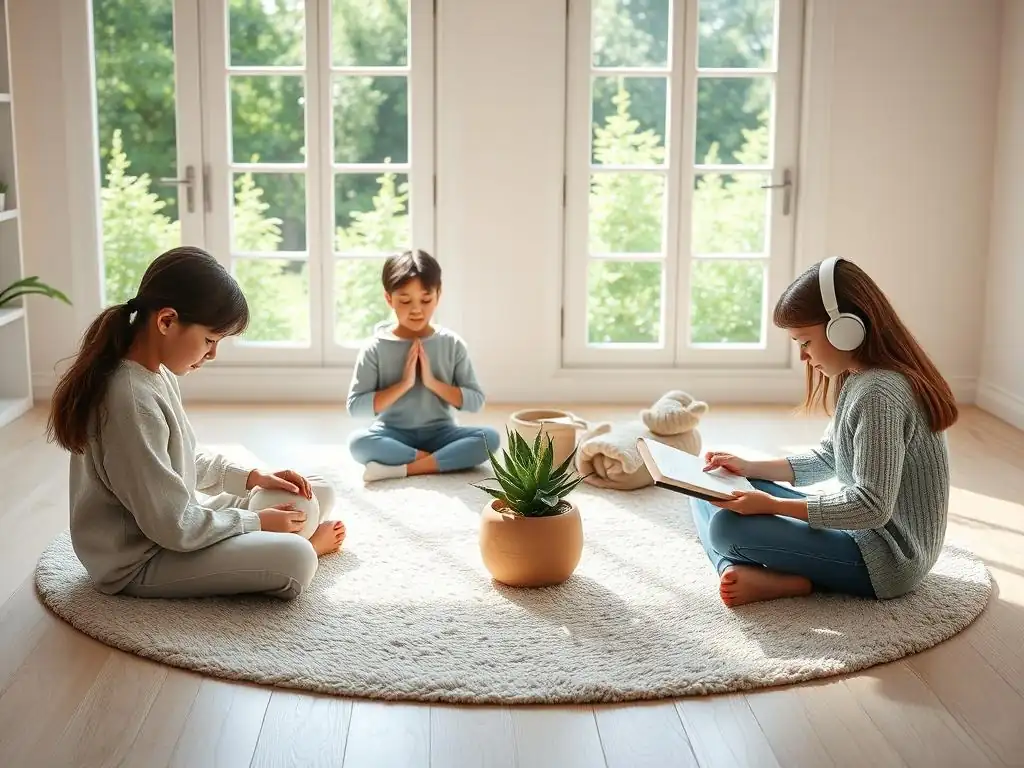
Time Management and Organization Skills for Reducing Stress
Feeling overwhelmed by tasks and responsibilities is a major source of stress for many children, particularly as they enter school age and adolescence. Teaching basic time management and organization skills provides children with a sense of control and predictability, significantly reducing stress. This can start simply, like using a visual schedule for younger children or helping older children use a planner to track homework and activities.
Breaking down larger tasks into smaller, manageable steps can make daunting assignments feel less overwhelming. For example, instead of "Do homework," the task list might be: [ ] Math problems 1-5, [ ] Read 15 minutes, [ ] Study spelling words. Learning to prioritize tasks and estimate how long things will take are valuable skills. While these skills take time to develop, introducing them early helps children build confidence and reduces the stress associated with feeling disorganized, enhancing their coping skills for anxiety stress.
Problem-Solving Strategies for Kids: Addressing Stressful Situations
Stress often arises from feeling unable to cope with or change a difficult situation. Teaching children a structured approach to problem-solving empowers them to tackle challenges head-on rather than feeling helpless. A simple problem-solving model for kids might involve these steps:
- Identify the problem clearly.
- Brainstorm possible solutions (even silly ones).
- Evaluate the pros and cons of each solution.
- Choose the best solution to try.
- Make a plan to put the solution into action.
- Review if the solution worked and adjust if needed.
Using this framework with real-life scenarios, like dealing with a conflict with a friend or figuring out how to finish a project, helps children practice applying the steps. Empowering children with problem-solving abilities reduces stress by shifting their focus from dwelling on the problem to actively working towards a solution, significantly improving their coping skills for anxiety stress.
Healthy Lifestyle Habits: Sleep, Nutrition, and Stress Reduction
Fundamental healthy habits—adequate sleep, balanced nutrition, and regular physical activity—are cornerstones of effective stress management for children. Chronic sleep deprivation, common among school-aged children (many needing 9-12 hours) and teens (8-10 hours), significantly impairs their ability to cope with stress, leading to irritability, difficulty concentrating, and heightened emotional reactivity. Establishing consistent bedtime routines and ensuring a sleep-conducive environment are vital.
Similarly, a diet high in processed foods and sugar can exacerbate stress and anxiety symptoms, while a balanced diet rich in fruits, vegetables, and whole grains supports brain health and emotional regulation. Encouraging regular meals and healthy snacks helps maintain stable blood sugar levels, preventing mood swings that can worsen stress. Prioritizing these basic health habits provides a strong physiological foundation for children to build their coping skills for anxiety stress.
Feeling connected to others is a powerful buffer against stress. Encouraging children to build and maintain strong relationships with family, friends, teachers, and other trusted adults is a crucial coping mechanism. Knowing they have people they can talk to, rely on, or simply spend enjoyable time with provides comfort and a sense of belonging.
Facilitating opportunities for positive social interaction, whether through playdates, family activities, participation in clubs or sports, or simply encouraging open communication at home, is essential. Teaching children how to communicate their needs and feelings to others, and how to ask for help when they are feeling stressed or overwhelmed, strengthens their support network and enhances their ability to utilize social resources as part of their coping skills for anxiety stress.
Using Positive Self-Talk to Manage Stress: "I can handle this," "I am strong," "I am capable."
The way children talk to themselves internally significantly impacts their ability to manage stress. Negative self-talk ("I'm not good enough," "This is too hard") increases feelings of inadequacy and stress, while positive self-talk can build confidence and resilience. Teaching children to use positive affirmations or encouraging phrases helps them reframe challenging situations.
Help children identify their negative self-talk patterns and work with them to create positive counter-statements. For example, replace "I can't do this" with "I can try my best" or "I haven't figured this out yet." Simple phrases like I am brave, I am calm, or This is tough, but I am tougher can be powerful tools. Practicing these phrases, especially before or during stressful situations, helps children develop a more resilient mindset and improves their internal coping skills for anxiety stress.
Supporting Children Through Sadness: Coping Mechanisms for Emotional Well-being
Validating Feelings: Acknowledging and Accepting Sadness
One of the most important ways to support a child experiencing sadness is to validate their feelings. This means acknowledging and accepting their sadness without trying to immediately fix it, minimize it, or tell them they shouldn't feel that way. Phrases like "It sounds like you're feeling really sad right now," "It's okay to feel sad," or "I understand this is hard for you" communicate empathy and acceptance.
Validation helps children feel seen and understood, creating a safe space for them to express their emotions. It teaches them that sadness is a normal and acceptable part of the human experience, not something to be ashamed of or hidden. By validating their feelings, adults help children develop emotional literacy and build trust, which is foundational for utilizing any coping skills for anxiety stress and sadness.
Encouraging Emotional Expression: Talking, Writing, and Creative Outlets
Once feelings are validated, encouraging children to express their sadness in healthy ways is crucial. For some children, talking about what makes them sad is helpful. Creating regular opportunities for conversation, such as during dinner or bedtime, can facilitate this. For others, verbal expression is difficult, and alternative outlets are more effective.
Writing in a journal, drawing pictures that represent their feelings, composing music, or engaging in imaginative play can provide powerful ways for children to process sadness non-verbally. Some children might express sadness through increased physical activity or needing more quiet time alone. Supporting their preferred method of expression, as long as it's healthy, helps them release and process sad feelings, complementing their overall coping skills for anxiety stress and emotional regulation.
Promoting Self-Care Activities: Activities that Bring Joy and Comfort
During times of sadness, children may withdraw from activities they typically enjoy. Encouraging and facilitating self-care activities that bring them comfort, joy, or relaxation is an important coping mechanism. This could include spending time with a pet, listening to favorite music, reading a beloved book, watching a comforting movie, taking a warm bath, or engaging in a favorite hobby.
These activities provide a necessary break from difficult emotions and remind children of sources of pleasure and comfort in their lives. They are not about ignoring or avoiding sadness, but about nurturing oneself while processing difficult feelings. Helping children identify their own comforting activities builds their repertoire of self-soothing coping skills for anxiety stress and sadness.
Building Resilience to Loss and Disappointment: Grief Counseling, Memorialization
Children will inevitably experience loss and disappointment throughout life, which are significant sources of sadness. Helping them build resilience in the face of these experiences is vital. For significant losses, such as the death of a loved one or a pet, or parental separation, professional support like grief counseling can be invaluable. Grief counselors use age-appropriate techniques to help children understand and process their grief.
Simple acts of memorialization, like creating a memory box or planting a tree, can help children process loss. For disappointments, like not making a team or failing a test, helping children understand that it's okay to feel sad but also important to learn from the experience and try again builds resilience. Focusing on effort and learning, rather than just outcomes, fosters a growth mindset. These strategies teach children how to navigate sadness associated with significant life events and disappointments, strengthening their coping skills for anxiety stress and sadness in the long term.
Seeking Professional Help When Needed: Knowing When to Consult a Therapist
While teaching coping skills is incredibly beneficial, it's also crucial for parents and educators to recognize when a child's sadness is persistent, severe, or significantly impacting their functioning and when professional help is needed. Signs that might indicate the need for professional intervention include:
- Sadness lasting for more than two weeks.
- Loss of interest in previously enjoyed activities.
- Significant changes in sleep or appetite.
- Expressing feelings of hopelessness or worthlessness.
- Difficulty functioning at school or home.
- Talking about death or suicide.
Consulting a pediatrician, school counselor, or child therapist can provide access to specialized support and treatment, such as therapy or medication, if necessary. Professional help ensures children receive the most appropriate care for their specific needs, complementing the coping skills for anxiety stress and sadness taught at home and school.
Teaching Coping Skills: A Step-by-Step Guide for Parents and Educators
Creating a Safe and Supportive Environment
The foundation for teaching children coping skills for anxiety stress and sadness is creating a safe and supportive environment where they feel comfortable expressing their emotions and trying new strategies without fear of judgment or ridicule. This involves active listening when a child shares their feelings, responding with empathy, and ensuring they know you are there to help them problem-solve or simply sit with them in their discomfort.
A safe environment means validating their feelings, even if the reason for the feeling seems small to an adult. It also involves establishing predictable routines and clear expectations, which can reduce uncertainty and stress. Knowing they have a secure base from which to explore their emotions makes children more receptive to learning and practicing new coping techniques.
Modeling Healthy Coping Behaviors
Children learn by observing the adults in their lives. Parents and educators are powerful role models for demonstrating healthy coping skills for anxiety stress and sadness. This means openly talking about your own feelings (in an age-appropriate way) and showing how you cope with stress or disappointment. For example, saying "I'm feeling a bit stressed about this deadline, so I'm going to take a 5-minute walk to clear my head" demonstrates a specific coping strategy.
It's important to show children that coping is an ongoing process, not a one-time fix. Modeling healthy behaviors teaches children practical strategies and normalizes the experience of needing to cope with difficult emotions. It shows them that it's okay to feel stressed or sad and that there are constructive ways to manage these feelings.
Introducing Coping Skills Gradually and Age-Appropriately
Introducing a wide range of coping skills for anxiety stress at once can be overwhelming for children. It's best to introduce skills gradually and tailor them to the child's age, developmental stage, and individual needs. Start with simple techniques like deep breathing or identifying feelings using feeling faces for younger children. For older children and teens, you might introduce more complex strategies like cognitive restructuring or structured problem-solving.
Offer a variety of options and allow the child to choose what feels most comfortable and effective for them. What works for one child might not work for another. Providing choices empowers children and increases their likelihood of using the skills. For instance, a task list for introducing skills might look like:
- Week 1: Practice deep breathing daily.
- Week 2: Identify one feeling each day and name it.
- Week 3: Try a simple mindfulness activity (e.g., mindful eating).
- Week 4: Discuss one positive thing that happened today (gratitude).
Practicing Coping Skills Regularly: Making it a Habit
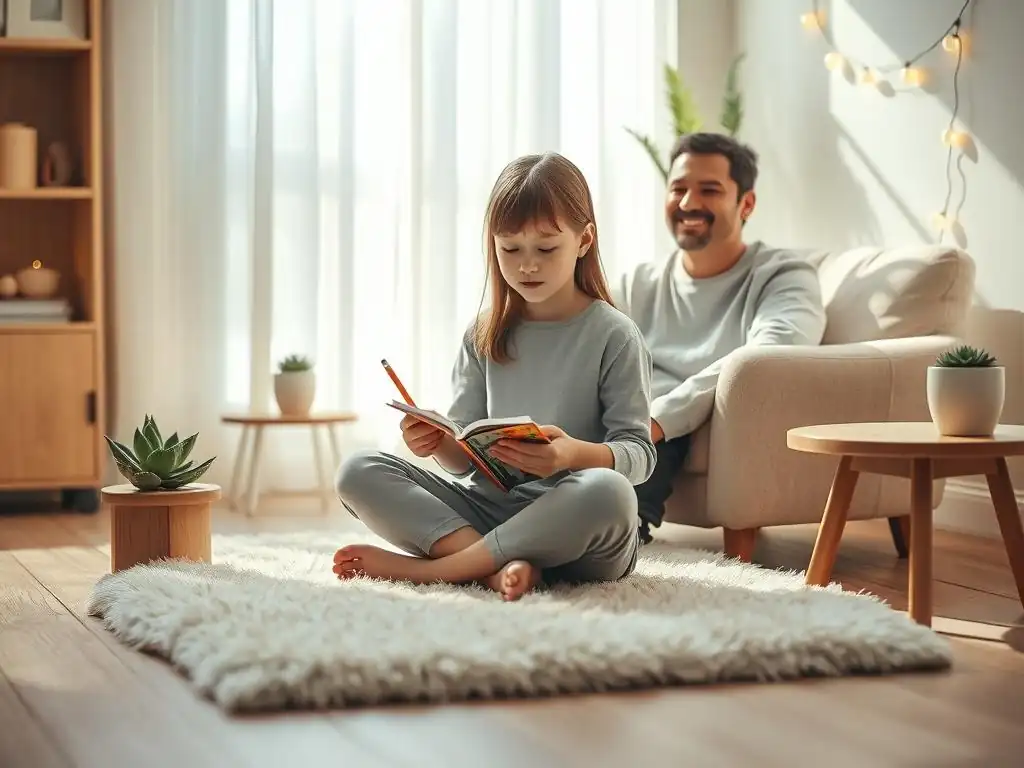
Like any skill, coping skills need practice to become effective and readily accessible when needed. Encourage children to practice their chosen coping skills for anxiety stress regularly, not just during moments of distress. This could involve daily deep breathing practice, a weekly mindfulness session, or using a gratitude journal a few times a week.
Integrating practice into daily routines makes it a habit. For example, practice deep breathing before bedtime or discuss one positive thing during dinner. Regular practice builds muscle memory for these skills, making it easier for children to deploy them automatically when they feel anxious, stressed, or sad. Consistent practice is key to building long-term resilience.
Providing Positive Reinforcement and Encouragement
Learning and using coping skills takes effort and practice. Providing positive reinforcement and encouragement is essential to motivate children and build their confidence. Praise their efforts in trying new skills, even if they don't feel completely effective at first. Recognize and acknowledge when they successfully use a coping strategy during a challenging moment.
Specific praise, such as "I noticed you took some deep breaths when you felt frustrated, and that helped you stay calm – great job using your coping skill!" is more effective than general praise. Celebrate small successes and frame setbacks as learning opportunities. This positive support encourages children to continue practicing and refining their coping skills for anxiety stress and sadness.
Coping Skills Activities for Children: Engaging and Fun Exercises
Sensory Activities for Calming Anxiety: Playing with Clay, Listening to Calming Music
Engaging the senses can be incredibly calming for children experiencing anxiety or stress. Sensory activities provide a grounding effect, bringing the child's focus to the present moment and away from anxious thoughts. Playing with modeling clay or slime offers tactile input that can be soothing. Listening to calming music or nature sounds can regulate the nervous system.
Other sensory activities include using squeeze balls, weighted blankets, aromatherapy (with child-safe essential oils like lavender), looking at visually calming things like a glitter jar, or engaging in gentle movement like swinging or rocking. Creating a "calm down corner" with a selection of these sensory items gives children a dedicated space and tools to use when they feel overwhelmed, enhancing their practical coping skills for anxiety stress.
Gratitude Exercises for Boosting Mood: Gratitude Journaling, Sharing Gratitude at Dinner
Practicing gratitude shifts focus from worries and negative feelings to appreciating the positive aspects of life, which can be a powerful antidote to sadness and stress. Simple gratitude exercises can be easily incorporated into a child's routine. Keeping a gratitude journal where they write or draw a few things they are thankful for each day is one method.
Another engaging activity is sharing "three good things" at the dinner table or before bedtime, where each family member names three things they are grateful for that day. This fosters a positive family atmosphere and encourages children to actively look for the good in their lives. Regularly practicing gratitude builds a more optimistic outlook and strengthens emotional resilience, adding to their coping skills for anxiety stress and sadness.
Role-Playing Scenarios for Practicing Coping Skills: Dealing with Conflicts, Asking for Help
Role-playing provides a safe space for children to practice using coping skills in simulated stressful or anxiety-provoking situations. This could involve acting out how to handle a conflict with a friend, how to ask a teacher for help when they don't understand something, or how to use deep breathing before giving a presentation.
Adults can play different roles, allowing the child to practice their response. After the role-play, discuss what felt challenging and what strategies worked. This allows children to rehearse applying their coping skills for anxiety stress in realistic scenarios, building their confidence and competence before they face the actual situation.
Creating a "Coping Skills Toolbox": A Collection of Resources and Strategies
A "coping skills toolbox" is a physical or visual collection of reminders and tools for managing difficult emotions. This can be a decorated box containing items like:
- A list of favorite calming activities.
- A small toy for fidgeting or squeezing.
- A drawing pad and crayons for expressing feelings.
- A list of positive affirmations.
- Instructions for deep breathing.
- A comforting object like a soft stone or fabric swatch.
Creating the toolbox together with the child makes them invested in it. It serves as a tangible reminder of the strategies available to them when they feel anxious, stressed, or sad, empowering them to choose a tool that fits their needs in the moment. This physical resource reinforces the range of coping skills for anxiety stress they have learned.
Long-Term Benefits of Teaching Coping Skills to Children
Improved Mental Health and Well-being
Perhaps the most significant long-term benefit of teaching children effective coping skills for anxiety stress and sadness is the overall improvement in their mental health and well-being. Children equipped with these skills are better able to navigate the emotional ups and downs of life, reducing the frequency and intensity of negative emotional states. This proactive approach helps prevent the escalation of mild difficulties into more significant mental health challenges.
By providing children with tools to understand and manage their emotions, we empower them to take an active role in their own mental wellness. This foundational knowledge and skill set acquired in childhood contributes to greater emotional stability and psychological health throughout adolescence and into adulthood, significantly reducing the likelihood of developing anxiety disorders, depression, or other stress-related conditions.
Increased Resilience and Self-Esteem
Learning to cope with challenges builds resilience – the ability to bounce back from adversity. When children successfully use coping skills to navigate stressful or upsetting situations, they learn that they are capable of handling difficulties. This builds their confidence in their own abilities to face future challenges, fostering a strong sense of self-efficacy.
Each time a child successfully employs a coping skill for anxiety stress or sadness, it reinforces their belief in themselves. This cumulative experience leads to increased self-esteem and a more positive self-image. They learn they are not helpless victims of their emotions but active agents capable of managing their internal world.
Teaching coping skills is intrinsically linked to developing broader social and emotional intelligence. Children learn to identify and label their own emotions (self-awareness) and understand how to manage them appropriately (self-management). These internal skills are essential for navigating social interactions.
Children who can manage their own frustration or anxiety are better equipped to handle conflicts, communicate their needs effectively, and empathize with others. They are less likely to resort to aggressive or withdrawn behaviors when stressed, leading to healthier relationships with peers and adults. Developing strong coping skills for anxiety stress supports the development of crucial social competencies.
Better Academic Performance
Emotional distress significantly impacts a child's ability to learn and focus. Anxiety can interfere with concentration and memory, stress can lead to test anxiety and avoidance of schoolwork, and sadness can sap motivation and energy needed for academic tasks. By teaching children coping skills for anxiety stress and sadness, we directly support their academic success.
When children have effective ways to manage their emotional state, they are better able to concentrate in class, complete assignments, study effectively, and perform well on tests. Reducing emotional barriers allows their cognitive abilities to shine. A study might show that students who participated in a social-emotional learning program, including coping skills training, demonstrated an average 11 percentile point gain in academic achievement.
Reduced Risk of Mental Health Problems in Adulthood
The skills and patterns established in childhood often carry into adulthood. Children who learn healthy coping skills for anxiety stress and sadness are laying the groundwork for lifelong emotional well-being. Conversely, those who rely on unhealthy coping mechanisms are at a higher risk for chronic stress, anxiety disorders, depression, and other mental health issues in adulthood.
Investing in teaching coping skills to children is a preventative measure. It provides them with the tools necessary to navigate the complexities of adult life, relationships, and careers in a healthy and adaptive manner. By building resilience and emotional regulation skills early, we significantly reduce their vulnerability to mental health challenges later in life, promoting a trajectory of greater well-being and fulfillment.
Additional Resources for Parents and Educators: Supporting Children's Mental Health.
Frequently Asked Questions
What are some practical coping skills I can learn to manage anxiety and stress?
You can learn techniques like deep breathing exercises, mindfulness meditation, and progressive muscle relaxation. These simple strategies can help calm your nervous system.
How can Mind Care Guide help me find resources for coping skills?
Mind Care Guide offers a comprehensive collection of articles, guides, and tools designed to teach you effective coping mechanisms for anxiety, stress, and sadness. It provides information and support.
What is the role of mindfulness in developing coping skills for anxiety stress?
Mindfulness helps you become more aware of your thoughts and feelings in the present moment. This increased awareness allows you to respond to stress more effectively rather than reacting impulsively.
Can coping skills really help with sadness, or are they just for anxiety and stress?
Yes! While often discussed in the context of anxiety and stress, coping skills like journaling, engaging in hobbies, and connecting with others can also significantly improve mood and alleviate symptoms of sadness.
How often should I practice coping skills to see a noticeable difference in my anxiety and stress levels?
Consistency is key! Aim to practice your chosen coping skills regularly, even when you're not feeling particularly anxious or stressed. Daily or near-daily practice will lead to the best results over time.
Final Reflection: Cultivating Resilience Through Coping Skills
The ability to effectively manage anxiety, stress, and sadness is not a luxury; it's a fundamental necessity for navigating the complexities of modern life. The tools and techniques explored in this article – from mindfulness practices to cognitive restructuring – are more relevant than ever in a world characterized by constant connectivity and unprecedented challenges. These aren't simply coping mechanisms; they are pathways to building resilience and a more fulfilling life.
The impact of unchecked anxiety and stress on our individual well-being and societal fabric is undeniable. We see it in rising rates of mental health concerns, decreased productivity, and strained relationships. The ongoing conversation surrounding mental health is crucial, and equipping ourselves with practical coping skills is a vital step towards fostering a more compassionate and supportive environment. The greatest weapon against stress is our ability to choose one thought over another.
– William James. This quote underscores the power we hold in shaping our responses to challenging situations.
You now possess a toolbox of techniques to navigate life's inevitable ups and downs. I encourage you to experiment with the methods discussed, finding what resonates most deeply with you. Don't be afraid to seek professional guidance if needed; remember that seeking help is a sign of strength, not weakness. Begin today by incorporating even one new coping skill into your daily routine. Start small, build consistently, and watch as your resilience grows, empowering you to face life's challenges with greater confidence and peace of mind.
Unlock Your Inner Resilience: Start Practicing Today!
Thanks for taking the time to explore practical coping skills for managing anxiety, stress, and sadness. We hope you found the information valuable and empowering. Now it's time to put your newfound knowledge into action!
- Prioritize one coping skill from the article: Choose the technique that resonates most with you and dedicate just 15 minutes today to practicing it. Even a small step forward makes a big difference.
- Share this article with someone you care about: Helping others is a powerful way to reinforce your own learning and support those who might be struggling too.
- Explore our website for additional resources on managing your mental well-being. We have a wealth of articles and guides waiting to be discovered!
What small, positive step will you take today to cultivate greater resilience?