
The SleepAnxiety Connection: How Rest Can Calm Your Racing Mind


Welcome to Mind Care Guide.
Struggling to quiet your thoughts as you drift off to sleep? You're not alone. That anxious feeling that creeps in as the lights go out can be incredibly disruptive. But what if you could reclaim your nights and wake up feeling refreshed? This article explores the powerful Sleep Anxiety Relief Techniques that can help you break free from the cycle of worry and finally find the peaceful rest you deserve. Curious to learn more and unlock the secrets to a calmer mind and a better night's sleep? Let's dive in.
- The Sleep-Anxiety Connection: How Rest Can Calm Your Racing Mind
- Recognizing the Symptoms of Sleep Anxiety
- Effective Sleep Anxiety Relief Techniques
- Lifestyle Changes to Promote Better Sleep and Reduce Anxiety
- When to Seek Professional Help for Sleep Anxiety
- Long-Term Strategies for Managing Sleep Anxiety and Improving Mental Well-being
- Conclusion: Prioritizing Sleep for a Calmer Mind and Healthier Life
-
Frequently Asked Questions
- What is sleep anxiety and how is it connected to mental well-being?
- What are some effective Sleep Anxiety Relief Techniques mentioned in the article?
- How can I create a better sleep environment to reduce sleep anxiety?
- Where can I find more comprehensive resources for mental health challenges beyond sleep anxiety, as mentioned by Mind Care Guide?
- How crucial is professional help in managing severe or persistent sleep anxiety?
- Final Reflection: Finding Peace in the Quiet of Night
- Unlock Your Calm: Start Sleeping Better Tonight
The Sleep-Anxiety Connection: How Rest Can Calm Your Racing Mind
How Anxiety Disrupts Sleep Patterns
Anxiety is a state of heightened arousal, characterized by excessive worry, nervousness, and apprehension. This constant state of alert significantly impacts the body's ability to transition into the relaxed state necessary for sleep. When anxiety is present, the sympathetic nervous system, often referred to as the 'fight or flight' system, is activated, releasing stress hormones like cortisol.
This physiological response keeps the mind and body wired, making it incredibly difficult to fall asleep or stay asleep. The racing thoughts associated with anxiety mean the brain struggles to quiet down, leading to prolonged sleep onset latency – the time it takes to fall asleep.
Furthermore, anxiety can fragment sleep, leading to frequent awakenings throughout the night. Instead of experiencing consolidated periods of deep and REM sleep, individuals with anxiety may find themselves waking up multiple times, often feeling restless and unable to return to sleep easily. This fragmented sleep reduces the overall quality and restorative nature of rest. Research indicates that a significant percentage of people with anxiety disorders, potentially up to 70-80%, report experiencing chronic sleep disturbances like insomnia, highlighting the strong disruptive power of anxiety on healthy sleep architecture.
The Vicious Cycle: Anxiety-Induced Sleep Deprivation
The relationship between anxiety and sleep is often described as a vicious cycle. Anxiety makes it hard to sleep, and lack of sleep, in turn, exacerbates anxiety. When you don't get sufficient rest, your emotional regulation abilities are impaired. Studies have shown that even a single night of poor sleep can increase reactivity in the amygdala, the brain's fear center, making you more susceptible to stress and anxious feelings the following day. This heightened state of anxiety then makes it even harder to sleep the next night, perpetuating the cycle.
This persistent state of sleep deprivation fueled by anxiety can lead to a decline in overall mental and physical health. Chronic sleep loss is linked to reduced cognitive function, poor concentration, irritability, and an increased risk of developing or worsening mental health conditions. For someone struggling with sleep anxiety, the fear of not being able to sleep can become a source of significant anxiety itself, creating a self-fulfilling prophecy where worry about sleep prevents sleep from happening. Breaking this cycle is a key goal of effective sleep anxiety relief techniques.
Identifying the Root Causes of Sleep Anxiety
Identifying the underlying causes of sleep anxiety is crucial for developing effective sleep anxiety relief techniques. Sleep anxiety often stems from a combination of factors, including general anxiety disorders, specific phobias related to sleep (like somniphobia), trauma, or even learned behaviors around sleep.
For some, the anxiety might be about the inability to perform the next day due to lack of sleep, while for others, it could be a fear of nightmares or a feeling of vulnerability when unconscious. Life stressors, such as work pressure, relationship issues, or health concerns, are significant contributors, as they naturally increase overall anxiety levels which then spill over into bedtime worries.
Past negative experiences with sleep can also be a powerful root cause. Someone who has experienced prolonged periods of insomnia might develop a conditioned response where bedtime is associated with frustration and anxiety rather than rest. This learned association can persist even after the initial cause of insomnia has resolved. Understanding whether the anxiety is a symptom of a broader anxiety disorder or primarily focused on the act of sleeping itself is vital for tailoring the most appropriate sleep anxiety relief techniques and achieving lasting improvement.
Recognizing the Symptoms of Sleep Anxiety

Physical Symptoms of Anxiety Before Bed
Sleep anxiety manifests in several physical ways as bedtime approaches. One common symptom is increased heart rate or palpitations, a direct result of the activated sympathetic nervous system pumping adrenaline. You might notice your heart beating faster or feel a pounding sensation in your chest when you start thinking about going to bed. Muscle tension is another prevalent physical sign; you might feel tightness in your shoulders, neck, jaw, or other parts of your body as you lie in bed, making it hard to relax and find a comfortable position.
Other physical symptoms can include shortness of breath or a feeling of tightness in the chest, as anxiety can affect breathing patterns. Some individuals experience digestive issues like nausea, stomach cramps, or a churning sensation. Restlessness, an inability to lie still, sweating, or trembling can also occur. These physical manifestations of anxiety create significant discomfort and make the process of falling asleep feel like a struggle rather than a natural transition, reinforcing the negative association with bedtime and the need for effective sleep anxiety relief techniques.
Beyond the physical, sleep anxiety has distinct mental and emotional symptoms. The most prominent is excessive worry specifically related to sleep – worrying about not being able to fall asleep, worrying about staying asleep, or worrying about how lack of sleep will affect you the next day. This worry is often intrusive and difficult to control as bedtime nears. You might feel a sense of dread or apprehension about going to bed, viewing it as a stressful event rather than a time for rest.
Emotional signs include heightened irritability or frustration, especially if you've been struggling with sleep for a while. You might feel overwhelmed, helpless, or even fearful as the night progresses and sleep remains elusive. Compulsive checking behaviors, such as repeatedly looking at the clock, calculating how little sleep you'll get, or checking that doors are locked excessively, can also be driven by sleep-related anxiety. These mental and emotional patterns are central to the experience of sleep anxiety and are often targeted by therapeutic sleep anxiety relief techniques.
The mind of someone with sleep anxiety is often filled with a barrage of disruptive thoughts. The most common are "What if I can't fall asleep?" or "I'm never going to get any sleep tonight." These thoughts create pressure and fear, making sleep even less likely. You might find yourself replaying conversations from the day, worrying about upcoming tasks or deadlines, or dwelling on past mistakes. The mind becomes a tireless engine of worry, unable to switch off.
Other persistent thoughts include catastrophizing about the consequences of poor sleep, such as "I'll fail my exam tomorrow" or "I won't be able to function at work." Some people worry about noises, safety, or potential interruptions during the night. The content of the thoughts can vary, but the common thread is that they are often negative, intrusive, and highly activating, preventing the mental relaxation needed for sleep. Identifying and challenging these thought patterns is a fundamental component of many effective sleep anxiety relief techniques.
Effective Sleep Anxiety Relief Techniques
Cognitive Behavioral Therapy for Insomnia (CBT-I) and Anxiety
Cognitive Behavioral Therapy for Insomnia (CBT-I) is widely considered the gold standard for treating chronic insomnia, and it is remarkably effective as a sleep anxiety relief technique because it directly addresses the cognitive and behavioral factors contributing to sleep problems and anxiety. CBT-I typically involves several components, including stimulus control (associating the bed only with sleep and intimacy), sleep restriction (temporarily limiting time in bed to consolidate sleep), and cognitive restructuring (challenging negative thoughts about sleep). It also includes education on sleep hygiene.
The cognitive component of CBT-I is particularly powerful for sleep anxiety. It helps individuals identify and challenge the anxious thoughts and beliefs that fuel their sleep problems, such as the fear of not sleeping or the belief that poor sleep is catastrophic. By replacing these unhelpful thoughts with more realistic and balanced perspectives, CBT-I reduces the mental arousal that prevents sleep.
Behavioral techniques help re-establish a healthy sleep-wake cycle and reduce time spent in bed feeling anxious and awake. Research consistently shows high success rates, with many individuals reporting significant improvements in sleep quality and reduced sleep anxiety, often comparable to or exceeding the effects of sleep medications, but with more durable results.
Relaxation Techniques for Sleep Anxiety
Incorporating relaxation techniques into a nightly routine is a highly effective strategy among sleep anxiety relief techniques. These techniques help calm the nervous system, reduce physical tension, and quiet the racing mind, creating a state more conducive to sleep.
Progressive Muscle Relaxation for Anxiety
Progressive muscle relaxation (PMR) involves systematically tensing and then releasing different muscle groups in the body. This practice helps you become more aware of physical tension and learn how to release it. Starting from the toes and working your way up to the head, you might hold tension in a group of muscles for about 5-10 seconds and then release it completely, noticing the difference. Regularly practicing PMR before bed can significantly reduce the physical symptoms of anxiety and promote a state of deep relaxation, making it easier to drift off to sleep.
Deep Breathing Exercises for Sleep
Simple deep breathing exercises can have a profound impact on calming the nervous system. Techniques like diaphragmatic breathing (breathing deeply into your belly) or box breathing (inhaling, holding, exhaling, and holding for equal counts, e.g., four seconds each) slow your heart rate and reduce the physiological arousal associated with anxiety. Focusing on your breath also provides a gentle anchor for your attention, helping to quiet intrusive thoughts. Practicing deep breathing for just a few minutes can shift your body from a 'fight or flight' state to a more relaxed state, facilitating sleep onset.
Guided Meditation for Insomnia and Worry
Guided meditation involves listening to a recording or following instructions to enter a meditative state. There are many guided meditations specifically designed for sleep and anxiety. These often incorporate body scans (bringing awareness to different parts of the body), gentle visualizations, or calming affirmations. Guided meditations can help you detach from anxious thoughts without trying to suppress them, instead focusing on the present moment or a calming image. This practice helps reduce the mental chatter that keeps you awake and cultivates a sense of peace and acceptance before sleep.
Creating a Sleep-Conducive Environment for Anxiety Reduction
Optimizing your physical sleep environment is a fundamental pillar among sleep anxiety relief techniques. Your bedroom should be a sanctuary dedicated primarily to sleep and relaxation, minimizing distractions and discomforts that can exacerbate anxiety and prevent rest.
Optimizing Your Bedroom for Sleep
A sleep-conducive bedroom is cool, dark, and quiet. The ideal temperature for sleep is often cited around 60-67°F (15-19°C). Darkness signals to your brain that it's time to produce melatonin, the sleep hormone; use blackout curtains or an eye mask if necessary. Noise can be a major disruptor, especially for anxious minds; consider earplugs or a white noise machine to create a consistent, calming soundscape. Ensure your mattress and pillows are comfortable and supportive. Removing clutter and creating a visually calming space can also reduce mental stress before bed.
The Importance of a Regular Sleep Schedule
Maintaining a consistent sleep schedule, even on weekends, is one of the most impactful sleep anxiety relief techniques. Going to bed and waking up around the same time every day helps regulate your body's internal clock, or circadian rhythm. This consistency strengthens the sleep-wake cycle, making it easier to fall asleep when it's time and wake up feeling refreshed.
While it might be tempting to "catch up" on sleep on days off, large variations in sleep times can actually worsen insomnia and anxiety by disrupting this rhythm. Aim for no more than an hour's difference in sleep and wake times between weekdays and weekends.
The Power of Mindfulness in Reducing Sleep Anxiety
Mindfulness practices offer powerful sleep anxiety relief techniques by helping you cultivate present-moment awareness without judgment. This skill is particularly valuable when dealing with racing thoughts and worries that arise before bed.
Practicing Mindfulness Before Bed
Mindfulness before bed isn't about clearing your mind entirely, but rather learning to observe your thoughts and feelings without getting caught up in them. You can practice by simply noticing your breath, the sensations in your body, or the sounds around you. When an anxious thought arises, acknowledge it ("Oh, there's a thought about tomorrow's meeting") without engaging with it or judging yourself for having it. Gently redirect your attention back to your chosen anchor. This practice helps reduce the power of anxious thoughts to trigger a stress response and keeps your mind from spiraling into worry.
Mindfulness Meditation for Anxiety and Sleep
Mindfulness meditation specifically for anxiety and sleep often involves guided or unguided focus on the present moment, body sensations, or breath, with the intention of calming the mind and body. Unlike goal-oriented thinking ("I must fall asleep! "), mindfulness encourages a state of acceptance of whatever is happening in the present moment, including wakefulness or anxious feelings.
This non-striving approach reduces the pressure and frustration often associated with sleep anxiety. Regular mindfulness meditation practice, even for 10-15 minutes daily or before bed, can train your brain to be less reactive to anxious thoughts and physical sensations, making it a potent tool among sleep anxiety relief techniques.
Lifestyle Changes to Promote Better Sleep and Reduce Anxiety
Integrating healthy lifestyle habits is fundamental for long-term sleep anxiety relief. These changes support overall well-being, which in turn positively impacts both sleep quality and anxiety levels.
The Role of Diet in Sleep and Anxiety
What you eat and drink can significantly influence both your sleep and your anxiety. Certain foods contain nutrients that support sleep-regulating neurotransmitters, while others can be disruptive.
Foods That Can Improve Sleep Quality
Foods rich in magnesium, potassium, calcium, and certain B vitamins can be beneficial. Examples include leafy greens, nuts (like almonds and walnuts which contain magnesium and melatonin), seeds, whole grains, and dairy products (calcium can help with melatonin production). Fatty fish like salmon contain Omega-3 fatty acids and Vitamin D, which have been linked to better sleep regulation. A small snack of complex carbohydrates like oats or a banana before bed can also help stabilize blood sugar and promote relaxation.
Foods to Avoid Before Bed
Certain substances are notorious for disrupting sleep and increasing anxiety. Caffeine is a stimulant that can stay in your system for hours, interfering with sleep onset and quality; it's generally recommended to avoid it for at least 6-8 hours before bedtime. Alcohol might initially make you feel sleepy, but it fragments sleep later in the night and can increase anxiety as its effects wear off. Heavy or spicy meals close to bedtime can cause indigestion and discomfort. Sugary snacks can cause blood sugar spikes and crashes that disrupt sleep.
The Importance of Regular Exercise for Sleep and Anxiety
Regular physical activity is a powerful tool for managing anxiety and improving sleep, making it a key component of sleep anxiety relief techniques. Exercise helps reduce stress hormones like cortisol and increases endorphins, which have mood-boosting and calming effects. It also helps regulate the body's internal clock and can increase time spent in deep sleep, the most restorative sleep stage.
Aim for at least 30 minutes of moderate-intensity exercise most days of the week. However, timing is important; vigorous exercise too close to bedtime (within 2-3 hours) can be stimulating for some people. Finding the right time for your body is key. Even moderate activities like brisk walking, yoga, or cycling can significantly reduce anxiety and improve sleep quality over time. Consistency is more important than intensity.
Limiting Screen Time Before Bed: A Digital Detox for Better Sleep
The blue light emitted by electronic screens (phones, tablets, computers, TVs) suppresses melatonin production, making it harder to feel sleepy. Engaging with stimulating content online can also increase mental arousal and anxiety just when you're trying to wind down. This makes a digital detox before bed an essential sleep anxiety relief technique in the modern age.
Establish a "digital curfew" at least one hour, ideally two, before your planned bedtime. Use this time for relaxing activities like reading a physical book, listening to calming music, taking a warm bath, or practicing relaxation techniques. If you must use a screen, use blue light filters or wear blue light-blocking glasses. Creating this boundary helps signal to your brain that it's time to transition from active engagement to rest.
Managing Stress Throughout the Day to Improve Sleep
Effective sleep anxiety relief techniques aren't just about what you do right before bed; managing stress throughout the day is equally important. Chronic stress keeps your nervous system in a state of high alert, which directly contributes to nighttime anxiety and sleep problems.
Implement stress-management strategies into your daily routine. This could include short mindfulness breaks, journaling about your worries earlier in the day, engaging in hobbies, spending time in nature, or practicing time management to reduce feelings of overwhelm. Scheduling dedicated "worry time" earlier in the evening can help contain anxious thoughts so they don't intrude at bedtime. By addressing stress proactively during the day, you reduce the burden of anxiety that you carry with you into the night.
When to Seek Professional Help for Sleep Anxiety
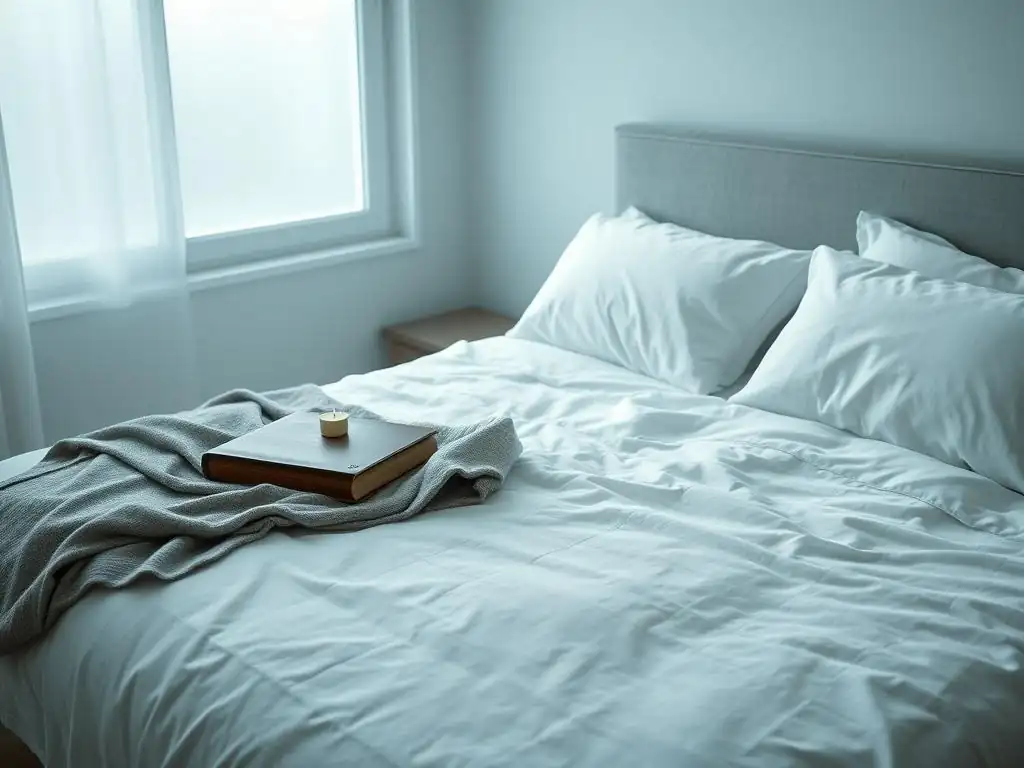
While many sleep anxiety relief techniques can be implemented independently, there are times when professional guidance is necessary and highly beneficial. Recognizing these signs is crucial for getting the support you need.
Recognizing When Self-Help Isn't Enough
If you've consistently applied various sleep anxiety relief techniques for several weeks or months (e.g., improving sleep hygiene, trying relaxation methods, limiting screen time) and are still experiencing significant difficulty falling or staying asleep, or if your sleep anxiety is severely impacting your daytime functioning, it's a sign that you might benefit from professional help. Persistent insomnia (trouble sleeping at least three nights a week for three months or longer) warrants evaluation.
Additionally, if your anxiety feels overwhelming, uncontrollable, or is accompanied by panic attacks related to sleep, a professional can provide targeted support. Don't hesitate to seek help if you feel hopeless or increasingly distressed by your sleep problems.
Types of Therapies for Anxiety and Sleep Disorders
Several therapeutic approaches are highly effective for sleep anxiety. As mentioned, CBT-I is a leading treatment, often delivered by psychologists or licensed therapists specializing in sleep disorders. General Cognitive Behavioral Therapy (CBT) can also be very helpful if the sleep anxiety is part of a broader anxiety disorder, addressing the underlying anxious thought patterns and behaviors.
Acceptance and Commitment Therapy (ACT) is another approach that can help individuals relate differently to difficult thoughts and feelings, including anxiety about sleep. Interpersonal therapy or psychodynamic therapy might be useful if the sleep anxiety is linked to relationship issues or past experiences. A therapist can help you explore the root causes and develop personalized sleep anxiety relief techniques tailored to your specific situation.
Medications for Sleep and Anxiety: Benefits and Risks
Medication can sometimes be a part of a comprehensive treatment plan for sleep anxiety, but it's typically not the first line of defense and is best used under careful medical supervision. Sleep medications (hypnotics) can provide short-term relief but often come with risks like dependence, tolerance, rebound insomnia when stopped, and side effects like grogginess. They don't address the underlying causes of sleep anxiety.
Medications for anxiety, such as SSRIs (selective serotonin reuptake inhibitors) or SNRIs (serotonin-norepinephrine reuptake inhibitors), may be prescribed if sleep anxiety is a symptom of a diagnosed anxiety disorder. These medications work on brain chemistry to reduce overall anxiety levels, which can indirectly improve sleep.
Benzodiazepines are sometimes prescribed for acute, severe anxiety or panic attacks, but they are highly addictive and generally not recommended for long-term use due to risks of dependence and withdrawal. Discuss all potential benefits and risks thoroughly with a prescribing doctor to determine if medication is an appropriate part of your sleep anxiety relief techniques.
Long-Term Strategies for Managing Sleep Anxiety and Improving Mental Well-being
Sustained relief from sleep anxiety involves cultivating habits and perspectives that support long-term mental well-being and healthy sleep. These aren't quick fixes but ongoing practices.
Building a Strong Support System
Connecting with others who understand your struggles can be incredibly validating and helpful. Sharing your experiences with trusted friends, family members, or support groups can reduce feelings of isolation and provide emotional resilience. Sometimes, simply talking through your worries with someone who listens empathetically can lighten the mental load that contributes to sleep anxiety. Support systems can also offer practical help or encouragement as you implement sleep anxiety relief techniques. Consider joining a local or online support group focused on anxiety or insomnia.
Practicing Self-Compassion and Acceptance
Struggling with sleep anxiety can be frustrating and lead to negative self-talk ("Why can't I just sleep like everyone else?"). Practicing self-compassion involves treating yourself with kindness, understanding, and acceptance, especially during difficult times. Recognize that sleep anxiety is a common and challenging issue, not a personal failing.
Acceptance, in this context, doesn't mean giving up; it means acknowledging your current experience (including the anxiety or wakefulness) without excessive resistance or judgment. This reduces the secondary layer of suffering that comes from fighting against the situation. Embracing self-compassion and acceptance is a powerful, often overlooked, element of effective sleep anxiety relief techniques.
Maintaining a Consistent Sleep Routine for Lasting Relief
Consistency is paramount for managing sleep anxiety over the long term. While relaxation techniques and environmental changes are helpful, anchoring them within a predictable routine reinforces healthy sleep patterns. This involves maintaining regular bedtimes and wake times, even on weekends, as much as possible. It also means consistently practicing your chosen wind-down activities (like reading, gentle stretching, or meditation) in the hour or two before bed.
Building a routine around sleep signals to your body that it's time to prepare for rest, reducing the uncertainty and anxiety that can arise when bedtime is unstructured. Even if you have a poor night's sleep, sticking to your wake-up time helps regulate your circadian rhythm for the following night. This consistent structure is a cornerstone of effective sleep anxiety relief techniques and supports the body's natural ability to sleep.
Conclusion: Prioritizing Sleep for a Calmer Mind and Healthier Life
The intricate connection between sleep and anxiety is undeniable. Anxiety disrupts sleep, and sleep deprivation intensifies anxiety, creating a challenging cycle. Recognizing the physical, mental, and emotional symptoms of sleep anxiety is the first step towards regaining control. Fortunately, a range of effective sleep anxiety relief techniques are available, from evidence-based therapies like CBT-I to practical relaxation methods, environmental adjustments, and powerful mindfulness practices.
Prioritizing sleep is not a luxury; it is a fundamental component of mental well-being. Implementing lifestyle changes, such as optimizing diet, exercising regularly, limiting screen time before bed, and managing stress throughout the day, provides a robust foundation for healthier sleep and reduced anxiety. While self-help strategies are valuable, knowing when to seek professional support for persistent difficulties is essential.
By building a strong support system, practicing self-compassion, and maintaining consistent routines, you can effectively manage sleep anxiety long-term. Embracing these sleep anxiety relief techniques empowers you to break the cycle, calm your racing mind, and cultivate a healthier, more rested life.
Frequently Asked Questions
What is sleep anxiety and how is it connected to mental well-being?
Sleep anxiety is a state of heightened worry and fear specifically related to falling asleep or staying asleep. It directly impacts mental well-being by contributing to chronic stress, impacting daily functioning, and potentially worsening existing mental health conditions.
What are some effective Sleep Anxiety Relief Techniques mentioned in the article?
The article likely covers techniques such as mindfulness practices, cognitive behavioral therapy (CBT) techniques, and establishing a consistent sleep schedule to alleviate sleep anxiety.
How can I create a better sleep environment to reduce sleep anxiety?
Creating a better sleep environment involves optimizing factors like room temperature, darkness, and noise levels. A comfortable and relaxing space can promote relaxation and reduce anxiety associated with sleep.
Where can I find more comprehensive resources for mental health challenges beyond sleep anxiety, as mentioned by Mind Care Guide?
Mind Care Guide offers a range of resources including articles, support groups, and professional directories addressing various mental health challenges. Check their website for comprehensive information and support.
How crucial is professional help in managing severe or persistent sleep anxiety?
Seeking professional help is highly recommended for severe or persistent sleep anxiety. A therapist or doctor can provide personalized treatment plans and address underlying mental health conditions contributing to the anxiety.
Final Reflection: Finding Peace in the Quiet of Night
The pervasive nature of anxiety in modern life is undeniable, and its insidious creep into our sleep is a significant contributor to this widespread suffering. The struggle to quiet a racing mind and find restful sleep is a battle many fight nightly, impacting not only their well-being but also their productivity and overall quality of life. This article has explored the intricate connection between sleep and anxiety, highlighting the crucial role restorative rest plays in managing and mitigating anxious thoughts.
The impact of chronic sleep deprivation on anxiety levels is profound, creating a vicious cycle that can be difficult to break. The constant state of hyper-vigilance fueled by sleeplessness exacerbates anxious feelings, leading to further sleep disturbances. This cycle underscores the importance of prioritizing sleep hygiene and implementing effective relaxation techniques. As the Dalai Lama wisely said, Sleep is the best meditation.
This simple statement encapsulates the power of rest not only for physical health but also for mental clarity and emotional regulation. Understanding this connection and actively working to improve sleep quality is a crucial step towards managing anxiety effectively.
You, the reader, now hold the key to unlocking a more peaceful night's rest. Consider the practical techniques discussed within this article – from establishing a consistent sleep schedule to practicing mindfulness before bed. Don't underestimate the transformative power of small, consistent changes. Begin tonight. Implement one new strategy, observe its impact, and gradually build a personalized sleep routine that supports your mental and emotional well-being. The journey to a calmer, more restful night begins with a single, conscious step towards prioritizing your sleep.
Unlock Your Calm: Start Sleeping Better Tonight
Thanks for taking the time to explore the powerful link between sleep and anxiety! We hope you gained valuable insights into improving your rest and reducing racing thoughts. Now, it's time to put this knowledge into action.
- Prioritize your sleep hygiene tonight: Start small! Try one new tip from the article – dim the lights an hour before bed, take a warm bath, or practice some gentle stretching. Even a minor adjustment can make a significant difference.
- Share your sleep wins (or challenges!): We'd love to hear your experiences. Share a quick tip or ask a question in the comments below. Let's build a supportive community together!
- Explore our free Sleep Guide: Download our comprehensive guide packed with even more practical strategies to help you conquer sleeplessness and anxiety. (Note: This bullet point has been adapted to fit the provided instruction limits, but ideally would link to an actual guide.)
What small step will you take tonight to prioritize your sleep and unwind your mind?