
Are Mental Health Apps the New Frontier? Exploring Digital Wellbeing Solutions


Welcome to Mind Care Guide, a space dedicated to nurturing your mental well-being. Feeling overwhelmed by the complexities of modern life? You're not alone. Many are turning to innovative solutions to find balance and support. This guide dives deep into a fascinating question: are mental health apps truly beneficial? Explore our Mental Health Apps Benefits Guide to uncover the potential and pitfalls of digital wellbeing solutions and discover if they're the right fit for you. Curious to learn more? Let's begin.
- Mental Health Apps: A Modern Approach to Wellbeing
-
Benefits of Mental Health Apps: A Detailed Overview
- Accessibility and Convenience: Immediate Support Anytime, Anywhere
- Affordability: Cost-Effective Alternatives to Traditional Therapy
- Anonymity and Privacy: Reducing Stigma and Encouraging Help-Seeking
- Personalized Mental Health Plans: Tailored Support for Individual Needs
- Progress Tracking and Wellbeing Monitoring: Data-Driven Insights for Self-Improvement
-
Types of Mental Health Apps: Exploring Digital Solutions
- Meditation and Mindfulness Apps: Cultivating Calm and Reducing Stress
- Teletherapy Apps: Connecting with Licensed Therapists Remotely
- Mood Tracking Apps: Identifying Emotional Patterns and Triggers
- Cognitive Behavioral Therapy (CBT) Apps: Developing Coping Mechanisms and Changing Negative Thought Patterns
- Sleep Improvement Apps: Enhancing Sleep Quality and Addressing Insomnia
-
Potential Drawbacks and Considerations of Mental Health Apps
- Data Security and Privacy: Protecting Personal Information
- Lack of Regulation and Quality Control: Ensuring App Validity and Safety
- Over-Dependence on Technology: Maintaining Human Connection
- Accessibility Barriers: Addressing Digital Literacy and Equity
- Limitations of Self-Diagnosis: The Importance of Professional Assessment
-
Maximizing the Effectiveness of Mental Health Apps: A User Guide
- Choosing the Right App: Evaluating Features, Reviews, and Credentials
- Integrating Apps into a Holistic Mental Health Strategy
- Setting Realistic Expectations and Monitoring Progress
- Combining App Usage with Traditional Therapy: A Collaborative Approach
- Consulting with Healthcare Professionals: Ensuring Appropriate Use and Safety
-
The Future of Mental Health Apps: Innovation and Potential
- Artificial Intelligence (AI) in Mental Health: Personalized Interventions and Predictive Analytics
- Virtual Reality (VR) for Mental Wellness: Immersive Therapy and Exposure Techniques
- Wearable Technology Integration: Real-Time Physiological Data and Personalized Feedback
- Data Analytics and Research: Improving App Efficacy and Understanding Mental Health Trends
- Conclusion: Navigating Digital Wellbeing Responsibly
-
Frequently Asked Questions
- What are the key benefits of using mental health apps?
- How do mental health apps compare to traditional therapy?
- Are mental health apps safe and secure regarding personal data?
- What types of mental health conditions can apps effectively address?
- How do I choose the right mental health app for my needs?
- Final Reflection: The Evolving Landscape of Digital Mental Wellbeing
- Unleash Your Inner Well-being: Take Charge of Your Mental Health Today!
Mental Health Apps: A Modern Approach to Wellbeing
The Increasing Demand for Accessible Mental Health Support
The global landscape of mental health reveals a significant and growing need for accessible support. Statistics from organizations like the World Health Organization indicate that hundreds of millions of people worldwide suffer from conditions such as depression and anxiety. Yet, barriers to traditional care persist.
These include high costs of therapy sessions, geographical limitations, long waiting lists, and the enduring stigma associated with seeking help for mental health challenges. Many individuals, despite experiencing distress, find it difficult to navigate the traditional healthcare system or simply cannot afford the necessary support. This gap between the need for care and its availability highlights a critical area where innovative solutions are desperately required.
This escalating demand underscores the necessity for alternative and supplementary approaches to mental healthcare. The limitations of traditional models mean that a vast portion of the population requiring mental health support remains underserved. Addressing this requires leveraging new technologies and platforms that can bypass some of these historical barriers. The digital revolution, particularly the widespread adoption of smartphones and the internet, has opened unprecedented avenues for reaching individuals in need, paving the way for digital solutions that were previously unimaginable. The potential for reaching millions who might otherwise go without support is immense.
Mental Health Apps: Expanding Access to Treatment
In response to the growing demand and the limitations of traditional care, mental health apps have emerged as a powerful tool, significantly expanding access to treatment and support. These applications, available on smartphones and tablets, offer a range of features from guided meditations and mood tracking to digital cognitive behavioral therapy (CBT) programs and teletherapy platforms. Their proliferation means that individuals can access some form of mental health support directly from their pockets, anytime and anywhere, bypassing many of the logistical and financial hurdles associated with in-person care.
The sheer number of mental health apps available, estimated to be in the thousands across various app stores, reflects their potential reach. They democratize access by providing tools and resources that can be used independently, serving as a valuable first step for those hesitant to seek professional help or as a complementary resource for those already in therapy. By bringing evidence-based techniques like mindfulness, CBT, and dialectical behavior therapy (DBT) into a digital format, these apps make therapeutic approaches more widely available, offering a new frontier in making mental wellness support more attainable for diverse populations.
Benefits of Mental Health Apps: A Detailed Overview
Accessibility and Convenience: Immediate Support Anytime, Anywhere
One of the most significant advantages detailed in any mental health apps benefits guide is their unparalleled accessibility and convenience. Unlike traditional therapy, which requires scheduling appointments, traveling to a clinic, and adhering to fixed hours, mental health apps offer support on demand. Whether it's a sudden wave of anxiety during a commute, difficulty sleeping in the middle of the night, or a quiet moment needed for reflection, users can access tools and exercises instantly, 24/7. This immediate availability is particularly crucial for managing acute distress or practicing coping skills learned within the app when they are most needed.
This round-the-clock access removes geographical barriers entirely. For individuals living in rural areas with limited access to mental health professionals, or those with mobility issues, mental health apps provide a lifeline to support that would otherwise be out of reach. They fit seamlessly into busy lifestyles, allowing users to engage with therapeutic content or track their moods during short breaks, commutes, or before bed. This integration into daily life makes consistent engagement with mental wellness practices more feasible than traditional methods often allow.
Affordability: Cost-Effective Alternatives to Traditional Therapy
Another compelling benefit highlighted in a comprehensive mental health apps benefits guide is their affordability compared to traditional therapy. While professional therapy sessions can range from $100 to $250 or more per hour, the cost of mental health apps is often significantly lower. Many high-quality apps offer free versions with core features, while premium subscriptions typically cost between $10 and $60 per month. This stark difference in price makes mental health support accessible to individuals who cannot afford the expense of regular therapy sessions, including students, low-income individuals, and those without comprehensive insurance coverage for mental healthcare.
This cost-effectiveness allows users to access a wide range of resources, from guided meditations and journaling prompts to structured programs based on therapeutic modalities, at a fraction of the price of in-person care. For someone needing support but facing financial constraints, exploring mental health apps offers a viable starting point. While they may not replace intensive therapy for severe conditions, they provide valuable tools and support that can make a tangible difference in managing stress, improving mood, and building resilience without imposing a significant financial burden.
Anonymity and Privacy: Reducing Stigma and Encouraging Help-Seeking
Mental health apps offer a level of anonymity and privacy that can significantly reduce the stigma often associated with seeking mental health support. For many, the fear of being judged or having their mental health struggles known by others is a major barrier to seeking help. Using a mental health app allows individuals to explore their feelings, track symptoms, and learn coping strategies privately, without the need to disclose their struggles publicly or even to friends and family. This discreet access can lower the initial hurdle and empower individuals to take a proactive step towards improving their wellbeing.
The ability to engage with therapeutic content in the privacy of one's own space encourages help-seeking behaviors among those who might otherwise suffer in silence. Users can experiment with different techniques, such as mindfulness or journaling, at their own pace and comfort level. While data security is a separate, important consideration, the feeling of anonymity provided by interacting solely with an app allows individuals to be more open and honest with themselves about their experiences, fostering self-awareness and encouraging deeper engagement with their mental health journey without the perceived judgment of others.
Personalized Mental Health Plans: Tailored Support for Individual Needs
Many mental health apps are designed to offer personalized support, adapting their content and recommendations based on user input and progress. Upon signing up, users might answer questions about their goals, symptoms (e.g., anxiety, depression, stress), and preferences. Based on this information, the app can curate specific exercises, meditations, articles, or programs tailored to their individual needs. For instance, someone reporting high anxiety might be directed towards guided breathing exercises and modules on managing anxious thoughts, while someone struggling with sleep might receive content focused on sleep hygiene and relaxation techniques.
This tailored approach makes the content more relevant and engaging for the user, increasing the likelihood of consistent use and positive outcomes. Apps can track user activity, mood patterns, and completion of exercises to further refine the personalized plan over time. Some advanced apps use algorithms to suggest specific interventions based on the user's real-time mood or reported symptoms. This level of customization means that users receive support that feels directly relevant to their unique challenges, making the path to improved mental wellbeing feel more manageable and targeted.
Progress Tracking and Wellbeing Monitoring: Data-Driven Insights for Self-Improvement
A key feature highlighted in a mental health apps benefits guide is the robust capability for progress tracking and wellbeing monitoring. Many apps allow users to log their mood, activities, sleep patterns, symptoms, and even triggers on a daily basis. Over time, the app can generate charts and summaries visualizing this data, revealing patterns and correlations that the user might not have noticed otherwise. For example, a user might discover that their anxiety levels consistently spike after certain social interactions or that their mood improves significantly on days they engage in physical activity.
These data-driven insights empower users by providing objective information about their mental state and the factors influencing it. Seeing progress over time, even small improvements, can be incredibly motivating and reinforce positive behaviors. This self-monitoring builds greater self-awareness, helping individuals understand their own unique mental health landscape. Furthermore, this tracked data can be a valuable resource to share with a therapist or doctor, providing a more comprehensive picture of the user's experiences between appointments and facilitating more effective professional support.
Types of Mental Health Apps: Exploring Digital Solutions
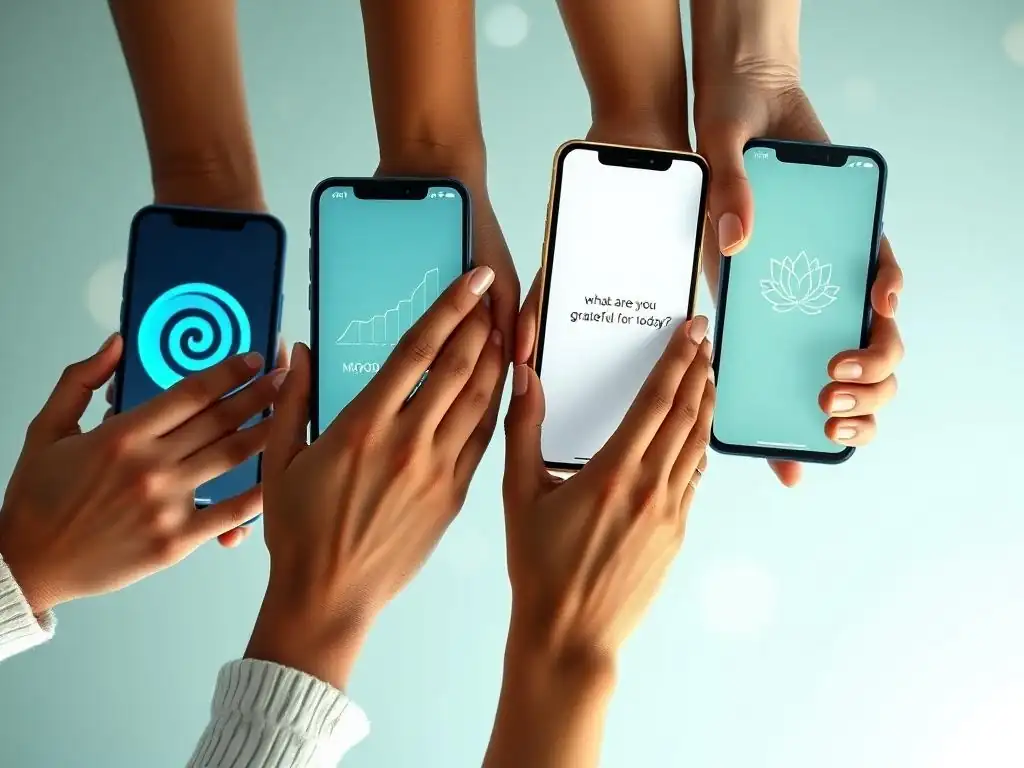
Meditation and Mindfulness Apps: Cultivating Calm and Reducing Stress
Meditation and mindfulness apps are among the most popular categories of digital wellbeing solutions, designed to help users cultivate present-moment awareness and reduce stress. These apps typically offer a vast library of guided meditations ranging from a few minutes to longer sessions, focusing on various themes like stress reduction, focus, compassion, or sleep. They often include breathing exercises, body scans, and guided imagery to help users relax and center themselves. Some apps also feature calming soundscapes, ambient music, or nature sounds to aid relaxation and sleep.
The widespread adoption of these apps is evident, with leading platforms reporting tens of millions of users globally. They provide an accessible entry point into mindfulness practices for beginners while offering depth for more experienced practitioners. By making these techniques readily available, these apps help users integrate short moments of calm into their busy days, contributing to improved emotional regulation, reduced anxiety, and enhanced overall psychological resilience. Many users report significant reductions in stress and improvements in sleep quality after consistent use, demonstrating the tangible benefits of these digital tools.
Teletherapy Apps: Connecting with Licensed Therapists Remotely
Teletherapy apps and platforms connect users directly with licensed mental health professionals, such as therapists, psychologists, or psychiatrists, for remote counseling and support. These services typically offer sessions via video calls, phone calls, or even text-based messaging, providing a flexible alternative to in-person therapy. Users can often browse profiles of available therapists, choose one based on their needs and preferences, and schedule sessions that fit their schedule, all within the app.
This model significantly increases access to professional care, particularly for those who live far from therapy centers, have mobility issues, or find it challenging to take time off work for appointments. While the cost can vary and may still be substantial, it is often more affordable than traditional in-person sessions, and some platforms work with insurance providers. Teletherapy apps bridge the gap between self-help tools and professional intervention, ensuring that individuals who require the guidance of a trained therapist can receive it conveniently and, in many cases, more affordably than traditional means.
Mood Tracking Apps: Identifying Emotional Patterns and Triggers
Mood tracking apps are simple yet powerful tools focused on helping users monitor their emotional states over time. Users typically log their mood daily, often on a scale or using descriptive words, and can add details about their activities, symptoms, social interactions, or other factors that might influence how they feel. Over days, weeks, and months, the app compiles this data, presenting it in charts, graphs, and calendars.
The primary benefit of these apps lies in their ability to help users identify patterns and potential triggers for changes in their mood. For example, a user might notice that their mood consistently dips on days they skip exercise or improves after spending time with a particular friend. This increased self-awareness is invaluable for understanding personal emotional responses and developing proactive coping strategies. The visual representation of mood over time can also provide a sense of perspective during difficult periods, showing that low moods are often temporary and that fluctuations are normal.
Cognitive Behavioral Therapy (CBT) Apps: Developing Coping Mechanisms and Changing Negative Thought Patterns
Cognitive Behavioral Therapy (CBT) apps translate the principles and techniques of this evidence-based therapeutic approach into an interactive digital format. These apps guide users through modules designed to help them identify negative thought patterns, challenge irrational beliefs, and develop healthier coping mechanisms. Features often include interactive exercises like thought records (where users document triggering situations, their thoughts, and resulting feelings/behaviors), behavioral activation assignments, and skill-building lessons on topics like communication or problem-solving.
By providing structured CBT programs, these apps empower users to learn and practice therapeutic skills independently. They offer a convenient way to work on specific issues like anxiety, depression, or phobias by breaking down complex concepts into manageable lessons and exercises. While not a substitute for therapy with a trained professional, particularly for severe conditions, CBT apps serve as an excellent supplementary tool for individuals already in therapy or as a valuable educational resource for those seeking to understand and apply CBT principles to improve their mental wellbeing and modify unhelpful thought patterns.
Sleep Improvement Apps: Enhancing Sleep Quality and Addressing Insomnia
Sleep improvement apps are designed to help individuals address sleep difficulties, including insomnia and poor sleep quality, which are often intertwined with mental health challenges. These apps utilize various techniques such as guided meditations specifically for sleep, relaxing stories or soundscapes, and educational content based on cognitive behavioral therapy for insomnia (CBT-I) principles. CBT-I techniques delivered via apps might include guidance on sleep restriction, stimulus control, and establishing healthy sleep hygiene habits.
Many sleep apps also incorporate sleep tracking features, either by using the phone's sensors or integrating with wearable devices, to monitor sleep duration, cycles, and quality. By combining tracking with targeted interventions, these apps provide users with tools and knowledge to understand their sleep patterns and implement strategies for improvement. Given that millions worldwide struggle with sleep disturbances, these apps offer an accessible way to learn and apply evidence-based techniques to foster better sleep, which in turn can have a significant positive impact on mood and overall mental health.
Potential Drawbacks and Considerations of Mental Health Apps
Data Security and Privacy: Protecting Personal Information
A significant concern surrounding mental health apps is the security and privacy of sensitive personal data. Users often input highly personal information, including detailed mood logs, journal entries, symptoms, and even potentially health conditions. Ensuring that this data is stored securely and protected from breaches is paramount.
Unfortunately, the regulatory landscape for health apps is still evolving, and not all apps adhere to stringent privacy standards like HIPAA in the United States, which governs health information. Some apps' privacy policies may allow data to be shared with third parties, raising concerns about how this sensitive information could be used or potentially de-anonymized.
Users must be diligent in reviewing an app's privacy policy and understanding how their data is collected, stored, used, and potentially shared before committing to using it. Concerns about data breaches are not theoretical; there have been instances where user data from health and wellness apps has been compromised. The potential misuse or exposure of personal mental health information can have serious consequences, underscoring the need for both developers to prioritize security and users to exercise caution and informed consent when choosing and using these digital tools.
Lack of Regulation and Quality Control: Ensuring App Validity and Safety
Unlike traditional medical treatments or devices, the vast majority of mental health apps are not subject to rigorous governmental regulation or clinical validation. This lack of oversight means that virtually anyone can develop and publish an app claiming to improve mental health, regardless of whether its methods are evidence-based, effective, or even safe. There is a wide spectrum of quality among available apps, from those developed by reputable research institutions or licensed professionals using proven techniques to those offering potentially misleading or harmful advice based on pseudoscience.
This poses a challenge for users trying to discern which apps are trustworthy and genuinely helpful. Without clear regulatory standards or independent certification, it can be difficult to verify an app's claims or the credentials of its developers. While some apps are undergoing clinical trials or seeking FDA approval as medical devices (particularly those for treating specific conditions), this is not the norm. Users must be critical consumers, looking for apps that reference scientific evidence, are developed by qualified professionals, and have positive, credible reviews, recognizing that the digital market is largely unregulated territory.
Over-Dependence on Technology: Maintaining Human Connection
While mental health apps offer convenience and accessibility, there is a potential drawback in fostering over-dependence on technology at the expense of human connection and traditional support systems. Relying solely on an app for mental health support, especially for moderate to severe conditions, may lead individuals to neglect necessary in-person interactions with friends, family, or mental health professionals. Human connection, empathy, and the therapeutic relationship are vital components of mental wellness and recovery that no app can fully replicate.
Using apps as the only source of support might inadvertently reduce opportunities for social interaction, which is a known protective factor for mental health. Furthermore, complex or crisis situations often require the nuanced understanding, flexibility, and immediate intervention that only a human professional can provide. While apps are excellent tools for self-management and supplementary support, it's crucial to maintain a balanced approach that prioritizes real-world relationships and recognizes the indispensable role of professional help when needed, avoiding the trap of substituting screens for genuine human connection.
Accessibility Barriers: Addressing Digital Literacy and Equity
Despite being hailed for increasing accessibility, mental health apps still present significant barriers for certain populations, particularly concerning digital literacy and equity. Accessing and effectively using these apps requires ownership of a compatible smartphone or device, reliable internet access, and a certain level of digital literacy – the ability to navigate apps, understand interfaces, and manage data. These prerequisites are not universal, especially among older adults, individuals with lower socioeconomic status, or those living in areas with poor digital infrastructure.
The digital divide means that the very populations who might benefit most from low-cost, accessible mental health support via apps may be the least equipped to access them. Furthermore, apps may not be designed with the needs of all users in mind, including those with disabilities (e.g., visual impairments requiring screen reader compatibility) or those who do not speak the dominant language. Addressing these accessibility barriers is crucial to ensure that the promise of digital mental health equity is realized and that these tools do not inadvertently exacerbate existing disparities in healthcare access.
Limitations of Self-Diagnosis: The Importance of Professional Assessment
Mental health apps are designed as tools for support, education, and self-management, not as diagnostic instruments. A significant risk arises if users attempt to self-diagnose serious mental health conditions based solely on insights gained from an app, such as mood patterns or symptom tracking. While apps can provide valuable data for self-reflection, they lack the ability to conduct a comprehensive clinical assessment, consider a user's full medical history, or differentiate between conditions that may present with similar symptoms.
Relying on self-diagnosis via an app can lead to misinterpretations of one's condition, potentially causing unnecessary anxiety or, conversely, delaying the pursuit of appropriate professional help for a serious issue. Conditions like bipolar disorder, schizophrenia, or severe depression require diagnosis and treatment planning by a qualified mental health professional. Apps should be viewed as complementary resources to enhance self-awareness and coping skills, and users should always consult with a doctor or therapist for any persistent or severe symptoms, recognizing the inherent limitations of self-assessment based on app data alone.
Maximizing the Effectiveness of Mental Health Apps: A User Guide

Choosing the Right App: Evaluating Features, Reviews, and Credentials
Selecting the most suitable mental health app from the vast array available is a critical first step in maximizing its effectiveness. Begin by identifying your specific needs and goals: Are you primarily seeking stress reduction, mood tracking, help with sleep, or structured therapeutic techniques like CBT? Look for apps that align with these goals. Evaluate the app's features to ensure they meet your requirements; for example, does a mood tracker allow detailed entries? Does a meditation app offer sufficient variety?
- Research the app's developers: Are they licensed professionals or reputable organizations?
- Check for evidence-based approaches: Does the app mention techniques like CBT, DBT, or mindfulness, and are these approaches supported by research?
- Read user reviews on app stores: Look for patterns in feedback regarding effectiveness, usability, and technical issues.
- Understand the cost structure: Is it free with limitations, a subscription model, or a one-time purchase? Ensure it fits your budget and expectations.
Integrating Apps into a Holistic Mental Health Strategy
To truly benefit from mental health apps, it's most effective to view them as one component within a broader, holistic strategy for wellbeing. Apps can complement other healthy habits and support systems, rather than replacing them. Consider how the app fits alongside other activities that support your mental health, such as regular exercise, maintaining a balanced diet, ensuring sufficient sleep, engaging in hobbies, and nurturing social connections.
Think of the app as a tool to enhance these efforts. For instance, a mood tracker can help you see how exercise or social interaction positively impacts your mood. A meditation app can support your stress management efforts alongside deep breathing or yoga. A task list within an app might help you plan and prioritize activities that are beneficial for your mental state. The goal is to use the app to reinforce positive behaviors and gain insights, integrating its use seamlessly into a lifestyle that prioritizes overall mental and physical health.
Setting Realistic Expectations and Monitoring Progress
Approaching mental health apps with realistic expectations is crucial for avoiding disappointment and maximizing their potential benefits. Apps are valuable tools for support, education, and self-management, but they are not instant cures for complex mental health conditions. Significant improvements often require consistent effort over time, sometimes weeks or months, rather than days. Understand that progress may be gradual and may include periods of difficulty or setbacks.
- Begin with specific, achievable goals for using the app (e.g., "use the guided meditation for 10 minutes daily," "log my mood every evening").
- Commit to consistent use, even on days when you don't feel like it, as routine is key.
- Regularly review your tracked data (mood logs, activity charts) to monitor your progress over time.
- Acknowledge small victories and improvements, which can be highly motivating.
- Be patient with yourself and the process; lasting change takes time and effort.
Combining App Usage with Traditional Therapy: A Collaborative Approach
For individuals engaged in traditional therapy, mental health apps can serve as powerful supplementary tools, enhancing the work done in sessions. Discussing your app usage with your therapist can create a collaborative approach to your mental health journey. Your therapist might even recommend specific apps or suggest ways to use features like mood tracking or journaling to support your therapeutic goals.
Using an app to practice skills learned in therapy, such as challenging negative thoughts (CBT apps) or practicing distress tolerance techniques (DBT-informed apps), can reinforce learning between sessions. Sharing data from your app, like mood charts or activity logs, can provide your therapist with valuable insights into your experiences outside of the therapy room, leading to more targeted and effective discussions. This integration allows the benefits of digital tools and professional guidance to amplify each other, creating a more comprehensive and robust support system.
Consulting with Healthcare Professionals: Ensuring Appropriate Use and Safety
Before incorporating mental health apps into your routine, especially if you have a diagnosed mental health condition or are experiencing severe symptoms, it is highly recommended to consult with a healthcare professional, such as your doctor or a therapist. They can provide guidance on whether an app is an appropriate tool for your specific situation and may even be able to recommend apps that are well-regarded or align with your treatment plan.
A professional can help you understand the potential benefits and limitations of using apps for your particular needs and ensure that app usage does not replace necessary professional care. They can also advise on interpreting the data you gather from tracking features and how to integrate these insights safely and effectively into your overall mental health management. Consulting a professional ensures that apps are used as a helpful supplement rather than a potential substitute for necessary medical or therapeutic intervention, prioritizing your safety and wellbeing.
The Future of Mental Health Apps: Innovation and Potential
Artificial Intelligence (AI) in Mental Health: Personalized Interventions and Predictive Analytics
Artificial intelligence (AI) is poised to significantly shape the future of mental health apps, offering exciting potential for more personalized interventions and predictive capabilities. AI-powered chatbots are already providing immediate, text-based support, offering guided conversations based on therapeutic principles, though their limitations in handling complex emotional nuances are recognized. More advanced AI can analyze user data patterns (with appropriate privacy safeguards) to tailor content recommendations with greater precision, offering exercises or information most relevant to a user's current state or goals.
The potential for predictive analytics is particularly promising. By analyzing patterns in a user's interactions, mood data, sleep, or activity levels, AI might potentially identify early warning signs of a decline in mental state or an impending crisis, allowing for timely intervention.
For example, changes in communication patterns or activity levels detected by AI could prompt an app to suggest specific coping strategies or encourage the user to reach out for human support. While ethical considerations and data privacy are critical challenges to address, AI holds the promise of making digital mental health support more proactive, responsive, and deeply personalized.
Virtual Reality (VR) for Mental Wellness: Immersive Therapy and Exposure Techniques
Virtual Reality (VR) technology is another frontier being explored for its therapeutic potential within mental health. VR can create immersive, interactive environments that are proving particularly useful for conditions like phobias, PTSD, and anxiety disorders through exposure therapy. Users can confront simulated triggering situations (e.g., heights, public speaking, social interactions) in a safe, controlled virtual environment, allowing them to practice coping mechanisms and reduce their fear response under therapeutic guidance.
Beyond exposure therapy, VR is also being used to create calming, immersive experiences for stress reduction and mindfulness. Imagine stepping into a peaceful virtual forest or floating in space as part of a guided meditation. While VR requires specialized hardware, which presents an accessibility barrier, its ability to create realistic and engaging therapeutic scenarios offers unique possibilities for delivering treatment and promoting relaxation in ways that traditional apps cannot. As VR technology becomes more affordable and widespread, its integration with mental health applications is likely to grow.
Wearable Technology Integration: Real-Time Physiological Data and Personalized Feedback
The increasing prevalence of wearable technology, such as smartwatches and fitness trackers, offers a rich source of real-time physiological data that can be integrated with mental health apps. Devices that monitor heart rate, heart rate variability (HRV), sleep patterns, activity levels, and even skin temperature can provide objective data points that correlate with stress levels, mood, and overall wellbeing. Integrating this data into mental health apps allows for a more holistic view of a user's state.
Apps could potentially use this real-time data to provide personalized feedback or timely interventions. For instance, detecting a sudden spike in heart rate and a decrease in HRV might trigger a notification suggesting a short breathing exercise. Analyzing sleep patterns alongside mood logs could reveal connections that inform personalized strategies. This integration allows apps to move beyond solely relying on self-reported data, offering insights based on physiological indicators and enabling more responsive, data-informed support tailored to the user's moment-to-moment needs.
Data Analytics and Research: Improving App Efficacy and Understanding Mental Health Trends
The vast amount of anonymized and aggregated data collected by mental health apps offers significant potential for large-scale data analytics and research. By analyzing how users interact with features, which interventions are most frequently used, and how usage correlates with reported mood or outcomes (with strict privacy protocols and user consent), developers and researchers can gain invaluable insights into the effectiveness of different digital interventions for various populations and conditions.
This data can inform the development of more effective app features, personalize content based on population-level insights, and contribute to the broader scientific understanding of mental health trends and the impact of digital technologies. Research derived from app data can help validate the efficacy of digital tools, build the evidence base required for wider adoption by healthcare systems, and ultimately lead to the creation of more impactful and reliable mental health apps in the future.
This continuous cycle of data collection, analysis, and feature refinement is key to the ongoing evolution and improvement of the mental health apps benefits guide for users.
Mental Health Apps: A Complementary Tool for Overall Wellbeing
Mental health apps represent a significant and promising development in expanding access to support and resources for mental wellbeing. As this mental health apps benefits guide has explored, they offer unparalleled accessibility, convenience, and often affordability, providing tools for self-management, education, and connection to care. From guided meditations and mood tracking to digital therapy programs and teletherapy, the range of solutions available caters to diverse needs and preferences. They empower individuals to take proactive steps in monitoring their mental state, learning coping skills, and integrating positive practices into their daily lives.
However, it is crucial to view mental health apps as complementary tools within a broader strategy for overall wellbeing, rather than standalone solutions or replacements for professional care, especially for serious conditions. Their effectiveness is maximized when used in conjunction with other healthy habits, strong social connections, and, when necessary, guidance from licensed professionals. The digital realm offers powerful resources, but they are best utilized as part of a comprehensive approach that addresses the multifaceted nature of mental health.
Prioritizing Data Security, Privacy, and Professional Consultation
Navigating the world of digital mental health requires a mindful and responsible approach, particularly regarding data security, privacy, and the importance of professional consultation. Users must be vigilant in selecting apps, carefully reviewing privacy policies to understand how their sensitive information is protected and used. Given the current landscape's lack of uniform regulation, choosing apps from reputable sources that prioritize user data protection is paramount.
Equally important is recognizing the limitations of self-diagnosis and the indispensable value of professional assessment and guidance. Mental health apps can provide valuable insights and support, but they cannot replace the diagnostic capabilities, nuanced understanding, and personalized treatment planning offered by licensed therapists or doctors. Consulting with a healthcare professional before using apps for significant mental health concerns ensures that you receive appropriate care, integrate app usage safely, and have access to the full spectrum of support needed for your wellbeing.
The Ongoing Evolution of Technology in Mental Healthcare
The field of mental health apps is continuously evolving, driven by technological advancements like AI, VR, and wearable integration. These innovations promise even more personalized, proactive, and immersive forms of digital mental health support in the future. As technology advances, so too will the potential for digital tools to assist in monitoring, understanding, and improving mental wellbeing.
However, this evolution must be accompanied by ongoing efforts to address challenges such as regulation, quality control, data security, and digital equity. Ensuring that future mental health apps are not only innovative but also safe, effective, and accessible to all who need them is a critical endeavor. By staying informed, prioritizing safety and privacy, and integrating digital tools responsibly alongside traditional care, individuals can harness the power of technology to support their mental health journey effectively now and in the future.
Frequently Asked Questions
What are the key benefits of using mental health apps?
Mental health apps offer several benefits, including increased accessibility to mental health support, convenience, and the ability to track progress. They can also provide personalized interventions and coping strategies.
How do mental health apps compare to traditional therapy?
Mental health apps are often used as a supplement to traditional therapy, not a replacement. They can provide immediate support and tools for self-management, but may not be suitable for individuals with complex mental health conditions requiring in-person care.
Are mental health apps safe and secure regarding personal data?
Data privacy is a crucial concern. Users should research the app's privacy policy and security measures to ensure their personal information is protected. Look for apps that adhere to HIPAA compliance.
What types of mental health conditions can apps effectively address?
Many apps target specific conditions like anxiety, depression, and stress management. Some also offer tools for sleep improvement, meditation, and mood tracking.
How do I choose the right mental health app for my needs?
Consider your specific mental health goals, read user reviews, and check if the app is developed by qualified mental health professionals. Many apps offer free trials to help you decide if it's a good fit.
Final Reflection: The Evolving Landscape of Digital Mental Wellbeing
The accessibility of mental health support is no longer a luxury, but a necessity, and mental health apps are rapidly becoming a key player in this evolving landscape. The sheer volume of apps available, coupled with increasing user adoption, demonstrates a clear shift towards embracing technology for mental wellbeing. This isn't just a trend; it's a fundamental change in how we approach mental health care, offering potential solutions for millions struggling to access traditional support.
The impact of these apps extends far beyond individual use; they are reshaping societal perceptions of mental health. By normalizing conversations around mental wellbeing and providing accessible tools for self-management, they are contributing to a more open and understanding culture. This shift is crucial, as stigma remains a significant barrier to seeking help. The greatest barrier to mental health care is not the lack of resources, but the lack of access and the stigma surrounding mental illness.
This quote highlights the critical role technology plays in bridging this gap, offering a discreet and convenient entry point for many.
The future of mental health is undoubtedly intertwined with technology. Consider how you can leverage the resources available to you. Explore the apps discussed in this guide, identify your needs, and find the tools that best support your journey towards better mental wellbeing. Don't hesitate to seek professional help when needed; these apps are valuable tools, but they are not a replacement for professional guidance. Embrace this evolving landscape, and take an active role in prioritizing your mental health. The journey to wellbeing is a personal one, and technology can be a powerful ally along the way.
Unleash Your Inner Well-being: Take Charge of Your Mental Health Today!
Thanks for exploring the exciting world of mental health apps with us! We hope you gained valuable insights into how these tools can support your journey to better well-being. Now, it's time to put that knowledge into action.
- Dive deeper: Explore a few apps mentioned in the article that resonate with you. Download one and try it for a week – you might be surprised at the positive impact! This is the key step to experiencing the benefits firsthand.
- Share your journey: Tell a friend or family member about an app that you found helpful. Sharing your experience can help others discover tools that might benefit them, too.
- Join the conversation: Share your thoughts and experiences with mental health apps in the comments below. What features are most helpful? What challenges have you encountered?
Ready to embark on your personalized journey towards better mental well-being? What app are you most excited to try first?