
Nightmares, Restlessness, and Waking Up: How Anxiety Shows Up in Sleep


Welcome to Mind Care Guide, a place dedicated to understanding and nurturing your mental well-being.
Are you tossing and turning, battling racing thoughts as you try to drift off? Many people experience anxiety impacting sleep quality, and we understand how frustrating and exhausting it can be. This article delves into the intricate connection between anxiety and sleep, offering insights and practical strategies to help you reclaim your nights. Curious to learn how to break free from this cycle and finally get the rest you deserve? Let's explore the ways anxiety can manifest in your sleep and, more importantly, what you can do about it.
Nightmares, Restlessness, and Waking Up: How Anxiety Shows Up in Sleep
- Understanding Anxiety's Impact on Sleep Quality
- Anxiety Manifestations During Sleep: Identifying the Signs
- Specific Anxiety Disorders and Their Sleep Patterns
- The Vicious Cycle: Poor Sleep Exacerbating Anxiety
- Strategies for Improving Sleep Quality When Anxiety is Present
- Lifestyle Adjustments to Support Better Sleep and Reduce Anxiety
- Medication Options for Anxiety and Sleep [Consult with a Doctor]
- Long-Term Strategies for Managing Anxiety and Improving Sleep
-
Frequently Asked Questions
- How does anxiety specifically affect my sleep quality?
- What are some common signs that my anxiety is impacting my sleep?
- Can anxiety-induced sleep deprivation make my anxiety worse?
- What are some immediate steps I can take to improve my sleep when anxiety is high?
- Where can I find resources or support if I'm struggling with anxiety and sleep issues?
- Final Reflection: Unraveling the Silent Struggle of Anxiety in Sleep
- Unlock Your Most Restful Sleep
Understanding Anxiety's Impact on Sleep Quality
The Anxiety and Sleep Connection: An Overview
Anxiety is a complex emotional state characterized by feelings of worry, nervousness, or unease, often about an imminent event or something with an uncertain outcome. This persistent state of heightened arousal doesn't simply disappear when you lie down to sleep; it frequently infiltrates the night, significantly disrupting sleep architecture and overall sleep quality. The relationship is bidirectional: anxiety makes it harder to sleep, and poor sleep can, in turn, intensify anxious feelings.
This creates a challenging cycle where individuals may dread bedtime because of the anticipated difficulty falling or staying asleep, further fueling their anxiety. Understanding this intricate link is the first step in addressing the pervasive problem of anxiety impacting sleep quality.
The physiological effects of anxiety, such as an elevated heart rate, increased muscle tension, and a hyperactive mind, are fundamentally incompatible with the relaxation needed for restful sleep. The body's "fight or flight" response, activated by anxiety, keeps the nervous system on high alert. This state of hyperarousal makes initiating sleep difficult and maintaining it even harder. Many people report their minds racing at night, replaying worries from the day or anticipating future problems, a common manifestation of anxiety impacting sleep quality that prevents the necessary mental quietude for sleep onset.
Prevalence of Sleep Disturbances in Anxiety Disorders
Sleep disturbances are not just occasional inconveniences for individuals with anxiety; they are often core features of anxiety disorders. Studies consistently show that a large majority of people diagnosed with conditions like Generalized Anxiety Disorder (GAD), Panic Disorder, and Post-Traumatic Stress Disorder (PTSD) experience significant sleep problems. For instance, research suggests that between 70% and 90% of adults with GAD report difficulty falling or staying asleep. This highlights the profound impact of anxiety on sleep quality across various diagnostic categories.
This high prevalence underscores how deeply intertwined anxiety and sleep are. Individuals with Panic Disorder, for example, often fear nighttime panic attacks, leading to sleep avoidance or fragmented sleep. Those with PTSD frequently suffer from trauma-related nightmares that severely disrupt rest. The sheer number of people affected by anxiety impacting sleep quality makes it a critical area of focus in mental health treatment and management. Addressing sleep problems is often a necessary component of effectively treating the underlying anxiety disorder.
Anxiety Manifestations During Sleep: Identifying the Signs
Nightmares and Anxiety: Exploring the Link
Nightmares are vivid, disturbing dreams that often evoke feelings of fear, terror, or anxiety, and they can cause you to wake up abruptly. While occasional nightmares are common, their frequency and intensity are significantly higher in individuals struggling with anxiety. This is particularly true for those whose anxiety stems from traumatic experiences or chronic stress. The anxious mind, constantly processing worries and fears during wakefulness, continues this pattern during REM sleep, the stage where most vivid dreaming occurs. This can translate into dream content that reflects waking anxieties, fears of losing control, or replaying stressful situations.
The link between nightmares and anxiety is well-established, with anxious individuals reporting nightmares up to four times more often than their non-anxious counterparts in some studies. These nightmares are not just unpleasant; they contribute directly to anxiety impacting sleep quality by causing awakenings, increasing fear surrounding sleep, and blurring the lines between waking worries and dream content. The emotional residue of a nightmare can linger long after waking, affecting mood and anxiety levels throughout the following day.
Trauma, Anxiety, and Nightmare Frequency
For individuals with a history of trauma, particularly those with PTSD, nightmares are a hallmark symptom and a significant source of anxiety impacting sleep quality. These nightmares often involve re-experiencing aspects of the traumatic event, sometimes in a literal sense, but frequently in symbolic or fragmented forms that still evoke intense fear and distress. The brain, in an attempt to process or make sense of the trauma, repeatedly brings it to the forefront during sleep.
The frequency of trauma-related nightmares can be staggering, with some individuals reporting them multiple times per week or even nightly. This constant re-exposure to traumatic content during sleep prevents restful recovery and reinforces feelings of hypervigilance and anxiety. Managing these nightmares is a crucial part of treating trauma-related anxiety, as they severely compromise sleep quality and overall well-being, directly illustrating the debilitating impact of anxiety on sleep quality in this population.
Interpreting the Meaning Behind Anxious Nightmares
While dream interpretation is a complex and often subjective field, anxious nightmares frequently reflect underlying fears, unresolved conflicts, or stressors present in a person's waking life. Common themes in anxiety-driven nightmares include being chased, falling, being trapped, losing control, failing exams, or experiencing harm to oneself or loved ones. These themes mirror the feelings of helplessness, vulnerability, and dread that characterize anxiety disorders.
Understanding the potential meaning behind these nightmares can be a helpful tool in therapy. For instance, recurring dreams of being trapped might symbolize feeling overwhelmed or stuck in a difficult situation in waking life. Discussing these patterns with a therapist can provide insight into the core anxieties that are manifesting during sleep, offering a pathway to address the root causes of anxiety impacting sleep quality and potentially reducing nightmare frequency. It's less about predicting the future and more about gaining self-awareness regarding present fears.
Restlessness and Tossing: Physical Symptoms of Anxiety at Night
Anxiety doesn't only affect the mind during sleep; it also manifests physically. Restlessness, tossing, and turning throughout the night are common physical symptoms of anxiety impacting sleep quality. When the body is in a state of heightened alert due to anxiety, muscles remain tense, even during sleep. This residual tension makes it difficult to find a comfortable position and relax into deep sleep, leading to constant shifting and movement in bed.
This physical agitation prevents the body from achieving the necessary stillness for optimal sleep stages, particularly deeper, more restorative sleep. The nervous system remains activated, preventing the smooth transition through sleep cycles. The result is fragmented sleep characterized by frequent movements, bedclothes askew, and waking up feeling physically fatigued rather than rested, all clear indicators of anxiety impacting sleep quality through physical discomfort and agitation.
The Role of Muscle Tension in Sleep Disturbance
Chronic muscle tension is a well-known symptom of anxiety disorders. The sympathetic nervous system, activated by anxiety, prepares the body for action, leading to the tightening of muscles. This persistent tension doesn't magically disappear at bedtime. Instead, it contributes significantly to discomfort and restlessness during sleep. Imagine trying to fully relax when your shoulders are hunched and your jaw is clenched – it's incredibly difficult.
This heightened muscular state directly interferes with the ability to relax into sleep and maintain comfortable positions throughout the night. Individuals may experience aches or stiffness upon waking due to spending hours in tense, unnatural postures. The physical manifestation of anxiety impacting sleep quality through muscle tension is a tangible barrier to achieving the physical relaxation required for restorative rest. Techniques aimed at reducing muscle tension, like progressive muscle relaxation, are often recommended to counteract this effect.
Anxiety-Driven Sleep Movement Disorders
In some cases, anxiety can exacerbate or contribute to sleep-related movement disorders. While not a direct cause of conditions like Restless Legs Syndrome (RLS) or Periodic Limb Movement Disorder (PLMD), anxiety can lower the threshold for experiencing symptoms or make existing symptoms feel more distressing. The heightened awareness and hypervigilance associated with anxiety can make individuals more attuned to subtle physical sensations, including the urge to move their legs or involuntary limb jerks, which might otherwise go unnoticed or cause less disturbance.
Furthermore, the stress and sleep deprivation caused by anxiety impacting sleep quality can themselves be triggers for increased symptom severity in these movement disorders. The combination creates a difficult situation where anxiety worsens the movement disorder, which in turn further disrupts sleep, feeding the cycle of poor rest and heightened anxiety. While treating the underlying movement disorder is essential, addressing the anxiety component can be crucial in reducing the overall impact on sleep quality.
Frequent Awakenings and Anxiety: Disrupted Sleep Cycles
One of the most common complaints from individuals with anxiety is the inability to stay asleep. This manifests as frequent awakenings throughout the night, often accompanied by the mind immediately racing with worries. Instead of smoothly transitioning through sleep cycles, the anxious brain remains on high alert, easily pulled back to consciousness by internal or external stimuli that a non-anxious person would sleep through. This fragmentation is a hallmark of anxiety impacting sleep quality.
These awakenings prevent the accumulation of sufficient time in restorative sleep stages, particularly deep sleep and REM sleep. Even if the total time spent in bed is adequate, the constant interruptions mean the sleep is not consolidated or efficient. Waking up frequently leaves individuals feeling unrefreshed and groggy, contributing to daytime fatigue and exacerbating the very anxiety that caused the disrupted sleep in the first place.
Hyperarousal and the Inability to Stay Asleep
The state of hyperarousal characteristic of anxiety disorders is a primary driver of frequent nighttime awakenings. The sympathetic nervous system remains overly active, keeping the brain and body poised for threat. This makes the sleep state fragile. Minor disturbances, whether internal (like a shift in position or a fleeting thought) or external (like a distant noise), are more likely to trigger a full awakening compared to someone whose nervous system is calm.
This constant state of vigilance, even during attempted sleep, means the brain struggles to fully disengage. It's as if a part of the mind is always "on guard." This hyperarousal directly counteracts the physiological processes needed to stay asleep, leading to premature awakenings after relatively short sleep cycles. It's a clear illustration of how deeply anxiety impacting sleep quality is rooted in the body's stress response system.
Worrying Thoughts and Sleep Fragmentation
Once awake, the anxious mind immediately tends to latch onto worries. This is often referred to as "rumination" or "racing thoughts." Instead of quickly drifting back to sleep, individuals find themselves wide awake, mentally reviewing stressful events, anticipating problems, or fixating on their inability to sleep. This cognitive activation is highly stimulating and makes falling back asleep incredibly difficult.
This pattern of waking up and immediately engaging in anxious thought processes is a major contributor to sleep fragmentation. Each awakening, instead of being a brief interruption, turns into an extended period of wakefulness fueled by worry. This significantly reduces the total amount of sleep obtained and diminishes its restorative value, highlighting how cognitive aspects of anxiety impacting sleep quality are just as disruptive as physical ones.
Specific Anxiety Disorders and Their Sleep Patterns

Generalized Anxiety Disorder (GAD) and Sleep Disruption
Generalized Anxiety Disorder (GAD) is characterized by persistent and excessive worry about various everyday things. This pervasive worry is a major factor in anxiety impacting sleep quality for individuals with GAD. They often report difficulty falling asleep because their minds are racing with worries about work, family, health, or finances. Once asleep, they are prone to frequent awakenings throughout the night, again due to worry or a general state of hyperarousal.
Studies indicate that up to 80% of individuals with GAD experience significant insomnia symptoms. Their sleep is often lighter and less restorative, with reduced time spent in deep sleep stages. The chronic nature of GAD means that sleep disruption is often a long-standing problem, contributing to daytime fatigue, irritability, and difficulty concentrating, which in turn can worsen their anxiety levels. The constant mental activity makes achieving the necessary relaxation for sleep incredibly challenging.
Panic Disorder: Nighttime Panic Attacks and Sleep
Panic Disorder involves recurrent, unexpected panic attacks, which are sudden episodes of intense fear accompanied by physical symptoms like a racing heart, sweating, trembling, shortness of breath, and a feeling of losing control or impending doom. A particularly frightening manifestation of this disorder is the experience of nighttime or nocturnal panic attacks. These attacks occur during sleep, waking the individual abruptly in a state of extreme terror and intense physical symptoms.
The fear of having a nighttime panic attack can lead to significant anxiety impacting sleep quality. Individuals may develop sleep avoidance behaviors, delay bedtime, or experience heightened anxiety as they try to fall asleep. This anticipatory anxiety can make it harder to initiate sleep and increase overall sleep disruption. While nocturnal panic attacks themselves might not occur every night, the fear and hypervigilance they instill profoundly affect sleep patterns and contribute to chronic insomnia.
Social Anxiety Disorder is characterized by intense fear and anxiety in social situations, driven by a fear of being judged, scrutinized, or humiliated. While the core anxiety is social, it significantly impacts sleep quality, especially in anticipation of or following social interactions. Individuals might lie awake worrying about past social encounters ("Did I say something wrong?") or dreading upcoming ones ("What if I make a fool of myself? ").
The cognitive rumination associated with social anxiety often peaks at night when distractions are minimal. This can make falling asleep very difficult. Furthermore, sleep can be disrupted by dreams related to social fears or embarrassing situations. While perhaps less directly disruptive than panic attacks or trauma nightmares, the chronic stress and worry associated with social anxiety contribute to a state of hyperarousal that impairs sleep onset and maintenance, representing another way anxiety impacts sleep quality through cognitive pathways.
Post-Traumatic Stress Disorder (PTSD) develops after exposure to a traumatic event. Sleep disturbances, particularly nightmares and insomnia, are core diagnostic criteria for PTSD and are arguably among the most debilitating symptoms, profoundly illustrating anxiety impacting sleep quality. As mentioned earlier, trauma-related nightmares are often frequent, vivid, and emotionally distressing, causing repeated awakenings and fear of sleep.
Insomnia in PTSD is also highly prevalent, with estimates suggesting up to 90% of individuals with PTSD experience significant sleep difficulties. This insomnia can involve problems falling asleep (due to hyperarousal and intrusive thoughts), staying asleep (due to hypervigilance and nightmares), or waking up too early. The chronic sleep deprivation and disturbed sleep architecture in PTSD contribute to increased symptom severity, impaired functioning, and a reduced ability to cope with waking stressors, creating a vicious cycle.
The Vicious Cycle: Poor Sleep Exacerbating Anxiety
The Bidirectional Relationship Between Sleep and Anxiety
The connection between anxiety and sleep is not one-sided; it's a bidirectional relationship, meaning each problem can worsen the other. Anxiety makes it difficult to sleep well, and poor sleep can significantly increase anxiety levels and vulnerability to anxious feelings during the day. This creates a self-perpetuating cycle that can be challenging to break without targeted intervention. Understanding this two-way street is crucial for effective management.
When sleep is poor, the brain's ability to regulate mood and process emotions is impaired. The amygdala, the brain region associated with fear and emotional responses, can become hyperactive, while the prefrontal cortex, responsible for rational thought and emotional control, becomes less effective. This imbalance makes individuals more reactive to stressors and less able to manage anxious thoughts, clearly demonstrating how poor sleep exacerbates anxiety impacting sleep quality further.
Sleep Deprivation and Increased Anxiety Sensitivity
Chronic sleep deprivation, a common consequence of anxiety impacting sleep quality, significantly increases anxiety sensitivity. This means that individuals become more prone to experiencing anxiety in response to situations that might not have triggered such a strong reaction when well-rested. Even minor stressors can feel overwhelming, and anxious thoughts become more intrusive and harder to dismiss.
Research has shown that even partial sleep deprivation can lead to a noticeable increase in anxiety levels. For example, one study found that just one night of poor sleep led to a nearly 30% increase in anxiety symptoms in healthy individuals. For those already struggling with an anxiety disorder, the effects of sleep deprivation can be even more pronounced, intensifying their symptoms and making it harder to function during the day. This highlights the critical need to address sleep problems when treating anxiety.
Strategies for Improving Sleep Quality When Anxiety is Present
Relaxation Techniques for Anxiety and Sleep
Incorporating relaxation techniques into your daily routine, especially before bed, can be incredibly effective in reducing the hyperarousal associated with anxiety impacting sleep quality. These techniques help calm the nervous system, lower heart rate, reduce muscle tension, and quiet a racing mind, creating a more conducive state for sleep. Consistency is key to seeing the benefits of these practices.
Exploring different techniques to find what works best for you is recommended. Some people find deep breathing exercises most helpful, while others prefer progressive muscle relaxation or guided imagery. The goal is to activate the body's relaxation response, counteracting the "fight or flight" state driven by anxiety. Even a few minutes of dedicated relaxation practice can make a difference in preparing your body and mind for rest.
Deep Breathing Exercises for Calming the Mind
Deep breathing is one of the simplest yet most powerful relaxation techniques. Focused, slow, deep breaths signal to your nervous system that you are safe and can relax. This helps to lower your heart rate and blood pressure, reducing the physical symptoms of anxiety that interfere with sleep. Practicing deep breathing before bed can interrupt the cycle of racing thoughts and physical tension.
A common technique is diaphragmatic breathing or "belly breathing":
- Sit or lie down comfortably.
- Place one hand on your chest and the other on your belly, just below your rib cage.
- Breathe in slowly and deeply through your nose, feeling your belly rise. Your chest should remain relatively still.
- Exhale slowly through pursed lips, feeling your belly fall.
- Repeat this process for 5-10 minutes, focusing solely on the sensation of your breath. This simple practice can significantly reduce anxiety impacting sleep quality by promoting physiological calm.
Progressive Muscle Relaxation for Reducing Tension
Progressive Muscle Relaxation (PMR) is a technique that involves tensing specific muscle groups and then releasing the tension. This practice helps you become more aware of physical tension in your body and learn how to release it consciously. Given that muscle tension is a significant physical manifestation of anxiety impacting sleep quality, PMR can be particularly effective before bedtime.
To practice PMR, you typically work through different muscle groups in your body, from your toes up to your head. For each group:
- Inhale and tense the muscles tightly for 5-10 seconds.
- Exhale and quickly release the tension completely.
- Notice the feeling of relaxation in that muscle group before moving to the next.
This systematic process helps to discharge physical tension accumulated throughout the day, making it easier for the body to relax and settle into a state conducive to sleep, thereby mitigating the physical impact of anxiety impacting sleep quality.
Cognitive Behavioral Therapy for Insomnia (CBT-I) and Anxiety
Cognitive Behavioral Therapy for Insomnia (CBT-I) is a highly effective, evidence-based treatment specifically designed to address chronic insomnia. It works by identifying and changing the thoughts and behaviors that contribute to sleep problems. While not solely focused on anxiety, CBT-I is particularly helpful for individuals whose insomnia is maintained or exacerbated by anxiety impacting sleep quality, as it addresses both cognitive and behavioral factors.
CBT-I typically involves several components, including sleep restriction (temporarily reducing time in bed to consolidate sleep), stimulus control (associating the bedroom with sleep and sex only), cognitive restructuring (challenging unhelpful beliefs about sleep), and sleep hygiene education. For individuals with anxiety, the cognitive restructuring component is often key, helping them manage the worry and racing thoughts that keep them awake or cause frequent awakenings. Studies show CBT-I can improve sleep in up to 80% of patients and is often more effective and longer-lasting than sleep medication for chronic insomnia.
Identifying and Challenging Anxious Thoughts Before Bed
A core element of CBT-I, highly relevant for anxiety impacting sleep quality, is cognitive restructuring. This involves identifying the specific anxious thoughts that arise before bed or during nighttime awakenings and learning to challenge their validity or helpfulness. Common anxious thoughts include: "I'll never be able to fall asleep," "If I don't sleep well, tomorrow will be a disaster," or "My racing thoughts are uncontrollable."
Challenging these thoughts doesn't mean simply telling yourself to stop worrying. It involves examining the evidence for and against the thought, considering alternative perspectives, and developing more balanced and realistic thinking patterns. For example, instead of "I'll never fall asleep," a more balanced thought might be, "I might have trouble falling asleep, but I have gotten through nights like this before, and I can practice my relaxation techniques." Learning to recognize and reframe these anxious cognitions can significantly reduce the mental arousal that prevents sleep.
Developing Healthy Sleep Habits and Sleep Hygiene
CBT-I also emphasizes developing healthy sleep habits, often referred to as sleep hygiene. While good sleep hygiene alone may not cure chronic anxiety-related insomnia, it provides a necessary foundation for better sleep and complements other strategies aimed at reducing anxiety impacting sleep quality. Consistent habits help regulate the body's internal clock (circadian rhythm) and create an environment conducive to rest.
Key sleep hygiene principles include:
- Establishing a consistent sleep schedule (going to bed and waking up at roughly the same time, even on weekends).
- Creating a dark, quiet, and cool bedroom environment.
- Avoiding caffeine and alcohol, especially in the hours before bed.
- Avoiding heavy meals close to bedtime.
- Limiting daytime naps.
- Using the bedroom only for sleep and intimacy (avoiding work, screens, or worrying in bed).
Implementing these habits reduces external barriers to sleep and supports the body's natural sleep-wake cycle, making it easier to manage sleep problems linked to anxiety.
Creating a Relaxing Bedtime Routine to Reduce Anxiety
A consistent, relaxing bedtime routine signals to your brain and body that it's time to wind down and prepare for sleep. This transition period helps to reduce the anxiety and hyperarousal that can make falling asleep difficult. A routine provides a sense of structure and predictability, which can be comforting for an anxious mind. Aim for a routine that lasts 30-60 minutes before your target bedtime.
The activities included in your routine should be calming and enjoyable. Examples include taking a warm bath, reading a physical book (not on a screen), listening to quiet music or a podcast, gentle stretching or yoga, or practicing meditation or deep breathing. The key is to avoid stimulating activities and create a peaceful buffer zone between your busy day and sleep. This deliberate winding down helps to lower the anxiety impacting sleep quality.
Minimizing Screen Time Before Sleep
One crucial component of a relaxing bedtime routine and good sleep hygiene is minimizing exposure to electronic screens in the hour or two before bed. The blue light emitted by phones, tablets, computers, and televisions can interfere with the production of melatonin, the hormone that signals to your body that it's time to sleep. This suppression of melatonin can make it harder to fall asleep, exacerbating sleep problems linked to anxiety.
Beyond the blue light effect, engaging with screens often involves mentally stimulating activities like checking emails, scrolling through social media, or watching exciting shows, all of which can increase alertness and anxiety. Replacing screen time with calming activities allows your brain to quiet down and prepare for rest, reducing a significant barrier for anxiety impacting sleep quality.
Establishing a Consistent Sleep Schedule
Maintaining a consistent sleep schedule is perhaps the most important aspect of regulating your body's circadian rhythm. Going to bed and waking up at roughly the same time every day, even on weekends, helps to train your body when to be awake and when to be asleep. This consistency strengthens your natural sleep-wake cycle, making it easier to fall asleep when you go to bed and wake up feeling more refreshed.
While it might be tempting to sleep in on weekends to catch up on lost sleep caused by anxiety impacting sleep quality during the week, this can actually disrupt your circadian rhythm further, making it harder to fall asleep on Sunday night ("Sunday night insomnia"). Aim for consistency, even if it means getting slightly less sleep on weekends initially. Over time, a consistent schedule can help regulate your sleep patterns and reduce sleep-related anxiety.
It's important to recognize when sleep problems linked to anxiety are severe or persistent enough to warrant professional help. If your sleep difficulties are significantly impacting your daytime functioning, mood, health, or quality of life, or if they have been ongoing for several months despite trying self-help strategies, it's time to consult a healthcare provider or mental health professional. They can help determine the underlying causes and recommend appropriate treatment.
Ignoring chronic sleep problems associated with anxiety can perpetuate the cycle and potentially worsen both conditions. A professional can provide a proper diagnosis, rule out other potential causes for sleep disturbances (like sleep apnea or restless legs syndrome), and offer evidence-based treatments tailored to your specific needs. Seeking help is a sign of strength and a crucial step towards breaking free from the grip of anxiety impacting sleep quality.
Recognizing the Signs That Therapy May Be Necessary
Several signs indicate that therapy, particularly for anxiety and its impact on sleep, might be beneficial. These include:
- Experiencing significant distress or fear around bedtime or sleep.
- Your sleep problems causing significant impairment in your daily life (e.g., difficulty concentrating at work/school, impaired relationships).
- Reliance on sleep aids (prescription or over-the-counter) without resolving the underlying issue.
- Your anxiety symptoms worsening due to lack of sleep.
- Nightmares or panic attacks during the night becoming frequent.
If you identify with these signs, a therapist specializing in anxiety or sleep disorders can provide targeted support and strategies to address the root causes of anxiety impacting sleep quality.
Types of Therapies for Anxiety and Insomnia
Several therapeutic approaches are effective for treating anxiety and related sleep problems. Cognitive Behavioral Therapy (CBT) is a widely used approach for anxiety disorders, helping individuals identify and change negative thought patterns and behaviors contributing to their anxiety. CBT can be adapted to specifically address health anxiety, including fears about sleep.
As previously mentioned, Cognitive Behavioral Therapy for Insomnia (CBT-I) is the first-line treatment for chronic insomnia, and it is highly effective for individuals whose sleep problems are intertwined with anxiety. Other therapies that may be helpful include Acceptance and Commitment Therapy (ACT) or mindfulness-based therapies, which teach skills for managing difficult thoughts and emotions without getting overwhelmed by them. For trauma-related sleep issues and nightmares, therapies like Trauma-Focused CBT or Eye Movement Desensitization and Reprocessing (EMDR) can be particularly beneficial in processing the traumatic memories that fuel anxiety impacting sleep quality.
Lifestyle Adjustments to Support Better Sleep and Reduce Anxiety
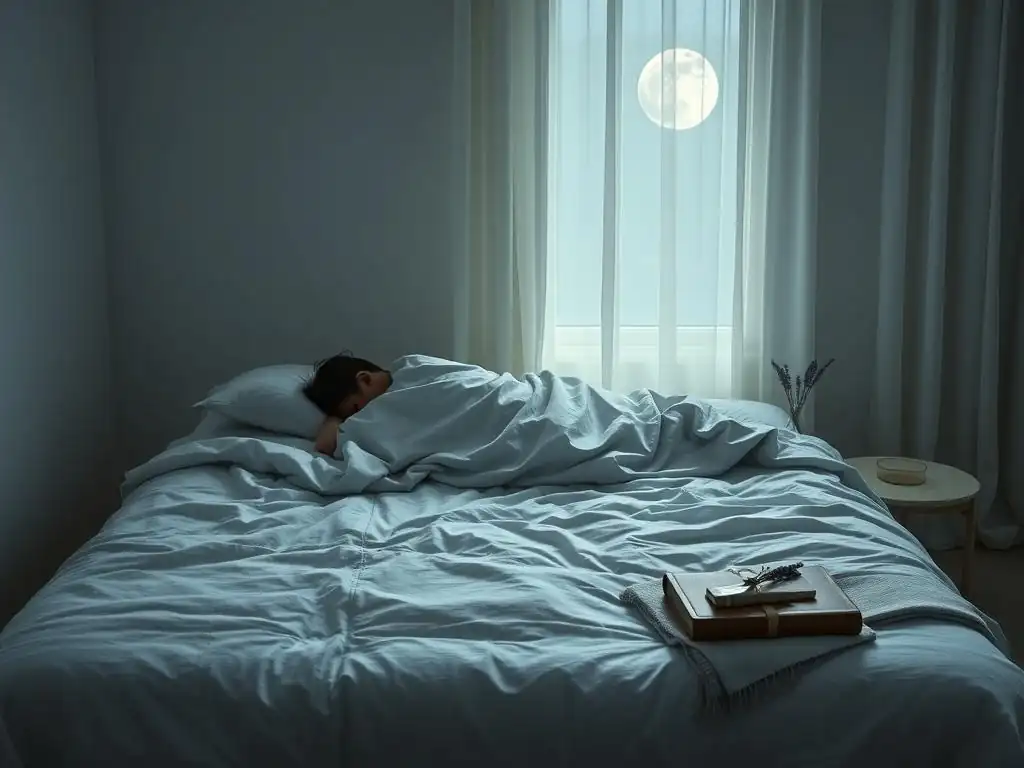
Making conscious choices about your daily lifestyle can significantly impact both your anxiety levels and your sleep quality. These adjustments work synergistically, with improvements in one area often leading to benefits in the other. Focusing on nutrition, exercise, and stress management provides a holistic approach to managing anxiety impacting sleep quality.
Small, consistent changes in these areas can accumulate over time to create a more stable foundation for mental and physical well-being. It's not about drastic overhauls but about integrating healthier habits that support a calmer mind and a more regulated sleep-wake cycle. Think of these as building blocks for resilience against the negative effects of anxiety on sleep quality.
Diet and Nutrition for Anxiety and Sleep
What you eat and drink can influence your anxiety levels and your ability to sleep. While diet isn't a cure-all, certain nutritional choices can either exacerbate or alleviate symptoms of anxiety impacting sleep quality. Paying attention to your dietary patterns, particularly in the hours leading up to bedtime, is important.
Ensuring a balanced diet rich in whole foods, lean proteins, fruits, vegetables, and healthy fats provides the nutrients necessary for brain function and neurotransmitter production, which play a role in mood regulation and sleep. Conversely, diets high in processed foods, sugar, and unhealthy fats can contribute to inflammation and energy crashes that may worsen anxiety and disrupt sleep patterns.
Foods to Avoid Before Bed to Minimize Anxiety
Certain foods and beverages are known stimulants or can cause physical discomfort that disrupts sleep, thereby potentially increasing anxiety impacting sleep quality. It's generally advised to avoid:
- Caffeine (found in coffee, tea, soda, chocolate) within 6-8 hours of bedtime.
- Alcohol, which can initially make you feel sleepy but disrupts sleep later in the night.
- Heavy or spicy meals close to bedtime, which can cause indigestion.
- Excessive sugar or refined carbohydrates, which can lead to blood sugar fluctuations that disrupt sleep.
- Nicotine, a stimulant that should be avoided, especially near bedtime.
Minimizing these substances in the evening helps create a more stable physiological state conducive to sleep, reducing potential triggers for anxiety impacting sleep quality.
Nutrients That Promote Relaxation and Sleep
Incorporating foods rich in certain nutrients can support relaxation and improve sleep quality, helping to counteract anxiety impacting sleep quality. These include:
- Magnesium: Found in leafy greens, nuts, seeds, and whole grains. Magnesium helps regulate neurotransmitters involved in sleep and stress response.
- Calcium: Dairy products, leafy greens, and fortified foods. Calcium aids in the production of melatonin.
- Tryptophan: Found in turkey, chicken, dairy, nuts, and seeds. Tryptophan is an amino acid that the body converts into serotonin and melatonin.
- Omega-3 Fatty Acids: Fatty fish (salmon, mackerel), flaxseeds, chia seeds. Omega-3s are important for brain health and mood regulation.
- B Vitamins: Whole grains, meat, eggs, dairy, leafy greens. B vitamins are crucial for nervous system function and stress management.
While supplements can be considered, getting these nutrients from whole foods is generally preferred.
Exercise and Physical Activity for Anxiety Management and Improved Sleep
Regular physical activity is a powerful tool for managing anxiety and improving sleep quality. Exercise helps reduce stress hormones like cortisol and releases endorphins, which have mood-boosting and calming effects. Engaging in physical activity during the day can help reduce overall anxiety levels, making it easier to relax and fall asleep at night.
Exercise also helps regulate the sleep-wake cycle and can increase the amount of time spent in deep, restorative sleep. Aim for at least 30 minutes of moderate-intensity exercise most days of the week. However, avoid vigorous exercise close to bedtime (within 2-3 hours) as it can be stimulating. Gentle activities like yoga or stretching can be beneficial in the evening as part of a bedtime routine. Consistent exercise is a key strategy for mitigating anxiety impacting sleep quality.
Stress Management Techniques for a More Restful Night
Given the strong link between stress and anxiety impacting sleep quality, incorporating effective stress management techniques into your daily life is essential. Identifying your primary stressors and developing healthy coping mechanisms can significantly reduce the overall burden of anxiety.
Examples of stress management techniques include:
- Mindfulness meditation
- Yoga or Tai Chi
- Spending time in nature
- Engaging in hobbies
- Spending time with loved ones
- Journaling
- Setting boundaries
- Time management strategies
Regularly practicing stress management helps lower chronic stress levels, making the nervous system less reactive and creating a calmer internal environment that supports better sleep and reduces the likelihood of anxiety impacting sleep quality.
Medication Options for Anxiety and Sleep [Consult with a Doctor]
Medication can be a tool in managing severe anxiety and related sleep problems, but it should always be used under the guidance of a qualified healthcare professional. It's crucial to have an open discussion with your doctor about the potential benefits, risks, and side effects of any medication. Medication is often used as a temporary measure while other long-term strategies, like therapy and lifestyle changes, are being implemented.
There are different types of medications that may be prescribed, depending on the primary issue (anxiety or insomnia) and the specific anxiety disorder. These may include anti-anxiety medications, antidepressants (which can also treat anxiety and sometimes have sedating effects), or specific sleep medications. Self-medicating with over-the-counter sleep aids or substances is not recommended and can be harmful.
Understanding the Risks and Benefits of Sleep Medications
Prescription sleep medications can be effective in the short term for helping individuals fall or stay asleep, providing temporary relief from severe anxiety impacting sleep quality. However, they often come with potential risks and side effects, including:
- Daytime grogginess or impairment
- Risk of dependence or addiction
- Rebound insomnia (sleep worsens when medication is stopped)
- Potential interactions with other medications
- Side effects like dizziness, headache, or gastrointestinal issues
- Masking underlying sleep disorders or medical conditions
The benefits of sleep medication must be weighed against these risks, especially for long-term use. They are typically intended for short-term management of acute insomnia or severe sleep disruption related to anxiety, allowing the individual to break the cycle of sleep deprivation while pursuing other treatments like CBT-I or therapy for anxiety.
Beyond prescription medications, some individuals explore alternative or complementary approaches for anxiety-related insomnia. These might include herbal supplements (like valerian root, chamomile, or melatonin), acupuncture, or massage therapy. While some people report benefits from these approaches, it's important to approach them with caution and informed awareness.
The efficacy of many alternative remedies for anxiety impacting sleep quality is not as rigorously supported by scientific evidence as CBT-I or some conventional medications. Quality and dosage of supplements can vary widely. It is absolutely essential to discuss any alternative approaches or supplements with your healthcare provider before trying them, especially if you are taking other medications, as there can be potential interactions or contraindications. They can provide guidance on safety and potential effectiveness based on the current evidence.
Long-Term Strategies for Managing Anxiety and Improving Sleep
Effective management of anxiety impacting sleep quality is often a long-term process that involves building sustainable habits and coping mechanisms. It's not about finding a quick fix but about developing a toolkit of strategies that you can rely on to navigate periods of increased anxiety or sleep disruption. Consistency and patience are key.
Adopting a holistic perspective that addresses both the psychological and physiological aspects of anxiety and sleep is most effective. This involves ongoing self-care, maintaining healthy routines, and utilizing therapeutic skills learned in treatment. The goal is not necessarily to eliminate anxiety entirely, but to learn how to manage it effectively so that it doesn't hijack your sleep night after night.
Building Resilience to Stress and Anxiety
Building resilience refers to your ability to adapt well in the face of adversity, trauma, tragedy, threats, or significant sources of stress. Developing resilience helps you bounce back from difficult experiences and manage ongoing stressors without becoming overwhelmed, which in turn reduces the chronic activation that contributes to anxiety impacting sleep quality.
Strategies for building resilience include cultivating a positive outlook, developing strong social connections, maintaining perspective, practicing self-care, and setting realistic goals. Learning to view challenges as opportunities for growth and developing problem-solving skills can significantly reduce the intensity and duration of anxious responses to stressors, leading to a calmer state more conducive to restful sleep.
Maintaining a Consistent Sleep Schedule for Optimal Well-being
Reiterating the importance, maintaining a consistent sleep schedule is a cornerstone of long-term sleep health, particularly when managing anxiety impacting sleep quality. Going to bed and waking up at the same time each day helps regulate your body's internal clock, leading to more consistent and efficient sleep.
While occasional deviations are unavoidable, aiming for consistency at least 6-7 days a week can make a significant difference in stabilizing your sleep patterns. This consistency reinforces the circadian rhythm, making it easier for your body to anticipate sleep and wakefulness, reducing the physiological resistance that anxiety can create at bedtime.
The Importance of Self-Care in Managing Anxiety and Promoting Sleep.
Prioritizing self-care is not a luxury; it is a necessity for managing anxiety and promoting healthy sleep. Self-care involves engaging in activities that support your physical, mental, and emotional well-being. When you are stressed, overwhelmed, or neglecting your own needs, anxiety is likely to increase, and sleep is often the first thing to suffer.
Examples of self-care activities include making time for hobbies, spending time with friends or family, taking breaks throughout the day, engaging in physical activity, eating nutritious meals, practicing mindfulness or meditation, and ensuring you have downtime to relax. Regularly engaging in self-care helps replenish your resources, reduce stress levels, and create a greater sense of balance and control, all of which contribute to reduced anxiety impacting sleep quality and overall improved well-being.
Frequently Asked Questions
How does anxiety specifically affect my sleep quality?
Anxiety often leads to racing thoughts and increased physiological arousal, making it difficult to fall asleep and stay asleep. This can manifest as nightmares, restlessness, and frequent awakenings.
What are some common signs that my anxiety is impacting my sleep?
Common signs include experiencing difficulty falling asleep, frequent nightmares or vivid dreams, and waking up feeling tired or unrefreshed despite getting enough hours. You might also experience restlessness in bed.
Can anxiety-induced sleep deprivation make my anxiety worse?
Yes, absolutely. Sleep deprivation can exacerbate anxiety symptoms, creating a vicious cycle where anxiety disrupts sleep, and lack of sleep worsens anxiety. This can lead to feeling more irritable and stressed.
What are some immediate steps I can take to improve my sleep when anxiety is high?
Try relaxation techniques like deep breathing or meditation before bed. Establishing a consistent sleep schedule and creating a calming bedtime routine can also be beneficial. Consider limiting screen time before sleep.
Where can I find resources or support if I'm struggling with anxiety and sleep issues?
Mind Care Guide offers various resources, including articles, support groups, and information on finding mental health professionals. You can also explore online therapy options and mindfulness apps.
Final Reflection: Unraveling the Silent Struggle of Anxiety in Sleep
The pervasive nature of anxiety is no longer a whispered secret; its impact on sleep quality is a widespread, debilitating reality. Millions struggle nightly with the intrusive thoughts, racing hearts, and restless limbs that prevent restorative rest, leaving them exhausted and facing the day with diminished capacity. This silent struggle affects not only individuals but also their families, workplaces, and overall societal well-being.
The exploration of anxiety's influence on sleep has been a deeply personal journey for me, highlighting the often-overlooked connection between mental health and physical well-being. Sleep is the golden chain that ties health and our bodies together.
This quote underscores the critical role sleep plays in our overall health, and the disruption caused by anxiety significantly impacts this delicate balance. Understanding the intricate ways anxiety manifests in sleep – from nightmares and restless legs to frequent awakenings and insomnia – is crucial to addressing this pervasive issue and fostering a culture of compassion and support.
Now, consider your own sleep patterns. Do you recognize any of the symptoms discussed? Take this opportunity to reflect on your relationship with sleep and anxiety. If you're struggling, remember you are not alone. Seek professional help, explore relaxation techniques, and prioritize self-care. By acknowledging the impact of anxiety on sleep and actively working towards healthier sleep habits, you can reclaim the restorative power of rest and unlock a brighter, more energized you.
Unlock Your Most Restful Sleep
Thanks for taking the time to explore the often-overlooked connection between anxiety and sleep. We hope you gained valuable insights into understanding and addressing your nighttime struggles. Now, let's turn those insights into action!
- Prioritize a calming bedtime routine: Experiment with a warm bath, gentle stretching, or mindful meditation to ease your mind before sleep. This is your primary step towards better rest.
- Share your experiences: Connect with others facing similar challenges. Talking about it can be incredibly helpful, and you might discover new coping strategies.
- Challenge negative sleep thoughts: Start a sleep journal to identify and challenge anxious thoughts that keep you awake. Try reframing these thoughts in a more positive and realistic light.
Ready to take control of your sleep and wake up feeling refreshed and energized? What small change will you make tonight to improve your sleep?