
More Than Notifications: How Smartwatches Support Your Mental Peace

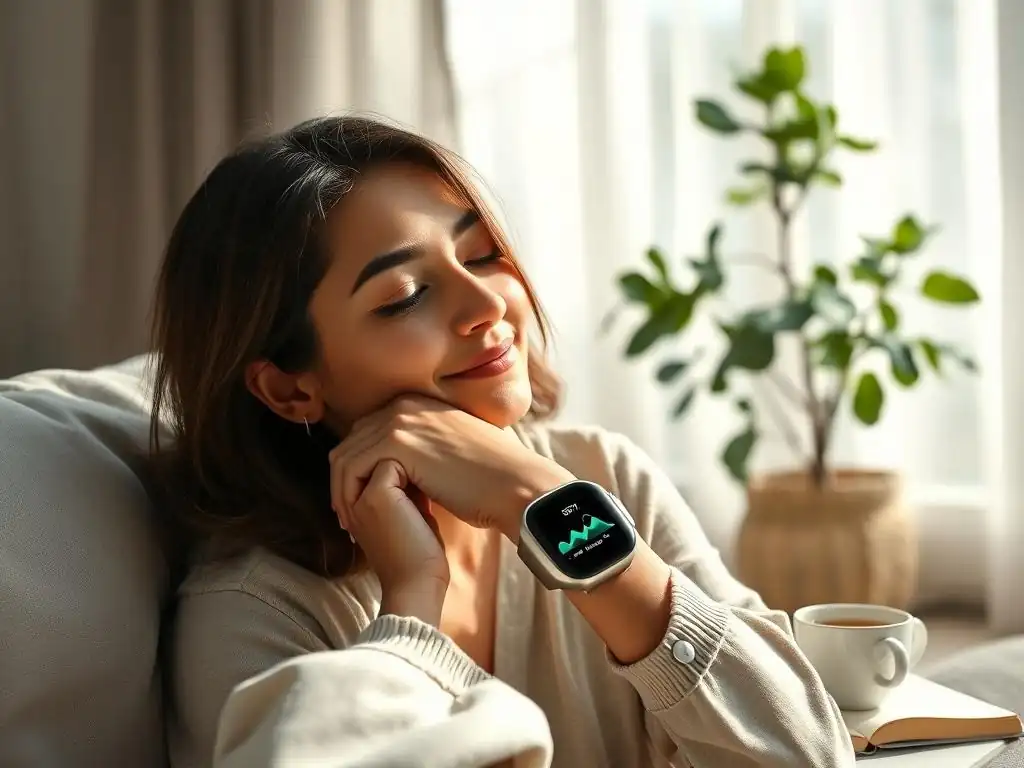
Welcome to Mind Care Guide, your sanctuary for navigating the complexities of mental well-being.
Feeling overwhelmed? You're not alone. Technology is offering new pathways to support your mental peace, and we're here to explore them. Dive into our latest article, "More Than Notifications: How Smartwatches Support Your Mental Peace," to discover the potential of smartwatch mental health tracking apps and how they might offer a helping hand in managing your daily stress and anxiety. Could your wrist be the key to unlocking a calmer you? Let's find out together.
More Than Notifications: How Smartwatches Support Your Mental Peace
- Introduction: Beyond Timekeeping - The Rise of Smartwatches for Mental Wellbeing
- Understanding Smartwatch Mental Health Tracking Apps and Their Benefits
- Choosing the Right Smartwatch for Your Mental Health Needs: A Buying Guide
- How to Use Smartwatches Effectively for Mental Peace: A Step-by-Step Guide
- Monetization Strategies: Leveraging Affiliate Links and High CPC Opportunities
- Real-Life Examples: How Smartwatches Improved Mental Health
- Overcoming Challenges: Accuracy, Privacy, and Responsible Use
- Conclusion: Embracing Smartwatches as Tools for Mental Wellbeing
-
Frequently Asked Questions
- How can smartwatches contribute to my overall mental well-being?
- What types of mental health metrics can smartwatches typically track?
- Are smartwatch mental health tracking apps accurate enough to rely on for serious mental health concerns?
- What are some potential drawbacks of using smartwatches for mental health tracking?
- How do I choose the right smartwatch for mental health tracking?
- Final Reflection: Reclaiming Your Inner Peace, One Smartwatch at a Time
- Unlock Your Inner Calm: Take Control of Your Well-being
Introduction: Beyond Timekeeping - The Rise of Smartwatches for Mental Wellbeing
Why Smartwatches are More Than Just Gadgets: A Shift Towards Mindful Living
Smartwatches have evolved significantly from simple timekeeping devices; they are now sophisticated personal health companions residing on our wrists. This transformation is driven by increasingly powerful sensors and the proliferation of smartwatch mental health tracking apps that leverage this hardware. These devices are moving beyond just tracking steps or displaying notifications, becoming integral tools for monitoring physiological signals related to stress and mental state. Their constant presence makes them uniquely positioned to offer continuous insights into our wellbeing, providing data that was previously only accessible in clinical settings or through conscious, manual tracking.
The integration of advanced sensors for metrics like heart rate variability (HRV), sleep cycles, and even skin temperature allows smartwatches to paint a more complete picture of a user's physiological responses to daily life. Coupled with dedicated wearable mental health apps, this data can reveal patterns of stress, anxiety, or poor sleep hygiene that might otherwise go unnoticed. This shift empowers individuals to take a more proactive and mindful approach to their mental health, using objective data to inform lifestyle changes and better understand their body's signals throughout the day and night.
The Growing Need for Accessible Mental Health Tools
Accessing mental health support and resources can be challenging due to factors like cost, availability of therapists, and the stigma often associated with seeking help. This growing need has fueled innovation in accessible, personal mental wellness tools. Smartwatches, with their widespread adoption—projected to reach hundreds of millions of users globally—offer a discreet and convenient platform for individuals to engage with their mental health on a daily basis. The ability to access smartwatch mental health tracking apps directly from the wrist lowers the barrier to entry for basic monitoring and mindfulness practices.
These devices provide a non-intrusive way for users to check in with themselves, offering features like guided breathing exercises, meditation prompts, and silent alarms for mindfulness breaks. While not a replacement for professional therapy, these tools serve as valuable complements, providing real-time feedback and encouraging consistent self-care routines. The data collected by wearable mental health technology can also be a useful starting point for discussions with healthcare providers, offering objective insights into a user's stress levels, sleep patterns, and physical activity, all of which are deeply intertwined with mental wellbeing.
Understanding Smartwatch Mental Health Tracking Apps and Their Benefits
Exploring the Features: Heart Rate Variability (HRV), Sleep Analysis, and Stress Monitoring
Modern smartwatch mental health tracking apps utilize a suite of physiological metrics to provide insights into a user's state. Heart Rate Variability (HRV), sleep patterns, and continuous stress monitoring are among the most prominent features. These metrics are not just numbers; they are indicators that, when tracked over time, can reveal significant trends about a person's resilience to stress, recovery from physical and mental exertion, and overall nervous system balance. Understanding these features is key to leveraging the full potential of smartwatch mental health technology.
The data collected by these sensors is processed by sophisticated algorithms within the smartwatch mental health tracking apps to generate actionable insights. For instance, a sudden drop in HRV or a consistently low sleep score might indicate elevated stress or inadequate recovery. Features like "Body Battery" or similar energy metrics, often derived from a combination of HRV, sleep, and activity data, provide a simple, intuitive representation of a user's readiness level. This holistic approach allows users to see the interplay between different aspects of their health and how they impact their mental state.
How HRV Tracking Helps Assess Mental Resilience
Heart Rate Variability (HRV) is the variation in time between heartbeats. Contrary to what might seem intuitive, a higher HRV is generally associated with better fitness, greater resilience to stress, and a healthier autonomic nervous system. The autonomic nervous system regulates involuntary bodily functions like heart rate, digestion, and breathing, and is divided into the sympathetic (fight-or-flight) and parasympathetic (rest-and-digest) branches. A high HRV indicates a good balance and the ability of the nervous system to quickly adapt to different situations, suggesting better mental resilience.
Conversely, a low HRV can be a sign of chronic stress, overtraining, illness, or insufficient recovery. Many smartwatch mental health tracking apps now include detailed HRV monitoring, often measured during sleep for consistency. By tracking HRV over weeks and months, users can identify periods of high stress or burnout. For example, a user might notice their average night-time HRV drops from a typical 50-60 milliseconds to 30-40 milliseconds during a particularly demanding work week, providing an objective indicator of their body's response to stress. This data can serve as a prompt to prioritize rest, mindfulness practices, or seek support.
Deciphering Sleep Patterns: Improving Sleep Quality with Sleep Scores
Sleep is fundamental to mental health, and smartwatch mental health tracking apps offer detailed analysis of sleep patterns that go beyond just tracking duration. These apps typically measure time spent awake, in light sleep, deep sleep, and REM sleep, often combining these metrics with movement and heart rate data to generate a "sleep score." A sleep score, usually on a scale of 0-100, provides a simple summary of sleep quality. For instance, a score below 70 might indicate poor sleep, while a score above 85 suggests good sleep.
Analyzing sleep data over time helps users identify factors impacting their rest. A user might notice that late-night caffeine consumption consistently reduces their deep sleep percentage, or that stress before bed increases the number of times they wake up during the night. Some apps also provide insights into sleep consistency—going to bed and waking up at similar times—which is crucial for regulating the body's circadian rhythm. By understanding these patterns through detailed smartwatch mental health tracking apps, individuals can make targeted adjustments to their sleep hygiene, such as establishing a consistent bedtime routine or creating a more conducive sleep environment, leading to improved mental clarity and emotional regulation.
Real-Time Stress Detection: Body Battery and Stress Level Tracking
Many smartwatch mental health tracking apps offer continuous or on-demand stress level tracking, often calculated using a proprietary algorithm based primarily on Heart Rate Variability (HRV) data while the user is relatively still. These features aim to provide a real-time snapshot of the body's physiological stress response. Some systems, like Garmin's "Body Battery," translate stress, rest, and activity data into a single metric representing a user's energy reserves, typically on a scale of 0-100. A low number indicates depletion, while a high number suggests readiness.
This real-time feedback can be incredibly valuable for stress management. If a user receives a high-stress alert on their watch during a meeting, it prompts immediate awareness of their physiological state. They might then be encouraged to take a moment for a guided breathing exercise offered directly on the watch. Tracking stress levels throughout the day and correlating them with activities—like noticing stress spikes during commutes or specific tasks—allows users to identify their personal stressors. This awareness, facilitated by smartwatch mental health tracking apps, is the first step towards developing coping strategies and making lifestyle changes to reduce chronic stress.
The Science Behind Wearable Mental Health Technology: Validating the Data
While the convenience of smartwatch mental health tracking apps is clear, the scientific validity of the data they collect is a critical consideration. Research into wearable technology's accuracy in measuring physiological signals like heart rate, HRV, and sleep stages is ongoing. Studies have shown that optical heart rate sensors, while not as precise as medical-grade ECGs, can provide reasonably accurate heart rate data during rest and moderate activity. HRV measurements, typically taken when the user is still (like during sleep), also show promising correlation with established methods, although variations exist between devices and algorithms.
Sleep tracking in consumer wearables has also improved, with some devices demonstrating moderate to good agreement with polysomnography (PSG), the gold standard for sleep studies, particularly in distinguishing between wakefulness, light sleep, and deeper sleep stages. However, accurately identifying REM sleep can still be challenging for some devices. Reputable smartwatch mental health tracking apps often rely on algorithms developed or validated through partnerships with research institutions or based on published scientific literature. While the data should generally be viewed as trends and indicators rather than precise medical diagnostics, the aggregated insights over time from wearable mental health technology can still provide valuable, directionally correct information for personal mental health management when used responsibly.
Choosing the Right Smartwatch for Your Mental Health Needs: A Buying Guide
Key Features to Consider: Battery Life, App Ecosystem, and Data Accuracy
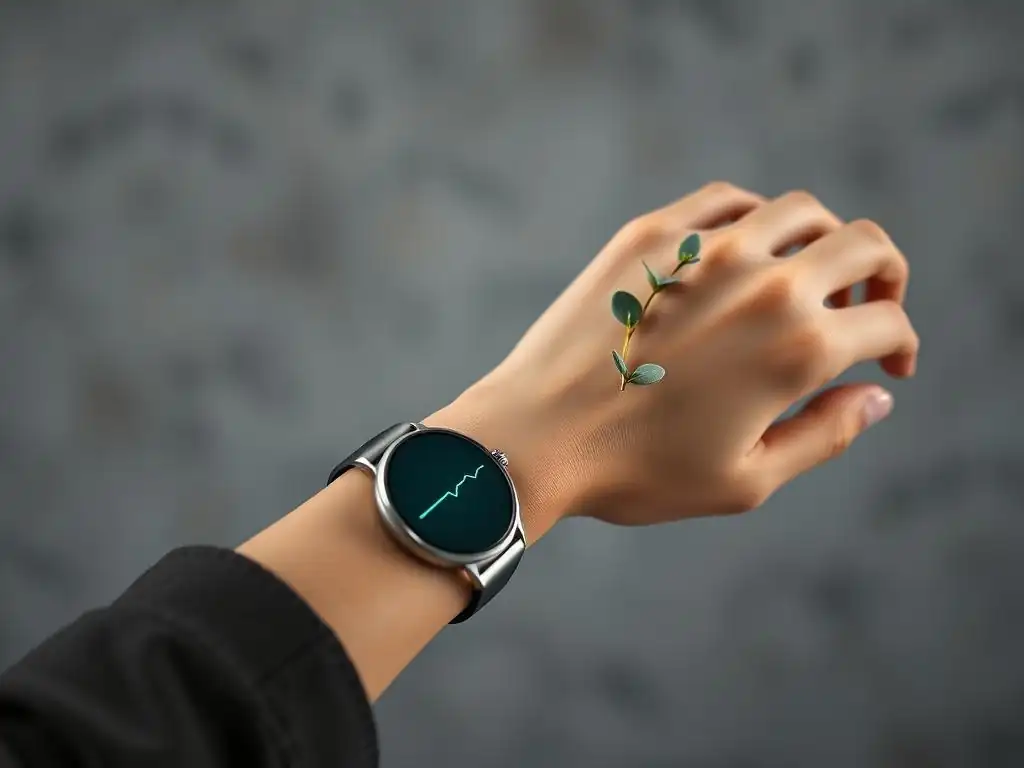
Selecting a smartwatch primarily for mental health support requires looking beyond typical features like fitness tracking or notification delivery. Several key factors become paramount. Battery life is crucial because continuous tracking of metrics like HRV and sleep consumes significant power; a watch that needs charging daily might miss valuable night-time data. Look for devices offering several days of battery life with typical usage. The app ecosystem is also vital; does the watch platform support robust smartwatch mental health tracking apps, including third-party options for mindfulness, meditation, or therapy integration? Check the availability and quality of relevant apps.
Furthermore, data accuracy is non-negotiable. While perfect medical precision isn't expected from consumer devices, look for brands with a reputation for reliable sensor technology and algorithms. Reading reviews and comparing data from multiple sources (if possible) can help gauge accuracy. Some brands provide more detailed raw data or allow export, which can be beneficial for users who want to delve deeper or share information with a healthcare provider. Prioritizing these features ensures that the smartwatch mental health tracking apps you use are powered by consistent and reasonably reliable data.
Top Smartwatch Options for Mindfulness and Stress Reduction
The market offers various smartwatches with features catering to mental health. While specific models change, categories of devices emerge based on their strengths in smartwatch mental health tracking apps and features.
A Beginner-Friendly Option for Basic Mindfulness
For users new to wearable tech or primarily interested in basic stress awareness and guided breathing, simpler models can be effective. Devices focusing on essential health tracking often include features like on-demand heart rate checks, guided breathing exercises accessible directly from the watch face, and basic sleep duration tracking. These models might have a lower price point and simpler interface, making them less intimidating for beginners. Their accompanying smartwatch mental health tracking apps might offer daily stress scores based on heart rate patterns and prompts to take mindful moments.
One example might be a device known for its long battery life and focus on core health metrics. These watches typically integrate seamlessly with their own mobile apps, which provide summaries of daily activity, sleep, and stress. While they might not offer advanced HRV analysis or extensive third-party app support, their simplicity and focus on foundational features like guided breathing make them a good entry point for using wearable tech for stress management. A user might find the gentle vibration reminder to "take a moment to breathe" throughout the day surprisingly effective.
Comprehensive Health Tracking with Advanced Stress Management
More advanced smartwatches integrate a wider array of sensors and sophisticated algorithms to offer comprehensive health and mental wellness tracking. These devices excel in providing detailed metrics like continuous HRV monitoring, in-depth sleep stage analysis with recovery insights, and advanced stress tracking systems like Body Battery. Their smartwatch mental health tracking apps often present data in rich dashboards on the connected smartphone, showing trends over weeks and months, and offering correlations between lifestyle factors and stress or sleep quality.
These watches are suitable for users who want a deeper understanding of their physiological responses and how they relate to their mental state. They often support a broader range of third-party smartwatch mental health tracking apps, allowing users to integrate data with specific meditation or therapy platforms. A user might leverage the detailed sleep data to adjust their bedtime, use the Body Battery metric to plan demanding tasks when their energy is high, and utilize the continuous stress monitoring to identify specific triggers during their day. These devices represent the leading edge of smartwatch mental health tracking apps capabilities.
Seamless Integration with Mindfulness Apps and Ecosystem
Some smartwatches stand out due to their strong integration with popular third-party mindfulness and mental health applications. This means users can often control meditation sessions, listen to sleep stories, or track their mood directly from their wrist, with the watch's health data potentially syncing back to the third-party app for a more holistic view. The strength of the overall ecosystem—how well the watch works with your smartphone, other health devices, and a wide variety of apps—is a major factor here.
These watches are ideal for users who already use specific mental wellness apps (like Calm, Headspace, or others) and want their wearable to be a seamless extension of that experience. The smartwatch mental health tracking apps provided by the watch manufacturer might be basic, but the value lies in the device's ability to serve as a convenient interface for external, specialized mental health tools. For example, a user might start a guided meditation from their watch, and the watch might simultaneously track their heart rate during the session, providing feedback on their physiological response to the practice within the third-party app or its own platform.
Comparing Smartwatch Mental Health Tracking Apps: Integration
Beyond the hardware capabilities, the actual smartwatch mental health tracking apps available—both native to the watch and third-party—vary significantly in their features and approach. Comparing these apps based on their integration with mindfulness practices is key.
Guided Meditations and Breathing Exercises on Your Wrist
Many smartwatch mental health tracking apps offer built-in guided breathing exercises. These are typically simple prompts that guide the user to inhale and exhale at a set pace, often accompanied by a gentle vibration or visual cue on the watch screen. Some watches also offer short guided meditations directly on the device. The convenience of accessing these tools instantly, without needing to pull out a phone, is a major benefit for integrating brief moments of mindfulness throughout a busy day.
Advanced apps might allow users to download longer meditation sessions or choose from different types of breathing techniques (e.g., box breathing, 4-7-8 breathing). The integration level determines how seamless this is—whether the watch app is fully functional standalone or requires the phone nearby. This direct access to simple, effective mindfulness tools is a core function of many smartwatch mental health tracking apps.
Personalized Mindfulness Programs and Sleep Stories
More sophisticated smartwatch mental health tracking apps, often available through premium subscriptions or integrated third-party services, offer personalized mindfulness programs. Based on a user's tracked stress levels, sleep patterns, or reported mood, the app might recommend specific meditations, breathing exercises, or mindfulness techniques. Some apps also provide access to sleep stories, ambient sounds, or guided relaxation exercises designed to help users wind down before bed, accessible via the watch or a connected phone.
The personalization aspect is key here. Instead of a generic library, the wearable mental health apps use the data collected by the watch to tailor recommendations, making the practices more relevant and potentially more effective for the individual's specific needs. For example, if the watch detects high stress levels during the afternoon, the app might push a notification suggesting a quick 5-minute stress-relief meditation.
A Unique Approach: Hypnosis and Affirmations for Mental Wellbeing
Some niche smartwatch mental health tracking apps explore less common techniques like guided hypnosis or positive affirmations delivered via the wearable. While less mainstream than meditation or breathing, these approaches aim to influence subconscious thought patterns or reinforce positive self-talk. These features are less common as built-in options and are more likely found within third-party apps that integrate with smartwatch platforms.
Using a smartwatch for these practices offers discretion and convenience. A user could listen to a short affirmation session through connected earbuds during a commute or a brief guided hypnosis track during a lunch break. While the scientific backing for wearable-delivered hypnosis is still developing, the availability of such diverse tools within the smartwatch mental health tracking apps ecosystem highlights the expanding possibilities for using technology to support a wide range of mental wellness strategies.
How to Use Smartwatches Effectively for Mental Peace: A Step-by-Step Guide
Setting Up Your Smartwatch for Optimal Mental Health Tracking
To maximize the benefits of smartwatch mental health tracking apps, proper setup is essential. First, ensure the watch fits snugly but comfortably on your wrist, typically above the wrist bone, to allow the sensors (especially optical heart rate) to function correctly. Download and set up the manufacturer's companion app on your smartphone, as this is where most detailed data analysis and configuration happens. Grant necessary permissions for background activity, notifications, and health data access.
Within the app, customize settings relevant to mental health: enable continuous heart rate and HRV tracking (often automatic but worth checking), set up sleep tracking (ensure you wear the watch overnight), and configure stress monitoring features. Explore notification settings – decide which app alerts are truly necessary on your wrist versus those that can wait on your phone to reduce notification-induced stress. Calibrate any features that require it, like setting personal heart rate zones if prompted. A well-configured watch ensures the smartwatch mental health tracking apps receive accurate and consistent data.
Integrating Mindfulness Practices into Your Daily Routine
A smartwatch can be a powerful tool for weaving mindfulness into the fabric of your day. Use the device's features to create intentional moments of peace and self-awareness.
Using Alarms for Mindful Mornings
Instead of a jarring phone alarm, use your smartwatch's silent, vibrating alarm feature. Place the watch on your wrist overnight, and the gentle vibration can wake you more naturally. Many watches also offer smart alarms that attempt to wake you during a light stage of sleep within a set window, potentially reducing grogginess. This calmer start sets a positive tone for the day and encourages a more mindful transition from sleep to wakefulness.
Scheduling Breathing Exercises
Utilize the guided breathing features available via your smartwatch mental health tracking apps. Schedule short breathing breaks throughout your day using the watch's reminder function. For example, set reminders for 10:00 AM, 2:00 PM, and 4:00 PM to do a 1 or 2-minute guided breathing session. These brief pauses can interrupt stress cycles, increase oxygen flow, and bring you back to the present moment, all initiated conveniently from your wrist.
Leveraging Reminders to Move for Physical and Mental Wellbeing
Physical activity is closely linked to mental health, and smartwatches are excellent at prompting movement. While primarily a fitness feature, reminders to stand up or walk around can also serve as mental breaks. Integrate these reminders into your mindfulness routine. When the watch prompts you to move, take that opportunity not just to walk but to also notice your surroundings, stretch, or simply take a few deep breaths before returning to your task. This combines physical wellbeing with mindful awareness, supported by your wearable tech for stress management.
Analyzing Your Data and Making Informed Lifestyle Changes
The power of smartwatch mental health tracking apps lies in the data they collect. Regularly reviewing this data is crucial for gaining insights and making positive changes. Don't just look at daily numbers; focus on trends over weeks and months.
Understanding Trends in Your Stress Levels and Identifying Triggers
Review your stress level data, often presented as a graph over the day or week. Look for patterns: Are there specific times of day when stress consistently peaks? Do certain activities or environments correlate with higher stress scores? Your smartwatch mental health tracking apps might even allow you to log events (like meetings, meals, exercise) and see how they align with your stress data. Identifying these triggers empowers you to anticipate stressful situations or develop coping mechanisms. For instance, if your stress consistently spikes during your commute, you might try listening to calming music or a podcast during that time.
Using Sleep Data to Optimize Your Sleep Hygiene
Deep dive into your sleep analysis. Look at your sleep stages – are you getting enough deep and REM sleep? Is your sleep duration consistent? Do you notice correlations between late-night screen time, caffeine, alcohol, or exercise and poor sleep scores? Your smartwatch mental health tracking apps provide the objective data needed to test hypotheses about what helps or hinders your sleep. Based on the trends, you might decide to establish a strict bedtime routine, reduce screen time before bed, or adjust your exercise schedule to improve sleep quality, which directly impacts mental resilience.
Tracking Meditation Progress and Setting Realistic Goals
If you use your smartwatch for guided meditations or breathing exercises, some smartwatch mental health tracking apps will log these sessions. Review the frequency and duration of your practice. Are you meeting your goals? Do you notice any correlation between days you meditate and lower stress scores or better sleep quality? Use this tracking to stay motivated and set realistic goals for increasing the consistency or duration of your mindfulness practice. For example, if you currently meditate twice a week, aim to increase it to three times, using your watch to track your progress.
Monetization Strategies: Leveraging Affiliate Links and High CPC Opportunities
Affiliate Marketing: Promoting Smartwatches and Mental Health Apps
For website owners providing content about smartwatch mental health tracking apps, affiliate marketing presents a significant monetization opportunity. By partnering with retailers, you can earn a commission on sales generated through links on your site.
Linking to Retailers for Smartwatch Purchases
Review articles, buying guides, and comparisons of smartwatches with strong mental health features can include affiliate links to major online retailers like Amazon, Best Buy, or directly to the manufacturers' websites (e.g., Garmin, Fitbit, Apple). When a reader clicks through these links from your article and purchases a smartwatch, you receive a percentage of the sale. This strategy works well within content like the "Choosing the Right Smartwatch" section, guiding users from information to potential purchase.
Partnering with Subscription Services for Promotions
Many advanced smartwatch mental health tracking apps or companion platforms offer premium subscription tiers for access to personalized programs, advanced insights, and larger content libraries (like guided meditations or sleep stories). Partnering with these subscription services through affiliate programs allows you to promote their paid offerings. You could integrate links within sections discussing advanced app features or personalized programs, offering readers a path to unlock greater functionality while earning a commission on new subscriptions.
High CPC Keywords: Targeting Specific Mental Health Concerns
Targeting high Cost Per Click (CPC) keywords through content is another strategy, particularly for ad revenue (like Google AdSense) or for attracting advertisers interested in specific audiences. Certain mental health concerns are frequently searched terms with commercial intent, making them valuable keywords to integrate naturally into relevant content.
"Best smartwatch for anxiety"
Creating content specifically addressing how smartwatch mental health tracking apps can assist individuals managing anxiety targets a high-intent, high-CPC keyword. Articles or sections focusing on features like real-time stress alerts, guided breathing exercises for panic, or sleep tracking to manage anxiety-related insomnia directly address this query. Integrating variations of "smartwatch for anxiety tracking" or "wearable tech for anxiety relief" within empathetic and informative content can attract valuable traffic.
"Smartwatch for stress management"
This is a broad but highly relevant and valuable keyword. Content covering stress monitoring features, HRV analysis, and how smartwatches help identify and mitigate stressors aligns perfectly. Articles discussing smartwatch mental health tracking apps specifically designed for stress reduction, or comparing different devices based on their stress management capabilities, are prime candidates for attracting searches related to "smartwatch for stress management" and similar terms.
"Wearable tech for mental health"
This keyword represents a broader category and is excellent for capturing users early in their research. Content providing an overview of how wearables, including smartwatches, are being used for mental health, discussing the science, benefits, and different types of tracking available, targets this term. Sections explaining the concept of wearable mental health technology and its potential benefits serve this purpose, attracting a wider audience interested in the intersection of technology and wellbeing.
Sponsored Content: Collaborating with Mental Health Professionals and Brands
Sponsored content offers opportunities for direct partnerships. This can involve collaborations that provide valuable information to the reader while promoting a relevant service or product.
This might include featuring an interview with a mental health professional who uses smartwatch mental health tracking apps or data with their clients, discussing the benefits and limitations. Alternatively, a brand offering a mental wellness app that integrates well with smartwatches might sponsor a section explaining how their specific app leverages wearable data. These collaborations must be clearly disclosed but can provide expert insights and relevant product information, offering a win-win for the reader and the brand, while generating revenue for the website.
Real-Life Examples: How Smartwatches Improved Mental Health

While protecting individual privacy is paramount, generalized examples based on common user experiences can illustrate the tangible benefits of smartwatch mental health tracking apps. These are not specific case studies but composite scenarios reflecting typical outcomes reported by users.
Reducing Anxiety with Smartwatches and Mindfulness Apps
Consider a scenario where a user experiences anxiety spikes during their workday. By wearing a smartwatch and using its smartwatch mental health tracking apps, they notice that their stress level consistently rises before public speaking engagements or large meetings. The watch's real-time stress alert prompts them to take a moment. They utilize the watch's built-in guided breathing exercise for two minutes before entering the meeting. Over time, by consistently using the breathing feature initiated by the watch's alerts, they report feeling a greater sense of control during potentially anxious situations and a slight reduction in the intensity of their physical anxiety symptoms, perhaps noticing their peak heart rate during these events decreases slightly over several weeks of practice.
Improving Sleep Quality and Reducing Stress with Smartwatches
Imagine a user struggling with stress-related insomnia. They start wearing a smartwatch overnight and using its detailed sleep tracking features within their smartwatch mental health tracking apps. The data reveals they consistently get insufficient deep sleep and frequently wake up during the night, particularly on days when they worked late or consumed caffeine in the evening. Armed with this objective data, they commit to a stricter bedtime routine, avoid caffeine after 3 PM, and use the watch's sleep stories feature before bed. After one month, their sleep score improves from an average of 60 to 75, with increased deep sleep duration, leading them to report feeling more rested and better equipped to handle daily stressors.
Using Smartwatches for Guided Meditations and Overall Wellbeing
Picture a user who wants to establish a regular meditation practice but struggles with consistency. They choose a smartwatch with strong integration with a popular meditation app. They schedule daily meditation reminders via their watch. The ability to quickly launch a guided session from their wrist removes a barrier to practice. Over three months, they consistently complete their daily 10-minute meditations, tracked by their smartwatch mental health tracking apps. They subjectively report feeling calmer and more centered, and their watch data shows a slight but noticeable improvement in their average HRV over this period, suggesting enhanced resilience. While many factors contribute to wellbeing, the smartwatch served as a crucial tool for building and maintaining the habit.
Overcoming Challenges: Accuracy, Privacy, and Responsible Use
While smartwatch mental health tracking apps offer significant potential, it's important to address inherent challenges related to data accuracy, user privacy, and promoting responsible use.
Addressing Concerns About Data Accuracy and Reliability
As mentioned earlier, consumer-grade wearable data is not medical-grade. Factors like watch fit, skin tone, movement during measurement, and the proprietary algorithms used can all affect accuracy. It's crucial for users to understand that the data provided by smartwatch mental health tracking apps should be viewed as trends and indicators rather than precise clinical measurements. A slight variation in HRV or sleep stage timing on a given night is less important than identifying consistent patterns over time.
Users should be encouraged to cross-reference data where possible (e.g., comparing sleep data with how they feel) and understand the limitations. Manufacturers are continuously working to improve sensor technology and algorithms, but users should maintain a healthy skepticism and not solely rely on wearable data for diagnosing medical conditions. If concerned about specific readings or persistent issues, consulting a healthcare professional is always recommended.
Protecting Your Privacy: Understanding Data Security and Encryption
The data collected by smartwatch mental health tracking apps includes highly sensitive personal health information. Concerns about how this data is stored, who has access to it, and how it might be used are legitimate. Reputable manufacturers and app developers employ encryption to protect data both in transit (when syncing from watch to phone or phone to cloud) and at rest (when stored on servers).
Users should review the privacy policies of both the smartwatch manufacturer and any third-party wearable mental health apps they use. Understand what data is collected, how it's used (e.g., solely for providing insights to the user, aggregated for research, or shared with third parties), and what control you have over your data. Look for options to export or delete your data. Using strong, unique passwords for accounts and enabling two-factor authentication where available adds an extra layer of security.
Using Smartwatches Responsibly: Avoiding Over-Reliance and Seeking Professional Help
Smartwatches and their smartwatch mental health tracking apps are tools to support mental wellbeing, not substitutes for professional medical or psychological care. It's important to use them responsibly and avoid becoming overly reliant on the data or features. Constantly checking stress scores or obsessing over sleep metrics can, paradoxically, increase anxiety. The goal is mindful awareness, not hyper-vigilance.
Users should be encouraged to use the data for insight and motivation for positive change, not as a source of judgment or distress. If experiencing significant mental health challenges, such as chronic severe anxiety, depression, or panic attacks, the first and most important step is to seek help from qualified mental health professionals. The data from smartwatch mental health tracking apps can be a helpful adjunct to therapy or treatment, providing objective information to share with a therapist, but the technology itself is not a cure.
Conclusion: Embracing Smartwatches as Tools for Mental Wellbeing
The Future of Wearable Mental Health Technology
The field of wearable tech for stress management and mental health is rapidly evolving. Future developments are likely to include even more sophisticated sensors (e.g., continuous blood pressure, advanced temperature sensing for illness detection, potentially even biochemical markers in sweat), more accurate algorithms validated by larger studies, and deeper integration with artificial intelligence for personalized insights and interventions. We may see smartwatch mental health tracking apps offering more predictive analysis—warning users before they feel overwhelmed based on physiological signals—or providing more dynamic, real-time coaching based on detected stress levels.
Furthermore, the integration of wearable data with clinical mental health platforms is a promising area, potentially allowing therapists to gain a more objective view of a patient's daily life between sessions (with explicit user consent and robust privacy safeguards). The potential for smartwatch mental health tracking apps to contribute to large-scale research on stress, sleep, and mental health is also significant, driving further understanding and potentially leading to new interventions.
Empowering Yourself with Data and Mindfulness Practices.
Ultimately, smartwatches, powered by increasingly sophisticated smartwatch mental health tracking apps, offer a powerful opportunity for individuals to take a more active role in managing their mental peace. By providing accessible data on physiological responses to stress and sleep patterns, and offering convenient tools for mindfulness practices like guided breathing and meditation, these devices empower users with self-awareness.
Used responsibly and in conjunction with professional support when needed, wearable mental health technology can help illuminate the connection between our physical state and mental wellbeing, identify personal stressors, build healthy habits, and foster greater resilience. It's more than just tracking numbers; it's about using technology to become more present, more aware, and more in control of your inner world, one breath, one night's sleep, and one mindful moment at a time.
Frequently Asked Questions
How can smartwatches contribute to my overall mental well-being?
Smartwatches offer real-time data and personalized insights through smartwatch mental health tracking apps, helping you understand patterns related to stress, sleep, and activity levels, which are crucial for mental well-being.
What types of mental health metrics can smartwatches typically track?
Many smartwatches track metrics like sleep quality, heart rate variability (HRV), and activity levels, providing a comprehensive view of your physiological state, which is closely linked to your mental health.
Are smartwatch mental health tracking apps accurate enough to rely on for serious mental health concerns?
While helpful for self-monitoring and awareness, smartwatch mental health tracking apps are not a substitute for professional medical advice. Consult a healthcare professional for diagnosis and treatment.
What are some potential drawbacks of using smartwatches for mental health tracking?
Over-reliance on data can lead to increased anxiety or compulsive behavior. It's important to use the information responsibly and maintain a healthy perspective.
How do I choose the right smartwatch for mental health tracking?
Consider features like battery life, data accuracy, the range of mental health metrics tracked, and compatibility with your existing devices, alongside the availability of smartwatch mental health tracking apps.
Final Reflection: Reclaiming Your Inner Peace, One Smartwatch at a Time
The seamless integration of technology into our daily lives presents both challenges and opportunities, and the smartwatch, far from being a mere notification device, offers a powerful pathway to improved mental well-being. The ability to monitor stress levels, track sleep patterns, and cultivate mindful moments directly on your wrist is no longer a futuristic fantasy; it's a readily available tool for navigating the complexities of modern life.
The impact of readily accessible mental health tools is profound, shifting the conversation from stigma to self-care. We're moving beyond simply reacting to stress; we're actively engaging in preventative measures and personalized strategies for managing our mental health. This shift is crucial, and its implications are far-reaching. The mind is everything. What you think you become.
– Buddha. This ancient wisdom finds a modern echo in the technology that allows us to cultivate a more mindful and self-aware relationship with our thoughts and emotions.
Consider how you can leverage the insights provided by your smartwatch and its accompanying apps. Don't just passively observe the data; actively use it to understand your patterns, identify triggers, and implement strategies for self-improvement. Experiment with different mindfulness exercises, adjust your sleep schedule based on your data, and don't hesitate to seek professional help if needed. Your mental peace is a journey, not a destination, and your smartwatch can be a valuable companion along the way.
Unlock Your Inner Calm: Take Control of Your Well-being
Thanks for taking the time to explore how smartwatches can contribute to your mental peace! We hope you found valuable insights into harnessing technology for a calmer you. Now it's time to put that knowledge into action.
- Prioritize one mindfulness feature: Choose one smartwatch function discussed (sleep tracking, meditation reminders, breathing exercises) and commit to using it consistently for a week. Notice the difference!
- Share your experience: Tell us (or a friend!) about your experience using your smartwatch for improved well-being. What surprised you? What worked best?
- Explore related resources: Dive deeper into mindfulness techniques by checking out Mind Care Guide's library of articles on stress management and self-care.
Ready to begin your journey towards a more peaceful and mindful life? What small step will you take today to prioritize your mental well-being?