
Wrist vs. Phone: Is Smartwatch Guided Meditation More Effective?

Welcome to Mind Care Guide, your sanctuary for nurturing mental well-being.
Feeling overwhelmed by the daily grind? Discover how a simple shift in your routine, like incorporating wearable technology, could make a profound difference. Dive into our insights on Smartwatch Guided Meditation Benefits and explore whether a device on your wrist truly offers an edge over your phone in achieving inner peace. Intrigued? Let's explore the possibilities together...
Wrist vs. Phone: Is Smartwatch Guided Meditation More Effective?
- Understanding the Smartwatch Guided Meditation Benefits
- Smartwatch Guided Meditation vs. Phone-Based Meditation: A Direct Comparison
- The Advantages of Smartwatch Guided Meditation: A Deeper Dive
- Potential Drawbacks of Smartwatch Guided Meditation
- Real-World Scenarios: When a Smartwatch Shines
- The Best Smartwatches for Guided Meditation
- Conclusion: Finding the Right Meditation Tool for Your Needs
-
Frequently Asked Questions
- What are the main advantages of using a smartwatch for guided meditation compared to a phone?
- Can smartwatch guided meditation help with stress reduction, and how does it work?
- How accurate is the heart rate tracking on smartwatches for monitoring progress during meditation?
- What types of guided meditation apps are available on smartwatches, and are they effective?
- What are the potential limitations of using a smartwatch for guided meditation, and how can they be overcome?
- Final Reflection: The Quiet Revolution of Smartwatch Meditation
- Unlock Your Inner Calm: Take the Next Step in Meditation
Understanding the Smartwatch Guided Meditation Benefits
Exploring Mindfulness and Meditation for Mental Well-being
Mindfulness and meditation are ancient practices increasingly recognized for their profound impact on modern mental well-being. They involve focusing attention on the present moment, non-judgmentally, to cultivate awareness and reduce stress. Studies suggest that regular meditation can lead to measurable changes in brain structure related to stress reduction and self-awareness. For instance, research published in health journals indicates that consistent meditation practice, even just 10-20 minutes daily, can significantly decrease symptoms of anxiety and depression in many individuals. This makes exploring tools that facilitate these practices, like smartwatch guided meditation, particularly relevant.
Furthermore, the benefits extend beyond just stress reduction. Engaging in mindfulness through practices like guided meditation can improve focus, enhance emotional regulation, and even contribute to better sleep quality. Many people report feeling more resilient and capable of handling daily challenges after incorporating meditation into their routine. With estimates suggesting that a significant portion of the global population experiences anxiety or stress-related issues, accessible tools that support mindfulness, such as leveraging the convenience and features of a smartwatch for guided meditation, are becoming invaluable resources in promoting mental health.
Why Choose a Smartwatch for Guided Meditation?
Choosing a smartwatch for guided meditation offers a unique blend of convenience, accessibility, and technological integration that a phone simply cannot match in certain scenarios. A smartwatch is always on your wrist, making it incredibly easy to start a quick meditation session whenever and wherever the need arises – whether it's during a stressful moment at work or a few quiet minutes on public transport. This constant availability helps overcome the barrier of needing to find your phone, unlock it, and open an app, which can disrupt the spontaneous nature of mindfulness practice.
Beyond mere convenience, modern smartwatches offer features specifically designed to enhance the meditation experience. These include haptic feedback for breathing exercises, subtle reminders to pause and breathe throughout the day, and the ability to track physiological data during a session. These unique smartwatch guided meditation benefits, such as real-time heart rate monitoring during meditation, can provide objective insight into how your body is responding to the practice, adding a layer of data that isn't typically available or easily accessible during a phone-based session.
Smartwatch Guided Meditation vs. Phone-Based Meditation: A Direct Comparison
Convenience and Accessibility: Wrist vs. Pocket
Smartwatches: Always On, Always Ready
A smartwatch's primary advantage for guided meditation is its unparalleled convenience and accessibility. Strapped to your wrist, it's always just a tap away from starting a session. This is particularly useful for integrating short bursts of mindfulness throughout a busy day. Imagine you're feeling overwhelmed before a meeting; a two-minute guided breathing exercise is instantly available on your wrist, requiring no fumbling through pockets or bags. This seamless access significantly lowers the barrier to entry for spontaneous meditation, maximizing the smartwatch guided meditation benefits of consistency.
Phones: Distractions and Notifications
While phones offer a vast array of meditation apps, accessing them often involves unlocking the device, navigating through apps, and potentially being bombarded by notifications for emails, social media, or messages. This process itself can be a source of stress and distraction, counteracting the very purpose of meditation. Even with 'do not disturb' modes, the visual presence of a phone screen and the potential for interruptions can pull your focus away from the present moment, making the phone less ideal for truly immersive and distraction-free guided meditation sessions compared to a wrist-based device.
Focus and Immersion: Minimizing Interruptions
How Smartwatches Promote a Focused State
Smartwatches are designed for quick interactions and minimal visual stimulation, which inadvertently benefits meditation. The small screen and limited functionality mean there's less to look at or get lost in. Guided meditations on a smartwatch often rely more on audio cues (via connected earbuds) or simple haptic vibrations for breathing exercises, encouraging you to close your eyes and focus inward without the visual pull of a larger, brighter screen. This design inherently supports a more focused and immersive experience, amplifying the potential smartwatch guided meditation benefits for mental clarity.
Phone Distractions: The Enemy of Mindfulness
Phones, by contrast, are designed to be engaging and attention-grabbing. Their large, vibrant screens display countless icons, notifications, and potential rabbit holes of information. Even when using a meditation app, the presence of the phone itself can serve as a reminder of pending tasks, unread messages, or social media feeds. This constant potential for distraction makes it significantly harder to maintain a deep state of focus and immersion during guided meditation compared to the relatively distraction-free interface of a smartwatch.
Biometric Feedback: Enhancing the Meditation Experience
Using Smartwatch Heart Rate Monitoring for Deeper Insights
One of the significant smartwatch guided meditation benefits is the integration of real-time biometric data, particularly heart rate monitoring. During a guided meditation session, observing how your heart rate changes can provide immediate, objective feedback on your body's physiological response to the practice. Seeing your heart rate decrease as you relax can be validating and encouraging, reinforcing the positive effects of the meditation. Some apps even integrate heart rate variability (HRV) data, offering deeper insights into your stress levels and recovery, which can be tracked alongside your meditation practice.
Phone Apps: Lacking Real-Time Physiological Data
While some phone meditation apps can connect to external heart rate monitors (like chest straps), they typically lack the seamless, integrated, wrist-based physiological data collection that a smartwatch offers. You don't get the immediate, on-screen feedback of your heart rate changing as you meditate directly within the app interface. The data often needs to be reviewed separately after the session, diminishing the real-time feedback loop that a smartwatch provides and potentially limiting the user's ability to connect their subjective feeling of relaxation with objective physiological changes.
Guided Meditation Apps: Comparing Features and Content
Headspace on Smartwatches: A Seamless Integration
Major meditation platforms like Headspace have developed dedicated smartwatch apps that offer a streamlined version of their content optimized for the wrist. For instance, the Headspace app on Apple Watch or Wear OS allows users to access short guided meditations, breathing exercises, and quick mindfulness sessions directly from their wrist. The experience is designed to be simple and efficient, leveraging the smartwatch's haptic feedback for guided breathing and providing essential controls without needing the phone nearby, showcasing the integration potential for smartwatch guided meditation benefits.
Calm on Phones: A Feature-Rich Experience, But…
Calm, another leading meditation app, offers a vast library of content on smartphones, including longer guided meditations, sleep stories, music, and masterclasses. While incredibly feature-rich, accessing this content requires interacting with the phone's larger screen and more complex interface. While Calm does have some smartwatch functionality (like starting meditations or tracking mindful minutes), the full breadth of its features and content is primarily a phone-based experience, which, as discussed, comes with its own set of potential distractions compared to the focused simplicity of a smartwatch app.
The Advantages of Smartwatch Guided Meditation: A Deeper Dive
Enhanced Biofeedback for Personalized Meditation
Using Heart Rate Variability (HRV) for Customized Sessions
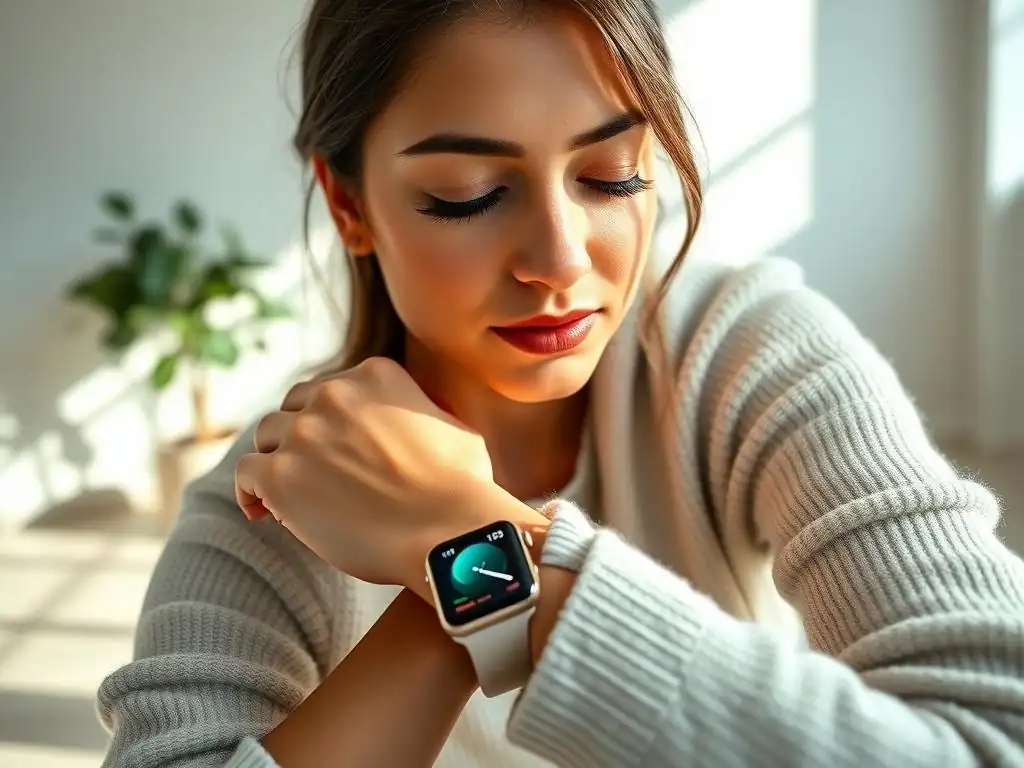
Advanced smartwatches offer the ability to measure Heart Rate Variability (HRV), a key metric reflecting the balance of your autonomic nervous system and an indicator of stress and recovery. Some meditation apps or built-in mindfulness features on smartwatches can integrate HRV data. By tracking how your HRV changes before, during, and after meditation sessions, you can gain deeper insights into which practices are most effective for you personally. This data can potentially be used to tailor future meditation choices or understand how different types of meditation impact your physiological state, adding a powerful dimension to smartwatch guided meditation benefits.
Reduced Screen Time and Digital Detox
Breaking Free from Phone Addiction with Wrist-Based Meditation
In an era of excessive screen time and digital addiction, using a smartwatch for guided meditation offers a welcome break from constant phone interaction. Instead of picking up your phone – which often leads to checking emails, social media, or news feeds before or after your intended meditation – you can simply access the meditation feature on your wrist. This helps to create a distinct boundary between your mindfulness practice and the potentially overwhelming digital world of your smartphone, supporting a healthier relationship with technology and maximizing the peaceful aspect of smartwatch guided meditation.
Portability and Discreetness: Meditate Anywhere, Anytime
Meditation During a Commute
The portability and discreetness of a smartwatch enable meditation in situations where pulling out a phone might be awkward or impractical. Consider a busy train commute: you can quietly start a guided breathing exercise or a short meditation session through your connected earbuds, with no one around you needing to know. The visual act of looking at a phone screen is far more noticeable. This ability to easily and discreetly practice mindfulness in various environments, from public transport to a quiet corner of the office, is a significant advantage and a key smartwatch guided meditation benefit.
Potential Drawbacks of Smartwatch Guided Meditation
Screen Size and Limited App Functionality
Navigating Complex Features on a Small Display
One of the primary limitations of using a smartwatch for guided meditation is the small screen size. While simple start/stop functions and basic breathing exercises work well, navigating extensive meditation libraries, customizing session lengths, or accessing more complex app features can be cumbersome on a tiny display. While major apps offer streamlined smartwatch versions, they often lack the full functionality and content available on their phone counterparts, potentially limiting the variety or depth of practice accessible directly from the wrist.
Battery Life Considerations During Extended Sessions
Smartwatch Battery Drain and Meditation Length
Smartwatches, while convenient, have finite battery life, and running apps, especially those using sensors like the heart rate monitor, can drain the battery relatively quickly. While short 5-10 minute meditations are usually not an issue, engaging in longer guided sessions (30 minutes or more) or multiple sessions throughout the day could significantly impact the smartwatch's remaining charge. Users need to be mindful of their battery level, particularly if they rely on the watch for other functions throughout the day, which can be a practical limitation for maximizing smartwatch guided meditation benefits.
Cost: Smartwatches vs. Free Phone Apps
Weighing the Investment in a Dedicated Meditation Device
The cost is another potential drawback. While many excellent meditation apps are available for free or via affordable subscriptions on smartphones that most people already own, a smartwatch represents an additional, often significant, investment. Entry-level smartwatches can cost upwards of $100, while premium models exceed $400 or $500. For someone simply looking to try guided meditation, the cost of a dedicated device solely for this purpose might be prohibitive compared to using their existing phone and a free app, requiring careful consideration of the potential smartwatch guided meditation benefits against the financial outlay.
Real-World Scenarios: When a Smartwatch Shines
Stress Management at Work: Discreet Meditation Breaks
Using the Breathing App to Combat Workplace Anxiety
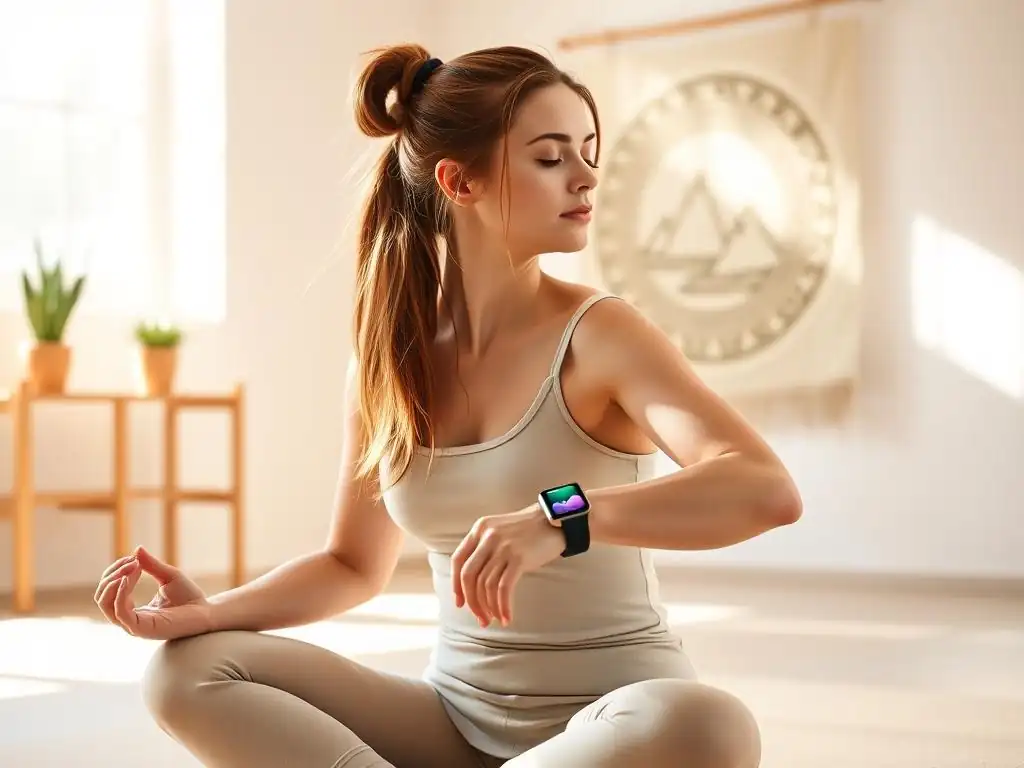
Workplace stress is a common challenge. A smartwatch excels in providing quick, discreet tools to manage this. Many smartwatches include a built-in "Breath" or "Mindfulness" app that guides you through simple breathing exercises using haptic vibrations. During a stressful meeting or before a presentation, you can quietly initiate a 1-minute guided breathing session from your wrist without drawing attention. This immediate, private access to a stress-reducing tool is a prime example of the practical smartwatch guided meditation benefits in a professional setting.
Improving Sleep Quality: Nighttime Guided Meditation
The Role of Sleep Tracking and Meditation Features
Smartwatches with robust sleep tracking capabilities can also integrate guided meditation for improving sleep quality. Many devices and apps offer specific guided meditations designed to promote relaxation and ease the transition into sleep. Starting a "sleep meditation" from your wrist while already in bed, perhaps with connected earbuds, is often more convenient and less disruptive than reaching for a phone, which might emit blue light or trigger notifications. The ability to link this practice with sleep tracking data provides a holistic view of how mindfulness impacts your rest, enhancing the smartwatch guided meditation benefits for overall well-being.
Managing Anxiety During Travel: On-the-Go Mindfulness
GPS and Offline Meditation Content
Traveling can be stressful due to delays, unfamiliar environments, or feeling out of control. Smartwatches are ideal companions for managing anxiety on the go. Many meditation apps allow you to download guided sessions for offline use on the watch.
Whether you're on a flight with no Wi-Fi or navigating a busy train station, you can access calming meditations directly from your wrist. While GPS is primarily for navigation or fitness tracking, the independence from needing a phone signal (when content is downloaded) ensures that your mindfulness tool is available precisely when you might need it most during unpredictable travel, highlighting the portability advantage of smartwatch guided meditation.
The Best Smartwatches for Guided Meditation
Key Features: Heart Rate Monitoring, Mindfulness App Integration, Breath Reminders
The Apple Watch is a popular choice for smartwatch guided meditation, offering a seamless integration of health and mindfulness features. Its built-in Mindfulness app (formerly Breathe) provides guided breathing exercises and reflection prompts with gentle haptic feedback. The watch's accurate heart rate monitor allows users to see how their body responds during meditation. Furthermore, major third-party meditation apps like Headspace and Calm offer well-developed Apple Watch versions, providing access to a wider range of guided content directly from the wrist, enhancing the potential smartwatch guided meditation benefits for users within the Apple ecosystem.
Fitbit: Holistic Health Tracking and Meditation Support
Key Features: EDA Scan App, Sleep Tracking, Guided Breathing Sessions
Fitbit devices, known for their comprehensive health and sleep tracking, also offer strong support for guided meditation. Premium models like the Sense include an EDA (Electrodermal Activity) Scan app that measures electrodermal activity, which can indicate your body's response to stress, offering unique data points to consider alongside meditation. Fitbit's built-in guided breathing exercises and integration with the Fitbit app's wider mindfulness content (including sessions from providers like Calm) provide accessible options for wrist-based meditation, making it a solid platform for exploring smartwatch guided meditation benefits with a focus on overall health metrics.
Garmin: Long Battery Life and Comprehensive Health Metrics
Key Features: Body Battery Energy Monitoring, Stress Tracking, Guided Meditations
Garmin watches, often favored for their multi-day battery life and detailed physiological metrics, also incorporate features relevant to guided meditation and stress management. Their Body Battery energy monitor uses HRV data to estimate your energy levels, and their stress tracking feature monitors stress throughout the day.
Many Garmin models offer built-in guided breathing exercises and some connect with Garmin Connect's health insights, which can include mindful minutes tracked from third-party apps. The long battery life is a significant advantage for users who want to rely on their watch for meditation and health tracking for extended periods without frequent charging, contributing to the practical smartwatch guided meditation benefits.
Conclusion: Finding the Right Meditation Tool for Your Needs
Choosing Between Wrist and Phone: Consider Your Lifestyle and Preferences
Deciding whether to use a smartwatch or a phone for guided meditation ultimately depends on your individual lifestyle, preferences, and priorities. If convenience, discreetness, reduced screen time, and integrated physiological feedback are paramount, and you value the ability to meditate spontaneously anywhere, a smartwatch offers distinct advantages and unique smartwatch guided meditation benefits. However, if you prioritize access to the widest variety of content, longer or more complex sessions, a larger screen for visual guidance, or are budget-conscious, your existing smartphone might be the more suitable tool.
Maximizing Your Meditation Practice with the Right Technology.
Regardless of whether you choose your wrist or your pocket, the most important factor is finding a tool that helps you establish and maintain a consistent meditation practice. Both smartwatches and phones offer powerful resources for guided meditation. By understanding the strengths and weaknesses of each platform – from the seamless integration of smartwatch guided meditation benefits like biofeedback and portability to the extensive content libraries available on phones – you can make an informed decision that supports your personal journey towards enhanced mental well-being and stress management through mindfulness.
Frequently Asked Questions
What are the main advantages of using a smartwatch for guided meditation compared to a phone?
Smartwatches offer greater convenience and accessibility, allowing for meditation on the go. They also provide direct biofeedback through heart rate monitoring, enhancing the meditation experience.
Can smartwatch guided meditation help with stress reduction, and how does it work?
Yes, it can. Guided meditations on smartwatches often incorporate breathing exercises and relaxation techniques. These practices activate the parasympathetic nervous system, which reduces stress.
How accurate is the heart rate tracking on smartwatches for monitoring progress during meditation?
Smartwatch heart rate tracking is generally accurate, providing a useful metric for gauging relaxation levels. However, individual accuracy can vary depending on the device and user.
What types of guided meditation apps are available on smartwatches, and are they effective?
Many apps offer various types of guided meditations, including mindfulness, breathing, and body scan exercises. Their effectiveness depends on individual preference and consistent practice, but studies show positive results.
What are the potential limitations of using a smartwatch for guided meditation, and how can they be overcome?
Limited screen size and battery life can be drawbacks. Overcome these by choosing shorter meditations and ensuring the watch is fully charged before each session.
Final Reflection: The Quiet Revolution of Smartwatch Meditation
The integration of technology into mindfulness practices is no longer a futuristic fantasy; it's a rapidly evolving reality. Smartwatches, once solely associated with fitness tracking, are quietly transforming how we approach meditation, offering accessibility and personalized guidance that were previously unimaginable. This shift holds immense potential for improving mental well-being on a global scale.
The convenience and subtle reminders offered by smartwatch meditation apps have undeniably impacted my own practice, fostering a consistency I struggled to achieve with traditional methods. The ability to seamlessly integrate mindfulness into my daily routine, even during busy periods, has been transformative. The time to repair the world is now. Not tomorrow. Not next week. Now.
– Rabbi Tarfon. This quote resonates deeply because the accessibility of smartwatch meditation allows us to cultivate inner peace and address the urgent need for self-care in our increasingly demanding lives.
Consider the implications of this technology. What if everyone had access to guided meditation, personalized to their needs and seamlessly integrated into their daily lives? The potential for reduced stress, improved focus, and increased emotional regulation is staggering. You have the power to harness this technology to cultivate inner peace and resilience. Take a moment today to explore the possibilities; download an app, experiment with different guided meditations, and discover the quiet revolution happening right on your wrist.
Unlock Your Inner Calm: Take the Next Step in Meditation
Thanks for exploring the world of mindful meditation with us! We hope you gained valuable insights into the potential benefits of smartwatch-guided meditation versus phone-based practices. Now it's time to put that knowledge into action.
- Embrace a mindful moment today: Try a 5-minute guided meditation session using either your phone or smartwatch, paying close attention to your breath and body sensations. Notice the subtle differences in your experience.
- Share your experience: Let us know which method resonated more with you! Join the conversation in the comments below and share your insights with other Mind Care Guide readers. What worked best for you?
- Explore deeper: Dive into our extensive library of articles on meditation techniques and mindfulness practices to further enhance your journey toward inner peace.
Ready to discover your preferred path to mindfulness? What small step will you take today to prioritize your mental wellbeing?