
Addressing Historical Trauma: Pathways to Healing in Minority Communities

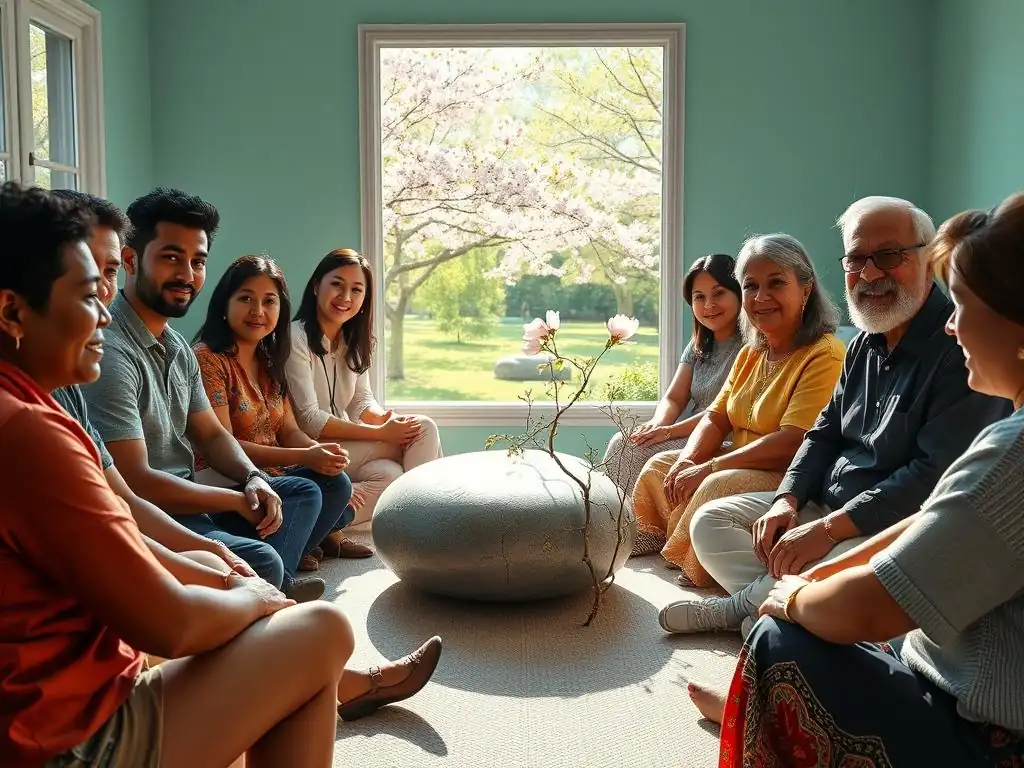
Welcome to Mind Care Guide, your trusted companion on the journey to mental well-being.
Are you ready to explore how we can collectively heal from the deep wounds of the past? We understand that historical trauma casts a long shadow, particularly affecting minority communities. Discover empowering insights and practical strategies in our featured article, "Addressing Historical Trauma: Pathways to Healing in Minority Communities," where we delve into the unique challenges and offer hopeful pathways to healing. Let's begin this important conversation together.
Addressing Historical Trauma: Pathways to Healing in Indigenous Communities
- Understanding Historical Trauma in Indigenous Communities
- The Manifestation of Trauma in Indigenous Communities: Recognizing the Signs
- Healing Pathways for Indigenous Communities: A Comprehensive Guide
- Evidence-Based Therapies for Trauma Recovery in Indigenous Populations
- The Role of Cultural Identity and Spirituality in Healing
- Building Resilience and Promoting Well-being in Indigenous Communities
- Resources for Trauma Support and Healing in Indigenous Communities
- The Future of Healing: Hope and Progress for Indigenous Communities
-
Frequently Asked Questions
- How does historical trauma specifically impact minority communities?
- What are some key pathways to healing from historical trauma for minority communities?
- Why is it important to address historical trauma when considering mental well-being in minority communities?
- What resources are available to support minority communities in healing from historical trauma?
- How can individuals within minority communities begin their journey of healing from historical trauma?
- Final Reflection: Unraveling the Threads of Historical Trauma
- Uncover Your Strength: Start Your Healing Journey Today
Understanding Historical Trauma in Indigenous Communities
Defining Historical Trauma and its Impact
Historical trauma refers to the cumulative emotional and psychological wounding over the lifespan and across generations, emanating from massive group trauma experiences. For Indigenous peoples, this trauma stems from a legacy of colonization, including forced displacement, land dispossession, cultural suppression, and policies like the establishment of residential or boarding schools aimed at assimilation. These experiences inflicted deep wounds not only on individuals but on the collective identity, social structures, and traditional ways of life, creating a profound and lasting impact that continues to resonate today.
The impact of this historical wounding is multifaceted and far-reaching. It has contributed to significant disparities in health outcomes, educational attainment, and economic stability within Indigenous communities. The loss of language, spiritual practices, and traditional governance structures has weakened cultural continuity, which is vital for individual and community well-being. The cumulative effect of these historical injustices, often compounded by ongoing systemic discrimination and adversity, has created a complex trauma landscape that requires specific and culturally relevant approaches to healing.
The Intergenerational Transmission of Trauma
One of the most challenging aspects of historical trauma is its capacity to be transmitted across generations. This intergenerational transmission is not merely metaphorical; research suggests it can occur through various pathways. These include epigenetic changes, where trauma can influence gene expression in descendants, making them more susceptible to stress and related health issues. Behavioral modeling also plays a role, as coping mechanisms developed in response to trauma – even maladaptive ones like substance use – can be learned and replicated by younger generations.
Furthermore, the disruption of traditional parenting practices and family structures due to policies like residential schools has impacted attachment patterns and nurturing environments for subsequent generations. Stories, or the absence of stories about traumatic events, can also shape a child's understanding of the world and their place in it, sometimes perpetuating fear, distrust, or a sense of hopelessness. This complex interplay of biological, psychological, and social factors means that the trauma experienced by ancestors can manifest as mental, emotional, and physical health challenges in individuals born many decades later, highlighting the deep roots of current struggles.
Unique Challenges Faced by Indigenous Peoples
Indigenous peoples face unique challenges in the context of historical trauma that often differentiate their experiences from those of other populations who have experienced trauma. These challenges are deeply rooted in the specific history of colonization and its ongoing impacts. Unlike a single event, historical trauma for Indigenous peoples is a continuous, unfolding process involving the systemic dismantling of entire societies and cultures, coupled with enduring discrimination and marginalization.
Ongoing issues such as poverty, inadequate housing, lack of access to quality healthcare and education, and environmental injustices are not merely separate problems; they are often direct consequences of historical policies and perpetuate the cycle of trauma. Additionally, challenges related to land rights, sovereignty, and self-determination add layers of stress and complexity. The fight to maintain cultural identity and revitalize traditions in the face of historical attempts at erasure requires immense resilience but also adds unique pressures, making the healing journey distinct and intricately linked to social and political realities.
The Manifestation of Trauma in Indigenous Communities: Recognizing the Signs
Mental Health Disparities and Trauma
Historical trauma has had a devastating impact on mental health within Indigenous communities, contributing significantly to stark disparities compared to the general population. High rates of depression, anxiety disorders, and complex post-traumatic stress disorder (PTSD) are tragically common. These conditions are often intertwined with the chronic stress and grief associated with the loss of land, culture, language, and loved ones, as well as the pervasive experience of discrimination.
Perhaps most alarming are the significantly higher rates of substance use disorders and suicide in many Indigenous communities, particularly among youth. For instance, suicide rates among Indigenous youth in some regions can be several times the national average. Substance use often serves as a coping mechanism to numb the pain of unresolved trauma, creating a cycle of addiction that further exacerbates mental health issues and disrupts community well-being. Addressing these disparities requires understanding their historical roots and providing culturally appropriate mental health services that acknowledge the collective and intergenerational nature of the trauma.
Physical Health Consequences of Historical Trauma
The link between historical trauma and physical health is increasingly recognized, illustrating that the wounds of the past are carried not just in the mind and spirit, but also in the body. Chronic stress resulting from historical and ongoing trauma activates the body's stress response systems repeatedly, leading to a state of "allostatic load" – cumulative wear and tear on physiological systems. This chronic activation increases vulnerability to a range of physical health problems.
Indigenous populations often exhibit higher rates of chronic diseases such as type 2 diabetes, cardiovascular disease, and chronic pain conditions. While diet, lifestyle, and access to healthcare play roles, the contribution of chronic stress and trauma exposure is significant. The legacy of trauma can impact immune function, inflammatory responses, and metabolic regulation, making individuals more susceptible to illness. Healing from historical trauma, therefore, is not solely a mental health endeavor but is crucial for improving physical health outcomes as well.
The pervasive influence of historical trauma extends beyond individual health, profoundly impacting the social fabric and economic stability of Indigenous communities. The forced removal of children to residential schools, for example, disrupted family structures and traditional parenting practices, leading to challenges in familial relationships and community cohesion across generations. This historical disruption contributes to issues such as family breakdown, challenges in child welfare, and difficulties in maintaining strong social support networks.
Economically, the historical dispossession of land and resources, coupled with ongoing systemic barriers, has resulted in high rates of unemployment and poverty in many Indigenous communities. These economic hardships create additional stressors and limit access to essential resources like healthcare and education, further perpetuating cycles of disadvantage. Disproportionate involvement in the justice system is another critical social impact, often linked to unresolved trauma, substance use, and poverty, highlighting the complex interplay of historical legacy and contemporary challenges.
Healing Pathways for Indigenous Communities: A Comprehensive Guide

Culturally Sensitive Mental Health Care for Trauma
Effective healing pathways for Indigenous communities must be rooted in culturally sensitive and trauma-informed approaches. This means moving away from one-size-fits-all Western models and embracing practices that respect and integrate Indigenous worldviews, values, beliefs, and healing traditions. Providers must understand the historical context of trauma and its intergenerational effects, and be willing to work collaboratively with clients, families, and communities.
Culturally sensitive care involves using language that resonates, incorporating traditional ceremonies, engaging elders and traditional healers as integral parts of the healing process, and validating cultural identity as a source of strength and resilience. For example, integrating talking circles, smudging ceremonies, or traditional storytelling can create a safe and familiar environment for processing difficult emotions and experiences. This approach recognizes that healing is not just an individual process but is deeply connected to cultural identity and community well-being.
Community-Based Healing Initiatives: Fostering Resilience
Given the collective nature of historical trauma, community-based healing initiatives are vital components of recovery pathways. These initiatives leverage the inherent strengths and resources within Indigenous communities to foster collective resilience and well-being. Examples include community-led healing circles that provide a safe space for sharing experiences and finding mutual support, cultural camps that reconnect youth and adults with traditional knowledge and practices, and land-based healing programs that utilize the healing power of nature and ancestral territories.
These programs often focus on cultural revitalization, language preservation, and reconnecting with traditional governance structures, all of which serve to strengthen identity and community bonds. By empowering communities to lead their own healing journeys, these initiatives build capacity, restore a sense of agency lost through colonization, and create sustainable pathways to well-being that are grounded in Indigenous knowledge systems and values. They recognize that healing is a collective journey requiring community solidarity and mutual support.
Trauma-Informed Practices in Tribal Schools
Schools serving Indigenous youth have a critical role to play in breaking the cycle of intergenerational trauma by adopting trauma-informed practices. This means creating educational environments that prioritize safety, trustworthiness, peer support, collaboration, empowerment, and cultural humility. Educators and staff need training to understand the manifestations of trauma in children and adolescents and to respond in ways that are supportive rather than punitive.
Implementing trauma-informed practices involves recognizing that challenging behaviors may be trauma responses and addressing them with compassion and understanding. It also includes creating culturally relevant curriculum that affirms Indigenous identities, histories, and contributions, counteracting the historical erasure experienced in past educational systems like residential schools. By fostering supportive relationships, promoting emotional regulation skills, and embedding cultural strengths into the school day, tribal schools can become powerful sites of healing and resilience for the next generation.
Evidence-Based Therapies for Trauma Recovery in Indigenous Populations
Trauma-Focused Cognitive Behavioral Therapy (TF-CBT)
Trauma-Focused Cognitive Behavioral Therapy (TF-CBT) is an evidence-based therapeutic approach that has been adapted and used with Indigenous populations experiencing trauma. TF-CBT typically involves components like psychoeducation about trauma, relaxation techniques, affect modulation skills, cognitive processing of traumatic experiences, and gradual exposure. When applied in a culturally sensitive manner, TF-CBT can be effective for processing traumatic memories and developing coping strategies.
Adaptations for Indigenous clients might involve incorporating traditional concepts of healing, using storytelling as a means of processing trauma narratives, involving family or community members in culturally appropriate ways, and ensuring the content and language resonate with Indigenous worldviews. While the core principles of TF-CBT remain, its successful implementation hinges on the therapist's cultural humility and ability to weave the therapeutic process within the client's cultural context, making it a more relevant and impactful healing tool.
Eye Movement Desensitization and Reprocessing (EMDR) Therapy
Eye Movement Desensitization and Reprocessing (EMDR) therapy is another therapeutic modality used to help individuals process distressing traumatic memories. It involves bilateral stimulation (often eye movements) while the client focuses on a traumatic memory, aiming to help the brain reprocess the memory so it is less emotionally disturbing. EMDR has shown promise in treating PTSD and complex trauma.
For Indigenous clients, using EMDR requires careful consideration of cultural factors. This includes building a strong therapeutic alliance based on trust and cultural understanding, being sensitive to how traumatic memories are conceptualized and discussed within the cultural context, and ensuring that the "safe place" or resource development phase incorporates culturally relevant sources of strength and resilience, such as connection to land, ancestors, or spiritual practices. While not a replacement for culturally specific healing, EMDR can be a valuable tool when integrated respectfully within a broader healing framework.
Narrative Therapy and Storytelling for Healing
Narrative Therapy is a therapeutic approach that aligns well with the importance of storytelling in many Indigenous cultures. It focuses on separating the person from the problem and helping individuals re-author their life stories, emphasizing their strengths, resilience, and preferred ways of being, rather than allowing the trauma narrative to dominate. This approach views problems as external to the person and explores how trauma has impacted their life story.
In Indigenous contexts, traditional storytelling has long served as a powerful means of transmitting knowledge, preserving history, and fostering healing. Narrative therapy can build upon this cultural strength by providing a structured framework for individuals to share their experiences of trauma, externalize its effects, and connect with personal and collective resilience. By reclaiming their voices and reshaping their narratives, individuals can move towards healing, finding meaning, and envisioning a future less defined by the trauma of the past.
The Role of Cultural Identity and Spirituality in Healing
Connecting with Ancestral Wisdom and Traditions
Reconnecting with ancestral wisdom, traditions, and cultural practices is a powerful pathway to healing for Indigenous peoples. Colonization attempted to strip away cultural identity, language, and spiritual beliefs, creating a void and contributing to intergenerational trauma. Revitalizing these aspects of culture helps to restore a sense of self, belonging, and continuity with a rich heritage that predates and transcends the trauma.
Engaging in traditional ceremonies, learning ancestral languages, practicing traditional arts, and connecting with the land from which traditions spring provides a foundation of strength and resilience. This reconnection offers a sense of identity and pride that counters the negative impacts of historical oppression. It also provides access to traditional coping mechanisms, worldviews, and spiritual practices that have sustained Indigenous peoples for millennia, offering profound sources of healing and strength.
Community support and strong social connections are fundamental to healing from historical trauma in Indigenous cultures, which often emphasize collective well-being over individualistic notions of health. The trauma experienced was collective, and thus, healing is also a collective process. Family, kinship systems, and community networks provide essential buffers against the impacts of trauma, offering emotional support, practical assistance, and a sense of belonging.
Healing circles, community gatherings, and shared cultural activities strengthen social bonds and create safe spaces for individuals to share their experiences and find solidarity. These collective efforts foster a sense of mutual responsibility and support, reinforcing that individuals are not alone in their struggles. The strength derived from community connection is a vital resource in navigating the complex path of trauma recovery and building resilience for the future.
Spiritual Practices and Trauma Recovery
Traditional spiritual beliefs and practices hold immense significance for the healing journey in many Indigenous communities. Spirituality is often deeply intertwined with identity, connection to the land, and understanding one's place in the world. Ceremonies, prayer, vision quests, and other spiritual practices provide a framework for processing pain, finding meaning, and connecting with spiritual sources of strength and guidance.
These practices can offer solace, hope, and a sense of purification and renewal. They provide a way to honor the experiences of ancestors while also focusing on the future. The suppression of traditional spiritual practices was a key component of colonization, making their revitalization a powerful act of resistance and healing. Access to and participation in these practices are critical for holistic well-being and trauma recovery, addressing the spiritual wounds inflicted by historical trauma.
Building Resilience and Promoting Well-being in Indigenous Communities

Addressing Systemic Barriers to Mental Health Care
Building resilience and promoting well-being requires actively addressing the systemic barriers that hinder access to effective mental health care in Indigenous communities. These barriers include chronic underfunding of the Indian Health Service (IHS) compared to national healthcare spending, leading to shortages of providers and limited services. Geographical isolation makes accessing care difficult for many, and there is a significant lack of culturally competent mental health professionals who understand the unique context of historical trauma.
Furthermore, administrative hurdles, stigma associated with seeking help, and a history of negative experiences with mainstream systems can create distrust. Advocating for increased and equitable funding for tribal health services, supporting the training and recruitment of Indigenous mental health professionals, and developing innovative, community-based service delivery models are crucial steps in dismantling these barriers and ensuring that healing resources are accessible and appropriate.
Healing from historical trauma is inextricably linked to promoting advocacy and achieving social justice. The ongoing impacts of colonization and discrimination perpetuate trauma and hinder recovery. Therefore, advocating for the rights of Indigenous peoples – including land rights, resource protection, and self-determination – is a vital part of the healing process. Addressing the root causes of historical and contemporary injustices creates an environment where true healing can occur.
Supporting Indigenous-led movements and initiatives aimed at systemic change helps to restore power and agency to communities that have historically been disempowered. This includes advocating for policy changes at local, national, and international levels that uphold Indigenous rights and address disparities in health, education, and economic opportunity. Social justice is not merely a political issue; it is a fundamental component of creating the conditions necessary for individual and collective well-being and trauma recovery.
Empowering Future Generations: Breaking the Cycle of Trauma
Empowering future generations is perhaps the most critical pathway to breaking the cycle of intergenerational trauma. This involves investing in the holistic well-being of Indigenous youth, providing them with the resources, support, and opportunities they need to heal, thrive, and connect with their cultural heritage. Strategies include developing culturally relevant educational programs that instill pride and knowledge of history and traditions.
Providing access to culturally sensitive mental health services, youth leadership programs, and mentorship opportunities helps young people navigate the challenges they face and develop strong coping skills. Creating safe and supportive environments where youth feel valued and connected to their communities and culture is essential. By nurturing the resilience, strengths, and aspirations of young people, Indigenous communities are laying the foundation for a future where the legacy of trauma is acknowledged, healed, and ultimately transformed into a source of strength and determination.
Resources for Trauma Support and Healing in Indigenous Communities
Indian Health Service (IHS) Mental Health Programs
The Indian Health Service (IHS) is the principal federal healthcare provider for federally recognized American Indian and Alaska Native people. While facing significant funding challenges, IHS operates hospitals and clinics that aim to provide a range of healthcare services, including mental health programs. These programs typically offer counseling, therapy, and access to psychiatric services, although the availability and scope of services can vary widely depending on the specific location and tribal agreement.
IHS mental health programs strive to address the unique needs of the populations they serve, including the impacts of historical trauma. However, limitations in resources often mean long wait times and insufficient staffing. Accessing these services requires eligibility based on tribal enrollment and location. Despite challenges, IHS remains a critical resource for many Indigenous individuals seeking mental health support and is working towards integrating behavioral health services more comprehensively into primary care.
Substance Abuse and Mental Health Services Administration (SAMHSA) Tribal Affairs
The Substance Abuse and Mental Health Services Administration (SAMHSA) is a U.S. federal agency focused on behavioral health. SAMHSA has a dedicated Office of Tribal Affairs that works to improve behavioral health outcomes in tribal communities. This office engages with tribal governments and organizations to understand their needs and provides resources, technical assistance, and grant funding specifically targeted at addressing mental health and substance use challenges.
SAMHSA supports initiatives aimed at developing culturally appropriate prevention, treatment, and recovery services in tribal communities. Examples include grants for tribal behavioral health programs, initiatives focused on youth suicide prevention, and resources for implementing trauma-informed care. SAMHSA's efforts are crucial in supplementing the services provided by IHS and supporting tribal sovereignty in developing and managing their own behavioral health systems and healing pathways.
National Native Children's Trauma Center
The National Native Children's Trauma Center (NNCTC), located at the University of Montana, is dedicated to addressing the impact of trauma on Indigenous children, families, and communities. The center is part of the National Child Traumatic Stress Network (NCTSN) and focuses on providing culturally relevant training, technical assistance, and resources to service providers working with Native youth and families.
NNCTC develops and disseminates evidence-based and promising practices for trauma treatment and prevention that are adapted for Indigenous cultural contexts. Their work aims to build capacity within tribal communities and organizations to effectively identify, assess, and treat trauma in children and adolescents. By focusing specifically on child trauma within a cultural framework, the NNCTC plays a vital role in supporting the healing and well-being of the youngest generations impacted by historical trauma.
The Future of Healing: Hope and Progress for Indigenous Communities
Innovations in Trauma Treatment
The future of healing for Indigenous communities holds promise through ongoing innovations in trauma treatment that are increasingly being developed in partnership with, and led by, Indigenous peoples themselves. This includes the adaptation of Western therapeutic modalities to better fit cultural contexts, such as integrating traditional healing practices, language, and worldview into approaches like TF-CBT or EMDR.
Furthermore, there is growing interest and development in Indigenous-specific healing methodologies that draw directly from ancestral knowledge systems and practices. These innovations often emphasize collective healing, connection to land, spiritual well-being, and cultural revitalization as core components of recovery. Research driven by Indigenous communities is crucial in identifying and validating these effective, culturally grounded healing pathways, ensuring that future interventions are relevant, respectful, and truly beneficial.
Research and Understanding of Historical Trauma
The field of historical trauma research is expanding, leading to a deeper understanding of its complex impacts on Indigenous peoples. This growing body of knowledge is essential for informing policy, developing effective interventions, and educating the public about the enduring legacy of colonization. Future research must continue to be guided by ethical principles and conducted in partnership with Indigenous communities through approaches like community-based participatory research.
Focus areas for future research include understanding the mechanisms of intergenerational transmission, identifying factors that promote resilience, evaluating the effectiveness of culturally specific healing interventions, and examining the link between historical trauma and specific health disparities. Increased research capacity within Indigenous communities themselves is also vital, empowering them to define research priorities and conduct studies that directly benefit their people and contribute to the development of effective healing pathways.
Fostering a More Equitable and Just Society
Ultimately, the future of healing for Indigenous communities is inextricably linked to fostering a more equitable and just society. While individual and community-level healing efforts are critical, they occur within a broader societal context. Addressing systemic inequities, dismantling ongoing discrimination, and supporting Indigenous self-determination are fundamental prerequisites for creating an environment where healing can flourish.
The ongoing process of truth and reconciliation in various countries highlights the importance of acknowledging the harms of the past and working towards meaningful reconciliation. Supporting Indigenous governance, economic development, and cultural revitalization contributes to stronger, healthier communities. The inherent strength, resilience, and wisdom of Indigenous peoples provide a powerful foundation for healing and building a future where the profound wounds of historical trauma can be addressed, and pathways to collective well-being are fully realized.
Frequently Asked Questions
How does historical trauma specifically impact minority communities?
Historical trauma, passed down through generations, manifests as chronic stress, mental health disparities, and distrust of institutions within minority communities due to past injustices.
What are some key pathways to healing from historical trauma for minority communities?
Pathways include culturally sensitive therapy, community-based support groups, and reconnecting with cultural heritage to foster resilience and empowerment.
Why is it important to address historical trauma when considering mental well-being in minority communities?
Ignoring historical trauma means overlooking a significant root cause of many mental health challenges, hindering effective and lasting healing for individuals and communities.
What resources are available to support minority communities in healing from historical trauma?
Many organizations offer culturally tailored mental health services, advocacy groups provide support, and educational programs promote awareness and understanding.
How can individuals within minority communities begin their journey of healing from historical trauma?
Start by acknowledging the impact of historical trauma, seeking culturally competent therapists, and engaging in community-based healing practices that resonate with their heritage.
Final Reflection: Unraveling the Threads of Historical Trauma
The legacy of historical trauma continues to profoundly impact minority communities today, manifesting in disparities across health, education, and economic well-being. Understanding this complex interplay of past injustices and present-day struggles is not merely an academic exercise; it's a crucial step towards building a more equitable and just future. Ignoring the wounds of the past only perpetuates the cycle of suffering.
The exploration of historical trauma's impact has been a deeply moving journey for me, highlighting the resilience and strength of communities that have endured unimaginable hardship. The past is never dead. It's not even past.
– William Faulkner. This quote resonates deeply, emphasizing how the unresolved traumas of the past continue to shape the present experiences and opportunities available to minority communities. The stories shared, the research conducted, and the voices amplified throughout this article underscore the urgent need for collective healing and societal reckoning with the injustices that have shaped our shared history.
Now, consider your own role in this ongoing conversation. What steps can you take, in your personal life and within your community, to contribute to healing and reconciliation? This might involve engaging in meaningful dialogue, supporting organizations dedicated to restorative justice, or simply educating yourself and others about the lasting impact of historical trauma. Let us move forward not only with awareness, but with action, building a future where the strength and resilience of minority communities are celebrated and supported, and where the pathways to healing are paved with empathy, understanding, and justice.
Uncover Your Strength: Start Your Healing Journey Today
Thank you for taking the time to explore the complex issue of historical trauma and its impact on minority communities. We hope this article provided valuable insights and empowered you with a deeper understanding. Now, let's turn that understanding into action.
- Prioritize self-care: Identify one small, manageable act of self-care you can commit to daily – whether it's a mindful breathing exercise, a relaxing bath, or simply setting aside time for a hobby you enjoy. This is crucial in building resilience.
- Connect with your community: Seek out or create a safe space for sharing experiences and building support with others who understand. This could be a local support group, an online forum, or even just connecting with a trusted friend or family member.
- Explore resources for healing: Discover additional tools and resources to aid your healing journey. Research local organizations dedicated to cultural preservation and mental health support within your community.
What small step will you take today to begin your own personal journey of healing and resilience?