
What Was 'Curable'? Prognoses and Expectations in 19th Century Asylum Treatment


Welcome to Mind Care Guide, a safe space to explore the complexities of mental well-being. Ever wondered what it was truly like for those struggling with mental health in the past? Delve into the surprisingly nuanced world of 19th century mental health treatment and discover the expectations and realities faced by patients and practitioners alike. Prepare to be enlightened and challenged as we uncover the historical context that shapes our understanding of mental health today. What truly defined "curable" back then, and how did those definitions impact lives? Let's begin this journey together...
What Was 'Curable'? Prognoses and Expectations in 19th Century Asylum Treatment
- Introduction: Understanding 19th Century Mental Health Treatment & Curability
- The 19th Century Asylum System: A Context for Treatment Expectations
- Common Diagnostic Categories and Prognoses in 19th Century Mental Health
- Factors Influencing Prognosis in 19th Century Mental Healthcare
- Treatment Modalities and Their Impact on "Curability" in the 19th Century
- Case Studies: Examining "Curable" Cases in 19th Century Asylum Records
- The Reality of "Curability": Disparities Between Promise and Practice in 19th Century Mental Institutions
- Legacy and Lessons: Reflecting on 19th Century Mental Health Treatment
- Conclusion: Re-evaluating "Curability" in the Context of 19th Century Mental Health Treatment
-
Frequently Asked Questions
- What were the general expectations for "curability" in 19th-century mental asylums?
- How did societal views influence the treatment and prognosis of mental illness in the 19th century?
- What were some common treatment methods used in 19th-century asylums, and how effective were they?
- Did race, gender, or social class affect the diagnosis and treatment of mental illness in the 19th century?
- How did the understanding of mental illness in the 19th century differ from our understanding today, and what impact did this have on treatment approaches?
- Final Reflection: The Lingering Shadow of "Curable"
- Unlock the Secrets of 19th-Century Mental Healthcare
Introduction: Understanding 19th Century Mental Health Treatment & Curability
The Evolving Understanding of Mental Illness in the 1800s
The 19th century marked a significant, albeit complex, period in the understanding of mental illness. Moving away from purely supernatural or moral explanations, the era saw increasing attempts to categorize and understand mental disorders through medical and psychological lenses. Physicians and asylum superintendents began observing patient behaviors and attempting to link them to potential physiological causes or environmental stressors. This shift, while rudimentary by modern standards, laid the groundwork for future psychiatric classification and research. It was within this evolving framework that the concept of "curability" began to be applied to various forms of mental suffering.
However, this understanding remained deeply flawed and intertwined with societal biases. Diagnostic categories were often vague, overlapping, and heavily influenced by prevailing social norms, gender roles, and moral judgments. Conditions like "hysteria" in women or "moral insanity" in individuals deemed deviant highlight the limitations of the time. Despite these challenges, the burgeoning interest in clinical observation within the context of 19th century mental health treatment represented a crucial step towards viewing mental illness as a condition amenable to intervention, even if the nature and success of that intervention were highly variable.
Shifting Definitions of "Curable" in 19th Century Asylums
The definition of "curable" in the context of 19th century asylum treatment was far less precise and more optimistic than modern conceptions of recovery. Initially, particularly during the early phases of the "moral treatment" era, 'curability' often implied a return to a state where the individual could function within society or at least manage their symptoms sufficiently outside the asylum walls. It didn't necessarily mean a complete absence of symptoms or a return to their pre-illness state, but rather a significant improvement allowing for discharge. This optimistic view was often driven by the early successes perceived with moral treatment.
As the century progressed and asylums became overcrowded and less focused on individual therapeutic care, the definition of curability arguably narrowed, or at least the expectation of achieving it diminished. For many patients, "improvement" or "amelioration" became the more realistic goal, rather than full "cure." Chronic cases, particularly those with diagnoses considered degenerative or inherent, were increasingly labeled "incurable," leading to indefinite institutionalization. This shift reflected both a growing understanding of the persistence of some conditions and the practical limitations of the asylum system under strain, influencing how 19th century mental health treatment outcomes were perceived and documented.
The 19th Century Asylum System: A Context for Treatment Expectations
The Rise of Asylums and the Promise of Moral Treatment
The 19th century witnessed the widespread construction and expansion of public and private asylums across Europe and North America. These institutions arose partly from humanitarian impulses to remove individuals with mental illness from jails and poorhouses and partly from the belief that a structured, therapeutic environment could facilitate recovery. The promise of "moral treatment" was central to this movement. Pioneered by figures like Philippe Pinel in France and William Tuke in England, moral treatment emphasized a humane approach, including kindness, routine, meaningful activity, religious instruction, and a tranquil environment, free from the harsh physical restraints common in earlier eras.
Early reports from institutions embracing moral treatment often painted a picture of remarkable success. Retreats like the York Retreat reported significant recovery rates, fostering a widespread belief that mental illness, if treated early and appropriately within the asylum setting, was highly curable. This optimism fueled the drive for more asylum construction, as it was believed that providing this specific environment was the key to unlocking recovery for a large proportion of the mentally ill population. The initial promise of moral treatment significantly shaped expectations regarding curability within 19th century mental health treatment.
Challenges and Limitations of Asylum Care in the 19th Century
Despite the initial promise, the asylum system faced significant challenges that ultimately limited its effectiveness and altered expectations of curability. Rapid overcrowding became a major issue as admission rates soared, far outstripping the capacity and resources of most institutions. This led to a decline in the quality of individual care; the therapeutic environment envisioned by moral treatment proponents became difficult, if not impossible, to maintain. Attendants were often poorly trained and overworked, leading to a resurgence of custodial rather than therapeutic practices.
Furthermore, the understanding of mental illness lagged behind the institutional capacity. Without effective pharmacological treatments or sophisticated psychological therapies, physicians relied heavily on observation and classification, which often proved insufficient for developing truly effective interventions. The sheer volume of chronic cases, for which moral treatment seemed to have limited long-term impact, also contributed to a growing sense of pessimism. These practical and scientific limitations meant that the reality of 19th century mental health treatment often fell short of the initial optimistic projections for widespread curability.
Common Diagnostic Categories and Prognoses in 19th Century Mental Health
Mania: Treatment Approaches and Curability Assessments
Mania, characterized by excitement, elevated mood, rapid speech, and sometimes aggression, was one of the most frequently diagnosed conditions in 19th century asylums. It was often seen as a condition with a relatively better prognosis for acute episodes compared to chronic forms of mental illness. Treatment approaches varied but frequently included attempts to calm the patient through sedatives (like opium or chloral hydrate), cold baths, isolation, and strict routines aimed at reducing stimulation. Moral treatment principles, such as engaging the patient in calming activities, were also applied.
Prognosis for acute mania was often described in terms of potential for remission. Asylum reports from the mid-1800s might indicate that, for recent cases of mania (onset within a year), the chance of recovery was estimated to be as high as 50-60% in some well-managed institutions. However, this figure dropped dramatically for chronic or recurrent cases. Physicians of the era understood that repeated episodes worsened the long-term outlook, often leading to a diagnosis of "chronic mania" or "manic-depressive insanity" later in the century, which carried a much less favorable prognosis within 19th century mental health treatment frameworks.
Melancholia: Understanding Prognosis in 19th Century Case Studies
Melancholia, broadly corresponding to modern depression, was another common diagnosis. Symptoms included profound sadness, lethargy, loss of interest, and sometimes delusions or suicidal ideation. Treatment often focused on improving the patient's physical health through diet, tonics, fresh air, and gentle exercise. Moral treatment techniques aimed at lifting the patient's spirits through engaging activities, social interaction, and encouragement were also central. Physical interventions like blistering or purgatives were sometimes used, based on humoral theories or beliefs about clearing bodily imbalances.
The prognosis for melancholia was considered variable. Acute episodes, particularly those linked to identifiable stressors, were often viewed as potentially curable, with recovery rates perhaps ranging from 30-50% in reported asylum statistics for recent cases. However, chronic or severe melancholia, especially if accompanied by significant physical decline or fixed delusions, was often deemed less amenable to treatment and carried a poorer prognosis. Case studies from the period frequently distinguish between temporary "mental depression" and more enduring "melancholia," with the latter implying a longer, more difficult path, if any, towards recovery within 19th century mental health treatment settings.
Dementia: Expectations and Outcomes in 19th Century Mental Institutions
The term "dementia" in the 19th century was used more broadly than today, often encompassing various forms of chronic mental deterioration, including what we might now recognize as schizophrenia (often termed dementia praecox later in the century), general paralysis of the insane (neurosyphilis), and senile dementia. These conditions were generally viewed with significant pessimism regarding curability. The progressive nature of symptoms like cognitive decline, disorganized thought, and severe behavioral changes led physicians to classify them as largely incurable.
Treatment for dementia in 19th century asylums was primarily custodial and focused on management rather than cure. Care involved providing basic needs, maintaining hygiene, and attempting to manage disruptive behaviors, often through segregation or restraint. There was little expectation of significant recovery. Asylum records show that patients diagnosed with forms of dementia typically had the longest lengths of stay, often remaining institutionalized for life. This reflected the prevailing belief that 19th century mental health treatment had little to offer in terms of reversing or halting these degenerative processes.
Hysteria and Other Nervous Disorders: Treatment and Perceived Curability
"Hysteria" was a broad and controversial diagnostic category predominantly applied to women, characterized by a wide range of physical and psychological symptoms without apparent organic cause, such as paralysis, sensory disturbances, emotional outbursts, and dissociation. Other "nervous disorders" included neurasthenia (a diagnosis linked to fatigue, anxiety, and somatic symptoms) and various forms of neurosis. These conditions were often linked to the stresses of modern life, particularly among the middle and upper classes.
Treatment often involved rest cures, hydrotherapy, electrotherapy (in its early forms), and moral persuasion. The prognosis for hysteria was complex and often linked to the patient's environment and social circumstances. While some cases were considered highly resistant to treatment, others were believed to be amenable to cure, especially if the patient could be removed from stressful home environments or persuaded to adopt healthier lifestyles. The perception of curability for these conditions varied greatly among physicians and institutions, reflecting the uncertain understanding and often moralistic interpretations surrounding these diagnoses within 19th century mental health treatment.
Factors Influencing Prognosis in 19th Century Mental Healthcare
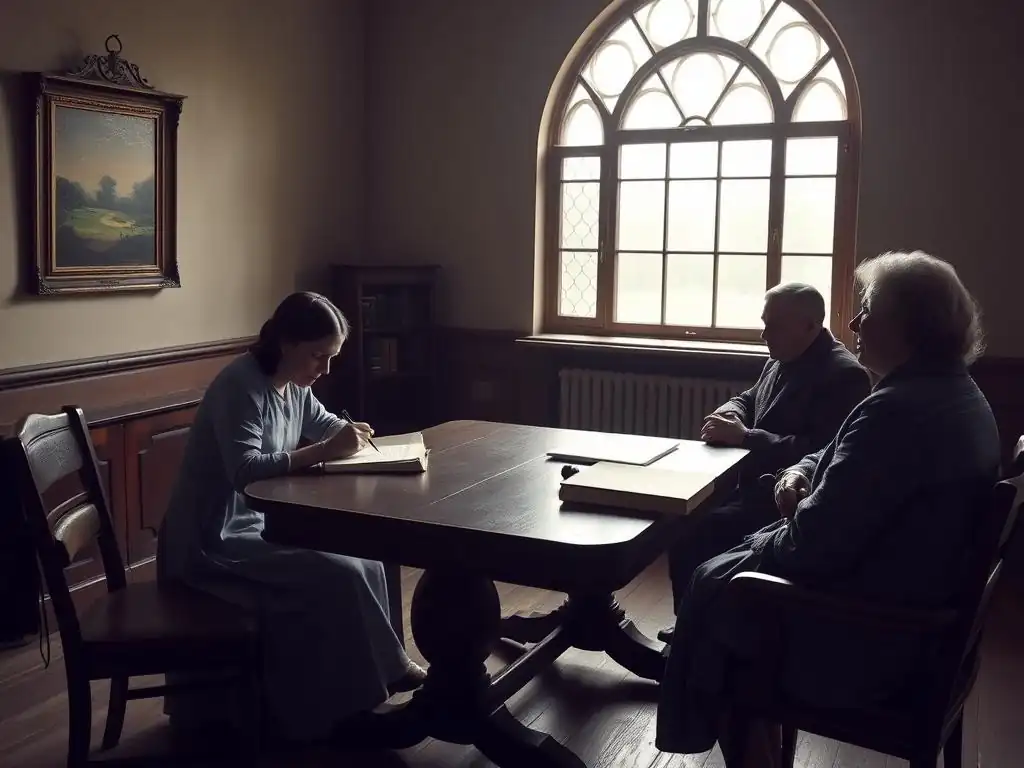
Social class played a significant, often unacknowledged, role in determining prognosis within 19th century mental healthcare. Wealthier individuals could afford private asylums which, at least in theory, offered better staffing ratios, more comfortable environments, and a purer form of moral treatment, allowing for more individualized care. This contrasted sharply with public asylums, which became increasingly overcrowded and underfunded, particularly in the latter half of the century. The quality of diet, sanitation, and access to stimulating activities could vary dramatically based on an institution's resources, directly impacting a patient's physical and mental well-being and, consequently, their potential for recovery.
Furthermore, social connections influenced the likelihood of discharge. Families with resources and social standing might be better equipped or more willing to take a recovered or improved relative back home, providing ongoing support that public asylum patients often lacked. Conversely, poor individuals, particularly those without family support, were more likely to become long-term residents even if their acute symptoms subsided, simply because there was no suitable place for them outside the institution. Thus, the socio-economic status of the patient was a powerful determinant of their journey through 19th century mental health treatment and their ultimate outcome.
Gender and the Perception of Mental Illness in the 1800s
Gender profoundly shaped both diagnosis and prognosis in 19th century mental health. Women were disproportionately diagnosed with conditions like hysteria, neurasthenia, and reproductive-related insanities (such as puerperal mania or melancholia). These diagnoses often reflected prevailing societal views on female frailty, emotionality, and the stresses associated with domestic life and biological functions. Treatment for women often involved rest, isolation, and interventions targeting reproductive organs, based on the belief that female mental illness stemmed from gynecological issues.
The prognosis for women could be influenced by these gendered perceptions. While conditions like puerperal mania were sometimes seen as acute and potentially curable if the underlying physical cause (related to childbirth) was addressed, diagnoses like chronic hysteria or moral insanity could lead to long-term institutionalization if the woman did not conform to societal expectations of female behavior upon supposed recovery.
Men were more frequently diagnosed with conditions like general paralysis of the insane (linked to syphilis, often associated with perceived moral failing) or forms of mania and melancholia linked to occupational stress or alcohol. Prognosis for men might be linked to their ability to return to work and support a family, reflecting different societal expectations placed upon them during 19th century mental health treatment.
The Patient’s History and the Severity of Symptoms
A patient's individual history and the nature and severity of their symptoms were crucial factors in determining their prognosis. Physicians in the 19th century paid close attention to the duration of the illness before admission; cases with a recent onset were almost universally considered to have a much better chance of recovery than chronic cases that had persisted for years. This belief strongly influenced admission criteria and treatment strategies, with early intervention being highly valued.
The specific manifestation and severity of symptoms also guided prognostic assessment. Patients exhibiting violent or destructive behavior, profound withdrawal, or complex, fixed delusions were generally viewed as having a poorer outlook compared to those with episodic mood disturbances or less severe forms of melancholia or mania. The presence of physical comorbidities was also a negative prognostic indicator. Physicians attempted to classify patients based on these factors, often categorizing them into "acute" (potentially curable) or "chronic" (likely incurable) populations based on the perceived severity and history of their condition within the context of 19th century mental health treatment.
The Role of the Asylum Physician in Determining Prognosis
The individual asylum physician or superintendent held significant power in determining a patient's diagnosis, treatment plan, and ultimately, their prognosis and likelihood of discharge. Prognostic assessments were highly subjective, based on the physician's training (which varied widely), personal biases, and interpretation of the patient's behavior within the asylum setting. There was no standardized diagnostic manual or set of criteria universally applied across institutions, leading to considerable variation in how conditions were labeled and how curability was assessed.
A physician's adherence to or departure from moral treatment principles, their willingness to employ physical therapies, and their overall philosophy of care directly impacted patient outcomes. An optimistic superintendent might label more patients as "improved" or "recovered," while a more pessimistic one, perhaps overwhelmed by the challenges of a large public asylum, might be quicker to assign an "incurable" status.
The physician's relationship with the patient's family also played a role, as family cooperation and willingness to receive the patient back home could influence discharge decisions. The physician's judgment was a central, albeit variable, element in the patient's journey through 19th century mental health treatment.
Treatment Modalities and Their Impact on "Curability" in the 19th Century
Moral Treatment: Principles and Practical Application
Moral treatment, as discussed earlier, was based on the principles of humane care, routine, purposeful activity, and a therapeutic environment. In practice, this involved removing patients from stressful home situations or harsh conditions like jails, placing them in quiet, clean institutions, and engaging them in a structured daily life. This could include participation in work (such as farming or laundry), attending classes or lectures, engaging in recreational activities, and receiving religious or moral instruction. The emphasis was on restoring reason and self-control through kindness, order, and positive reinforcement, rather than coercion.
The impact of moral treatment on perceived curability was significant, particularly in the early to mid-19th century. Reports from institutions like the Hartford Retreat in the US or the Hanwell Asylum under Dr. Conolly (known for pioneering non-restraint) often cited higher recovery rates for acute cases treated with these methods compared to older, more custodial approaches.
For example, early reports from the Worcester State Hospital in Massachusetts suggested recovery rates of up to 70-90% for recent cases treated promptly with moral methods in the 1830s, though these figures were often inflated or based on loose definitions of recovery. While its effectiveness waned with overcrowding, the philosophy of moral treatment fundamentally shaped the ideal of 19th century mental health treatment as potentially restorative.
Medical Interventions: Bloodletting, Blistering, and Other Physical Therapies
Alongside moral treatment, 19th-century asylum physicians employed a range of physical and medical interventions, often based on prevailing theories of illness, such as humoral imbalances or nervous system irritation. These included practices like bloodletting (using leeches or venesection) to "reduce excitement" or "clear congestion," blistering agents applied to the skin (often on the head or neck) to draw out supposed toxins or redirect inflammation, and the use of emetics and purgatives to "cleanse" the body.
Other physical therapies included various forms of hydrotherapy (cold baths, douches), electrotherapy (applying electric currents, often for "nervous" conditions), and pharmacological agents like opium, camphor, cannabis, and later in the century, chloral hydrate and bromide, primarily used for sedation. The impact of these interventions on curability is difficult to assess and was likely minimal or even detrimental in many cases.
While some treatments might have had a temporary calming effect, they rarely addressed the underlying causes of mental illness as understood today. These physical methods represented a medicalized aspect of 19th century mental health treatment, often used when moral treatment failed or in conjunction with it, reflecting the era's limited understanding of psychopathology.
The Use of Restraints and Seclusion in 19th Century Asylums
Despite the ideals of moral treatment and the movement towards non-restraint pioneered by some reformers, the use of physical restraints (such as straitjackets, muffs, or wrist locks) and seclusion (isolating a patient in a padded or secure room) remained common practices throughout the 19th century, particularly as asylums became larger and more custodial. Restraint and seclusion were primarily used for managing difficult, violent, or disruptive behaviors, often as a practical measure in understaffed institutions rather than a therapeutic intervention.
While proponents argued that restraint prevented patients from harming themselves or others, critics highlighted its potential for abuse, physical harm, and psychological distress. The use of these methods generally had a negative impact on the prospect of "curability." Instead of promoting recovery through therapeutic engagement, restraint and seclusion often exacerbated patient agitation, withdrawal, and chronic institutionalization. They represented the custodial reality that often overshadowed the therapeutic aspirations of 19th century mental health treatment, especially in overburdened public asylums.
The Role of Occupational Therapy in 19th Century Mental Health
Occupational therapy, broadly defined as engaging patients in purposeful work or activities, was a cornerstone of moral treatment and played a significant role in the daily life of 19th century asylums. Patients were often expected to participate in the running of the institution, working on the asylum farm, in the laundry, kitchen, workshops, or performing domestic duties. This was seen not only as a way to reduce idleness and lower institutional costs but also as a therapeutic tool to instill routine, discipline, and a sense of purpose, thereby promoting mental stability and recovery.
Beyond manual labor, occupational therapy also included activities like reading, writing, music, art, gardening, and organized recreation. These activities were intended to stimulate the mind, provide healthy outlets for energy, and encourage social interaction. While not a "cure" in itself, engaging in meaningful occupation was widely believed to be conducive to recovery and improve the chances of a patient being deemed "curable" or at least capable of functioning outside the asylum. It was considered a vital component of therapeutic 19th century mental health treatment within the asylum setting.
Case Studies: Examining "Curable" Cases in 19th Century Asylum Records
Case Study 1: The Case of Hannah Green - Recovery from Puerperal Mania
Hannah Green, a hypothetical but representative case based on numerous historical accounts, was admitted to a county asylum in England in the 1850s following the birth of her third child. She exhibited symptoms of puerperal mania: extreme agitation, sleeplessness, rapid and incoherent speech, and delusions related to her family. Her illness had a sudden onset, occurring within weeks of childbirth. She was placed under the care of a physician who still adhered to moral treatment principles where possible.
Hannah's treatment involved removal from her home environment, a quiet room, a nourishing diet, mild sedatives for sleep, and later, engagement in simple domestic tasks and walks in the asylum grounds. The physician also ensured she had regular, but carefully managed, contact with her family. Within approximately six months, her acute symptoms subsided.
She gradually became coherent, her delusions faded, and she expressed a desire to return home. The physician deemed her "recovered," attributing it to the timely intervention and the supportive environment. She was discharged, illustrating a type of acute case with a relatively favorable prognosis in 19th century mental health treatment, particularly when linked to a specific, identifiable trigger like childbirth.
Case Study 2: The Case of Thomas F. - Limited Improvement in Chronic Melancholia
Thomas F., a laborer in his late 40s, was admitted to a large public asylum in the United States in the 1870s. He had suffered from recurring episodes of profound sadness, withdrawal, and inability to work for several years before his admission. By the time he arrived at the asylum, his condition was considered chronic melancholia. He was largely unresponsive, refused food at times, and expressed persistent feelings of worthlessness. The asylum was overcrowded, and individualized moral treatment was difficult to implement consistently.
Treatment involved basic custodial care, attempts to ensure he ate, and participation in the asylum's labor program (simple farm work) when he was able. He received some medical tonics and occasional sedatives. While his physical health might have slightly improved with regular food and routine, his core symptoms of melancholia persisted. He remained withdrawn and expressed little interest in his surroundings.
After two years, he was classified as "improved" rather than "recovered." This often meant his most acute, disruptive symptoms had lessened, but he was still unable to function independently or return to his former life. He remained a resident for many more years, highlighting the less favorable prognosis for chronic conditions within 19th century mental health treatment settings.
Case Study 3: The Case of Mary S. - Incurable Diagnosis of "Moral Imbecility"
Mary S., a young woman in her early 20s, was admitted to an asylum in the 1880s, not for typical symptoms of mania or melancholia, but for behaviors deemed socially deviant and uncontrollable by her family – she was described as impulsive, prone to lying and petty theft, and resistant to discipline. She was diagnosed with "moral imbecility" or a related form of "moral insanity," diagnostic categories used for individuals whose intellect seemed intact but whose moral compass or behavior was considered fundamentally flawed.
Treatment for such cases was largely ineffective, as the condition was perceived as an inherent character defect or developmental failure rather than a treatable illness. Mary received custodial care and attempts at moral retraining and strict discipline. However, her behaviors persisted within the asylum environment.
She was quickly classified as "incurable," as her condition did not fit the models of acute, episodic illness that moral treatment or physical therapies were intended to address. Her case exemplifies how diagnostic categories based on moral or social judgments, rather than clinical psychopathology, often led to an automatic "incurable" label and lifelong institutionalization within the 19th century mental health treatment system.
The Reality of "Curability": Disparities Between Promise and Practice in 19th Century Mental Institutions

Statistical Analysis of Recovery Rates in 19th Century Asylums
Analyzing recovery rates in 19th century asylums is challenging due to inconsistent diagnostic criteria, varying definitions of "recovery" or "improvement," and often incomplete record-keeping. However, looking at available statistics reveals a significant disparity between the optimistic promises of the early moral treatment era and the reality of later, overcrowded institutions. Early asylum reports sometimes claimed recovery rates of 50-90% for acute cases, figures often cited to promote the asylum model. For example, reports from the 1840s might show that of 100 admissions, perhaps 40-50 were discharged as recovered or improved within a year or two.
However, these figures rarely accounted for relapses, readmissions (which were common), or the large population of chronic, long-stay patients who represented the majority of the asylum's residents at any given time. By the latter half of the century, asylums housed tens of thousands of patients, and the proportion of those discharged as "recovered" significantly decreased, while the number classified as "incurable" and remaining for decades soared.
A study of one large asylum's records from the late 1800s might show that while 20-30% of new admissions might be discharged within a year, the overall discharge rate (including improved cases) was much lower, and the vast majority of residents were long-term patients with little prospect of leaving. This stark reality underscored the limitations of 19th century mental health treatment in achieving widespread curability.
Beyond clinical factors, social and economic realities profoundly influenced whether a patient was deemed "curable" and whether they could actually leave the asylum. Poverty was a major barrier to discharge. Even if a patient's mental state improved, if they had no family able or willing to support them, no means of employment, or no social safety net, they often remained institutionalized by default. Public asylums effectively became long-term care facilities for the poor and socially isolated, regardless of their potential for recovery.
Conversely, patients from wealthier families might be discharged to private care, family homes with hired help, or simply have their status upgraded from "incurable" to "improved" to justify their return to a supportive environment outside the institution. The availability of family support, social stigma surrounding mental illness (which could make families reluctant to take patients back), and the economic climate all played a role. The perception and reality of curability in 19th century mental health treatment were thus inextricably linked to the patient's social standing and economic circumstances.
Legacy and Lessons: Reflecting on 19th Century Mental Health Treatment
The Evolution of Mental Health Care Since the 1800s
Mental health care has undergone a dramatic transformation since the 19th century. The asylum system, which reached its peak in the mid-20th century, began to decline with the advent of psychopharmacology in the 1950s and the subsequent deinstitionalization movement. The development of effective medications for conditions like schizophrenia and depression offered outpatient treatment options that were unimaginable in the 1800s. This fundamentally shifted the focus from custodial care within large institutions to community-based treatment.
Furthermore, the understanding of mental illness has evolved significantly, moving towards complex biopsychosocial models that consider genetic, neurological, psychological, and social factors. Diagnostic systems, while still imperfect, are far more standardized (e.g., using the DSM or ICD). Therapeutic approaches have expanded to include various forms of psychotherapy, behavioral therapies, and a range of pharmacological interventions. While challenges remain regarding access, stigma, and treatment effectiveness for all conditions, the range of interventions and the potential for recovery are vastly greater than what was available through 19th century mental health treatment.
Ethical Considerations and the Treatment of Mental Illness Today
Reflecting on 19th century mental health treatment raises critical ethical considerations that continue to be relevant today. The subjective nature of diagnosis and prognosis, the impact of societal biases (like gender and class) on care, the use of coercive practices like restraint, and the long-term confinement of individuals deemed "incurable" highlight the potential for abuse and the importance of patient rights. The paternalistic approach common in the 1800s, where physicians held almost absolute authority, stands in contrast to modern principles of patient autonomy, informed consent, and shared decision-making.
Today, while physical restraints are still used in some emergency situations, their use is heavily regulated and minimized. Seclusion is also used with strict protocols. Ethical guidelines emphasize the least restrictive environment and the importance of individualized treatment plans. However, challenges persist, including ensuring equitable access to care regardless of socio-economic status, combating ongoing stigma, and balancing patient autonomy with the need for care in cases of severe illness. The history of 19th century mental health treatment serves as a cautionary tale, reminding us of the need for continuous ethical scrutiny and advocacy in the field of mental health.
Conclusion: Re-evaluating "Curability" in the Context of 19th Century Mental Health Treatment
Frequently Asked Questions
What were the general expectations for "curability" in 19th-century mental asylums?
Expectations varied, but "curable" often meant a return to socially acceptable behavior and functioning. Factors like early intervention and type of illness influenced the prognosis. Complete recovery as we understand it today was less common.
How did societal views influence the treatment and prognosis of mental illness in the 19th century?
Society's views heavily influenced both. Moral treatment, based on kindness and structure, was favored for those deemed "curable." Stigma and social status could impact access to and quality of care.
What were some common treatment methods used in 19th-century asylums, and how effective were they?
Treatments included moral therapy, physical restraints, and hydrotherapy. Effectiveness varied; while moral therapy showed promise, other methods were often ineffective and sometimes harmful.
Yes, these factors played a significant role. Women and minorities were often disproportionately diagnosed and faced harsher treatment due to societal biases. Social class also determined access to better facilities.
How did the understanding of mental illness in the 19th century differ from our understanding today, and what impact did this have on treatment approaches?
The 19th century lacked our modern understanding of neurological and psychological processes. Treatment focused on observable behaviors and societal reintegration, rather than addressing underlying causes of mental illness.
Final Reflection: The Lingering Shadow of "Curable"
The 19th-century understanding of mental illness, and what was deemed "curable," casts a long shadow on our present-day approaches to mental healthcare. The stark contrast between the limited therapeutic options available then and the advancements we've made today highlights both the progress we've achieved and the enduring challenges that remain in addressing mental health effectively. The legacy of flawed prognoses and often brutal treatments serves as a potent reminder of the need for ongoing critical examination of our own practices.
The pervasive belief in the curability of certain mental illnesses, often based on limited scientific understanding and societal biases, shaped not only the treatment received by patients but also the very perception of mental illness itself. This shaped the social stigma surrounding mental health, a stigma that continues to hinder open discussion and access to care even today. The insane are not merely sick; they are dangerous, and their danger is not merely to themselves but to society.
This sentiment, though outdated, reflects the fear and misunderstanding that fueled many of the inhumane practices of the era, and echoes in subtle ways in modern prejudices.
Consider the implications of this history. How do the biases and limitations of the past inform our present-day understanding and treatment of mental illness? What assumptions do we hold today that might be similarly challenged by future generations? I urge you to reflect on this, to engage in critical self-examination of our own biases and assumptions, and to advocate for a future where mental healthcare is truly equitable, compassionate, and evidence-based, free from the shadows of the past.
Unlock the Secrets of 19th-Century Mental Healthcare
Thanks for exploring the fascinating, and sometimes unsettling, world of 19th-century asylum treatment! You've gained a unique perspective on the evolution of mental healthcare. Now, let's take that knowledge further.
- Dive deeper: Research a specific case study of a 19th-century asylum or individual patient. This will allow you to personalize your understanding of the era.
- Share your insights: Discuss a surprising aspect of the article with friends or family. Spark a conversation about the evolution of mental health perceptions.
- Challenge your assumptions: Consider how our modern understanding of mental illness contrasts with the limited knowledge of the past. What lessons can we learn?
What assumptions about mental health treatment have you re-evaluated after reading this article?