
Anxiety Relief Apps: Your Pocket Guide to Calming Techniques and Coping Skills


Welcome to Mind Care Guide, a safe space dedicated to nurturing your mental well-being. Feeling overwhelmed? You're not alone. Many seek solace in the digital world, and we understand that. This month, we're diving into a powerful tool: Anxiety apps for calm focus. Could these apps be the key to unlocking a more peaceful you? Explore this article and discover how technology can be a supportive companion on your journey to inner peace. Let's find out together!
- Anxiety Relief Apps: Your Pocket Guide to Calming Techniques and Coping Skills - Mind Care Guide
- Top Anxiety Apps: A Detailed Comparison
- Choosing the Right Anxiety App for Your Needs
- Mastering Calming Techniques with Anxiety Apps
- Beyond Apps: Integrating Anxiety Management into Your Daily Life
- Maximizing the Benefits of Anxiety Apps
- Potential Downsides and Precautions When Using Anxiety Apps
- The Future of Anxiety Apps and Mental Health Technology
- Conclusion: Finding Calm with the Right Anxiety App
-
Frequently Asked Questions
- How can anxiety apps help me achieve calm focus?
- Are anxiety apps a substitute for professional mental health care?
- What are some key features to look for in anxiety apps for calm focus?
- Are anxiety apps effective for everyone?
- How much do anxiety apps typically cost, and are free options available?
- Final Reflection: Finding Calm in the Digital Age
- Unlock Your Inner Calm: Take Control of Your Anxiety Today!
Anxiety Relief Apps: Your Pocket Guide to Calming Techniques and Coping Skills - Mind Care Guide
What is Anxiety? Recognizing Symptoms and Triggers
Anxiety is a natural human response to stress, but when it becomes excessive and persistent, it can interfere significantly with daily life. It manifests in various ways, including physical symptoms like a racing heart, sweating, trembling, and shortness of breath. Mentally, it can involve constant worrying, difficulty concentrating, restlessness, and a feeling of impending doom. Recognizing these signs is the first step toward managing anxiety. Common triggers can range from specific situations like public speaking or social interactions to broader concerns like work pressure, financial worries, or health issues. Identifying personal triggers is crucial for developing effective coping strategies.
Beyond the immediate discomfort, chronic anxiety can have long-term impacts on both physical and mental health. It can disrupt sleep patterns, affect digestive health, and contribute to other mental health conditions like depression. Understanding that anxiety is a treatable condition is empowering. While it can feel overwhelming, various tools and techniques exist to help manage symptoms and reduce its impact, paving the way for a calmer, more focused state of mind. This is where modern resources, including digital tools like anxiety apps for calm focus, can play a supportive role in a comprehensive management plan.
How Anxiety Apps Can Support Your Mental Well-being
Anxiety apps offer accessible, on-demand support for managing anxious feelings and developing coping skills. They provide a range of tools, from guided meditations and breathing exercises to cognitive behavioral therapy (CBT) techniques and mood tracking. For many, these apps serve as a convenient starting point or a supplementary resource alongside traditional therapy. They can help users identify triggers, practice relaxation techniques in the moment of distress, and build resilience over time. The portability of these tools means support is available whenever and wherever it's needed, offering a sense of control and immediate access to calming resources.
These digital tools are designed to empower users by providing structured programs and exercises that can be integrated into daily routines. For instance, practicing mindfulness through an app for just a few minutes each day can gradually alter the brain's response to stress.
Similarly, using an app to track anxious thoughts can help individuals recognize unhelpful patterns and challenge them using techniques learned within the app. While not a substitute for professional medical advice or therapy, anxiety apps for calm focus can be valuable aids in cultivating self-awareness and building a personal toolkit for navigating life's challenges with greater ease.
Benefits and Limitations of Using Anxiety Apps
Anxiety apps offer several significant benefits, primarily their accessibility and convenience. Available 24/7 on a smartphone, they provide instant access to calming techniques like guided breathing or quick meditations, which can be invaluable during moments of acute anxiety. They often provide structured programs based on therapeutic approaches like CBT or mindfulness, helping users learn and practice skills at their own pace.
Many apps also include features for tracking moods, triggers, and progress, offering insights that can be shared with a therapist or used for self-reflection. Studies and user reports frequently highlight the perceived reduction in stress and improvement in overall well-being reported by regular users of popular anxiety apps for calm focus.
However, it's important to acknowledge the limitations of these tools. Anxiety apps are not a replacement for professional mental health treatment, especially for severe or complex anxiety disorders. They lack the nuanced, personalized interaction and therapeutic depth that a trained therapist provides. There are also concerns regarding data privacy and security, as users often share sensitive personal information. The effectiveness of apps can vary greatly depending on the individual, the quality of the app itself, and the user's consistency in using it. Furthermore, relying solely on an app might delay seeking professional help when it is truly needed.
Top Anxiety Apps: A Detailed Comparison
Calm - Features, Benefits, and User Reviews
Calm is one of the most popular mental wellness apps globally, known for its extensive library of guided meditations, sleep stories, and calming soundscapes. Launched in 2012, it has reportedly reached over 100 million downloads and often ranks among the top health and fitness apps. Users frequently praise Calm for its high-quality audio content and soothing interface, which contribute significantly to creating a relaxing user experience. Many reviews highlight its effectiveness in improving sleep quality and reducing daily stress levels, making it a go-to anxiety app for calm focus for a wide audience.
The app offers various programs tailored to different needs, including specific series for managing anxiety, building mindfulness habits, and improving focus. It features daily guided meditations, often just 10 minutes long, designed to fit into busy schedules. Beyond meditation, Calm provides masterclasses on topics like mindful leadership and breaking habits, led by experts. The sheer volume and variety of content are major draws for users seeking diverse tools to manage their mental well-being.
Key Calming Techniques Offered by Calm
Calm incorporates a variety of evidence-based calming techniques designed to soothe the nervous system and quiet the mind. Central to its offering are guided meditation sessions, ranging from short, emergency meditations for panic to longer, in-depth explorations of mindfulness. These sessions often focus on breath awareness, body scans, and cultivating non-judgmental observation of thoughts and feelings, all practices known to reduce physiological and psychological symptoms of anxiety.
In addition to traditional meditation, Calm features breathing exercises, such as box breathing or 4-7-8 breathing, which can be used in moments of stress to regulate the breath and induce a state of relaxation. The app provides clear instructions and visual cues to guide users through these techniques. These accessible tools are particularly helpful for individuals seeking immediate relief and practical methods they can apply anytime, anywhere, reinforcing Calm's position as a versatile anxiety app for calm focus.
Sleep Stories and Meditation Content in Calm
A signature feature of Calm is its collection of "Sleep Stories," narrated tales designed to help users fall asleep. These stories, often read by well-known voices, combine soothing narratives with calming background music or sound effects. The aim is to distract the busy mind from anxious thoughts that can interfere with sleep, guiding the listener into a relaxed state conducive to falling asleep. This focus on sleep is crucial, as sleep disturbances are frequently linked to anxiety.
Beyond Sleep Stories, Calm's meditation library is vast and diverse. It includes programs focused specifically on anxiety relief, stress reduction, self-compassion, and building resilience. There are also meditations for specific situations, such as mindful walking, commuting, or preparing for a difficult conversation. This extensive range ensures that users can find content relevant to their current needs and preferences, supporting consistent engagement with the app for managing anxiety and promoting calm focus.
Pricing and Subscription Options for Calm
Calm operates on a freemium model, offering a selection of basic content for free, including some introductory meditations and breathing exercises. However, access to the vast majority of its library, including all Sleep Stories, masterclasses, and extensive meditation programs, requires a paid subscription. The standard subscription is typically offered on a monthly or annual basis, with the annual plan providing significant cost savings compared to monthly billing.
As of recent reports, an annual subscription to Calm costs around $70 USD per year, while a monthly subscription is approximately $15 USD. They also occasionally offer a lifetime subscription option, though this is less common. While the cost is a consideration, many users feel the extensive content library and the perceived benefits for sleep and anxiety management justify the expense, viewing it as an investment in their mental well-being and a valuable tool for achieving calm focus.
Headspace - A Focus on Mindfulness and Meditation
Headspace is another leading meditation and mindfulness app, co-founded by a former Buddhist monk, Andy Puddicombe. It distinguishes itself with a playful, animated interface and a structured approach to teaching mindfulness, starting with a popular "Basics" course. Headspace has also achieved widespread adoption, reportedly serving millions of users across numerous countries. User feedback often highlights the app's approachable style and the clarity of its guided sessions, making mindfulness accessible even to complete beginners.
The app's content is rooted in evidence-based mindfulness techniques, aiming to help users train their minds for greater focus, reduced stress, and improved emotional regulation. Beyond its core meditation library, Headspace offers exercises for specific moments, like navigating difficult conversations or feeling overwhelmed, as well as content focused on physical activity ("Move") and sleep ("Sleep"). This holistic approach positions Headspace as a comprehensive mental fitness tool, supporting users seeking an anxiety app for calm focus.
Guided Meditations for Anxiety Reduction
Headspace provides a rich collection of guided meditations specifically designed to address anxiety. These range from short, SOS sessions for moments of panic or intense worry to longer courses focused on understanding and managing anxious thoughts. The guidance often encourages users to observe their thoughts and feelings without judgment, a core principle of mindfulness that helps create distance from anxiety-provoking cognitions.
The app's guided meditations often include techniques like mindful breathing, body scans, and visualization exercises aimed at promoting relaxation and reducing the physical tension associated with anxiety. The clear, calm narration, often by co-founder Andy Puddicombe, is frequently cited by users as particularly soothing and effective. These targeted sessions make Headspace a valuable resource for individuals actively working to reduce their anxiety symptoms through regular practice.
Mindfulness Courses for Daily Calm
Beyond individual meditations, Headspace offers structured courses that delve deeper into specific aspects of mindfulness and mental well-being. These courses cover topics such as managing anxiety, building resilience, improving focus, and cultivating compassion. Each course typically consists of multiple sessions, designed to be completed over several days or weeks, allowing users to gradually build their skills and understanding.
The "Managing Anxiety" course, for instance, provides a step-by-step program to help users understand the nature of anxiety and learn practical mindfulness techniques to cope with it. By completing these courses, users can develop a consistent mindfulness practice that extends beyond isolated meditation sessions, fostering a sense of daily calm and contributing to a more sustained reduction in anxiety. This structured learning path is a key feature for those looking for a programmatic approach within an anxiety app for calm focus.
User Interface and Ease of Use of Headspace
Headspace is widely praised for its user-friendly and visually appealing interface. The design incorporates playful animations and illustrations, which create a welcoming and less intimidating atmosphere compared to some other mental health apps. Navigating the app is intuitive, with content organized clearly into categories like "Meditate," "Sleep," "Move," and "Focus."
The app's simplicity makes it easy for users to quickly find the content they need, whether it's a quick breathing exercise during a stressful moment or a specific meditation course. The onboarding process is also designed to be straightforward, guiding new users through the basics of meditation. This focus on accessibility and ease of use helps encourage consistent engagement, which is vital for reaping the benefits of using an anxiety app for calm focus.
Sanvello - Cognitive Behavioral Therapy (CBT) Techniques at Your Fingertips
Sanvello takes a different approach, focusing heavily on techniques derived from Cognitive Behavioral Therapy (CBT), Dialectical Behavior Therapy (DBT), and mindfulness. It's designed to function more like a digital coach or companion, offering tools for mood tracking, skill-building, and connecting with a community. Unlike apps solely focused on meditation, Sanvello integrates therapeutic techniques aimed at helping users identify and change negative thought patterns and behaviors associated with anxiety and depression. It has gained traction, particularly among users seeking practical, actionable strategies based on established therapeutic models.
The app offers guided journeys based on CBT principles, daily mood tracking, health habit tracking (like sleep and activity), and assessment tools to measure progress. It also includes a peer support community, providing a space for users to share experiences and offer encouragement. This multi-faceted approach aims to provide a more comprehensive tool for managing mental health, appealing to those who find structured therapeutic exercises helpful in their journey towards calm focus and reduced anxiety.
CBT-Based Exercises for Managing Anxiety and Depression
Sanvello provides a variety of exercises rooted in CBT, a highly effective therapy for anxiety and depression. These include techniques for identifying and challenging distorted thinking patterns (cognitive restructuring), setting goals, and planning activities that promote well-being. For example, users can work through guided modules that teach them how to recognize common cognitive distortions, such as catastrophizing or black-and-white thinking, and replace them with more balanced perspectives.
The app also incorporates behavioral activation techniques, encouraging users to schedule positive activities that can help lift mood and reduce avoidance behaviors often associated with anxiety. These exercises are presented in a structured format, often as part of guided "Journeys" or individual "Tools," allowing users to learn and practice CBT principles at their own pace. This practical application of therapeutic techniques makes Sanvello a distinct anxiety app for calm focus.
Tracking Progress and Identifying Thought Patterns with Sanvello
A core feature of Sanvello is its robust tracking capabilities. Users can log their mood throughout the day, rating their feelings and noting accompanying thoughts, activities, and symptoms. The app uses this data to generate insights and graphs, helping users identify patterns and triggers for their anxiety or low mood. For example, a user might notice that their anxiety spikes on certain days of the week or after particular interactions.
Beyond mood tracking, Sanvello allows users to track health habits like sleep, exercise, and social connection, understanding how these factors influence mental well-being. The app also includes assessments, such as the PHQ-9 for depression and GAD-7 for anxiety, allowing users to monitor their symptom severity over time. This data-driven approach empowers users to gain a deeper understanding of their mental health and the factors that influence their ability to maintain calm focus.
Accessibility and Affordability of Sanvello
Sanvello offers both free and premium content. The free version typically includes basic mood tracking and a limited selection of tools and community features. Access to the full range of guided journeys, premium tools, and assessments requires a paid subscription. Sanvello's pricing structure is generally comparable to other premium mental health apps.
One unique aspect of Sanvello's accessibility is its partnerships with some health plans and employers, which may offer free or discounted access to the premium version for their members or employees. This can significantly improve affordability for many users. While the subscription cost is a factor, the availability of a free tier and potential coverage through insurance plans makes Sanvello an accessible option for many seeking an anxiety app for calm focus rooted in therapeutic principles.
Choosing the Right Anxiety App for Your Needs
Identifying Your Specific Anxiety Triggers and Needs
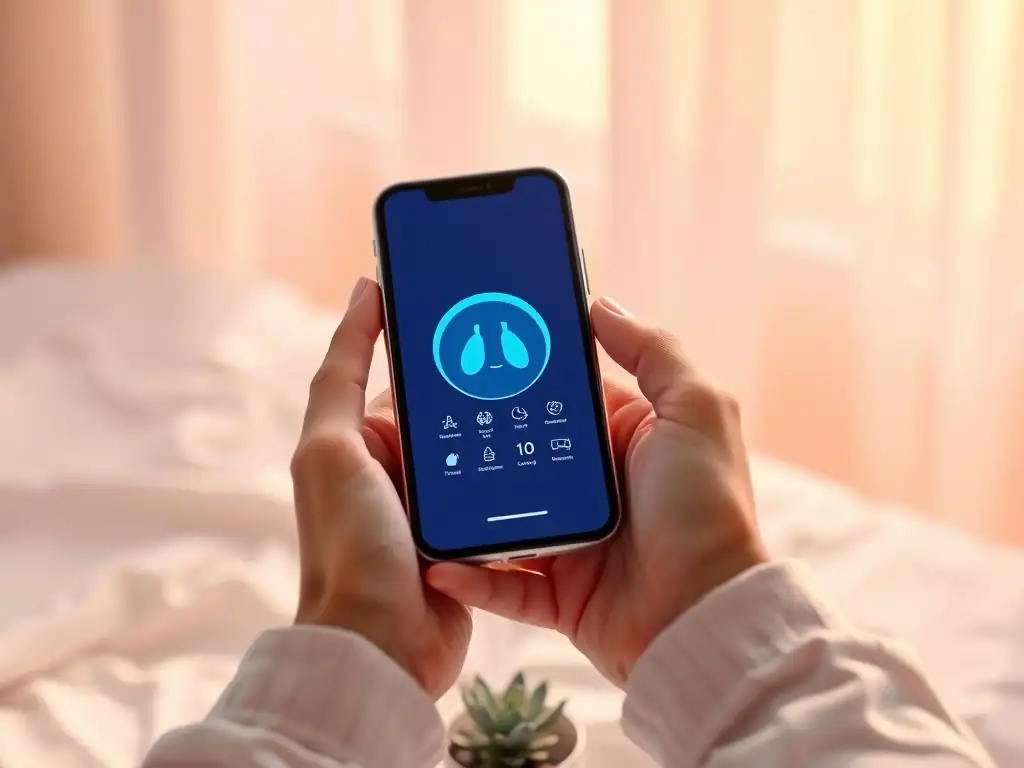
Selecting the most suitable anxiety app for calm focus begins with understanding your own unique experience with anxiety. What situations or thoughts tend to trigger your anxiety? Does your anxiety manifest primarily as physical symptoms, racing thoughts, or difficulty sleeping? Are you looking for quick, in-the-moment relief, or are you seeking a structured program to build long-term coping skills? For example, someone whose anxiety primarily impacts their sleep might prioritize an app with extensive sleep content, while someone struggling with panic attacks might look for quick breathing exercises and SOS meditations.
Reflecting on your needs also involves considering your comfort level with different techniques. Are you interested in traditional meditation, or do you prefer more action-oriented approaches like CBT exercises? Do you want an app that helps you track your progress and identify patterns, or are you simply looking for guided relaxation? Pinpointing these individual factors will help narrow down the options and identify apps that offer the specific tools and content most relevant to your personal journey with anxiety management.
Factors to Consider When Selecting an Anxiety App
Once you have a clearer understanding of your needs, several practical factors should influence your choice of an anxiety app for calm focus. Evaluating these elements ensures that the app you choose is not only effective but also fits seamlessly into your lifestyle and provides a positive user experience.
Consider the following checklist when exploring potential apps:
- [ ] Does the app offer the specific techniques (e.g., meditation, CBT, breathing exercises, sleep support) that align with my needs and preferences?
- [ ] Is the user interface intuitive and easy to navigate?
- [ ] Does the app provide content that resonates with me (e.g., narration style, visual design)?
- [ ] Are the privacy policy and data security measures clearly stated and acceptable to me?
- [ ] Is the app's effectiveness supported by any evidence or research?
- [ ] Does the cost fit my budget, or is a free version sufficient?
Cost and Subscription Models
The financial aspect is a significant consideration when choosing an anxiety app for calm focus, as many of the most comprehensive apps operate on a subscription model. While most offer a limited free version, unlocking the full library of content and features often requires a monthly or annual fee. These costs can vary significantly between apps, from a few dollars a month to over a hundred dollars annually.
It's important to evaluate what content is available in the free version versus the paid subscription and determine if the premium features justify the cost for your specific needs. Some apps may offer trials, allowing you to test the full functionality before committing to a payment. Additionally, as mentioned with Sanvello, check if your health insurance or employer might offer coverage or discounts for certain mental wellness apps.
User Interface and Accessibility
The design and usability of an anxiety app are crucial for ensuring consistent use. A cluttered or confusing interface can be frustrating, especially when you're feeling anxious. Look for apps with a clean, intuitive design that makes it easy to find specific exercises or features quickly. The visual style and audio quality should also be calming and appealing to you.
Accessibility features are also important. Consider if the app offers adjustable font sizes, voice-over compatibility, or other features that make it easier to use for individuals with different needs. An app that is pleasant to look at and easy to navigate is more likely to become a regular part of your routine for seeking calm focus.
Privacy and Data Security
Given the sensitive nature of the information shared with mental health apps, privacy and data security are paramount. Before downloading and using an app, take the time to review its privacy policy. Understand what data is collected, how it is used, and how it is protected. Look for apps that comply with relevant data protection regulations, such as HIPAA in the United States (though not all wellness apps fall under HIPAA, reputable ones often follow similar standards).
Consider whether the app shares data with third parties or uses it for advertising. While no system is entirely risk-free, choosing apps with strong privacy policies and a commitment to protecting user data is essential for peace of mind while using an anxiety app for calm focus.
Scientific Backing and Evidence-Based Techniques
The effectiveness of an anxiety app for calm focus can be enhanced if its content and techniques are based on established therapeutic approaches like CBT, mindfulness, or acceptance and commitment therapy (ACT). Many reputable apps highlight the scientific basis of their programs and may even reference studies that support their efficacy.
Look for apps developed in consultation with mental health professionals or those that have been subject to research, even if preliminary. While personal experience is key, knowing that the tools you are using are rooted in evidence-based practices can provide greater confidence in their potential to help you manage anxiety effectively.
Mastering Calming Techniques with Anxiety Apps
Deep Breathing Exercises for Immediate Anxiety Relief
Deep breathing is a cornerstone technique for managing acute anxiety and is widely featured in anxiety apps for calm focus. By deliberately slowing and regulating the breath, you can activate the body's parasympathetic nervous system, counteracting the "fight or flight" response triggered by anxiety. Apps provide guided sessions that walk you through different breathing patterns, such as diaphragmatic breathing (breathing into your belly) or paced breathing like the 4-7-8 method.
These guided exercises often include visual cues, timers, and soothing audio to help you focus solely on your breath. Practicing deep breathing through an app allows you to quickly access a calming tool whenever and wherever anxiety strikes, offering immediate relief and helping to regain a sense of control during overwhelming moments. Regular practice can also improve your ability to use these techniques effectively when you need them most.
Progressive Muscle Relaxation (PMR) for Tension Reduction
Progressive Muscle Relaxation (PMR) is another effective technique for reducing the physical tension that often accompanies anxiety. It involves systematically tensing and then releasing different muscle groups in the body. By consciously focusing on the sensation of tension and then the subsequent release, individuals can learn to recognize and alleviate physical stress. Many anxiety apps include guided PMR sessions.
These app-led sessions typically guide you through tensing and releasing muscles from your toes up to your head, or vice versa. The narrator's calm voice and pacing help you stay focused on the exercise. Regularly practicing PMR through an app can increase your awareness of where you hold tension in your body and provide a practical method for releasing it, contributing significantly to achieving a state of calm focus.
Guided Imagery and Visualization for Stress Management
Guided imagery and visualization techniques involve creating calming mental images or scenarios to promote relaxation and reduce stress. Anxiety apps often offer guided sessions where a narrator leads you through imagining peaceful places, such as a serene beach or a tranquil forest. The vivid descriptions engage your senses and help shift your focus away from anxious thoughts.
These visualizations can transport you mentally to a state of calm, helping to lower heart rate, reduce muscle tension, and quiet a busy mind. Some apps also offer guided imagery specifically for addressing fears or challenging situations, helping you mentally prepare and feel more in control. Incorporating guided imagery from an anxiety app can be a powerful way to access inner calm and enhance your ability to achieve calm focus.
Using Soundscapes and Ambient Noise for Calm
Many anxiety apps for calm focus include libraries of soundscapes and ambient noise designed to create a relaxing atmosphere. These can range from natural sounds like rain, ocean waves, or forest ambiance to white noise, pink noise, or calming musical tracks. These sounds can be used during meditation, sleep, or simply as background noise to help reduce distractions and promote a sense of peace.
Listening to consistent, soothing sounds can help mask intrusive thoughts or environmental noises that might trigger anxiety. Some apps allow you to mix different sounds or adjust volumes to create a personalized calming environment. Integrating soundscapes into your routine, perhaps while working or trying to relax, can be a simple yet effective way to utilize an anxiety app to foster a sense of calm focus throughout your day.
Beyond Apps: Integrating Anxiety Management into Your Daily Life
Combining Anxiety Apps with Traditional Therapy
While anxiety apps for calm focus are valuable tools, they are often most effective when used in conjunction with professional mental health support. Apps can provide convenient access to practice techniques learned in therapy, track progress between sessions, and offer support during moments of distress. A therapist can help you understand the root causes of your anxiety, provide personalized strategies, and guide you in using app-based tools effectively.
For instance, a therapist might recommend specific app features or exercises that align with your treatment goals. You could use the app to track your mood or practice coping skills and then discuss your experiences and insights during your therapy sessions. This integrated approach leverages the accessibility of technology with the depth and personalization of professional guidance, leading to more comprehensive and sustainable anxiety management.
Building a Holistic Approach to Mental Wellness
Managing anxiety effectively involves more than just using an app or attending therapy; it requires adopting a holistic approach that addresses various aspects of your life. This includes paying attention to physical health, social connections, and lifestyle choices. Integrating strategies from an anxiety app for calm focus should be part of a broader commitment to overall well-being.
A holistic approach might involve ensuring adequate sleep, maintaining a balanced diet, engaging in regular physical activity, and practicing stress-reducing hobbies. It also includes nurturing supportive relationships and setting healthy boundaries. By combining app-based tools with these fundamental self-care practices, you build a stronger foundation for managing anxiety and cultivating lasting calm focus.
Self-Care Strategies for Long-Term Anxiety Management
Developing consistent self-care strategies is essential for long-term anxiety management. Anxiety apps can support these strategies by providing tools and reminders, but the commitment to self-care comes from within. This involves identifying activities that replenish your energy and reduce stress, such as spending time in nature, reading, listening to music, or creative pursuits.
Making self-care a non-negotiable part of your routine helps build resilience against anxiety. This might look like scheduling short breaks for app-guided breathing exercises throughout the day, using a sleep story from an app nightly, or using an app's mood tracker to identify when you need extra self-care. By prioritizing activities that support your mental and physical health, you create a more sustainable path towards managing anxiety and maintaining calm focus over time.
Maximizing the Benefits of Anxiety Apps
Setting Realistic Goals and Expectations
To get the most out of an anxiety app for calm focus, it's important to set realistic goals and expectations. An app is a tool to support your journey, not a magic cure. Understand that reducing anxiety is a process that takes time and consistent effort. Don't expect symptoms to disappear overnight or after just a few sessions. Instead, set achievable goals, such as practicing a guided meditation for 10 minutes daily or using a breathing exercise whenever you feel overwhelmed.
Recognizing that some days will be easier than others is also part of having realistic expectations. There might be days when you struggle to engage with the app, and that's okay. The goal is progress, not perfection. By setting attainable goals and acknowledging the ups and downs of managing anxiety, you can avoid discouragement and stay motivated to continue using the app as a valuable resource.
Consistency is Key: Regular Use for Optimal Results
The benefits of using an anxiety app for calm focus are cumulative, meaning they build up over time with consistent practice. Just like learning any new skill, developing the ability to manage anxiety through mindfulness, breathing, or CBT techniques requires regular effort. Aim to integrate the app into your daily routine, even if only for a few minutes each day.
Many apps offer features like daily reminders or streaks to encourage consistent use. Try to find a specific time or trigger for using the app, such as first thing in the morning, during your commute, or before bed. Regular engagement helps reinforce the neural pathways associated with calmness and resilience, making the techniques more effective when you need them most. A short, consistent practice is often more beneficial than infrequent, long sessions.
Monitoring Your Progress and Adjusting Your Approach
Most anxiety apps offer features to track your mood, symptoms, or meditation streaks. Utilizing these tools can provide valuable insights into your progress and help you understand what techniques are most effective for you. Monitoring your journey allows you to see how consistent app use correlates with changes in your anxiety levels or your ability to achieve calm focus.
If you notice that certain exercises or features aren't working as well as you hoped, don't be afraid to adjust your approach. Explore other types of content within the app, try different techniques, or adjust the time of day you use it. This iterative process of using the app, monitoring results, and making adjustments ensures that you are continually optimizing your use of the anxiety app for calm focus to best meet your evolving needs.
Potential Downsides and Precautions When Using Anxiety Apps
Reliance on Technology and Over-Dependence
While anxiety apps offer incredible convenience, there is a potential risk of becoming overly dependent on the technology. Relying solely on an app for managing anxiety might hinder the development of internal coping resources or the willingness to seek human support when needed. It's important to view the app as a tool to support your journey, not the sole solution.
Consider using the app as a way to learn techniques that you can eventually practice without it, such as mindful breathing or body scans. Balance app use with other activities that promote well-being and connect with others. Being mindful of your usage patterns can help prevent over-reliance and ensure that the app remains a helpful aid rather than a crutch.
The Importance of Professional Guidance
Anxiety apps are designed to be supportive resources, but they are not a substitute for professional medical advice, diagnosis, or treatment. For individuals experiencing severe anxiety, panic attacks, or anxiety that significantly impairs daily functioning, consulting with a qualified mental health professional is crucial. A therapist or doctor can provide an accurate diagnosis, recommend appropriate treatment plans (which may include therapy, medication, or a combination), and help you integrate app use into a broader strategy.
Using an anxiety app for calm focus can be a great supplement to therapy, but it should not be seen as an alternative to seeking help from a professional, especially if your symptoms are persistent, worsening, or significantly impacting your quality of life. Always consult with a healthcare provider regarding any questions about your medical condition or treatment.
Addressing Potential Privacy Concerns
As highlighted earlier, privacy and data security are significant considerations when using mental health apps. Users often share very personal information about their emotional state, triggers, and health habits. It is essential to be aware of the app's privacy policy, including how your data is stored, anonymized, and if it is shared with any third parties.
While reputable apps strive to protect user data, data breaches are a potential risk with any digital service. Be cautious about sharing excessively detailed personal information within the app if you have significant privacy concerns. Reviewing the terms of service and privacy policy before committing to an app, especially a paid subscription, is a critical step in ensuring your comfort and safety while using an anxiety app for calm focus.
The Future of Anxiety Apps and Mental Health Technology
Emerging Trends in Anxiety Management Tech
The field of mental health technology, including anxiety apps, is constantly evolving. We are seeing trends towards more personalized content, integration with wearable devices to track physiological signs of stress (like heart rate variability), and the incorporation of biofeedback techniques within apps. Virtual reality (VR) and augmented reality (AR) are also emerging areas, offering immersive experiences for relaxation or exposure therapy for phobias.
Another trend is the increased focus on evidence-based design and clinical validation. More apps are partnering with researchers and institutions to study their effectiveness and ensure their techniques are grounded in science. This push towards greater rigor promises to make future anxiety apps for calm focus even more effective and trustworthy tools for users seeking support.
The Role of AI and Personalization in Mental Healthcare Apps
Artificial intelligence (AI) is poised to play a significant role in the future of anxiety apps. AI algorithms can analyze user data (with appropriate privacy safeguards) to personalize content recommendations, tailoring meditations, exercises, or coping strategies to an individual's specific patterns, triggers, and progress. This could lead to highly customized support that adapts dynamically to a user's needs.
AI could also power chatbots offering conversational support, basic psychoeducation, or reminders to practice skills. While AI cannot replace human therapists, it has the potential to make app-based interventions more engaging, relevant, and potentially more effective for individual users seeking an anxiety app for calm focus. The ethical implications of AI in mental health are being actively discussed to ensure responsible development and deployment.
Conclusion: Finding Calm with the Right Anxiety App
Anxiety apps offer a valuable, accessible, and convenient resource for individuals seeking to manage anxiety and cultivate calm focus in their lives. With a wide range of tools based on techniques like meditation, mindfulness, breathing exercises, and CBT, these apps empower users to learn and practice coping skills on demand. From popular platforms like Calm and Headspace to therapeutically focused apps like Sanvello, there is a diverse ecosystem to choose from.
Selecting the right anxiety app for calm focus requires understanding your personal needs, considering factors like cost, usability, and privacy, and ideally integrating app use with a broader approach to mental wellness, including professional support if needed. While not a replacement for therapy, consistently using a well-chosen anxiety app can be a powerful component of a holistic strategy for reducing stress, managing anxious thoughts, and finding greater peace and calm in your daily life. The journey to calm is personal, and the right app can be a helpful companion along the way.
Frequently Asked Questions
How can anxiety apps help me achieve calm focus?
Anxiety apps provide guided meditations, breathing exercises, and cognitive behavioral therapy (CBT) techniques that can help you manage anxious thoughts and improve concentration. These tools can train your mind to focus on the present moment, reducing distractions and promoting a sense of calm.
Are anxiety apps a substitute for professional mental health care?
No, anxiety apps are not a replacement for professional help. They are designed to be supportive tools that can complement therapy or medication. If you are experiencing severe or persistent anxiety, it's important to consult a qualified mental health professional.
What are some key features to look for in anxiety apps for calm focus?
Look for features like guided meditations, personalized coping strategies, and progress tracking. Apps offering noise reduction sounds or ambient music can also be beneficial for enhancing focus.
Are anxiety apps effective for everyone?
The effectiveness of anxiety apps can vary from person to person. What works for one individual may not work for another. Experimenting with different apps and techniques is crucial to finding what best suits your needs and preferences for achieving calm focus.
How much do anxiety apps typically cost, and are free options available?
Many anxiety apps offer a free trial period or a basic free version with limited features. Premium versions often require a subscription fee. It's worth exploring both free and paid options to find an app that fits your budget and provides the necessary tools.
Final Reflection: Finding Calm in the Digital Age
The pervasive nature of anxiety in modern life demands innovative solutions, and the rise of anxiety relief apps offers a powerful, accessible response. These digital tools, once a niche offering, are now a vital part of many individuals' self-care routines, providing readily available techniques to manage stress and cultivate inner peace. The sheer volume of apps available underscores the growing recognition of mental health as a critical aspect of overall well-being.
The impact of these apps extends beyond individual users; they are reshaping our understanding of mental health support, making professional-level techniques more accessible and normalizing conversations around anxiety. Technology can be a powerful tool for good, and in the case of mental health, it can democratize access to resources and support that were previously unavailable to many.
This quote perfectly encapsulates the shift we're witnessing – a move towards proactive mental wellness, facilitated by the convenience and anonymity offered by smartphone applications. The stigma surrounding mental health is slowly diminishing, and these apps play a significant role in this positive change.
Consider the potential within your grasp. You now have the tools to cultivate a calmer, more focused mind, right at your fingertips. Don't wait for anxiety to overwhelm you; proactively explore the apps discussed in this article and discover the techniques that resonate most with you. Experiment with different approaches, find what works best for your unique needs, and build a personalized toolkit for managing stress and fostering a sense of inner peace. Your journey to a calmer, more focused life begins now.
Unlock Your Inner Calm: Take Control of Your Anxiety Today!
Thanks for taking the time to explore anxiety relief strategies with us! We hope you found valuable insights and practical tools to help manage your anxiety. Now, let's put that knowledge into action.
- Prioritize one calming technique from the article that resonates most with you and try it for a week. Notice how it impacts your daily life.
- Share this article with a friend or family member who might also benefit from these techniques. Supporting each other is key!
- Explore a new meditation app mentioned or discover one on your own. Even 5 minutes a day can make a difference.
What small step will you take today to cultivate a calmer, more peaceful you?