
Gentle Power: How Tai Chi Builds Mental Fortitude Without Intensity

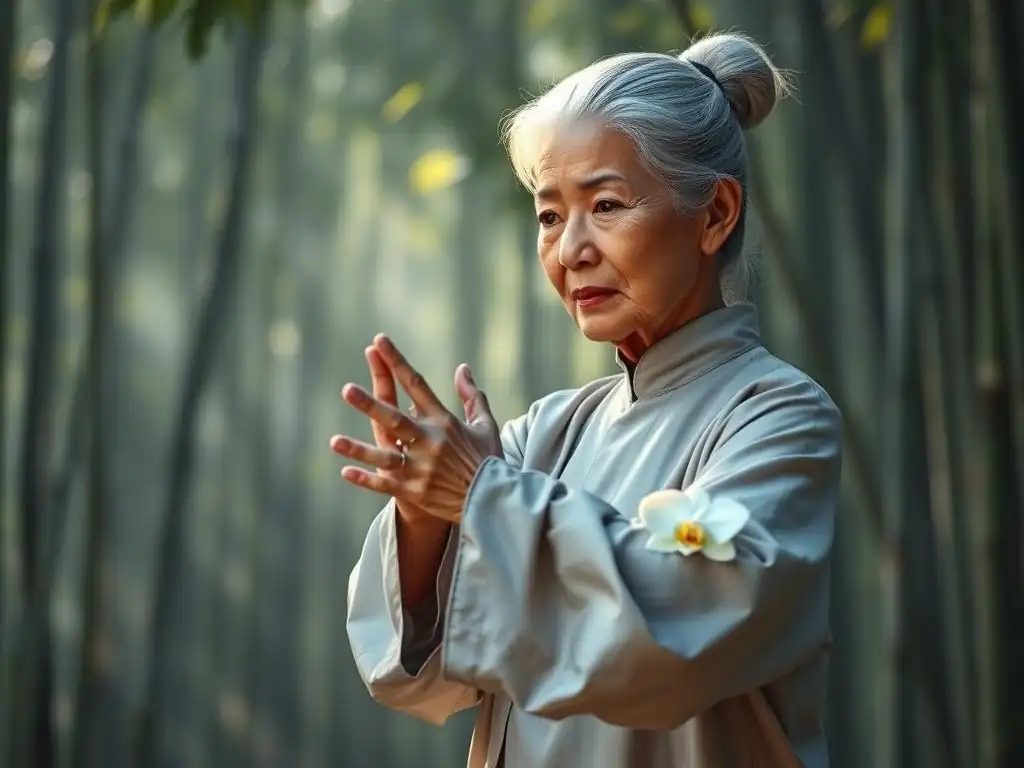
Welcome to Mind Care Guide, a sanctuary dedicated to nurturing your mental well-being.
Feeling overwhelmed by the pressures of modern life? Perhaps the answer lies not in forceful action, but in gentle movement. Discover the profound Tai chi mental fortitude benefits in our latest article. Uncover how this ancient practice cultivates inner strength and resilience, empowering you to navigate life's challenges with grace and balance. Intrigued? Let's explore how Tai Chi can unlock your inner peace and mental clarity...
Gentle Power: How Tai Chi Builds Mental Fortitude Without Intensity
- Understanding Tai Chi's Unique Approach to Mental Fortitude
- Tai Chi Mental Fortitude Benefits: A Comprehensive Look
- How Tai Chi Cultivates Mental Resilience: The Underlying Mechanisms
- Practical Tai Chi Exercises for Building Mental Fortitude
- Integrating Tai Chi into Your Mental Well-being Routine
- Tai Chi for Specific Mental Health Challenges
- Scientific Evidence Supporting Tai Chi's Impact on Mental Strength
- The Long-Term Benefits of Tai Chi for Mental Health and Resilience
- Conclusion: Embracing Tai Chi for a Stronger, More Resilient Mind
-
Frequently Asked Questions
- What exactly are the Tai Chi mental fortitude benefits that the article discusses?
- How does Tai Chi build mental fortitude without being an intense physical activity?
- Is Tai Chi suitable for individuals with pre-existing mental health challenges like anxiety or depression?
- How often should one practice Tai Chi to experience the mental well-being benefits?
- Where can I find reliable resources or instructors to learn Tai Chi and experience its mental fortitude benefits?
- Final Reflection: The Quiet Strength of Tai Chi
- Unleash Your Inner Calm: Take the First Step to Tai Chi
Understanding Tai Chi's Unique Approach to Mental Fortitude
The Essence of Tai Chi: Gentle Movement, Powerful Mind
Tai Chi, often described as "meditation in motion," is an ancient Chinese martial art practiced for health and spiritual development. Unlike strenuous workouts, Tai Chi involves slow, deliberate, flowing movements combined with deep breathing and mental focus. This gentle approach cultivates qi (life energy) and promotes relaxation, balance, and harmony within the body and mind. It's not about building physical strength through resistance or speed, but rather through graceful, continuous motion that enhances internal vitality and mental clarity.
The practice emphasizes proper posture, alignment, and the connection between each movement. Practitioners learn to coordinate breath with movement, guiding energy smoothly throughout the body. This focused attention on the present moment and the physical sensations during the flow of forms is a key aspect that distinguishes Tai Chi. It fosters a state of active, moving mindfulness, which is profoundly beneficial for developing mental resilience and fortitude without the physical strain or competitive pressure often associated with other exercise forms.
Dispelling Myths: Tai Chi is More Than Just Physical Exercise
A common misconception is that Tai Chi is merely a slow-paced physical activity, perhaps suitable only for the elderly or those with limited mobility. While it is accessible and offers significant physical benefits like improved balance and flexibility, its true power lies in its profound impact on mental and emotional states. The intricate coordination required, the mindful breathing, and the meditative focus elevate Tai Chi far beyond simple exercise; it is a holistic discipline that actively engages the mind as much as the body.
Tai Chi cultivates mental discipline by requiring practitioners to concentrate on sequences, maintain posture, and regulate breath simultaneously. This constant mental engagement strengthens neural pathways related to focus, memory, and cognitive control. Furthermore, the emphasis on yielding and softness, fundamental principles in Tai Chi, translates into mental flexibility and the ability to navigate challenges with less rigidity and more adaptability. It's a practice that builds mental fortitude by teaching the mind to be calm, focused, and resilient under pressure, whether internal or external.
Tai Chi Mental Fortitude Benefits: A Comprehensive Look
Key Benefits of Tai Chi for Mental Strength and Resilience
One of the most significant Tai chi mental fortitude benefits is its ability to enhance stress management. The slow, rhythmic movements and deep breathing activate the parasympathetic nervous system, counteracting the 'fight or flight' response triggered by stress. Regular practice helps lower levels of stress hormones like cortisol, leading to a calmer, more centered state of mind. Studies have indicated that participants practicing Tai Chi regularly reported significant reductions in perceived stress levels, sometimes by as much as 20-30% over several weeks compared to control groups.
Beyond stress reduction, Tai Chi fosters emotional regulation and resilience. By cultivating present moment awareness and a non-judgmental attitude towards thoughts and feelings, practitioners become better equipped to observe their emotions without being overwhelmed by them. This detachment allows for a more measured response to challenging situations, building emotional strength. Many individuals report feeling more grounded and less reactive after incorporating Tai Chi into their routines, finding it easier to bounce back from setbacks and maintain emotional equilibrium.
Tai Chi vs. High-Intensity Exercise: A Comparison for Mental Wellness
While high-intensity exercise like running or weightlifting offers undeniable mental health benefits, such as endorphin release and improved mood, Tai Chi provides a different pathway to mental wellness, particularly for building fortitude. High-intensity workouts can sometimes increase stress for individuals already feeling overwhelmed or dealing with conditions like chronic fatigue. They can also be competitive or require significant physical effort, which might not be suitable for everyone.
Tai Chi, conversely, builds mental fortitude through gentleness and internal focus. It doesn't rely on pushing physical limits but on cultivating internal calm and awareness. This makes it accessible to a wider range of people, including those recovering from illness, managing chronic pain, or simply seeking a less aggressive approach to stress reduction. The benefits of Tai chi for mental fortitude are achieved through consistent, mindful practice that strengthens the mind-body connection gently over time, rather than through acute physical exertion.
How Tai Chi Cultivates Mental Resilience: The Underlying Mechanisms
Mindfulness and Tai Chi: Enhancing Present Moment Awareness
Mindfulness is a cornerstone of Tai Chi practice. Each movement, breath, and posture requires focused attention, drawing the practitioner's awareness to the present moment. This deliberate engagement with the physical sensations and the flow of movement trains the mind to stay focused and less prone to wandering into worries about the past or future. This constant practice of bringing attention back to the present moment strengthens the 'muscle' of mindfulness, a crucial component of mental resilience.
By regularly practicing mindfulness within the moving framework of Tai Chi, individuals develop a greater capacity to observe thoughts and feelings without getting entangled in them. This detachment is vital for managing anxiety and stress, allowing one to acknowledge difficult emotions without being overwhelmed. The repetitive, flowing nature of the forms creates a meditative state that calms the nervous system and enhances the ability to remain present and centered even amidst internal or external turmoil.
Stress Reduction Through Tai Chi's Slow, Deliberate Movements
The slow, deliberate pace of Tai Chi movements directly contributes to stress reduction. Unlike activities that stimulate the sympathetic nervous system, Tai Chi encourages relaxation and the activation of the parasympathetic system, often referred to as the "rest and digest" state. The gentle, flowing motions, synchronized with deep, diaphragmatic breathing, signal to the body and mind that it is safe to relax.
This physiological response leads to a decrease in heart rate, blood pressure, and muscle tension. Regular practice helps regulate the body's stress response system, making individuals less reactive to everyday stressors. Over time, this consistent exposure to a calm, relaxed state during Tai Chi practice builds a baseline of reduced physiological stress, enhancing the overall Tai chi mental fortitude benefits by creating a more resilient foundation.
Emotional Regulation: Finding Balance in Tai Chi Practice
Tai Chi provides a practical framework for improving emotional regulation. The forms often involve transitions between Yin and Yang principles – concepts of yielding and asserting, softness and strength, emptiness and fullness. Practicing these transitions physically helps practitioners understand and embody balance, which translates into a greater capacity for emotional balance. Learning to move smoothly between opposing forces in the body mirrors the ability to navigate fluctuating emotional states.
Furthermore, the non-judgmental self-awareness cultivated in Tai Chi allows individuals to observe their emotional responses with greater clarity and acceptance. Instead of suppressing or reacting impulsively to emotions, practitioners learn to acknowledge them, understand their transient nature, and respond thoughtfully. This enhanced self-awareness and acceptance are key components of emotional intelligence and contribute significantly to building mental fortitude and resilience.
Practical Tai Chi Exercises for Building Mental Fortitude
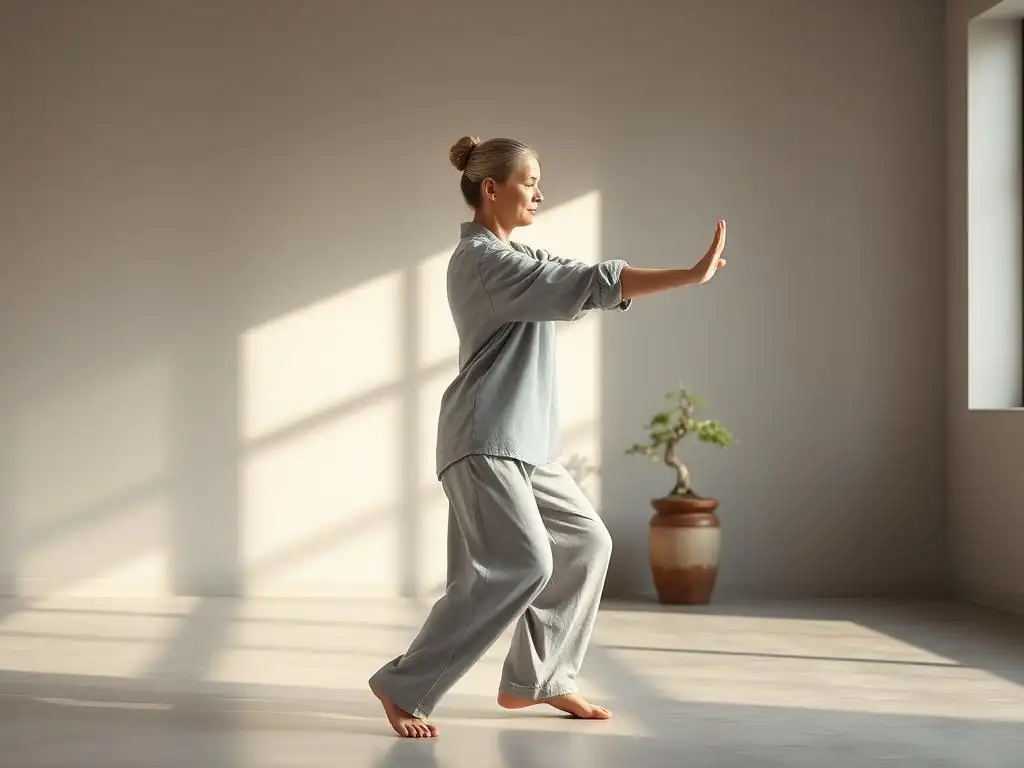
Simple Tai Chi Movements to Improve Focus and Concentration
Several fundamental Tai Chi movements can be practiced individually to enhance focus and concentration. A simple exercise is "Beginning the Form," which involves standing with feet shoulder-width apart, relaxing the body, and slowly raising the arms forward and up to shoulder height, then gently lowering them. This movement requires coordinating breath with the slow, deliberate motion and maintaining balance, training the mind to stay present and focused on the subtle physical sensations.
Another effective movement is "Ward Off," which involves stepping and shifting weight while performing a circular arm movement as if warding off an object. This requires intricate coordination between legs, torso, and arms, demanding sustained mental focus to execute smoothly. Practicing these isolated movements for just 5-10 minutes daily can significantly improve one's ability to concentrate and maintain attention, contributing directly to the Tai chi mental fortitude benefits.
Tai Chi Breathing Techniques for Calming the Mind
Deep, abdominal breathing is integral to Tai Chi and is a powerful tool for calming the mind. One basic technique is "abdominal breathing," where you inhale deeply through the nose, allowing the abdomen to expand, and exhale slowly through the mouth, letting the abdomen gently contract. The focus is on making the breath smooth, deep, and even.
A slightly more advanced technique involves coordinating the breath with movement, such as inhaling during an expansive movement (like raising arms) and exhaling during a contracting or lowering movement. This synchronization enhances the meditative quality of the practice and directly engages the parasympathetic nervous system, reducing anxiety and promoting a state of calm focus essential for building mental fortitude.
Cloud Hands: A Tai Chi Sequence for Mental Clarity
The "Cloud Hands" sequence is a fundamental and highly beneficial movement for cultivating mental clarity and flow. It involves shifting weight from side to side while rotating the torso and moving the hands in circular, cloud-like patterns in front of the body. One hand moves up while the other moves down, mirroring each other in a continuous flow.
Task: Practice Cloud Hands for 10 minutes daily.
- Find a quiet space.
- Stand with feet parallel, shoulder-width apart.
- Shift weight slowly from one leg to the other.
- Coordinate torso rotation with weight shift.
- Move hands in smooth, circular patterns in front of the chest.
- Breathe deeply and evenly throughout the movement.
- Maintain soft knees and relaxed shoulders.
This sequence requires continuous mental focus on coordination, balance, and the smooth flow of movement, leaving little room for distracting thoughts. The repetitive, rhythmic nature induces a meditative state, clearing the mind and enhancing cognitive function. Many practitioners find Cloud Hands to be particularly effective for releasing mental tension and promoting a sense of calm, focused presence, highlighting its contribution to Tai chi mental fortitude benefits.
Integrating Tai Chi into Your Mental Well-being Routine
Setting Realistic Goals for Tai Chi Practice and Mental Health
Integrating Tai Chi into a busy life requires setting realistic goals. Start small, perhaps aiming for 15-20 minutes of practice three times a week. Consistency is more important than duration or intensity. Identify specific mental health goals you hope to address, such as reducing daily stress, improving focus during tasks, or feeling more emotionally balanced.
Realistic Goals Checklist:
- [ ] Practice Tai Chi for 15 minutes, 3 times per week.
- [ ] Focus on deep breathing during practice sessions.
- [ ] Identify one specific movement to practice daily for focus.
- [ ] Journal briefly after practice about how you feel mentally.
- [ ] Gradually increase practice time or frequency over several weeks.
As you become more comfortable, you can gradually increase the length or frequency of your sessions. Be patient with yourself; building mental fortitude through Tai Chi is a gradual process. Celebrate small successes, like completing a session even when you felt tired, or noticing a moment of calm during a stressful day that you attribute to your practice.
Finding a Qualified Tai Chi Instructor or Online Resources
Learning Tai Chi properly, especially for its mental benefits, is greatly enhanced by guidance. A qualified instructor can correct posture, explain the underlying principles, and help you deepen your understanding of the mind-body connection. Look for instructors certified by reputable Tai Chi organizations or those with extensive teaching experience specifically focused on the health aspects of the practice.
If in-person classes are not feasible, numerous high-quality online resources are available, including video tutorials and structured courses. When using online resources, choose those that emphasize slow, clear instruction, proper form, and the meditative aspects of Tai Chi. While online learning offers flexibility, periodic feedback from an experienced practitioner, if possible, can be invaluable for ensuring you are practicing safely and effectively to maximize the Tai chi mental fortitude benefits.
Creating a Dedicated Practice Space and Time
Designating a specific space and time for your Tai Chi practice can significantly improve consistency and focus. Find a quiet area in your home or outdoors where you have enough room to move freely without bumping into objects. This space doesn't need to be large, perhaps just a few square meters. Ensure it is free from distractions like phones or televisions during your practice time.
Establish a regular time for practice, ideally when you are less likely to be interrupted. This could be first thing in the morning to set a calm tone for the day, or in the evening to unwind before bed. Treating your practice time as a non-negotiable appointment helps build a habit and signals to your mind that this is a dedicated period for self-care and cultivating mental strength. Consistency in time and space reinforces the habit and deepens the meditative experience.
Tai Chi for Specific Mental Health Challenges
Tai Chi for Anxiety: Calming the Nervous System
Tai Chi's emphasis on slow movement, deep breathing, and mindfulness makes it exceptionally effective for managing anxiety. The rhythmic, predictable nature of the forms provides a sense of grounding and safety, which can be incredibly soothing for an overactive nervous system. By focusing on the physical sensations and the breath, practitioners learn to anchor themselves in the present moment, reducing the tendency to get lost in anxious thoughts about potential future threats.
Research has shown that regular Tai Chi practice can significantly reduce anxiety symptoms. A meta-analysis of studies, for example, found that Tai Chi interventions led to moderate reductions in anxiety scores, comparable in some cases to the effects of conventional exercise programs but often with greater accessibility and lower perceived exertion. The practice teaches individuals how to consciously relax and regulate their physiological responses to stress, building resilience against anxious feelings.
Tai Chi for Depression: Promoting Positive Mood and Energy
For individuals struggling with depression, Tai Chi offers a gentle yet active way to combat lethargy and low mood. The physical movement, even at a slow pace, helps to increase circulation and energy levels. The social aspect of group classes can combat feelings of isolation often associated with depression. Furthermore, the focus required by the forms distracts from negative rumination and encourages a more positive, present-oriented mindset.
Studies have indicated that Tai Chi can lead to improvements in mood and a reduction in depressive symptoms. Participants in Tai Chi programs often report increased vitality, better sleep, and a greater sense of well-being. While not a replacement for clinical treatment, Tai Chi serves as a valuable complementary therapy, providing a sense of accomplishment, promoting gentle physical activity, and fostering a connection between mind and body that can help lift the weight of depressive states.
Tai Chi for PTSD: Rebuilding a Sense of Safety and Control
Tai Chi can be particularly beneficial for individuals with Post-Traumatic Stress Disorder (PTSD). The gentle, controlled movements and focus on grounding in the present moment can help survivors feel safer in their bodies. Unlike some forms of exercise that might trigger hypervigilance, Tai Chi's slow pace and emphasis on softness create a non-threatening environment for movement and self-awareness.
The practice helps to regulate the nervous system, which is often dysregulated in PTSD. By teaching conscious breathing and mindful movement, Tai Chi provides tools for self-regulation during moments of distress. It helps individuals gently reconnect with their physical sensations without being overwhelmed, gradually rebuilding a sense of control and safety within their own bodies. Many trauma-informed practitioners recommend Tai Chi as a way to process somatic symptoms of trauma in a gentle, empowering way, contributing significantly to the Tai chi mental fortitude benefits for this population.
Scientific Evidence Supporting Tai Chi's Impact on Mental Strength
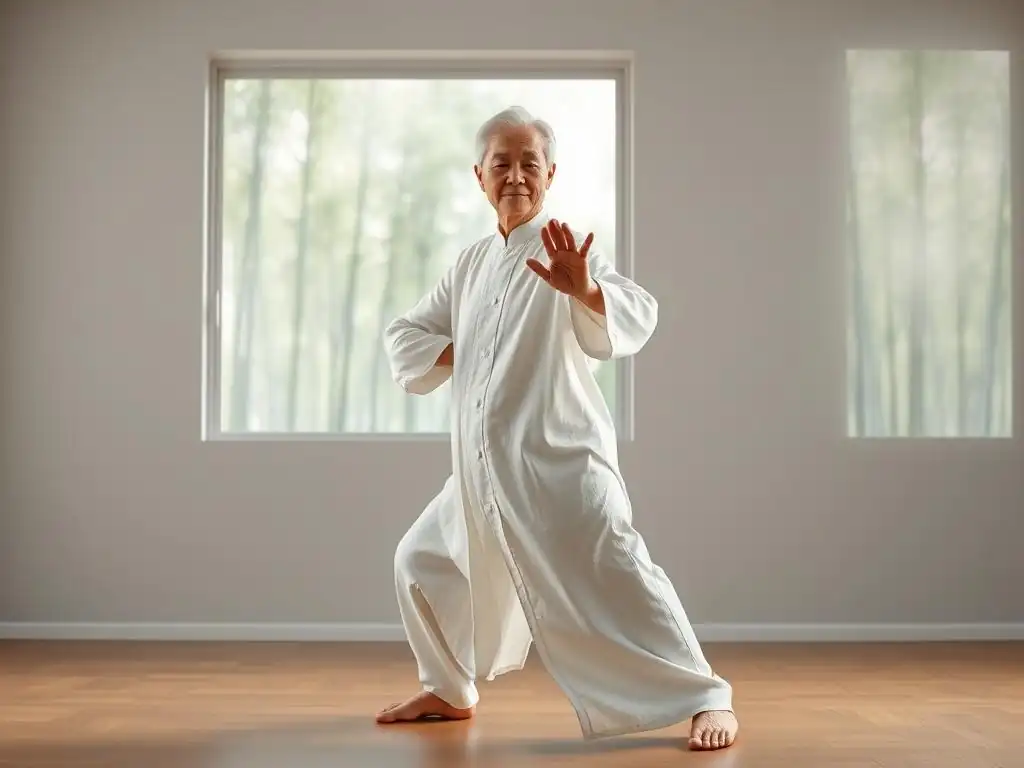
Research Studies on Tai Chi and Mental Well-being
Numerous research studies have investigated the impact of Tai Chi on various aspects of mental well-being, consistently demonstrating its positive effects. A significant body of evidence points towards Tai Chi's effectiveness in reducing stress, anxiety, and depression. For example, a review published in the Journal of Psychiatric Research analyzed multiple studies and concluded that Tai Chi interventions led to statistically significant improvements in symptoms across these conditions.
Beyond symptom reduction, studies also highlight Tai Chi's role in improving cognitive function, particularly in older adults. Research has shown enhancements in executive function, memory, and attention span among regular practitioners. These findings underscore that the Tai chi mental fortitude benefits extend beyond emotional regulation to include tangible improvements in cognitive performance and mental sharpness.
The Neurobiological Effects of Tai Chi on Brain Function
Emerging research is beginning to uncover the neurobiological mechanisms behind Tai Chi's mental benefits. Studies using fMRI (functional magnetic resonance imaging) have shown that Tai Chi practice can lead to changes in brain activity patterns associated with attention, emotional regulation, and stress processing. For instance, some research suggests increased connectivity in brain regions involved in self-regulation and decreased activity in areas associated with the stress response, such as the amygdala.
Furthermore, Tai Chi has been linked to increased levels of brain-derived neurotrophic factor (BDNF), a protein that supports the survival and growth of neurons, potentially enhancing neuroplasticity and cognitive function. While research is ongoing, these findings provide a scientific basis for understanding how the gentle movements and mindful focus of Tai Chi physically alter the brain to support enhanced mental strength and resilience, confirming the profound Tai chi mental fortitude benefits.
The Long-Term Benefits of Tai Chi for Mental Health and Resilience
Cultivating a Sustainable Practice for Lasting Mental Fortitude
The long-term Tai chi mental fortitude benefits are realized through consistent and sustainable practice. Tai Chi is not a quick fix but a journey of continuous learning and refinement. Committing to regular sessions, even short ones, over months and years allows the principles of mindfulness, balance, and gentle strength to become deeply ingrained, transforming not just moments but overall disposition and resilience.
Over time, practitioners often find that the calm and focus cultivated during Tai Chi sessions naturally extend into their daily lives. They become more mindful in interactions, more centered during challenges, and better able to manage stress responses automatically. This sustained practice builds a deep well of mental fortitude, enabling individuals to navigate life's inevitable difficulties with greater grace and resilience.
Tai Chi as a Tool for Proactive Mental Wellness
Viewing Tai Chi as a tool for proactive mental wellness shifts the focus from merely treating symptoms to actively cultivating mental strength and preventing distress. Rather than waiting until anxiety or stress becomes overwhelming, regular Tai Chi practice builds internal resources that make individuals less susceptible to these states in the first place. It's an investment in long-term psychological health.
By consistently nurturing the mind-body connection, regulating the nervous system, and enhancing emotional awareness, Tai Chi empowers individuals to take charge of their mental well-being. It provides a reliable, accessible method for maintaining mental clarity, emotional balance, and a foundational sense of calm, serving as a powerful strategy for building enduring Tai chi mental fortitude.
Conclusion: Embracing Tai Chi for a Stronger, More Resilient Mind
Frequently Asked Questions
What exactly are the Tai Chi mental fortitude benefits that the article discusses?
The article highlights how Tai Chi can improve mental resilience, stress management, and emotional regulation. It promotes a calm and focused mind.
How does Tai Chi build mental fortitude without being an intense physical activity?
Tai Chi utilizes slow, deliberate movements combined with mindful breathing. This combination promotes relaxation and reduces stress hormones, indirectly building mental resilience.
Is Tai Chi suitable for individuals with pre-existing mental health challenges like anxiety or depression?
Yes, Tai Chi can be a complementary therapy for individuals with anxiety or depression. However, it is important to consult with a healthcare professional first.
How often should one practice Tai Chi to experience the mental well-being benefits?
While individual results may vary, practicing Tai Chi several times a week for at least 30 minutes can lead to noticeable improvements in mental clarity and emotional stability.
Where can I find reliable resources or instructors to learn Tai Chi and experience its mental fortitude benefits?
You can search for certified Tai Chi instructors in your local area or explore online resources and classes. Mind Care Guide may also offer relevant information and resources.
Final Reflection: The Quiet Strength of Tai Chi
The gentle movements of Tai Chi Chuan offer a potent antidote to the frenetic pace of modern life, cultivating mental fortitude not through brute force, but through mindful awareness and deliberate practice. In a world obsessed with achieving more, faster, Tai Chi's emphasis on inner peace and sustained effort provides a refreshing and increasingly relevant approach to building resilience and strength. Its benefits extend far beyond physical health, offering a pathway to a calmer, more centered self.
The impact of Tai Chi on my own life has been profound. It's not just about the physical benefits, though those are undeniable; it's about the cultivation of a quiet inner strength that allows me to navigate challenges with greater clarity and composure. The highest form of intelligence is to possess the ability to adapt to change.
This quote, often attributed to Albert Einstein, perfectly encapsulates the spirit of Tai Chi – its ability to help us adapt to the ever-shifting landscape of life with grace and resilience. The practice teaches us to be flexible, not rigid, to find strength in stillness, not in frantic activity.
Now, consider your own life. Are you feeling overwhelmed by the demands of daily life? Do you crave a sense of inner peace and resilience? Tai Chi offers a pathway to both. I encourage you to explore this ancient practice, to discover the quiet strength that resides within you, and to cultivate a deeper connection to your mind and body. Begin with a single movement, a single breath, and allow the gentle power of Tai Chi to transform your life.
Unleash Your Inner Calm: Take the First Step to Tai Chi
Thanks for taking the time to explore the gentle power of Tai Chi with us! We hope you gained a new appreciation for this ancient practice and its profound impact on mental well-being. Ready to experience these benefits firsthand?
- Begin your Tai Chi journey: Find a local class or online tutorial – even just 10 minutes a day can make a difference!
- Share this article with someone who could benefit from discovering the calming power of Tai Chi. Let's spread the word!
- Try a simple Tai Chi breathing exercise right now: Close your eyes, focus on your breath, and feel the tension melt away.
What small step will you take today to cultivate inner calm and strength?