
The AntiInflammatory Diet: A Cornerstone of Holistic Mental SelfCare


Welcome to Mind Care Guide, where we believe in nurturing your mental well-being from all angles. Feeling overwhelmed or stuck? You're not alone. Did you know that what you eat can significantly impact your mood and cognitive function? Dive into our in-depth exploration of the Antiinflammatory Diet and its surprising connection to mental health, and discover practical steps you can take today to cultivate a happier, healthier mind. Are you ready to unlock the power of food for your mental self-care?
The Anti-Inflammatory Diet: A Cornerstone of Holistic Mental Self-Care
- Understanding the Anti-Inflammatory Diet for Mental Well-being
- Key Principles of an Anti-Inflammatory Diet for Improved Mood and Cognition
-
Top Anti-Inflammatory Foods for Mental Health Enhancement
- Berries: Nature's Antioxidant Powerhouse
- Fatty Fish: The Omega-3 Connection to Brain Health
- Leafy Greens: Nutrient-Rich Support for Mental Well-being
- Nuts and Seeds: Healthy Fats and Essential Minerals
- Turmeric: The Anti-Inflammatory Spice with Mental Health Benefits
- Olive Oil: A Mediterranean Staple for Brain Health
- Implementing the Anti-Inflammatory Diet: A Practical Guide
- The Anti-Inflammatory Diet and Specific Mental Health Conditions
- Beyond Diet: Complementary Practices for Holistic Mental Self-Care
- Consulting a Healthcare Professional: Personalized Guidance and Support
- Conclusion: Embracing the Anti-Inflammatory Diet for a Healthier Mind
-
Frequently Asked Questions
- What is the connection between an anti-inflammatory diet and mental health?
- What are some key foods to include in an anti-inflammatory diet for mental health?
- How quickly can someone expect to see mental health benefits from adopting an anti-inflammatory diet?
- Are there any specific foods that should be avoided on an anti-inflammatory diet for mental health?
- Can an anti-inflammatory diet replace traditional mental health treatments like therapy or medication?
- Final Reflection: Nourishing the Mind, Body, and Soul
- Unleash Your Mind's Potential: Nourish Your Way to Well-being
Understanding the Anti-Inflammatory Diet for Mental Well-being
The Link Between Inflammation and Mental Health
Chronic, low-grade inflammation in the body has emerged as a significant factor influencing mental well-being. Research indicates a strong correlation between elevated markers of inflammation, such as C-reactive protein (CRP) and pro-inflammatory cytokines like IL-6 and TNF-alpha, and an increased risk and severity of various mental health conditions, including depression and anxiety.
For instance, meta-analyses of studies have consistently shown that individuals diagnosed with major depressive disorder often exhibit significantly higher levels of inflammatory markers compared to non-depressed individuals, sometimes reporting levels up to 50% higher on average. This suggests that inflammation isn't just a physical process but can actively impact brain function and mood regulation.
The brain, once thought to be relatively isolated from the immune system, is profoundly affected by systemic inflammation. Inflammatory molecules can cross the blood-brain barrier or stimulate cells within the brain (like microglia) to release their own inflammatory compounds. This neuroinflammation can disrupt neurotransmitter pathways, impair neurogenesis (the growth of new brain cells), and alter synaptic plasticity, all of which are critical for mood, cognition, and emotional resilience.
Studies involving individuals with chronic inflammatory conditions, such as rheumatoid arthritis or inflammatory bowel disease, frequently report co-occurring symptoms of depression and fatigue, further highlighting the intricate link between physical inflammation and psychological distress. Addressing inflammation through dietary choices is becoming recognized as a vital part of a holistic approach to mental health.
What is the Anti-Inflammatory Diet? A Detailed Explanation
An anti-inflammatory diet is not a restrictive meal plan but rather a pattern of eating that emphasizes foods known for their inflammation-fighting properties while limiting those that can promote inflammation. It's grounded in the principles of consuming whole, unprocessed foods rich in antioxidants, omega-3 fatty acids, fiber, and beneficial phytonutrients. The typical Western diet, often high in refined sugars, unhealthy fats, and processed ingredients, is pro-inflammatory, meaning it tends to increase inflammatory responses in the body. In contrast, an anti-inflammatory eating pattern aims to dampen this response.
Key components of this dietary approach include abundant intake of colorful fruits and vegetables, fatty fish, nuts, seeds, whole grains, legumes, herbs, and spices. These foods provide essential nutrients and bioactive compounds that help neutralize free radicals, regulate immune responses, and support overall cellular health.
Foods to limit or avoid generally include red and processed meats, refined carbohydrates (white bread, pasta, sugary snacks), sugary drinks, and foods high in trans and saturated fats. The focus is on creating a balanced and sustainable way of eating that supports not just physical health but also the intricate connection between the gut, immune system, and brain, promoting better antiinflammatory diet mental health outcomes.
Why Choose an Anti-Inflammatory Approach for Mental Health?
Choosing an anti-inflammatory diet specifically for mental health offers a proactive strategy to address potential underlying biological contributors to mood and cognitive challenges. While traditional mental health treatments often focus on psychotherapy and medication, incorporating dietary changes provides a complementary pathway to support brain function and emotional stability from within.
Scientific evidence increasingly points to the gut-brain axis – the bidirectional communication system between the digestive system and the brain – as a crucial player in mental health, and diet significantly impacts this axis by influencing gut microbiota composition and inflammatory signaling. A diet rich in fiber and plant-based compounds, characteristic of an anti-inflammatory plan, fosters a diverse and healthy gut microbiome, which in turn can produce beneficial compounds that positively influence mood and cognitive function.
Moreover, the nutrients emphasized in an anti-inflammatory diet are often those that the brain heavily relies on for optimal performance. For example, omega-3 fatty acids are critical components of brain cell membranes, and deficiencies have been linked to impaired cognitive function and increased risk of mood disorders. Antioxidants protect brain cells from oxidative stress, a process linked to neuroinflammation and neurodegenerative conditions.
By systematically increasing the intake of these protective nutrients and reducing inflammatory triggers, individuals can potentially mitigate neuroinflammation, improve neurotransmitter balance, and enhance overall brain resilience. This dietary approach offers a powerful, accessible tool for enhancing antiinflammatory diet mental health as part of a broader self-care strategy.
Key Principles of an Anti-Inflammatory Diet for Improved Mood and Cognition
Focus on Whole, Unprocessed Foods
The foundation of an anti-inflammatory diet for mental health lies in choosing foods that are as close to their natural state as possible. Whole foods retain their full spectrum of nutrients, including vitamins, minerals, fiber, and phytonutrients, which work synergistically in the body to reduce inflammation. Processed foods, on the other hand, often lose valuable nutrients during manufacturing and frequently contain added sugars, unhealthy fats, and artificial additives that can trigger inflammatory responses.
For example, a whole apple contains fiber, vitamins, and antioxidants that are largely absent in apple juice or apple-flavored candy. By prioritizing whole grains over refined grains, fresh fruits and vegetables over packaged snacks, and lean proteins over processed meats, you provide your body and brain with the building blocks needed to manage inflammation effectively and support cognitive function.
Embracing whole foods also naturally increases your intake of dietary fiber, a critical component for gut health. Fiber acts as a prebiotic, feeding beneficial gut bacteria, which then produce short-chain fatty acids (SCFAs) like butyrate. Butyrate has potent anti-inflammatory effects, both in the gut and systemically, and can even cross the blood-brain barrier to influence brain health and mood.
Studies suggest that a diet high in fiber, typical of whole-food-based anti-inflammatory eating, can lead to improvements in mood and a reduction in anxiety symptoms, partly through its positive effects on the gut microbiome and reduced inflammation. Shifting your focus to minimally processed ingredients is a fundamental step in building an effective antiinflammatory diet mental health strategy.
Prioritizing Fruits and Vegetables Rich in Antioxidants
Fruits and vegetables are cornerstones of any anti-inflammatory eating plan, particularly for their high concentration of antioxidants and phytonutrients. Antioxidants, such as Vitamin C, Vitamin E, carotenoids, and flavonoids, help protect cells from damage caused by free radicals, unstable molecules that contribute to inflammation and oxidative stress.
Oxidative stress in the brain is linked to impaired cognitive function and neuroinflammation, making antioxidant-rich foods vital for mental well-being. Aiming for a wide variety of colors in your produce intake ensures you get a broad spectrum of these protective compounds; for example, vibrant berries are rich in anthocyanins, leafy greens in lutein and zeaxanthin, and orange vegetables in beta-carotene.
Research consistently shows that higher consumption of fruits and vegetables is associated with a lower risk of depression and anxiety. A large study involving over 60,000 participants found that those who ate more fruits and vegetables reported higher levels of happiness and life satisfaction.
While correlation doesn't equal causation, the nutrient density and anti-inflammatory properties of these foods are believed to play a significant role. Incorporating multiple servings of diverse fruits and vegetables into daily meals provides the body with powerful tools to combat inflammation, support brain health, and foster better mood and cognitive function, making them essential components of an antiinflammatory diet mental health regimen.
Incorporating Healthy Fats: Omega-3s and Mental Function
Not all fats are created equal when it comes to inflammation and mental health. While saturated and trans fats can promote inflammation, healthy fats, particularly omega-3 fatty acids, have potent anti-inflammatory effects and are crucial for brain structure and function. The brain is composed of nearly 60% fat, and a significant portion of this is made up of omega-3 fatty acids, specifically EPA (eicosapentaenoic acid) and DHA (docosahexaenoic acid). These fats are integral components of cell membranes, influencing their fluidity and the communication between brain cells.
Numerous studies have highlighted the link between omega-3 intake and mental health. Populations with higher dietary consumption of fatty fish, a primary source of EPA and DHA, tend to have lower rates of depression. Clinical trials have shown that omega-3 supplementation can be effective as an adjunctive therapy for depression, sometimes showing effects comparable to antidepressants in mild to moderate cases.
While the body can convert some ALA (alpha-linolenic acid) from plant sources like flaxseeds into EPA and DHA, the conversion rate is generally low (often less than 5-10%). Therefore, incorporating direct sources of EPA and DHA, primarily from fatty fish like salmon, mackerel, and sardines, or algae-based supplements, is highly recommended for maximizing the mental health benefits of an anti-inflammatory diet.
Choosing Lean Proteins and Plant-Based Options
Protein is essential for overall health and provides the building blocks for neurotransmitters, which are critical for regulating mood and cognitive function. In an anti-inflammatory diet for mental health, the source of protein matters. Lean animal proteins, such as poultry and fish, are preferred over red and processed meats, which can be higher in saturated fat and compounds that may promote inflammation. Fish, particularly fatty varieties, offers the added benefit of omega-3s, as discussed earlier.
Plant-based protein sources like legumes (beans, lentils, chickpeas), tofu, tempeh, nuts, and seeds are excellent choices as they are typically lower in saturated fat and rich in fiber, vitamins, minerals, and phytonutrients. These plant-based options contribute to the overall anti-inflammatory profile of the diet and support gut health. Including a variety of protein sources ensures adequate intake of essential amino acids necessary for neurotransmitter synthesis and overall brain health.
For example, tryptophan, an amino acid found in many protein-rich foods, is a precursor to serotonin, a neurotransmitter often associated with mood regulation. A balanced intake of lean and plant-based proteins supports both physical and mental vitality within an antiinflammatory diet mental health framework.
Limiting Processed Foods, Sugar, and Unhealthy Fats
To effectively combat inflammation and support mental well-being, it is crucial to significantly limit or eliminate foods known to promote inflammation. Processed foods are often high in refined sugars, unhealthy fats (trans fats and excessive saturated fats), and artificial ingredients.
Refined sugar, in particular, can trigger inflammatory pathways in the body and contribute to blood sugar spikes and crashes, which can negatively impact mood and energy levels. A study published in the British Journal of Psychiatry found that a diet high in processed foods and sugar was associated with an increased risk of depression, while a diet rich in whole foods was protective.
Unhealthy fats, such as trans fats found in many fried foods and baked goods, and excessive amounts of saturated fats from fatty meats and full-fat dairy, can increase levels of inflammatory markers in the body. Limiting these foods frees up dietary space for nutrient-dense, anti-inflammatory options.
Making conscious choices to reduce intake of sugary drinks, candies, fast food, and highly processed snacks is a critical step in adopting an anti-inflammatory lifestyle. This shift not only benefits physical health by reducing the risk of chronic diseases but also plays a direct role in improving mood, cognitive function, and overall antiinflammatory diet mental health.
Top Anti-Inflammatory Foods for Mental Health Enhancement
Berries: Nature's Antioxidant Powerhouse
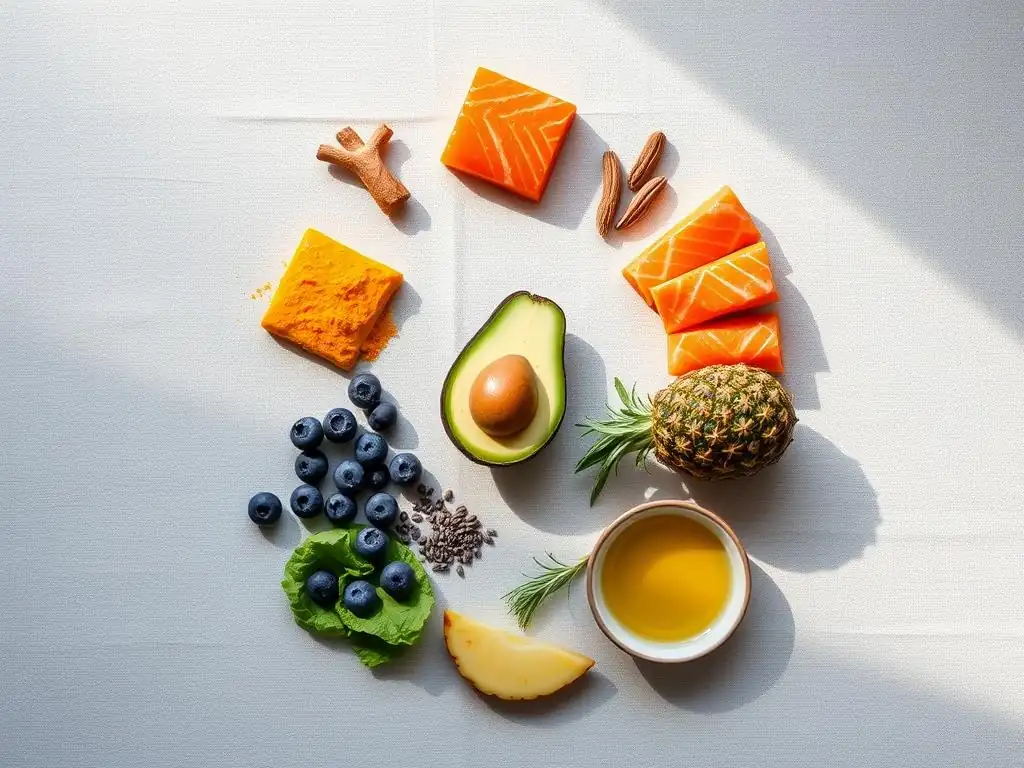
Berries, such as blueberries, strawberries, raspberries, and blackberries, are renowned for their exceptionally high levels of antioxidants, particularly anthocyanins, which give them their vibrant colors. These powerful compounds help combat oxidative stress and reduce inflammation throughout the body, including in the brain. Research has shown that the antioxidants in berries can cross the blood-brain barrier, where they can exert protective effects on brain cells, improve communication between neurons, and potentially enhance cognitive function and memory.
Studies in older adults have suggested that regular consumption of blueberries, for example, can lead to improvements in memory and executive function, possibly by reducing neuroinflammation. A single cup of blueberries can contain hundreds of milligrams of potent antioxidants. Incorporating a variety of berries into your diet – whether in smoothies, on yogurt, or simply as a snack – is a delicious and effective way to boost your intake of inflammation-fighting compounds crucial for supporting antiinflammatory diet mental health.
Fatty Fish: The Omega-3 Connection to Brain Health
Fatty fish, including salmon, mackerel, sardines, anchovies, and herring, are among the richest dietary sources of the omega-3 fatty acids EPA and DHA. As previously discussed, these fats are essential for brain structure and function and possess significant anti-inflammatory properties. They can help reduce the production of inflammatory molecules like prostaglandins and cytokines.
Regular consumption of fatty fish has been associated with a lower risk of depression and anxiety in observational studies. Clinical trials investigating omega-3 supplementation for mood disorders have often shown positive results, particularly when using formulations with higher ratios of EPA.
For instance, consuming just two servings of fatty fish per week can provide a substantial amount of EPA and DHA, often totaling over 1000 mg, which is within the range shown to have therapeutic benefits in some studies. Including fatty fish as a regular part of your antiinflammatory diet mental health plan is a cornerstone for supporting brain health and emotional resilience.
Leafy Greens: Nutrient-Rich Support for Mental Well-being
Leafy green vegetables like spinach, kale, collard greens, and Swiss chard are nutritional powerhouses packed with vitamins (A, C, K), minerals (folate, magnesium), fiber, and a wide array of antioxidants and phytonutrients. These nutrients work together to reduce inflammation and support overall health. Folate, for instance, is crucial for neurotransmitter synthesis, and deficiency has been linked to depression. Magnesium plays a role in numerous biochemical reactions, including those related to stress response and mood regulation.
The antioxidants in leafy greens, such as lutein and zeaxanthin, have been shown to accumulate in the brain and may offer protection against cognitive decline. A study from Rush University found that older adults who ate about one serving of leafy greens per day had a slower rate of cognitive decline compared to those who ate fewer leafy greens. Their brains appeared, on average, 11 years younger cognitively. Adding generous portions of leafy greens to salads, stir-fries, or soups is an easy way to load up on inflammation-fighting nutrients vital for supporting antiinflammatory diet mental health.
Nuts and Seeds: Healthy Fats and Essential Minerals
Nuts and seeds are excellent sources of healthy monounsaturated and polyunsaturated fats, including some omega-3 fatty acids (particularly ALA in walnuts and flaxseeds). They also provide fiber, protein, vitamins (like Vitamin E, a powerful antioxidant), and minerals (like magnesium and zinc) that are important for brain health and mood regulation. For example, a quarter cup of walnuts provides several hundred milligrams of ALA.
Regular consumption of nuts and seeds has been linked to reduced inflammation markers and improved cardiovascular health, which in turn supports brain health. Magnesium, abundant in pumpkin seeds and almonds, is often deficient in individuals with depression, and adequate levels are crucial for managing stress. Zinc, found in pumpkin seeds and cashews, is involved in neurotransmitter function, and deficiency can impair mood. While calorie-dense, a small handful of nuts or seeds daily can contribute significantly to the anti-inflammatory profile of your diet and provide essential nutrients for optimal antiinflammatory diet mental health.
Turmeric: The Anti-Inflammatory Spice with Mental Health Benefits
Turmeric, a golden spice widely used in Indian cuisine, contains a powerful active compound called curcumin. Curcumin is a potent antioxidant and anti-inflammatory agent that has been studied for its potential therapeutic effects on various conditions, including depression and anxiety. It is believed to work by inhibiting inflammatory enzymes and molecules in the body and brain.
Research suggests that curcumin can influence neurotransmitters like serotonin and dopamine and may also promote Brain-Derived Neurotrophic Factor (BDNF), a protein that supports the growth, survival, and function of brain cells, often found at lower levels in individuals with depression. While the amount of curcumin in turmeric spice varies, consuming several grams of turmeric powder (like in a curry or golden milk) can provide a notable dose.
For therapeutic effects, concentrated curcumin extracts are often used in studies, sometimes showing improvements in depressive symptoms comparable to conventional antidepressants in some trials. Incorporating turmeric into your cooking is a flavorful way to add a powerful anti-inflammatory boost to your antiinflammatory diet mental health efforts.
Olive Oil: A Mediterranean Staple for Brain Health
Extra virgin olive oil, a cornerstone of the Mediterranean diet, is rich in monounsaturated fats and polyphenols, which are powerful antioxidants and anti-inflammatory compounds. Oleocanthal, a specific polyphenol found in extra virgin olive oil, has properties similar to non-steroidal anti-inflammatory drugs (NSAIDs), though its effects are milder.
Studies on the Mediterranean diet, which features olive oil prominently, have consistently shown associations with a lower risk of depression and cognitive decline. The healthy fats and antioxidants in olive oil help protect brain cells from oxidative damage and inflammation.
Using extra virgin olive oil as a primary cooking fat and in salad dressings is an excellent way to incorporate these benefits. Research indicates that consuming just a few tablespoons of high-quality extra virgin olive oil daily can contribute significantly to reducing inflammatory markers and supporting cardiovascular and brain health, reinforcing its role in an effective antiinflammatory diet mental health approach.
Implementing the Anti-Inflammatory Diet: A Practical Guide
Creating an Anti-Inflammatory Meal Plan for Mental Health
Transitioning to an anti-inflammatory diet doesn't have to be overwhelming. Start by focusing on incorporating more anti-inflammatory foods into your existing meals rather than drastically eliminating everything at once.
A good strategy is to plan your meals around the key food groups: plenty of colorful vegetables and fruits, a source of lean or plant-based protein, healthy fats, and whole grains or legumes. For example, a typical anti-inflammatory day might include oatmeal with berries and nuts for breakfast, a large salad with leafy greens, vegetables, chickpeas, and olive oil dressing for lunch, and baked salmon with roasted vegetables and quinoa for dinner.
Consider batch cooking staples like quinoa, lentils, or roasted vegetables to make meal preparation easier during the week. Planning helps ensure you have healthy options readily available, reducing the temptation to grab processed foods. Aim to include at least one source of omega-3s daily, whether from fatty fish, flaxseeds, chia seeds, or walnuts. Prioritize fresh, seasonal produce for maximum nutrient density and flavor. Building a meal plan around these principles makes adopting an antiinflammatory diet mental health approach more manageable and sustainable.
Sample Anti-Inflammatory Recipes for Mental Wellness
Incorporating anti-inflammatory foods can be delicious and varied. Here are a few simple recipe ideas:
- Breakfast:
- Overnight Oats with Berries, Chia Seeds, and Walnuts (combines whole grains, omega-3s, antioxidants, fiber)
- Scrambled Eggs with Spinach and Turmeric (lean protein, leafy greens, anti-inflammatory spice)
- Lunch:
- Lentil Soup with Mixed Vegetables (legumes, fiber, diverse nutrients)
- Large Salad with Grilled Chicken or Chickpeas, Avocado, and Olive Oil Vinaigrette (lean protein/plant protein, healthy fats, antioxidants, fiber)
- Dinner:
- Baked Salmon with Roasted Broccoli and Sweet Potato (omega-3s, fiber, antioxidants)
- Vegetable Curry with Turmeric and Coconut Milk, served with Brown Rice (diverse vegetables, anti-inflammatory spices, healthy fats, whole grain)
- Snacks:
- Apple Slices with Almond Butter (fiber, healthy fats)
- Handful of Walnuts and Blueberries (omega-3s, antioxidants, fiber)
These examples show how easy it is to combine multiple anti-inflammatory ingredients into satisfying meals. Experiment with different combinations and spices like ginger, garlic, and cinnamon, which also have anti-inflammatory properties. Cooking at home allows you to control ingredients and avoid hidden sugars and unhealthy fats found in many restaurant or convenience foods, supporting your antiinflammatory diet mental health journey.
Tips for Sticking to an Anti-Inflammatory Diet Long-Term
Consistency is key for reaping the long-term mental health benefits of an anti-inflammatory diet. Here are some tips to help you stay on track:
- Start Gradually: Don't try to change everything overnight. Begin by incorporating one new anti-inflammatory food each week or focusing on replacing one pro-inflammatory food (like sugary drinks) with a healthy alternative.
- Educate Yourself: Learn about the specific benefits of different anti-inflammatory foods and how they impact your body and mind. Understanding the 'why' can be a powerful motivator.
- Find Enjoyable Recipes: Discover delicious recipes that fit the anti-inflammatory guidelines. Eating should be pleasurable, not a chore.
- Plan and Prepare: Meal planning and batch cooking save time and make healthy choices easier when you're busy.
- Focus on Addition, Not Just Restriction: Concentrate on adding more fruits, vegetables, healthy fats, and fiber rather than dwelling on the foods you're limiting.
- Manage Stress and Sleep: Diet is one part of holistic health. Ensure you're also addressing stress levels and getting adequate sleep, as these factors significantly influence inflammation and mental health.
- Be Patient and Kind to Yourself: Dietary changes take time to show results. Don't aim for perfection. If you slip up, simply get back on track at your next meal.
[ ] Incorporate 2+ servings of leafy greens daily.
[ ] Eat a handful of nuts or seeds daily.
[ ] Include berries in breakfast or snacks 3-4 times per week.
[ ] Aim for 2 servings of fatty fish per week OR take an omega-3 supplement.
[ ] Use olive oil as primary cooking fat.
[ ] Replace sugary drinks with water or herbal tea.
[ ] Limit processed snacks to once or twice a week.
These steps can help make an anti-inflammatory lifestyle feel less daunting and more sustainable, reinforcing your commitment to antiinflammatory diet mental health.
Addressing Potential Challenges and Solutions
Adopting any new dietary pattern can present challenges. One common hurdle is the cost of fresh produce and healthy proteins.
- Solution: Look for seasonal produce, which is often cheaper and more nutrient-dense. Frozen fruits and vegetables are just as nutritious as fresh and can be more economical. Buying in bulk for staples like dried beans, lentils, and certain grains can also save money. Planning meals to use ingredients efficiently reduces waste.
- Another challenge might be finding convenient anti-inflammatory options when eating out or traveling.
- Solution: Research restaurant menus online beforehand to identify healthier choices like salads, grilled fish, or vegetable-based dishes. When traveling, pack non-perishable anti-inflammatory snacks like nuts, seeds, or fruit. Prioritize meals that include plenty of vegetables and lean proteins.
- Dealing with cravings for processed foods or sugary items can also be difficult, especially in the initial stages.
- Solution: Ensure you are eating enough satisfying meals to prevent extreme hunger. Identify your craving triggers and find healthy alternatives (e.g., instead of ice cream, try frozen berries with a sprinkle of nuts). Focus on the positive feelings and energy you gain from eating well. Remembering your goal of supporting your antiinflammatory diet mental health can provide motivation.
The Anti-Inflammatory Diet and Specific Mental Health Conditions
Anti-Inflammatory Diet for Anxiety Reduction
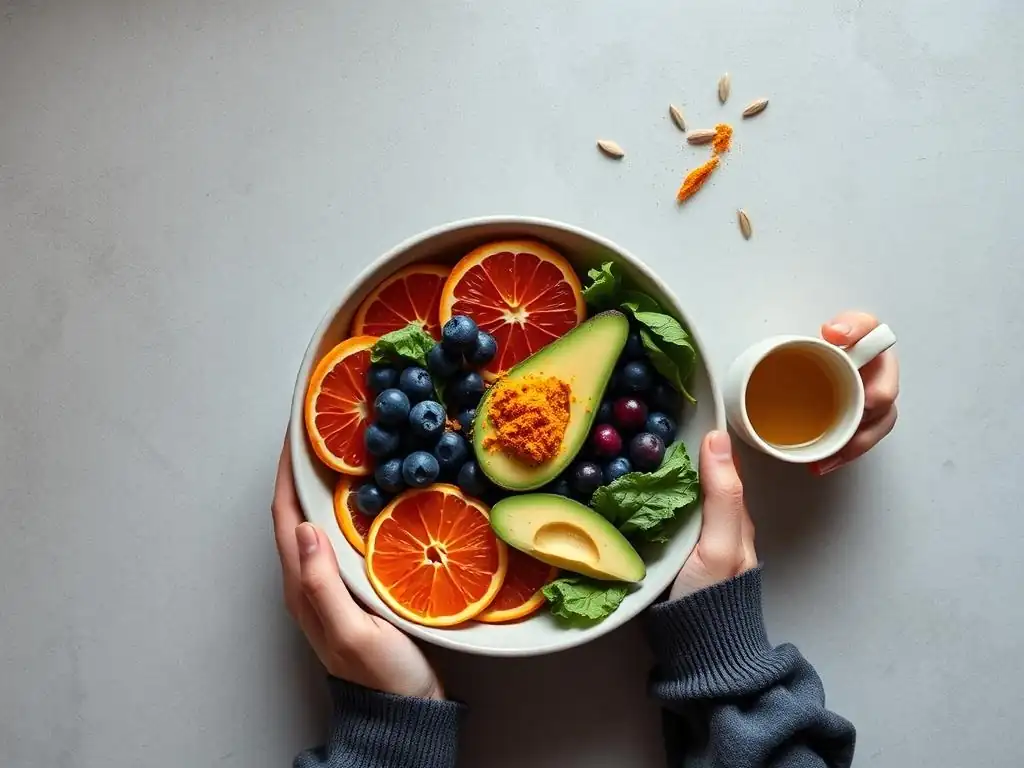
Anxiety is often linked to the body's stress response system, and chronic inflammation can exacerbate this system, leading to heightened feelings of worry and nervousness. The anti-inflammatory diet can play a role in managing anxiety by calming this inflammatory response and supporting neurotransmitter balance. Foods rich in magnesium, like leafy greens, nuts, and seeds, are particularly helpful as magnesium is involved in regulating the nervous system and reducing stress. Studies have shown that magnesium supplementation can reduce anxiety symptoms in some individuals.
Omega-3 fatty acids also show promise in reducing anxiety. Research indicates that EPA and DHA can modulate the body's stress hormones and reduce the release of pro-inflammatory cytokines that may contribute to anxiety. A review of studies on omega-3 supplementation for anxiety found a significant reduction in symptoms, particularly in individuals with higher baseline anxiety levels. By prioritizing foods high in magnesium and omega-3s, alongside the overall inflammation-reducing pattern of eating, an antiinflammatory diet mental health approach can provide valuable support for managing anxiety symptoms.
Anti-Inflammatory Diet for Depression Management
Depression is increasingly viewed through the lens of inflammation, with many studies showing elevated inflammatory markers in individuals experiencing depressive episodes. An anti-inflammatory diet directly targets this potential underlying mechanism. By reducing systemic inflammation, the diet may help restore healthier brain function and neurotransmitter activity. Nutrients abundant in this diet, such as omega-3 fatty acids, B vitamins (especially folate and B12), and antioxidants, are all critical for mood regulation.
Several studies have investigated the impact of dietary patterns on depression risk. The PREDIMED study, a large randomized controlled trial, found that participants following a Mediterranean diet supplemented with extra virgin olive oil or nuts had a significantly lower risk of developing depression compared to a control group following a low-fat diet. This suggests that the anti-inflammatory components of the Mediterranean diet may have protective effects against depression. While diet is not a standalone cure, integrating an antiinflammatory diet mental health strategy can be a powerful complementary tool in the comprehensive management of depression.
Anti-Inflammatory Diet for Cognitive Function and Focus
Cognitive function, including memory, focus, and executive function, is highly sensitive to inflammation and oxidative stress in the brain. Chronic low-grade inflammation, often associated with aging and unhealthy lifestyles, can impair communication between neurons and contribute to cognitive decline. The anti-inflammatory diet, rich in antioxidants and healthy fats, helps protect brain cells and supports optimal neural function.
Omega-3 fatty acids, particularly DHA, are vital components of neuronal membranes and synapses, crucial for learning and memory. Antioxidants like those found in berries and leafy greens protect brain cells from damage. Studies have shown that dietary patterns high in anti-inflammatory foods are associated with better cognitive performance and a reduced risk of age-related cognitive decline and dementia.
For instance, research on the MIND diet, which combines elements of the Mediterranean diet and the DASH diet, specifically focusing on foods linked to brain health (like berries and leafy greens), found that it was associated with slower cognitive decline, equivalent to being 7.5 years younger cognitively for those adhering most closely. Adopting an antiinflammatory diet mental health plan can therefore be a proactive step in preserving and enhancing cognitive abilities.
Anti-Inflammatory Diet for ADHD Symptom Management
While research is still evolving, some studies suggest that inflammation and gut health may play a role in the severity of ADHD symptoms. The anti-inflammatory diet, by improving gut health and reducing systemic inflammation, may offer a complementary approach to managing certain aspects of ADHD, such as focus, hyperactivity, and emotional regulation challenges. Eliminating artificial additives, sugars, and processed foods, which are often high in pro-inflammatory ingredients and common triggers for behavioral issues in sensitive individuals, is a key component of this approach that can be particularly relevant for managing ADHD symptoms.
Focusing on nutrient-dense, whole foods provides the stable energy and essential nutrients the brain needs for optimal function. Omega-3 fatty acids have been specifically studied in relation to ADHD, with some research indicating that supplementation may help reduce hyperactivity and inattentiveness in children and adults, possibly by improving neurotransmitter function and reducing neuroinflammation. While not a replacement for standard medical care, incorporating an antiinflammatory diet mental health strategy can be a valuable part of a multi-faceted approach to supporting individuals with ADHD.
Beyond Diet: Complementary Practices for Holistic Mental Self-Care
The Importance of Exercise and Physical Activity
Regular physical activity is a powerful anti-inflammatory practice that complements an anti-inflammatory diet perfectly. Exercise helps reduce levels of pro-inflammatory markers in the body and increases the production of anti-inflammatory molecules. It also improves circulation, delivering oxygen and nutrients to the brain, and promotes the release of endorphins, natural mood boosters.
Studies have consistently shown that exercise is effective in reducing symptoms of depression and anxiety, sometimes comparably to medication or therapy, particularly for mild to moderate cases. Aiming for at least 150 minutes of moderate-intensity aerobic exercise per week, along with strength training a couple of times a week, is generally recommended. Physical activity also positively impacts sleep quality and stress levels, further contributing to reduced inflammation and enhanced mental well-being. Integrating exercise into your routine alongside an antiinflammatory diet mental health plan creates a potent synergy for overall health.
Stress Management Techniques for Reduced Inflammation
Chronic stress is a significant contributor to inflammation. When the body is under prolonged stress, it releases hormones like cortisol, which, while helpful in acute situations, can promote inflammation when elevated chronically. Learning effective stress management techniques is therefore crucial for reducing inflammation and supporting mental health.
Practices such as deep breathing exercises, meditation, yoga, spending time in nature, or engaging in hobbies can help activate the body's relaxation response, counteracting the inflammatory effects of stress. Even short periods of relaxation throughout the day can make a difference. By actively managing stress levels, you not only reduce a key driver of inflammation but also improve your emotional resilience and overall sense of well-being. Combining stress reduction strategies with an antiinflammatory diet mental health approach provides a comprehensive framework for self-care.
The Role of Sleep in Mental and Physical Health
Adequate, quality sleep is fundamental for both physical and mental health, and sleep deprivation is known to increase inflammatory markers in the body. During sleep, the brain clears out metabolic waste products and consolidates memories, processes vital for cognitive function. Chronic poor sleep is strongly linked to an increased risk of depression, anxiety, and impaired cognitive performance.
Aiming for 7-9 hours of uninterrupted sleep per night is essential. Establishing a consistent sleep schedule, creating a relaxing bedtime routine, and ensuring your sleep environment is dark, quiet, and cool can significantly improve sleep quality. Prioritizing sleep helps regulate inflammatory pathways, supports brain repair processes, and improves mood and cognitive function. Recognizing sleep as a non-negotiable pillar alongside an antiinflammatory diet mental health plan is vital for a truly holistic approach.
Mindfulness and Meditation for Mental Well-being and Inflammation
Mindfulness and meditation are practices that involve focusing attention on the present moment without judgment. Regular practice has been shown to reduce stress, anxiety, and depression by altering brain activity and promoting emotional regulation. Interestingly, research also suggests that mindfulness and meditation can influence the body's inflammatory response.
Studies have found that consistent meditation practice can lead to reductions in inflammatory markers like CRP and cytokines. This may be partly due to meditation's effect on reducing stress hormones and influencing gene expression related to inflammation. Incorporating even a few minutes of mindfulness or meditation daily can complement the physiological benefits of an anti-inflammatory diet by calming the nervous system and potentially reducing inflammation through mind-body pathways, further enhancing your antiinflammatory diet mental health efforts.
Consulting a Healthcare Professional: Personalized Guidance and Support
When to Seek Professional Advice Regarding Diet and Mental Health
While adopting an anti-inflammatory diet is a generally safe and beneficial lifestyle change, it's important to consult with healthcare professionals, especially when dealing with existing mental health conditions or other medical issues. If you are experiencing symptoms of depression, anxiety, or other mental health challenges, it is crucial to seek evaluation and treatment from a qualified mental health professional or physician. Diet is a complementary approach and should not replace necessary medical or psychological care.
Additionally, if you have underlying health conditions such as diabetes, kidney disease, or allergies, or if you are taking medications, dietary changes can sometimes impact these conditions or interact with medications. Discussing your plans to adopt an anti-inflammatory diet with your doctor or a registered dietitian ensures that the dietary changes are appropriate for your individual health needs and circumstances. They can help you navigate potential interactions and ensure the diet supports your overall treatment plan. Seeking professional guidance ensures your antiinflammatory diet mental health strategy is safe and effective for you.
Working with a Registered Dietitian or Nutritionist
A registered dietitian (RD) or registered nutritionist (RNutr in the UK) is a food and nutrition expert qualified to provide personalized dietary advice. Working with an RD can be invaluable when implementing an anti-inflammatory diet, especially if you have specific dietary needs, preferences, or health goals. They can help you create a tailored meal plan that fits your lifestyle, addresses any nutrient deficiencies, and ensures you are meeting all your nutritional requirements while focusing on anti-inflammatory principles.
An RD can also provide practical strategies for grocery shopping, meal preparation, and navigating social situations while following the diet. They can help you understand food labels, identify hidden sources of pro-inflammatory ingredients, and offer support and accountability. For individuals using diet to support mental health, an RD with experience in this area can provide specific guidance on foods and nutrients known to impact mood and cognition, helping you optimize your antiinflammatory diet mental health outcomes.
Importance of Individualized Plans
Everyone's body and health needs are unique. What works perfectly for one person may need adjustments for another. Factors such as genetics, metabolism, activity level, existing health conditions, allergies, and personal preferences all influence the ideal dietary pattern. An individualized plan, developed with professional guidance, takes these factors into account to create a sustainable and effective approach.
A generic anti-inflammatory diet outline provides a great starting point, but tailoring it to your specific situation is key for long-term success and maximum benefit. For example, someone with irritable bowel syndrome (IBS) might need to adjust the types of anti-inflammatory foods they consume to manage digestive symptoms, while someone with a specific nutrient deficiency might need to focus more heavily on particular food sources or consider supplementation under guidance. Recognizing the importance of an individualized plan ensures that your journey towards antiinflammatory diet mental health is effective, safe, and enjoyable for you.
Conclusion: Embracing the Anti-Inflammatory Diet for a Healthier Mind
Key Takeaways: Anti-Inflammatory Eating and Mental Health
The growing body of scientific evidence highlights the significant connection between inflammation and mental health. Chronic, low-grade inflammation can negatively impact brain function, neurotransmitter balance, and emotional resilience, contributing to conditions like depression and anxiety. Fortunately, dietary choices offer a powerful tool to combat this inflammation.
An anti-inflammatory diet, rich in whole, unprocessed foods like colorful fruits, vegetables, fatty fish, nuts, seeds, and healthy oils, provides the body and brain with essential nutrients and compounds that fight inflammation. By limiting pro-inflammatory foods such as refined sugars, processed meats, and unhealthy fats, you create an environment that supports optimal brain health and function. This dietary approach is not a magic bullet but a fundamental pillar of a holistic mental self-care strategy.
It works best when combined with other healthy lifestyle practices like regular exercise, stress management, and adequate sleep. Embracing an antiinflammatory diet mental health approach empowers you to take proactive steps towards supporting your mind through nourishing your body.
Taking the First Steps Towards an Anti-Inflammatory Lifestyle
Embarking on an anti-inflammatory diet for mental health is a journey, not a race. Start small and focus on making gradual, sustainable changes.
- Assess Your Current Diet: Identify areas where you can easily swap pro-inflammatory foods for anti-inflammatory ones (e.g., switch from sugary cereal to oatmeal with berries).
- Focus on Addition: Instead of feeling restricted, concentrate on incorporating more anti-inflammatory powerhouses like adding an extra serving of vegetables to dinner or snacking on nuts and fruits.
- Hydrate: Drink plenty of water throughout the day.
- Plan Ahead: Spend a little time each week planning meals and snacks to make healthy choices easier.
- Experiment in the Kitchen: Try new recipes featuring anti-inflammatory ingredients. Discovering delicious ways to prepare healthy food makes the process enjoyable.
- Seek Support: Talk to friends, family, or consider consulting a registered dietitian for personalized guidance.
By taking these first steps, you begin to build a foundation for a lifestyle that not only benefits your physical health but also significantly supports your mental well-being through the potent connection between diet and inflammation. Committing to an antiinflammatory diet mental health strategy is an investment in a healthier, more resilient mind.
Frequently Asked Questions
What is the connection between an anti-inflammatory diet and mental health?
An anti-inflammatory diet can significantly impact mental well-being by reducing systemic inflammation, which has been linked to various mental health conditions like depression and anxiety. By focusing on whole, unprocessed foods, you can support brain health.
What are some key foods to include in an anti-inflammatory diet for mental health?
Prioritize foods rich in omega-3 fatty acids (like salmon and flaxseeds), antioxidants (berries and leafy greens), and fiber (whole grains and legumes). These nutrients help combat inflammation and support a healthy gut microbiome.
How quickly can someone expect to see mental health benefits from adopting an anti-inflammatory diet?
While individual results vary, some people may notice improvements in mood and energy levels within a few weeks of consistently following an anti-inflammatory diet. Consistent adherence and lifestyle changes are crucial for sustained benefits.
Are there any specific foods that should be avoided on an anti-inflammatory diet for mental health?
Yes, it's best to limit or avoid processed foods, sugary drinks, refined carbohydrates, and excessive amounts of red meat. These foods can contribute to inflammation and negatively impact mental health.
Can an anti-inflammatory diet replace traditional mental health treatments like therapy or medication?
No, an anti-inflammatory diet should be considered a complementary approach to traditional mental health treatments. It's important to work with a healthcare professional to determine the best course of action for your individual needs.
Final Reflection: Nourishing the Mind, Body, and Soul
The connection between inflammation and mental well-being is no longer a fringe theory; it's a rapidly expanding field of research revealing profound implications for our understanding of mental health. Understanding and actively managing inflammation through diet is not just a trend, but a crucial step towards proactive self-care and a healthier, happier life. This is not simply about treating symptoms, but about building a resilient foundation for mental and physical well-being.
The journey towards understanding the impact of an anti-inflammatory diet on mental health has been deeply personal for me, highlighting the interconnectedness of our physical and emotional states. I've witnessed firsthand the transformative power of nourishing my body with foods that reduce inflammation, leading to a noticeable improvement in my mood, energy levels, and overall sense of well-being. The body is your temple. Keep it pure and clean for the soul to reside in.
This quote resonates deeply, emphasizing the importance of holistic self-care that encompasses both physical and mental health.
Now, it's your turn. Consider the foods you consume daily. Are they fueling your body and mind with the nutrients they need to thrive, or are they contributing to inflammation and potentially hindering your mental well-being? Take this opportunity to reflect on your diet and make conscious choices that support your overall health. Start small, experiment with incorporating anti-inflammatory foods, and observe the positive changes in your mind and body. Your mental health journey begins with a single, mindful bite.
Unleash Your Mind's Potential: Nourish Your Way to Well-being
Thank you for taking the time to explore the powerful connection between nutrition and mental well-being! We hope you gained valuable insights into the anti-inflammatory diet and its role in holistic self-care. Now it's time to put this knowledge into action.
- Prioritize anti-inflammatory foods: Start small – add one or two new anti-inflammatory foods to your diet this week. Think vibrant fruits, leafy greens, and fatty fish.
- Share your journey: Inspire others! Share your experience with the anti-inflammatory diet on social media and tag #MindCareGuide.
- Experiment with new recipes: Try a new anti-inflammatory recipe this week; it's a delicious way to nurture your mind and body.
What's one simple change you can make today to incorporate more anti-inflammatory foods into your diet?