
Zafu, Zabuton, Bench, or Chair? Choosing Your Ideal Meditation Seat

Welcome to Mind Care Guide, a place dedicated to nurturing your mental well-being.
Feeling discomfort during meditation? You're not alone. Finding the right posture is key to a deeper practice. This guide explores meditation seat comfort options – from the classic Zafu and Zabuton to benches and chairs – helping you discover the perfect support for your journey inward. Unsure where to begin? Let's explore the possibilities together and unlock a more comfortable and fulfilling meditation experience.
Zafu, Zabuton, Bench, or Chair? Choosing Your Ideal Meditation Seat for Ultimate Comfort
- Finding the Perfect Meditation Seat: An Introduction
- Zafu Cushions: Traditional Comfort for Focused Meditation
- Zabuton Mats: Enhancing Comfort and Support
- Meditation Benches: Supportive Seating for Improved Posture
-
Meditation Chairs: Ergonomic Seating for Accessible Comfort
- What is a Meditation Chair? Benefits for Back Pain and Limited Mobility
- Chair Styles: Floor Chairs, Folding Chairs, and Supportive Backrests
- Best Meditation Chairs for Long Sessions and Maximum Comfort: The Friends of Meditation Relax Chair Review
- Pairing Meditation Chairs with Guided Meditation Podcasts
- Factors to Consider When Choosing Your Meditation Seat
- Comparing Zafu, Zabuton, Bench, and Chair: A Side-by-Side Analysis
- Expert Recommendations: Selecting the Right Meditation Seat
- Maximizing Your Meditation Seat Comfort: Tips and Tricks
- Where to Buy Meditation Seats
- Conclusion: Finding Your Perfect Meditation Seat
- Frequently Asked Questions
- Final Reflection: Finding Your Perfect Posture for Inner Peace
- Unveil Your Perfect Posture: Find Your Ideal Meditation Seat
Finding the Perfect Meditation Seat: An Introduction
Embarking on a meditation practice is a journey towards inner peace and mindfulness. While the mind is the primary focus, the body's comfort plays a crucial role in sustaining attention and easing into deeper states of relaxation. Discomfort, whether from aching knees, a stiff back, or numb legs, can be a significant distraction, pulling you away from your breath and presence. Choosing the right meditation seat comfort options can transform your practice from a struggle with physical pain into a supportive foundation for mental clarity.
This guide explores the diverse world of meditation seats, from traditional cushions and mats to modern benches and chairs. We'll delve into the specific benefits each option offers, helping you understand how different designs and materials contribute to your physical well-being during meditation. Our goal is to empower you to make an informed choice that aligns with your body's unique needs, flexibility level, and preferred meditation style, ensuring your journey inward is as comfortable and focused as possible.
Why Meditation Seat Comfort Matters for Your Practice
Physical discomfort is one of the most common obstacles meditators face, especially during longer sessions. When your body is in pain or feels strained, it becomes difficult to quiet the mental chatter and focus on the intended object of meditation, whether it's the breath, a mantra, or loving-kindness. Aches in the back, hips, knees, or ankles can constantly demand your attention, leading to frustration and potentially shortening your practice time or even discouraging you from sitting regularly. Investing in quality meditation seat comfort options directly supports the consistency and depth of your practice.
Moreover, proper support helps maintain a stable and upright posture, which is essential for both physical comfort and energy flow. A well-aligned spine allows for easier breathing and can help cultivate a sense of groundedness and alertness without tension. When you feel supported and stable, you are less likely to fidget or adjust your position frequently, allowing for a more continuous and absorbed meditative state. Finding the right meditation seat comfort options is not a luxury, but a fundamental step towards a sustainable and rewarding meditation journey.
Understanding the Different Types of Meditation Seats
The world of meditation seats offers a variety of choices, each designed to facilitate comfortable sitting in different postures. The most traditional options include zafu cushions and zabuton mats, often used together. Zafus are round or crescent-shaped cushions that elevate the hips, allowing the knees to rest below the hips and promoting a natural curve in the lower back, commonly used in cross-legged or Burmese postures. Zabutons are large, flat mats placed under the zafu to provide cushioning for the knees, ankles, and feet, preventing pressure points and numbness, which are key aspects of meditation seat comfort options.
Beyond cushions, meditation benches offer an alternative, particularly for those who find cross-legged sitting uncomfortable. Benches typically allow you to sit in the seiza posture (kneeling with feet tucked under the hips), taking pressure off the ankles and knees while maintaining a straight spine. Finally, meditation chairs provide the most accessibility, offering back support and allowing individuals with limited mobility, injuries, or significant back pain to sit comfortably for extended periods, making meditation accessible to a wider range of people seeking comfortable meditation seats.
Zafu Cushions: Traditional Comfort for Focused Meditation
Zafu cushions are perhaps the most iconic symbol of meditation practice in many traditions. Their design is rooted in centuries of use, specifically crafted to support the body in classic seated meditation postures. Understanding the benefits and features of a zafu is key when exploring meditation seat comfort options.
What is a Zafu Meditation Cushion? Benefits and Features
A zafu is a round or crescent-shaped cushion, traditionally filled with kapok fiber or buckwheat hulls. Its primary purpose is to elevate the hips above the knees when sitting cross-legged (like the Burmese posture or half-lotus). This elevation tilts the pelvis slightly forward, encouraging the spine to naturally curve into a healthy, upright position without strain.
The height of the zafu is crucial; a higher cushion is generally better for individuals with tighter hips or less flexibility, while a lower cushion suits those with more open hips. This difference in height is a significant factor in tailoring meditation seat comfort options to individual needs.
The firm yet yielding nature of a good zafu provides stable support. Unlike a standard pillow or sofa cushion which might compress unevenly, a zafu maintains its shape, offering consistent support throughout your meditation session. This stability helps reduce the effort required to maintain an upright posture, allowing the muscles in your back and core to relax rather than tense up. The result is a more comfortable sit, freeing your mind from the distraction of physical discomfort and allowing deeper focus on your practice.
Zafu Cushion Materials and Fillings: Finding the Right Support
The filling of a zafu significantly impacts its feel, support, and longevity, directly influencing meditation seat comfort options. Traditionally, kapok fiber, a soft, cotton-like material, was used. Kapok provides a softer, more yielding surface that conforms gently to the body. However, it can compress over time and may require occasional refluffing. A typical kapok-filled zafu might feel quite firm initially but softens with use, offering a gentle cradle for the hips.
Buckwheat hulls, on the other hand, offer a much firmer and more moldable support. These small, durable husks allow air circulation, keeping the cushion cooler. Crucially, buckwheat hulls shift and conform precisely to the shape of your pelvis and sit bones, providing highly customized support.
Many buckwheat zafus feature a zippered cover, allowing you to add or remove hulls to adjust the height and firmness, offering a personalized level of meditation seat comfort options. For example, removing about a cup or two of hulls can lower a standard 6-inch zafu by an inch, making it suitable for someone with greater hip flexibility.
Best Zafu Cushions for Different Body Types and Postures: The DharmaCrafts Zafu Review
Choosing the right zafu involves considering your body's unique structure and flexibility. For individuals with tight hips or longer legs, a taller zafu (perhaps 6-7 inches high) is often recommended to ensure the knees can drop comfortably below the hips, preventing strain on the hip flexors and lower back. Conversely, those with more open hips or shorter legs might find a lower zafu (4-5 inches) sufficient and perhaps more comfortable. The diameter also plays a role; a larger diameter provides a wider base of support, which can be beneficial for larger individuals or those who prefer a wider stance.
For instance, the DharmaCrafts Zafu is often cited as a high-quality example, available in both kapok and buckwheat fillings and multiple colors. While specific dimensions vary by model, their standard buckwheat zafu typically measures around 14 inches in diameter and 6 inches in height, adjustable via a zipper.
Users often report that the buckwheat filling provides excellent, stable support that molds to their body, significantly enhancing their meditation seat comfort options compared to sitting directly on the floor or a regular pillow. This type of zafu is particularly well-suited for cross-legged postures, providing the necessary lift to maintain a healthy spinal curve.
Integrating Zafu Cushions for Guided Sessions
Using a zafu cushion can be particularly beneficial during guided meditation sessions, where the focus is often on following instructions and cultivating specific mental states rather than actively managing physical discomfort. The stability and comfort provided by a zafu allow practitioners to surrender more fully to the guidance, reducing the urge to shift or adjust position. When your body feels supported and at ease, it's easier to maintain stillness and absorb the instructions on breath awareness, body scanning, or visualization.
For example, during a 30-minute guided session focused on mindfulness of the body, sitting on a properly fitted zafu helps you remain present with physical sensations without being overwhelmed by pain or numbness. The elevated hips and relaxed posture facilitate deeper breathing, which is often a central element of guided meditations. Many online meditation platforms or apps recommend using a cushion or other supportive seating, highlighting how essential meditation seat comfort options are for a successful and uninterrupted practice, especially when guided by an external voice.
Zabuton Mats: Enhancing Comfort and Support
While a zafu elevates the hips, a zabuton mat provides essential cushioning for the parts of your body that touch the floor – typically the knees, ankles, and feet. Used in conjunction with a zafu or bench, a zabuton significantly enhances overall meditation seat comfort options, particularly for longer sits.
What is a Zabuton Mat? Benefits for Knee and Ankle Support
A zabuton is a rectangular or square mat, usually padded and placed on the floor underneath a meditation cushion or bench. Its primary function is to protect the knees, ankles, and tops of the feet from the hard floor, preventing pressure points, numbness, and discomfort that can arise from prolonged contact. Sitting directly on a hard surface can restrict circulation and cause significant pain, especially for those with sensitive joints or bony ankles.
The cushioning layer of a zabuton distributes pressure more evenly across the lower legs and feet. This not only increases physical comfort but also supports circulation, reducing the likelihood of feet or legs "falling asleep" during meditation. A well-padded zabuton adds a layer of softness that makes the entire meditation setup feel more inviting and supportive, encouraging you to sit for longer durations without the distraction of physical pain. It's a key component in creating comprehensive meditation seat comfort options.
Zabuton Mat Materials and Thickness: Choosing the Right Cushioning
Zabutons are typically filled with cotton batting, foam, or a blend of materials designed to provide resilient cushioning. Cotton batting offers a traditional, soft feel that compresses somewhat but provides gentle support. Foam, particularly denser types, offers more consistent and durable cushioning that resists flattening over time. The thickness of the zabuton is a critical factor in its effectiveness; a thicker mat (often 2-4 inches) provides more protection and is generally recommended for those with sensitive knees or who sit on very hard floors.
For instance, a zabuton filled with 3 inches of dense cotton batting provides substantial cushioning for the knees and ankles. While it may compress slightly with use, it retains enough loft to keep pressure off the floor. Some zabutons feature layered fillings, combining a firmer base with a softer top layer for optimal support and comfort. The material of the outer cover is also important; durable fabrics like cotton duck or canvas are common, offering longevity and ease of cleaning, contributing to the overall value of your meditation seat comfort options.
Best Zabuton Mats to Pair with Your Zafu: The Florensi Meditation Cushion Set Review
Many manufacturers offer zafu and zabuton sets designed to work together harmoniously, providing a complete system for meditation seat comfort. These sets are often designed with complementary dimensions and aesthetics. The Florensi Meditation Cushion Set is an example often highlighted for its combination of a crescent zafu and a large, thick zabuton. While specific dimensions can vary, their zabuton is typically generous in size, around 24x32 inches, and approximately 3-4 inches thick, providing ample space and cushioning for the knees and legs in various seated postures.
Users frequently praise the Florensi zabuton for its density and size, noting that it effectively eliminates knee and ankle pain, even on hardwood floors. Paired with their crescent zafu, the set offers a stable and comfortable base that supports proper spinal alignment. This integrated approach ensures that both the hips are elevated correctly and the lower body is cushioned adequately, addressing multiple aspects of meditation seat comfort options simultaneously and allowing for a more deeply relaxing practice.
Combining Zabuton Mats with Aromatherapy for Deeper Relaxation
Creating a truly immersive meditation experience involves engaging the senses in a supportive way. While a zabuton provides physical comfort, incorporating elements like aromatherapy can enhance the mental and emotional aspects of relaxation. Placing a few drops of a calming essential oil, such as lavender or frankincense, near your meditation space or on a small, separate cloth near your zabuton can help set a tranquil mood.
The subtle scent can act as a gentle anchor for your attention, complementing the physical grounding provided by the zabuton. As you settle onto the soft mat, the comforting aroma can deepen your sense of peace and help quiet a restless mind. This combination of physical support from your meditation seat comfort options and sensory input from aromatherapy creates a holistic environment conducive to deeper meditation and relaxation, making your practice more enjoyable and effective.
Meditation Benches: Supportive Seating for Improved Posture
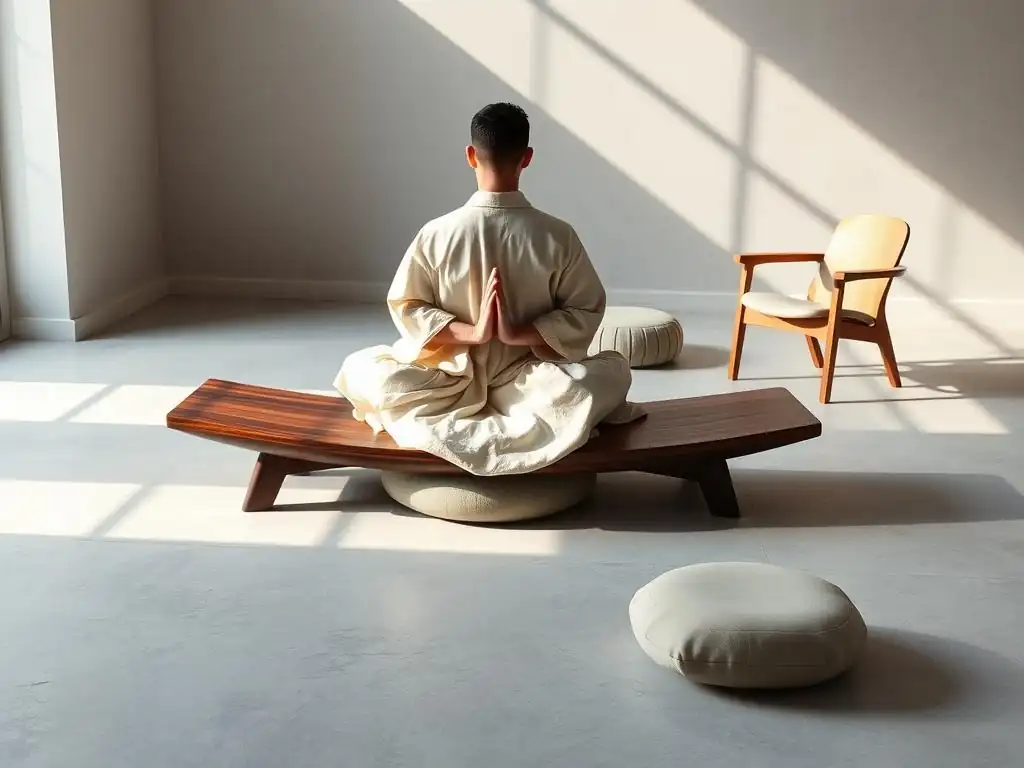
For many, sitting cross-legged on a cushion, even with a zafu and zabuton, remains challenging due to hip or knee stiffness. Meditation benches offer a comfortable and accessible alternative, particularly for those who prefer or require kneeling postures.
What is a Meditation Bench? Benefits for Back Support and Alignment
A meditation bench is a low seat designed primarily for the seiza posture, where you kneel and sit back on the bench with your legs tucked underneath. The bench elevates your hips, taking the pressure off your ankles and knees, which bear the weight when kneeling directly on the floor. Crucially, a well-designed meditation bench promotes a naturally straight spine.
The elevated sitting position allows the pelvis to tilt forward slightly, similar to a zafu, encouraging an upright posture without the muscular effort often required to maintain it when slouching. This makes benches excellent meditation seat comfort options for those struggling with back pain.
The angle of the bench seat is often slightly sloped forward, which further assists in tilting the pelvis and maintaining the lumbar curve. This ergonomic design reduces strain on the lower back and hip flexors. For individuals who experience numbness or pain in cross-legged positions, a bench can be a revelation, providing a stable and comfortable way to sit upright for extended periods. It allows the legs to be positioned differently, often relieving pressure points and improving circulation compared to traditional sitting postures.
Bench Styles: Seiza Benches, Folding Benches, and Ergonomic Designs
Meditation benches come in various styles to suit different needs and preferences. The classic seiza bench is a simple, low bench, often made of wood, designed specifically for kneeling. Some models feature fixed legs, while others have folding legs for easy storage and portability, adding convenience to your meditation seat comfort options. Folding benches are ideal for those who travel or have limited space at home.
Ergonomic designs include benches with curved or angled legs that allow the bench to rock slightly, providing subtle movement that can help prevent stiffness. Some benches also feature padded seats for added comfort. The height of the bench is a key consideration; it should be high enough to allow your feet to rest comfortably under your hips without excessive pressure on your ankles. Adjustable height benches or those available in different sizes cater to varying leg lengths, ensuring optimal meditation seat comfort for a wider range of practitioners.
Best Meditation Benches for Different Heights and Body Types: The Blue Mountain Meditation Bench Review
Finding a bench that suits your height and body type is essential for maximizing meditation seat comfort. If a bench is too low, your ankles and feet may still experience pressure. If it's too high, it might be unstable or uncomfortable. Many benches are designed with a specific range of user heights in mind. For example, a bench around 7-8 inches high is suitable for average height individuals, while taller individuals might benefit from a bench closer to 9 inches.
The Blue Mountain Meditation Bench is often highlighted for its sturdy construction and ergonomic design, available in both fixed-leg and folding versions. Made of wood, it provides a solid and stable foundation for sitting in seiza. Users frequently comment on how the bench alleviates knee and ankle pain experienced in other postures, allowing them to sit comfortably for 45-minute or even hour-long sessions. Its slightly angled seat helps maintain good spinal alignment, making it a popular choice among those seeking effective meditation seat comfort options that support the back.
Utilizing Meditation Benches with Mindfulness Music
Just as aromatherapy can complement cushion sitting, using mindfulness music can enhance the experience of meditating on a bench. The stable and upright posture facilitated by a bench allows for an open chest and relaxed breathing, which pairs well with ambient or instrumental music designed for relaxation. Such music, often featuring gentle natural sounds or slow, melodic tones, can help create a peaceful auditory environment that supports focus and reduces mental clutter.
Listening to calming music while seated comfortably on a bench can deepen the sense of tranquility. The music can act as a gentle background anchor, helping to keep the mind from wandering, while the physical support of the bench allows the body to remain still and receptive. This combination of auditory support and physical meditation seat comfort options creates a conducive space for sinking into a state of mindfulness and peace.
Meditation Chairs: Ergonomic Seating for Accessible Comfort
Meditation chairs represent a more modern approach to providing meditation seat comfort, particularly catering to individuals who find floor sitting challenging or impossible due to physical limitations. They offer the familiar comfort of a chair while facilitating an upright, meditative posture.
What is a Meditation Chair? Benefits for Back Pain and Limited Mobility
A meditation chair is essentially a low chair designed for floor use, often with a backrest. Unlike standard chairs, they encourage sitting with legs crossed, tucked, or extended forward while providing crucial support for the back. This is invaluable for individuals with chronic back pain, injuries, or limited flexibility who cannot comfortably maintain an upright posture without external support. Access to comfortable meditation seats is key for inclusivity in practice.
The key benefit of a meditation chair is the integrated back support. This feature allows the muscles of the back to relax, preventing fatigue and slumping during longer sessions. It enables individuals who might otherwise be unable to meditate seated to participate fully in the practice. For someone recovering from a back injury or living with conditions like sciatica, a meditation chair can transform meditation from a painful ordeal into a genuinely comfortable and healing experience, significantly expanding their meditation seat comfort options.
Chair Styles: Floor Chairs, Folding Chairs, and Supportive Backrests
Meditation chairs come in various styles, each offering different levels of support and convenience. Simple floor chairs are often padded seats with a low backrest, allowing you to sit on the floor with your back supported. Some models feature adjustable backrests, allowing you to find the most comfortable angle for your spine.
Folding meditation chairs are popular for their portability and ease of storage. These often have a frame and a padded seat and back, folding flat when not in use. More ergonomic designs may include built-in cushions for lumbar support or slightly elevated bases to make getting up easier. The quality and structure of the backrest are paramount; look for chairs with firm yet comfortable padding that supports the natural curve of your spine, ensuring reliable meditation seat comfort options.
Best Meditation Chairs for Long Sessions and Maximum Comfort: The Friends of Meditation Relax Chair Review
For those planning longer meditation sessions or requiring maximum support, investing in a robust and comfortable meditation chair is worthwhile. The Friends of Meditation Relax Chair is frequently mentioned as a high-quality option designed for extended use. This chair typically features a padded seat and a tall, supportive backrest that allows users to lean back slightly while maintaining an upright posture.
Users often report that this chair allows them to sit comfortably for 60 minutes or more without experiencing the back fatigue or pain they might encounter in other seats. Its design is particularly beneficial for individuals with upper back or neck tension, as the high backrest provides support up to the shoulders. While it's a larger piece of meditation furniture, its focus on comprehensive back support makes it an excellent choice for those prioritizing maximum meditation seat comfort options for challenging physical conditions.
Pairing Meditation Chairs with Guided Meditation Podcasts
Meditation chairs, with their emphasis on ergonomic support, are perfectly suited for listening to guided meditation podcasts. The comfort and stability they provide allow you to fully immerse yourself in the audio guidance without being distracted by physical discomfort. When your back is well-supported and your body feels at ease, it's easier to follow along with instructions on visualization, breathwork, or body scans.
Sitting in a comfortable meditation chair while listening to a podcast allows you to fully relax into the practice, letting the voice of the guide lead you. This setup is particularly helpful for beginners or those who find silence challenging, as the combination of physical support and auditory guidance creates a contained and supportive environment for exploration. It highlights how accessible and comfortable meditation seats, like chairs, can integrate seamlessly with modern meditation resources.
Factors to Consider When Choosing Your Meditation Seat
Selecting the ideal meditation seat involves more than just picking the first cushion or bench you see. Several factors related to your body, practice, and environment should influence your decision to ensure optimal meditation seat comfort options.
Spinal Alignment and Posture: The Key to Comfortable Meditation
The primary goal of any meditation seat is to help you maintain a healthy, upright, and relaxed spinal alignment. This means ensuring your hips are slightly elevated above your knees (in cross-legged postures) or that your back is supported (in chairs or on benches). Proper alignment prevents slumping, which can strain the back muscles and restrict breathing. It also promotes alertness without tension.
Consider your current posture when sitting on the floor or a regular chair. Do you tend to round your back? Do your hips feel tight? Your choice of seat should actively counteract these tendencies. A zafu with sufficient height, a bench with a forward-sloping seat, or a chair with good lumbar support are all designed to encourage the natural S-curve of the spine. Prioritizing spinal alignment is fundamental to unlocking true meditation seat comfort.
Flexibility and Range of Motion: Adapting to Your Body's Needs
Your current level of flexibility, particularly in the hips, knees, and ankles, is a major determinant of which meditation seat will be most comfortable. If you have very tight hips, sitting cross-legged on a low cushion will likely be uncomfortable, even with a zafu. In this case, a taller zafu, a bench, or a chair might be better meditation seat comfort options.
Similarly, if you have knee issues or limited ankle flexibility, the seiza posture on a bench might be painful. A zafu (allowing legs to extend somewhat) or a chair (taking all pressure off the lower joints) could be more suitable. Be honest about your body's current capabilities and choose a seat that supports where you are now, rather than where you hope to be eventually. A seat that respects your body's limitations will make consistent practice much more achievable.
- Evaluate hip flexibility: Can you comfortably sit with knees below hips on a few stacked pillows?
- Assess knee health: Is kneeling painful? Can you bend your knees deeply?
- Check ankle flexibility: Can your feet lie flat under your hips in a kneeling position?
Space and Storage: Considering Practicality and Portability
The practical aspects of your living space and lifestyle also factor into choosing meditation seat comfort options. Do you have a dedicated meditation corner where a larger chair or permanent setup can remain? Or do you need something that can be easily stored away in a small apartment?
Folding benches and chairs are excellent for portability and storage. They can be quickly set up for practice and folded down to slide under a bed or into a closet. Zafus and zabutons are generally easier to store than chairs but take up more floor space during use than a bench. If you travel frequently and wish to maintain your practice on the go, a lightweight, portable option like a small folding bench or a travel-sized zafu might be the best choice for consistent meditation seat comfort.
Budget and Durability: Investing in Long-Term Comfort
Meditation seats range significantly in price, from simple cotton cushions costing around $30-$50 to ergonomic chairs that can cost well over $100. While it might be tempting to choose the cheapest option, consider the long-term benefits of investing in a durable, high-quality seat. A well-made meditation seat, designed with proper support in mind, can last for many years and significantly improve your practice over time.
Consider the materials and construction. Buckwheat hulls or dense foam in cushions and sturdy wood or metal frames in benches and chairs tend to be more durable than cheaper fillings or flimsy structures. Reading reviews about how well a seat holds up over time can provide insight into its longevity. Investing a bit more upfront for quality meditation seat comfort options can save you money and prevent discomfort in the long run.
Comparing Zafu, Zabuton, Bench, and Chair: A Side-by-Side Analysis
Understanding the pros and cons of each type of meditation seat side-by-side can help clarify which option aligns best with your needs for meditation seat comfort options.
Comfort Level Comparison
- Zafu & Zabuton: Offers traditional comfort for cross-legged or Burmese postures. Excellent for elevating hips and cushioning lower legs. Comfort depends heavily on flexibility and cushion/mat quality. Generally very comfortable for those with moderate to good hip flexibility.
- Bench: Ideal for seiza posture. Takes pressure off ankles and knees. Excellent for back support by promoting natural spinal curve. Very comfortable for those who find kneeling easier than cross-legged sitting.
- Chair: Provides full back support. Most accessible option for those with limited mobility, injuries, or significant pain. Allows for various leg positions. Generally considered the most comfortable for individuals requiring maximum support.
Portability Comparison
- Zafu: Relatively portable, especially smaller or travel-sized versions.
- Zabuton: Less portable due to size and thickness, but can be rolled or folded.
- Bench: Folding benches are highly portable. Fixed benches are not.
- Chair: Varies greatly. Some floor chairs are lightweight, while others are bulky. Folding chairs offer good portability.
Price Comparison
- Zafu: Generally the most affordable option, often ranging from $30 to $80.
- Zabuton: Adds to the cost, typically $50 to $100+. Sets are often more economical than buying separately.
- Bench: Prices vary based on material and style, often ranging from $40 to $100+.
- Chair: Tends to be the most expensive option, ranging from $70 to $200+.
Durability Comparison
- Zafu & Zabuton: Durability depends on filling and cover material. Buckwheat hulls and dense foam/cotton batting are generally durable. Covers made of sturdy canvas or cotton duck last longer.
- Bench: Wooden benches are very durable. Folding mechanisms on some benches might wear over time with heavy use.
- Chair: Durability depends on frame material, padding quality, and fabric. Metal frames and high-density foam tend to be more durable.
Expert Recommendations: Selecting the Right Meditation Seat
While personal preference is key, some general recommendations can guide your choice of meditation seat comfort options based on common scenarios.
Recommendations Based on Experience Level
- Beginners: If you're new to meditation and unsure of your preferred posture or flexibility, starting with a versatile option like a zafu and zabuton set is common. This provides good all-around support for cross-legged sitting. Alternatively, if you know you have mobility issues, starting with a meditation chair is a practical choice to ensure comfort from day one.
- Experienced Meditators: Experienced practitioners often have a better understanding of their body's needs and preferences. They might explore specific options like benches for a dedicated seiza practice or experiment with different zafu heights or zabuton thicknesses to fine-tune their meditation seat comfort.
Recommendations Based on Physical Needs
- Tight Hips/Less Flexibility: A taller zafu (6+ inches), a meditation bench, or a meditation chair are generally better options. These elevate the hips sufficiently or provide alternative postures that require less hip flexibility.
- Knee/Ankle Pain: A thick zabuton (3+ inches) paired with a zafu, or a meditation bench (for seiza), or a meditation chair are excellent choices. These options cushion or relieve pressure on these sensitive joints.
- Back Pain: A meditation bench (for spinal alignment) or, most effectively, a meditation chair with good lumbar support are highly recommended for alleviating back pain and providing meditation seat comfort.
Recommendations Based on Meditation Style
- Zazen (Zen Meditation): Traditionally practiced on a zafu and zabuton in zazen or seiza posture. A zafu or bench is often preferred.
- Vipassana (Insight Meditation): Can be practiced in various seated postures. Zafus, zabutons, benches, or chairs can all be suitable depending on the practitioner's comfort needs for extended sitting.
- Mindfulness Meditation: Focuses on present moment awareness. Any seat that allows for sustained, comfortable upright posture is suitable. The goal is to minimize physical distraction, so choosing the most comfortable meditation seat options is paramount.
Maximizing Your Meditation Seat Comfort: Tips and Tricks
Finding the right seat is the first step; optimizing its use can further enhance your meditation seat comfort and practice.
Proper Posture and Alignment Techniques
Even with the perfect seat, conscious attention to posture is vital.
- Sit on the front edge of your cushion/bench: This helps the pelvis tilt forward naturally.
- Allow your knees to drop below your hips: Adjust cushion height if needed.
- Lengthen your spine: Imagine a string gently pulling you up from the crown of your head.
- Relax your shoulders: Let them drop away from your ears.
- Tuck your chin slightly: Keep the back of your neck long.
- Rest your hands comfortably: In your lap or on your knees.
Regularly checking in with your posture during meditation can help you release tension and maintain comfort.
Using Supportive Accessories
Beyond the main seat, other accessories can contribute to your meditation seat comfort options:
- Knee Cushions: Small, round cushions that provide extra padding specifically for the knees when sitting on a zabuton or floor. Useful if you have very sensitive knees.
- Back Support Cushions: Small cushions or rolls specifically designed to tuck into the curve of your lower back when sitting on a chair or bench that lacks sufficient lumbar support.
- Shawls or Blankets: Can provide warmth and a sense of coziness, helping you stay comfortable and still, especially in cooler environments.
Creating a Comfortable Meditation Space
Your environment significantly impacts your ability to relax and focus.
- Choose a quiet location: Minimize external distractions.
- Ensure a comfortable temperature: Not too hot or cold.
- Use soft lighting: Avoid harsh overhead lights.
- Keep the space tidy: A clutter-free environment can promote a clutter-free mind.
- Consider a dedicated spot: Setting up a permanent meditation area with your chosen seat can create a ritual and make practice more inviting.
A space optimized for sensory comfort complements your physical meditation seat comfort options, creating a holistic environment for practice.
Where to Buy Meditation Seats
Once you've considered the various meditation seat comfort options and decided which type is best for you, the next step is finding a reputable place to purchase your seat.
Recommended Online Retailers
Several online retailers specialize in meditation supplies and offer a wide selection of zafus, zabutons, benches, and chairs. Websites dedicated to mindfulness products often provide detailed descriptions, material information, and customer reviews, which can be invaluable when making your choice. Large online marketplaces also carry a variety of options, though it's wise to check seller reviews for quality assurance. Look for retailers that clearly state the dimensions, materials, and filling types, allowing you to assess the potential meditation seat comfort.
Specialty stores focusing on yoga and wellness products are also good sources. They often curate higher-quality items and may provide better customer support regarding fit and suitability. While specific brand recommendations were given as examples earlier (DharmaCrafts, Florensi, Blue Mountain, Friends of Meditation), searching for these brands or similar quality products on reputable online platforms is a good starting point for finding durable and comfortable meditation seats.
High-Value Keywords
When searching online for your ideal meditation seat, using specific keywords will help you find relevant products and compare different meditation seat comfort options effectively.
- "meditation cushion"
- "zafu cushion"
- "zabuton mat"
- "meditation bench"
- "meditation chair"
- "comfortable meditation seat"
- "meditation seat for back pain"
- "meditation cushion set"
- "buckwheat zafu"
- "seiza bench"
Using terms like "meditation seat comfort options" or variations thereof in your search can also help filter results towards products specifically designed with ergonomics and long-session comfort in mind.
Conclusion: Finding Your Perfect Meditation Seat
Choosing the right meditation seat is a personal journey, deeply connected to your body's unique needs and your evolving practice. Whether you opt for the traditional support of a zafu and zabuton, the knee relief of a bench, or the comprehensive back support of a meditation chair, the goal remains the same: to create a physical foundation that allows your mind to settle without distraction. Exploring the various meditation seat comfort options available is an investment in the quality and consistency of your meditation practice.
By considering factors like spinal alignment, flexibility, space, and budget, you can make an informed decision that supports your well-being on and off the cushion. The perfect meditation seat isn't necessarily the most expensive or the most traditional; it's the one that allows you to sit comfortably, mindfully, and peacefully for as long as you wish. Experiment, listen to your body, and find the seat that truly feels like home for your practice, enhancing your overall experience of seeking meditation seat comfort.
Frequently Asked Questions
What is the difference between a zafu and a zabuton?
A zafu is a round cushion used for sitting, while a zabuton is a larger, flatter cushion placed underneath the zafu to provide added comfort for your knees and ankles.
Why is finding a comfortable meditation seat so important?
Comfort is crucial because physical discomfort can become a major distraction during meditation. A comfortable seat allows you to focus on your breath and mindfulness without pain.
What are the benefits of using a meditation bench?
Meditation benches help maintain an upright posture and can be particularly helpful for individuals who find it difficult to sit cross-legged. They can reduce strain on the back, hips, and knees.
Can I use a regular chair for meditation?
Yes, a regular chair can be a suitable option, especially if you have mobility issues or prefer the support. Ensure your feet are flat on the floor and your back is straight.
How do I choose the best meditation seat comfort option for me?
Experiment with different options like zafus, zabutons, benches, and chairs to see which provides the best support and comfort for your body. Consider personal preferences and any existing physical limitations.
Final Reflection: Finding Your Perfect Posture for Inner Peace
The quest for the ideal meditation seat is not merely about comfort; it's about cultivating the right conditions for inner stillness and profound self-discovery. Finding the perfect posture, whether on a zafu, zabuton, bench, or chair, directly impacts the quality of your meditation practice and, ultimately, your overall well-being. This journey of exploration, as detailed in this article, highlights the crucial link between physical comfort and mental clarity.
The search for the optimal meditation seat reflects a broader cultural shift toward prioritizing mindfulness and self-care. We are increasingly recognizing the profound impact of our physical environment on our mental state. The simple act of choosing a comfortable seat for meditation speaks volumes about our commitment to nurturing our inner selves. The body is your temple. Keep it pure and clean for the soul to reside in.
This resonates deeply with the intention behind selecting a supportive and comfortable meditation seat, allowing the mind to settle and the spirit to flourish.
Now, consider your own meditation practice. What have you learned about your body's needs and preferences? What adjustments can you make to your current setup to enhance your comfort and deepen your meditative experience? Don't hesitate to experiment with different options, to listen to your body's wisdom, and to create a sacred space that truly supports your journey toward inner peace. The perfect meditation seat is waiting for you – discover it, and let your practice flourish.
Unveil Your Perfect Posture: Find Your Ideal Meditation Seat
Thanks for taking the time to explore the world of meditation seating with us! We hope you now feel more confident in understanding what's right for your body and practice. Ready to deepen your journey?
- Invest in your comfort: Order your chosen meditation cushion or chair today! Imagine the ease and focus this will bring to your practice.
- Share your experience: Tell us about your preferred meditation seat in the comments below! What works best for you and why?
- Explore further: Experiment with different postures and find what supports your body and mind best. Even small adjustments can make a big difference.
What small change will you make today to elevate your meditation practice?