
Finding Light Again: Effective Treatments for Senior Depression


Welcome to Mind Care Guide, a safe space dedicated to nurturing your mental well-being. Feeling overwhelmed or lost in the shadows of depression is never easy, especially later in life. If you're searching for answers and support, you've come to the right place. This guide delves into the heart of "Senior depression treatment options," offering practical insights and compassionate strategies to help you, or a loved one, rediscover joy and purpose. Ready to explore the path to brighter days? Let's begin...
Finding Light Again: Effective Treatments for Senior Depression
- Understanding Depression in Older Adults
- Senior Depression Treatment Options: A Comprehensive Overview
- Pharmaceutical Interventions for Depression in Older Adults
- Psychotherapy for Senior Depression: Finding Healing Through Talk Therapy
- Lifestyle Modifications: Complementary Approaches to Treating Depression in Seniors
- Alternative and Complementary Therapies for Depression in Older Adults
- Overcoming Barriers to Senior Depression Treatment
- Supporting a Loved One with Senior Depression
- Building a Support System for Seniors with Depression
- Long-Term Management and Prevention of Depression Relapse in Older Adults
-
Frequently Asked Questions
- What are some of the most common senior depression treatment options mentioned in the "Finding Light Again" guide?
- How does the "Finding Light Again" guide address the specific challenges of treating depression in seniors?
- What kind of support resources does the "Finding Light Again" guide suggest for seniors struggling with depression?
- Does the "Finding Light Again" guide discuss the role of lifestyle changes in senior depression treatment?
- What should a family member do if they suspect a senior loved one is experiencing depression, according to the "Finding Light Again" guide?
- Final Reflection: Rekindling Hope in the Golden Years
- Rediscover Your Joy: Next Steps to Feeling Better
Understanding Depression in Older Adults
Recognizing the Signs of Late-Life Depression
Depression in older adults often presents differently than in younger populations, making it crucial to recognize these specific signs. Instead of overt sadness, symptoms may manifest as physical complaints, such as persistent aches or digestive problems, or a general lack of motivation and energy. A senior might show increased irritability, anxiety, or restlessness, which can be mistaken for typical aging or other medical conditions.
Furthermore, cognitive changes like memory problems, difficulty concentrating, or confusion can be prominent symptoms, sometimes even misdiagnosed as early dementia. While it's estimated that clinical depression affects approximately 1-5% of community-dwelling older adults, this number rises significantly in those with chronic illnesses or who are hospitalized, potentially reaching 11-13% in inpatient settings. Recognizing these varied presentations is the first step toward exploring appropriate senior depression treatment options.
Differentiating Sadness from Clinical Depression in Seniors
It's natural for anyone, including older adults, to experience temporary sadness or grief in response to life events such as loss of a loved one, retirement, or health challenges. This type of sadness is typically transient and does not significantly impair daily functioning for an extended period. It's a normal emotional response that gradually lessens over time, often with support from friends and family.
Clinical depression, however, is a persistent medical illness characterized by a cluster of symptoms lasting for at least two weeks, significantly impacting a person's ability to function. Unlike transient sadness, clinical depression involves changes in sleep patterns, appetite, energy levels, and often includes feelings of worthlessness or hopelessness. Differentiating between normal sadness and clinical depression is vital because the latter requires professional intervention and targeted senior depression treatment options to manage effectively and prevent serious health consequences.
Risk Factors Contributing to Depression in Elderly Individuals
Several factors can increase an older adult's risk of developing depression. Chronic medical conditions are significant contributors; for instance, studies show that seniors with heart disease, stroke, diabetes, or cancer have a higher likelihood of experiencing depression compared to their healthy peers. Pain, which is prevalent among older adults, is also strongly linked to depression, with some estimates suggesting that chronic pain affects over 50% of older adults and is associated with increased depression risk.
Other crucial risk factors include social isolation and loneliness, which can result from mobility issues, loss of friends or family, or moving away from familiar environments. Medication side effects can also contribute, as some drugs commonly prescribed to seniors can have mood-altering effects. Significant life changes, such as retirement, financial difficulties, or the loss of independence, represent major stressors that can precipitate depressive episodes in vulnerable elderly individuals, highlighting the need for accessible senior depression treatment options.
Senior Depression Treatment Options: A Comprehensive Overview
Medical Evaluation: The First Step in Treating Depression in Seniors
Before initiating any specific senior depression treatment options, a thorough medical evaluation is paramount. This involves a comprehensive physical examination and review of the individual's medical history, including all current medications and supplements. Many physical conditions, such as thyroid problems, vitamin deficiencies (like B12), or neurological disorders, can mimic the symptoms of depression or contribute to its severity.
Blood tests and other diagnostic procedures may be necessary to rule out underlying medical causes. This step is critical because treating an undiagnosed physical condition might alleviate depressive symptoms, or conversely, a medical condition might complicate the management of depression. A detailed evaluation ensures that the chosen senior depression treatment options are appropriate and safe, considering the individual's overall health status and potential interactions with existing treatments.
The Importance of Accurate Diagnosis for Effective Treatment
Receiving an accurate diagnosis is foundational to developing an effective senior depression treatment plan. Given that depression can present atypical symptoms in older adults and overlap with other conditions like dementia or physical illnesses, a skilled assessment by a healthcare professional familiar with late-life depression is essential. This assessment typically includes evaluating symptoms, their duration and severity, and their impact on daily life, often using standardized screening tools like the Geriatric Depression Scale (GDS).
An accurate diagnosis distinguishes clinical depression from normal grief or sadness and helps identify any co-occurring conditions, such as anxiety disorders or substance use issues, which are not uncommon among older adults. Without a precise diagnosis, treatment efforts may be misdirected or ineffective, leading to prolonged suffering and poorer outcomes. Therefore, investing time in a thorough diagnostic process significantly improves the chances of successful intervention and recovery through tailored senior depression treatment options.
Pharmaceutical Interventions for Depression in Older Adults
Antidepressant Medications: Types and Considerations for Seniors
Antidepressant medications are a common component of senior depression treatment options, particularly for moderate to severe cases. However, prescribing for older adults requires careful consideration due to age-related changes in metabolism, potential drug interactions, and increased sensitivity to side effects. The goal is to use the lowest effective dose and monitor closely.
Different classes of antidepressants are used, with varying profiles.
SSRIs (Selective Serotonin Reuptake Inhibitors) for Elderly Depression
SSRIs are often the first-line choice for treating depression in seniors due to their relatively favorable side effect profile compared to older classes of antidepressants. These medications, such as escitalopram (Lexapro) or sertraline (Zoloft), work by increasing serotonin levels in the brain, which can help regulate mood. They are generally well-tolerated, but older adults may still experience side effects like nausea, insomnia, or sexual dysfunction.
A specific concern in seniors is the potential for SSRIs to cause hyponatremia (low sodium levels), particularly in those taking diuretics. Clinical experience suggests starting with a low dose (often half the typical adult starting dose) and increasing gradually while monitoring for both effectiveness and adverse effects. SSRIs represent a key part of contemporary senior depression treatment options.
SNRIs (Serotonin-Norepinephrine Reuptake Inhibitors) for Older Adults
SNRIs, such as venlafaxine (Effexor) or duloxetine (Cymbalta), affect both serotonin and norepinephrine levels in the brain. They may be considered for older adults, especially if there is also co-occurring anxiety or chronic pain, as duloxetine is approved for certain pain conditions. Like SSRIs, they are generally considered safer than older antidepressants but require careful monitoring in the elderly.
Potential side effects of SNRIs in older adults can include increased blood pressure, heart rate, and dizziness. Due to these cardiovascular effects, they may be used with caution in seniors with pre-existing heart conditions. As with SSRIs, a low starting dose and slow titration are recommended when using SNRIs as part of senior depression treatment options.
Potential Side Effects and Drug Interactions in Senior Depression Treatment
Older adults are more susceptible to medication side effects due to slower metabolism and excretion of drugs, as well as having multiple health conditions requiring various medications. Common side effects of antidepressants in seniors can include dizziness, dry mouth, constipation, blurred vision, and potential for falls. More serious concerns include interactions with other medications, which can increase the risk of side effects or reduce the effectiveness of either drug.
For example, combining certain antidepressants with blood thinners can increase bleeding risk, or with other medications affecting serotonin can lead to serotonin syndrome. It is crucial for healthcare providers to conduct a thorough review of all medications and supplements to identify potential interactions. This highlights the critical need for careful monitoring and personalized prescribing when using pharmaceutical senior depression treatment options.
Medication Management: Working with Your Doctor
Effective medication management is a cornerstone of successful senior depression treatment options involving pharmacotherapy. This partnership involves open communication between the older adult (and often their caregiver) and the prescribing physician. It's essential to discuss all existing health conditions, medications, and any new symptoms or side effects that arise after starting an antidepressant.
Regular follow-up appointments are necessary to assess the medication's effectiveness, monitor for side effects, and make dosage adjustments as needed. Blood tests may be required to check drug levels or monitor for effects like hyponatremia. Sticking to the prescribed dosage and schedule is important, and any decision to stop or change medication should only be made in consultation with the doctor to avoid withdrawal symptoms or relapse. This collaborative approach ensures the safest and most effective use of pharmaceutical senior depression treatment options.
Psychotherapy for Senior Depression: Finding Healing Through Talk Therapy
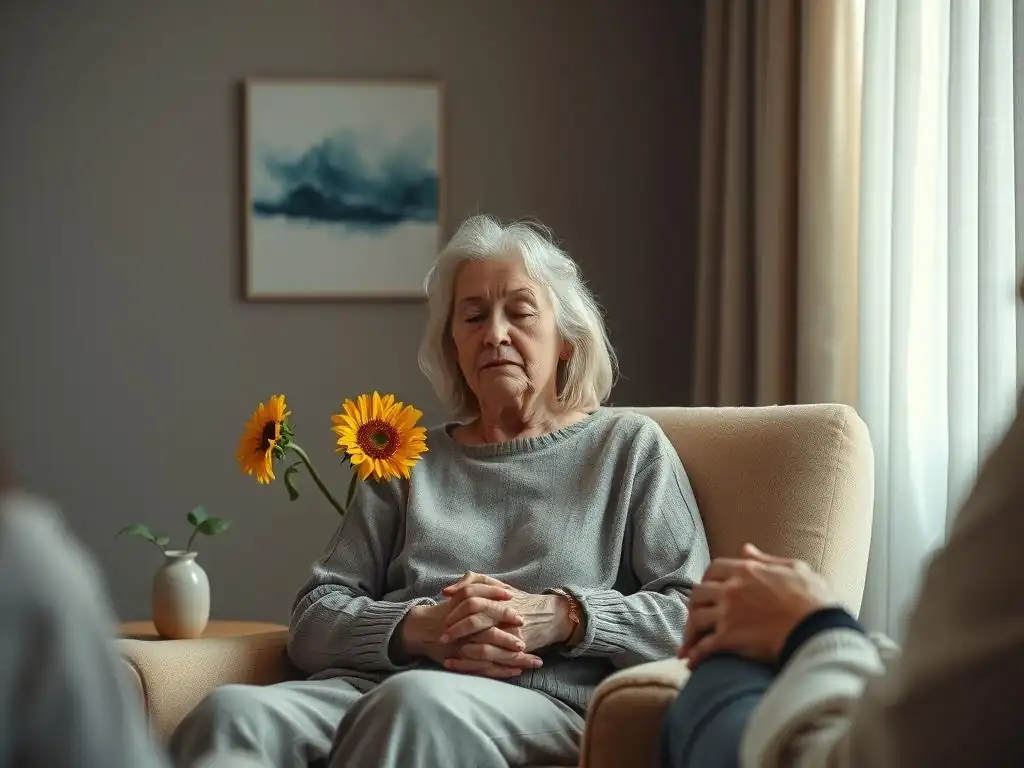
Cognitive Behavioral Therapy (CBT) for Late-Life Depression
Cognitive Behavioral Therapy (CBT) is a highly effective form of psychotherapy often recommended as a primary or adjunctive senior depression treatment option. It focuses on identifying and changing negative thought patterns and behaviors that contribute to depression. For older adults, CBT can be adapted to address issues relevant to late life, such as coping with chronic illness, loss, or changes in social roles.
CBT helps seniors learn practical strategies to challenge unhelpful thoughts (e.g., "I'm a burden," "There's nothing to look forward to") and replace them with more realistic and positive ones. It also encourages engaging in activities that bring pleasure or a sense of accomplishment, even when motivation is low. Studies have shown CBT to be effective in reducing depressive symptoms in older adults, with response rates comparable to or even exceeding medication in some cases, particularly for mild to moderate depression.
How CBT Addresses Negative Thought Patterns in Older Adults
CBT helps older adults recognize the connection between their thoughts, feelings, and behaviors. For example, a senior might think, "Since I retired, I'm useless," leading to feelings of sadness and withdrawal, which in turn reinforces the belief. A CBT therapist would help the individual identify this specific negative thought as a "cognitive distortion."
Through structured exercises, the therapist guides the senior to evaluate the evidence for and against this thought and develop a more balanced perspective, such as, "My role has changed, but I still have valuable skills and can find new ways to contribute." This process of challenging and restructuring negative thoughts is a core component of CBT, empowering older adults to change how they perceive themselves and their circumstances, thereby improving their mood and forming a crucial part of comprehensive senior depression treatment options.
Interpersonal Therapy (IPT) for Depression in Elderly Individuals
Interpersonal Therapy (IPT) is another evidence-based psychotherapy effective for depression, including late-life depression. IPT focuses on improving interpersonal relationships and social functioning, recognizing that problems in these areas often contribute to or exacerbate depressive symptoms. For older adults, common interpersonal issues addressed in IPT include grief over the loss of loved ones, role transitions (like retirement or becoming a caregiver), interpersonal disputes, or social isolation.
IPT typically involves weekly sessions over a period of 12-16 weeks. The therapist helps the senior identify the specific interpersonal problem area contributing to their depression and works collaboratively to develop strategies for managing the issue. By improving communication skills, resolving conflicts, adapting to role changes, or building social support networks, IPT aims to alleviate depressive symptoms and improve overall well-being, making it a valuable addition to the range of senior depression treatment options.
Focusing on Relationships and Social Support
A central tenet of IPT is the recognition that humans are social beings and that disruptions in social bonds can significantly impact mental health. For older adults, who may face increasing social challenges due to mobility issues, health problems, or the loss of peers and family, focusing on relationships is particularly relevant. IPT helps seniors explore their current relationships and identify ways to strengthen supportive connections and reduce conflict.
For example, an older adult struggling with depression after the death of a spouse might work through the grief process in IPT, learning to adjust to their new role and build a support network. Someone facing retirement might explore their feelings about the loss of their professional role and develop strategies for forming new social connections or pursuing new interests. By targeting these relationship-focused issues, IPT provides practical tools for navigating life changes and enhancing social well-being, which is critical in treating depression in seniors.
Group Therapy: Connecting with Others Facing Similar Challenges
Group therapy can be a powerful and cost-effective component of senior depression treatment options. It involves one or more therapists working with a small group of individuals who are experiencing similar difficulties, such as depression. The group setting provides a sense of community and reduces feelings of isolation, which is particularly beneficial for older adults who may be socially disconnected.
In group therapy, participants share their experiences, feelings, and coping strategies in a safe and supportive environment. This peer support can be incredibly validating and encouraging. Learning from others who are navigating similar challenges can provide new perspectives and practical ideas for managing symptoms. Group therapy fosters connections, reduces stigma, and reinforces that they are not alone in their struggle, complementing individual therapy and other senior depression treatment options.
Lifestyle Modifications: Complementary Approaches to Treating Depression in Seniors
The Role of Exercise in Managing Depression in Older Adults
Regular physical activity is a widely recommended complementary approach within senior depression treatment options, offering significant benefits for both physical and mental health. Exercise releases endorphins, which have mood-boosting effects, and can help reduce stress and anxiety. For older adults, even moderate exercise, such as walking, gardening, or gentle aerobics, can make a difference.
Studies have shown that consistent exercise can be as effective as antidepressants for mild to moderate depression in some individuals. Aiming for approximately 150 minutes of moderate aerobic activity per week, as recommended for general health, can have a positive impact on mood. Incorporating strength training a couple of times a week can also improve physical function and self-efficacy, further contributing to reduced depressive symptoms in seniors.
Nutrition and Diet: Supporting Mental Well-being in Late Life
Nutrition plays a vital, though often underestimated, role in mental health and should be considered alongside other senior depression treatment options. A balanced diet rich in fruits, vegetables, whole grains, lean proteins, and healthy fats provides the necessary nutrients for optimal brain function. Deficiencies in certain vitamins and minerals, such as B vitamins, vitamin D, and omega-3 fatty acids, have been linked to an increased risk of depression.
Encouraging older adults to maintain regular meal times and consume nutrient-dense foods can help stabilize mood and energy levels. Limiting processed foods, excessive sugar, and unhealthy fats is also advisable. While diet alone may not cure depression, optimizing nutritional intake supports overall health and can enhance the effectiveness of other senior depression treatment options like medication and therapy.
Social isolation is a major risk factor for depression in older adults. Actively promoting social engagement is a crucial lifestyle modification and a vital component of preventing and treating depression in seniors. This can involve participating in community activities, joining clubs or senior centers, volunteering, or simply spending regular time with family and friends.
Even small steps, like a daily phone call with a friend or attending a weekly group meeting, can make a significant difference. Technology can also play a role, with video calls helping connect with distant loved ones. Reducing loneliness by fostering meaningful connections provides emotional support, a sense of belonging, and opportunities for positive interactions, all of which are protective factors against depression and enhance the effectiveness of other senior depression treatment options.
Alternative and Complementary Therapies for Depression in Older Adults
Light Therapy for Seasonal Affective Disorder (SAD) and Depression
Light therapy, also known as phototherapy, is a treatment that involves exposure to a special light box that mimics natural outdoor light. It is primarily known for treating Seasonal Affective Disorder (SAD), a type of depression that occurs during the fall and winter months when there is less natural sunlight. However, it may also be beneficial for some older adults with non-seasonal depression, particularly if they have circadian rhythm disruptions.
Sessions typically involve sitting near a light box for about 20-30 minutes each morning. While generally safe, potential side effects include eye strain, headaches, or irritability. It's important to use a medically approved light box and consult with a healthcare provider before starting light therapy, especially for older adults with eye conditions or those taking medications that increase light sensitivity. Light therapy can be a useful adjunct within the spectrum of senior depression treatment options.
Mindfulness and Meditation for Stress Reduction and Mood Enhancement
Mindfulness and meditation practices involve focusing one's attention on the present moment without judgment. These techniques can help older adults manage stress, reduce anxiety, and improve mood by teaching them to observe their thoughts and feelings from a distance, rather than being overwhelmed by them. Regular practice can lead to changes in brain activity associated with improved emotional regulation.
Simple mindfulness exercises, such as mindful breathing or body scans, can be easily incorporated into a daily routine. Many guided meditations are available specifically tailored for seniors or those with limited mobility. While not a standalone cure for clinical depression, mindfulness and meditation can serve as valuable complementary senior depression treatment options, helping individuals cultivate a greater sense of calm and well-being.
Animal-Assisted Therapy for Emotional Support and Enhanced Well-being
Animal-assisted therapy (AAT) involves structured interactions with trained animals, often dogs or cats, facilitated by a professional. This therapy can provide significant emotional support and comfort for older adults, particularly those experiencing loneliness or isolation. The simple act of petting an animal can release endorphins, reducing stress and promoting feelings of happiness.
AAT can also encourage social interaction, provide a sense of purpose (e.g., caring for a therapy animal during a visit), and increase physical activity (e.g., walking a therapy dog). It offers non-judgmental companionship and can be a source of unconditional affection. While not a primary treatment for severe depression, AAT can be a valuable and enjoyable complementary approach within senior depression treatment options, enhancing mood and quality of life.
Overcoming Barriers to Senior Depression Treatment

Addressing Stigma and Misconceptions About Mental Health
One significant barrier to accessing senior depression treatment options is the enduring stigma surrounding mental illness. Many older adults grew up in a time when mental health issues were not openly discussed and were often viewed as a personal failing or a sign of weakness. This can lead to feelings of shame or embarrassment, making seniors reluctant to admit they are struggling or seek help.
Misconceptions that depression is a normal part of aging or that nothing can be done about it also prevent seniors from seeking treatment. Educating older adults, their families, and the community about depression as a treatable medical condition is crucial. Open conversations and highlighting successful recovery stories can help break down these barriers and encourage more seniors to explore available senior depression treatment options.
Improving Access to Mental Healthcare for Older Adults
Access to appropriate mental healthcare is another major challenge for seniors. Geographic barriers, particularly in rural areas, can make it difficult to find qualified mental health professionals who specialize in geriatric care. Transportation issues and mobility limitations can also prevent older adults from attending appointments.
Furthermore, there is often a shortage of mental health providers trained to recognize and treat depression specifically in older adults, who may have complex medical histories and present with atypical symptoms. Expanding access through telehealth services, integrating mental health into primary care settings, and increasing the number of geriatric mental health specialists are vital steps to ensure that seniors can readily access effective senior depression treatment options.
Financial Considerations and Insurance Coverage for Treatment
The cost of mental health treatment can also be a significant barrier for older adults, particularly those on fixed incomes. While Medicare covers mental health services, there can still be co-pays, deductibles, or limitations on the number of therapy sessions. Prescription drug costs for antidepressants can also be a financial burden.
Understanding insurance coverage and exploring available resources is important. Many community mental health centers offer sliding scale fees based on income. Advocacy efforts are needed to ensure adequate insurance coverage and affordability of mental health services for seniors. Addressing these financial concerns is essential to make senior depression treatment options accessible to all who need them.
Supporting a Loved One with Senior Depression
Recognizing the Signs and Symptoms in Others
Family members and caregivers play a critical role in recognizing the signs of depression in older adults, as seniors may not always express their feelings openly or even realize they are depressed. Look for changes in behavior, such as withdrawal from social activities they once enjoyed, neglect of personal hygiene, loss of interest in hobbies, increased irritability, or changes in sleep patterns (sleeping too much or too little).
Physical complaints that don't seem to have a clear medical cause, frequent visits to the doctor without a diagnosis, or increased reliance on pain medication could also be indicators. Pay attention to comments expressing hopelessness, worthlessness, or suicidal thoughts. Recognizing these signs is the first step in helping a loved one access necessary senior depression treatment options.
Encouraging Professional Help and Treatment
Once signs of depression are recognized, gently encouraging the individual to seek professional help is crucial. Approach the conversation with empathy and understanding, avoiding blame or judgment. Express your concern for their well-being and explain that depression is a treatable medical condition, not a personal failing.
Offer practical assistance, such as helping them find a doctor or therapist, scheduling appointments, and providing transportation. Emphasize that seeking help is a sign of strength and that effective senior depression treatment options are available. Be persistent but patient, as overcoming reluctance to seek help can take time.
Providing Emotional Support and Understanding
Providing consistent emotional support is vital for a loved one undergoing senior depression treatment options. Let them know you are there for them, listen without trying to "fix" things immediately, and validate their feelings. Avoid minimizing their pain or telling them to "just snap out of it."
Encourage them to follow their treatment plan, including taking medication as prescribed and attending therapy sessions. Celebrate small victories in their recovery process. Be patient with setbacks, as recovery from depression is often not linear. Your understanding, patience, and unwavering support are invaluable assets in their journey toward finding light again through senior depression treatment options.
Building a Support System for Seniors with Depression
Connecting with Community Resources and Support Groups
Building a strong support system is crucial for older adults managing depression. Community resources can offer valuable assistance. Senior centers often provide social activities, educational programs, and opportunities for peer interaction, helping combat isolation. Local mental health organizations or hospitals may offer support groups specifically for older adults or for those dealing with depression.
These groups provide a safe space to share experiences, gain insights from others facing similar challenges, and build a network of support. Connecting with resources like Area Agencies on Aging can also provide information on available services, transportation assistance, and caregiver support programs. Leveraging these community resources is an important aspect of facilitating access to and success with senior depression treatment options.
The Importance of Family and Friends in the Recovery Process
Family members and friends are cornerstones of a senior's support system during depression treatment. Their involvement can significantly impact the recovery process. Maintaining regular contact, inviting the senior to social events (even if they initially decline), and offering practical help with daily tasks can make a substantial difference.
Family and friends can also help monitor symptoms, ensure medication adherence, and provide encouragement to attend therapy appointments. Their presence reminds the senior that they are valued and not alone. While professional senior depression treatment options are essential, the unwavering support and connection provided by loved ones offer a critical foundation for healing and long-term well-being.
Long-Term Management and Prevention of Depression Relapse in Older Adults
Maintaining a Healthy Lifestyle and Routine
Long-term management of depression in seniors involves more than just initial treatment; it requires adopting and maintaining healthy lifestyle habits. This includes continuing regular physical activity, adhering to a balanced and nutritious diet, and ensuring adequate sleep. Establishing a consistent daily routine can also provide structure and a sense of control, which is beneficial for mood stability.
Engaging in enjoyable hobbies and activities, staying socially connected, and practicing stress-reduction techniques like mindfulness or meditation are also key components of a preventative approach. These lifestyle choices contribute to overall physical and mental resilience, significantly reducing the risk of depression relapse and supporting continued well-being after undergoing senior depression treatment options.
Regular Check-ins with Healthcare Professionals
Even after symptoms improve, regular check-ins with healthcare professionals are essential for long-term management and relapse prevention. This includes continuing appointments with the prescribing physician to monitor medication effectiveness and side effects, as well as with a therapist if ongoing therapy is recommended. These check-ins allow for early detection of any returning symptoms.
Healthcare providers can also monitor for potential risk factors, such as new medical conditions or life stressors, and adjust the treatment plan accordingly. They can provide ongoing support and guidance on maintaining healthy habits and coping strategies. Consistent professional oversight is a critical element in ensuring the sustained success of senior depression treatment options.
Developing a Relapse Prevention Plan
A proactive approach to preventing depression relapse involves developing a personalized relapse prevention plan. This plan outlines warning signs that indicate a potential return of depressive symptoms, such as changes in sleep, appetite, energy levels, or increased irritability or withdrawal. Identifying these early warning signs allows for prompt action.
The plan should also include specific coping strategies to employ when warning signs appear, such as reaching out to a support person, increasing physical activity, scheduling extra therapy sessions, or contacting the doctor to discuss medication adjustments. Having a clear, pre-determined plan empowers seniors to take control of their mental health and respond effectively to challenges, solidifying the long-term benefits achieved through senior depression treatment options.
- [ ] Identify personal warning signs
- [ ] List coping strategies
- [ ] Include contact information for support network and healthcare providers
- [ ] Plan for immediate action if warning signs escalate
Frequently Asked Questions
What are some of the most common senior depression treatment options mentioned in the "Finding Light Again" guide?
The guide highlights therapies like Cognitive Behavioral Therapy (CBT) and Interpersonal Therapy (IPT) as effective. Medication, particularly antidepressants, is also a common treatment approach. Lifestyle changes, such as increased social activity, are also encouraged.
How does the "Finding Light Again" guide address the specific challenges of treating depression in seniors?
The guide emphasizes the importance of considering age-related health conditions and medication interactions. It also acknowledges the potential for social isolation and loss, tailoring treatment to address these unique challenges.
What kind of support resources does the "Finding Light Again" guide suggest for seniors struggling with depression?
The guide provides information on support groups, local mental health services, and helplines. It encourages seeking professional help and building a strong support network of family and friends.
Does the "Finding Light Again" guide discuss the role of lifestyle changes in senior depression treatment?
Yes, the guide stresses the importance of exercise, a balanced diet, and regular sleep. These lifestyle changes can significantly improve mood and overall well-being, complementing other treatment strategies.
What should a family member do if they suspect a senior loved one is experiencing depression, according to the "Finding Light Again" guide?
The guide advises open and honest communication with the senior. It also suggests encouraging them to seek a professional evaluation and offering support throughout the treatment process.
Final Reflection: Rekindling Hope in the Golden Years
The fight against senior depression is not just a medical battle; it's a fight for the preservation of joy, connection, and the vibrant spirit that defines a fulfilling life. The treatments explored in this article – from medication and therapy to lifestyle changes and social engagement – represent a crucial arsenal in this ongoing struggle. Ignoring the unique challenges of depression in later life is not an option; it's a disservice to a generation that deserves to experience their twilight years with dignity and happiness.
The impact of depression on seniors extends far beyond the individual; it ripples through families and communities, affecting relationships, social participation, and overall well-being. The stigma surrounding mental health in older adults often prevents individuals from seeking help, perpetuating a cycle of suffering. The best time to plant a tree was 20 years ago. The second best time is today.
This proverb holds true for addressing senior depression. Early intervention and consistent support can make a profound difference in a person's quality of life, allowing them to reclaim their joy and contribute meaningfully to the world around them.
You, the reader, now hold the power to make a difference. Whether you are a senior struggling with depression, a caregiver supporting a loved one, or simply someone who wants to learn more about this critical issue, take the time to reflect on the information presented. Reach out to your healthcare provider, explore the treatment options discussed, and remember that hope is always available. Let's work together to ensure that the golden years are truly golden, filled with light, laughter, and the enduring strength of the human spirit.
Rediscover Your Joy: Next Steps to Feeling Better
Thanks for taking the time to learn about effective treatments for senior depression. We hope this article provided valuable insights and empowered you to take positive steps toward better mental well-being. Now, let's move forward!
- Schedule a consultation with your doctor or therapist: This is the most important step to discuss your concerns and explore treatment options tailored to your specific needs. Don't hesitate to reach out – your mental health matters.
- Join a local senior support group: Connecting with others facing similar challenges can be incredibly helpful and provide valuable emotional support. Look for groups focusing on mental health in your community.
- Share this article with a loved one: Open communication is vital. Sharing this information can encourage others to understand and support your journey towards better mental health.
What small step will you take today to prioritize your mental wellness?