
Is Walking Meditation Right for You? Simple Answers and Benefits.

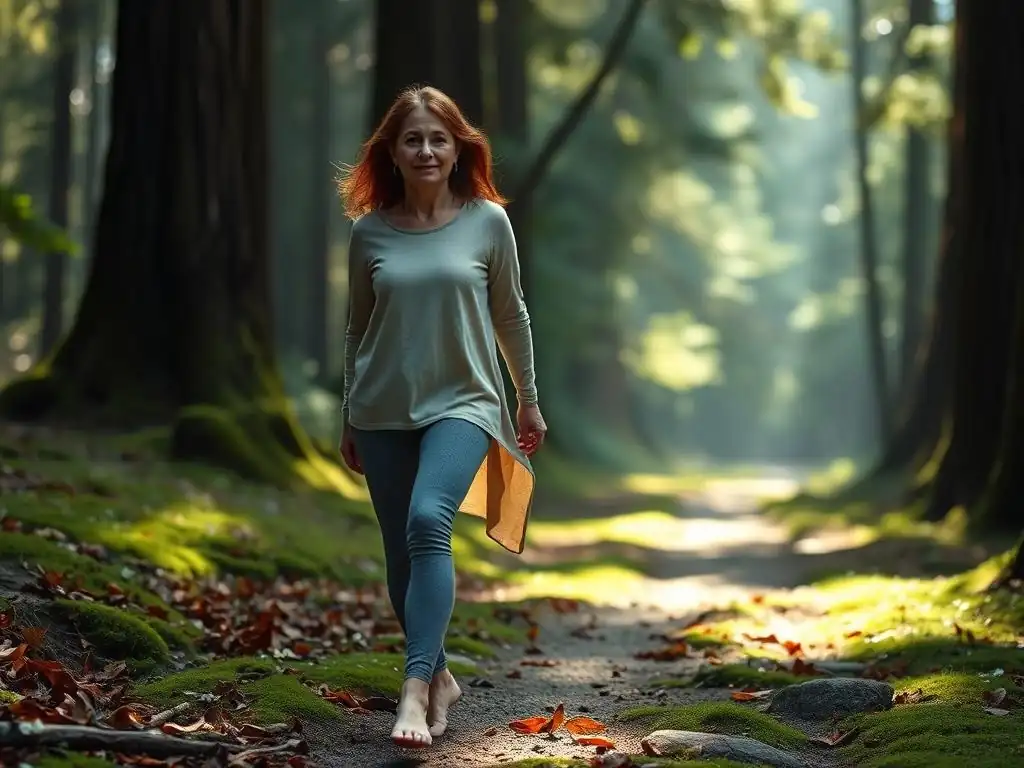
Welcome to Mind Care Guide, a sanctuary for your mental well-being.
Feeling overwhelmed by anxiety? You're not alone. Discover how a simple, accessible practice – walking meditation – can offer profound relief and cultivate inner peace. Explore the walking meditation benefits anxiety and unlock a path to a calmer, more centered you. Ready to take the first step?
Is Walking Meditation Right for You? Finding Calm in Motion
- Understanding Walking Meditation: A Beginner's Guide
- Walking Meditation for Stress Reduction: The Mind-Body Connection
- Who Should Consider Walking Meditation?
- Practical Guide: Getting Started with Walking Meditation
- Addressing Common Challenges in Walking Meditation
- Maximizing the Benefits of Walking Meditation
- Walking Meditation Techniques: Exploring Different Approaches
- Alternatives to Walking Meditation for Stress Relief
- Conclusion: Cultivating Inner Peace Through Walking Meditation
-
Frequently Asked Questions
- ### What exactly is walking meditation, and how does it differ from regular walking?
- ### What are the main walking meditation benefits anxiety that I can expect?
- ### How often should I practice walking meditation to see walking meditation benefits anxiety?
- ### Are there any specific walking meditation benefits anxiety that are unique compared to seated meditation?
- ### Are there any precautions I should take before starting walking meditation, especially if I have a physical or mental health condition?
- Final Reflection: Finding Stillness in Motion: The Transformative Power of Walking Meditation
- Unlock Your Inner Peace: Take the First Step to Walking Meditation
Understanding Walking Meditation: A Beginner's Guide
What is Walking Meditation? A Mindful Approach to Movement
Walking meditation is a practice where you bring your full awareness to the physical sensation of walking. Unlike a casual stroll, the intention is to engage your mind and body in the present moment, using the rhythm of your steps and the feeling of movement as anchors for your attention.
It's a form of mindfulness that allows you to cultivate presence while being physically active, offering a dynamic alternative to seated meditation. The goal isn't to reach a destination quickly, but rather to experience the journey itself with heightened awareness, noticing the subtle movements and sensations in your feet, legs, and body as you move through space.
This practice can be done anywhere – indoors or outdoors, in a small room or a vast park. The key is to slow down your pace just enough to observe the process of walking. You might focus on the lifting of one foot, its movement through the air, the contact as it lands, and the shifting of weight.
This simple, repetitive action provides a focal point that helps to quiet the mental chatter and bring your awareness back whenever it wanders. It's a portable and accessible way to integrate mindfulness into your day, offering potential benefits for both mental clarity and physical well-being.
Walking Meditation vs. Traditional Sitting Meditation
Traditional sitting meditation often involves focusing on the breath or a mantra while remaining still. It cultivates stillness of the body to foster stillness of the mind. This can be incredibly beneficial for developing concentration and deep introspection, but it may present challenges for individuals who find prolonged stillness difficult or who experience restlessness or discomfort when sitting for extended periods. The primary difference lies in the physical posture and activity level; one is static, the other is dynamic.
Walking meditation, conversely, embraces movement. It acknowledges that our minds are often active and that sometimes, engaging the body can actually help ground the mind. While sitting meditation can lead to profound states of calm, walking meditation offers a different path to mindfulness, one that is integrated with the physical experience of moving through the world.
For some, the gentle rhythm of walking provides a more accessible entry point into meditation, making the practice feel less daunting and more natural. It can be particularly appealing to those with active lifestyles or anyone seeking to combine the benefits of physical activity with mental training.
Walking Meditation for Stress Reduction: The Mind-Body Connection
How Walking Meditation Calms the Nervous System
Walking meditation actively engages the parasympathetic nervous system, which is responsible for the body's "rest and digest" state, counteracting the "fight or flight" response governed by the sympathetic nervous system. By focusing on the rhythmic, repetitive motion of walking and coupling it with mindful breathing, you send signals of safety and calm to your brain.
This deliberate, non-strenuous activity, combined with focused attention, can help lower heart rate, reduce muscle tension, and promote a sense of ease throughout the body. The physical act of walking can also help dissipate pent-up energy or restless feelings often associated with stress and anxiety.
Furthermore, the mindful component of the practice encourages present-moment awareness, pulling your attention away from worries about the past or future, which are common sources of stress. By directing focus to the immediate sensory experience – the feel of your feet on the ground, the air on your skin, the sounds around you – you interrupt the cycle of anxious thoughts.
This shift in focus, supported by the calming physical activity, can lead to a significant reduction in the subjective experience of stress and contribute to the walking meditation benefits anxiety sufferers often seek, promoting a state of centeredness and peace.
Research on Walking Meditation and Stress Hormones
While specific large-scale studies focusing solely on walking meditation's impact on stress hormones like cortisol are still an evolving area, broader research on mindfulness practices combined with gentle exercise provides supportive evidence. Studies on mindfulness-based stress reduction (MBSR) programs, which often include mindful movement, have shown participants experiencing reductions in cortisol levels and other physiological markers of stress. For example, some studies have indicated that regular mindfulness practice can lead to a decrease in cortisol secretion, particularly in response to stressful situations, compared to control groups.
Moreover, research into the benefits of moderate physical activity on mental health is extensive. Regular walking has been shown to reduce overall stress levels and improve mood, likely through the release of endorphins and the regulation of neurotransmitters. When walking is combined with the intentional focus of meditation, these physical benefits are amplified by the psychological effects of mindfulness. While more targeted research on walking meditation specifically is needed, the existing evidence from related practices strongly supports its potential to reduce stress and anxiety by positively influencing both psychological states and physiological responses, including stress hormone regulation.
Who Should Consider Walking Meditation?
Walking Meditation for People with Active Lifestyles
For individuals who lead busy, active lives and find it challenging to carve out time for traditional seated meditation, walking meditation offers a practical and integrated solution. It allows you to combine the necessity or desire for physical activity with a mental wellness practice. Instead of seeing exercise and meditation as separate tasks competing for your time, you can merge them into one beneficial activity. This is particularly useful for those who already incorporate walking into their daily routine, whether it's commuting, taking breaks, or exercising.
Integrating walking meditation into an active lifestyle can transform mundane walks into opportunities for mindfulness and stress reduction. A brisk walk can become a mindful walk, shifting the focus from speed or distance to presence and awareness. This makes it highly accessible for professionals, parents, or anyone with a packed schedule, offering a realistic way to cultivate inner calm without requiring additional dedicated time slots beyond their existing activities. It's a flexible practice that adapts well to various paces and environments, fitting seamlessly into a dynamic life.
Is Walking Meditation Suitable for Individuals with Limited Mobility?
Walking meditation can be adapted for individuals with limited mobility, although the practice might look different from a traditional walk. The core principle is mindful movement, and this movement does not necessarily require being able to walk long distances or at a brisk pace. For someone with limited mobility, the practice might involve slow, deliberate steps within a small, safe space, such as a room or a short hallway. The focus remains on the sensation of movement, however subtle, and the connection between body and mind.
Alternatively, the principles of mindful movement can be applied to other forms of gentle activity if walking is not possible at all. This could include mindful movement while using a mobility aid, or even bringing mindful awareness to simple movements like shifting weight while seated. The empathetic approach is to recognize that the benefits of mindful presence are accessible regardless of physical capacity. The key is to adapt the practice to what is safe and comfortable for the individual, focusing on the intention of bringing awareness to the body in motion, whatever that motion may be.
Practical Guide: Getting Started with Walking Meditation
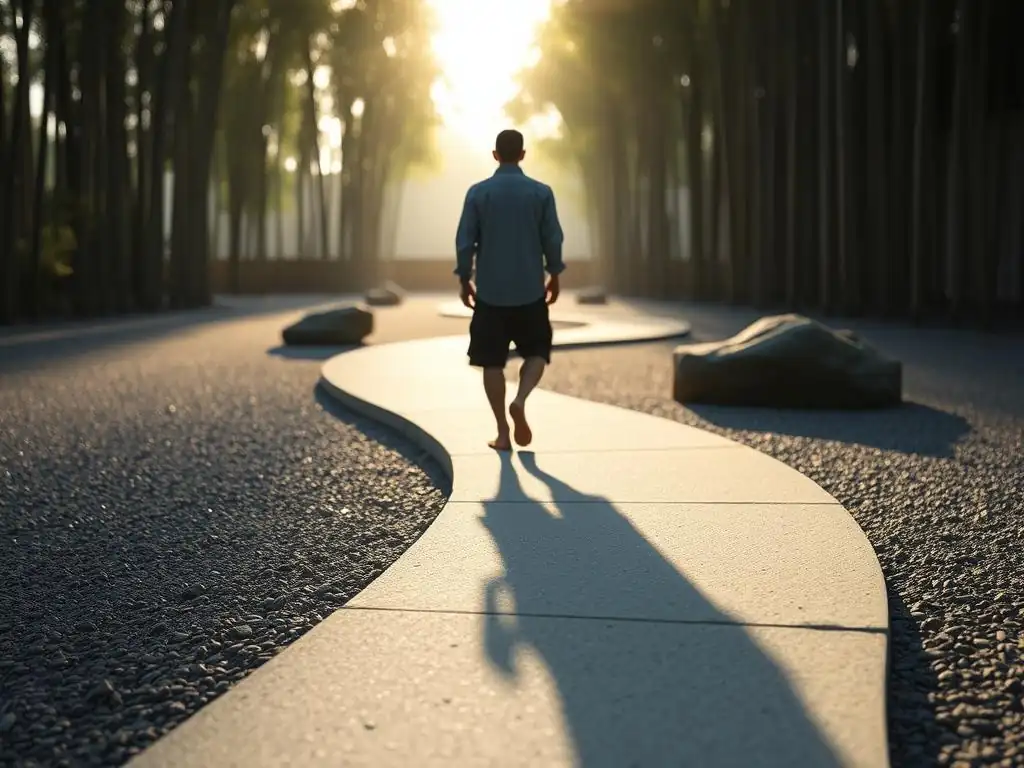
Step-by-Step Instructions for a 10-Minute Walking Meditation Session
Getting started with walking meditation is straightforward. Find a quiet place where you can walk undisturbed for about 10 minutes. Begin by standing still for a moment, closing your eyes if comfortable, and taking a few deep breaths to center yourself. Bring your awareness to your body standing upright. Then, gently open your eyes and begin to walk at a slower pace than usual.
As you walk, shift your attention to the physical sensations in your feet and legs. Notice the lifting of one foot, the movement through the air, the placement of the foot on the ground, and the transfer of weight. Pay attention to the rhythm of your steps.
When your mind wanders, which it will, gently guide your attention back to the sensations of walking without judgment. Continue walking mindfully for your chosen duration, aiming for about 10 minutes to start. As you near the end, gradually slow your pace and come to a stop, standing still again for a moment to notice how you feel before concluding the session.
Choosing the Right Location for Walking Meditation
The ideal location for walking meditation is one where you feel safe, comfortable, and relatively free from major distractions. For beginners, a quiet room or a hallway in your home can be an excellent starting point, offering a controlled environment free from external interruptions like traffic or other people. A short, straight path that allows you to walk back and forth without needing to navigate obstacles or turns can simplify the practice and help you maintain focus on the sensations of walking.
As you become more comfortable, you might explore outdoor locations such as a quiet park, a garden, or even a less-trafficked street. Nature can add another dimension to the practice, allowing you to incorporate sensory awareness of the environment (the feel of wind, the scent of flowers, the sounds of birds) while still maintaining focus on your steps. The most important factor is choosing a place where you can relax and be present without feeling anxious or unsafe, allowing you to fully embrace the walking meditation benefits anxiety reduction provides.
Focusing on Breath and Body Awareness During Walking Meditation
During walking meditation, the primary anchor for your attention is typically the sensation of walking itself – the movement of your feet and legs. However, you can also incorporate awareness of your breath. You might notice the natural rhythm of your inhalation and exhalation as you walk, perhaps coordinating your breath with your steps (e.g., inhaling for three steps, exhaling for three steps). The breath can serve as a secondary anchor, helping to deepen your sense of presence and calm.
Body awareness extends beyond just the feet and legs. You can expand your attention to notice the posture of your body, the swing of your arms, the gentle movement of your torso, and the sensation of air on your skin. The goal is not to analyze or judge these sensations but simply to observe them with curiosity and acceptance. This integrated focus on both movement and breath, alongside broader body awareness, helps to ground you firmly in the present moment, making the practice a powerful tool for cultivating mindfulness and reducing stress.
Addressing Common Challenges in Walking Meditation
Maintaining Focus During Walking Meditation
One of the most common challenges in any meditation practice, including walking meditation, is maintaining focus. The mind is naturally prone to wandering, drifting off into thoughts about the past, future, or unrelated topics. It's important to understand that this is not a failure; it's simply what minds do. The practice isn't about not having thoughts, but about noticing when your mind has wandered and gently bringing your attention back to your chosen anchor, which in this case is the physical sensation of walking.
When you notice your mind has drifted, acknowledge the thought without judgment. Don't criticize yourself for losing focus. Simply observe, "Ah, my mind was thinking about dinner," and then, with kindness, redirect your attention back to the feeling of your feet on the ground or the rhythm of your steps. Each time you do this, you strengthen your capacity for mindfulness and concentration. Think of it as a bicep curl for your attention muscle – the repetition is the exercise. Consistency in practice helps improve your ability to stay focused over time.
Dealing with External Distractions
Walking meditation, especially when practiced outdoors, inevitably exposes you to external distractions – sounds of traffic, conversations nearby, unexpected sights, changes in weather. These distractions can easily pull your attention away from the practice. The key is not to try and eliminate these distractions (which is often impossible) but to change your relationship with them. Instead of getting frustrated or trying to ignore them, you can acknowledge their presence as part of the present moment experience.
When a distraction arises, notice it. For example, if you hear a loud noise, simply register, "There is a loud noise." Then, without getting caught up in thoughts about the noise, gently bring your attention back to the sensations of walking. You can even briefly incorporate the distraction into your awareness before returning to your anchor. This approach helps you practice mindfulness in real-world conditions, teaching you how to remain centered amidst the inevitable chaos of life, which is a valuable skill for managing daily stress and anxiety.
Integrating Walking Meditation into a Busy Schedule
Finding time for any mindfulness practice can be difficult when you have a busy schedule. However, walking meditation offers unique flexibility. Instead of viewing it as an extra activity, try integrating it into movements you already do. Could your walk from the parking lot or bus stop to your office become a mindful walk? Could your lunch break stroll be dedicated to walking meditation? Even walking between meetings or rooms in your home can be an opportunity for a brief, mindful interlude.
Start small. Even 5 or 10 minutes of mindful walking can provide significant benefits. Schedule these short sessions into your day, perhaps setting a reminder on your phone. Consider replacing a less beneficial activity, like scrolling through social media during a break, with a short walking meditation. By reframing existing walking time as potential meditation time and committing to short, consistent sessions, you can effectively weave walking meditation into even the busiest of schedules, making the walking meditation benefits anxiety relief a regular part of your routine.
Maximizing the Benefits of Walking Meditation
Combining Walking Meditation with Gratitude Practices
Combining walking meditation with gratitude can amplify its positive effects, particularly in enhancing mood and providing walking meditation benefits anxiety reduction. As you walk mindfully, in addition to focusing on the physical sensations, you can also bring to mind things you are grateful for. This could be anything from the simple ability to walk, the beauty of your surroundings, the support of loved ones, or even small comforts like a warm drink or a comfortable place to rest.
Dedicate a portion of your walk to this gratitude focus. With each step, you might silently acknowledge something you appreciate. This dual focus – grounding yourself in the present moment through walking while simultaneously cultivating positive emotions through gratitude – can be a powerful antidote to anxious or negative thought patterns. It helps shift your perspective from what might be wrong or stressful to what is positive and supportive in your life, fostering a sense of contentment and peace.
Building a Consistent Walking Meditation Routine
Consistency is key to experiencing the full benefits of walking meditation. Aiming for regular practice, even for short durations, is more effective than infrequent, long sessions. Start by committing to a realistic schedule, perhaps 10 minutes three times a week. Choose a specific time or integrate it into an existing daily activity, such as your morning commute or an afternoon break, as discussed earlier. Having a set plan makes it easier to stick to the routine.
Be patient and compassionate with yourself as you build consistency. Some days will be easier than others. If you miss a session, don't view it as a failure; simply acknowledge it and recommit to your next scheduled walk. Over time, as the practice becomes a habit, you'll likely find yourself looking forward to these moments of mindful movement. A consistent routine helps solidify the walking meditation benefits anxiety and stress relief, making mindfulness a more integrated part of your daily life.
Journaling About Your Walking Meditation Experiences
Journaling after your walking meditation sessions can be a valuable tool for reflecting on your practice and observing its effects. Immediately after your walk, take a few minutes to write down any observations. You might note:
- How your body felt during the walk.
- What thoughts or emotions arose.
- How easily (or difficultly) you were able to maintain focus.
- Any insights or moments of clarity that occurred.
- How you feel physically and mentally after the walk compared to before.
Tracking these experiences over time can help you identify patterns, understand what works best for you, and see the cumulative walking meditation benefits anxiety levels and overall well-being. It provides a concrete record of your journey and can serve as motivation to continue practicing, highlighting the positive changes you are experiencing.
Walking Meditation Techniques: Exploring Different Approaches
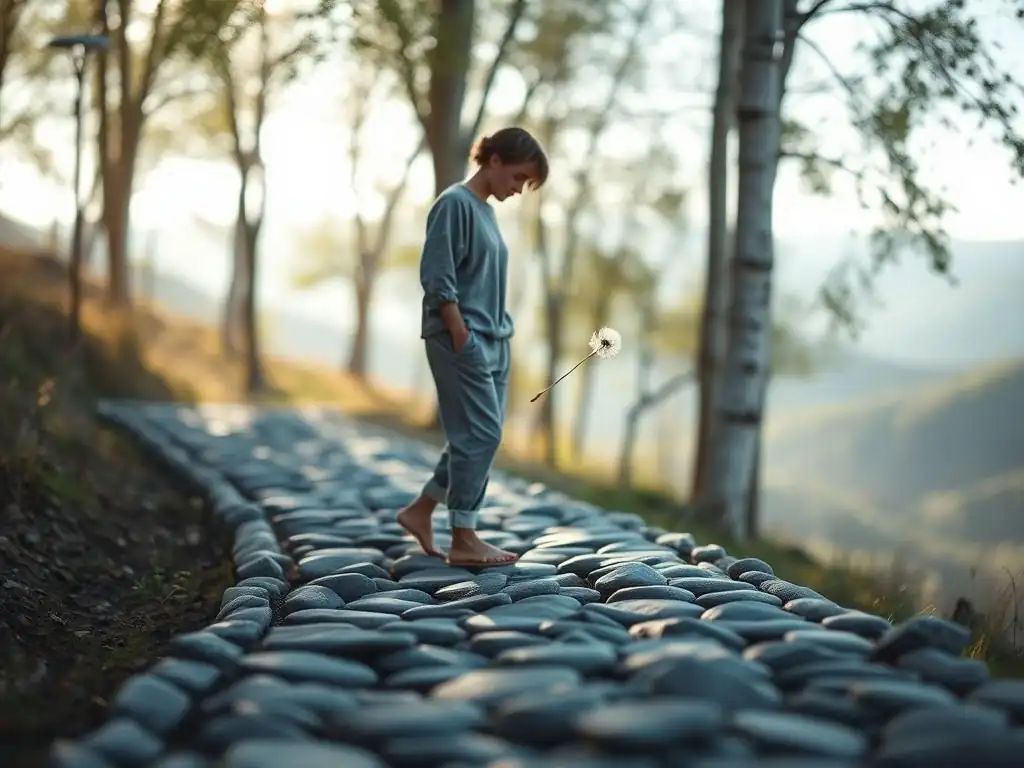
Walking Meditation with Sensory Awareness
Walking meditation with sensory awareness involves deliberately expanding your attention beyond just the physical sensation of walking to include the sensory input from your environment. As you walk, mindfully notice the sights, sounds, smells, and even tastes (like the air) around you. This technique helps ground you in the present moment by engaging all your senses, making the practice richer and more immersive.
For example, you might pay close attention to the quality of light, the colors of leaves or buildings, the sounds of birds chirping or distant traffic, the scent of rain or blossoming flowers, or the feel of the breeze on your skin. The key is to observe these sensations without getting lost in thoughts or judgments about them.
Simply register the input – "I hear a bird," "I see a green leaf," "I feel the wind" – and then gently return your awareness to the overall experience of walking and being present. This technique can be particularly effective when practicing outdoors, offering a dynamic way to connect with your surroundings and find calm.
Walking Meditation with Mantras
Incorporating a mantra into your walking meditation can provide an additional anchor for your attention and infuse the practice with intention or affirmation. A mantra is a word, phrase, or sound that you repeat silently or softly to yourself as you walk. It can be a traditional meditation mantra or a personal affirmation that resonates with you.
You might synchronize the repetition of the mantra with your steps or your breath. For instance, you could repeat the mantra "peace" with every step, or a phrase like "I am calm" with each inhale and exhale over a few steps. This rhythmic repetition helps to quiet the busy mind, reduce distracting thoughts, and reinforce a positive state of being. For individuals seeking walking meditation benefits anxiety relief, a mantra focused on calm, safety, or presence can be particularly supportive, helping to gently steer the mind away from anxious rumination.
Labyrinth Walking Meditation
Labyrinth walking meditation is a structured form of walking meditation that takes place within a labyrinth pattern. Unlike a maze, a labyrinth has only one path that winds its way to the center and back out again. There are no dead ends or choices to be made; the path is clear. Walking a labyrinth is inherently a mindful activity because the winding path requires you to slow down, pay attention to where you are placing your feet, and remain present in the moment.
The journey into the center is often seen as a release or letting go of thoughts and worries, the center itself as a space for reflection or receiving insight, and the journey back out as a return to the world carrying what you have gained. This structured path provides a strong focus, making it easier for some people to maintain attention compared to walking in an open space. Labyrinth walks can be deeply contemplative and offer a unique way to engage in walking meditation, benefiting those who appreciate a defined physical structure for their practice.
Alternatives to Walking Meditation for Stress Relief
Other Forms of Mindful Movement
If walking meditation isn't accessible or appealing to you, many other forms of mindful movement can offer similar benefits for stress reduction and well-being. Practices like Yoga, Tai Chi, and Qigong are ancient disciplines that explicitly link movement with breath and mindfulness. These practices involve slow, deliberate movements performed with conscious awareness, helping to release tension, improve flexibility, and calm the nervous system.
Even simple activities like stretching, gentle dancing, or mindful gardening can be transformed into mindful movement practices by bringing your full attention to the physical sensations and the present moment experience. The key is to engage in the activity not just for physical exercise, but with an intention to cultivate awareness, acceptance, and presence. Exploring these alternatives allows you to find a form of mindful movement that best suits your physical capabilities, interests, and preferences, ensuring you can access the benefits of connecting mind and body.
Breathing Exercises for Stress Reduction
Breathing exercises are a powerful and accessible tool for stress reduction that can be practiced anywhere, anytime, even without movement. Simple techniques like deep diaphragmatic breathing, where you breathe deeply into your belly, or box breathing (inhaling for a count, holding for a count, exhaling for a count, holding for a count) can quickly activate the parasympathetic nervous system and induce a state of calm.
Focusing on the breath provides a direct pathway to regulating your body's stress response. Slowing down and deepening your breath sends signals to your brain that you are safe, helping to lower heart rate and blood pressure and reduce the physical symptoms of stress and anxiety. While walking meditation combines movement and breath, focusing solely on the breath is a fundamental mindfulness practice in itself, offering immediate relief and serving as an excellent standalone technique or a complement to other stress-reducing activities.
Conclusion: Cultivating Inner Peace Through Walking Meditation
Key Benefits: Stress Reduction and Enhanced Well-being
Walking meditation offers a unique and accessible path to cultivating inner peace by integrating mindfulness with physical movement. Its key benefits include significant stress reduction, improved mood, and enhanced overall mental and emotional well-being. By providing a dynamic anchor for attention, it helps quiet the constant stream of thoughts, particularly those contributing to worry and anxiety. The rhythmic movement, combined with mindful awareness, helps to calm the nervous system, potentially lowering stress hormones and reducing the physical tension often held in the body.
Furthermore, regular practice can improve focus, increase self-awareness, and foster a greater appreciation for the present moment. For those seeking walking meditation benefits anxiety relief specifically, the practice offers a tangible way to ground oneself when feeling overwhelmed, shifting attention from anxious thoughts to the solid reality of the body moving through space. It's a holistic practice that nourishes both the mind and the body, contributing to a more balanced and resilient state of being.
Incorporating Walking Meditation into Your Daily Life
Incorporating walking meditation into your daily life doesn't require a complete overhaul of your schedule or lifestyle. Start small, perhaps with just 5-10 minutes a few times a week, and gradually increase the duration and frequency as you become more comfortable. Look for opportunities to make existing walks mindful, whether it's your commute, a break at work, or a stroll in your neighborhood. Choose locations where you feel safe and can minimize distractions, especially when starting out.
Be patient and persistent. The benefits of walking meditation accumulate over time with consistent practice. Don't get discouraged by a wandering mind or missed sessions; simply return to the practice with kindness and determination. By making mindful walking a regular part of your routine, you create dedicated moments throughout your day to pause, center yourself, and cultivate a deeper connection with your body and the present moment, ultimately fostering greater peace and resilience in the face of life's challenges.
Frequently Asked Questions
### What exactly is walking meditation, and how does it differ from regular walking?
Walking meditation is a form of mindfulness practice that involves paying attention to the sensations of walking. Unlike regular walking, the goal isn't to reach a destination but to be present in the moment. It focuses on the physical experience of movement.
### What are the main walking meditation benefits anxiety that I can expect?
Walking meditation can significantly reduce anxiety by promoting relaxation and calming the nervous system. It helps to shift focus away from anxious thoughts and into the present moment, fostering a sense of peace.
### How often should I practice walking meditation to see walking meditation benefits anxiety?
The frequency depends on your individual needs, but aiming for at least 15-20 minutes, several times a week, can yield noticeable results. Consistency is key; even short, regular sessions are more effective than infrequent, long ones.
### Are there any specific walking meditation benefits anxiety that are unique compared to seated meditation?
Walking meditation can be particularly helpful if you find seated meditation difficult. The movement can be easier to focus on than the breath, and the change of scenery can be more engaging, leading to greater feelings of calm and peace.
### Are there any precautions I should take before starting walking meditation, especially if I have a physical or mental health condition?
If you have a pre-existing physical condition, consult with your doctor before starting. For mental health conditions, walking meditation can be beneficial, but discuss it with your therapist or psychiatrist to ensure it's appropriate for you.
Final Reflection: Finding Stillness in Motion: The Transformative Power of Walking Meditation
The pervasive anxiety of modern life demands accessible tools for self-care, and walking meditation offers a surprisingly potent antidote. It's not just a trend; it's a practical, readily available technique that can significantly impact mental and emotional well-being, offering a path to calm amidst the chaos.
The gentle rhythm of walking, coupled with mindful awareness, has profoundly shaped my understanding of stress management and inner peace. It's a practice that transcends age, physical ability, and location, making its accessibility a powerful force for positive change. The journey of a thousand miles begins with a single step,
and for many, that step might be the first conscious breath taken while walking mindfully. This simple act can unlock a world of calm and self-awareness, fostering a deeper connection with oneself and the world around us. The ongoing influence of this practice is evident in the growing number of people seeking solace and clarity through this accessible form of meditation.
Now, consider your own life. Are you feeling overwhelmed? Stressed? Try incorporating even five minutes of walking meditation into your day. Notice the sensations in your feet, the rhythm of your breath, the sights and sounds around you. Let go of judgment, and simply be present. This simple act of mindful movement can be the key to unlocking a calmer, more centered you. Embrace the stillness within the motion, and discover the transformative power of walking meditation for yourself.
Unlock Your Inner Peace: Take the First Step to Walking Meditation
Thanks for exploring the world of walking meditation with us! We hope you discovered how this simple practice can bring profound benefits to your mind and body. Ready to weave mindfulness into your daily life?
- Begin your walking meditation journey today! Even 5 minutes of mindful walking can make a difference. Find a quiet space and try the techniques we discussed.
- Share your experience! Let us know in the comments below how your first walking meditation session went. We love hearing your stories.
- Consider exploring other mindful movement practices—perhaps Tai Chi or Qigong—to complement your journey.
What small step will you take today to cultivate more mindfulness in your life?