
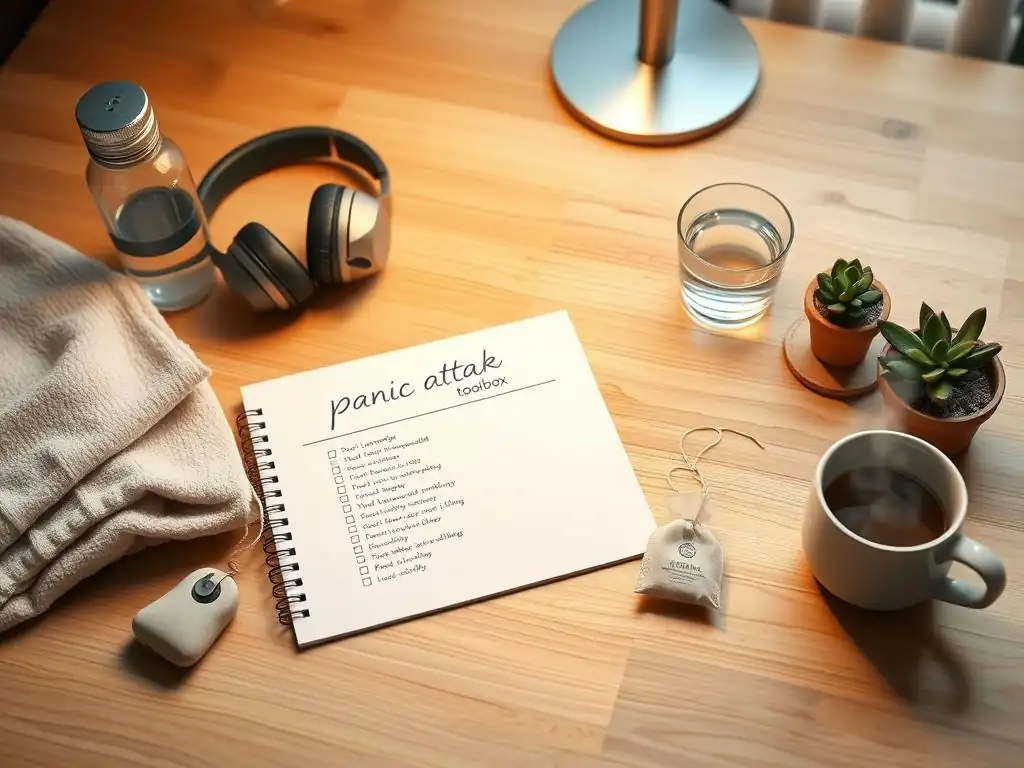
Your Panic Toolbox: Essential Items to Keep Handy for Attacks.

Welcome to Mind Care Guide, a safe space for your mental well-being journey.
Feeling overwhelmed by panic attacks? You're not alone. We understand the fear and uncertainty they can bring. Our article, "Your Panic Toolbox: Essential Items to Keep Handy for Attacks", delves into practical panic attack coping strategies checklist that can empower you to regain control. Discover tangible tools you can use right now to navigate these moments and reclaim your peace. Let's explore together.
Your Anxiety Management Toolkit: Essential Items for Coping
- Understanding Anxiety and the Need for a Coping Strategies Checklist
- Building Your Coping Strategies Checklist: A Step-by-Step Guide
-
Essential Items for Your Anxiety Management Toolkit: A Detailed Checklist
- Grounding Techniques: Items to Help You Stay Present
- Breathing Exercises: Tools to Regulate Your Breathing
- Relaxation Techniques: Items to Promote Calmness
- Cognitive Restructuring: Resources to Challenge Negative Thoughts
- Distraction Techniques: Items to Shift Your Focus
- Comfort Items: Personalized Objects for Emotional Support
- Using Your Coping Strategies Checklist and Toolkit Effectively
- Maintaining Your Anxiety Management Toolkit: Keeping it Fresh and Relevant
- Anxiety Management: Beyond the Toolkit
- Conclusion: Empowering Yourself with a Coping Strategies Checklist
-
Frequently Asked Questions
- What is a panic attack coping strategies checklist, and why is it important?
- What are some essential items that should be included in my panic attack coping strategies checklist?
- How often should I review and update my panic attack coping strategies checklist?
- Where can I find resources to help me create a personalized panic attack coping strategies checklist?
- How does using a panic attack coping strategies checklist contribute to long-term mental well-being?
- Final Reflection: Building Your Resilience Against Panic
- Unleash Your Inner Calm: Build Your Personal Panic Toolbox Today!
Understanding Anxiety and the Need for a Coping Strategies Checklist
What is Anxiety? Recognizing the Symptoms
Anxiety is a natural human response to stress, but when it becomes excessive or persistent, it can evolve into an anxiety disorder, affecting millions worldwide. These disorders are characterized by persistent worry, fear, or nervousness that interferes with daily activities.
Symptoms can manifest both emotionally and physically, ranging from feelings of dread, irritability, and difficulty concentrating to physical sensations like a racing heart, sweating, trembling, shortness of breath, and even digestive issues. Panic attacks, a specific and intense form of anxiety, involve a sudden onset of intense fear or discomfort that peaks within minutes, often accompanied by symptoms such as palpitations, chest pain, dizziness, and a feeling of losing control or impending doom.
Recognizing these symptoms is the crucial first step in managing anxiety and panic attacks. For some, anxiety might present as constant worrying about future events, while for others, it could be an overwhelming fear of social situations or specific objects. Understanding your personal pattern of symptoms, whether they are constant background noise or sudden, acute episodes like panic attacks, helps in identifying when and how to intervene. This self-awareness is foundational to developing effective coping strategies and building a robust anxiety management toolkit tailored to your individual needs and challenges.
Why Prepare an Anxiety Management Toolkit? The Benefits of Proactive Management
Preparing an anxiety management toolkit, also known as a panic attack coping strategies checklist or anxiety coping strategies checklist, offers significant benefits for proactive mental health management. Instead of being caught unprepared when anxiety or a panic attack strikes, having a readily accessible collection of tools and strategies empowers you to take immediate action. This sense of preparedness can itself reduce overall anxiety levels, as you know you have resources at hand to help you navigate difficult moments. It shifts the focus from passively enduring symptoms to actively engaging in self-soothing and regulation techniques.
Moreover, a well-prepared toolkit provides tangible anchors during moments of intense distress. When rational thought is difficult, having physical items or pre-planned strategies can guide you back to a state of calm. It reinforces healthy coping mechanisms learned in therapy or through personal experience, making them easier to recall and implement under pressure. Studies and clinical observations consistently show that individuals who utilize coping strategies proactively experience reduced frequency and intensity of anxiety symptoms, leading to improved quality of life and a greater sense of control over their mental well-being.
Building Your Coping Strategies Checklist: A Step-by-Step Guide
Step 1: Identifying Your Personal Anxiety Triggers
The first step in building an effective anxiety management toolkit and coping strategies checklist is to understand what specifically triggers your anxiety or panic attacks. Triggers can be external, such as specific places, social situations, or events like public speaking, or internal, such as particular thoughts, memories, or physical sensations like fatigue or hunger. Identifying these patterns requires self-reflection, perhaps through journaling or discussing with a therapist. For instance, someone might notice that their anxiety spikes before important meetings at work, while another finds crowded spaces particularly challenging.
Keeping a log of anxious episodes can be incredibly revealing. Note down the date, time, location, what you were doing, who you were with, what thoughts were going through your mind, and the physical symptoms you experienced. Over time, reviewing this log will help you see patterns and pinpoint common triggers. Understanding why certain situations or thoughts provoke anxiety allows you to anticipate potential difficulties and select coping mechanisms and toolkit items that are most relevant to those specific triggers, making your anxiety management efforts much more targeted and effective.
Step 2: Listing Effective Coping Mechanisms
Once you've identified your triggers, the next step is to list the coping mechanisms that you find helpful or are willing to try. This list forms the core of your coping strategies checklist. Coping mechanisms vary widely and what works for one person might not work for another. Examples include deep breathing exercises, progressive muscle relaxation, mindfulness meditation, journaling, talking to a trusted friend, listening to calming music, engaging in light physical activity, or using sensory grounding techniques. Consider strategies that have helped you in the past, even in minor situations, or techniques recommended by mental health professionals.
Experimentation is key at this stage. Try different techniques when you are not feeling acutely anxious to see how they feel and which ones resonate with you. For example, you might try a 4-7-8 breathing exercise and compare its effect to simply focusing on your natural breath. Or, you might experiment with listening to different types of music or engaging in a simple craft. The goal is to build a diverse list of strategies that you can draw upon depending on the situation and the intensity of your anxiety, creating a flexible and powerful personal anxiety coping strategies checklist.
Step 3: Gathering Essential Items for Your Toolkit
With your triggers identified and a list of effective coping mechanisms in hand, the final step in building your anxiety management toolkit is to gather the physical items that support these strategies. This collection of items is what you will keep readily accessible to deploy when anxiety strikes. The contents of your toolkit should directly correspond to the coping mechanisms you've chosen and should be easy to use and carry if needed.
Think about the items that facilitate your chosen strategies. If deep breathing helps, perhaps a small card with breathing instructions. If sensory grounding is effective, include items that engage your senses.
If distraction works, add something engaging like a small puzzle or drawing pad. The items don't need to be expensive or elaborate; their value lies in their ability to help you implement your coping strategies quickly and effectively. Aim for a portable collection that can be kept in a bag, desk drawer, or a specific spot at home, ensuring your panic attack coping strategies checklist items are always within reach.
Essential Items for Your Anxiety Management Toolkit: A Detailed Checklist

Grounding Techniques: Items to Help You Stay Present
Grounding techniques are powerful tools for managing anxiety and panic attacks by bringing your focus back to the present moment and your physical surroundings. They help interrupt the cycle of anxious thoughts by engaging your senses or directing your attention away from internal distress. Having specific items in your toolkit can make these techniques easier to initiate and more effective when you are feeling overwhelmed or disconnected.
These items serve as tangible anchors to reality. For example, focusing on the texture of a stress ball or the scent of an essential oil can immediately pull your attention away from racing thoughts and into the physical world. This simple act of sensory engagement can disrupt the escalating panic response, helping to stabilize your emotional state. Including a variety of sensory items allows you to choose what feels most comforting or effective in a given moment, enhancing the versatility of your anxiety coping strategies checklist.
Sensory Items: Essential Oil Roller, Stress Ball, Fidget Spinner
- Essential Oil Roller: A small rollerball containing a calming scent like lavender, chamomile, or peppermint. Inhaling the familiar, soothing aroma can trigger a relaxation response and provide a sensory focal point during moments of anxiety. Many people find aromatherapy helps lower heart rate and promote a sense of calm, with studies suggesting lavender's efficacy in reducing anxiety symptoms comparable to some medications in mild cases.
- Stress Ball: A simple, squeezable object that provides tactile stimulation. The physical act of squeezing and releasing can help dissipate nervous energy and tension. Focusing on the sensation in your hands is a classic grounding technique, redirecting attention from anxious thoughts to physical reality.
- Fidget Spinner/Cube: These small, handheld devices provide repetitive, low-level physical activity. The motion can be calming and provide a non-distracting way to occupy restless hands, helping to anchor attention in the present moment without requiring significant cognitive effort. They are particularly useful for individuals who benefit from physical outlets for nervous energy.
Visual Aids: Nature Photographs, Affirmation Cards
- Nature Photographs: Small, calming images of nature scenes (forests, oceans, mountains). Looking at peaceful imagery can evoke feelings of tranquility and provide a pleasant visual focus, helping to shift your mental state away from distress. Research indicates that viewing nature scenes can reduce stress levels and improve mood.
- Affirmation Cards: Small cards with positive statements or affirmations written on them (e.g., "I am safe," "This feeling will pass," "I am capable"). Reading these statements aloud or silently can help counter negative self-talk and reinforce positive beliefs, offering a mental anchor during anxious moments.
Breathing Exercises: Tools to Regulate Your Breathing
During anxiety or panic attacks, breathing often becomes shallow and rapid, exacerbating physical symptoms like dizziness and hyperventilation. Breathing exercises are fundamental coping strategies designed to slow down and regulate your breath, which in turn can calm your nervous system. Including tools in your toolkit that support these exercises makes them easier to access and perform consistently when you need them most.
Having guided audio or simple written instructions readily available removes the need to remember complex steps when you are feeling overwhelmed. This simplifies the process, allowing you to focus solely on the breathing technique itself. Regular practice with these tools can make controlled breathing an automatic response to rising anxiety, offering a reliable method to regain composure and interrupt the panic cycle.
Guided Meditation Apps: Pre-loaded Calming Audios
- Guided Meditation Apps: Ensure you have a few calming audio tracks downloaded on your phone via popular meditation apps (like Calm, Headspace, or free alternatives). These tracks often include guided breathing exercises specifically designed for anxiety or panic. Having them pre-loaded means you can access them instantly without needing a data connection, providing an accessible and portable tool for regulating breath and promoting relaxation. Many apps offer specific programs for managing panic or acute anxiety.
Breathing Exercise Instructions: Printed or Digital
- Breathing Exercise Instructions: A small card or note in your phone with simple instructions for a proven technique like 4-7-8 breathing (inhale for 4, hold for 7, exhale for 8) or box breathing (inhale for 4, hold for 4, exhale for 4, hold for 4). This serves as a quick reference, removing the mental load of trying to remember the steps when you're distressed. Having a physical card can be particularly helpful if you prefer to avoid screen time during anxiety.
Relaxation Techniques: Items to Promote Calmness
Beyond breathing and grounding, incorporating items that specifically promote physical and mental relaxation can be highly effective in an anxiety management toolkit. These items help to soothe the body and mind, counteracting the physical tension and mental agitation often associated with anxiety and panic attacks. They encourage a deliberate shift towards a state of rest and calm.
Including items that appeal to different senses or preferences ensures you have options tailored to how you best relax. Some individuals find comfort in warmth and pressure, while others need to minimize external stimuli. Providing these varied tools supports a holistic approach to managing anxiety symptoms, helping you to de-escalate from a state of heightened alert.
Weighted Eye Pillow: For Relaxation
- Weighted Eye Pillow: A small pillow filled with flaxseed or beads, often scented with lavender, designed to be placed over the eyes. The gentle pressure can be incredibly soothing and helps block out light, encouraging relaxation and signaling to the body that it's time to rest. The weight provides a subtle grounding sensation, which can be comforting during moments of anxiety.
Noise-Canceling Headphones: To Block Out Stimuli
- Noise-Canceling Headphones: These can be invaluable for creating a calm sanctuary in overwhelming environments. Blocking out external noise reduces sensory input, which can be particularly triggering for individuals experiencing sensory overload during anxiety or panic. Wearing them, even without playing audio, can provide a sense of insulation and control over your immediate environment.
Cognitive Restructuring: Resources to Challenge Negative Thoughts
Anxiety is often fueled by negative or catastrophic thinking patterns. Cognitive restructuring techniques involve identifying and challenging these unhelpful thoughts, replacing them with more balanced and realistic perspectives. While this is often a process worked on in therapy, having simple resources in your toolkit can support these efforts in the moment of distress.
These resources provide prompts and structure for engaging with your thoughts in a more constructive way. Instead of being swept away by negative self-talk, you can use these tools to pause, examine your thoughts critically, and consciously choose a different perspective. This empowers you to gain distance from your anxiety and practice healthier mental habits.
Journal: To Record and Process Anxious Thoughts
- Journal: A small notebook and pen specifically for writing down anxious thoughts. The act of externalizing thoughts by writing them down can create distance from them and help you see them more objectively. You can use the journal to identify recurring thought patterns or to simply vent feelings, which can be incredibly therapeutic. Studies show that expressive writing can reduce psychological distress.
Positive Reframing Prompts: To Counter Negative Self-Talk
- Positive Reframing Prompts: A card or list with questions or prompts designed to challenge negative thoughts (e.g., "What is the evidence for this thought? ", "What is a more helpful way to think about this? ", "What would I tell a friend in this situation?"). These prompts guide you through a basic cognitive restructuring process, helping you to evaluate the validity of your anxious thoughts and find alternative, more positive interpretations.
Distraction Techniques: Items to Shift Your Focus
Sometimes, the most effective strategy during intense anxiety or a panic attack is simply to shift your focus away from the distressing internal experience. Distraction techniques engage your mind or body in an activity that is absorbing enough to temporarily pull your attention away from anxious thoughts and physical sensations. The goal is not to ignore the anxiety long-term, but to create a brief reprieve that allows the intensity to subside.
Having specific items dedicated to distraction ensures you have readily available, non-harmful ways to occupy your attention. These items should be relatively simple to engage with, even when you're feeling distressed, and should ideally be portable so you can use them wherever you are. They provide a mental escape hatch during acute moments.
Adult Coloring Book: Engaging Activity
- Adult Coloring Book: A small coloring book with intricate patterns and a set of colored pencils or markers. Coloring is a mindful activity that requires focus and engages fine motor skills, making it an effective way to distract the mind from anxious rumination. The repetitive motion and focus on color and form can be surprisingly calming.
Uplifting Podcast List: Calming Audio
- Uplifting Podcast List: A list of specific podcast episodes that you find engaging, calming, or humorous, pre-downloaded on your phone. Listening to a story, a comedy routine, or an interesting discussion can effectively redirect your attention away from internal distress. Choose content that is lighthearted or requires enough focus to be absorbing.
Comfort Items: Personalized Objects for Emotional Support
Comfort items are highly personal and often tap into memories or sensations that evoke feelings of safety, warmth, or nostalgia. These items provide emotional reassurance and can be incredibly soothing during times of vulnerability and distress. Their power lies in their personal significance and the positive associations they hold.
Including comfort items in your toolkit acknowledges the emotional component of anxiety and provides a direct way to nurture yourself. These are the items that make you feel cared for and secure, offering a gentle counterpoint to the fear and discomfort of anxiety or a panic attack.
Favorite Tea Bags: For a Soothing Beverage
- Favorite Tea Bags: A couple of tea bags of a calming herbal blend, like chamomile or peppermint. The ritual of making tea, the warmth of the mug in your hands, and the soothing properties of the herbs can be incredibly comforting. It provides a moment of calm focus and self-care.
Cozy Socks: For Comfort
- Cozy Socks: A pair of soft, comfortable socks. Changing into cozy socks can be a simple act of self-care that promotes physical comfort and a sense of being nurtured. It's a small, tangible way to feel more grounded and physically at ease, particularly helpful when anxiety manifests with physical coldness or shakiness.
Using Your Coping Strategies Checklist and Toolkit Effectively
Practice and Familiarization: Knowing Your Toolkit Inside and Out
Simply assembling an anxiety management toolkit is not enough; you must become familiar with its contents and practice using the associated coping strategies before you are in a state of acute anxiety or panic. Just as a musician practices scales, you need to practice your coping mechanisms when you are calm. This builds muscle memory and makes the strategies easier to access and implement when your cognitive functions might be impaired by distress. Spend time trying out each item and technique in low-stress situations to understand how it feels and works for you.
Regular practice helps integrate these tools into your automatic responses. For example, practice 4-7-8 breathing daily for a few minutes, or use your stress ball while watching TV. The more familiar and comfortable you are with your toolkit items and your panic attack coping strategies checklist, the more likely you are to reach for them automatically when anxiety begins to escalate. This familiarity reduces hesitation and increases the likelihood that the intervention will be effective in de-escalating the situation.
Integrating the Toolkit into Your Daily Routine
Integrating the use of your anxiety management toolkit items and strategies into your daily routine, even on days when you feel relatively calm, can strengthen their effectiveness. This isn't just about practicing for moments of crisis; it's about building consistent habits that support overall mental well-being. For instance, starting your day with a few minutes of guided breathing or using a relaxation technique before bed can help regulate your nervous system over time and potentially reduce the frequency or intensity of anxiety episodes.
Think about incorporating toolkit items into transition points in your day or during potentially stressful activities. If commuting triggers anxiety, have your noise-canceling headphones and a calming podcast ready. If evenings are difficult, make a ritual of using your weighted eye pillow and drinking soothing tea. By making these tools a regular part of your life, you reinforce their connection to calm and coping, making them more powerful resources when acute anxiety or a panic attack occurs.
When to Seek Professional Help: Recognizing the Limits of Self-Management
While an anxiety management toolkit and coping strategies checklist are invaluable tools for managing symptoms and providing immediate relief during panic attacks, they are complements to, not replacements for, professional mental health care. It is crucial to recognize the limits of self-management and understand when it is necessary to seek help from a therapist, counselor, or psychiatrist. If your anxiety is persistent, significantly interferes with your daily life, causes severe distress, or if you are experiencing frequent panic attacks despite using your coping strategies, it is time to seek professional guidance.
Mental health professionals can provide diagnosis, therapy (such as Cognitive Behavioral Therapy or Exposure Therapy, which have high success rates for anxiety disorders), and discuss medication options if appropriate. They can also help you understand the root causes of your anxiety, develop more advanced coping strategies, and address any co-occurring conditions. Think of your toolkit as a powerful aid in your journey, but remember that expert support is essential for comprehensive and long-term recovery and management of anxiety disorders.
Maintaining Your Anxiety Management Toolkit: Keeping it Fresh and Relevant
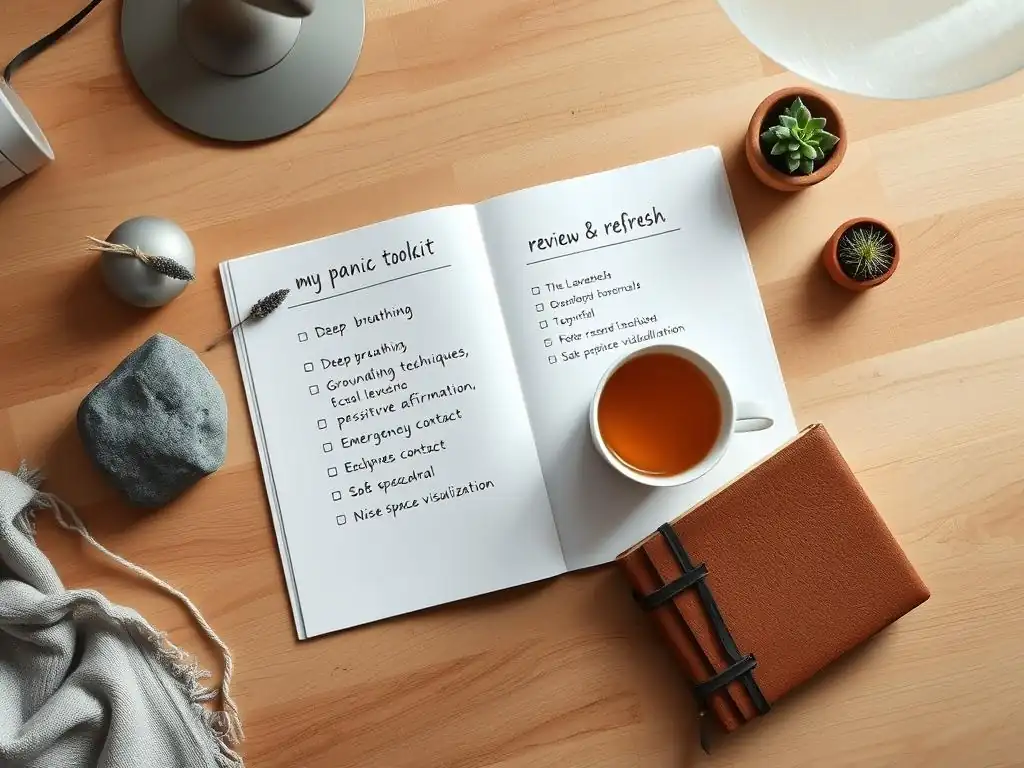
Regularly Reviewing and Updating Your Coping Strategies Checklist
Your anxiety and your life circumstances are not static, and neither should your coping strategies checklist and toolkit be. It's important to regularly review what's in your toolkit and on your checklist, perhaps every few months or after a significant life change. Ask yourself: Are these items still relevant to my current triggers and symptoms? Have I discovered new strategies that work better for me? Are there items I rarely use? This review process allows you to refine your approach and ensure your toolkit remains a truly helpful resource.
Updating your checklist might involve adding new techniques learned in therapy, removing strategies that no longer feel effective, or adjusting the list based on changes in your daily routine or environment. For example, if you've started a new job with different stressors, you might need to add coping mechanisms specifically for workplace anxiety. Keeping your checklist dynamic ensures it evolves with you, remaining a powerful and personalized guide for managing your mental well-being.
Replacing Used or Expired Items
Just like any other set of tools, the items in your anxiety management toolkit may need replacing over time. Essential oils can lose their potency, stress balls can wear out, journals get filled, and printed instructions can become worn or lost. Make it a habit to periodically check the condition of your items and replace anything that is used up, broken, or no longer effective. This simple act ensures that your toolkit is always ready for use when you need it most.
Replacing items also provides an opportunity to reconsider if that item is still the best fit for your needs. Perhaps you found that a different scent of essential oil is more calming, or a different type of fidget tool is more effective for you. Keeping your toolkit fresh means keeping it functional and tailored to your current preferences and needs, ready to support your panic attack coping strategies checklist whenever necessary.
Personalizing Your Toolkit as Your Needs Evolve
As you gain more experience managing your anxiety and panic attacks, you will learn more about what works best for you. Your anxiety management toolkit should be a reflection of this evolving understanding. Don't hesitate to personalize it further, adding items that hold specific meaning or comfort for you, even if they aren't on a generic list. This could be a smooth stone to hold, a specific type of candy to engage taste, or a photo of a loved one or pet.
Your needs may also change over time. Techniques that were highly effective during one period might become less so, and new challenges may require different approaches. Continuously evaluating and adapting your toolkit ensures it remains a relevant and powerful ally in your journey towards better mental well-being. This ongoing personalization makes your anxiety coping strategies checklist not just a list, but a living document of your resilience and self-care.
Anxiety Management: Beyond the Toolkit
The Importance of Therapy and Counseling
While an anxiety management toolkit is a crucial resource for immediate coping, professional therapy and counseling are essential components of comprehensive anxiety management, especially for anxiety disorders or frequent panic attacks. Therapists provide a safe space to explore the underlying causes of anxiety, whether they stem from past experiences, thought patterns, or current life stressors. Techniques like Cognitive Behavioral Therapy (CBT) and Acceptance and Commitment Therapy (ACT) are evidence-based approaches that teach you skills to challenge negative thinking, change behavioral responses to anxiety, and develop greater psychological flexibility.
Therapy also offers personalized strategies and support that a general toolkit cannot. A therapist can help you identify specific triggers, develop tailored exposure exercises to gradually confront fears, and work through complex emotional issues that contribute to anxiety. For many, therapy provides the foundational understanding and skills needed to manage anxiety long-term, making the toolkit an effective support system rather than the sole method of coping.
Medication Options for Anxiety Disorders
For some individuals, medication can be a necessary and effective part of managing anxiety disorders, particularly when symptoms are severe or significantly impair daily functioning. Medications like Selective Serotonin Reuptake Inhibitors (SSRIs), Serotonin-Norepinephrine Reuptake Inhibitors (SNRIs), and sometimes benzodiazepines (usually for short-term or acute use) can help regulate brain chemistry to reduce the intensity and frequency of anxiety symptoms and panic attacks.
It is crucial that medication decisions are made in consultation with a qualified medical professional, such as a psychiatrist or primary care physician. They can assess your specific symptoms, medical history, and potential interactions to determine if medication is appropriate and which type might be most beneficial. Medication is often most effective when used in conjunction with therapy and self-management strategies, providing a multi-faceted approach to managing anxiety.
Lifestyle Changes to Reduce Anxiety Symptoms
In addition to therapy, medication, and using an anxiety management toolkit, adopting healthy lifestyle changes can significantly impact anxiety levels. Simple habits can have a profound effect on your nervous system and overall resilience. Regular physical activity, for example, is a powerful stress reliever and can reduce anxiety symptoms. Aiming for consistent, quality sleep is also critical, as sleep deprivation can exacerbate anxiety.
Other beneficial lifestyle changes include maintaining a balanced diet, limiting caffeine and alcohol intake (as these can trigger or worsen anxiety symptoms), practicing mindfulness or meditation regularly, and ensuring you have strong social support networks. Incorporating these habits into your daily life complements your coping strategies checklist and toolkit, creating a foundation of well-being that can make anxiety easier to manage and reduce the frequency of panic attacks.
Conclusion: Empowering Yourself with a Coping Strategies Checklist
Frequently Asked Questions
What is a panic attack coping strategies checklist, and why is it important?
A checklist is a tool to help you quickly access coping mechanisms during a panic attack. It's important because panic can impair rational thought, and the list reminds you of pre-planned strategies.
What are some essential items that should be included in my panic attack coping strategies checklist?
Essential items include deep breathing exercises, grounding techniques (like the 5-4-3-2-1 method), and a list of positive affirmations to repeat.
How often should I review and update my panic attack coping strategies checklist?
You should review and update your checklist regularly, perhaps monthly, to ensure the strategies remain effective and relevant to your current needs. Consider adding newly learned techniques.
Where can I find resources to help me create a personalized panic attack coping strategies checklist?
Websites like Mind Care Guide offer information and resources. Also, consider consulting a mental health professional for personalized guidance.
How does using a panic attack coping strategies checklist contribute to long-term mental well-being?
Consistently using a checklist can build self-efficacy and confidence in managing panic attacks. This can ultimately reduce anxiety and promote a sense of control and well-being.
Final Reflection: Building Your Resilience Against Panic
The fight against panic is not a sprint, but a marathon of self-discovery and empowerment. Understanding and managing panic attacks requires ongoing commitment and the development of personalized strategies. This article has provided a foundational checklist, but true mastery lies in consistent practice and adaptation.
The impact of panic attacks extends far beyond the immediate experience; it shapes our daily lives, influencing our choices, relationships, and overall well-being. The fear of another attack can become a debilitating force, restricting opportunities and fostering a sense of isolation. Anxiety is like a rocking chair. It gives you something to do, but it doesn't get you anywhere.
- Jodi Picoult. This quote highlights the unproductive cycle of anxiety, a cycle we can actively break through proactive self-care and the development of coping mechanisms.
You now possess a toolbox filled with potential strategies. The next step is to personalize it. Experiment with the techniques outlined, identify what works best for you, and build a routine that incorporates these practices into your daily life. Remember, seeking professional help is not a sign of weakness, but a testament to your strength and commitment to your well-being. Take charge of your mental health; you deserve peace and control.
Unleash Your Inner Calm: Build Your Personal Panic Toolbox Today!
Thanks for taking the time to learn about building a practical panic toolbox. You've now gained the knowledge to navigate challenging moments with greater confidence and control. Are you ready to put your new skills into practice?
- Assemble your personalized panic kit: Begin gathering the items mentioned—it's simpler than you might think! Feel free to include a few personal touches that cater to your unique needs.
- Share this crucial information: Spread the word to friends and family; helping others prepare can strengthen your own resilience.
- Explore additional resources: Look into relaxation techniques and coping strategies by searching online for relevant keywords such as "mindfulness techniques" or "breathing exercises".
What is one small step you can take right now to cultivate a greater sense of calm and readiness?