
Equipping Kids with Coping Skills: Your Essential Parenting Toolkit


Welcome to Mind Care Guide, where your family's mental well-being is our priority.
Feeling overwhelmed navigating your child's emotions? You're not alone. This guide delves into coping skills for children parents, offering practical strategies and compassionate support. Discover how to build a resilient and emotionally healthy environment for your kids, and empower them to face life's challenges with confidence. What if the key to a happier family lies in these simple, yet powerful techniques? Let's explore together...
- Understanding the Importance of Coping Skills for Children
- Identifying Common Childhood Stressors and Emotional Challenges
- Building a Foundation: Essential Coping Strategies for Kids
- Your Parenting Toolkit: Practical Coping Skills Activities
- Fostering Resilience: Long-Term Strategies for Building Coping Skills
- Addressing Specific Challenges: Tailoring Coping Skills to Individual Needs
- Seeking Professional Help: When to Consult a Mental Health Professional
- Resources for Parents: Further Learning and Support
-
Frequently Asked Questions
- What are some basic coping skills I can teach my child?
- Why is it important for parents to model healthy coping mechanisms?
- At what age can I start teaching my child coping skills?
- What should I do if my child is struggling to use their coping skills effectively?
- How can I create a supportive environment to foster coping skills in my child?
- Final Reflection: Nurturing Resilience: The Power of Coping Skills in Childhood
- Unleash Your Child's Inner Resilience!
Understanding the Importance of Coping Skills for Children
Why Coping Mechanisms Matter for Child Development
Developing effective coping skills is fundamentally important for a child's emotional and psychological growth. These skills act as a child's internal toolkit, enabling them to navigate the inevitable challenges, disappointments, and stressors of life in a healthy way. Without these mechanisms, children may resort to less constructive responses, such as avoidance, aggression, or withdrawal, which can hinder their social development, academic performance, and overall well-being.
Research, like that cited by organizations such as the American Psychological Association, consistently shows that children with strong coping abilities are better equipped to manage stress, adapt to change, and build resilience, laying a crucial foundation for mental health in adolescence and adulthood. It is therefore a primary goal for parents to nurture these essential life skills from an early age.
Furthermore, the ability to cope effectively directly impacts a child's self-esteem and sense of agency. When a child successfully navigates a difficult situation using learned strategies, they build confidence in their ability to handle future challenges. This positive reinforcement encourages them to face problems rather than fear them.
For instance, a child who learns to use deep breathing when feeling overwhelmed by a difficult school assignment experiences a sense of control and accomplishment, rather than succumbing to frustration or giving up. Equipping kids with coping skills is not just about managing negative emotions; it's about empowering them to believe in their capacity to overcome obstacles and thrive.
The Role of Parents in Fostering Healthy Coping
Parents are the primary educators and role models in a child's life, making their role in fostering healthy coping mechanisms absolutely critical. Children learn by observing and interacting with their caregivers, absorbing not only explicit instructions but also implicit behaviors and attitudes towards stress and emotion. A parent who openly discusses their feelings and demonstrates healthy ways of managing stress, such as taking a break or talking to a friend, provides a powerful living example for their child.
Conversely, parents who avoid difficult emotions or react impulsively may inadvertently teach their children similar unhelpful patterns. Therefore, for parents seeking effective coping skills for children, modeling is perhaps the most influential strategy.
Beyond modeling, parents play a proactive role in teaching, practicing, and reinforcing coping strategies. This involves creating a safe space for children to express their emotions without judgment, actively listening to their concerns, and gently guiding them towards constructive solutions. It requires patience and consistent effort, celebrating small successes as children learn to identify their feelings and apply different techniques.
For example, a parent might practice simple mindfulness exercises with their child daily or help them articulate their frustration using "I feel" statements. This active involvement in teaching coping skills for children parents builds a stronger parent-child bond and equips children with practical tools they can use independently throughout their lives.
Identifying Common Childhood Stressors and Emotional Challenges
Recognizing Signs of Stress and Anxiety in Children
Recognizing stress and anxiety in children can be challenging, as their expressions differ significantly from adults. While adults might articulate their worries verbally, children often manifest stress through behavioral or physical symptoms. Common signs include changes in sleep patterns (difficulty falling asleep, nightmares), changes in appetite (eating more or less than usual), physical complaints like stomachaches or headaches with no medical cause, increased irritability or crying, withdrawal from activities they once enjoyed, or difficulty concentrating in school.
For example, a child who suddenly refuses to go to school might be experiencing significant anxiety related to social interactions or academic pressure, rather than simply being defiant. Being attuned to these shifts is the first step for parents seeking to implement effective coping skills for children.
Observing a cluster of these symptoms over a period of time, especially in response to specific situations or changes, can indicate elevated stress or anxiety levels. For instance, a child might become clingier, exhibit more temper tantrums, or start biting their nails when a new sibling arrives, or during transitions like starting a new school year.
It's crucial for parents to differentiate between typical developmental phases and persistent signs of distress that might require intervention or the introduction of specific coping skills for children parents can teach. Keeping a simple log of observed behaviors can sometimes help identify patterns and potential triggers.
Childhood stressors are diverse and evolve as children grow. School-related pressures are incredibly common, ranging from academic expectations and homework load to navigating peer relationships and potential bullying. A survey might indicate that a significant percentage of middle schoolers report stress related to grades or tests. Social situations, including making friends, dealing with conflict, fitting in, and navigating social media (especially in older children), are also frequent sources of anxiety. The desire for acceptance and fear of rejection are powerful emotional triggers.
Family dynamics also play a significant role in a child's stress levels. Major life changes such as parental separation or divorce, moving to a new home, the birth of a sibling, or the illness or death of a family member or pet can be profoundly stressful. Even seemingly minor changes in routine or parental stress can impact a child.
For instance, financial worries experienced by parents can create an atmosphere of tension that children absorb. Understanding these common triggers is essential for parents to anticipate potential challenges and proactively teach coping skills for children, helping them prepare for or navigate difficult circumstances.
Building a Foundation: Essential Coping Strategies for Kids
Teaching Emotional Regulation Techniques
Teaching children to regulate their emotions is a cornerstone of developing healthy coping skills. This involves helping them identify what they are feeling and learn strategies to manage intense emotions like anger, sadness, or anxiety without becoming overwhelmed or reacting destructively. Simple techniques like deep breathing are incredibly effective. A common method is "belly breathing," where a child places a hand on their stomach and feels it rise and fall with slow, deep breaths.
Practicing this even when calm helps them utilize it when upset. Another technique is the "turtle technique," where a child learns to pull their limbs in like a turtle, take three deep breaths, and think of a solution. These techniques give children a sense of control over their physiological and emotional responses.
Beyond breathing, teaching emotional regulation involves building a vocabulary for feelings and understanding the intensity of emotions. Using an "emotion thermometer" or scale from 1 to 10 can help a child gauge how strong an emotion is and determine what coping strategy might be appropriate.
For example, a "level 3" frustration might just need a short break, while a "level 8" anger might require deep breathing and talking to a parent. Providing children with a range of options, from taking a quiet moment alone to engaging in a calming activity, empowers them to choose what works best for them in the moment, reinforcing their ability to cope.
Promoting Problem-Solving Skills in Children
Developing problem-solving skills is a vital component of coping, as many stressors arise from challenging situations that require solutions. Instead of immediately stepping in to solve every problem for them, parents can guide children through a process of identifying the issue, brainstorming potential solutions, evaluating the pros and cons of each, and choosing the best course of action. This approach, central to teaching coping skills for children parents advocate, helps children develop agency and confidence in their ability to tackle difficulties.
For example, if a child is having trouble sharing a toy, a parent can ask, "What's the problem?" then "What are some ways we could share or take turns?" and help the child decide on a fair solution.
This process also involves teaching children that it's okay if the first solution doesn't work and encouraging them to try another approach. This iterative process builds resilience and adaptability. For older children, problem-solving can extend to academic challenges or peer conflicts. A parent might help a child break down a large school project into smaller, manageable steps or role-play different ways to respond to a friend's hurtful comment. By equipping children with the skills to analyze problems and devise solutions, parents help them feel less overwhelmed by challenges and more capable of overcoming them.
The Power of Positive Self-Talk and Affirmations
Positive self-talk and affirmations are powerful tools that help children challenge negative thought patterns and build self-esteem, crucial elements of effective coping skills for children. Children, like adults, can get stuck in negative loops, telling themselves they are "bad" or "can't do it" when faced with difficulty. Teaching them to replace these thoughts with positive, realistic statements can significantly alter their emotional response and motivation. This could involve simple phrases like "I am brave," "I can try my best," or "Mistakes help me learn."
Parents can introduce affirmations by saying them together with their child, writing them down, or incorporating them into daily routines, such as before school or bedtime. For instance, if a child is nervous about a test, they might repeat, "I studied hard, and I can do this." While it might feel forced at first, consistent practice helps children internalize these positive messages, building a more resilient mindset. Encouraging a child to acknowledge their strengths and past successes also reinforces positive self-perception, making them better equipped to handle future setbacks with a more optimistic outlook.
Your Parenting Toolkit: Practical Coping Skills Activities
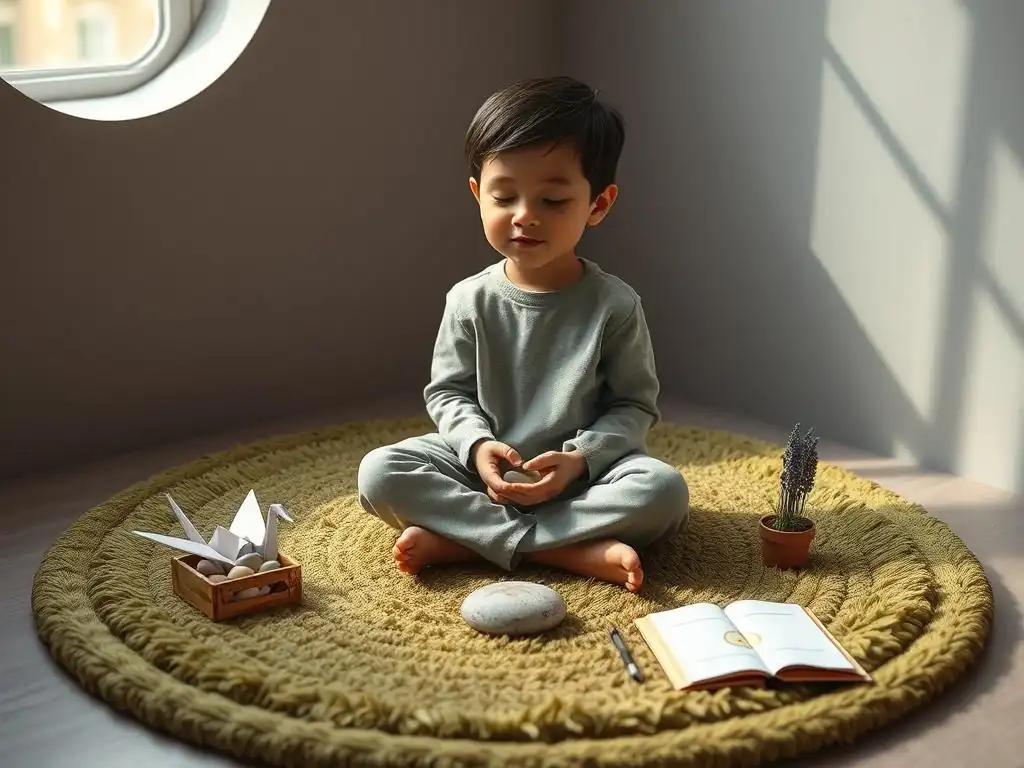
Mindfulness Exercises for Kids: Calming the Mind
Mindfulness is a powerful technique for children to become aware of their present moment experiences without judgment, helping them manage anxiety and improve focus. Simple mindfulness exercises can be easily incorporated into a daily routine. One popular method is the "Five Senses" exercise, where a child identifies five things they can see, four things they can touch, three things they can hear, two things they can smell, and one thing they can taste.
This grounds them in the present and distracts from overwhelming thoughts. Another technique is mindful listening, where a child closes their eyes and focuses on all the sounds they can hear, near and far, for a few minutes.
Practicing these exercises regularly, even for just a few minutes each day, can help children develop the ability to pause and observe their emotions and thoughts without being swept away by them. For example, a child feeling frustrated might be prompted to notice the physical sensations in their body – clenched fists, tight jaw – before reacting. This awareness, cultivated through mindfulness, gives them a crucial moment to choose a coping strategy rather than acting impulsively. Introducing mindful moments as part of the coping skills for children parents teach creates a valuable habit for emotional regulation.
Creative Outlets: Art, Music, and Play Therapy for Emotional Expression
Creative activities provide children with non-verbal ways to express and process difficult emotions that they may not be able to articulate verbally. Art, music, and play therapy are excellent outlets for this. Drawing, painting, or sculpting can allow a child to visually represent their feelings – using dark colors for sadness or jagged lines for anger, for example. A child struggling with fear might draw the monster they imagine under their bed. These creative expressions can be incredibly insightful for parents and cathartic for the child.
Music can also be a powerful emotional release. Encouraging a child to listen to calming music when stressed or energetic music when feeling down can help shift their mood. Playing an instrument or simply singing can also be therapeutic. For younger children, play is their natural language, and play therapy allows them to work through issues using toys and imaginative scenarios. Providing access to art supplies, musical instruments, or dedicated playtime encourages children to use these creative avenues as part of their coping toolkit. These methods are essential components of comprehensive coping skills for children parents can facilitate.
Physical Activity and Exercise: Releasing Tension and Boosting Mood
Physical activity is a highly effective way for children to manage stress, release pent-up energy, and improve their mood. Exercise releases endorphins, natural mood boosters, and provides a healthy distraction from worries. Encouraging children to engage in regular physical activity, whether it's playing sports, running around outside, dancing, or doing yoga, is crucial for their emotional well-being. Even short bursts of activity can make a difference. For instance, suggesting a child jump up and down 10 times or run a quick lap around the yard when they feel restless or angry can help dissipate intense energy.
Structured activities like team sports can teach valuable lessons in teamwork, dealing with winning and losing, and social interaction, all while providing physical benefits. Unstructured play, like building a fort or inventing a game, allows for creativity and freedom, which also reduces stress. Ensuring children have opportunities for physical activity daily is a practical way for parents to support their development of healthy coping skills. Incorporating movement into their routine is a tangible strategy among effective coping skills for children parents can promote.
Creating a Calm-Down Corner
A calm-down corner is a designated safe space in the home where a child can go when they feel overwhelmed, angry, or upset to regulate their emotions. This isn't a place for punishment, but rather a supportive environment equipped with tools to help the child soothe themselves. The corner can include comfortable pillows or blankets, books about feelings, sensory items like a stress ball or a glitter jar, paper and crayons for drawing, or headphones for listening to calming music.
The key is to introduce the calm-down corner when the child is calm and explain its purpose – it's a place to feel better. Practice using the tools together. When a child is upset, parents can gently suggest they go to the calm-down corner. Allowing the child to choose to use this space independently fosters their sense of autonomy in managing their emotions. This simple physical strategy is a concrete example of applying coping skills for children parents can implement at home.
Using Emotion Charades to Identify Feelings
Understanding and naming emotions is a fundamental step in learning to cope with them. Emotion Charades is a fun, interactive game that helps children develop emotional literacy. Write down various emotions (happy, sad, angry, scared, surprised, frustrated, excited, etc.) on slips of paper and put them in a hat. Players take turns drawing a slip and acting out the emotion without speaking, while others guess.
This game helps children recognize the physical and facial cues associated with different feelings, both in themselves and others. It also provides a low-pressure way to talk about emotions and normalize the experience of feeling a wide range of feelings. Playing this game regularly helps expand a child's emotional vocabulary and makes discussions about feelings more comfortable, which is essential groundwork for teaching more complex coping skills for children parents are guiding.
Fostering Resilience: Long-Term Strategies for Building Coping Skills
Creating a Supportive and Nurturing Home Environment
A supportive and nurturing home environment is the bedrock upon which a child's resilience and coping abilities are built. This means providing consistent love, security, and acceptance, allowing children to feel safe to express themselves and make mistakes without fear of harsh criticism or rejection. When children feel unconditionally loved, they are more likely to explore, take healthy risks, and bounce back from setbacks. Establishing predictable routines also contributes to a sense of security and reduces anxiety, particularly for children who thrive on structure.
Furthermore, a nurturing environment involves actively engaging with children, showing genuine interest in their lives, their triumphs, and their struggles. Spending quality time together, whether through shared meals, playing games, or simply talking, strengthens the parent-child bond. This strong connection provides a safety net, assuring children that they have a reliable source of support when facing challenges. This consistent presence and emotional availability are paramount in fostering robust coping skills for children parents aim to raise as resilient individuals.
Encouraging Open Communication and Emotional Expression
Open communication is vital for helping children understand and manage their emotions. Creating a family culture where feelings are acknowledged, discussed, and validated teaches children that it's okay to feel the full spectrum of emotions, including difficult ones. Parents can initiate these conversations by asking open-ended questions about their child's day or how they felt during a particular event. For example, instead of asking "Were you sad? ", try "How did you feel when your friend couldn't play?"
It's important to listen actively without interrupting or trying to immediately fix the problem. Sometimes, children just need to feel heard and understood. Parents can validate their child's feelings by saying things like, "It sounds like you were really frustrated when your tower fell down," or "I understand why you felt scared."
This validation doesn't necessarily mean agreeing with their reaction but acknowledging the feeling itself. By fostering an environment where emotional expression is encouraged and met with empathy, parents help children develop the confidence to share their feelings and seek support, a core aspect of effective coping skills for children parents wish to cultivate.
Modeling Healthy Coping Strategies as Parents
As mentioned earlier, children are keen observers, and they learn a great deal about coping by watching their parents. Modeling healthy coping strategies is perhaps the most powerful teaching tool available to parents.
This involves openly talking about your own feelings (in an age-appropriate way) and demonstrating how you manage stress or disappointment constructively. For example, a parent might say, "I'm feeling a bit stressed about this project deadline, so I'm going to take a 10-minute break to listen to some music," or "I'm disappointed that our plans got canceled, but I'm going to try to find something else fun to do instead."
Crucially, modeling also involves showing children that it's okay not to cope perfectly all the time. Admitting when you're struggling and demonstrating how you seek help or make mistakes and learn from them provides a realistic and valuable lesson. Children need to see that managing emotions is an ongoing process, not something you master overnight. By being authentic and demonstrating healthy coping skills for children parents show how to navigate life's ups and downs effectively.
Addressing Specific Challenges: Tailoring Coping Skills to Individual Needs

Coping Skills for Children with Anxiety Disorders
Children diagnosed with anxiety disorders often require more targeted and intensive support for developing coping skills. While general strategies like deep breathing and mindfulness are helpful, they may also benefit from techniques like gradual exposure therapy, typically guided by a professional.
This involves slowly and safely exposing a child to the source of their anxiety in small, manageable steps, helping them build tolerance and learn that they can cope with the feared situation. For example, a child with separation anxiety might start by spending just a few minutes away from a parent, gradually increasing the time as they become more comfortable.
Cognitive Behavioral Therapy (CBT) is another highly effective approach for children with anxiety, teaching them to identify and challenge anxious thoughts and replace them with more realistic ones. Parents of anxious children play a crucial role in reinforcing these strategies at home, providing consistent reassurance and support while gently encouraging the child to face their fears rather than avoid them. Learning specific coping skills for children parents of anxious kids can teach and practice consistently is key to managing the disorder.
Helping Children Manage Anger and Frustration
Helping children manage anger and frustration involves teaching them to recognize the physical signs of these emotions and providing them with alternative, constructive ways to express them. Instead of hitting or yelling, children can learn to use "I feel" statements ("I feel angry because...") or engage in physical activities to release tension, like jumping jacks, squeezing a stress ball, or punching a pillow. Teaching them to take a break or go to their calm-down corner when they feel their anger escalating is also crucial.
Developing a "anger plan" with the child when they are calm can be helpful. This plan lists acceptable coping strategies they can use when they feel angry. For instance, the plan might include "Count to ten," "Draw a picture of how I feel," or "Talk to a grown-up." Consistency in reinforcing these strategies and providing a calm, firm response when anger is expressed inappropriately is essential for parents teaching coping skills for children struggling with anger.
Supporting Children Through Grief and Loss
Grief and loss are profound experiences that require gentle and empathetic support. Coping skills for children experiencing grief focus on validating their feelings, providing a safe space to express sadness, confusion, or anger, and maintaining as much routine and predictability as possible. Children may express grief differently than adults, sometimes through play, behavioral changes, or asking repetitive questions. Providing age-appropriate explanations about death or loss is important.
Encouraging children to remember the person or pet they lost through creating memory books, looking at photos, or sharing stories can be healing. Allowing them to see adults grieve in healthy ways also provides a model. Support groups specifically for grieving children can also be beneficial, connecting them with peers who understand their experience. Supporting children through loss is a delicate but vital aspect of teaching coping skills for children parents navigate alongside them.
Strategies for Children Experiencing Bullying
Bullying is a serious stressor that requires specific coping strategies focused on safety, empowerment, and seeking help. The first step is always to ensure the child feels safe and knows that reporting bullying is not "tattling" but seeking necessary help. Coping skills for children experiencing bullying include teaching them assertive communication (using a clear voice, making eye contact), practicing responses to bullying (saying "no" or "stop" firmly, walking away), and identifying trusted adults they can go to for support (parents, teachers, counselors).
Role-playing potential scenarios can help children feel more prepared and confident. Focusing on building the child's self-esteem and reminding them of their strengths is also crucial, as bullying can severely damage their self-worth. Parents should work closely with the child's school to address the bullying behavior directly and ensure appropriate interventions are in place. Equipping children with these specific coping skills empowers them to handle such difficult social situations.
Seeking Professional Help: When to Consult a Mental Health Professional
Recognizing Signs That Your Child Needs Additional Support
While parents can do much to teach coping skills, there are times when a child needs professional intervention. Signs that indicate a child might need additional support include persistent changes in mood or behavior that last for several weeks (e.g., ongoing sadness, irritability, withdrawal), significant disruption in daily functioning (e.g., difficulty attending school, avoiding social activities, problems sleeping or eating), expressions of hopelessness or suicidal thoughts, self-harming behaviors, or a sudden increase in physical complaints with no medical explanation.
If a child's coping strategies seem ineffective and their distress is significantly impacting their life, it's time to consider professional help.
Other red flags might include excessive worries that interfere with activities, frequent or intense tantrums that are disproportionate to the situation, regression in behavior (e.g., bedwetting after being potty trained), or difficulty recovering after a traumatic event. Parents should trust their instincts; if they feel concerned about their child's emotional well-being or notice that their own efforts to implement coping skills for children aren't yielding significant improvement, consulting a mental health professional is a responsible next step.
Types of Therapy and Counseling for Children
Several types of therapy and counseling are effective for children, tailored to their age and specific needs. Play Therapy is often used with younger children, using toys and play as the primary means of communication and processing emotions. Cognitive Behavioral Therapy (CBT) is widely used for older children and adolescents, helping them identify negative thought patterns and behaviors and learn healthier coping mechanisms. Dialectical Behavior Therapy (DBT), often adapted for adolescents, teaches skills in mindfulness, distress tolerance, emotional regulation, and interpersonal effectiveness.
Family therapy can also be beneficial, addressing dynamics within the family unit that may be contributing to a child's difficulties and strengthening family coping skills. Group therapy can provide children with peer support and the opportunity to practice social skills. A mental health professional can assess the child's needs and recommend the most appropriate therapeutic approach, ensuring the child receives targeted support beyond the general coping skills for children parents teach at home.
Finding the Right Therapist or Counselor for Your Child's Needs
Finding the right therapist or counselor is crucial for successful treatment. Parents should look for a licensed mental health professional who specializes in working with children and adolescents. Credentials such as LCSW (Licensed Clinical Social Worker), LMFT (Licensed Marriage and Family Therapist), LPC (Licensed Professional Counselor), or a licensed psychologist (PhD or PsyD) with expertise in child psychology are good indicators. Experience with the specific issues the child is facing (e.g., anxiety, trauma, behavioral problems) is also important.
Parents should feel comfortable talking to the therapist and confident in their approach. It's okay to meet with a few different therapists to find the best fit. Key factors to consider include the therapist's communication style, their experience, their therapeutic approach, and practical considerations like location, availability, and cost. Asking for recommendations from a pediatrician, school counselor, or other trusted parents can be a good starting point in finding professional support for teaching and reinforcing coping skills for children.
Resources for Parents: Further Learning and Support
Books and Websites on Coping Skills and Child Development
Numerous valuable resources are available to help parents deepen their understanding of child development and acquire more specific strategies for teaching coping skills. Books targeting parents often provide practical guides, age-specific activities, and insights into the child's emotional world. Examples might include books focusing on emotional intelligence, positive discipline, or specific challenges like anxiety or anger.
Online resources, such as websites from reputable mental health organizations, offer articles, tip sheets, and sometimes even free guides on various aspects of child mental health and coping. These platforms can be excellent sources for learning about the latest research, understanding developmental stages, and finding specific activities to practice coping skills for children. Exploring these resources can empower parents with knowledge and practical tools.
Support Groups and Organizations for Parents
Connecting with other parents facing similar challenges can provide invaluable emotional support, practical advice, and a sense of community. Support groups for parents, whether in-person or online, offer a safe space to share experiences, vent frustrations, and learn from others' successes and challenges in teaching coping skills for children. Organizations focused on specific conditions, like anxiety or ADHD, often have dedicated parent support networks.
National and local mental health organizations frequently offer resources, workshops, and support services specifically for families. These groups can provide guidance on navigating the mental healthcare system, understanding specific diagnoses, and implementing effective strategies at home. Engaging with these communities reinforces that parents are not alone in their efforts to equip their children with essential coping skills.
Recommended Resources: Child Mind Institute and the American Psychological Association
For parents seeking reliable information and resources on child mental health and coping skills, organizations like the Child Mind Institute and the American Psychological Association (APA) are highly recommended. The Child Mind Institute provides comprehensive, evidence-based information on childhood mental health and learning disorders, offering practical advice, articles, and guides for parents on topics ranging from managing anxiety to building resilience and teaching coping skills for children.
The American Psychological Association's website also features extensive resources on child and adolescent psychology, including research findings, articles on positive parenting, and tips for helping children cope with stress, trauma, and other challenges. These organizations are trusted sources of information, providing parents with credible guidance to support their child's emotional well-being and effectively teach them vital coping skills.
Frequently Asked Questions
What are some basic coping skills I can teach my child?
Basic coping skills include deep breathing exercises, identifying and naming emotions, and taking breaks when feeling overwhelmed. These help children manage stress and regulate their feelings.
Why is it important for parents to model healthy coping mechanisms?
Children learn by observing, so parents demonstrating healthy coping mechanisms like exercise or mindfulness sets a positive example. This encourages children to adopt similar strategies.
At what age can I start teaching my child coping skills?
You can start teaching simple coping skills like deep breathing at a very young age, even preschool. As they mature, you can introduce more complex strategies.
What should I do if my child is struggling to use their coping skills effectively?
If your child struggles, offer consistent support and positive reinforcement when they try. Seek professional guidance from a therapist or counselor if needed.
How can I create a supportive environment to foster coping skills in my child?
A supportive environment involves open communication, validation of feelings, and creating a safe space for your child to express themselves without judgment.
Final Reflection: Nurturing Resilience: The Power of Coping Skills in Childhood
Equipping children with effective coping skills isn't just about navigating childhood challenges; it's about building the foundation for a resilient and thriving adulthood. The ability to manage stress, regulate emotions, and solve problems independently is a gift that keeps on giving, impacting their mental health, academic success, and overall well-being far beyond their formative years.
The pervasive impact of technology, societal pressures, and the ever-changing world means that children today face unprecedented levels of stress. It's more crucial than ever to provide them with the tools to navigate these complexities. The best way to predict the future is to create it.
This quote, often attributed to Abraham Lincoln, perfectly encapsulates the proactive nature of teaching coping skills. We aren't simply preparing children for what might happen; we are empowering them to shape their own futures by equipping them to handle whatever life throws their way.
Now, consider your own parenting journey. What coping mechanisms did you learn as a child? How have they served you, or perhaps, how have their absences impacted you? Take a moment to reflect on this. Then, commit to actively incorporating the strategies discussed in this article into your parenting approach. Start small, be patient, and remember that building resilience is a journey, not a destination. Your investment in your child's emotional well-being is an investment in their future – and in a brighter, more compassionate world.
Unleash Your Child's Inner Resilience!
Thanks for taking the time to explore practical ways to help your child navigate life's challenges. You've gained valuable insights into building coping skills—now let's put them into action!
- Prioritize one new coping skill this week: Choose from the strategies discussed – deep breathing, positive self-talk, or problem-solving – and practice it with your child daily. Make it fun!
- Share this article with another parent: Strengthen your parenting community by spreading the word about building resilient kids.
- Try a mindful activity together: Even 5 minutes of mindful breathing or a nature walk can make a significant difference in reducing stress for both you and your child.
Ready to witness your child's growing resilience? What small step will you take today to nurture their emotional well-being?