
Playful Pathways to Resilience: Fun Activities That Build Mental Strength

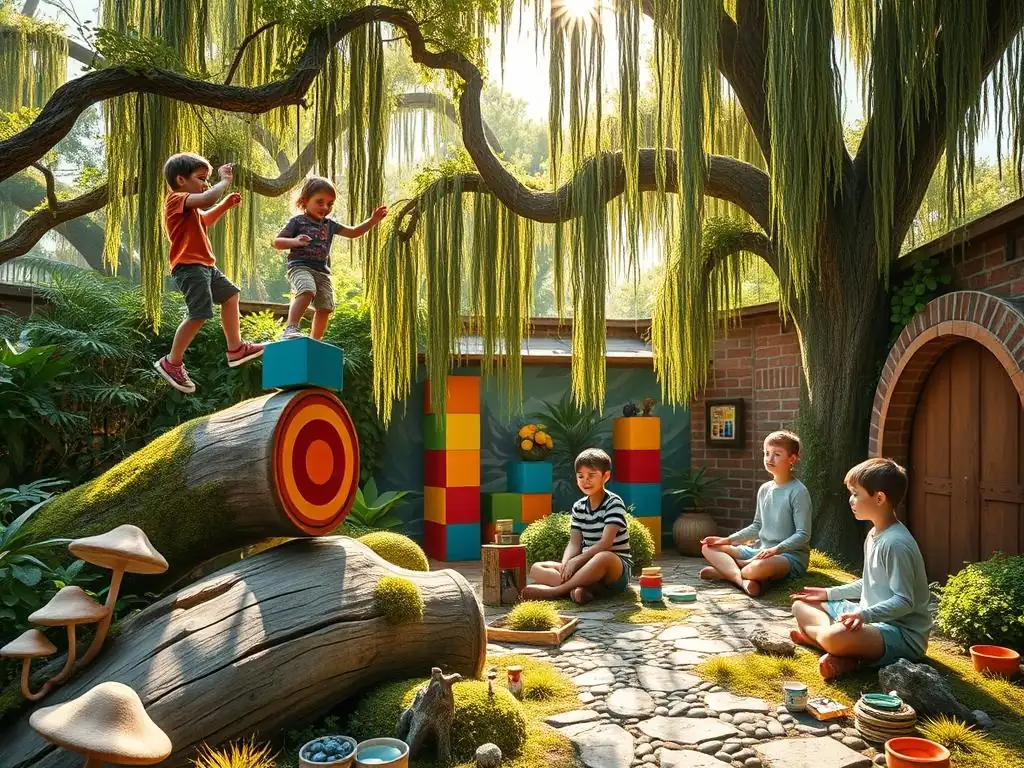
Welcome to Mind Care Guide, a safe space to explore the landscape of your mental well-being. Feeling the weight of the world? Discover how simple, fun activities can be powerful tools in building your resilience. Dive in and learn how to inject joy and strength into your everyday life, starting with our article: "Playful Pathways to Resilience." What if the key to a stronger you lies in rediscovering the magic of play?
Building Resilience Through Playful Activities
- Introduction: Cultivating Mental Strength in Children Through Play
- Playful Activities to Foster Resilience
- Activities to Promote Problem-Solving and Adaptability
- Creating a Supportive Environment for Resilience
- Adapting Activities for Different Developmental Stages
- Observing and Encouraging Growth in Resilience
- Conclusion: Empowering Children to Thrive Through Resilience-Building Activities
-
Frequently Asked Questions
- How can fun activities actually help build resilience?
- What types of fun activities are most effective for building resilience?
- How often should I engage in fun activities to see a positive impact on my resilience?
- Are there any fun activities that are particularly helpful for managing stress and anxiety?
- What if I don't find anything "fun" or feel too overwhelmed to start?
- Final Reflection: The Enduring Power of Playful Resilience
- Unleash Your Inner Resilience: Start Playing Your Way to Strength!
Introduction: Cultivating Mental Strength in Children Through Play
Childhood is a journey filled with discoveries, challenges, and opportunities for growth. As parents and caregivers, we naturally want to equip children with the tools they need to navigate life's ups and downs successfully. One of the most valuable traits we can help them develop is resilience – the ability to bounce back from adversity, adapt to change, and thrive despite challenges. While resilience might sound like a complex psychological concept, its foundations are often laid in the simplest, most enjoyable activities: play.
Engaging in fun activities builds resilience in children by providing safe spaces to experiment, fail, try again, and master new skills. These seemingly simple pastimes are powerful training grounds for developing crucial emotional, social, and problem-solving skills. From building elaborate block towers that inevitably tumble to negotiating roles in imaginative games, children encounter mini-challenges that mirror real-life situations, teaching them valuable lessons in coping and adaptation without the pressure of high stakes.
The Role of Play in Developing Resilience
Play is not merely a pastime; it is a fundamental mechanism through which children learn and grow, significantly impacting their mental and emotional development. Through playful interaction, children develop emotional regulation skills. For instance, a child might feel frustration when a game doesn't go their way, but learning to manage that emotion to continue playing collaboratively or try a different strategy is a direct lesson in resilience. Studies, like those summarized by the American Academy of Pediatrics, highlight how play promotes self-regulation, problem-solving, and social competence – all pillars of resilience.
Furthermore, fun activities build resilience by fostering a sense of agency and control. When children engage in self-directed play, they make decisions, solve problems independently or collaboratively, and experience the consequences of their choices in a low-risk environment. This process builds confidence in their abilities to affect their surroundings and overcome obstacles. Whether it's figuring out how to share a toy, complete a puzzle, or invent rules for a new game, these experiences contribute significantly to a child's belief in their capacity to handle challenges, which is central to a resilient mindset.
Understanding Resilience: Adapting to Adversity
Resilience can be understood as the positive adaptation in the face of significant adversity. It's not about avoiding difficulties but about possessing the internal resources and external support systems needed to navigate them effectively and emerge stronger. For children, adversity can range from minor setbacks like falling off a bike to more significant challenges like changing schools or dealing with family stress. Developing resilience early helps them approach these situations with a sense of hope and capability rather than feeling overwhelmed.
The capacity for resilience is not something a child is simply born with or without; it is a trait that is actively built and strengthened over time through experiences and supportive relationships. Think of it like a muscle that gets stronger with exercise. When children are given opportunities, through play and other interactions, to face small challenges, learn from mistakes, and receive encouragement, they gradually build their capacity to handle larger obstacles later in life. This cumulative process underscores the importance of incorporating resilience-building activities into their daily routines.
Playful Activities to Foster Resilience
Creative Expression: Enhancing Resilience Through Artistic Pursuits
Creative activities offer children a powerful outlet for processing emotions, developing self-awareness, and building resilience. Engaging in art, music, dance, or imaginative play allows children to explore feelings and experiences that might be difficult to articulate verbally. This expressive process can be incredibly therapeutic, helping them understand and manage complex emotions like sadness, anger, or fear in a safe and constructive way.
Moreover, creative endeavors often involve experimentation, problem-solving, and dealing with unexpected outcomes. A painting might not turn out exactly as planned, or a story might take an unexpected turn. Navigating these creative challenges teaches adaptability and flexibility. The act of creating something unique from one's imagination also boosts self-esteem and a sense of accomplishment, reinforcing the child's belief in their capabilities – a core component of resilience. Fun activities build resilience when they allow for this kind of open-ended exploration and personal expression.
Nature Art: Promoting Emotional Expression and Mindfulness
Nature art involves using natural materials found outdoors – leaves, sticks, stones, flowers, mud – to create artistic pieces. This activity inherently promotes mindfulness as children engage their senses to observe the textures, colors, and shapes around them. The process of collecting materials and arranging them encourages careful observation and appreciation for the natural world, fostering a sense of calm and presence.
Creating art from nature also provides a non-verbal way for children to express their feelings. Arranging materials can be a soothing, repetitive action, and the resulting artwork can reflect their internal state. For example, a child feeling chaotic might create a wild, asymmetrical arrangement, while a child feeling peaceful might create something balanced and serene. This externalization of inner experience is a vital step in developing emotional intelligence and resilience. Approximating how long children might spend on this, even 15-20 minutes focused on collecting and arranging materials can provide significant calming and expressive benefits.
Collaborative Mural: Fostering Teamwork and Shared Accomplishment
A collaborative mural project involves a group of children working together on a single large piece of art, like a painting on a large sheet of paper or cardboard. This activity is a fantastic way to build social resilience by teaching children how to cooperate, communicate, and compromise. They must share space and materials, negotiate ideas for the design, and work through disagreements constructively to achieve a common goal.
Successfully completing a collaborative mural provides a powerful sense of shared accomplishment. Each child contributes to the final piece, and they experience the satisfaction of creating something bigger and more complex than they could have done alone. This shared success reinforces the value of teamwork and mutual support, skills essential for navigating social challenges and building strong relationships, which are key protective factors for resilience. For example, even a small group of 3-4 children collaborating on a 3-foot-wide paper can learn valuable lessons in coordination and shared vision.
Active Play: Strengthening Resilience Through Physical Engagement
Physical activity is crucial for overall well-being, and active play specifically contributes to mental resilience. Engaging in sports, running, jumping, or even rough-and-tumble play helps children develop physical coordination and strength, but it also teaches them about their physical limits, how to recover from minor injuries (like a scraped knee), and the importance of persistence. The release of endorphins during physical activity also helps manage stress and improve mood.
Active play often involves navigating physical challenges and learning to adapt. Whether it's learning to balance on a beam, climb a tree safely, or coordinate movements for a game, children encounter physical obstacles that require problem-solving and perseverance. Overcoming these physical challenges builds confidence in their ability to tackle difficulties in other areas of life. Fun activities build resilience when they combine physical exertion with opportunities for learning and adaptation.
Backyard Camping: Encouraging Problem-Solving and Adaptability
Setting up a tent in the backyard, even just for an afternoon or evening, can be a simple yet effective resilience-building activity. It presents children with miniature challenges related to planning and execution. They might need to figure out how to assemble tent poles, secure stakes, or decide where to place sleeping bags. These tasks require spatial reasoning and problem-solving skills.
Backyard camping also introduces elements of adaptability. What if it gets cooler than expected? How do they handle a sudden sprinkle of rain? These minor inconveniences require children to think on their feet and adjust their plans, mimicking the need for flexibility in real-life situations. The experience of creating a cozy, self-sufficient space outdoors, even close to home, fosters a sense of independence and capability. Approximately 60-90 minutes spent on the setup phase alone can provide a wealth of problem-solving opportunities.
Dance Party: Promoting Joy and Stress Relief
Turning up the music and having an impromptu dance party is a simple, joyful activity that has significant benefits for resilience. Dancing is a physical release that helps reduce stress and tension. It allows children to move their bodies freely, express energy, and simply have fun without any specific rules or goals other than enjoyment. This pure, unstructured joy is a powerful counterpoint to stress and anxiety.
Dancing also promotes self-expression and body positivity. Children can move however they feel like moving, without judgment. This freedom encourages them to be comfortable in their own skin and express themselves authentically, which is important for self-esteem. The shared experience of dancing with family or friends can also strengthen bonds and create positive memories, contributing to a supportive environment that nurtures resilience. Even a 15-minute dance session can significantly boost mood and energy levels.
Mindful Games: Cultivating Emotional Regulation and Self-Awareness
Mindful games introduce children to concepts of self-awareness, focus, and emotional regulation in an engaging way. These activities help children pay attention to their thoughts, feelings, and physical sensations without judgment, a skill that is incredibly valuable for managing stress and reacting thoughtfully rather than impulsively to challenging situations. Learning to pause and observe one's internal state is a cornerstone of emotional resilience.
Incorporating mindfulness into play helps children develop a greater understanding of themselves and their reactions. Games that encourage focused attention or noticing subtle details can improve concentration and patience. Activities that involve identifying emotions in oneself or others build empathy and emotional literacy. By practicing these skills in a playful context, children are better equipped to apply them when faced with real-world stressors, making fun activities build resilience by integrating emotional intelligence.
Gratitude Scavenger Hunt: Focusing on Positivity and Appreciation
A gratitude scavenger hunt involves creating a list of things to find or notice that represent things the child is grateful for. This could be finding "something blue that makes you happy," "something soft you love to touch," or "a place where you feel safe." The activity encourages children to actively look for positive aspects of their environment and life, shifting their focus away from potential worries or frustrations.
Practicing gratitude has been shown to improve mood, reduce stress, and increase overall well-being, all of which bolster resilience. By intentionally seeking out things to appreciate, children train their brains to notice the good, even when things are difficult. This simple game reinforces the idea that there are always things to be thankful for, providing a mental anchor during challenging times. Completing a list of 5-10 items can take 20-30 minutes and offers a tangible reminder of positivity.
Body Scan Meditation: Enhancing Self-Awareness and Relaxation
Introducing children to a simplified body scan meditation involves guiding them to gently bring their attention to different parts of their body, noticing any sensations without trying to change them. This can be done while lying down or sitting comfortably. For example, "Now bring your attention to your toes... notice how they feel... wiggle them if you like... now move your attention up to your feet..."
This practice helps children become more aware of their physical state and how emotions can manifest physically (e.g., a tight stomach when nervous). This self-awareness is crucial for recognizing stress or anxiety early. Learning to relax and release tension through the body scan provides a practical tool for managing difficult emotions and calming the nervous system, directly contributing to their ability to self-regulate and bounce back. Even a 5-10 minute guided scan can be beneficial for young children.
Activities to Promote Problem-Solving and Adaptability
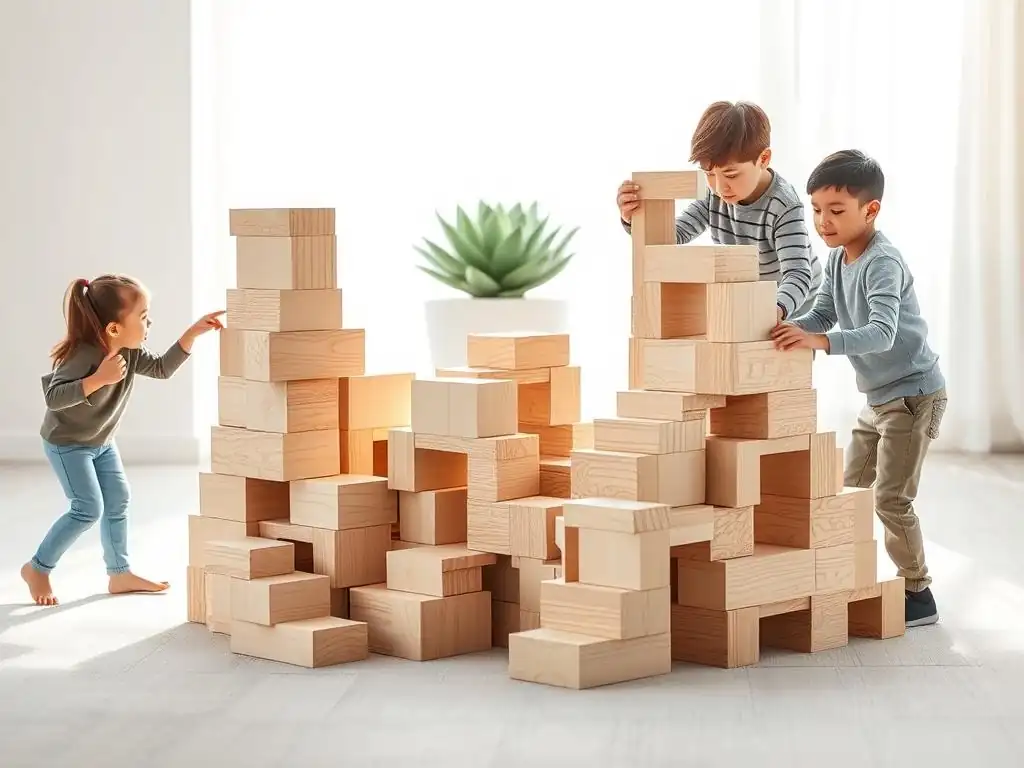
Developing strong problem-solving skills and the ability to adapt to unexpected situations are fundamental aspects of resilience. Play provides a low-stakes environment where children can practice these skills repeatedly. When faced with a challenge in a game, they must think critically, evaluate options, try different approaches, and learn from failures – all essential steps in problem-solving.
Activities that specifically encourage innovative thinking and flexible planning help children become more confident in their ability to handle novel situations. This adaptability is key to resilience, as life inevitably presents unforeseen circumstances. By regularly engaging in games that require strategic thinking and adjusting to changing conditions, children build the mental agility needed to navigate complexity and uncertainty with greater ease.
"What If?" Scenarios: Practicing Creative Thinking and Planning
Engaging children in "What If?" scenarios encourages imaginative and practical problem-solving. You can pose hypothetical situations tailored to their age and interests, such as "What if we wanted to build a treehouse but didn't have any wood?" or "What if your favorite toy suddenly disappeared, what would you do?" These questions prompt children to brainstorm solutions, consider consequences, and think creatively outside their usual routines.
Discussing different possible outcomes and plans helps children develop foresight and the ability to think through potential challenges before they occur. It teaches them that there is often more than one way to solve a problem and that planning can make difficult situations more manageable. This exercise in mental preparedness is a direct way that fun activities build resilience by simulating challenges and empowering children to envision solutions.
LEGO Challenges: Encouraging Innovation and Collaboration
Providing children with a set of LEGOs (or similar building blocks) and a specific challenge, such as "build a bridge that can hold a toy car" or "create a house for a small action figure with a secret room," encourages technical problem-solving and innovation. Children must consider structural integrity, design constraints, and functional requirements. When faced with a piece that doesn't fit or a structure that collapses, they learn to troubleshoot and revise their plans.
LEGO challenges can also be collaborative, requiring children to work together, share ideas, and combine their pieces and efforts to achieve a common goal. This fosters teamwork, communication, and negotiation skills. Overcoming the frustration of a failed attempt and persevering until the challenge is met builds significant resilience. A typical LEGO challenge might take anywhere from 30 minutes to several hours, depending on complexity and age, offering sustained engagement in problem-solving.
Strategy Games: Enhancing Critical Thinking and Decision-Making
Board games, card games, or simple strategy-based activities like checkers, connect four, or even rock-paper-scissors with added rules, are excellent for developing critical thinking and decision-making skills. These games require children to think ahead, anticipate their opponent's moves, evaluate different options, and make choices based on potential outcomes. They learn that every move has a consequence.
Strategy games also teach children how to handle winning and losing gracefully. Experiencing defeat is an opportunity to learn from mistakes and develop sportsmanship, both important aspects of resilience. Analyzing what went wrong in a lost game helps them strategize better for the next time, building adaptability and perseverance. Playing a simple strategy game for 20-30 minutes regularly can significantly sharpen these cognitive skills.
Creating a Supportive Environment for Resilience
While specific activities are valuable, they are most effective when embedded within a supportive and nurturing environment. Children's resilience is significantly bolstered by the quality of their relationships and the messages they receive from the adults around them. Parents and caregivers play a critical role in modeling resilient behaviors and providing the emotional safety net children need to feel secure enough to take risks, make mistakes, and learn from them.
A supportive environment is one where children feel loved unconditionally, where their feelings are validated, and where they are encouraged to express themselves honestly. It's also an environment that challenges them appropriately, allowing them to experience manageable difficulties and learn problem-solving skills firsthand, rather than shielding them from all challenges. This balance is key to helping fun activities build resilience effectively.
Fostering Open and Honest Communication
Creating an atmosphere where children feel safe to talk about their feelings, fears, and challenges is paramount to building resilience. Encourage them to share their experiences, both positive and negative, without fear of judgment or immediate attempts to fix everything. Listen actively and empathetically, acknowledging their emotions before offering solutions or advice.
Open communication helps children develop emotional literacy – the ability to identify and understand their own feelings and those of others. When children can articulate what they are feeling, they are better equipped to manage those emotions and seek support when needed. Regularly checking in with your child about their day, asking open-ended questions, and sharing some of your own age-appropriate experiences with challenges can model healthy communication and problem-solving.
Promoting Self-Compassion and Positive Affirmations
Teaching children to be kind to themselves, especially when they make mistakes or face setbacks, is vital for resilience. Encourage self-compassion by helping them understand that everyone makes mistakes and that these are opportunities for learning. Instead of harsh self-criticism, guide them towards understanding what happened and how they can approach a similar situation differently next time.
Introducing positive affirmations can also help build a child's internal sense of worth and capability. Simple phrases like "I am capable," "I am learning," or "I can handle this" can counteract negative self-talk. Encouraging children to use these phrases, especially after a challenging experience, reinforces a positive self-image and the belief in their ability to overcome difficulties, showing how fostering a positive mindset is part of how fun activities build resilience.
Recognizing Effort and Learning, Not Just Outcomes
Focusing solely on winning or achieving a perfect result can undermine resilience. Instead, emphasize the importance of effort, persistence, and the learning process. Praise your child for trying a difficult task, for not giving up when things were tough, or for learning from a mistake, regardless of the final outcome. This reinforces a growth mindset, where challenges are seen as opportunities to grow rather than measures of inherent ability.
When a child understands that their value and success are measured by their effort and willingness to learn, they become less afraid of failure. This makes them more willing to take on new challenges and persevere through difficulties, knowing that the process itself is valuable. Celebrating small steps forward and acknowledging the hard work involved in developing a skill or overcoming an obstacle reinforces the behaviors that lead to increased resilience.
Adapting Activities for Different Developmental Stages
Resilience-building activities should be tailored to a child's age, developmental stage, and individual temperament. What challenges and engages a toddler will be different from what works for a teenager. Understanding these differences allows parents and caregivers to select and modify activities to be appropriately challenging and supportive, ensuring they are effective in fostering resilience at each stage.
The core principles remain the same – providing opportunities for problem-solving, emotional expression, social interaction, and physical activity – but the complexity and structure of the activities will vary. By adapting activities, we can ensure that children are consistently building their resilience muscles in ways that are relevant and engaging for their current stage of development. This ensures that fun activities build resilience effectively across the lifespan.
Activities for Early Childhood: Building Foundational Resilience Skills
For very young children (roughly ages 2-6), resilience-building focuses on foundational skills like emotional regulation, basic problem-solving, and social interaction. Activities should be simple, sensory-rich, and focused on exploration and imaginative play. Examples include building with large blocks and dealing with towers falling, engaging in simple turn-taking games to learn patience, or using dramatic play to explore different emotions and social roles.
Introducing basic mindfulness through sensory activities, like noticing the feeling of sand or water, can help young children begin to develop self-awareness. Encouraging them to express feelings through simple drawings or movements is also beneficial. The focus at this stage is on providing a secure base and positive interactions that build trust and confidence in their ability to explore the world and handle minor frustrations.
Activities for Middle Childhood: Strengthening Coping Strategies
In middle childhood (roughly ages 6-12), children are ready for more structured games and collaborative projects that enhance their problem-solving and social skills. Board games requiring strategy, team sports, or group creative projects like writing and performing a short play are excellent options. These activities provide opportunities to practice negotiation, deal with conflict, and work towards shared goals.
This is also a good age to introduce more explicit discussions about feelings and coping strategies. Activities like creating a "calm-down corner" with tools for self-soothing or discussing how characters in books or movies handle challenges can be very helpful. Engaging in hobbies that require persistence, like learning a musical instrument or coding, also strengthens resilience. Fun activities build resilience at this stage by introducing more complex challenges and explicit coping tools.
Adolescence (roughly ages 12-18) is a period of significant change and increased independence. Resilience-building activities should support teens in navigating social pressures, academic stress, and identity formation. Encouraging participation in extracurricular activities like clubs, sports teams, or volunteer work provides opportunities for building supportive peer relationships and working towards shared goals.
Activities that allow for responsible risk-taking in a safe environment, such as learning a new sport, public speaking, or taking on a leadership role, help teens build confidence and learn to manage fear and anxiety. Discussing real-world problems and encouraging them to think critically about solutions also fosters resilience. Providing a space for open communication about challenges and supporting their growing independence while remaining a stable presence are crucial at this stage.
Observing and Encouraging Growth in Resilience
Building resilience is a process, not an overnight transformation. As children engage in these playful activities and navigate life's challenges, parents and caregivers can observe their growth and actively encourage their development. Recognizing and acknowledging signs of increasing resilience reinforces these positive changes and motivates children to continue developing these vital skills.
It's important to look for subtle shifts in behavior and emotional responses over time. Celebrating milestones, no matter how small, helps children see their own progress and understand that their efforts are paying off. Your encouragement and recognition serve as powerful external motivators that strengthen their internal belief in their capacity to be resilient.
Recognizing Positive Changes in Behavior and Emotional Response
Look for specific examples of how your child is handling challenges differently. Are they less likely to give up when a task is difficult? Do they express frustration but then try again? Are they able to bounce back more quickly after a disappointment? Do they show empathy towards others facing difficulties? These are all indicators of growing resilience.
Pay attention to their language. Are they starting to use phrases that indicate a growth mindset, like "I can't do it yet" or "What did I learn from that?" Noticing and pointing out these positive shifts, such as "I saw how you kept trying to build that tower even after it fell, that shows real determination!" reinforces the resilient behavior you want to encourage.
Celebrating Milestones and Personal Growth
Celebrate moments when your child demonstrates resilience, whether it's completing a challenging puzzle, making up with a friend after a disagreement, or sticking with a difficult homework assignment. These don't need to be grand celebrations; a simple "I'm really proud of how you handled that" or acknowledging their effort in a specific situation is often enough.
Focus on celebrating the process and the effort, not just the outcome. For example, if they participated in a competition but didn't win, celebrate their courage to participate and their effort during the event. Helping children recognize their own growth in handling challenges reinforces their sense of competence and encourages them to continue applying resilient strategies in the future.
Conclusion: Empowering Children to Thrive Through Resilience-Building Activities
Developing resilience is one of the most important gifts we can give our children. It equips them with the mental and emotional strength needed to navigate the inevitable challenges of life with confidence and optimism. As we've explored, fun activities build resilience in myriad ways, offering playful yet powerful opportunities for children to develop problem-solving skills, emotional regulation, adaptability, and strong social connections.
By incorporating creative expression, active play, mindful games, and problem-solving challenges into a child's life, within a supportive and communicative environment, we help them build the internal resources they need to bounce back from setbacks and thrive. Remember to adapt activities to their age, celebrate their effort and growth, and model resilient behavior yourself. Through these playful pathways, we can empower children to become capable, confident, and resilient individuals ready to face the world.
Frequently Asked Questions
How can fun activities actually help build resilience?
Engaging in enjoyable activities can help reduce stress and boost positive emotions. This creates a buffer against adversity and helps you bounce back from challenges.
What types of fun activities are most effective for building resilience?
Activities that promote social connection, like team sports or board game nights, are great. Also, hobbies that encourage creativity and self-expression can be highly beneficial.
How often should I engage in fun activities to see a positive impact on my resilience?
Aim for incorporating fun activities into your routine several times a week. Even short bursts of enjoyment can contribute to building long-term resilience.
Are there any fun activities that are particularly helpful for managing stress and anxiety?
Mindfulness exercises like meditation or yoga can be surprisingly fun when approached playfully. Similarly, spending time in nature and engaging in physical activity can significantly reduce stress.
What if I don't find anything "fun" or feel too overwhelmed to start?
Start small and focus on activities that require minimal effort. Experiment with different options until you find something that genuinely sparks joy, even if it's just for a few minutes.
Final Reflection: The Enduring Power of Playful Resilience
The ability to bounce back from adversity isn't just about grit; it's about cultivating a playful spirit. In a world increasingly demanding and stressful, the simple act of engaging in fun activities offers a surprisingly potent antidote to burnout and fosters genuine resilience. This isn't about childish escapism, but a strategic approach to mental well-being, empowering us to navigate challenges with renewed energy and perspective.
The exploration of playful pathways to resilience throughout this article highlights the profound impact fun has on our mental landscape. It's not merely a distraction; it's a fundamental human need that strengthens our capacity to cope. Play is not frivolous; it is essential to human development.
This quote underscores the importance of integrating fun into our lives, not as a luxury, but as a vital component of a healthy and resilient self. The activities discussed, from creative pursuits to physical challenges, demonstrate the diverse ways we can nurture this crucial aspect of our well-being, fostering a sense of joy and accomplishment that strengthens our inner resources.
Now, consider your own life. What playful activities bring you joy and a sense of accomplishment? Make a conscious effort to integrate these into your routine, not just as a treat, but as a vital strategy for building resilience. Embrace the power of play, not as a childish pastime, but as a powerful tool for navigating life's inevitable challenges with grace, strength, and a renewed sense of wonder. Let the playful pathways you discover lead you to a more resilient and fulfilling life.
Unleash Your Inner Resilience: Start Playing Your Way to Strength!
Thanks for joining us on this journey to discover the playful side of resilience! We hope you found some fun and effective ways to boost your mental strength. Now it's time to put these ideas into action.
- Prioritize one activity: Choose just one playful activity from the article that resonates with you most and commit to doing it at least twice this week. Make it a non-negotiable part of your self-care routine!
- Share the joy: Tell a friend or family member about an activity you enjoyed and encourage them to join you! Spreading the word about resilience is just as important as building it yourself.
- Explore further: Dive deeper into the world of playful resilience! Spend some time researching other games, activities, or creative outlets that you could incorporate into your life.
So, what playful activity will you try first, and how will you make it a regular part of your life?