
Mindful Breathing & Body Scan: A Powerful Combo for Stress Relief

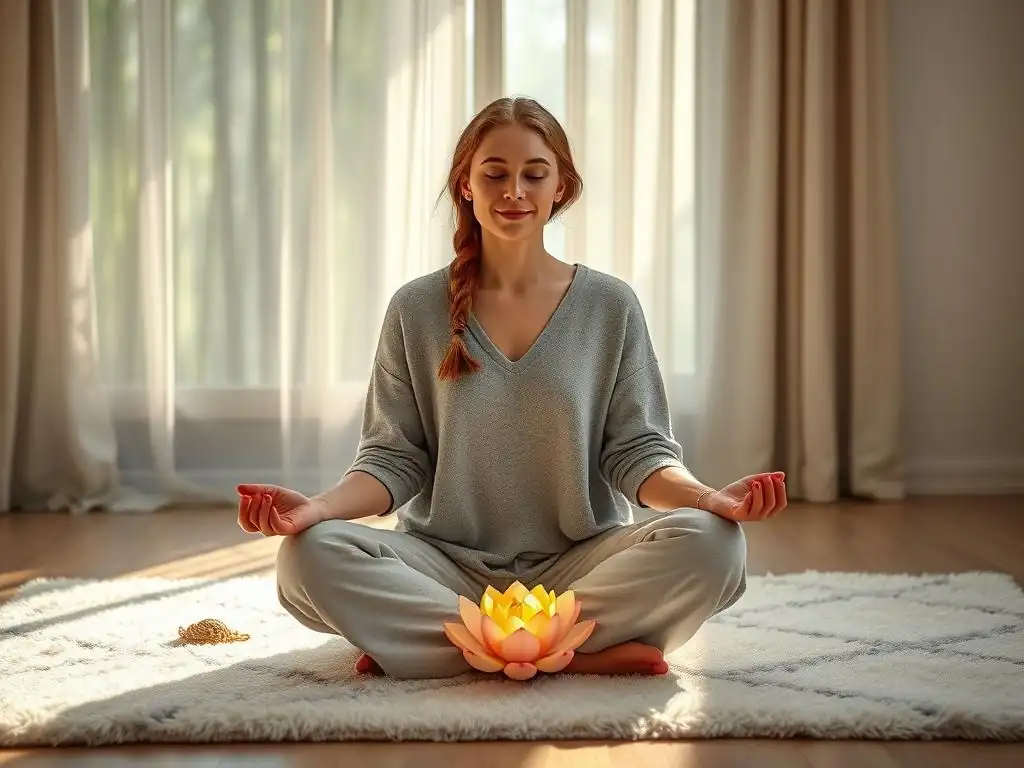
Welcome to Mind Care Guide, your sanctuary for cultivating inner peace and navigating the complexities of mental well-being.
Feeling overwhelmed by stress? You're not alone. We understand the weight it carries. That's why we're diving deep into a powerful, yet surprisingly simple technique: mindful breathing. Discover how combining mindful breathing with body scans can unlock profound stress relief and bring you back to the present moment in our article " Mindful Breathing & Body Scan: A Powerful Combo for Stress Relief." Ready to breathe easier and feel lighter? Let's begin...
Mindful Breathing & Body Scan: A Powerful Combo for Stress Relief
- Introduction to Mindful Breathing and Body Scan for Stress Management
- Mindful Breathing: Your Gateway to Calm
- Body Scan Meditation: Reconnecting with Your Physical Self
- Combining Mindful Breathing and Body Scan for Enhanced Stress Relief
- Tips for Maximizing the Benefits of Mindful Breathing and Body Scan
- Scientific Evidence Supporting Mindful Breathing and Body Scan for Stress Reduction
- Conclusion: Embracing Mindful Breathing and Body Scan for a Calmer Life
-
Frequently Asked Questions
- What is mindful breathing, and how does it contribute to stress relief?
- How does a body scan complement mindful breathing for stress reduction?
- How often should I practice mindful breathing and body scan exercises for optimal stress relief?
- What are some common challenges people face when starting mindful breathing and body scan practices?
- Where can I find more resources and guidance on mindful breathing and body scan techniques for stress relief?
- Final Reflection: Breathing Your Way to a Calmer You
- Unlock Your Inner Calm: Start Breathing & Scanning Today!
Introduction to Mindful Breathing and Body Scan for Stress Management
Understanding Mindfulness: The Foundation for Stress Reduction
Mindfulness is the practice of intentionally bringing one's attention to the present moment without judgment. It involves observing thoughts, feelings, bodily sensations, and the surrounding environment with curiosity and acceptance. This practice is not about emptying the mind, but rather about developing a heightened awareness of what is happening right now, allowing us to respond to life's challenges with greater clarity and less reactivity.
Developing a mindfulness practice can profoundly impact how we experience stress. Instead of being swept away by anxious thoughts about the future or regrets about the past, mindfulness anchors us in the present. This shift in focus can help to interrupt the cycle of worry and rumination that often fuels stress and anxiety. By simply noticing our internal and external experiences without getting entangled in them, we create space to choose a different response, fostering a sense of calm and control.
The Synergistic Power of Mindful Breathing and Body Scan Techniques
Mindful breathing and body scan meditation are two fundamental mindfulness practices that, when combined, offer a powerful approach to stress relief. Mindful breathing focuses attention on the breath as an anchor to the present moment, immediately helping to calm the nervous system. The body scan, on the other hand, systematically brings awareness to different parts of the body, helping to release physical tension that often accompanies stress and anxiety.
Using these techniques together allows for a deeper level of presence and relaxation. Starting with mindful breathing can quickly settle the mind and prepare the body for the more extensive exploration involved in a body scan. Conversely, incorporating mindful breathing throughout a body scan can help anchor attention if the mind wanders. This combined approach addresses both the mental and physical manifestations of stress, creating a more comprehensive pathway to inner peace and resilience.
Mindful Breathing: Your Gateway to Calm
What is Mindful Breathing? A Beginner's Guide
Mindful breathing is a simple yet profound practice where you consciously direct your attention to the sensation of breathing. It doesn't require changing how you breathe, but rather observing the natural rhythm of your inhales and exhales. This could be feeling the air entering and leaving your nostrils, the rise and fall of your chest or abdomen, or the subtle pause between breaths. The breath serves as an anchor, a constant point of focus that is always available to bring you back to the present moment.
For beginners, mindful breathing can feel challenging as the mind is accustomed to wandering. The practice isn't about stopping thoughts, but noticing when your mind has drifted and gently guiding your attention back to the breath, without self-criticism. Starting with just a few minutes a day can begin to cultivate this awareness. It's a practice of patience and persistence, building your capacity to stay present and less reactive to internal and external stressors.
Benefits of Mindful Breathing for Anxiety and Stress Relief
Practicing mindful breathing for stress relief has numerous documented benefits. Research, including studies published in journals like Health Psychology, indicates that regular mindfulness practices, with mindful breathing often as a core component, can lead to a significant reduction in perceived stress levels. For example, some studies have shown participants reporting up to a 25% decrease in anxiety symptoms after consistent mindful breathing practice over several weeks.
Beyond self-reported benefits, mindful breathing impacts the body's physiological response to stress. It helps to activate the parasympathetic nervous system, often referred to as the "rest and digest" system, which counteracts the "fight or flight" response triggered by stress. This activation can lead to a lowered heart rate, reduced blood pressure, and decreased levels of stress hormones like cortisol. These physical changes contribute directly to a feeling of calm and relaxation, making mindful breathing a powerful tool for managing anxiety and promoting overall well-being.
Simple Mindful Breathing Exercises for Immediate Stress Reduction
Diaphragmatic Breathing: A Deep Breathing Technique
Diaphragmatic breathing, also known as abdominal or belly breathing, is a fundamental mindful breathing technique that encourages full oxygen exchange and helps slow the heart rate. To practice, find a comfortable seated or lying position. Place one hand on your chest and the other on your abdomen, just below your rib cage. Inhale slowly through your nose, feeling your abdomen rise against your hand while your chest remains relatively still. Exhale slowly through your mouth, gently pressing your abdomen inward to help expel the air, feeling your abdomen fall.
Focus your attention entirely on the sensation of your abdomen rising and falling with each breath. Aim for slow, deep inhales and exhales. This technique helps to engage the diaphragm more fully, promoting relaxation and reducing the shallow, rapid breathing often associated with stress and anxiety. Practicing this for just a few minutes can provide immediate relief from feelings of tension.
Alternate Nostril Breathing: Balancing Your Nervous System
Alternate nostril breathing, or Nadi Shodhana in Sanskrit, is a traditional yogic breathing technique believed to balance the left and right hemispheres of the brain and calm the nervous system. Sit comfortably with a straight spine. Close your right nostril with your right thumb and inhale slowly through your left nostril. Close your left nostril with your ring finger, release your thumb from the right nostril, and exhale through your right nostril.
Now, inhale through your right nostril, close it with your thumb, release your ring finger from the left nostril, and exhale through your left nostril. This completes one cycle. Continue alternating nostrils in this manner. This rhythmic, controlled breathing can be particularly effective for reducing agitation and promoting a sense of equanimity, making it a valuable tool for mindful breathing stress relief.
Box Breathing: A Simple and Effective Technique for Focus
Box breathing, also known as four-square breathing, is a simple yet highly effective technique used by diverse groups, including athletes and military personnel, to calm the mind and improve focus. The technique involves inhaling, holding, exhaling, and holding the breath, each for the same count, typically four seconds. Sit comfortably with a straight back.
Exhale completely. Inhale slowly through your nose for a count of four. Hold your breath for a count of four. Exhale slowly through your mouth for a count of four. Hold your breath again for a count of four. Repeat this cycle for several minutes. This structured approach to mindful breathing provides a clear pattern for the mind to follow, making it easier to stay present and effectively manage stress.
Body Scan Meditation: Reconnecting with Your Physical Self

What is a Body Scan Meditation? An Overview
A body scan meditation is a practice that involves systematically bringing mindful awareness to different regions of the body, from head to toe or vice versa. The goal is not to change anything you notice, but simply to observe sensations that are present – warmth, coolness, tingling, pressure, absence of sensation – with curiosity and non-judgment. It's a way of getting out of your head and into your body, acknowledging the physical reality of the present moment.
This practice helps to cultivate a deeper connection between the mind and body. Often, we carry stress and tension in specific areas of our bodies without even realizing it. The body scan helps to illuminate these areas, allowing us to become aware of this physical manifestation of stress and, through gentle attention, potentially release some of that stored tension. It's a foundational practice in many mindfulness-based stress reduction programs.
How Body Scan Meditation Reduces Stress and Promotes Relaxation
Body scan meditation is highly effective in reducing stress and promoting relaxation by interrupting the stress response cycle. By directing conscious attention to the physical body, the practice shifts focus away from stressful thoughts and worries. This deliberate anchoring in bodily sensations helps to calm the nervous system and decrease physiological arousal. Studies have shown that regular body scan practice can lead to reductions in cortisol levels and improvements in self-reported stress and anxiety symptoms.
Furthermore, the body scan helps to develop a greater awareness of where stress is held in the body. Many people habitually tense their shoulders, clench their jaw, or tighten their stomach when stressed. By mindfully noticing these areas of tension, individuals can begin to consciously relax them. This awareness also builds resilience, allowing a person to recognize the early physical signs of stress and apply mindful breathing or other coping strategies before the stress becomes overwhelming.
Step-by-Step Guide to Performing a Body Scan for Stress
Preparing for Your Body Scan Session: Creating a Comfortable and Quiet Space
To begin your body scan practice, find a comfortable and quiet space where you won't be interrupted for the duration of your session, typically 10-45 minutes depending on the length of the practice. You can lie down on your back on a mat or bed, or sit upright in a chair with your feet flat on the floor and hands resting comfortably in your lap or on your thighs. Ensure your clothing is loose and comfortable.
Minimize distractions by turning off electronic devices and letting others know you need some uninterrupted time. The goal is to create an environment that supports relaxation and focus. While perfect quiet isn't necessary – part of mindfulness is noticing sounds without judgment – reducing potential interruptions will help you stay present with the practice.
The Body Scan Technique: Systematically Focusing on Body Sensations
Begin by closing your eyes gently if comfortable, or softening your gaze. Take a few deeper mindful breaths to settle yourself, perhaps using a technique like diaphragmatic breathing. Then, bring your attention to your feet. Gently notice any sensations present in your toes, the soles of your feet, the tops of your feet, and your heels. There's no need to judge or analyze, just observe with curiosity.
Slowly move your awareness upwards through your body: ankles, lower legs, knees, thighs, hips, pelvis, lower back, upper back, abdomen, chest, fingers, hands, wrists, forearms, elbows, upper arms, shoulders, neck, jaw, face, and finally the top of your head. Spend a few breaths in each area, simply noticing what is there. If your mind wanders, gently guide it back to the part of the body you were focusing on. When you reach the top of your head, you can expand your awareness to include the entire body as a whole, breathing with the sense of your whole body.
Common Challenges and How to Overcome Them: Managing a Wandering Mind
One of the most common challenges during a body scan, or any mindful breathing stress relief practice, is a wandering mind. It's completely natural for thoughts to arise; the mind is designed to think. When you notice your mind has drifted into planning, worrying, or reminiscing, acknowledge the thought gently without judgment. Don't criticize yourself for losing focus.
The practice is not about having an empty mind, but about noticing when the mind has wandered and skillfully bringing your attention back to the intended focus – in this case, the specific part of the body you were scanning or the breath. Think of it as training a puppy; gently but firmly guide its attention back. With consistent practice, you'll find it becomes easier to notice mind wandering sooner and return to the present moment more quickly.
Combining Mindful Breathing and Body Scan for Enhanced Stress Relief
Why Combine These Two Powerful Techniques?
Combining mindful breathing and body scan meditation creates a potent synergy for stress relief that addresses both the mental and physical aspects of tension. Mindful breathing provides an immediate anchor to the present moment, helping to calm the rapid thoughts and anxious feelings that often accompany stress. It regulates the nervous system and prepares the mind for deeper focus.
The body scan then builds upon this foundation of calm presence by systematically exploring and releasing physical tension held within the body. Stress doesn't just reside in our minds; it manifests physically as tight muscles, shallow breathing, and various aches and pains. By integrating mindful breathing into the body scan, you not only stay anchored but also bring a quality of gentle, accepting awareness to physical sensations, allowing for a more profound release of stress and a deeper sense of relaxation throughout the entire being.
Integrating Mindful Breathing into Your Body Scan Practice
Integrating mindful breathing into your body scan practice is quite straightforward. You can begin your session with a few minutes of focused mindful breathing to settle the mind and body before starting the systematic scan. As you move your awareness to each part of the body during the scan, continue to breathe naturally, perhaps even directing your breath to the area you are focusing on, imagining the breath flowing into and out of that region.
If you notice a particularly strong sensation or area of tension during the body scan, you can pause there for a few extra breaths, using mindful breathing to bring gentle awareness to the sensation without trying to force it away. Simply breathe with it. If your mind gets distracted during the scan, gently bring your attention back to the breath for a moment before returning to the body part you were focusing on. The breath serves as a continuous thread of presence throughout the entire practice.
A Sample Guided Practice: Mindful Breathing and Body Scan for Deep Relaxation
- Find a comfortable position, lying down or seated. Gently close your eyes or soften your gaze.
- Take a few slow, deep breaths, noticing the sensation of air entering and leaving your body. Allow yourself to settle.
- Now, bring your awareness to your feet. Notice any sensations present in your toes, the soles, the tops of your feet.
- As you breathe, imagine your breath flowing down into your feet and back out.
- Slowly move your attention up to your ankles and lower legs. Just notice what's there. Breathe into this area.
- Continue this process, gently moving your awareness upwards through your body, pausing in each area: knees, thighs, hips, pelvis, lower back, upper back, abdomen, chest, arms, hands, neck, face, head.
- In each area, simply notice sensations and breathe with them. If you encounter tension, simply breathe into it with acceptance.
- If your mind wanders, gently guide it back to the area you were focusing on or back to the sensation of your breath.
- Once you've scanned your entire body, expand your awareness to feel the whole body breathing as one integrated unit.
- Rest here for a few moments, simply being present with the sensations of your body and your breath.
- When you're ready, gently bring your attention back to the room and slowly open your eyes.
Tips for Maximizing the Benefits of Mindful Breathing and Body Scan

Creating a Consistent Practice: Establishing a Daily Mindfulness Routine
Consistency is key to unlocking the full benefits of mindful breathing and body scan for stress relief. Just like physical exercise, the positive effects build up over time with regular effort. Aim to incorporate these practices into your daily routine, even if only for a few minutes at first. This could be upon waking, during a lunch break, or before going to bed.
Establishing a specific time and place for your practice can help make it a habit. Start small – perhaps 5-10 minutes of mindful breathing or a short body scan each day. As you become more comfortable, you can gradually increase the duration. Missing a day is okay; the important thing is to simply resume your practice the next day without judgment. Over time, this consistent engagement will strengthen your ability to manage stress effectively.
Finding the Right Environment: Minimizing Distractions and Creating a Calm Atmosphere
While you can practice mindful breathing almost anywhere, finding the right environment for a body scan or a longer mindful breathing session can significantly enhance the experience and benefits. Choose a space where you feel safe and comfortable, and where you are unlikely to be interrupted. This doesn't have to be elaborate; a quiet corner of a room, a comfortable chair, or a spot on the floor can suffice.
Minimize potential distractions by turning off notifications on your phone and letting others in your household know you need some quiet time. The atmosphere should be conducive to relaxation – perhaps adjusting lighting or ensuring a comfortable temperature. While mindfulness involves accepting whatever arises, including sounds or sensations in the environment, intentionally reducing external stimuli at the start can make it easier to focus and deepen your practice for better mindful breathing stress relief.
Adapting the Techniques to Your Needs: Personalizing Your Mindfulness Practice
Mindful breathing and body scan are flexible techniques that can be adapted to suit individual needs and circumstances. If you have limited time, even 3-5 minutes of focused mindful breathing can make a difference. If you're struggling with a particular area of physical tension, you can spend more time focusing on that region during the body scan.
You can also modify the practice based on your state of mind. If you feel restless, a more active mindful breathing technique like box breathing might be helpful. If you feel agitated, focusing on the slow exhale during diaphragmatic breathing can be calming. Experiment with different durations, times of day, and slight variations in technique to discover what works best for you in promoting mindful breathing stress relief. The goal is to find a practice that you can stick with and that genuinely supports your well-being.
Scientific Evidence Supporting Mindful Breathing and Body Scan for Stress Reduction
Research on the Effectiveness of Mindful Breathing
Numerous studies have investigated the physiological and psychological effects of mindful breathing. Research indicates that focusing on the breath can directly influence the autonomic nervous system, shifting dominance from the sympathetic (stress response) to the parasympathetic (relaxation response) branch. This is evidenced by measurable changes such as a decrease in heart rate variability (HRV) and a reduction in respiration rate.
A review of studies on breathing techniques for stress management, for example, found consistent evidence that slow, deep breathing practices, central to mindful breathing, lead to significant reductions in subjective stress levels and improvements in mood. Neuroimaging studies have also shown that regular mindful breathing practice can alter brain activity patterns, potentially leading to increased activity in areas associated with self-awareness and decreased activity in areas linked to worry and rumination, supporting its role in mindful breathing stress relief.
Studies on the Benefits of Body Scan Meditation for Mental Health
Body scan meditation has been a core component of Mindfulness-Based Stress Reduction (MBSR) programs since their inception, and its benefits for mental health are well-documented. Research has consistently shown that participants in MBSR programs who regularly practice body scan report significant reductions in symptoms of anxiety, depression, and perceived stress compared to control groups.
For instance, a study published in Psychosomatic Medicine found that participation in an 8-week MBSR program, which includes daily body scan practice, led to decreased symptoms of anxiety and depression and improvements in coping styles among participants with a range of medical conditions. The practice helps individuals develop a more accepting relationship with their physical sensations, including discomfort or pain, which can reduce the distress associated with these experiences and thereby lower overall stress levels.
The Science Behind the Stress-Reducing Effects
The stress-reducing effects of mindful breathing and body scan are rooted in their impact on the brain and nervous system. Both practices help to regulate the amygdala, the brain region responsible for processing fear and initiating the stress response. By repeatedly bringing attention to the present moment (via breath or body sensations) without judgment, these practices help to dampen the amygdala's reactivity to perceived threats.
Furthermore, regular mindfulness practice, including mindful breathing and body scan, has been associated with structural changes in the brain, such as increased gray matter density in areas related to learning, memory, emotion regulation, and self-referential processing (like the hippocampus and prefrontal cortex). These changes suggest that mindfulness doesn't just offer temporary relief but can actually build the brain's capacity for resilience and emotional regulation, providing sustainable mindful breathing stress relief.
Conclusion: Embracing Mindful Breathing and Body Scan for a Calmer Life
The Long-Term Benefits of Consistent Practice
Committing to a consistent practice of mindful breathing and body scan offers profound long-term benefits that extend far beyond immediate stress relief. Over time, these practices can fundamentally change your relationship with stress, making you more resilient and less reactive. Regular engagement helps to rewire the brain, strengthening pathways associated with calm, focus, and emotional regulation.
Individuals who maintain a regular mindfulness practice often report improved sleep quality, enhanced ability to concentrate, better emotional balance, and a greater sense of overall well-being. The sustained effort in returning to the present moment builds a powerful internal resource, allowing you to navigate life's inevitable challenges with greater ease and presence. This isn't just about momentary calm; it's about cultivating a lasting inner peace through dedicated mindful breathing stress relief.
Resources for Continued Learning and Support: Mindfulness Apps, Websites, and Books
For those looking to deepen their understanding and practice of mindful breathing and body scan, a wealth of resources is available. Numerous mindfulness apps offer guided meditations of varying lengths, including specific sessions for mindful breathing and body scans, making it easy to practice anytime, anywhere.
Many reputable websites dedicated to mindfulness and mental health provide free guided practices, articles, and information on local mindfulness centers. Additionally, many excellent books delve into the science and practice of mindfulness, offering detailed instructions and insights. Exploring these resources can provide structure, support, and guidance as you continue your journey with mindful breathing stress relief.
Taking the Next Step: Integrating Mindfulness into Daily Life
While dedicated practice sessions are invaluable, the ultimate goal of mindful breathing and body scan is to integrate the principles of mindfulness into everyday life. This means bringing the same quality of present-moment awareness you cultivate on your mat or cushion to ordinary activities.
You can practice mindful breathing while waiting in line, washing dishes, or walking to your car. You can do a mini body scan while sitting at your desk or before falling asleep, simply noticing sensations without judgment. By weaving these moments of mindful awareness throughout your day, you build a continuous thread of presence that supports ongoing mindful breathing stress relief and fosters a greater sense of peace and connection in every moment.
Frequently Asked Questions
What is mindful breathing, and how does it contribute to stress relief?
Mindful breathing involves focusing on your breath to anchor you in the present moment. This practice helps reduce stress by activating the parasympathetic nervous system, which promotes relaxation and reduces stress hormones.
How does a body scan complement mindful breathing for stress reduction?
A body scan brings awareness to physical sensations, noticing tension or discomfort. Combining it with mindful breathing allows you to release tension and cultivate acceptance of your physical state, enhancing overall stress relief.
How often should I practice mindful breathing and body scan exercises for optimal stress relief?
Consistency is key. Aim for at least 5-10 minutes daily. Even short, regular sessions can significantly reduce stress levels and improve your overall well-being.
What are some common challenges people face when starting mindful breathing and body scan practices?
Common challenges include mind wandering, difficulty focusing, and feeling restless. Remember, it's normal. Gently redirect your attention back to your breath or body sensations without judgment. Patience is essential.
Where can I find more resources and guidance on mindful breathing and body scan techniques for stress relief?
Websites like Mind Care Guide offer articles, guided meditations, and resources. Look for certified mindfulness instructors or apps that provide structured programs to support your practice and provide further information.
Final Reflection: Breathing Your Way to a Calmer You
The pervasive stress of modern life demands effective coping mechanisms, and mindful breathing combined with body scans offers a powerful, readily accessible antidote. This isn't just a fleeting trend; it's a fundamental shift towards prioritizing mental and physical well-being in a world that often prioritizes everything else. The techniques explored in this article provide a tangible path towards reclaiming inner peace and resilience.
The impact of incorporating mindful breathing and body scans into my own life has been profound. The simple act of pausing, focusing on my breath, and noticing the sensations in my body has become a crucial tool for managing anxiety and cultivating a greater sense of self-awareness. The breath is the bridge between the body and the mind.
- Thich Nhat Hanh. This quote perfectly encapsulates the power of this practice to unite our often-disconnected internal worlds, fostering a sense of groundedness and calm amidst the chaos. The ongoing cultural shift towards mindfulness reflects a growing understanding of the importance of these simple yet transformative practices.
Now, it's your turn. Consider integrating mindful breathing and body scans into your daily routine. Start small – even five minutes a day can make a significant difference. Experiment with different techniques, find what resonates with you, and allow yourself the space to simply be. Embrace the power of your breath; it's a resource you always have, readily available to help you navigate the challenges and stresses of life with greater ease and equanimity. You deserve the peace and clarity that these practices offer.
Unlock Your Inner Calm: Start Breathing & Scanning Today!
Thanks for taking the time to explore the power of mindful breathing and body scans! We hope you gained valuable tools for managing stress and finding inner peace. Ready to integrate these techniques into your daily life?
- Prioritize a 5-minute body scan: Make it a daily ritual – perhaps first thing in the morning or before bed. Feel the difference it makes!
- Share your experience: Let us know in the comments how your body scan felt. What sensations surprised you? Did you feel any shifts in your mood or energy levels?
- Create a personalized breathing practice: Experiment with different techniques and find one that best suits your needs and preferences.
What small step will you take today to cultivate more calm and presence in your life?