
Transform Your Nights: Improving Sleep Quality When Anxiety Strikes


Welcome to Mind Care Guide, a safe space for your mental well-being.
Struggling to find peace at night due to racing thoughts? You're not alone. Our guide, " Transform Your Nights: Improving Sleep Quality When Anxiety Strikes," offers practical strategies and compassionate advice to help you reclaim your sleep and quiet the anxious mind. Discover how to find lasting anxiety-induced sleep problems relief and unlock a brighter, more rested tomorrow. Curious to learn more? Your journey to better sleep starts now...
Transform Your Nights: Improving Sleep Quality When Anxiety Strikes
- Understanding Anxiety-Induced Sleep Problems and Finding Relief
- Practical Strategies for Anxiety-Induced Sleep Problems Relief
- Cognitive Techniques for Managing Anxiety and Improving Sleep
- When to Seek Professional Help for Anxiety-Related Sleep Problems
- Long-Term Strategies for Sustained Anxiety-Induced Sleep Problems Relief
-
Frequently Asked Questions
- How does anxiety directly contribute to sleep problems?
- What are some practical relaxation techniques I can use before bed to combat anxiety?
- Are there specific lifestyle changes that can improve sleep quality when dealing with anxiety?
- When should I consider seeking professional help for anxiety-induced sleep problems?
- What resources are available to help me find support and manage anxiety related to sleep?
- Final Reflection: Finding Peace in the Night
- Unlock Your Best Sleep Yet: Conquer Anxiety & Reclaim Your Nights
Understanding Anxiety-Induced Sleep Problems and Finding Relief
Anxiety is a pervasive challenge that can significantly disrupt many aspects of life, including our ability to achieve restful sleep. The connection between a racing mind and a restless night is profound, creating a frustrating cycle that can feel impossible to break. Fortunately, understanding this link is the first step toward finding effective strategies for anxiety-induced sleep problems relief. This article explores how anxiety interferes with sleep and provides practical, evidence-based techniques to help you reclaim your nights.
The Vicious Cycle: How Anxiety Impacts Sleep Quality
Anxiety often manifests physically, triggering the body's 'fight or flight' response even when no immediate danger is present. This state of heightened arousal involves the release of stress hormones like cortisol, which are designed to keep you alert. Unfortunately, this biological response is fundamentally incompatible with the physiological state required for sleep – relaxation and winding down. When anxiety is high, the mind races, filled with worries about the past, present, or future, making it difficult to quiet thoughts and drift off.
Furthermore, poor sleep itself can exacerbate anxiety. Studies show that even a single night of insufficient sleep can increase activity in the amygdala, the brain region associated with fear and anxiety. This creates a vicious cycle: anxiety makes it hard to sleep, and lack of sleep makes anxiety worse. Breaking this pattern is crucial for achieving lasting anxiety-induced sleep problems relief and improving overall well-being. Many individuals report a significant increase in daytime anxiety symptoms following a night of poor sleep.
Identifying Anxiety as the Root Cause of Your Sleep Issues
It can sometimes be challenging to distinguish between sleep problems caused by anxiety and those stemming from other issues like poor sleep hygiene, medical conditions, or other mental health disorders. However, certain signs often point towards anxiety as the primary culprit. If your sleep difficulties are characterized by racing thoughts, excessive worrying specifically about falling asleep or about the day's events, physical tension that prevents relaxation in bed, or if your sleep problems worsen during periods of increased stress or worry, anxiety is likely playing a significant role.
Paying close attention to the content of your thoughts when you are trying to fall asleep is key. Are they dominated by 'what if' scenarios, replaying conversations, or anticipating future problems? Do you feel a sense of dread or unease as bedtime approaches? These are strong indicators that anxiety is interfering with your ability to transition into sleep. Recognizing this specific connection is vital for targeting the right strategies to achieve anxiety-induced sleep problems relief.
Anxiety can impact sleep in several ways, leading to a variety of symptoms. The most common is insomnia, which can involve difficulty falling asleep (sleep onset insomnia), difficulty staying asleep (waking up frequently during the night and having trouble returning to sleep), or waking up too early in the morning and being unable to fall back asleep. These forms of insomnia are often accompanied by significant distress and worry about the lack of sleep itself.
Beyond insomnia, anxiety can also contribute to restless sleep, characterized by tossing and turning, muscle tension, and a feeling of not being fully rested even after spending adequate time in bed. Nightmares or vivid, disturbing dreams are also sometimes linked to underlying anxiety. The cumulative effect of these symptoms leads to daytime fatigue, irritability, difficulty concentrating, and a reduced ability to cope with daily stressors, further perpetuating the anxiety-sleep cycle. Effective anxiety-induced sleep problems relief addresses these varied symptoms directly.
Practical Strategies for Anxiety-Induced Sleep Problems Relief
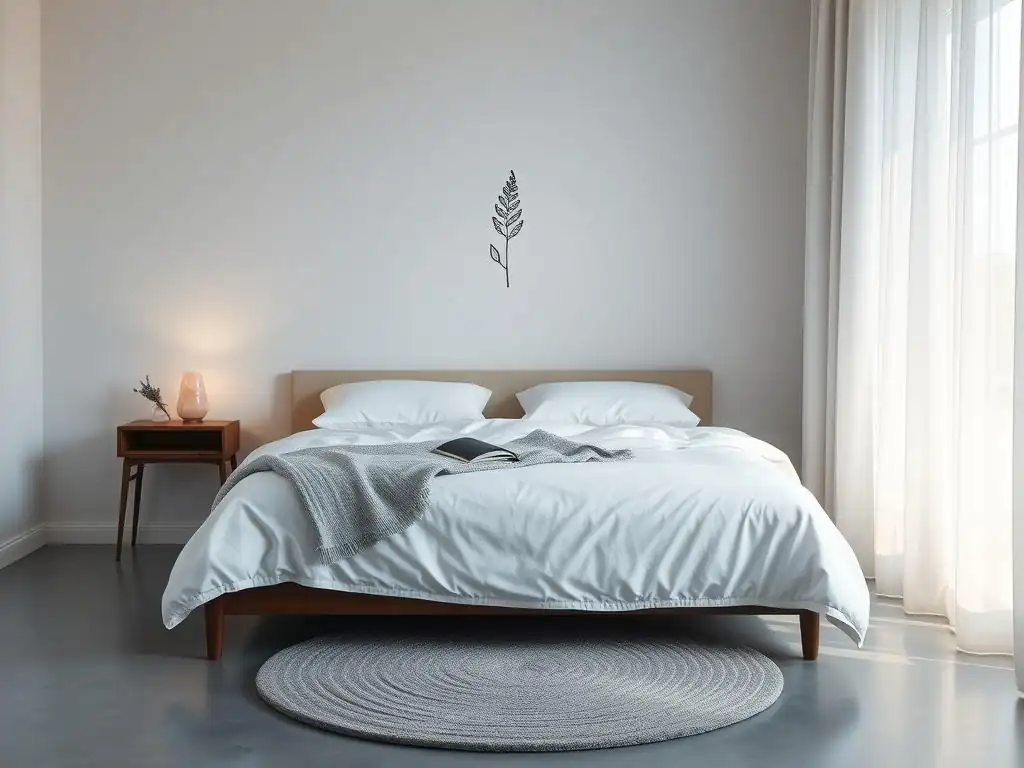
Addressing anxiety-induced sleep problems requires a multi-faceted approach that targets both the anxiety itself and the behaviors surrounding sleep. Implementing practical, consistent strategies can significantly improve sleep quality and reduce nighttime anxiety. These methods focus on calming the nervous system, preparing the body and mind for rest, and creating an environment conducive to sleep.
Adopting healthy habits and incorporating relaxation techniques into your routine are fundamental pillars of anxiety-induced sleep problems relief. Small, consistent changes can yield significant improvements over time. It's about building a foundation of healthy practices that support both mental well-being and restorative sleep.
Creating a Relaxing Bedtime Routine to Combat Anxiety
Establishing a consistent bedtime routine is paramount for signaling to your body and mind that it's time to wind down. This routine should ideally start 60-90 minutes before your target bedtime. The goal is to create a buffer zone between the day's stresses and the act of sleeping. Activities should be calming and non-stimulating. This might include reading a physical book (not on a screen), taking a warm bath, listening to quiet music, or engaging in gentle stretching.
The key is consistency. Doing the same sequence of relaxing activities each night helps condition your brain to associate these actions with sleepiness and relaxation. Avoid work, stressful conversations, or engaging content during this time. Making your bedtime routine a non-negotiating part of your evening can significantly reduce the anxiety often associated with trying to fall asleep, paving the way for anxiety-induced sleep problems relief.
Implementing Mindfulness and Meditation Techniques for Sleep
Mindfulness and meditation are powerful tools for calming an anxious mind before sleep. Mindfulness involves paying attention to the present moment without judgment. Simple mindfulness exercises, such as focusing on your breath or body sensations, can interrupt the cycle of anxious thoughts that keep you awake. Meditation, even for just 5-10 minutes, can lower heart rate and blood pressure, creating a state of physiological relaxation conducive to sleep.
Guided meditations specifically designed for sleep are widely available and can be particularly helpful. These often involve gentle instructions to relax the body and release thoughts. Regular practice, even during the day, can build your capacity to manage anxious thoughts when they arise at bedtime, offering a significant component of anxiety-induced sleep problems relief. For instance, a study published in JAMA Internal Medicine in 2015 showed that mindfulness meditation improved sleep quality in older adults with moderate sleep disturbances.
The Power of Progressive Muscle Relaxation for Anxiety and Sleep
Progressive Muscle Relaxation (PMR) is a technique that involves tensing and then releasing different muscle groups in the body. This process helps you become more aware of physical tension and teaches you how to release it. Anxiety often holds physical tension in the body, making it hard to relax in bed. By systematically tensing and releasing muscles from your toes to your head, you can induce a state of deep physical relaxation that counteracts the physical symptoms of anxiety.
Practicing PMR before bed can be very effective in reducing the physical restlessness and tension that often accompanies anxiety-induced sleep problems. It provides a concrete action you can take to calm your body, which in turn helps quiet your mind. Many people find that focusing on the physical sensations of tension and release distracts them from anxious thoughts, serving as a direct method for achieving anxiety-induced sleep problems relief.
Optimizing Your Sleep Environment for Anxiety Relief
Your bedroom environment plays a crucial role in sleep quality. Creating a space that is dark, quiet, and cool can significantly reduce sleep disturbances, especially those exacerbated by anxiety. Think of your bedroom as a sanctuary dedicated solely to sleep and intimacy, free from distractions and stressors.
Making conscious choices about your sleep environment is a tangible step towards supporting restful sleep and reducing the impact of anxiety on your nights. Even small adjustments can make a noticeable difference in your ability to fall and stay asleep, contributing to overall anxiety-induced sleep problems relief.
Creating a Sleep Sanctuary: Temperature, Light, and Noise Control
Maintaining an optimal bedroom temperature is key; most sleep experts recommend a temperature between 60-67°F (15-19°C) for the best sleep. A room that is too warm can disrupt sleep and increase restlessness, potentially heightening feelings of discomfort associated with anxiety. Darkness is also essential as light can interfere with the production of melatonin, the sleep hormone. Using blackout curtains or an eye mask can help block out external light sources.
Noise can be a significant disruptor, especially for an anxious mind that might be hyper-aware of sounds. Using earplugs or a white noise machine or fan can help mask sudden or inconsistent noises, creating a more predictable and soothing auditory environment. These environmental controls help minimize external stimuli that can trigger or worsen anxiety at bedtime, making it easier to achieve anxiety-induced sleep problems relief.
The Importance of a Comfortable Mattress and Pillow for Anxiety Relief
Physical comfort is fundamental to achieving restful sleep. An uncomfortable mattress or pillow can lead to tossing and turning, physical pain, and overall restlessness, all of which can be amplified by anxiety. Investing in a mattress and pillow that provide adequate support and comfort for your preferred sleeping position can make a substantial difference in sleep quality.
While a new mattress might be a significant investment, consider whether your current bedding is contributing to your discomfort. Even a pillow that doesn't support your neck properly can lead to physical tension that makes it harder to relax. Ensuring your physical sleep environment is comfortable removes a potential source of frustration and discomfort, helping to create a more peaceful state conducive to achieving anxiety-induced sleep problems relief.
Lifestyle Adjustments to Reduce Anxiety and Improve Sleep
Beyond bedtime routines and the sleep environment, broader lifestyle choices have a significant impact on both anxiety levels and sleep quality. Addressing habits related to diet, exercise, and technology use throughout the day can reduce overall anxiety and prepare your body for better sleep at night.
Making conscious, healthy choices during your waking hours is a proactive way to support your sleep and mental health. These adjustments build resilience against anxiety and create a foundation for more consistent, restorative sleep, offering long-term anxiety-induced sleep problems relief.
The Role of Diet in Anxiety and Sleep Quality
What you eat and drink can influence your anxiety levels and sleep patterns. While there's no single 'anxiety-reducing' diet, maintaining stable blood sugar levels by eating regular, balanced meals can help prevent mood swings and energy crashes that can exacerbate anxiety. Limiting caffeine and alcohol intake, especially in the hours leading up to bedtime, is crucial. Caffeine is a stimulant that can keep you awake, and while alcohol might initially make you feel sleepy, it disrupts sleep later in the night, leading to fragmented rest.
Avoiding heavy meals close to bedtime can also prevent digestive discomfort that interferes with sleep. Some individuals find that certain foods, like spicy dishes or sugary snacks, can worsen anxiety or disrupt sleep. Paying attention to how different foods affect you personally and making adjustments can be a helpful step in managing anxiety-induced sleep problems. For example, a large study published in Nutritional Neuroscience in 2014 suggested a link between diets high in processed foods and increased risk of anxiety symptoms.
Exercise and its Impact on Anxiety and Sleep Patterns
Regular physical activity is a powerful tool for managing anxiety and improving sleep. Exercise releases endorphins, which have mood-boosting effects, and can help reduce levels of stress hormones like cortisol. Engaging in moderate-intensity exercise most days of the week can significantly reduce overall anxiety symptoms.
Furthermore, regular exercise can improve sleep quality by making you feel more tired at bedtime and promoting deeper sleep. However, it's generally recommended to avoid vigorous exercise within two to three hours of bedtime, as it can be stimulating for some people. Finding a balance and incorporating movement into your day can be a highly effective strategy for achieving anxiety-induced sleep problems relief. A review of studies published in The Lancet Psychiatry in 2018 found that exercise is associated with reduced mental health burden.
Limiting Screen Time Before Bed to Improve Sleep Quality
The blue light emitted by electronic devices like phones, tablets, and computers can suppress melatonin production, making it harder to fall asleep. Engaging with stimulating content on screens, such as social media, news, or work emails, can also increase anxiety and keep your mind active when you should be winding down.
Establishing a 'digital curfew' at least an hour, ideally two hours, before bedtime is a critical step for improving sleep quality, especially for those with anxiety. Replace screen time with relaxing activities mentioned in the bedtime routine section. This allows your brain to transition from a state of alertness to one of relaxation, significantly aiding in the process of finding anxiety-induced sleep problems relief.
Cognitive Techniques for Managing Anxiety and Improving Sleep
While practical strategies address behaviors and environment, cognitive techniques focus on the mental patterns that contribute to anxiety and sleep problems. Learning to manage anxious thoughts and worries is fundamental to breaking the cycle of nighttime distress.
These techniques provide tools to directly challenge and reframe the thinking patterns that prevent restful sleep. By addressing the cognitive aspect of anxiety-induced sleep problems, individuals can gain greater control over their nighttime experience.
Challenging Negative Thoughts and Worries Before Bed
Anxiety often manifests as a stream of negative or worrying thoughts, particularly when the mind is quiet at night. These thoughts can range from ruminations about the day's events to catastrophic predictions about the future. Learning to identify and challenge these unhelpful thought patterns is a core cognitive technique. Instead of accepting anxious thoughts as truth, question their validity. Ask yourself: Is this thought based on fact or feeling? What is the evidence for and against this thought?
Techniques like cognitive restructuring, often used in Cognitive Behavioral Therapy (CBT), teach you to replace negative, anxious thoughts with more balanced and realistic ones. For example, if your thought is "I'm never going to fall asleep, and tomorrow will be ruined," you can challenge it with "It's true I'm finding it hard to sleep right now, but I have gotten through difficult nights before, and I can still manage tomorrow even if I'm tired. Worrying won't help me sleep." This active challenging of thoughts is a powerful method for anxiety-induced sleep problems relief.
Using Cognitive Behavioral Therapy for Insomnia (CBT-I) Techniques for Anxiety
Cognitive Behavioral Therapy for Insomnia (CBT-I) is considered the gold standard treatment for chronic insomnia and is highly effective when anxiety is a contributing factor. CBT-I techniques specifically target the thoughts and behaviors that perpetuate sleep problems. Key components include sleep restriction (temporarily limiting time in bed to increase sleep drive), stimulus control (associating the bed only with sleep and intimacy, leaving the bedroom if unable to sleep after about 20 minutes), and cognitive restructuring (challenging sleep-related worries).
While CBT-I is typically delivered by a trained therapist, learning about and implementing some of its core principles yourself can provide significant anxiety-induced sleep problems relief. For instance, the stimulus control instruction to get out of bed when anxious and unable to sleep helps break the negative association between your bed and frustration or worry. This empowers you to take action rather than lying in bed feeling increasingly anxious. Studies show that CBT-I is effective for approximately 70-80% of people with chronic insomnia.
Journaling to Process Anxious Thoughts Before Sleep
For many individuals, anxious thoughts become loudest when they are trying to fall asleep. Journaling before bed can be an effective way to externalize these thoughts, getting them out of your head and onto paper. Dedicate 10-15 minutes about an hour or two before bed to write down whatever is on your mind – worries, to-do lists, reflections on the day.
This practice can help process anxieties and prevent them from circling in your mind when you are trying to sleep. Some people find it helpful to divide their journaling into two sections: one for worries and one for positive or grateful thoughts. This helps end the journaling session on a more positive note. By actively processing thoughts before hitting the pillow, journaling serves as a simple yet effective method for gaining anxiety-induced sleep problems relief.

While self-help strategies can be very effective, there are times when the severity or persistence of anxiety-induced sleep problems warrants professional intervention. Knowing when to seek help is crucial for receiving appropriate diagnosis and treatment.
Consulting a healthcare professional can provide access to specialized knowledge, therapeutic support, and potentially medication options tailored to your specific needs, offering a more comprehensive path to anxiety-induced sleep problems relief.
Recognizing the Signs That You Need Professional Support
If your anxiety and sleep problems are significantly impacting your daily functioning – affecting your work, relationships, or overall quality of life – it's a strong indicator that professional help is needed. Other signs include experiencing sleep problems most nights of the week for several months, feeling overwhelmed or hopeless about your sleep or anxiety, or if self-help strategies have not provided sufficient relief.
Furthermore, if you suspect your sleep problems might be related to an underlying medical condition (like sleep apnea or restless legs syndrome) or a more severe anxiety disorder, a professional evaluation is essential. A doctor or mental health professional can conduct a thorough assessment to understand the root causes of your difficulties and recommend the most effective course of action for anxiety-induced sleep problems relief.
Different Types of Therapies for Anxiety and Sleep Disorders
Several types of therapy are highly effective for treating anxiety and sleep disorders. As mentioned, Cognitive Behavioral Therapy (CBT) is a cornerstone treatment for anxiety, helping individuals identify and change negative thought patterns and behaviors. CBT-I is a specialized form focusing specifically on insomnia. Acceptance and Commitment Therapy (ACT) is another approach that helps individuals accept difficult thoughts and feelings while committing to value-driven actions.
Psychodynamic therapy can also be beneficial for exploring underlying issues contributing to anxiety. The choice of therapy often depends on the individual's specific needs and the nature of their anxiety and sleep problems. A therapist can work with you to develop coping skills, process underlying issues, and implement strategies for lasting anxiety-induced sleep problems relief. Evidence suggests that therapy can provide long-term benefits in managing both conditions.
Medication Options for Managing Anxiety and Improving Sleep (Consult a Doctor)
In some cases, medication may be considered as part of a treatment plan for anxiety-induced sleep problems, but this should always be discussed with and prescribed by a qualified medical doctor. Medications for anxiety may include selective serotonin reuptake inhibitors (SSRIs), serotonin-norepinephrine reuptake inhibitors (SNRIs), or benzodiazepines (typically for short-term use due to risk of dependence).
Medications specifically for sleep may also be prescribed, such as hypnotics or certain antidepressants with sedating effects. It is crucial to understand that sleep medications are often recommended for short-term use and do not address the root causes of anxiety or insomnia. Combining medication with therapy and lifestyle changes is often the most effective approach for comprehensive anxiety-induced sleep problems relief. Your doctor can help determine if medication is appropriate for you and manage any potential side effects.
Long-Term Strategies for Sustained Anxiety-Induced Sleep Problems Relief
Finding immediate relief is important, but building long-term strategies is key to preventing anxiety-induced sleep problems from returning. This involves cultivating resilience, maintaining healthy habits, and committing to ongoing self-care.
Sustainable anxiety-induced sleep problems relief comes from integrating healthy practices into your daily life and being prepared to manage challenges as they arise. It's an ongoing process of self-awareness and self-compassion.
Building Resilience to Stress and Anxiety
Resilience is the ability to bounce back from stress and adversity. Building resilience helps you cope more effectively with anxiety-provoking situations, which in turn reduces their impact on your sleep. Strategies for building resilience include developing a strong social support network, practicing self-compassion, setting realistic goals, and viewing challenges as opportunities for growth.
Learning healthy coping mechanisms for stress, such as problem-solving skills, time management, and assertiveness, also contributes to resilience. By increasing your capacity to handle life's inevitable stressors, you reduce the likelihood that anxiety will overwhelm you at night, thereby supporting long-term anxiety-induced sleep problems relief.
Maintaining a Consistent Sleep Schedule for Optimal Sleep
Consistency is perhaps the most important factor in regulating your body's internal clock, known as the circadian rhythm. Going to bed and waking up at roughly the same time every day, even on weekends, helps train your body to expect sleep at a particular time. This regularity strengthens the sleep-wake cycle, making it easier to fall asleep and wake up naturally.
While occasional deviations are unavoidable, striving for consistency prevents the disruption that can trigger or worsen anxiety-induced sleep problems. A consistent schedule helps your body anticipate sleep, reducing the anxiety that can arise from an unpredictable sleep pattern. Making this a non-negotiable habit is a cornerstone of sustained anxiety-induced sleep problems relief.
Ongoing Self-Care Practices for Anxiety and Sleep Management
Managing anxiety and ensuring good sleep is an ongoing process that requires continuous self-care. This includes regularly practicing the relaxation techniques you've learned, maintaining healthy lifestyle habits (diet, exercise, screen time), and carving out time for activities you enjoy that reduce stress.
Regularly checking in with yourself about your stress levels and sleep quality allows you to identify potential issues early and take proactive steps. Self-care is not a luxury but a necessity for maintaining both mental and physical health. Prioritizing self-care supports your ability to manage anxiety and sustain the improvements you've made in achieving anxiety-induced sleep problems relief.
Frequently Asked Questions
How does anxiety directly contribute to sleep problems?
Anxiety triggers the fight-or-flight response, leading to increased heart rate and racing thoughts. This hyperarousal makes it difficult to relax and fall asleep. The constant worry and stress also prevent the mind from quieting down, disrupting sleep.
What are some practical relaxation techniques I can use before bed to combat anxiety?
Try deep breathing exercises, such as the 4-7-8 technique, to calm your nervous system. Progressive muscle relaxation can help release tension in your body. Mindfulness meditation can also help you focus on the present moment and reduce anxious thoughts.
Are there specific lifestyle changes that can improve sleep quality when dealing with anxiety?
Yes, establishing a consistent sleep schedule is crucial. Limit caffeine and alcohol intake before bed, as they can interfere with sleep. Regular exercise during the day can also help reduce anxiety and improve sleep quality.
When should I consider seeking professional help for anxiety-induced sleep problems?
If your sleep problems are persistent and significantly impacting your daily life, seeking professional help is recommended. A therapist or psychiatrist can provide evidence-based therapies, such as Cognitive Behavioral Therapy (CBT) for insomnia and anxiety.
Mind Care Guide offers a wealth of information and resources on mental well-being, including articles and guides on anxiety. You can also find support groups and online forums dedicated to anxiety and sleep disorders. Your doctor can also refer you to local mental health professionals.
Final Reflection: Finding Peace in the Night
The struggle with anxiety-induced sleep problems is far from uncommon; in fact, it's a pervasive issue impacting millions, silently stealing their rest and diminishing their quality of life. This article explored various strategies – from cognitive behavioral techniques to environmental adjustments and the importance of mindful routines – all designed to reclaim the restorative power of sleep. The impact of consistent poor sleep on mental and physical health cannot be overstated, making the pursuit of effective solutions a crucial step towards overall well-being.
The journey to better sleep, especially when anxiety is a significant factor, is deeply personal. It requires self-awareness, patience, and a willingness to experiment with different approaches. Sleep is the golden chain that ties health and our bodies together.
– Thomas Dekker. This quote highlights the fundamental connection between sleep and overall health, a connection often disrupted by the relentless cycle of anxiety. My own experiences with restless nights fueled my desire to understand and address this pervasive problem, leading me to research and compile the information shared in this article.
You now hold the tools to begin your own journey towards more peaceful nights. Don't be discouraged by setbacks; progress takes time and consistent effort. Start by identifying one or two strategies from this article that resonate with you, and integrate them into your nightly routine. Observe the changes, adjust your approach as needed, and remember that prioritizing your sleep is an act of self-care, a testament to your commitment to your own well-being. Your journey to tranquil nights begins now.
Unlock Your Best Sleep Yet: Conquer Anxiety & Reclaim Your Nights
Thanks for taking the time to explore ways to improve your sleep quality when anxiety gets in the way! We hope you found practical strategies to help you rest easier. Now, let's put that knowledge into action:
- Prioritize one small sleep hygiene change this week. This could be anything from setting a consistent bedtime to dimming the lights an hour before sleep. Start small and build from there!
- Share your biggest sleep challenge and win in the comments below. Let's build a supportive community and learn from each other's experiences.
- Experiment with a calming bedtime ritual – even if it’s just for 5 minutes. This could be gentle stretching, listening to soothing music, or even a quick guided meditation.
What small step will you take tonight to improve your sleep and conquer anxiety?