
The Adult Brain Changes: Mechanisms of Neuroplasticity Explained

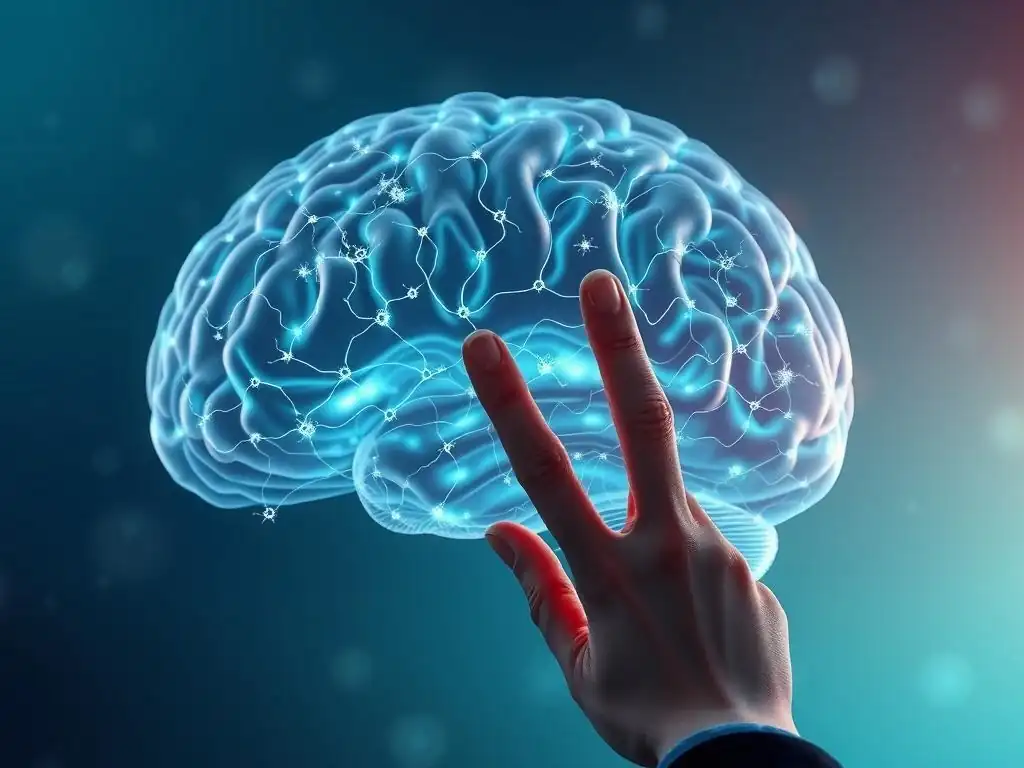
Welcome to Mind Care Guide, your trusted companion on the journey to mental well-being. Ever wondered if you're stuck with the brain you've got? Prepare to be amazed! We delve into the fascinating world of adult brain neuroplasticity, exploring how your brain can truly change and adapt throughout your life. Discover the powerful mechanisms at play and unlock your potential for growth and resilience. Are you ready to reshape your mind?
Adult Brain Plasticity: Mechanisms and Applications
- Understanding Adult Brain Plasticity
- Key Mechanisms Driving Adult Brain Plasticity
- Factors Influencing Adult Brain Plasticity
- Neuroplasticity and Mental Health: Rewiring for Well-being
- Practical Strategies to Enhance Adult Brain Plasticity
- The Future of Neuroplasticity Research and Implications
-
Frequently Asked Questions
- What exactly is neuroplasticity, and how does it apply to adults?
- How does neuroplasticity benefit adults facing mental health challenges?
- What are some concrete examples of neuroplasticity in action for adults?
- What factors can either promote or hinder neuroplasticity in adulthood?
- Are there specific therapies or techniques that leverage neuroplasticity to improve mental well-being?
- Final Reflection: The Ever-Evolving Mind: Embracing Neuroplasticity
- Unlock Your Brain's Potential: Embrace Lifelong Learning
Understanding Adult Brain Plasticity
What is Neuroplasticity and Why Does It Matter?
Neuroplasticity, often referred to as brain plasticity or neural plasticity, is the remarkable ability of the brain to change and adapt throughout an individual's life. This involves reorganizing neural pathways, forming new connections, and even creating new neurons in specific areas. It is the biological basis for learning, memory formation, and recovery from brain injury. Understanding adult brain neuroplasticity explained reveals that our brains are not fixed entities after childhood, but dynamic systems constantly being shaped by our experiences, environment, and even our thoughts. This capacity for change is fundamental to human adaptability.
The significance of neuroplasticity extends far beyond academic interest; it holds profound implications for mental health and well-being. It explains how therapeutic interventions like psychotherapy can lead to lasting changes in mood and behavior, how individuals can recover lost functions after a stroke, and how we can continue learning new skills well into old age. Recognizing the power of adult brain plasticity empowers us to actively engage in activities that promote positive neural changes, fostering resilience and improving cognitive function.
Challenging the Myth of the Static Adult Brain
For many years, the prevailing scientific view held that the adult brain was largely static, with significant plasticity limited primarily to critical periods in early development. This perspective suggested that once certain developmental windows closed, major structural or functional changes were impossible. This myth often led to a sense of resignation regarding cognitive decline or the permanence of neurological damage in adults.
However, decades of research have definitively debunked this notion. Studies using advanced imaging techniques like fMRI and structural MRI, alongside cellular-level investigations, have provided overwhelming evidence for significant neural rewiring capabilities in the adult brain. From learning a new language to recovering from a traumatic brain injury, the adult brain demonstrates a continuous capacity for adaptation, proving that the potential for growth and change persists throughout the lifespan. This understanding is crucial for developing effective interventions for neurological and psychological conditions.
Key Mechanisms Driving Adult Brain Plasticity
Synaptic Plasticity: Modifying Neural Communication
Synaptic plasticity is one of the primary mechanisms underlying the brain's ability to adapt and learn. It refers to the changes in the strength and efficiency of connections between neurons, called synapses. When neurons communicate, they release neurotransmitters across the synaptic gap, which are received by receptors on the neighboring neuron.
The strength of this signal transmission can be modified over time based on activity patterns. Essentially, synapses can become stronger or weaker, more or less efficient, depending on how often and how effectively the two connected neurons communicate. This constant tweaking of synaptic strength is fundamental to forming memories and learning new information.
These modifications at the synapse are crucial for storing information. For instance, when you learn a new fact or skill, the specific neural pathways involved in processing that information are strengthened through changes at their synapses. This strengthening makes it easier for the signal to pass along that pathway in the future, facilitating recall or execution of the skill.
Conversely, unused or rarely activated pathways may have their synaptic connections weakened, a process that can help prune unnecessary information or connections, optimizing brain efficiency. This intricate process of synaptic modification is a cornerstone of adult brain neuroplasticity explained at the cellular level.
Long-Term Potentiation (LTP) and Long-Term Depression (LTD)
Long-Term Potentiation (LTP) is a persistent strengthening of synapses based on recent patterns of activity. It's often considered a key cellular mechanism for learning and memory. When a synapse is repeatedly and strongly activated, particularly when the pre-synaptic neuron fires just before the post-synaptic neuron, the connection between them becomes stronger.
This strengthening can involve an increase in the number of neurotransmitter receptors on the post-synaptic neuron or an increase in the amount of neurotransmitter released by the pre-synaptic neuron. A classic example studied extensively is in the hippocampus, a brain region vital for memory formation, where LTP is readily observed.
Conversely, Long-Term Depression (LTD) is a persistent weakening of synapses. This occurs when a synapse is activated at a low frequency or when the pre- and post-synaptic neurons fire out of sync in a specific pattern. LTD is just as important as LTP; it allows the brain to weaken irrelevant connections, prune old memories, or modify existing circuits to incorporate new information. Together, LTP and LTD provide a dynamic range for adjusting synaptic strength, allowing for flexible and efficient neural rewiring that underlies complex cognitive processes and behavioral adaptation.
Neurotransmitter Roles in Synaptic Modification
Neurotransmitters are chemical messengers that play a critical role in synaptic plasticity. While dozens of neurotransmitters exist, some are particularly important for mediating the changes seen in LTP and LTD. Glutamate, the primary excitatory neurotransmitter in the mammalian brain, is central to many forms of synaptic plasticity, particularly those involving NMDA and AMPA receptors. The activation of these receptors, triggered by glutamate release and subsequent electrical changes in the post-synaptic neuron, is a key step in initiating the molecular cascades that lead to LTP.
GABA (gamma-aminobutyric acid), the brain's main inhibitory neurotransmitter, also plays a significant role, often by modulating the excitability of neurons and influencing the conditions under which LTP or LTD can occur. Other neuromodulators like dopamine, serotonin, and acetylcholine can also influence synaptic plasticity by affecting the overall state of neural circuits and the responsiveness of neurons to glutamate and GABA signals. These neurotransmitters act like volume controls and gatekeepers, fine-tuning the synaptic changes that allow for learning and adaptation in the adult brain.
Structural Plasticity: Neuronal Growth and Connection
Structural plasticity refers to the changes in the physical structure of neurons and their connections. This goes beyond just strengthening or weakening existing synapses and includes more significant alterations like the growth of new dendrites (branches that receive signals), the formation of new synapses, and even the birth of new neurons in certain brain areas. While synaptic plasticity modifies the efficiency of existing links, structural plasticity changes the physical network itself, adding new nodes and pathways or altering their shape and complexity.
These structural changes are essential for long-term adaptation and learning. For example, learning a complex motor skill, like playing a musical instrument, involves not just changes in synaptic strength but also the growth of new dendritic spines (small protrusions on dendrites where synapses form) and even the creation of entirely new synapses in motor control areas. These physical alterations provide a more robust and enduring basis for the learned behavior, demonstrating how the adult brain neuroplasticity explained encompasses tangible physical changes within the neural architecture.
Adult Neurogenesis: Limited Regions, Significant Impact
Contrary to earlier beliefs, the adult brain is capable of producing new neurons, a process called adult neurogenesis. While this process is much more limited than during development, it occurs notably in the hippocampus, a brain region critical for learning, memory, and mood regulation, and the olfactory bulb, involved in processing smells. These newly born neurons migrate to specific locations within these regions and integrate into existing neural circuits, forming new synapses and contributing to brain function.
The rate of adult neurogenesis can be influenced by various factors, including exercise, learning, stress, and diet. For instance, aerobic exercise has been shown in studies to increase the rate of neurogenesis in the hippocampus of rodents and is associated with larger hippocampal volume and improved memory in humans.
Although the exact contribution of these new neurons to complex human behavior is still an active area of research, their presence in key brain areas like the hippocampus suggests they play a significant role in certain types of learning, memory consolidation, and possibly in mood regulation, offering potential avenues for treating conditions like depression.
Dendritic Spine Dynamics: Adapting to Experience
Dendritic spines are tiny protrusions that dot the dendrites of neurons and are the primary sites of excitatory synaptic input. These structures are highly dynamic, constantly changing their shape, size, and number in response to neural activity and experience. This dynamic nature of dendritic spines is a crucial aspect of structural plasticity, allowing neurons to rapidly adjust their connectivity and integrate new information. When you learn something new or practice a skill, new spines can rapidly form, and existing spines involved in the relevant circuits can grow larger or change shape, indicating stronger synaptic connections.
Conversely, spines can retract or disappear when connections are no longer needed or are weakened through LTD mechanisms. This constant remodeling of the dendritic tree and its spines provides a flexible substrate for the brain to encode information and adapt to changing environmental demands. For example, studies have shown changes in dendritic spine density and morphology in response to learning tasks, stress, and even sleep deprivation, highlighting their sensitivity to experience and their fundamental role in the ever-changing landscape of the adult brain.
Functional Plasticity: Reorganizing Neural Networks
Functional plasticity refers to the brain's ability to reorganize its functions by shifting activity from one area to another or by changing the way different brain regions interact. This doesn't necessarily involve creating new neurons or synapses but rather repurposing existing neural pathways or altering the efficiency and synchronicity of communication between brain areas. It's like rerouting traffic flow on an existing road network or changing the timing of traffic lights to handle congestion or a detour.
This type of plasticity allows the brain to adapt to challenges, compensate for damage, and optimize performance. For instance, if one part of the brain is damaged by stroke, other intact areas may take over some of the functions previously performed by the damaged region. Similarly, learning a new skill might involve recruiting different brain areas or strengthening the functional connections between areas already involved in related tasks, demonstrating the brain's incredible flexibility in allocating and coordinating its resources.
Cortical Reorganization: Adapting to Change
Cortical reorganization is a prominent example of functional plasticity, involving changes in the representation of sensory or motor information in the cerebral cortex. This can occur in response to injury, changes in sensory input, or extensive learning. A classic example is observed in individuals who lose a limb; the area of the somatosensory cortex that previously received input from the missing limb may become responsive to stimulation of adjacent body parts, like the face or stump. This is the brain remapping its sensory input.
Another compelling illustration comes from studies of musicians. Musicians who play string instruments develop enlarged areas in their somatosensory and motor cortices corresponding to the fingers used for playing. This demonstrates how intensive, skilled practice can lead to a physical expansion of cortical representation, reflecting enhanced neural resources dedicated to that specific function. These examples underscore the dynamic nature of cortical maps and their ability to reorganize based on experience and input, a key aspect of adult brain neuroplasticity explained through large-scale functional shifts.
Compensatory Mechanisms After Neurological Events
Following neurological events like stroke or traumatic brain injury, the brain often engages in compensatory mechanisms enabled by functional plasticity. While damaged neurons typically cannot be replaced, surrounding healthy brain tissue or even distant brain regions can sometimes take over the functions that were lost. This involves strengthening existing pathways, forming new functional connections between surviving neurons, and recruiting previously underutilized areas to contribute to the impaired function.
Rehabilitation therapies, such as physical therapy or speech therapy, are designed to harness these compensatory mechanisms. By providing intensive, repetitive practice of impaired functions, these therapies stimulate the brain to reorganize itself, strengthening relevant neural circuits and facilitating recovery. For instance, stroke patients practicing motor tasks can drive plasticity in motor cortex areas adjacent to the lesion or in the opposite hemisphere, allowing them to regain some control over affected limbs. This highlights the critical role of plasticity in recovery and the potential for targeted interventions to promote beneficial neural rewiring.
Factors Influencing Adult Brain Plasticity
Learning and Experience: Shaping Brain Structure
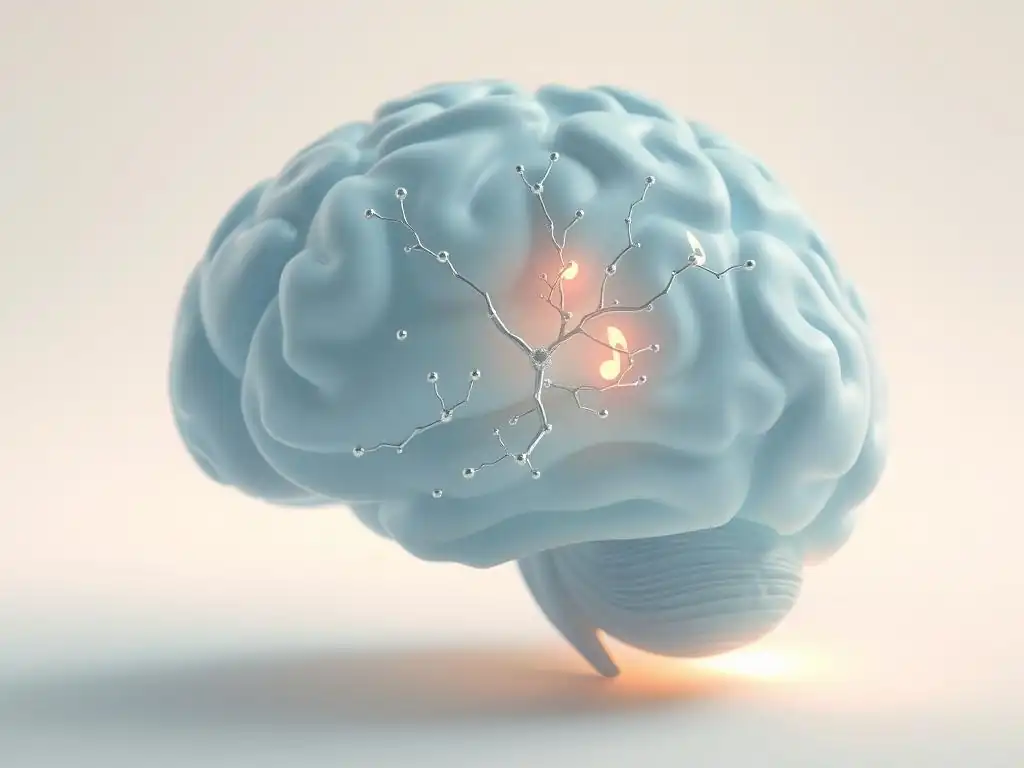
Learning and new experiences are powerful drivers of adult brain plasticity. Every time we learn something new, whether it's a fact, a skill, or a route, our brain undergoes physical and functional changes. This can involve the formation of new synapses, the strengthening of existing ones (LTP), changes in dendritic spine morphology, and the reorganization of neural networks. The brain literally changes its structure and function to accommodate and store the new information or skill.
The degree of plasticity is often related to the intensity and novelty of the experience. Engaging in challenging, novel activities that require focused attention tends to induce more significant plastic changes. For example, learning a second language, mastering a musical instrument, or navigating a complex new environment all demand substantial neural adaptation. This continuous process of learning and experiencing is fundamental to maintaining a flexible and adaptable brain throughout life, actively shaping our neural landscape.
Environmental and Lifestyle Influences
Beyond explicit learning, our daily environment and lifestyle choices significantly impact adult brain plasticity. The richness and complexity of our environment influence neural development and maintenance. An enriched environment, characterized by novelty, social interaction, and opportunities for physical activity and learning, has been shown in animal studies to increase neurogenesis, synaptic density, and cognitive function. Conversely, impoverished environments can have detrimental effects on brain health and plasticity.
Lifestyle factors are equally critical. Diet, exercise, sleep, stress levels, and social engagement all modulate the brain's capacity for change. Adopting healthy habits can enhance neural rewiring potential, while unhealthy habits can impair it. Understanding these influences provides practical avenues for individuals to actively promote their own brain health and cognitive resilience through conscious lifestyle choices.
Diet and Exercise: Supporting Brain Health
Diet and exercise are two of the most well-established lifestyle factors that positively influence adult brain plasticity. Regular aerobic exercise has been consistently shown to benefit brain health. It increases blood flow to the brain, delivering essential oxygen and nutrients. More importantly, exercise promotes the production of neurotrophic factors, such as Brain-Derived Neurotrophic Factor (BDNF), which is often called "Miracle-Gro" for the brain. BDNF supports the growth, survival, and differentiation of neurons and synapses, playing a key role in neurogenesis and synaptic plasticity, particularly in the hippocampus.
A balanced diet rich in omega-3 fatty acids, antioxidants (found in fruits and vegetables), and vitamins also supports optimal brain function and plasticity. Omega-3s are crucial building blocks for brain cell membranes. Antioxidants help protect brain cells from damage. Poor diet and nutritional deficiencies, on the other hand, can negatively impact cognitive function and reduce the brain's capacity for adaptation. Together, proper nutrition and physical activity provide a powerful foundation for enhancing neural rewiring capabilities.
Sleep and Stress: Impact on Neural Rewiring
Sleep is not merely a period of rest for the body; it is a critical time for brain function, particularly for memory consolidation and synaptic plasticity. During sleep, the brain processes and consolidates information learned during the day, a process that involves strengthening important synaptic connections and weakening less important ones (often referred to as synaptic homeostasis hypothesis). Chronic sleep deprivation impairs learning, memory, and the ability of synapses to undergo LTP, thereby hindering plasticity. Aiming for 7-9 hours of quality sleep per night is vital for supporting healthy brain function and its capacity for change.
Chronic stress, characterized by prolonged exposure to stress hormones like cortisol, has detrimental effects on brain structure and function, particularly in areas like the hippocampus and prefrontal cortex which are crucial for learning, memory, and executive function. High cortisol levels can suppress neurogenesis in the hippocampus and impair synaptic plasticity. Managing stress through techniques like mindfulness, meditation, or regular physical activity is therefore essential for protecting brain health and maintaining the capacity for beneficial neural rewiring.
Cognitive Training: Enhancing Plasticity
Engaging in mentally stimulating activities and targeted cognitive training can directly enhance adult brain plasticity. Learning new and challenging skills, solving complex problems, or engaging in activities that require focused attention and memory retrieval all stimulate neural activity and promote the formation of new connections and strengthening of existing ones. This principle is the basis for various cognitive rehabilitation programs and brain training exercises.
While the effectiveness of commercial "brain training" games is debated, activities that are novel, challenging, and progressively difficult tend to be most effective. Examples include learning a musical instrument, studying a new language, taking up complex hobbies like chess, or even engaging in challenging puzzles. These activities provide the necessary stimulus for the brain to adapt and reorganize, demonstrating how active mental engagement is a powerful tool for fostering adult brain neuroplasticity explained through directed cognitive effort.
Neuroplasticity and Mental Health: Rewiring for Well-being
The understanding that the adult brain is capable of significant change offers immense hope for mental health. Many mental health conditions are associated with dysfunctional neural circuits or imbalances in brain activity. Neuroplasticity provides the mechanism through which therapeutic interventions, lifestyle changes, and even self-directed activities can help to repair or modify these circuits, leading to symptom reduction and improved well-being. It underscores that recovery and change are biologically possible.
This perspective shifts the focus from viewing mental illness as a permanent, immutable state to seeing it as a condition involving neural patterns that can be altered. Therapies rooted in behavioral and cognitive principles, in particular, leverage the brain's natural capacity for neural rewiring to help individuals develop healthier coping mechanisms and thought patterns. This intersection of neuroscience and psychology highlights the power of the brain to heal and adapt.
Neuroplasticity in Mental Disorder Treatment
Many effective psychological therapies work, at least in part, by leveraging the principles of neuroplasticity. These therapies help individuals learn new ways of thinking, feeling, and behaving, which in turn promotes the formation of new, healthier neural pathways and weakens maladaptive ones. This process of directed neural rewiring is a core component of recovery from various mental health conditions.
Understanding how specific therapies induce plastic changes provides a neurobiological basis for their effectiveness and can help reduce the stigma associated with mental illness by framing it in terms of brain function and adaptability. It emphasizes that therapeutic change is not just about willpower but involves tangible biological processes within the brain.
Neuroplasticity and Depression: Cognitive Behavioral Therapy (CBT)
Cognitive Behavioral Therapy (CBT) is a widely used and effective therapy for depression. CBT helps individuals identify and challenge negative thought patterns and develop more positive and realistic ways of thinking and behaving. From a neuroplasticity perspective, CBT works by weakening the neural connections associated with negative rumination and self-criticism while strengthening pathways related to more adaptive cognitive and emotional responses.
Studies using fMRI have shown that successful CBT for depression is associated with changes in activity and connectivity in brain regions involved in mood regulation, such as the prefrontal cortex (involved in cognitive control) and the amygdala (involved in processing emotions like fear). For instance, some research suggests that CBT can lead to increased activity in prefrontal areas responsible for regulating negative emotions and decreased activity in the amygdala. These observed changes in brain activity patterns demonstrate the neural rewiring induced by changing thought processes and behaviors through therapy.
Neuroplasticity and Anxiety: Exposure Therapy
Exposure therapy is a highly effective treatment for anxiety disorders, including phobias and Obsessive-Compulsive Disorder (OCD). It involves gradually exposing individuals to feared objects, situations, or thoughts in a safe and controlled environment, allowing them to learn that the feared outcome does not occur or that they can tolerate the anxiety. This process helps to break the association between the feared stimulus and the anxiety response.
From a neuroplasticity standpoint, exposure therapy works by weakening the maladaptive fear pathways in the brain, particularly those involving the amygdala and its connections to other brain regions. By repeatedly experiencing the feared stimulus without the expected negative consequence, the brain learns a new, less fearful association. This involves processes like extinction of fear memories, which is mediated by plastic changes in synapses and circuits within the amygdala and prefrontal cortex. Successful exposure therapy results in a functional rewiring where the threat response is reduced or eliminated.
Neuroplasticity and PTSD: Eye Movement Desensitization and Reprocessing (EMDR)
Eye Movement Desensitization and Reprocessing (EMDR) is a psychotherapy approach often used to treat Post-Traumatic Stress Disorder (PTSD). EMDR involves the patient recalling distressing memories while simultaneously experiencing bilateral stimulation, such as side-to-side eye movements. The theory is that this process helps the brain reprocess traumatic memories, making them less emotionally intense and integrating them into more adaptive neural networks.
While the exact mechanisms are still being researched, EMDR is thought to facilitate the brain's natural information processing, potentially involving mechanisms similar to those that occur during REM sleep. This reprocessing likely involves plastic changes in the neural pathways associated with the traumatic memory, reducing its vividness and emotional charge. By altering how the traumatic memory is stored and accessed in the brain, EMDR promotes neural rewiring that helps individuals move past the trauma.
Fostering Resilience Through Neuroplasticity
Neuroplasticity is not only crucial for treating mental health conditions but also for fostering resilience – the ability to adapt well in the face of adversity. A more plastic brain is potentially a more resilient brain, better equipped to cope with stress, recover from setbacks, and adapt to challenging circumstances. Engaging in activities that promote positive neural rewiring can build a stronger, more flexible brain that is less vulnerable to the negative impacts of stress and trauma.
Cultivating resilience through neuroplasticity involves actively engaging in behaviors that support brain health and adaptability. This includes maintaining social connections, practicing mindfulness, pursuing learning and novel experiences, exercising regularly, and managing stress effectively. By consciously nurturing our brain's capacity for change, we can enhance our ability to navigate life's challenges with greater strength and flexibility, improving overall mental well-being.
Practical Strategies to Enhance Adult Brain Plasticity

Given the brain's remarkable capacity for change, individuals can actively engage in strategies to promote positive adult brain plasticity throughout their lives. These strategies often involve providing the brain with the right kind of stimulation and support to encourage the formation of new connections and the strengthening of existing ones. Making conscious choices about how we spend our time and energy can have a tangible impact on our neural health and cognitive function.
These practical approaches are accessible to most people and can be integrated into daily life. They emphasize the importance of continuous learning, physical health, mental well-being practices, and social engagement as pillars for supporting a plastic and resilient brain.
Embracing Novelty and Challenge
One of the most effective ways to stimulate adult brain plasticity is to consistently expose your brain to novelty and challenge. Learning new things creates new neural pathways and strengthens existing ones. This could involve:
- Learning a new language or skill (e.g., coding, painting, playing an instrument).
- Taking a different route to work or trying new activities.
- Reading books outside your usual genre.
- Engaging in puzzles, brain teasers, or strategic games that require problem-solving.
The key is to step outside your comfort zone and engage in activities that require effort and focused attention. Simply repeating familiar tasks, even if complex, may not stimulate plasticity as effectively as tackling something genuinely new and challenging. Aim for variety and complexity in your mental pursuits.
Mindfulness and Meditation: Promoting Neural Changes
Mindfulness and meditation practices have been shown to induce measurable structural and functional changes in the brain, supporting neuroplasticity. Regular meditation practice, even for relatively short periods (e.g., 8 weeks in some studies), has been associated with:
- Increased gray matter density in areas like the hippocampus (involved in memory and learning) and areas of the prefrontal cortex (involved in attention and emotional regulation).
- Decreased gray matter density in the amygdala (involved in fear and stress processing).
- Changes in functional connectivity between brain regions, such as increased connectivity between the prefrontal cortex and the amygdala, suggesting improved emotional regulation.
These changes reflect a neural rewiring that supports greater emotional regulation, reduced stress reactivity, and improved focus. Integrating mindfulness or meditation into your routine can be a powerful way to intentionally shape your brain for greater calm and resilience.
Humans are social creatures, and social interaction plays a vital role in brain health and plasticity. Engaging in positive social relationships provides cognitive stimulation, emotional support, and opportunities for learning and problem-solving. Social isolation, on the other hand, is associated with increased risk of cognitive decline and negative impacts on brain structure and function.
Maintaining strong social ties and engaging in meaningful interactions can:
- Stimulate areas of the brain involved in language, empathy, and social cognition.
- Reduce stress levels, thereby protecting the brain from the damaging effects of cortisol.
- Provide opportunities for collaborative learning and problem-solving, further promoting neural rewiring.
Participating in group activities, volunteering, spending time with friends and family, and building supportive relationships are not just good for your mood; they are actively beneficial for maintaining a plastic and healthy brain throughout life.
The Future of Neuroplasticity Research and Implications
Research into adult brain plasticity is a rapidly evolving field with profound implications for understanding and treating neurological and psychiatric conditions. As we uncover more about the intricate mechanisms of neural rewiring, we gain new insights into how the brain adapts and how we can potentially harness this capacity for therapeutic benefit. The future holds exciting possibilities for targeted interventions and personalized approaches to enhance brain function and promote recovery.
This ongoing research promises to refine our understanding of how experiences shape the brain and how we can best support its remarkable capacity for change across the entire lifespan. It underscores the potential for continuous growth and adaptation, challenging previous limitations placed on the adult brain's capabilities.
Emerging Therapies: Transcranial Magnetic Stimulation (TMS)
Transcranial Magnetic Stimulation (TMS) is a non-invasive brain stimulation technique that is already being used clinically for certain conditions, notably treatment-resistant depression and OCD, and is being explored for many others. TMS uses magnetic pulses delivered to specific areas of the brain to modulate neuronal activity. By delivering repetitive pulses (rTMS), it can either excite or inhibit activity in targeted brain regions, influencing neural circuits.
From a neuroplasticity perspective, rTMS is thought to work by inducing plastic changes in the targeted neural networks. For example, for depression, rTMS is often applied to the left dorsolateral prefrontal cortex, an area often underactive in depressed individuals. The stimulation is believed to strengthen connections and increase activity in this region and its circuits, helping to normalize mood regulation pathways. TMS represents a direct way to potentially stimulate or modify neural circuits to promote beneficial rewiring.
Ethical Considerations: Responsible Application
As our ability to understand and potentially influence adult brain plasticity grows, so do the ethical considerations surrounding its application. The power to enhance cognitive abilities, alter mood, or facilitate recovery raises questions about access, equity, and the potential for misuse. For instance, if interventions become available that significantly boost cognitive performance, who will have access to them? What are the implications of widespread use of neuro-enhancements?
Furthermore, interventions targeting plasticity, especially invasive or pharmacological ones, must be approached with caution and a deep understanding of potential unintended consequences. The brain is a complex system, and altering one pathway can have ripple effects throughout the network. Responsible research and clinical application require careful consideration of safety, efficacy, and the broader societal implications of manipulating neural plasticity.
Lifelong Brain Adaptation: A Continuous Process
The cumulative evidence for adult brain plasticity points to a powerful truth: the brain is capable of significant adaptation throughout the entire lifespan, not just in childhood. Learning, adapting, and rewiring are continuous processes that allow individuals to respond to new challenges, recover from adversity, and continue growing cognitively and emotionally well into old age. This understanding is fundamentally optimistic, challenging deterministic views of aging and cognitive decline.
Embracing the concept of lifelong brain adaptation empowers individuals to take an active role in their brain health. By making conscious choices about their activities, lifestyle, and mental engagement, people can actively cultivate a more plastic, resilient, and vibrant brain, supporting well-being and cognitive function for decades to come. The journey of adult brain neuroplasticity explained is one of continuous potential and ongoing discovery.
Frequently Asked Questions
What exactly is neuroplasticity, and how does it apply to adults?
Neuroplasticity is the brain's ability to reorganize itself by forming new neural connections throughout life. It means the adult brain isn't fixed but can adapt and change in response to experiences, learning, or injury.
How does neuroplasticity benefit adults facing mental health challenges?
Neuroplasticity allows the brain to rewire pathways associated with negative thought patterns or emotional responses. This can be crucial in therapy and rehabilitation for conditions like anxiety, depression, and post-traumatic stress disorder (PTSD).
What are some concrete examples of neuroplasticity in action for adults?
Learning a new language, mastering a musical instrument, or recovering from a stroke are all examples. These activities stimulate the brain and encourage the formation of new neural connections, demonstrating neuroplasticity.
What factors can either promote or hinder neuroplasticity in adulthood?
Factors promoting neuroplasticity include exercise, a healthy diet, sleep, and stimulating activities. Conversely, stress, lack of sleep, and poor diet can hinder the brain's ability to adapt and change.
Are there specific therapies or techniques that leverage neuroplasticity to improve mental well-being?
Yes, therapies like cognitive behavioral therapy (CBT), mindfulness meditation, and neurofeedback actively utilize neuroplasticity. These techniques help individuals to reshape their thought patterns and emotional responses, improving overall mental well-being.
Final Reflection: The Ever-Evolving Mind: Embracing Neuroplasticity
The ability of the adult brain to change and adapt, a concept once considered a myth, is now a cornerstone of modern neuroscience. This understanding of adult brain neuroplasticity offers not just fascinating insights into the brain's workings, but also powerful tools for personal growth, recovery from injury, and improved cognitive function throughout life. The implications are profound, impacting everything from education and rehabilitation to our understanding of mental health and aging.
The journey of exploring neuroplasticity has been deeply enriching, highlighting the incredible resilience and adaptability of the human brain. It's a humbling reminder that we are not static beings, but rather dynamic systems constantly shaped by our experiences and choices. The brain is like a muscle. When we use it, it gets stronger.
This simple analogy, while not entirely accurate scientifically, captures the essence of neuroplasticity's empowering message: we have the power to shape our own cognitive destiny. The ongoing research in this field continues to reveal the intricate mechanisms driving these changes, offering hope and new avenues for therapeutic interventions.
Consider the implications of this knowledge for your own life. What new skills do you want to learn? What habits do you want to change? Embrace the power of neuroplasticity.
Engage in activities that challenge your brain, foster new connections, and promote cognitive growth. Learn a new language, take up a musical instrument, or simply dedicate time to mindful activities. By actively engaging in experiences that stimulate your brain, you are not just exercising your mind, you are actively shaping its future, reinforcing pathways, and building a stronger, more resilient you. The journey of lifelong learning is not just a possibility, but a powerful reality made possible by the remarkable plasticity of the adult brain.
Unlock Your Brain's Potential: Embrace Lifelong Learning
Thanks for exploring the fascinating world of neuroplasticity with us! You've now discovered the incredible power your brain holds to adapt and grow throughout your life. Ready to put this knowledge into action?
- Start a new learning challenge today! Whether it's a language course, a new instrument, or a challenging puzzle, commit to engaging your brain in novel ways. This is the core of harnessing neuroplasticity.
- Share this article with someone who could benefit from understanding brain plasticity. Help them unlock their brain's potential too!
- Consider journaling about your learning experiences and how you feel your brain is changing. This reflection can be surprisingly insightful.
What new skill or challenge will you embrace to actively reshape your brain?