
Forest Bathing for Stress: Reconnect with Nature for Calm


Welcome to Mind Care Guide.
Feeling overwhelmed? In today's fast-paced world, finding moments of peace can feel impossible. But what if the answer to your stress was closer than you think, waiting just outside your door? This week, we explore the revitalizing power of nature, specifically how forest bathing can reduce stress and anxiety. Intrigued? Discover how simply immersing yourself in the sights, sounds, and smells of a forest can unlock a profound sense of calm and well-being. Let's begin your journey to a more peaceful you.
Forest Bathing for Stress: Reconnect with Nature for Calm
- Introduction: Discover Forest Bathing for Stress and Anxiety Relief
- The Science Behind Forest Bathing's Stress-Reducing Effects
- Practical Guide: How to Practice Forest Bathing for Optimal Stress Reduction
- Benefits of Forest Bathing: Beyond Stress and Anxiety Relief
- Addressing Common Concerns About Forest Bathing
- Conclusion: Embrace Forest Bathing for Long-Term Stress Management and Well-being
-
Frequently Asked Questions
- What is forest bathing, and how does it relate to mental well-being?
- How does forest bathing help to reduce stress and anxiety?
- Is forest bathing the same as hiking or simply being outdoors?
- How often should I practice forest bathing to experience its benefits for stress reduction?
- What resources does "Mind Care Guide" offer for learning more about stress management and mental well-being, besides forest bathing?
- Final Reflection: Finding Calm in the Green Embrace
- Unlock Your Inner Calm: Start Your Forest Bathing Journey Today!
Introduction: Discover Forest Bathing for Stress and Anxiety Relief
What is Forest Bathing (Shinrin-Yoku)? A Natural Antidote to Stress
Forest bathing, known in Japanese as Shinrin-Yoku, is not about taking a hike or going for a jog. It's a practice rooted in being present and mindful in a forest or natural environment. The term originated in Japan in the 1980s as a preventative health measure and a way to encourage people to connect with nature. It involves immersing yourself in the atmosphere of the forest using all your senses, moving slowly and intentionally, rather than covering a lot of ground. The goal is to relax, de-stress, and experience the healing power of nature.
The practice of forest bathing is gaining global recognition as a powerful tool to combat the pervasive stress of modern life. It's a gentle invitation to step away from screens and schedules and simply be in the natural world. Unlike strenuous outdoor activities, Shinrin-Yoku emphasizes presence and sensory engagement. This deliberate slowing down allows the mind to quiet, the body to relax, and the spirit to reconnect with the rhythms of nature. Many people find that even a short session can significantly contribute to reducing their stress and anxiety levels.
Why Nature Matters: The Connection Between Green Spaces and Mental Well-being
Decades of research across various disciplines have consistently shown a profound link between exposure to nature and improved mental health outcomes. Urbanization has led many people to spend less time outdoors, potentially contributing to rising rates of stress, anxiety, and depression. Conversely, spending time in green spaces, whether a forest, park, or even a garden, has been associated with lower levels of psychological distress and greater overall well-being. Nature provides a sense of calm and restoration that is often missing in built environments.
The restorative effects of nature aren't just anecdotal; they are supported by physiological and psychological studies. Being in natural environments has been shown to reduce rumination, the repetitive focus on negative thoughts, which is a common symptom of anxiety and depression. It also fosters feelings of awe, which can shift perspective and reduce self-focus. Access to green spaces is increasingly recognized as a public health issue, with urban planners and health professionals advocating for greater integration of nature into daily life to support mental wellness and help reduce stress.
The Science Behind Forest Bathing's Stress-Reducing Effects
How Forest Bathing Impacts the Nervous System: Lowering Cortisol Levels
One of the most compelling scientific findings regarding forest bathing is its measurable impact on the body's stress response system, specifically the sympathetic nervous system. This is the system responsible for the "fight or flight" response. Studies comparing walks in urban environments versus forest environments have consistently shown that forest walks lead to lower heart rates and blood pressure, indicating a shift towards the parasympathetic nervous system, which promotes rest and digestion. This physiological change is a direct indicator of reduced stress.
Furthermore, research has specifically targeted cortisol, often called the "stress hormone." Elevated cortisol levels over prolonged periods are linked to numerous health problems, including chronic stress, anxiety, and depression. Multiple studies have demonstrated that participants engaging in forest bathing activities experience significant drops in cortisol levels compared to those in urban settings. For example, some Japanese studies have reported an average decrease in salivary cortisol of about 15-20% after a forest bathing session compared to urban control groups, providing tangible evidence that forest bathing can indeed reduce stress and anxiety.
Phytoncides and Their Role in Reducing Anxiety and Boosting Immunity
Beyond the general calming effect of nature, specific compounds emitted by trees play a crucial role in the health benefits of forest bathing. These volatile organic compounds are called phytoncides, which are essentially the essential oils of trees. Trees release phytoncides to protect themselves from insects and decay. When humans inhale these compounds, they appear to have beneficial effects on our immune system and stress levels.
Research, particularly from Japan, has shown that inhaling phytoncides can increase the activity and number of Natural Killer (NK) cells, a type of white blood cell critical for immune defense, including fighting tumors and viruses. This boost in immune function is often accompanied by a reduction in stress hormones and a decrease in subjective feelings of anxiety. The presence of these natural aerosols in the forest atmosphere is a key factor contributing to how forest bathing helps reduce stress and anxiety, acting almost like a natural aromatherapy session that supports both mental and physical health.
Forest Bathing vs. Traditional Outdoor Activities: A Deeper Dive
While any time spent outdoors is generally beneficial, forest bathing distinguishes itself from traditional outdoor activities like hiking, running, or picnicking through its emphasis on mindful immersion rather than physical exertion or social interaction. Hiking, for example, often focuses on reaching a destination or covering a certain distance, which can still involve goal-setting and effort, potentially keeping the sympathetic nervous system engaged. Picnics are often social events, shifting focus to interaction rather than internal or environmental connection.
Forest bathing, conversely, is intentionally slow, sensory, and non-goal-oriented. The focus is on the experience of being in the forest, noticing the details, and allowing the atmosphere to permeate one's being. This deliberate practice of slowing down and engaging the senses is what research suggests leads to the unique physiological changes associated with Shinrin-Yoku, such as significant drops in cortisol and shifts towards parasympathetic dominance, which may not be as pronounced or consistent in more active or social outdoor pursuits aimed at reducing stress.
Practical Guide: How to Practice Forest Bathing for Optimal Stress Reduction
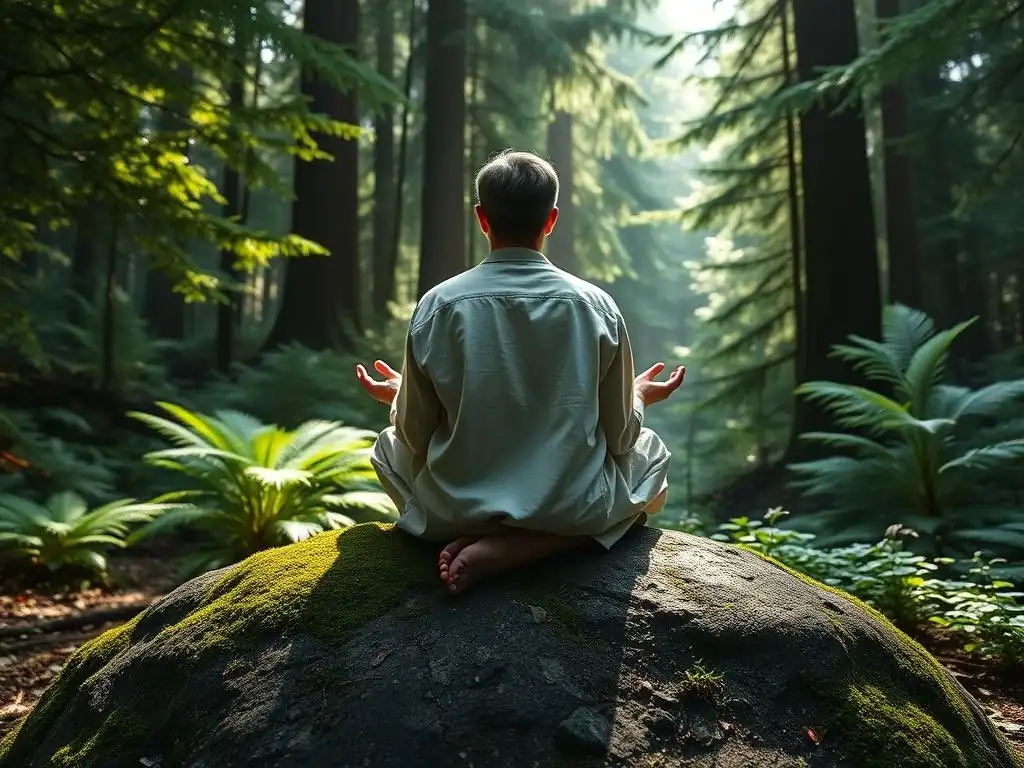
Preparing for Your Forest Bathing Experience: Location, Time, and Intention
Choosing the right location is key to a successful forest bathing experience aimed at reducing stress and anxiety. Look for a natural area that feels safe and relatively undisturbed, ideally with trees. A forest, a wooded park, or even a large garden with mature trees can work. The goal isn't wilderness survival; it's finding a place where you can relax and connect. Consider visiting during a time when you are less likely to encounter large crowds, perhaps early morning or late afternoon, to minimize distractions and enhance the feeling of peace.
Before you begin, set a simple intention. This isn't a task to complete, but an experience to embrace. Your intention could be as simple as "to relax and breathe" or "to notice the beauty around me." Leave your phone on silent or, better yet, in your car or bag to avoid interruptions.
Wear comfortable clothing suitable for the weather and footwear that allows you to move slowly and safely on uneven ground. Bringing a small mat or cushion to sit on might enhance your comfort if you plan to rest. This preparation helps set the stage for a practice focused on presence and helps you reduce stress.
Step-by-Step Forest Bathing Technique: Engaging Your Senses
Forest bathing is a gentle practice that involves mindfully engaging all your senses to connect with the natural world. There's no single "right" way, but focusing on sensory awareness is fundamental.
Finding a Suitable Forest or Natural Environment
As mentioned, the first step is locating a place with trees where you feel comfortable spending some quiet time. It doesn't need to be a dense, remote forest; a local park with significant tree cover can suffice. The key is finding a place where you can feel immersed in nature, away from the immediate bustle of urban life, to allow forest bathing to reduce stress.
Slowing Down and Paying Attention to Your Surroundings
Once you've arrived, resist the urge to rush or follow a specific trail quickly. The essence of forest bathing is slowing down. Walk slowly, perhaps slower than you normally would. Stop frequently. Look around you. Notice the light filtering through the leaves, the textures of bark, the patterns on the forest floor. This deliberate pace helps quiet the busy mind and brings your attention to the present moment.
Breathing Exercises and Mindfulness in Nature
Incorporate conscious breathing. Find a comfortable spot to stand or sit. Close your eyes or soften your gaze and take a few deep breaths, inhaling the forest air deeply into your lungs. Notice the scent. Practice mindful breathing, simply observing the inhale and exhale without trying to change anything. You can also try walking meditation, focusing on the sensation of your feet on the ground and your breath as you move slowly through the trees. This combination of breathing and mindful movement enhances the ability of forest bathing to help reduce stress anxiety.
Connecting with the Forest Through Touch, Sight, Sound, Smell, and Taste
Engage all five senses intentionally.
- Sight: Observe the colors, the shapes of leaves and branches, the movement of animals or insects. Notice details you might usually overlook.
- Sound: Listen to the sounds of nature – birdsong, the rustling of leaves, the distant murmur of a stream. Try to identify different sounds.
- Smell: Inhale deeply. Smell the earthy scent of the soil, the fragrance of pine needles or blossoms, the dampness after rain.
- Touch: Feel the bark of a tree, the texture of moss, the coolness of a stone, the softness of a leaf. Dip your fingers in a stream if possible.
- Taste: While you shouldn't eat wild plants unless you are absolutely certain they are safe and edible, you can 'taste' the air – notice if it feels fresh, damp, or crisp.
Enhancing Your Forest Bathing Practice: Tips and Considerations
To deepen your experience and maximize the benefits of forest bathing for reducing stress, consider these tips. There's no strict rulebook, but these suggestions can help make the practice more effective and enjoyable. Remember, the goal is relaxation and connection, not performance.
Forest Bathing Alone vs. Guided Forest Bathing
Practicing forest bathing alone allows for deep personal reflection and an uninhibited connection with nature at your own pace. It can be a profoundly solitary and restorative experience. However, for beginners or those who find it difficult to quiet their minds, a guided forest bathing walk led by a certified guide can be incredibly beneficial. Guides are trained to offer invitations (sensory prompts) that help participants slow down and engage their senses in ways they might not discover on their own, facilitating a deeper state of relaxation and helping forest bathing reduce stress anxiety more effectively.
Integrating Forest Bathing into Your Daily Routine
While an extended session is wonderful, even short bursts of nature connection can be beneficial. Look for opportunities to integrate elements of forest bathing into your daily or weekly routine. This could mean taking a mindful walk in a local park during your lunch break, spending 15-20 minutes sitting quietly under a tree, or simply paying more attention to the natural elements visible from your window or during your commute. Consistency, even in small doses, can help maintain the stress-reducing benefits over time and make forest bathing a regular part of your self-care practice.
Safety Precautions and Respecting the Environment
Safety is paramount when practicing forest bathing. Be aware of your surroundings, potential wildlife, and terrain. Inform someone where you are going and when you expect to return, especially if you are in a less familiar area. Dress appropriately for the weather and wear sturdy shoes. Stay on marked trails where available to avoid getting lost or disturbing fragile ecosystems. Practice Leave No Trace principles: take nothing but memories, leave nothing but footprints. Respect the natural environment and its inhabitants.
[ ] Check weather forecast
[ ] Charge phone (for emergencies, but keep on silent)
[ ] Tell someone your location and return time
[ ] Pack water and a small snack
[ ] Wear comfortable clothes and shoes
[ ] Set a simple intention for the walk
Benefits of Forest Bathing: Beyond Stress and Anxiety Relief
Improved Mood and Emotional Well-being Through Nature Immersion
Beyond its well-documented effects on reducing stress and anxiety, forest bathing has a significant positive impact on mood and overall emotional well-being. Spending time immersed in nature has been shown to decrease feelings of sadness, anger, and fatigue, while increasing feelings of vigor and positive affect. The calming aesthetic of natural environments, combined with the physiological relaxation induced by phytoncides and reduced stress hormones, creates an environment conducive to emotional restoration and upliftment.
Research using psychological questionnaires has found that participants report feeling significantly more cheerful, less depressed, and more relaxed after spending time in a forest setting compared to urban environments. This improvement in mood is thought to be partly due to the reduction in rumination that nature facilitates, allowing individuals to break free from negative thought loops. Embracing forest bathing can be a powerful strategy for cultivating a more positive emotional state and fostering resilience against daily stressors.
Enhanced Focus and Creativity: The Cognitive Benefits of Forest Bathing
The benefits of forest bathing extend to cognitive function, particularly in enhancing focus and creativity. The Attention Restoration Theory (ART) suggests that urban environments demand 'directed attention,' which is mentally fatiguing, while natural environments offer 'soft fascination,' allowing our directed attention to rest and recover. This cognitive rest can lead to improved concentration and mental clarity.
Studies have shown that even brief exposure to nature can improve performance on tasks requiring focused attention. Furthermore, spending time in nature has been linked to boosts in creativity.
One study found that participants on a four-day wilderness hike scored 50% higher on a creativity test compared to a control group before they started the hike. While a multi-day trek isn't necessary for forest bathing, the principle holds: allowing the mind to relax and wander in a natural setting can refresh cognitive resources, sharpen focus, and unlock creative potential, further supporting its role in helping to reduce stress anxiety by providing mental respite.
Physical Health Benefits: Lower Blood Pressure and Improved Sleep Quality
While the focus is often on mental well-being, forest bathing also offers tangible physical health benefits. As previously mentioned, it is known to lower heart rate and blood pressure, contributing to better cardiovascular health over time. The reduction in stress hormones like cortisol also has positive systemic effects, reducing inflammation and supporting overall physiological balance.
Additionally, regular engagement with nature through practices like forest bathing has been associated with improved sleep quality. Reduced stress and anxiety levels directly contribute to better sleep patterns. The physical relaxation achieved during a forest bathing session, combined with the potential benefits from inhaling phytoncides, can help regulate the body's natural rhythms and prepare it for restful sleep. For individuals struggling with stress-induced insomnia, incorporating forest bathing can be a natural and effective complementary approach to improving sleep.
Addressing Common Concerns About Forest Bathing
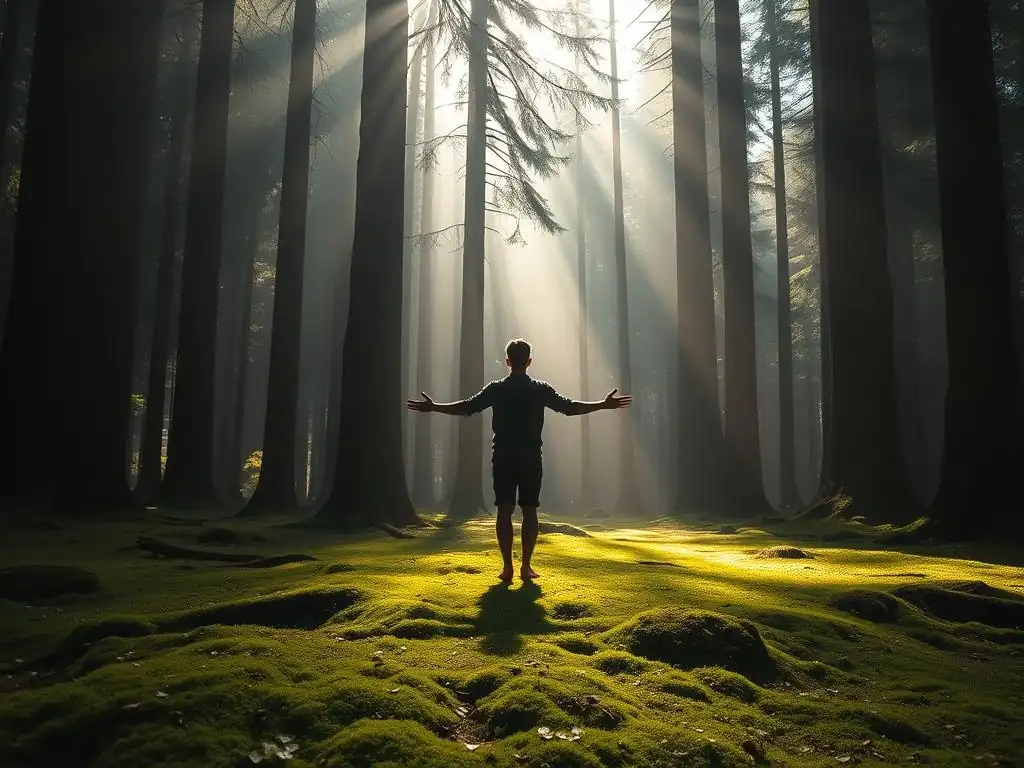
Forest Bathing and Accessibility: Adapting the Practice for Limited Mobility
A common concern is whether forest bathing is accessible to everyone, especially those with limited mobility or physical disabilities. While the ideal image might involve walking through a forest, the core principles of Shinrin-Yoku – mindful, sensory engagement with nature – can be adapted. The practice doesn't require strenuous hiking. It can be done sitting on a bench in a park with trees, spending time in a wheelchair-accessible garden, or even by a window overlooking a natural scene, focusing on the visual and auditory elements.
Many parks and natural reserves are developing accessible trails and viewing platforms. The key is to find a natural space, however small, where you can feel safe and comfortable slowing down to engage your senses. Focusing on sounds, smells, and the feeling of the air on your skin from a stationary position can still yield significant stress-reducing benefits. The practice is about presence, not distance covered, making it adaptable for various physical abilities.
Overcoming Barriers to Forest Bathing: Time Constraints and Urban Environments
Finding the time and a suitable location in busy urban lives can be a significant barrier to practicing forest bathing. Modern schedules are often packed, and access to large forests might require travel. However, overcoming these barriers is possible with intentionality and adaptation. Even 20-30 minutes dedicated to mindful time in a local park or a tree-lined street can be beneficial. It's about prioritizing this time for your well-being, viewing it not as a luxury but a necessity for managing stress.
For those living in densely populated urban areas with limited green space, creativity is key. Seek out small urban parks, botanical gardens, or even large cemeteries which often have mature trees and a quieter atmosphere. If getting to a park is difficult, focus on bringing nature indoors: keep houseplants, listen to nature sounds, or spend time mindfully observing the trees visible from your window. While not a full substitute for immersion, these small acts of connection can still contribute to a sense of calm and help reduce stress anxiety when full forest access isn't possible.
Forest Bathing Alternatives: Finding Nature in Urban Settings
When traditional forest bathing is impractical, several alternatives can help you connect with nature and reduce stress in urban environments. As mentioned, visiting urban parks, botanical gardens, or even tree-lined residential streets can provide some level of natural immersion. Look for community gardens or urban farms where you can spend time among plants.
Bringing nature indoors is another valuable alternative. Studies suggest that simply having plants in your living or workspace can lower stress levels. Listening to nature sounds, watching nature documentaries, or even viewing images of natural landscapes can have a calming effect. While these don't fully replicate the experience of being physically present in a forest, they can serve as valuable complements or alternatives, helping to access some of nature's restorative power to reduce stress anxiety even when surrounded by concrete.
Conclusion: Embrace Forest Bathing for Long-Term Stress Management and Well-being
The Power of Nature in Cultivating Calm and Resilience
In a world that often feels overwhelming and fast-paced, the simple act of reconnecting with nature through forest bathing offers a profound pathway to cultivating calm and building resilience. It's a practice that reminds us of our innate connection to the natural world and the healing power it holds. By intentionally slowing down, engaging our senses, and immersing ourselves in the atmosphere of a forest or green space, we can actively counter the effects of chronic stress and anxiety on our minds and bodies.
The scientific evidence supporting the benefits of forest bathing for reducing stress anxiety, from lowering cortisol levels and blood pressure to boosting immune function and improving mood, underscores its value as a therapeutic practice. It's not just a pleasant walk; it's a deliberate act of self-care that nourishes both physical and mental health. Embracing forest bathing provides a natural and accessible tool for managing stress and fostering a deeper sense of peace and well-being in our lives.
Resources for Further Exploration of Forest Bathing and Nature-Based Therapies
For those interested in delving deeper into the practice of forest bathing and other nature-based therapies, numerous resources are available. Many organizations offer guided forest bathing walks led by certified practitioners who can introduce you to the techniques and help you deepen your connection with nature. Books and online articles provide comprehensive information on the history, science, and practical application of Shinrin-Yoku.
Exploring related fields such as ecotherapy, nature therapy, and wilderness therapy can also offer valuable insights into the broader spectrum of how engaging with the natural world can support mental health and well-being. These resources can provide guidance on incorporating nature into your life in ways that resonate with your individual needs and circumstances, empowering you to leverage the restorative power of nature to continue to reduce stress anxiety and enhance your overall quality of life.
Frequently Asked Questions
What is forest bathing, and how does it relate to mental well-being?
Forest bathing, also known as Shinrin-yoku, is the practice of immersing yourself in nature through your senses. It's believed to promote mental well-being by reducing stress and anxiety.
How does forest bathing help to reduce stress and anxiety?
Studies suggest that being in nature lowers cortisol levels (stress hormone) and increases relaxation and positive emotions. The natural environment provides a calming and restorative experience.
Is forest bathing the same as hiking or simply being outdoors?
No, forest bathing is more about mindful immersion than physical exertion. It emphasizes engaging with the environment using all your senses, unlike hiking which focuses on distance.
How often should I practice forest bathing to experience its benefits for stress reduction?
While there's no fixed rule, even short, regular sessions (e.g., 20-30 minutes a few times a week) can provide noticeable stress reduction benefits. Consistency is key.
What resources does "Mind Care Guide" offer for learning more about stress management and mental well-being, besides forest bathing?
"Mind Care Guide" provides a comprehensive range of information, support, and resources for various mental health challenges. Explore our articles, guides, and support networks for further assistance.
Final Reflection: Finding Calm in the Green Embrace
The ancient practice of forest bathing, or shinrin-yoku, offers a powerful antidote to the pervasive stress and anxiety of modern life. In a world increasingly dominated by screens and relentless demands, the simple act of immersing ourselves in the natural world provides a surprisingly effective pathway to tranquility and improved well-being. The research is clear: spending time amongst trees demonstrably reduces cortisol levels, lowers blood pressure, and enhances our overall sense of peace.
The impact of forest bathing extends beyond the individual, weaving itself into the very fabric of our cultural understanding of wellness. We are witnessing a growing recognition of the vital connection between human health and the natural environment. This shift, away from solely pharmaceutical solutions towards holistic approaches, is profoundly encouraging. Nature is not a place to visit. It is home.
– Gary Snyder. This quote encapsulates the fundamental truth that we are inextricably linked to the natural world, and our well-being is intrinsically tied to our relationship with it. Our collective mental health depends on our ability to foster this connection, and forest bathing offers a readily accessible and profoundly effective means of doing so.
Now, consider your own relationship with nature. What steps can you take to incorporate more time outdoors into your daily life? Perhaps it's a short walk in a nearby park, a weekend hike in the woods, or even simply sitting quietly in your backyard, observing the subtle beauty of the natural world around you. Embrace the opportunity to reconnect with the restorative power of nature; your mind, body, and spirit will thank you for it. Begin your journey towards a calmer, more centered self, one mindful breath in the forest at a time.
Unlock Your Inner Calm: Start Your Forest Bathing Journey Today!
Thank you for taking the time to explore the powerful benefits of forest bathing with Mind Care Guide. We hope you gained a deeper understanding of how connecting with nature can alleviate stress and enhance your well-being. Now it's time to put your newfound knowledge into practice!
- Begin your own forest bathing session this week: Even a short walk in a local park can make a difference. Focus on your senses – the sounds, smells, and textures of nature.
- Share your experience: Tell us about your forest bathing journey on Mind Care Guide's social media channels! Let's inspire others to find peace in the outdoors.
- Create a personal nature ritual: Develop a consistent practice, even if it's just 15 minutes a day, to cultivate a deeper connection with the natural world.
Ready to transform your relationship with nature and discover a new path to inner calm? What small step will you take today to integrate forest bathing into your life?