
Know Your Chronotype: Tailoring Sleep Hygiene for Your Unique Mental Rhythm

Welcome to Mind Care Guide, a sanctuary for your mental well-being.
Ever wonder why some mornings feel like a struggle while others you leap out of bed ready to conquer the world? The answer might lie in understanding your personalized sleep schedule and its profound impact on your mental health. Dive into our exploration of chronotypes and discover how tailoring your sleep hygiene to your unique mental rhythm can unlock a brighter, more balanced you. Ready to finally get the rest you deserve and feel truly revitalized?
Know Your Chronotype: Tailoring Sleep Hygiene for Your Unique Mental Rhythm
- Introduction: Unlocking Mental Well-being Through Personalized Sleep Schedules
- What is a Chronotype? Understanding Your Internal Clock for Improved Mental Health
-
Exploring the Four Main Chronotypes and Their Impact on Mental Health
- The Lion Chronotype: Optimizing Morning Productivity for Mental Clarity
- The Bear Chronotype: Balancing Sleep and Mental Energy for Consistent Well-being
- The Wolf Chronotype: Navigating Evening Productivity and Mental Focus
- The Dolphin Chronotype: Strategies for Light Sleepers to Enhance Mental Resilience
- The Connection Between Chronotype, Sleep, and Mental Health
- Identifying Your Chronotype: A Practical Guide
-
Tailoring Sleep Hygiene Practices to Your Chronotype for Optimal Mental Well-being
- Sleep Hygiene for Lions: Maximizing Morning Sunlight and Early Bedtimes
- Sleep Hygiene for Bears: Creating a Consistent Sleep Schedule and Balanced Lifestyle
- Sleep Hygiene for Wolves: Optimizing Evening Productivity and Managing Blue Light Exposure
- Sleep Hygiene for Dolphins: Implementing Relaxation Techniques and Addressing Sleep Anxiety
- Optimizing Your Daily Routine Based on Your Chronotype for Enhanced Mental Clarity
- Overcoming Challenges in Chronotype-Based Sleep Scheduling
- The Long-Term Benefits of Understanding Personalized Sleep Schedules for Mental Health
- Conclusion: Embrace Your Chronotype for a Healthier, More Balanced Life
-
Frequently Asked Questions
- What is a chronotype and how does it relate to mental health?
- How can identifying my chronotype help improve my sleep hygiene?
- What are some common chronotypes, and how do they differ?
- What are some practical tips for tailoring my sleep hygiene to my specific chronotype?
- Where can I find more resources and support for understanding my chronotype and improving my mental well-being through better sleep?
- Final Reflection: Unlocking Mental Wellness Through Chronotype Awareness
- Unlock Your Peak Performance: Optimize Sleep for Your Chronotype
Introduction: Unlocking Mental Well-being Through Personalized Sleep Schedules
Sleep is not merely a period of rest; it's a fundamental pillar of mental health, intricately linked to mood regulation, cognitive function, and overall emotional resilience. While the general recommendation for adults is seven to nine hours of sleep per night, the timing of that sleep is equally crucial. Our internal biological clock, known as the circadian rhythm, dictates our natural patterns of alertness and sleepiness throughout a 24-hour cycle. However, not everyone's clock runs on the same schedule. Understanding personalized sleep schedules, specifically your chronotype, is key to optimizing this vital aspect of well-being.
Ignoring your body's natural sleep preference can lead to chronic sleep deprivation or misalignment, often resulting in irritability, difficulty concentrating, increased stress levels, and even exacerbating symptoms of mental health conditions like anxiety and depression. By recognizing and respecting your unique chronotype, you can tailor your sleep hygiene practices and daily routine to work with your body, not against it, paving the way for improved mental clarity, emotional stability, and a greater sense of overall balance. This guide explores the fascinating world of chronotypes and how aligning with your natural rhythm can significantly benefit your mental well-being.
What is a Chronotype? Understanding Your Internal Clock for Improved Mental Health
Defining Chronotypes: Beyond Early Birds and Night Owls
A chronotype describes a person's natural inclination to sleep at a certain time at night and wake up at a certain time in the morning. It's essentially your individual sleep-wake preference, often simplified into categories like "early birds" (larks) and "night owls." However, this binary view is an oversimplification. Research indicates a spectrum of chronotypes, reflecting the diverse ways human circadian rhythms are expressed. Your chronotype influences not just when you sleep, but also when you are most alert, productive, and creative throughout the day.
Understanding your chronotype is a critical step towards achieving personalized sleep schedules that genuinely support your mental health. For example, forcing a natural night owl to adhere strictly to an early bird schedule can lead to significant sleep debt and circadian misalignment, negatively impacting mood and cognitive performance. Conversely, allowing an early bird to stay up late can disrupt their natural cycle. Recognizing where you fall on this spectrum allows you to make informed decisions about your sleep habits and daily activities, promoting better alignment between your internal clock and external demands, which is vital for maintaining psychological balance.
The Science Behind Chronotypes: Genetic and Environmental Influences
Your chronotype is primarily determined by genetics, with studies identifying specific genes, such as variations in the PER1, PER2, CRY1, and CLOCK genes, that play a significant role in regulating the circadian clock. These genes influence the timing of biological processes, including the release of hormones like melatonin, which signals sleepiness. For instance, some genetic variations can cause an individual's internal clock to run inherently faster or slower than the average 24-hour cycle, predisposing them to be earlier or later chronotypes, respectively.
While genetics lay the foundation, environmental factors also influence chronotype expression, particularly light exposure. Light is the most powerful external cue (zeitgeber) for synchronizing the circadian rhythm. Exposure to bright light in the morning helps shift the clock earlier, while evening light can delay it.
Age also plays a role; teenagers, for example, often experience a natural shift towards a later chronotype, making it harder for them to fall asleep early and wake up for standard school start times. Social factors, like work schedules and social commitments, can also force individuals to live out of sync with their natural chronotype, leading to social jet lag and its associated negative mental health consequences.
Exploring the Four Main Chronotypes and Their Impact on Mental Health
Building on the simple early bird/night owl concept, sleep researcher Dr. Michael Breus proposed a model categorizing people into four chronotypes based on animal behavior patterns, offering a more nuanced understanding of personalized sleep schedules and their link to mental well-being.
The Lion Chronotype: Optimizing Morning Productivity for Mental Clarity
Lions, representing approximately 15-20% of the population, are the quintessential early risers. They naturally wake up early, often before 7 AM, feeling most energetic and productive in the morning. Their energy levels tend to wane in the late afternoon and evening, leading to early bedtimes, often before 10 PM. This chronotype aligns well with the typical 9-to-5 workday structure, allowing Lions to naturally leverage their peak performance hours for demanding tasks, which can contribute to a sense of accomplishment and reduced stress.
For Lions, maintaining mental clarity and stable mood relies on embracing their morning-centric rhythm. Disrupting this by staying up late or sleeping in significantly can lead to feeling groggy and less effective during their natural peak hours, potentially causing frustration and impacting self-esteem. Prioritizing early morning sunlight exposure and creating a quiet, dark environment for their early bedtime are crucial sleep hygiene practices for Lions to ensure they harness their natural rhythm for optimal mental function.
The Bear Chronotype: Balancing Sleep and Mental Energy for Consistent Well-being
The Bear chronotype is the most common, encompassing roughly 50-55% of the population. Their sleep-wake cycle tends to align closely with the solar cycle, waking up and going to bed around the same time as the sun rises and sets. Bears typically feel most productive from late morning through early afternoon. They don't experience extreme peaks or dips in energy but require a consistent sleep schedule, ideally 7-9 hours, to function optimally.
For Bears, consistency is paramount for maintaining mental energy and well-being. Irregular sleep patterns, such as varying bedtime and wake-up times significantly between weekdays and weekends, can easily throw off their rhythm, leading to fatigue, irritability, and difficulty concentrating. Understanding personalized sleep schedules for Bears means focusing on establishing a reliable routine. This stability helps regulate mood and cognitive function, preventing the mental fog that comes with sleep inconsistency.
Wolves, the classic "night owls," make up about 15-20% of the population. They naturally feel most awake and productive in the late afternoon and evening, often struggling to wake up early and preferring to stay up late, sometimes past midnight. Their energy levels are lowest in the morning, making early tasks challenging. This chronotype often faces significant challenges in a society largely structured around early morning schedules.
Navigating the demands of an early-rising world can negatively impact the mental health of Wolves, potentially leading to chronic sleep deprivation, social jet lag, and feelings of being out of sync. However, recognizing their natural rhythm allows Wolves to structure their evenings for focused work or creative pursuits when their mental energy is highest. Tailoring sleep hygiene involves strategically managing light exposure – minimizing bright lights in the evening and maximizing morning light if an early wake-up is necessary – to mitigate the negative effects of living against their internal clock and support their mental resilience.
The Dolphin Chronotype: Strategies for Light Sleepers to Enhance Mental Resilience
The Dolphin chronotype, representing about 10% of the population, is characterized by light, easily disrupted sleep. Dolphins often struggle with insomnia or fragmented sleep, feeling tired during the day but becoming more alert in the evening. Their sleep patterns are often unpredictable, and they may not have a consistent peak productivity time, though they can often find focus in the late morning or evening. This chronotype is often associated with anxiety or heightened sensitivity.
For Dolphins, enhancing mental resilience hinges on managing sleep anxiety and creating a calm, predictable sleep environment. Their fragmented sleep can significantly impact mood, concentration, and stress levels. Understanding personalized sleep schedules for Dolphins involves prioritizing relaxation techniques, avoiding caffeine and alcohol close to bedtime, and establishing a strict bedtime routine, even if they don't feel sleepy. Focusing on sleep quality over quantity and managing the anxiety about not sleeping well are critical strategies for this chronotype to support their mental health.
The Connection Between Chronotype, Sleep, and Mental Health
How Mismatched Sleep Schedules Affect Mood and Cognitive Function
When your actual sleep schedule is significantly out of sync with your natural chronotype – a phenomenon sometimes called social jet lag – it can have profound negative effects on mood and cognitive function. Studies have shown that individuals experiencing significant social jet lag report higher rates of depressed mood, increased irritability, and lower overall life satisfaction. This misalignment disrupts the natural timing of hormone release, including cortisol (stress hormone) and serotonin (mood regulator), which are closely tied to circadian rhythms.
Cognitive function is also impaired when sleep schedules are mismatched. Alertness, concentration, memory consolidation, and problem-solving abilities are all negatively affected. For example, a study published in Current Biology in 2017 linked social jet lag to poorer academic performance in students and an increased risk of substance use, highlighting the wide-ranging impact of living against one's internal clock. This chronic state of being out of sync can mimic the effects of sleep deprivation, making it harder for the brain to regulate emotions and maintain focus, directly impacting mental health.
The Impact of Chronotype on Mental Health Conditions: Circadian Rhythm Sleep-Wake Disorders, Seasonal Affective Disorder
Chronotype plays a significant role in the susceptibility to and management of certain mental health conditions. Circadian Rhythm Sleep-Wake Disorders (CRSWD) are conditions directly related to a misalignment between the body's internal clock and the external environment. Examples include Delayed Sleep Phase Disorder (common in Wolf chronotypes who struggle to wake early) and Advanced Sleep Phase Disorder (less common, where individuals go to bed and wake up unusually early, sometimes seen in older adults or Lion chronotypes). These disorders can lead to chronic sleep deprivation and distress, often co-occurring with mood disorders like depression and anxiety.
Seasonal Affective Disorder (SAD), a type of depression linked to changes in seasons and reduced light exposure, also has strong ties to circadian rhythms and potentially chronotype. Individuals with later chronotypes (Wolves and some Bears) may be more vulnerable to SAD because their natural tendency to wake later is exacerbated by shorter winter days, leading to insufficient morning light exposure, which is crucial for regulating circadian rhythms and mood. Understanding personalized sleep schedules and light needs based on chronotype can be a key component in managing conditions like SAD, often involving timed light therapy.
Identifying Your Chronotype: A Practical Guide
Determining your chronotype is a crucial step towards understanding personalized sleep schedules and optimizing your mental health. While genetic tests can provide insights, practical self-assessment methods are readily available and often more useful for daily life.
Chronotype Questionnaires and Assessments: Morningness-Eveningness Questionnaire (MEQ), Auto-MEQ
One of the most widely used tools for identifying chronotype is the Morningness-Eveningness Questionnaire (MEQ). Developed by Horne and Östberg, this self-assessment asks questions about your preferred times for waking up, going to bed, and peak performance, assigning a score that places you on a spectrum from "definitely morning type" to "definitely evening type." A simplified version, the Auto-MEQ, is also commonly used and provides a quick estimate.
These questionnaires provide a valuable starting point by giving you a structured way to reflect on your natural preferences. For instance, a score heavily skewed towards "evening type" on the MEQ suggests a Wolf chronotype, while a high "morning type" score points towards a Lion. While not definitive, the results offer strong clues about your internal clock's timing and help frame how you might approach creating personalized sleep schedules that better suit your inherent rhythm.
Observing Your Natural Sleep Patterns: Tracking Your Sleep-Wake Cycle
Perhaps the most insightful way to identify your chronotype is to observe your sleep patterns when you are free from external constraints like work or school schedules – for example, during a vacation or a period where you don't need an alarm clock. Pay attention to when you naturally feel sleepy and when you naturally wake up, noting these times consistently for at least a week, ideally two.
During this period of "free sleep," record your bedtime and wake-up time each day. Calculate your average sleep duration and the midpoint of your sleep (halfway between falling asleep and waking up). This midpoint is a strong indicator of your underlying chronotype. A sleep midpoint before 3:30 AM typically suggests a morning chronotype (Lion), between 3:30 AM and 5:30 AM suggests a middle chronotype (Bear), and after 5:30 AM suggests an evening chronotype (Wolf). Dolphins often have highly irregular patterns, making their midpoint less consistent.
Understanding Your Peak Performance Times: Aligning Activities with Your Chronotype
Beyond sleep timing, your chronotype also dictates when you are naturally most alert and productive. Identifying these peak performance times can help you align demanding tasks with your natural energy surges, optimizing efficiency and reducing mental strain. For example, a Lion might feel their sharpest between 8 AM and 12 PM, while a Wolf might hit their stride between 4 PM and 8 PM.
Reflect on when you feel most focused, creative, and mentally sharp throughout the day. When do you find it easiest to tackle complex problems or engage in critical thinking? Conversely, when do you experience energy dips or feel mentally sluggish? Keeping a log of your energy levels and productivity peaks over a few days can help you map out your personal performance curve, offering further confirmation of your chronotype and guidance on structuring your day around your natural rhythms for enhanced mental clarity and productivity.
Tailoring Sleep Hygiene Practices to Your Chronotype for Optimal Mental Well-being
Once you've identified your chronotype, you can customize sleep hygiene practices to support your specific needs, reinforcing personalized sleep schedules that promote mental health.
Sleep Hygiene for Lions: Maximizing Morning Sunlight and Early Bedtimes
For Lion chronotypes, who naturally wake early, maximizing morning sunlight exposure is crucial. Stepping outside or sitting near a window within the first hour of waking helps reinforce their early-rising tendency by signaling to the brain that it's time to be alert and suppressing melatonin production. Aim for at least 10-15 minutes of natural light exposure soon after waking.
Equally important for Lions is respecting their natural early bedtime. Pushing bedtime back significantly, perhaps to socialize or watch late-night television, can lead to accumulating sleep debt and disrupting their rhythm, making it harder to wake up feeling refreshed. Creating a relaxing wind-down routine starting an hour or two before their ideal early bedtime, avoiding screens and stimulating activities, helps signal to their body that it's time to prepare for sleep, supporting their natural inclination.
Sleep Hygiene for Bears: Creating a Consistent Sleep Schedule and Balanced Lifestyle
Bear chronotypes thrive on consistency. The most effective sleep hygiene practice for Bears is establishing and sticking to a regular sleep schedule, going to bed and waking up around the same time every day, including weekends. This predictability helps regulate their circadian rhythm, ensuring they get the necessary 7-9 hours of sleep without significant social jet lag.
Maintaining a balanced lifestyle also supports the Bear's rhythm. This includes regular meal times, consistent exercise routines, and managing stress throughout the day. Avoiding large meals, caffeine, and alcohol close to bedtime is particularly important for Bears to prevent disruptions to their stable sleep pattern. A consistent routine reinforces their natural solar-aligned rhythm, contributing to stable mood and sustained mental energy throughout the day.
Sleep Hygiene for Wolves: Optimizing Evening Productivity and Managing Blue Light Exposure
Wolf chronotypes, who are most alert in the evening, need strategies to manage living in an early-bird world. While they naturally prefer late bedtimes, minimizing blue light exposure in the hours leading up to sleep is vital. Blue light from electronic screens (phones, tablets, computers, TVs) is particularly effective at suppressing melatonin and shifting the circadian clock later, exacerbating the Wolf's natural tendency and making it even harder to fall asleep at a reasonable hour if needed.
For Wolves, optimizing evening productivity means scheduling demanding tasks during their natural peak hours but being mindful of transitioning to relaxation. Using blue light filters on devices, wearing blue light blocking glasses in the evening, and creating a dim, relaxing environment for the hour or two before their desired bedtime helps mitigate the negative effects of evening light. While they may still need to adjust their schedule for work, these practices help minimize the disruption and support better sleep quality when they do finally go to bed.
Sleep Hygiene for Dolphins: Implementing Relaxation Techniques and Addressing Sleep Anxiety
Dolphin chronotypes often struggle with sleep initiation and maintenance, making relaxation techniques essential. Practices like mindfulness meditation, deep breathing exercises, progressive muscle relaxation, or gentle yoga before bed can help calm the nervous system and reduce the anxiety often associated with difficulty sleeping.
Addressing sleep anxiety is a key component of sleep hygiene for Dolphins. Worries about not getting enough sleep can become a self-fulfilling prophecy. Cognitive Behavioral Therapy for Insomnia (CBT-I) is a highly effective treatment that addresses the thoughts and behaviors contributing to insomnia, including sleep-related anxiety. Creating a sleep environment that is cool, dark, and quiet, and getting out of bed if unable to fall asleep after about 20 minutes (to break the association between bed and frustration) are also important strategies for Dolphin chronotypes to improve sleep quality and support mental resilience.
Optimizing Your Daily Routine Based on Your Chronotype for Enhanced Mental Clarity
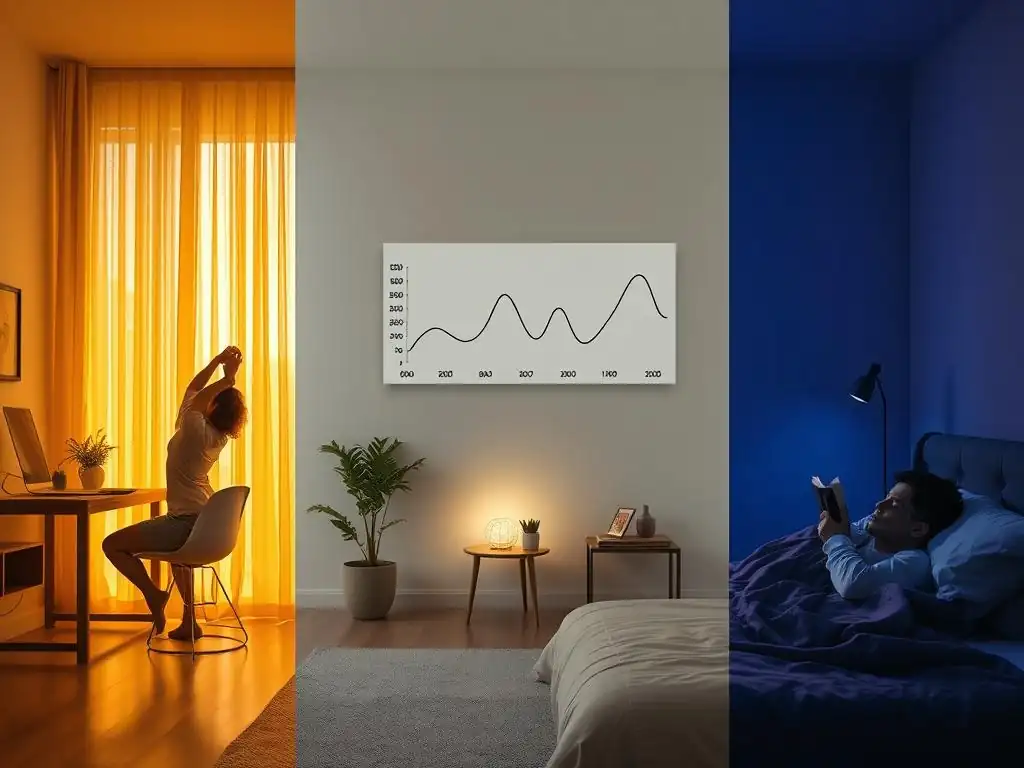
Beyond sleep hygiene, aligning other aspects of your daily routine with your chronotype can significantly enhance mental clarity and overall well-being by further supporting personalized sleep schedules.
Dietary Considerations for Each Chronotype: Fueling Your Body for Peak Mental Performance
Meal timing can impact circadian rhythms and energy levels, and aligning it with your chronotype can be beneficial. Lions, with their early peak, might benefit from a substantial, protein-rich breakfast to fuel their productive morning, with lighter meals later in the day. Bears do well with consistent meal times that mirror the standard solar day, ensuring steady energy release throughout their peak hours.
Wolves, whose energy peaks later, might find a lighter breakfast and a more substantial lunch and dinner suit their rhythm better, but they should be cautious about eating large meals very late, which can disrupt sleep. Dolphins, with their often irregular sleep and potential anxiety, may benefit from avoiding caffeine and sugar swings, focusing on balanced meals and perhaps incorporating foods known to support sleep (like those containing tryptophan) earlier in the evening, while avoiding heavy or spicy foods close to bedtime.
Exercise Timing and Chronotype: Finding the Best Time to Move for Mental Benefits
The timing of exercise can also influence energy levels and sleep. For Lions, morning exercise can be invigorating and align with their natural energy surge, further promoting alertness during their peak hours. Bears often find that exercising in the late morning or early afternoon fits well with their consistent energy pattern and doesn't interfere with sleep.
Wolves typically feel strongest in the late afternoon or evening, making this an ideal time for their workouts. However, intense exercise too close to bedtime (within 2-3 hours) can be stimulating and make it harder to fall asleep, so Wolves might need to experiment to find the latest time they can exercise without disrupting sleep. Dolphins, with their unpredictable energy, might benefit from gentle exercise like yoga or walking at any time of day, focusing on consistency and avoiding intense workouts that could exacerbate anxiety or disrupt fragile sleep patterns.
Work Schedule and Chronotype: Aligning Work Hours with Your Natural Rhythms
Ideally, aligning your work schedule with your chronotype would be optimal for productivity and mental health. Lions are well-suited for early morning tasks and traditional 9-to-5 roles. Bears also generally fit well within standard work hours, provided they maintain consistency. Wolves, however, often struggle significantly with early start times; jobs with later starts, flexible hours, or evening shifts would be a better fit for their natural rhythm, leading to less social jet lag and improved well-being.
While completely changing work hours isn't always feasible, understanding your peak performance times allows you to structure your workday more effectively. Lions should tackle their most demanding tasks early. Bears should focus on important work during their mid-morning to early afternoon peak.
Wolves should try to schedule complex or creative work for the late afternoon or evening if their job allows, perhaps handling administrative tasks or less demanding work in the morning when their energy is lower. Advocating for flexible work arrangements or remote work options can also help individuals better align their work life with their personalized sleep schedules.
Overcoming Challenges in Chronotype-Based Sleep Scheduling
Living in a society that often favors one chronotype presents challenges, particularly for Wolves and Dolphins. However, strategies exist to mitigate these difficulties and support understanding personalized sleep schedules for improved mental health.
The most significant challenge for non-Lion chronotypes is often the mismatch between their natural rhythm and standard social and work schedules. Wolves forced into early starts face chronic sleep deprivation, while Lions pushing their bedtimes late for social events experience misalignment. Managing this requires finding areas of flexibility.
For Wolves, this might involve negotiating later start times, utilizing flexible work hours to maximize productivity during their peak evening hours, or strategically scheduling social activities for times that minimize disruption. For Lions, it might mean prioritizing sleep on weeknights and perhaps shifting their schedule slightly on weekends, being mindful of the potential for social jet lag. Open communication with employers and friends about your needs can help create understanding and identify potential compromises.
Addressing Sleep Disorders: Seeking Professional Help When Needed
While adjusting sleep hygiene based on chronotype can significantly improve sleep quality and mental health, it's important to recognize when issues go beyond simple misalignment. Persistent insomnia, excessive daytime sleepiness, or suspected circadian rhythm disorders warrant professional evaluation.
Sleep specialists or medical doctors can diagnose underlying sleep disorders, such as Delayed Sleep Phase Disorder, Advanced Sleep Phase Disorder, or chronic insomnia, which may require specific treatments like light therapy, melatonin supplementation, or cognitive behavioral therapy (CBT-I). Ignoring these issues can have serious long-term consequences for both physical and mental health. Seeking professional help ensures you receive appropriate diagnosis and treatment tailored to your specific needs, supporting your journey towards better understanding personalized sleep schedules and their impact on your well-being.
Adjusting Your Sleep Schedule Gradually: Avoiding Sudden Shifts
If you need to adjust your sleep schedule to better align with external demands or your chronotype, making gradual changes is crucial. Sudden, drastic shifts can disrupt your circadian rhythm and worsen sleep quality and mood, similar to experiencing severe jet lag.
Aim to adjust your bedtime and wake-up time by no more than 15-20 minutes per day. For example, if you're a Wolf trying to shift earlier, set your alarm 15 minutes earlier each day for a few days until you reach your target wake-up time, and then gradually shift your bedtime earlier by a similar increment.
Similarly, use light exposure strategically: expose yourself to bright light at the desired wake-up time to help shift your clock forward, and avoid bright light in the evening if trying to shift earlier. This slow, steady approach allows your body's internal clock to adjust more smoothly, minimizing negative impacts on your mental state.
The Long-Term Benefits of Understanding Personalized Sleep Schedules for Mental Health
Embracing your chronotype and tailoring your sleep habits offers significant long-term benefits for psychological well-being. Understanding personalized sleep schedules is an investment in your mental resilience.
Improved Mood and Emotional Regulation
When your sleep schedule aligns with your natural rhythm, you're less likely to experience chronic sleep deprivation and social jet lag, both of which are strongly linked to negative mood states. Consistent, quality sleep regulated by your internal clock helps stabilize neurotransmitter levels in the brain that are crucial for mood regulation, such as serotonin and dopamine.
Research consistently shows that sufficient and well-timed sleep reduces irritability, anxiety, and the risk of depressive symptoms. By respecting your chronotype and optimizing your sleep, you create a foundation for greater emotional stability, improved stress management, and a more positive outlook on life, contributing significantly to overall mental health.
Enhanced Cognitive Function and Memory
Aligning your sleep and wake times with your chronotype allows your brain to perform optimally during its natural peak periods of alertness. This leads to enhanced cognitive functions, including improved focus, attention span, problem-solving abilities, and decision-making skills.
Sleep, particularly during the later cycles favored by certain chronotypes, is essential for memory consolidation and learning. When your sleep is aligned and sufficient, your brain can effectively process and store information from the day, leading to better recall and mental agility. Understanding personalized sleep schedules and honoring your chronotype directly supports peak brain performance, which is vital for navigating daily challenges and maintaining mental sharpness.
Reduced Risk of Mental Health Issues
Chronic sleep misalignment and deprivation have been identified as risk factors for developing various mental health issues, including depression, anxiety disorders, and even substance use disorders. By proactively managing your sleep based on your chronotype, you can mitigate these risks.
Living in sync with your body's natural clock reduces the physiological stress caused by constant misalignment. This not only improves daily functioning but also builds resilience against the onset of mental health challenges. Prioritizing personalized sleep schedules is a powerful preventive measure, supporting long-term psychological well-being and reducing vulnerability to mood disturbances and other mental health conditions.
Conclusion: Embrace Your Chronotype for a Healthier, More Balanced Life
Frequently Asked Questions
What is a chronotype and how does it relate to mental health?
A chronotype is your natural inclination to sleep and wake at certain times. Understanding your chronotype is crucial because aligning your sleep schedule with it can significantly improve your mental well-being and overall health, leading to better mood regulation and cognitive function.
How can identifying my chronotype help improve my sleep hygiene?
Identifying your chronotype helps you understand your body's internal clock. This knowledge allows you to tailor your sleep schedule, daily routines, and even mealtimes to better match your natural rhythms, leading to improved sleep quality and reduced sleep disturbances.
What are some common chronotypes, and how do they differ?
Common chronotypes include Larks (early risers), Owls (night owls), and intermediate types. They differ in their preferred sleep-wake times, peak performance periods, and sensitivity to light and darkness, each requiring a personalized sleep schedule.
What are some practical tips for tailoring my sleep hygiene to my specific chronotype?
For Larks, focus on winding down early and maximizing morning sunlight exposure. Owls should avoid forcing early wake-ups and create a dark and quiet sleep environment. Regardless of your chronotype, consistency is key to establishing a healthy sleep routine.
Where can I find more resources and support for understanding my chronotype and improving my mental well-being through better sleep?
The Mind Care Guide website offers a comprehensive range of resources, including articles, assessments, and support groups. Consulting a sleep specialist or mental health professional can also provide personalized guidance and treatment options to improve your sleep hygiene.
Final Reflection: Unlocking Mental Wellness Through Chronotype Awareness
Understanding our individual chronotypes is no longer a niche concept; it's a crucial element of proactive mental health. Ignoring our internal clocks can lead to a cascade of negative consequences, impacting everything from mood and productivity to our overall well-being. The implications are far-reaching, affecting not only individuals but also impacting societal productivity and the overall mental health landscape.
The journey of discovering and respecting my own chronotype has been profoundly transformative. It's shifted my perspective on what constitutes "healthy" sleep, moving beyond the one-size-fits-all approach that often fails to address the unique needs of individuals. This personalized approach to sleep hygiene has allowed me to experience a significant improvement in my mental clarity and emotional stability. The body clock is not just a timekeeper; it is a powerful regulator of our physical and mental health.
This quote perfectly encapsulates the vital connection between our internal rhythm and our overall well-being.
Now, it's your turn. Consider your own sleep patterns, your energy levels throughout the day, and how aligned they are with your natural chronotype. Are you consistently fighting against your body's natural rhythm? Take this opportunity to experiment with adjusting your sleep schedule, incorporating practices that support your unique needs. By embracing your individual chronotype, you're not just improving your sleep; you're investing in your mental and emotional health, paving the way for a more fulfilling and balanced life. Start listening to your body; it holds the key to unlocking your optimal well-being.
Unlock Your Peak Performance: Optimize Sleep for Your Chronotype
Thanks for diving into the world of chronotypes and discovering how your internal clock impacts your well-being! You've taken a crucial step towards understanding and improving your sleep hygiene. Now it's time to put this knowledge into action.
- Prioritize your personalized sleep schedule: Based on your identified chronotype, create a sleep schedule that aligns with your natural rhythms. Experiment with small adjustments until you find what works best for you.
- Share your chronotype discoveries with friends and family – understanding each other's sleep needs can strengthen relationships and improve communication.
- Explore additional resources on sleep hygiene and chronotype to deepen your knowledge. Consider journaling your sleep patterns and noting how your schedule adjustments affect your mood and energy levels.
Ready to embrace a more balanced and energized life? What small change will you implement today to improve your sleep based on what you learned?