
Sustainable Serenity: Achieving LongTerm Mental Wellbeing with Qigong

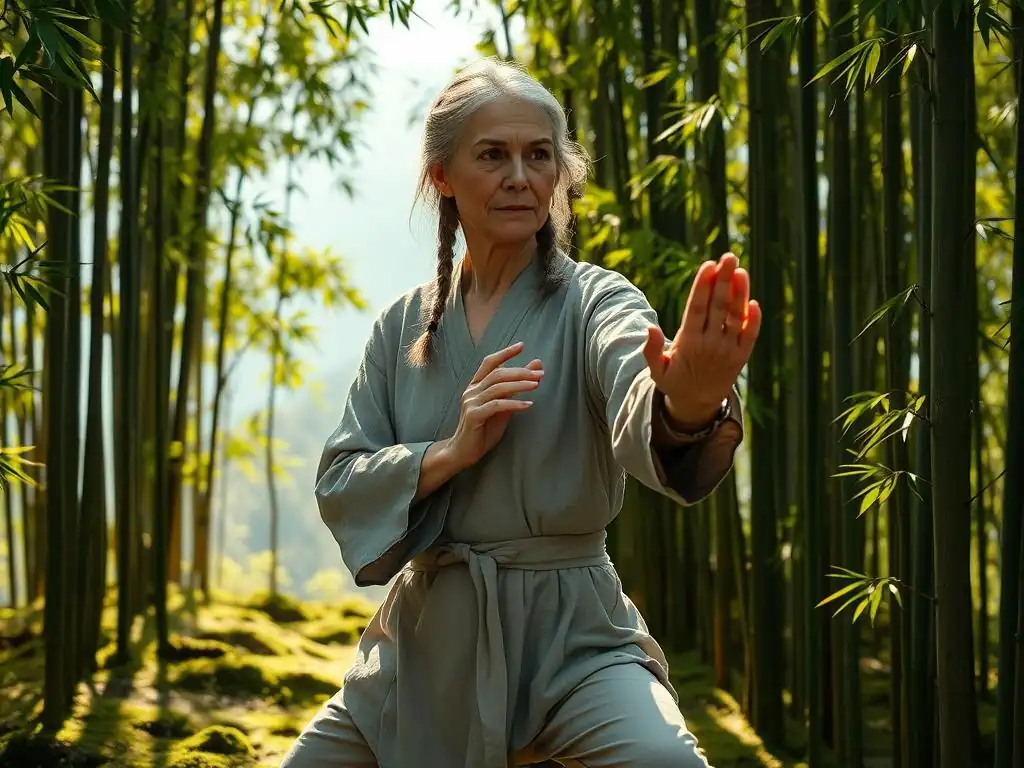
Welcome to Mind Care Guide, a sanctuary for your mental well-being.
Are you searching for a path to lasting peace and emotional resilience? We understand the journey can be challenging, and that's why we're here to offer guidance and support. Dive into our latest exploration of Qigong for longterm mental wellbeing, a practice that may unlock a deeper connection to yourself and cultivate sustainable serenity. Discover how gentle movements and mindful breathing can transform your mental landscape, and begin your journey toward a more balanced and fulfilling life. What awaits you as you delve deeper into the ancient practice of Qigong?
Sustainable Serenity: Achieving Long-Term Mental Wellbeing with Qigong
- Introduction to Qigong for Mental Health: A Path to Lasting Serenity
- The Science Behind Qigong's Impact on Mental Wellbeing
- Key Qigong Principles for Enhanced Mental Wellbeing
- Practical Qigong Exercises for Long-Term Mental Wellbeing
- Integrating Qigong into Your Daily Routine for Sustainable Mental Health
- Addressing Common Challenges and Misconceptions about Qigong for Mental Wellbeing
- The Long-Term Benefits of Qigong for a Serene Mind
- Advanced Qigong Techniques for Deeper Mental Wellbeing
- Conclusion: Embracing Qigong for a Lifetime of Mental Serenity
-
Frequently Asked Questions
- What exactly is Qigong and how does it relate to mental well-being?
- How can Qigong contribute to long-term mental well-being, as opposed to just providing temporary relief?
- Are there specific Qigong forms or exercises that are particularly beneficial for mental health?
- How often and for how long should I practice Qigong to experience noticeable improvements in my mental well-being?
- Is Qigong a substitute for professional mental health treatment, or should it be used in conjunction with it?
- Final Reflection: Cultivating Inner Peace for a Sustainable Future
- Unlock Your Inner Calm: Start Your Qigong Journey Today!
Introduction to Qigong for Mental Health: A Path to Lasting Serenity
Understanding Qigong: Beyond Physical Exercise for Mental Wellness
Qigong, an ancient Chinese practice, is often understood simply as a form of gentle exercise. However, its true depth extends far beyond physical movement. It is a mind-body-spirit practice that integrates posture, movement, breathing technique, self-massage, and meditation.
The word "Qigong" translates roughly to "cultivating energy," where "Qi" refers to the vital life force or energy that flows through the body, and "gong" means skill or cultivation. Unlike strenuous workouts, Qigong focuses on slow, deliberate movements and deep, rhythmic breathing, aiming to harmonize the body's energy flow. This harmonization is believed to be fundamental not only for physical health but also crucially for mental and emotional balance.
The practice of Qigong is rooted in traditional Chinese medicine principles, which view health as a state of balance and harmony of Qi. Blockages or imbalances in Qi are thought to contribute to illness, including mental health challenges. By engaging in Qigong, practitioners seek to remove these blockages, promote the smooth flow of energy, and restore equilibrium. This focus on internal cultivation and energy management sets Qigong apart from purely physical disciplines and highlights its potential as a powerful tool for long-term mental wellbeing, addressing the root causes of imbalance rather than just the symptoms.
Why Qigong is Effective for Long-Term Mental Wellbeing
The effectiveness of Qigong for sustainable mental health stems from its holistic approach. It simultaneously addresses physical tension, emotional dysregulation, and mental clutter. The gentle movements release physical stiffness often associated with stress and anxiety, while the focused breathing calms the nervous system. The meditative aspect cultivates mindfulness, helping individuals become more aware of their thoughts and feelings without being overwhelmed by them. This multi-faceted approach fosters resilience and equips individuals with practical tools to manage the fluctuations of life, contributing significantly to Qigong for long-term mental wellbeing.
Furthermore, regular Qigong practice builds a consistent habit of self-care and introspection. Unlike practices that might offer temporary relief, Qigong encourages a continuous process of self-awareness and energy cultivation. Over time, practitioners often report feeling more grounded, less reactive to stressors, and possessing a greater sense of inner peace. This cumulative effect is key to achieving sustainable serenity and underscores why Qigong for long-term mental wellbeing is gaining recognition as a valuable complementary practice in mental health care.
The Science Behind Qigong's Impact on Mental Wellbeing
Qigong and the Nervous System: Calming the Mind and Body
Qigong has a profound impact on the autonomic nervous system, which controls involuntary bodily functions like heart rate, digestion, and respiration. Stress, anxiety, and fear often trigger the sympathetic nervous system, initiating the "fight or flight" response characterized by increased heart rate, rapid breathing, and muscle tension. Regular Qigong practice, with its emphasis on slow movements and deep, diaphragmatic breathing, stimulates the parasympathetic nervous system, the body's natural "rest and digest" state. This activation counteracts the stress response, promoting relaxation and reducing physiological arousal.
Studies have demonstrated that even short periods of Qigong can lead to measurable changes in nervous system activity. For instance, research published in journals like the Journal of Alternative and Complementary Medicine has shown that Qigong practice can lead to a significant decrease in heart rate and blood pressure, indicators of parasympathetic activation. This physiological shift from a state of chronic alert to one of calm is fundamental in alleviating symptoms of anxiety and stress-related conditions, paving the way for improved and sustained mental wellbeing.
Qigong and Endorphins: Natural Mood Boosters for Mental Health
While Qigong is gentle, it is still a form of physical activity that can stimulate the release of endorphins. Endorphins are neurochemicals produced by the body that act as natural painkillers and mood elevators. Often referred to as "feel-good" chemicals, they can induce feelings of pleasure and well-being, helping to combat symptoms of depression and anxiety. Although Qigong doesn't typically involve the high-intensity exertion needed for a "runner's high," the sustained, rhythmic movements and focused breathing contribute to a subtle yet significant release of these beneficial compounds.
The gentle nature of Qigong makes it accessible to individuals who may find more vigorous exercise challenging due to physical limitations or mental health conditions like severe depression or chronic fatigue. By providing a low-impact way to encourage endorphin production, Qigong offers a pathway to naturally boost mood and reduce feelings of sadness or hopelessness. Consistent practice over time helps to maintain higher baseline levels of these mood-enhancing chemicals, contributing to a more stable and positive emotional state and supporting Qigong for long-term mental wellbeing.
Qigong and Stress Reduction: Managing Cortisol Levels for Long-Term Wellbeing
Chronic stress is a major contributor to poor mental health, leading to elevated levels of cortisol, often called the "stress hormone." Prolonged exposure to high cortisol levels can disrupt sleep patterns, impair cognitive function, weaken the immune system, and exacerbate conditions like anxiety and depression. Qigong practice has been shown to be effective in reducing cortisol levels, helping the body to better manage the physiological response to stress.
Research findings consistently support the stress-reducing effects of Qigong. For example, a meta-analysis published in BMC Complementary and Alternative Medicine reviewing multiple studies found that Qigong was associated with significant reductions in stress and anxiety levels across diverse populations. This effect is attributed to the combination of mindful movement, controlled breathing, and meditation, which together signal to the body that it is safe and can relax. By helping to regulate the body's stress response system, Qigong builds resilience against future stressors, which is a critical component of achieving sustainable mental health and leveraging Qigong for long-term mental wellbeing.
Key Qigong Principles for Enhanced Mental Wellbeing
Mindful Movement: Connecting with Your Inner Self Through Qigong
Mindful movement is a cornerstone principle of Qigong. Unlike exercising on autopilot, Qigong encourages practitioners to bring full awareness to each movement, sensation, and breath. This involves paying attention to how the body feels as it moves, noticing areas of tension or ease, and observing the flow of energy. The slow, deliberate pace facilitates this heightened state of awareness, drawing the mind away from external distractions and internal worries and bringing it into the present moment.
This practice of being fully present in the body cultivates mindfulness, a state that has been extensively linked to improved mental health outcomes. By regularly practicing mindful movement through Qigong, individuals develop the ability to observe their thoughts and emotions without judgment, reducing rumination and fostering emotional acceptance. This deeper connection with the inner self through conscious movement is a powerful tool for self-regulation and contributes significantly to achieving Qigong for long-term mental wellbeing.
Breathwork in Qigong: Harnessing the Power of Breath for Mental Clarity
Breath is considered the bridge between the mind and body in many Eastern traditions, and in Qigong, conscious breathwork is fundamental. Qigong typically emphasizes deep, slow, abdominal (diaphragmatic) breathing rather than shallow chest breathing. This type of breathing maximizes oxygen intake, promotes relaxation, and helps to calm the nervous system directly. The breath is often coordinated with movements, creating a rhythmic, flowing sequence that further enhances the meditative quality of the practice.
Learning to control and deepen the breath provides an immediate tool for managing stress and anxiety. When faced with a stressful situation, conscious, slow breathing can quickly interrupt the physiological stress response. Consistent Qigong breathwork trains the body to maintain a calmer respiratory pattern even when not actively practicing, leading to reduced baseline anxiety and improved mental clarity. This mastery over the breath is a practical skill that supports mental resilience and is integral to the benefits of Qigong for long-term mental wellbeing.
Cultivating Qi (Energy): How Qigong Balances Energy for Mental Stability
The central principle of Qigong is the cultivation and balancing of Qi, the vital life force. According to traditional Chinese philosophy, Qi flows through channels in the body called meridians, and blockages or imbalances in this flow can manifest as physical or mental ailments. Qigong movements, postures, and breathwork are designed to clear these blockages, promote smooth Qi circulation, and restore energetic balance. This energetic balance is believed to be directly related to emotional stability and mental clarity.
When Qi is flowing smoothly and is well-balanced, individuals are thought to experience greater vitality, emotional resilience, and mental focus. Conversely, stagnant or deficient Qi can contribute to feelings of lethargy, irritability, anxiety, and depression. Through dedicated Qigong practice, individuals actively work to nourish and regulate their energy system. This internal cultivation fosters a sense of inner harmony and stability, providing a robust foundation for sustainable mental health and realizing the full potential of Qigong for long-term mental wellbeing.
Practical Qigong Exercises for Long-Term Mental Wellbeing
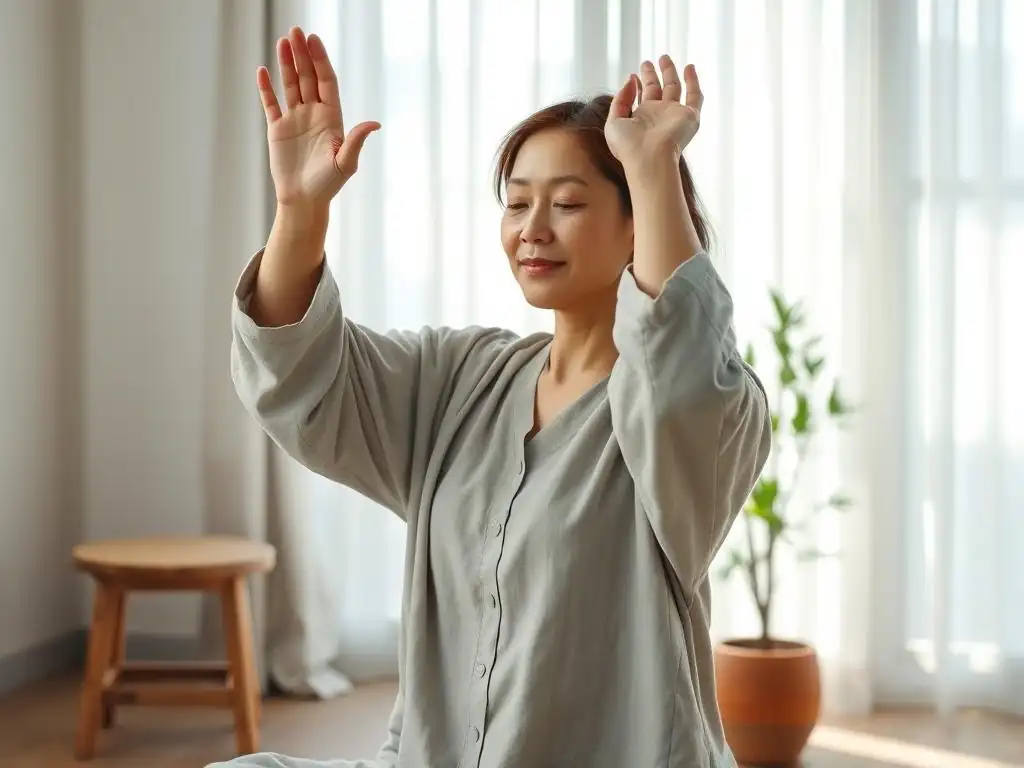
Simple Qigong Breathing Techniques for Anxiety Relief
One of the most accessible aspects of Qigong for immediate mental health benefits is its breathing techniques. A simple yet powerful technique is Abdominal Breathing (Dan Tian Breathing). To practice this, find a comfortable seated or standing position. Place one hand on your lower abdomen, just below the navel.
Inhale slowly and deeply through your nose, allowing your abdomen to expand as if filling a balloon. Exhale slowly and completely through your mouth or nose, allowing your abdomen to gently contract. Focus solely on the sensation of the breath entering and leaving your body and the rise and fall of your abdomen.
Another helpful technique is the Six Healing Sounds (Liu Zi Jue), which pairs specific sounds with exhalations and movements to target different organ systems believed to be associated with specific emotions in TCM. For example, the "Xu" sound is associated with the liver and can help release frustration or anger. While the full practice involves specific movements, simply focusing on slow, deep exhalations paired with a gentle sound can be calming. Practicing these techniques for just 5-10 minutes daily can significantly reduce feelings of anxiety and promote a sense of calm, contributing to Qigong for long-term mental wellbeing.
Qigong Postures for Emotional Balance and Stability
Certain Qigong postures are specifically designed to cultivate grounding and emotional stability. The 'Standing Like a Tree' posture (Zhan Zhuang) is a foundational practice that involves standing still in a specific position, often with knees slightly bent and arms held in various positions, such as embracing a tree or holding a ball. While seemingly simple, this posture builds internal strength, improves posture, and cultivates stillness of both body and mind. Holding the posture requires focus and patience, which helps to quiet mental chatter and develop resilience.
Another posture, 'The Archer,' involves shifting weight and extending arms as if shooting a bow. This posture is said to open the chest and shoulders, areas where tension from stress and emotional strain often accumulates. By releasing this physical tension, it helps to alleviate associated emotional constriction. Regularly practicing these postures helps to anchor the body and mind, providing a sense of stability that is crucial for managing emotional fluctuations and fostering Qigong for long-term mental wellbeing.
Qigong Flowing Movements for Stress Reduction and Mental Clarity
Flowing movements are characteristic of many Qigong forms and are particularly effective for stress reduction and enhancing mental clarity. Movements like 'Cloud Hands' (Yun Shou) involve gentle, circular motions of the arms and torso, coordinated with breath and weight shifts. These continuous, fluid movements are meditative and help to release physical tension throughout the body while calming the mind. The repetitive, smooth nature of the movements allows the practitioner to enter a state of focused relaxation.
Another example is 'Waving Hands Like Clouds,' a common movement in Tai Chi (often considered a form of Qigong). This movement encourages relaxation in the shoulders and arms and promotes smooth energy flow. The focus required to coordinate the breath, weight shifts, and hand movements keeps the mind engaged in the present moment, reducing worry about the past or future. Incorporating these flowing exercises into a regular routine provides a dynamic way to release accumulated stress and improve cognitive function, supporting the journey towards Qigong for long-term mental wellbeing.
Integrating Qigong into Your Daily Routine for Sustainable Mental Health
Creating a Qigong Practice Schedule for Long-Term Benefits
Consistency is key to reaping the full benefits of Qigong for long-term mental wellbeing. Establishing a regular practice schedule, even if it's just for 15-20 minutes a day, is far more effective than infrequent, longer sessions. Consider incorporating Qigong into your morning routine to set a calm and focused tone for the day, or practice in the evening to release the stresses accumulated throughout the day and prepare for restful sleep. Start small and gradually increase the duration as you become more comfortable.
To make it sustainable, choose a time and location where you won't be interrupted. This dedicated space and time signal to your mind and body that it's time to relax and focus inward. Many find practicing outdoors, surrounded by nature, enhances the experience, but a quiet corner indoors is perfectly adequate. Committing to a specific schedule, such as "Qigong for 20 minutes every morning at 7:00 AM," helps build a habit and ensures that Qigong becomes a consistent part of your self-care regimen, supporting your journey towards sustainable mental health.
Finding a Qualified Qigong Instructor or Online Resources
While basic Qigong movements and breathing can be learned from books or videos, learning from a qualified instructor offers significant advantages, especially when seeking Qigong for long-term mental wellbeing. An instructor can provide personalized guidance, correct your posture and movements to ensure proper energy flow, and offer insights into the deeper principles of Qigong. Learning in a group setting can also provide a sense of community and shared purpose, which can be supportive for mental health.
If in-person classes are not feasible, numerous high-quality online resources are available, including video courses, live virtual classes, and instructional apps. When choosing online resources, look for instructors with reputable training and certifications in Qigong. Many platforms offer introductory courses that can help you get started. While online learning requires self-discipline, it provides flexibility and accessibility, allowing you to practice Qigong for long-term mental wellbeing from anywhere.
Tips for Maintaining Consistency in Your Qigong Practice
Maintaining consistency in any new habit can be challenging, and Qigong is no exception. One effective strategy is to pair your Qigong practice with an existing daily habit, such as immediately after brushing your teeth or before your first cup of coffee. This technique, known as habit stacking, makes it easier to remember and integrate the new activity. Another tip is to keep your practice space tidy and inviting, minimizing barriers to getting started.
Varying your practice can also help prevent boredom and maintain motivation. Explore different Qigong forms or focus on different aspects, such as emphasizing breathwork one day and movement the next. Track your progress, perhaps by keeping a simple journal noting how you feel before and after practice; recognizing the positive impact can be a powerful motivator. Finally, be gentle with yourself; if you miss a day, don't view it as a failure, simply resume your practice the next day. Persistence, not perfection, is the goal when cultivating Qigong for long-term mental wellbeing.
Addressing Common Challenges and Misconceptions about Qigong for Mental Wellbeing
Overcoming Initial Discomfort or Lack of Flexibility
Many people new to Qigong worry about their flexibility or physical fitness, which can be a barrier to starting. However, Qigong is designed to be accessible to people of all ages and physical conditions. The movements are gentle and can be modified to suit individual capabilities. Initial discomfort, such as mild muscle soreness or difficulty holding postures, is common as the body adjusts. It's important to listen to your body and avoid pushing into pain. Consistency at a gentle level is more beneficial than overexertion.
Lack of flexibility is not a prerequisite for Qigong; rather, Qigong practice itself helps to improve flexibility and range of motion over time. Beginners can often practice seated or use chairs for support if standing is difficult. The focus is on smooth, relaxed movement and cultivating internal awareness, not on achieving perfect poses. Embracing the principle of ease and gradual progress allows individuals to comfortably integrate Qigong into their lives, making Qigong for long-term mental wellbeing achievable for almost anyone.
Debunking Myths About Qigong and its Mental Health Benefits
Several misconceptions about Qigong can deter potential practitioners. One common myth is that Qigong is purely spiritual or requires belief in specific philosophies to be effective. While Qigong has roots in Taoism and Buddhism, its physical and mental health benefits are increasingly supported by scientific research and do not require any specific religious or spiritual belief system. The benefits arise from the physiological and psychological effects of mindful movement, breathwork, and relaxation, which are universal.
Another myth is that Qigong is too slow or ineffective for real change. While the pace is gentle, the internal work is profound. The subtle movements and focused awareness cultivate deep relaxation, improve circulation, regulate the nervous system, and build internal energy, all of which have significant impacts on mental health. The effectiveness of Qigong for conditions like anxiety, depression, and stress has been demonstrated in numerous studies, showcasing its tangible benefits for Qigong for long-term mental wellbeing beyond perceived slowness.
Adapting Qigong to Individual Needs and Limitations
One of the strengths of Qigong is its adaptability. Practices can be modified to accommodate various physical conditions, injuries, or limitations. Individuals with mobility issues can practice seated Qigong forms. Those with chronic pain can focus on gentle breathing and visualization techniques. Instructors are trained to offer modifications, and many resources are available specifically for adapted Qigong practices.
Furthermore, Qigong can be tailored to address specific mental health concerns. For instance, forms focusing on calming the heart energy are often recommended for anxiety, while practices stimulating liver energy may help with frustration or anger. By working with a knowledgeable teacher or exploring different forms, individuals can find practices that best suit their unique needs and challenges. This personalized approach ensures that Qigong remains accessible and effective as a tool for promoting Qigong for long-term mental wellbeing for a wide range of individuals.
The Long-Term Benefits of Qigong for a Serene Mind
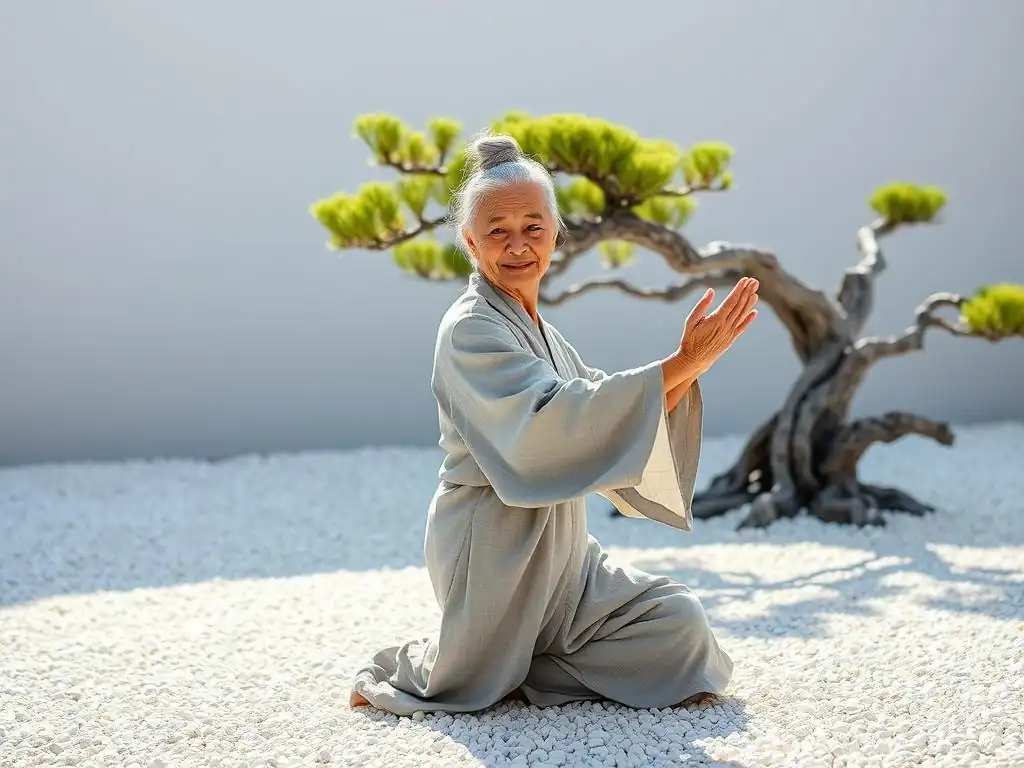
Improved Sleep Quality Through Regular Qigong Practice
Chronic stress and anxiety often manifest as sleep disturbances, including difficulty falling asleep, staying asleep, or experiencing non-restorative sleep. Regular Qigong practice has been shown to significantly improve sleep quality. The calming effect of Qigong on the nervous system reduces the physiological arousal that can interfere with sleep initiation and maintenance. By lowering cortisol levels and promoting relaxation, Qigong helps regulate the body's natural sleep-wake cycle.
Studies have indicated that consistent Qigong practice can lead to improvements in sleep duration, sleep efficiency (the percentage of time in bed actually spent asleep), and overall sleep quality. For example, research involving older adults with sleep problems reported significant reductions in sleep latency (time taken to fall asleep) and nighttime awakenings after participating in a Qigong program. This improved sleep is a vital component of mental health, as adequate rest is essential for emotional regulation, cognitive function, and resilience, further solidifying the role of Qigong for long-term mental wellbeing.
Increased Resilience to Stress and Anxiety with Qigong
Resilience is the ability to bounce back from adversity and effectively cope with stress. Qigong builds resilience by equipping practitioners with tools to manage their physiological and emotional responses to challenging situations. Through mindful movement and breathwork, individuals become more aware of the initial signs of stress or anxiety in their bodies and minds and learn techniques to interrupt the stress response before it escalates.
Consistent practice strengthens the parasympathetic nervous system, making the body less reactive to stressors over time. This means that while stressful events may still occur, the body's response is less intense and recovery is faster. Furthermore, the cultivation of inner peace and stability through Qigong provides an internal anchor during turbulent times. This enhanced capacity to navigate difficulties with greater calm and composure is a hallmark of Qigong for long-term mental wellbeing.
Enhanced Emotional Regulation and Mental Clarity with Qigong
Difficulty regulating emotions is a common symptom across many mental health conditions. Qigong practice helps improve emotional regulation by increasing self-awareness and fostering a non-judgmental attitude towards one's feelings. By observing emotions as they arise during practice without getting caught up in them, individuals develop the capacity to do the same in daily life. The calming effect of Qigong also reduces emotional reactivity.
Beyond emotional regulation, Qigong enhances mental clarity. The focus required during practice helps to quiet the "monkey mind" – the incessant stream of thoughts that can lead to rumination and distraction. Regular engagement in mindful movement and breathwork improves concentration and cognitive function. Practitioners often report feeling more focused, present, and mentally sharp after practicing Qigong, contributing to a clearer perspective and a greater sense of mental peace, key aspects of achieving Qigong for long-term mental wellbeing.
Advanced Qigong Techniques for Deeper Mental Wellbeing
Exploring Different Styles of Qigong for Mental Health
Just as there are different styles of yoga or meditation, there are numerous styles of Qigong, each with its own focus and characteristics. Exploring different styles can lead to deeper insights and benefits for mental wellbeing. For instance, some styles, like Eight Brocades (Ba Duan Jin), are more focused on physical postures and stretching, which can be particularly helpful for releasing physical tension related to stress. Other styles, like Five Animal Frolics (Wu Qin Xi), mimic the movements of animals and are more dynamic, promoting vitality and emotional expression.
Still other styles, such as Medical Qigong, delve into specific techniques for addressing particular health concerns, including mental health imbalances, based on traditional Chinese medicine principles. Exploring different forms allows individuals to find practices that resonate most deeply with them and address their specific needs, whether they seek more physical release, emotional balance, or energetic cultivation. This exploration is part of the continuous journey of utilizing Qigong for long-term mental wellbeing.
Working with a Qigong Master for Personalized Guidance
While group classes and online resources are excellent starting points, working with an experienced Qigong Master can provide a level of personalized guidance that accelerates progress and deepens the practice, particularly for complex mental health challenges. A master possesses a profound understanding of Qigong principles, energy dynamics, and their application to health and healing. They can assess an individual's specific energetic imbalances and recommend or tailor practices accordingly.
Working one-on-one allows for subtle corrections in posture, movement, and breath that might be missed in a group setting. A master can also guide practitioners through more advanced techniques, including deeper meditative states and specific energy cultivation methods, which can unlock further levels of mental clarity and emotional healing. This mentorship can be invaluable for those serious about leveraging the full potential of Qigong for long-term mental wellbeing.
Combining Qigong with Other Mental Wellness Practices
Qigong integrates beautifully with other practices aimed at promoting mental wellbeing. Combining Qigong with mindfulness meditation, for example, can deepen both practices; the body awareness cultivated in Qigong enhances the ability to stay present during seated meditation, while meditation strengthens the mental focus needed for Qigong. Similarly, pairing Qigong with gentle yoga can create a comprehensive mind-body routine that addresses flexibility, strength, and energy flow.
Therapeutic practices like psychotherapy or counseling can be enhanced by Qigong. Qigong helps individuals become more attuned to their bodily sensations and emotional states, which can facilitate processing difficult emotions and trauma discussed in therapy. The stress reduction and nervous system regulation provided by Qigong can also make individuals more receptive to therapeutic interventions. Integrating Qigong into a broader mental wellness strategy creates a synergistic effect, amplifying the benefits of each component for achieving sustainable Qigong for long-term mental wellbeing.
Conclusion: Embracing Qigong for a Lifetime of Mental Serenity
Qigong as a Sustainable Approach to Long-Term Mental Wellbeing
In a world often characterized by fast-paced living and increasing stress, finding sustainable practices for mental health is paramount. Qigong offers a powerful, gentle, and accessible path towards achieving and maintaining long-term mental wellbeing. Its emphasis on harmonizing mind, body, and spirit through mindful movement, breathwork, and energy cultivation addresses the multifaceted nature of mental health challenges. Unlike quick fixes, Qigong is a practice of continuous cultivation, building resilience and inner peace over time.
By integrating Qigong into daily life, individuals develop practical skills to manage stress, regulate emotions, improve sleep, and enhance mental clarity. The cumulative benefits of regular practice create a robust foundation for navigating life's challenges with greater ease and grace. Embracing Qigong is an investment in one's self, fostering not just temporary relief but a lifetime of sustainable serenity. The journey of Qigong for long-term mental wellbeing is one of self-discovery, healing, and empowerment.
Resources for Further Learning and Practice of Qigong
For those interested in starting or deepening their Qigong practice for mental wellbeing, numerous resources are available. Many community centers, yoga studios, and martial arts schools offer Qigong classes. Online platforms provide a wealth of instructional videos and courses for various styles and levels. Books by reputable authors on Qigong theory and practice can provide valuable background knowledge.
Exploring different resources and instructors can help you find a style and teaching approach that resonates with you. Look for qualified teachers with experience in teaching Qigong for health purposes. Many organizations dedicated to Qigong and Tai Chi offer directories of certified instructors. Starting with introductory classes or beginner-friendly online resources is a good way to get a feel for the practice and begin experiencing the benefits of Qigong for long-term mental wellbeing.
The Future of Qigong in Mental Health Care
As awareness of the mind-body connection grows, complementary practices like Qigong are gaining increasing recognition within mainstream mental health care. Research into the effectiveness of Qigong for various mental health conditions continues to expand, providing an evidence base for its benefits. As healthcare professionals and the public become more informed about these benefits, Qigong is likely to become a more integrated and widely recommended tool for mental wellness.
Its low impact, accessibility, and focus on self-empowerment make Qigong an ideal complement to traditional therapies and treatments. The potential for Qigong to support recovery from conditions like depression, anxiety, PTSD, and chronic stress is significant. The future may see Qigong programs offered in clinical settings, wellness centers, and community health initiatives, further establishing its role in promoting Qigong for long-term mental wellbeing on a broader scale and helping more people find sustainable serenity.
Frequently Asked Questions
What exactly is Qigong and how does it relate to mental well-being?
Qigong is an ancient Chinese practice involving coordinated body posture and movement, breathing, and meditation. It promotes mental well-being by reducing stress and improving the mind-body connection.
How can Qigong contribute to long-term mental well-being, as opposed to just providing temporary relief?
Regular Qigong practice cultivates mindfulness and emotional regulation skills, which are crucial for managing stress and promoting resilience over time. This sustained practice helps build a foundation for lasting mental health.
Are there specific Qigong forms or exercises that are particularly beneficial for mental health?
While all Qigong practices can be beneficial, some forms, like Baduanjin and Five Element Qigong, are known for their calming effects and ability to balance the nervous system. These forms often focus on specific meridian pathways connected to emotional well-being.
How often and for how long should I practice Qigong to experience noticeable improvements in my mental well-being?
Even short, regular sessions can be effective. Aim for at least 15-20 minutes of Qigong several times a week. Consistency is key to experiencing long-term benefits.
Is Qigong a substitute for professional mental health treatment, or should it be used in conjunction with it?
Qigong can be a valuable complementary therapy, but it is not a substitute for professional mental health treatment. It's best used alongside therapy or medication when appropriate, under the guidance of qualified professionals.
Final Reflection: Cultivating Inner Peace for a Sustainable Future
The pursuit of long-term mental wellbeing is no longer a luxury, but a necessity in our increasingly demanding world. The practices outlined in this article, centered around Qigong, offer a powerful antidote to the pervasive stress and anxiety of modern life. By understanding and implementing these ancient techniques, we can cultivate a resilience that extends far beyond fleeting moments of calm.
Qigong's influence on my own life, and the lives of those I've witnessed practicing it, has been profound. It's not just about physical flexibility; it's about fostering a deep connection with the body and breath, creating a space for self-awareness and inner peace. This resonates deeply with the words of Lao Tzu: Being deeply loved by someone gives you strength, while loving someone deeply gives you courage.
Qigong, in its essence, cultivates both strength and courage by fostering self-love and compassion, leading to a more resilient and empathetic approach to life's challenges.
Now, consider your own journey towards sustainable serenity. What small steps can you take today to integrate the principles of Qigong—mindfulness, breathwork, gentle movement—into your daily routine? Perhaps it's a five-minute breathing exercise each morning, or a conscious effort to move your body with intention. Embrace the journey, for the path to long-term mental wellbeing is a continuous process of self-discovery and growth. Begin your practice today, and discover the transformative power of inner peace.
Unlock Your Inner Calm: Start Your Qigong Journey Today!
Thanks for taking the time to explore the power of Qigong for lasting mental wellbeing! We hope you've discovered valuable insights into this ancient practice. Now it's time to transform that knowledge into action. Ready to cultivate inner peace and resilience?
- Begin your Qigong practice today: Even 10 minutes of daily practice can make a profound difference. Start with the simple breathing exercises outlined in the article and gradually incorporate the gentle movements.
- Share your experience: Connect with others on their Qigong journey. Share this article with friends and family who might benefit from this calming practice. Let's build a supportive community dedicated to mindful living!
- Explore additional resources: Search online for beginner Qigong videos or local classes to further deepen your understanding and experience.
What simple step will you take this week to incorporate Qigong into your daily routine?