
Nature's Playground: Boosting Children's Mental Wellbeing Outdoors

Welcome to Mind Care Guide, a safe space dedicated to nurturing your mental well-being.
Ever wondered how a simple walk in the park could profoundly impact your child's happiness and mental health? In this article, we delve into the surprising outdoor play benefits children experience, exploring how nature can be a powerful ally in fostering resilience, creativity, and emotional balance. Discover practical tips and insights to unlock nature's therapeutic potential for your little ones and create a healthier, happier future together. Let's explore!
Nature's Playground: Boosting Children's Mental Wellbeing Outdoors
- The Crucial Link Between Outdoor Play and Children's Mental Health
- Exploring the Multifaceted Benefits of Outdoor Play for Children
- Specific Outdoor Activities to Enhance Children's Mental Wellbeing
- Overcoming Barriers to Outdoor Play for Children
- The Long-Term Impact of Outdoor Play on Children's Mental Health
- Practical Tips for Incorporating Outdoor Play into Children's Lives
- Outdoor Play and Children's Mental Health: A Call to Action
-
Frequently Asked Questions
- What are the primary mental health benefits of outdoor play for children?
- How does outdoor play contribute to children's cognitive development?
- Can outdoor play help children with attention deficit hyperactivity disorder (ADHD)?
- What types of outdoor activities are most beneficial for enhancing children's mental wellbeing?
- How much time should children ideally spend playing outdoors each day to reap the mental health benefits?
- Final Reflection: Reclaiming Childhood's Natural Playground
- Unleash Your Child's Inner Explorer: Embrace Nature's Therapy!
The Crucial Link Between Outdoor Play and Children's Mental Health
Understanding the Growing Need for Nature-Based Activities for Kids
In today's increasingly digital world, children spend significantly less time engaging in outdoor play compared to previous generations. Research indicates a dramatic shift, with some studies suggesting that children now spend an average of just 4-7 minutes of unstructured outdoor play per day, a stark contrast to several hours just a few decades ago.
This decline is linked to various factors, including increased screen time, academic pressures, reduced access to safe outdoor spaces, and parental concerns. This sedentary lifestyle and disconnection from nature contribute to a growing concern for children's mental wellbeing, highlighting the urgent need to re-prioritize outdoor activities and harness the power of nature's playground.
The diminishing engagement with the natural world is not just a matter of physical health; it has profound implications for cognitive and emotional development. Children deprived of regular outdoor experiences may miss crucial opportunities to develop coping mechanisms, self-regulation skills, and a sense of wonder. Organizations like the National Wildlife Federation have highlighted this "nature deficit disorder," emphasizing that limited exposure to nature can negatively impact attention spans, increase stress levels, and reduce overall happiness in children. Recognizing and addressing this deficit is fundamental to supporting healthy mental development.
How Outdoor Experiences Positively Impact Children's Mental Wellbeing
Engaging in outdoor play offers a powerful antidote to many modern stressors affecting children. The natural environment provides a unique setting that encourages exploration, creativity, and physical activity, all of which are vital for mental health. Spending time outdoors has been shown to reduce levels of the stress hormone cortisol in children. For instance, a study involving urban children found that even short walks in a park setting led to significant reductions in stress and anxiety compared to walks in built environments. This underscores how simply being in nature can act as a natural stress reliever.
Furthermore, outdoor play benefits children by fostering a sense of freedom and autonomy often limited in structured indoor settings. Climbing a tree, building a fort, or simply running freely allows children to test their limits, build confidence, and develop resilience. These experiences contribute to a stronger sense of self-efficacy and a more positive outlook. The sensory richness of the outdoors – the smell of rain, the feel of soil, the sound of birds – also provides calming and grounding experiences that can help regulate emotions and improve focus, making it a valuable tool for boosting children's mental wellbeing.
Exploring the Multifaceted Benefits of Outdoor Play for Children
Cognitive Development: Enhancing Learning Through Nature
Outdoor play is not just about physical activity; it's a powerful catalyst for cognitive growth. The unstructured nature of outdoor environments encourages problem-solving, critical thinking, and creativity. For example, navigating uneven terrain requires spatial reasoning, while using natural materials like sticks and leaves for imaginative play stimulates creativity and abstract thought. Research from institutions like the National Association for the Education of Young Children supports the idea that outdoor environments provide a rich context for learning through exploration and discovery, enhancing memory and attention.
Being outdoors also offers unique opportunities for observational learning and scientific inquiry. Children might notice insect behaviors, observe plant growth, or track weather patterns, sparking curiosity and improving their ability to analyze and interpret information. A study published in the Frontiers in Psychology journal noted that nature-based learning experiences can improve academic performance, particularly in science and math, by providing tangible, real-world examples that make abstract concepts more accessible and engaging. This demonstrates how outdoor play benefits children's academic potential alongside their mental health.
Emotional Regulation: Fostering Resilience and Calmness in Outdoor Settings
The natural world provides a therapeutic backdrop for emotional development and regulation. Spending time outdoors has a calming effect, reducing irritability and promoting a more positive mood. The sheer scale and complexity of nature can put everyday worries into perspective, helping children manage stress and anxiety. Activities like mindful walking or simply sitting quietly and observing nature can teach children valuable techniques for staying present and managing overwhelming feelings, contributing significantly to boosting children's mental wellbeing.
Outdoor environments also offer opportunities to face challenges and develop resilience. Attempting to climb a rock, crossing a stream, or navigating a new trail involves risk-taking and problem-solving, teaching children how to cope with frustration, overcome obstacles, and learn from failures. Successfully completing these tasks builds self-esteem and a sense of accomplishment. The natural rhythms of growth and change observed in nature can also provide a sense of stability and continuity, helping children navigate their own emotional landscapes with greater ease.
Outdoor play provides an ideal setting for children to develop essential social skills. Group activities outdoors, such as building a shared fort, organizing a game of tag, or collaborating on a nature scavenger hunt, require communication, negotiation, and cooperation. These experiences teach children how to share space and resources, resolve conflicts, and work together towards a common goal. Unlike structured indoor activities, outdoor play often involves more spontaneous interaction, fostering flexibility and adaptability in social situations.
Furthermore, engaging with nature can foster empathy and a sense of connection with the environment and living things. Caring for a garden patch, observing animal habitats, or learning about ecological systems can cultivate a sense of responsibility and respect for the natural world. This expanded perspective can translate into greater empathy towards others. When children play together outdoors, they often develop stronger bonds through shared adventures and discoveries, building friendships and a sense of belonging which are crucial components of positive mental health. This aspect of outdoor play benefits children by strengthening their social fabric.
Specific Outdoor Activities to Enhance Children's Mental Wellbeing
Nature Walks and Sensory Exploration: Engaging the Senses for Mental Clarity
Simple nature walks offer profound benefits for children's mental health. Encouraging children to pay attention to the sensory details of their surroundings – the feel of bark, the smell of pine needles, the sounds of birds, the colors of leaves – can be a powerful form of mindfulness. This focused attention on sensory input helps quiet a busy mind, reduces rumination, and increases a sense of presence and calm. Even a short 20-minute walk in a green space has been shown to lower stress levels and improve mood in children.
Transforming a walk into a "sensory scavenger hunt" can further engage children. Tasks like finding something rough, something smooth, something that smells good, or listening for three different bird sounds encourage active observation and deepen their connection with the environment. This type of exploratory activity stimulates curiosity, improves observational skills, and provides a gentle, non-intimidating way to boost children's mental wellbeing by grounding them in the physical world and reducing anxiety.
Gardening and Nature Crafts: Cultivating Creativity and Patience
Gardening provides a unique hands-on experience that teaches children about growth, patience, and responsibility. The process of planting a seed, nurturing it, and watching it grow offers a tangible sense of accomplishment and connection to the life cycle. Spending time with hands in the soil has even been linked to improved mood, potentially due to exposure to beneficial soil microbes (Mycobacterium vaccae) which some studies suggest can have antidepressant effects. This activity fosters a sense of purpose and reduces stress.
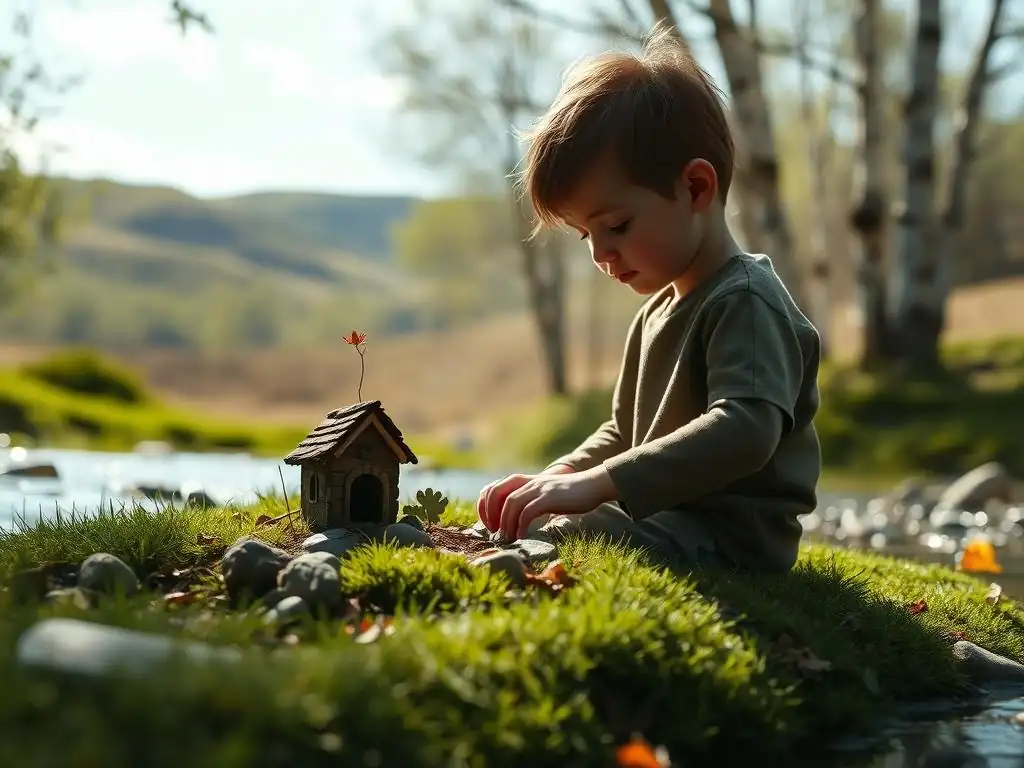
Nature crafts, such as making leaf rubbings, building fairy houses from twigs and stones, or creating art with found objects, stimulate creativity and fine motor skills. These activities encourage children to see the beauty and potential in natural materials and provide a calming, focused outlet for self-expression. Engaging in these creative processes outdoors not only produces beautiful results but also promotes mindfulness and reduces anxiety, making them excellent ways to enhance children's mental wellbeing.
Outdoor Games and Adventure Play: Promoting Physical Activity and Confidence
Unstructured outdoor games and adventure play are essential for physical and mental development. Running, jumping, climbing, and balancing in natural environments help children develop gross motor skills, coordination, and physical confidence. High-energy activities like tag or hide-and-seek release endorphins, which are natural mood boosters, and help children expend excess energy, leading to improved focus and calmness afterwards.
Adventure play, which involves navigating less structured environments like woodlands or natural playgrounds with varied terrain and elements (like logs, rocks, and hills), encourages risk assessment, problem-solving, and resilience. Children learn to evaluate challenges, manage fear, and trust their physical capabilities. Successfully navigating these challenges builds significant self-confidence and a sense of mastery, which are protective factors for mental health. This type of outdoor play benefits children by building both physical and psychological strength.
Overcoming Barriers to Outdoor Play for Children
Addressing Safety Concerns and Parental Anxiety
One of the primary barriers to outdoor play is parental anxiety about safety, including fears of injuries, "stranger danger," or environmental hazards like ticks or poisonous plants. While these concerns are valid, they can often be mitigated through education and preparedness. Teaching children basic safety rules, identifying safe play areas, and supervising appropriately (which doesn't always mean hovering) can significantly reduce risks. For example, educating families about tick prevention and checking procedures can alleviate anxieties related to outdoor exposure.
Furthermore, fostering community connections can enhance perceived safety. Neighborhood watch programs, organized park activities, or simply knowing other families who use local green spaces can create a safer environment for children to play outdoors. Providing parents with resources and information on assessing risk and allowing for "risky play" (activities with perceived but manageable risk, like climbing) can help them become more comfortable with allowing their children greater freedom outdoors, recognizing that the mental health benefits often outweigh minimal risks.
Creating Accessible Outdoor Spaces for All Children
Access to safe and engaging outdoor spaces is not equitable, particularly for children in urban or low-income areas. Overcoming this barrier requires intentional effort to create and maintain accessible green spaces within communities. This includes advocating for parks, playgrounds, and natural areas that are well-maintained, safe, and easily reachable by public transport or walking. Initiatives like transforming vacant lots into community gardens or natural play areas can provide much-needed access in underserved neighborhoods.
Designing inclusive outdoor spaces is also crucial. Playgrounds should incorporate elements accessible to children with disabilities, ensuring that all children have the opportunity to experience the joys and benefits of outdoor play. Working with local governments and community organizations to invest in green infrastructure and public parks is essential to ensure that outdoor play benefits children from all backgrounds, promoting health equity and access to nature's healing power.
Encouraging Schools and Communities to Prioritize Outdoor Learning
Schools and communities play a vital role in providing children with regular access to nature. Many schools have limited recess time, and outdoor learning is often not a priority. Encouraging schools to incorporate outdoor classrooms, utilize school grounds for nature exploration, or schedule regular field trips to local parks can significantly increase children's time in nature. For example, some schools are implementing "Forest School" programs, which involve regular, long-term sessions in a woodland or natural environment, showing positive impacts on children's confidence and social skills.
Community initiatives, such as organized nature clubs, family nature days in local parks, or community garden projects, can also provide valuable opportunities for children and families to connect with nature. Libraries can offer nature-themed story times and resources, while local nature centers can host educational programs. By embedding outdoor learning and play opportunities within the fabric of schools and communities, we can ensure that outdoor play benefits children consistently and becomes a regular part of their lives.
The Long-Term Impact of Outdoor Play on Children's Mental Health

Building a Foundation for Lifelong Wellbeing Through Nature Connection
Early and consistent exposure to outdoor play and nature connection lays a critical foundation for long-term mental health and wellbeing. Children who spend significant time outdoors during their formative years are more likely to develop a lifelong appreciation for nature and continue engaging in outdoor activities as adults. This sustained connection provides ongoing opportunities for stress reduction, physical activity, and mindfulness, all of which are protective factors against mental health challenges throughout life.
Furthermore, the resilience, problem-solving skills, and confidence built through outdoor adventures in childhood translate into better coping mechanisms later in life. Adults who had ample outdoor play experiences as children often report feeling more capable of handling challenges and adapting to change. This early foundation in nature helps cultivate a sense of perspective and inner strength that supports positive mental health well into adulthood, demonstrating how deeply outdoor play benefits children's future selves.
Preventing Mental Health Issues in Childhood Through Regular Outdoor Exposure
Regular outdoor play acts as a powerful preventative measure against common childhood mental health issues like anxiety, depression, and ADHD. Studies have shown that spending time in nature can reduce symptoms of ADHD, improving focus and impulse control. For example, a study published in the Journal of Attention Disorders found that "green time" significantly reduced ADHD symptoms in children compared to time spent in built environments.
By providing a natural outlet for physical energy, reducing stress, improving sleep quality, and fostering emotional regulation, outdoor play addresses many of the underlying factors that contribute to mental health difficulties in children. A meta-analysis of studies on nature exposure found consistent evidence linking green space access to reduced symptoms of depression and anxiety in children and adolescents. Prioritizing access to and participation in outdoor play is not just about treating issues; it's a proactive strategy for fostering robust mental health from the ground up.
Practical Tips for Incorporating Outdoor Play into Children's Lives
Creating a Nature-Rich Backyard Play Area
Even small backyard spaces can be transformed into nature-rich areas that encourage outdoor play. Simple additions like a patch of grass, some stepping stones, a small sandpit, or a designated area for digging can provide opportunities for exploration. Planting native plants that attract birds and insects can turn the yard into a living laboratory. Providing loose parts like logs, stones, and branches encourages imaginative and open-ended play, allowing children to build, create, and explore in ways that support their mental wellbeing.
Consider adding elements like a water feature (even a large basin), a simple fort structure, or a place to hang a swing. These elements provide varied sensory experiences and opportunities for physical activity and creative play. The goal is not to create a manicured lawn but a space that invites interaction with natural elements, providing a convenient and safe environment where outdoor play benefits children daily.
Scheduling Regular Outdoor Time in Daily Routines
Making outdoor play a non-negotiable part of the daily or weekly routine is key to ensuring children get enough exposure to nature. This could be scheduling a specific time each day for playing in the yard or visiting a local park, planning weekend family hikes, or incorporating outdoor activities into after-school hours. Just like scheduling meals or homework, designating time for outdoor play signals its importance and ensures it doesn't get squeezed out by other activities.
Aim for unstructured time where children can choose their own activities rather than always having planned events. This allows for spontaneous exploration and creativity. Even 30-60 minutes of outdoor time per day can make a significant difference in a child's mood, stress levels, and overall mental wellbeing. Consistency is more important than duration; regular small doses of nature exposure are highly beneficial.
Age-Appropriate Outdoor Activities: Tailoring Experiences for Development
The types of outdoor activities that are most beneficial will vary depending on a child's age and developmental stage. For toddlers and preschoolers, sensory exploration, simple walks, playing in sand or dirt, and very basic gardening are ideal. They benefit greatly from experiencing different textures, sounds, and sights in a safe, supervised environment.
Older children and adolescents can engage in more complex activities like hiking, camping, building shelters, nature photography, or participating in environmental clean-up projects. These activities offer greater opportunities for physical challenge, problem-solving, collaboration, and developing a deeper understanding of ecological principles. Tailoring outdoor experiences ensures that the activities are engaging, safe, and provide the most relevant benefits for boosting children's mental wellbeing at each stage of growth. This intentional approach ensures outdoor play benefits children across their developmental journey.
Outdoor Play and Children's Mental Health: A Call to Action
Encouraging Policy Changes to Support Outdoor Learning
Advocating for policy changes at local, regional, and national levels is crucial to ensure all children have access to outdoor play and learning opportunities. This includes supporting policies that mandate sufficient recess time in schools, fund the development and maintenance of public parks and green spaces, and integrate outdoor education into school curricula. For instance, advocating for legislation that protects green spaces from development or provides grants for schoolyard naturalization projects can have a widespread impact.
Policy changes can also address barriers to access, such as improving public transport to parks or creating incentives for nature-based childcare programs. By supporting policies that prioritize children's connection with nature, we create systemic changes that make it easier for families, schools, and communities to incorporate outdoor play into children's lives, recognizing the significant role outdoor play benefits children's mental health.
Empowering Parents and Educators to Prioritize Nature-Based Activities
Parents and educators are key agents in facilitating children's outdoor experiences. Providing them with resources, training, and support can empower them to prioritize and integrate nature-based activities. This could involve workshops on the benefits of outdoor play, guides to local natural areas, or training on how to safely supervise children in outdoor environments. Sharing research and success stories about how outdoor play benefits children can also inspire action.
Creating parent-teacher networks focused on promoting outdoor learning or developing school-wide initiatives to get children outdoors more often can foster a culture that values nature connection. Empowering these key adults with the knowledge and confidence to embrace outdoor play is essential for making it a regular part of children's lives and effectively boosting children's mental wellbeing.
Advocate for Outdoor Play: Creating a Healthier Future Generation
Ultimately, ensuring children benefit from outdoor play requires a collective effort to advocate for its importance. This means speaking up in our communities, supporting organizations that promote nature connection, and sharing information about the vital link between outdoor experiences and mental health. We can advocate for better parks, longer recess, and more opportunities for children to explore the natural world.
By championing the cause of outdoor play, we are not just promoting fun activities; we are investing in the mental health and resilience of the next generation. Creating a future where children have ample opportunities to connect with nature in their everyday lives is a powerful step towards building a healthier, happier, and more grounded society. The evidence is clear: outdoor play benefits children in countless ways, and it is our responsibility to ensure every child has access to nature's playground.
Frequently Asked Questions
What are the primary mental health benefits of outdoor play for children?
Outdoor play significantly reduces stress and anxiety in children. It also promotes improved mood and emotional regulation through exposure to natural environments.
How does outdoor play contribute to children's cognitive development?
Being outdoors stimulates creativity and problem-solving skills. It allows for hands-on learning experiences that enhance cognitive abilities.
Can outdoor play help children with attention deficit hyperactivity disorder (ADHD)?
Yes, studies suggest that time spent in nature can improve focus and concentration in children with ADHD. The natural environment offers a less stimulating and more calming alternative to indoor settings.
What types of outdoor activities are most beneficial for enhancing children's mental wellbeing?
A wide range of activities, such as nature walks, playing in parks, and gardening, are beneficial. The key is to encourage unstructured play and exploration in natural surroundings.
How much time should children ideally spend playing outdoors each day to reap the mental health benefits?
Experts recommend at least 60 minutes of outdoor play daily. This provides sufficient exposure to nature for children to experience positive impacts on their mental wellbeing.
Final Reflection: Reclaiming Childhood's Natural Playground
The urgent need to reconnect children with nature is not merely a nostalgic yearning; it's a critical step towards fostering healthier, happier, and more resilient generations. Our exploration of the profound benefits of outdoor play has revealed a compelling truth: access to green spaces is not a luxury, but a fundamental necessity for children's thriving. The evidence overwhelmingly supports the positive impact on physical health, cognitive development, and emotional well-being.
The shift away from unstructured outdoor play has left a significant void in children's lives, impacting their creativity, social skills, and overall sense of wonder. This disconnect from the natural world is a pervasive issue, echoing concerns raised by numerous experts. Nature is not a place to visit. It is home.
– Gary Snyder. This quote perfectly encapsulates the intrinsic connection we, as humans, should have with the natural environment, a connection that is particularly crucial during formative childhood years. The ongoing erosion of this connection has far-reaching consequences, impacting not only individual well-being but also the future of our planet.
Now, consider your own childhood memories. Do you recall the joy of exploring a nearby woods, the thrill of building a fort, the calming effect of simply sitting under a tree? Let these memories inspire you to advocate for increased access to nature for children in your community. Encourage outdoor play, support initiatives that protect green spaces, and help create environments where children can once again experience the transformative power of nature's playground. The future well-being of our children, and indeed our planet, depends on it.
Unleash Your Child's Inner Explorer: Embrace Nature's Therapy!
Thanks for taking the time to explore the power of nature in boosting your child's mental wellbeing! We hope you found practical tips to connect your little one with the outdoors. Now, let's put that knowledge into action:
- Plan a nature adventure this week! Even a short walk in a park can make a difference. Think beyond the usual playgrounds – explore a nearby forest trail, visit a botanical garden, or simply create a backyard nature scavenger hunt.
- Share your family's nature experiences! Inspire others to connect with the natural world by sharing your photos and stories on social media. Use #NaturesPlayground and #MindCareGuide to connect with our community.
- Consider creating a nature journal together – a fantastic way to encourage observation, creativity, and reflection.
What small step will you take today to help your child flourish in nature's embrace?