
Beyond "Crazy": Choosing Respectful Language for Mental Health


Welcome to Mind Care Guide, a safe space dedicated to nurturing your mental well-being. Are you tired of harmful stereotypes and outdated phrases surrounding mental health? So are we. In our latest article, "Beyond 'Crazy': Choosing Respectful mental health language terms," we delve into the power of words and how they can shape perceptions and impact lives. Join us as we explore more compassionate and accurate ways to discuss mental health – you might be surprised by what you learn... and how much it matters.
Beyond Stigma: Choosing Respectful Language for Mental Health
- Understanding the Impact of Language on Mental Health Stigma
- Common Offensive Mental Health Terms and Their Alternatives
- Respectful Mental Health Language: A Practical Guide
- The Importance of Accurate Mental Health Terminology
- Creating a More Inclusive and Empathetic Mental Health Conversation
- Resources for Learning More About Respectful Mental Health Language
- Conclusion: Fostering a More Compassionate Approach to Mental Health
-
Frequently Asked Questions
- What is considered respectful mental health language?
- Why is using respectful language important when discussing mental health?
- What are some common disrespectful terms that should be avoided?
- How can I learn more about appropriate mental health language?
- What if I accidentally use a disrespectful term?
- Final Reflection: Reclaiming Dignity Through Language
- Unleash Your Power of Compassionate Communication
Understanding the Impact of Language on Mental Health Stigma
Why Respectful Language Matters in Mental Health Discussions
The words we use have a profound impact, especially when discussing sensitive topics like mental health. Choosing respectful mental health language terms is not merely about political correctness; it is a fundamental aspect of reducing the deep-seated stigma that surrounds mental illness. Stigma can prevent individuals from seeking help, isolate them from their communities, and exacerbate their distress.
It's estimated that a significant portion of people with diagnosable mental health conditions do not seek treatment, and fear of judgment and discrimination plays a major role in this reluctance. Employing thoughtful and empathetic language helps to create an environment where individuals feel seen, validated, and supported, rather than shamed or labeled.
Respectful communication acknowledges the dignity and humanity of individuals living with mental health challenges. It shifts the focus from perceived flaws or stereotypes to the person themselves, recognizing their resilience, strengths, and experiences. Using respectful mental health language terms helps to dismantle harmful stereotypes, which often portray individuals with mental illness as dangerous, unstable, or incapable. This shift in language is a crucial step in fostering understanding, promoting acceptance, and ultimately encouraging individuals to seek the care they need without fear of social repercussions.
The Power of Words: How Language Shapes Perceptions of Mental Illness
Language is a powerful tool that shapes our understanding of the world and influences our attitudes towards others. The terms and phrases we commonly use to describe mental health conditions and those who experience them can inadvertently perpetuate negative stereotypes and contribute to a culture of fear and misunderstanding.
For example, using terms like "crazy" or "insane" trivializes serious conditions and paints a broad, inaccurate picture that reduces individuals to a single characteristic. This kind of language can make it difficult for people to differentiate between different conditions or understand the complex realities of living with a mental health challenge.
The pervasive use of stigmatizing language in media, everyday conversations, and even healthcare settings reinforces the idea that mental illness is something to be feared, hidden, or mocked. Research indicates that exposure to stigmatizing language can lead to increased feelings of shame and self-stigma among individuals with mental health conditions. Conversely, adopting respectful mental health language terms and promoting person-first language can help to destigmatize these conditions, fostering a more compassionate and informed public dialogue. This linguistic shift encourages seeing individuals as whole people, not defined solely by their diagnosis.
Common Offensive Mental Health Terms and Their Alternatives
"Crazy," "Insane," and "Psycho": Deconstructing Harmful Language
Terms like "crazy," "insane," and "psycho" are pervasive in everyday language, often used casually to describe erratic behavior, intense emotions, or simply things that are unexpected or undesirable. However, their historical association with mental illness is deeply rooted in fear, misunderstanding, and institutionalization. Using these words to describe a person or situation, even casually, draws upon and reinforces negative stereotypes that portray individuals with mental health conditions as unpredictable, dangerous, or fundamentally flawed. This trivializes the real struggles faced by millions and contributes significantly to the social isolation they may experience.
The casual use of these terms normalizes disrespect and can be deeply hurtful to individuals who have lived experiences with mental health challenges or have loved ones who do. It creates a barrier to open conversation and makes it harder for people to feel safe discussing their own mental well-being.
Instead of resorting to these harmful labels, choosing respectful mental health language terms involves using more precise and less judgmental descriptions of behavior or situations, such as "erratic," "unpredictable," "distressing," or "concerning," while being careful not to attribute these behaviors solely to a mental health diagnosis unless clinically appropriate and relevant.
Replacing "Crazy" with Accurate and Empathetic Language Choices
The word "crazy" is perhaps one of the most commonly used, yet harmful, terms related to mental health. Its ubiquity makes it challenging to eradicate, but replacing it with more accurate and empathetic language is essential for fostering respectful mental health language terms. When someone says "that's crazy," they might mean something is unbelievable, chaotic, or frustrating. Instead of using this stigmatizing term, consider what you actually intend to convey. Is the situation "unbelievable," "confusing," "frustrating," "difficult," "intense," or "unexpected"?
Focusing on describing the situation or feeling accurately removes the harmful link to mental illness. For example, instead of saying "The traffic was crazy," you could say "The traffic was terrible and unpredictable." When describing a person's behavior, instead of "He's acting crazy," consider if the behavior is "distressed," "agitated," "confused," or "experiencing difficulty." This requires a moment of thoughtful consideration but significantly contributes to using respectful mental health language terms and avoiding the perpetuation of harmful stereotypes.
The Problem with "Schizo" and Other Derogatory Slang
Using shortened, slang versions of diagnostic terms, such as "schizo" for schizophrenia or "bipolar" casually to describe mood swings, is highly offensive and disrespectful. These terms reduce complex conditions to crude labels and strip away the individuality of the person experiencing them. Schizophrenia, for instance, is a complex condition affecting approximately 1% of the population worldwide, and reducing it to a derogatory term like "schizo" minimizes the significant challenges individuals with this diagnosis face, including managing symptoms and navigating societal stigma.
Similarly, using "bipolar" to describe someone who changes their mind frequently or has fluctuating moods trivializes the significant mood episodes experienced by individuals with Bipolar Disorder, which can severely impact their daily lives and require careful medical management. Adopting respectful mental health language terms means avoiding these slang abbreviations and using accurate, full diagnostic names only when clinically relevant and appropriate, always prioritizing person-first language. It's crucial to remember that these are serious medical conditions, not adjectives to describe everyday behavior.
Moving Away from Labeling People with Diagnostic Terms (e.g., "He's so OCD")
A common linguistic pitfall is using diagnostic terms as adjectives to describe personality traits or behaviors that are not related to the actual condition. Phrases like "She's so OCD" to describe someone who is neat or particular, or "I'm so depressed" to describe feeling sad after a bad day, misuse clinical terms and dilute their meaning.
Obsessive-Compulsive Disorder (OCD) is a debilitating anxiety disorder characterized by intrusive thoughts (obsessions) and repetitive behaviors (compulsions) that significantly interfere with a person's life, affecting an estimated 2-3% of the population at some point. Reducing it to a synonym for being tidy is disrespectful to those who live with the severe symptoms of OCD.
Similarly, clinical depression is a serious mood disorder characterized by persistent sadness, loss of interest, and other physical and emotional symptoms that can last for weeks, months, or even years, affecting millions globally. Casual use of "depressed" for temporary sadness undermines the severity of the clinical condition. Using respectful mental health language terms involves avoiding the casual application of diagnostic labels. Instead, describe the behavior or feeling directly: "She is very organized," or "I feel really down today." This approach respects the clinical reality of these conditions and promotes more accurate communication.
Respectful Mental Health Language: A Practical Guide

Person-First Language: Putting the Individual Before the Diagnosis
A cornerstone of using respectful mental health language terms is employing person-first language. This linguistic approach emphasizes the individual rather than their diagnosis. Instead of saying "a schizophrenic person," you say "a person with schizophrenia." This simple shift highlights that the mental health condition is something a person has, not something they are. It acknowledges their identity beyond the diagnosis and recognizes their inherent worth and complexity as an individual.
Person-first language is widely advocated by disability rights groups and mental health organizations because it promotes dignity and reduces stigma. It reminds us that an individual's diagnosis is only one aspect of their life, not their defining characteristic. Implementing person-first language is a practical step anyone can take to contribute to a more empathetic and respectful dialogue around mental health. It requires conscious effort initially, but it quickly becomes a natural way of speaking that affirms the humanity of others.
Examples of Person-First Language in Mental Health Contexts
Adopting person-first language involves specific phrasing changes. For instance, instead of:
- "an alcoholic" -> use "a person with an alcohol use disorder"
- "a bipolar patient" -> use "a person with Bipolar Disorder" or "a person diagnosed with Bipolar Disorder"
- "the mentally ill" -> use "people with mental health conditions" or "individuals experiencing mental health challenges"
- "a victim of mental illness" -> use "a person living with a mental health condition" or "an individual recovering from a mental health condition"
These examples illustrate how the focus shifts from the condition as the primary identifier to the person themselves. This simple linguistic change is a powerful way to demonstrate respect and acknowledge the individual's journey, strengths, and potential beyond their diagnosis. Practicing these respectful mental health language terms helps to humanize the conversation and combat the tendency to reduce individuals to labels.
Avoiding Ableist Language in Mental Health Discussions
Ableist language refers to words or phrases that are prejudiced against people with disabilities, including mental health conditions. This can manifest in many ways, often subtly embedded in common idioms. For example, using phrases like "falling on deaf ears" (dismissing someone's inability to hear) or "turning a blind eye" (dismissing someone's inability to see) can be unintentionally ableist. Similarly, using terms like "lame" to mean uncool or undesirable, or "crippling anxiety" can be problematic as they use disability as a metaphor for negativity or weakness.
While not always intentional, such language can perpetuate harmful stereotypes and reinforce the idea that having a disability or mental health condition is inherently negative or undesirable. Choosing respectful mental health language terms involves being mindful of these linguistic pitfalls and opting for alternative phrasing. Instead of "crippling anxiety," one might say "severe anxiety" or "debilitating anxiety." Instead of "that idea is lame," one might say "that idea is not great" or "that idea won't work." This careful selection of words contributes to a more inclusive and sensitive communication style.
Using Strength-Based Language to Promote Hope and Recovery
In addition to avoiding harmful language and using person-first terms, incorporating strength-based language is vital for fostering respectful mental health language terms. Strength-based language focuses on an individual's abilities, resilience, goals, and potential for recovery rather than solely on their deficits or symptoms. This approach acknowledges the challenges they face but also highlights their capacity for growth, healing, and living a meaningful life.
For example, instead of describing someone as "non-compliant" with medication, one might explore the "barriers to medication adherence." Instead of focusing on "managing symptoms," discussions can center on "developing coping strategies" or "building resilience." This shift in focus empowers individuals, instills hope, and supports their active participation in their own recovery journey. Strength-based language is not about ignoring difficulties but about balancing the narrative to include capabilities and potential, which is crucial for promoting positive mental health outcomes.
The Importance of Accurate Mental Health Terminology
Differentiating Between Mental Health Conditions: Avoiding Generalizations
Mental health conditions are diverse and complex, each with unique symptoms, trajectories, and treatment approaches. Generalizing or conflating different conditions using broad, inaccurate terms is harmful and impedes understanding. For example, anxiety disorders encompass a range of conditions including Generalized Anxiety Disorder, Panic Disorder, Social Anxiety Disorder, and phobias, each distinct in its presentation. Similarly, mood disorders like Major Depressive Disorder and Bipolar Disorder have significant differences.
Using accurate mental health terminology, where appropriate and with person-first language, helps to differentiate these conditions and promotes a more nuanced understanding. Avoiding generalizations like "all people with mental illness are the same" or using one condition's name interchangeably with another is crucial. Respectful mental health language terms require recognizing the specificity of diagnoses and respecting the individual experiences associated with them. This accuracy is vital for both public understanding and for individuals seeking appropriate support.
Understanding the Nuances of Mental Health Diagnoses
Mental health diagnoses are clinical tools used by trained professionals to understand and treat complex conditions. They are not simple labels that define a person entirely. Understanding the nuances means recognizing that a diagnosis exists on a spectrum, can fluctuate over time, and is just one piece of a person's overall health and identity. For instance, two people with the same diagnosis might experience vastly different symptoms and levels of severity.
Furthermore, diagnoses evolve as clinical understanding advances. The Diagnostic and Statistical Manual of Mental Disorders (DSM), currently in its fifth edition (DSM-5-TR), is the standard classification used by mental health professionals in the United States, detailing diagnostic criteria based on current research. While this manual provides structure, the lived experience of a diagnosis is always individual. Using respectful mental health language terms means acknowledging this complexity and avoiding simplistic interpretations or applications of diagnostic labels.
Consulting Mental Health Professionals for Accurate Information
For accurate information about specific mental health conditions, treatments, and terminology, consulting qualified mental health professionals is paramount. Psychiatrists, psychologists, licensed therapists, and social workers have the expertise to provide correct information and context. Relying on casual conversation, media portrayals, or outdated information can lead to misunderstandings and the perpetuation of inaccurate and potentially harmful ideas about mental illness.
Seeking information from reliable sources, often curated or provided by mental health organizations and professionals, is a critical step in educating oneself and others. This knowledge empowers individuals to use respectful mental health language terms based on accurate understanding rather than stereotypes or misinformation. Educating ourselves is a continuous process that supports the goal of fostering a more informed and compassionate society.
Creating a More Inclusive and Empathetic Mental Health Conversation
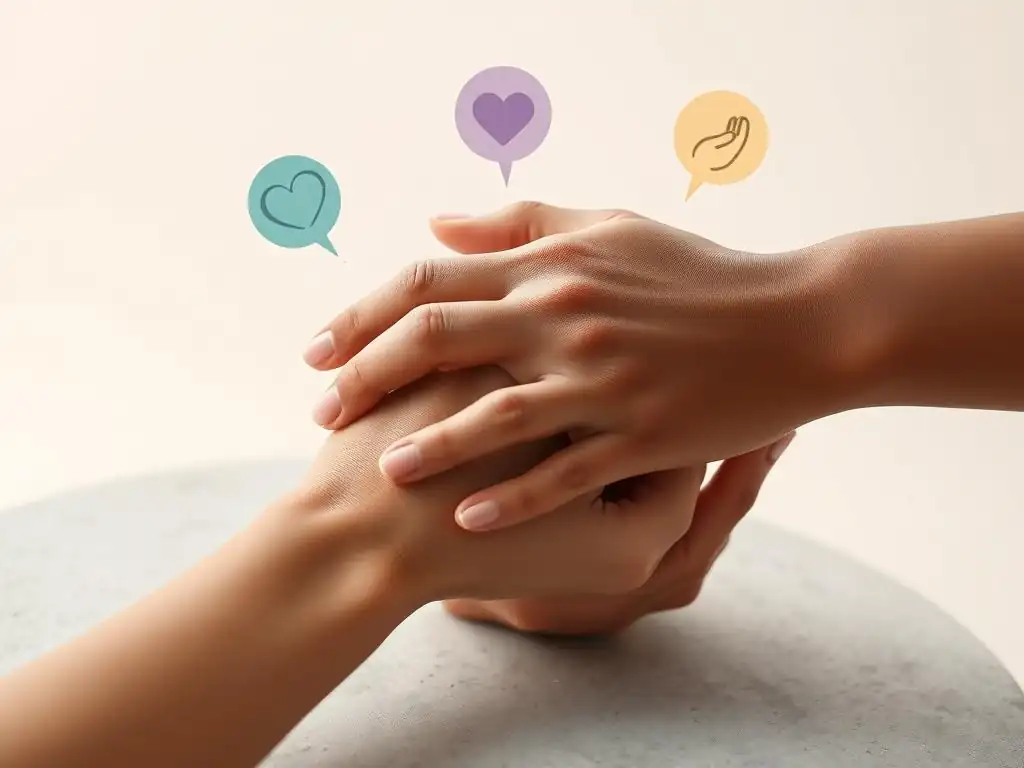
Practicing Active Listening and Empathy
Building a more inclusive and empathetic conversation about mental health begins with active listening and empathy. Active listening involves fully concentrating on, understanding, responding to, and remembering what is being said. When someone is sharing their experience with mental health, this means listening without judgment, interrupting, or immediately offering unsolicited advice. It's about providing space for them to share their truth.
Empathy is the ability to understand and share the feelings of another. It's not about having the same experience, but about connecting with the emotion behind their words. Showing empathy involves validating feelings with phrases like "That sounds incredibly difficult" or "I can hear how painful that is." Combining active listening and empathy creates a safe space for vulnerability and encourages open, honest communication, which is essential for reducing stigma and promoting understanding through respectful mental health language terms.
Challenging Stigma Through Education and Awareness
Challenging mental health stigma requires ongoing education and awareness efforts within communities. This includes sharing accurate information about mental health conditions, highlighting the prevalence of these conditions (affecting approximately one in five adults in the U.S. in any given year), and emphasizing that recovery is possible. Education helps to replace myths and stereotypes with facts and understanding.
Awareness campaigns, personal stories (shared willingly and safely), and open conversations in schools, workplaces, and social settings all contribute to normalizing mental health discussions. By becoming more informed and willing to discuss mental health openly and using respectful mental health language terms, individuals can become powerful advocates against stigma and create environments where people feel comfortable seeking help.
Promoting Mental Health Literacy in Your Community
Promoting mental health literacy involves improving people's knowledge and beliefs about mental disorders which aid their recognition, management, or prevention. This includes understanding how to preserve mental health, knowing about mental disorders and their treatments, decreasing stigma, and knowing how to seek help. Initiatives can range from workshops and training sessions (like Mental Health First Aid) to sharing reliable resources online and in community centers.
Increasing mental health literacy helps individuals not only understand their own mental well-being but also recognize potential signs of distress in others and know how to offer support or guide them to professional help. A community with high mental health literacy is better equipped to use respectful mental health language terms, challenge stigma effectively, and support the recovery journeys of its members, fostering a culture of care and understanding.
Resources for Learning More About Respectful Mental Health Language
- Explore resources on mental health terminology and stigma reduction.
- Look for guides on person-first language in healthcare contexts.
- Seek out materials that discuss the impact of language on perception.
- Find information on advocating for respectful communication.
Conclusion: Fostering a More Compassionate Approach to Mental Health
The Ongoing Journey Towards Respectful Communication
Choosing respectful mental health language terms is not a destination but an ongoing journey. It requires continuous learning, self-reflection, and a commitment to empathy. Language norms evolve, and staying informed about preferred terminology and the impact of words is crucial. It involves being mindful in everyday conversations, challenging stigmatizing language when encountered (safely and appropriately), and being open to correction and growth in our own communication habits.
Every conversation is an opportunity to reinforce respect and understanding. By consciously choosing words that affirm dignity and accurately reflect the complexities of mental health, we contribute to dismantling harmful stereotypes one interaction at a time. This collective effort is vital for creating a society where mental health is viewed with the same compassion and seriousness as physical health.
Empowering Individuals to Advocate for Themselves and Others
Using respectful mental health language terms is also about empowerment. For individuals living with mental health conditions, having the language to describe their experiences accurately and respectfully is affirming. It allows them to advocate for their needs and educate others. For allies, using thoughtful language provides the tools to effectively support loved ones, challenge stigma, and contribute to a more inclusive environment.
Empowering individuals to speak up – whether it's asking someone to avoid a harmful term or sharing their own story when they feel safe – is a powerful force for change. By fostering a culture where respectful communication is the norm, we empower everyone to participate in building a more compassionate world for those affected by mental health challenges.
Frequently Asked Questions
What is considered respectful mental health language?
Respectful language avoids stigmatizing terms and focuses on the person rather than the condition. It emphasizes person-first language, for example, saying "a person with schizophrenia" instead of "a schizophrenic."
Why is using respectful language important when discussing mental health?
Using respectful language helps to reduce stigma and promotes empathy and understanding. It allows individuals to feel safe and heard, encouraging them to seek help.
What are some common disrespectful terms that should be avoided?
Avoid terms like "crazy," "insane," "psycho," or using mental health diagnoses as adjectives (e.g., "that's so OCD"). These terms are harmful and perpetuate stereotypes.
How can I learn more about appropriate mental health language?
Resources like the Mind Care Guide and other mental health organizations provide guidelines and examples of respectful language. Pay attention to the language used by mental health professionals.
What if I accidentally use a disrespectful term?
Acknowledge your mistake, apologize, and commit to using more appropriate language in the future. Be open to learning and correcting your behavior.
Final Reflection: Reclaiming Dignity Through Language
The words we use to describe mental health struggles hold immense power, shaping not only how we perceive those who experience them but also how they perceive themselves. The casual use of stigmatizing language perpetuates a cycle of shame and isolation, hindering recovery and fostering misunderstanding. This is not merely a semantic issue; it's a matter of human dignity.
The shift towards more respectful language is a crucial step in dismantling the stigma surrounding mental illness. It's a journey, not a destination, and requires constant vigilance and education. We must actively challenge the ingrained biases in our vocabulary and strive for empathy in our communication. As the writer and activist, Audre Lorde, powerfully stated: The master's tools will never dismantle the master's house.
This applies directly to our language; using the same terms that have historically marginalized individuals with mental health conditions will not lead to true understanding or acceptance.
You, the reader, now hold the power to make a difference. Consider the language you use when discussing mental health, both in your personal conversations and in your professional life. Challenge yourself to replace outdated and stigmatizing terms with language that centers respect, empathy, and personhood. By consciously choosing our words, we can contribute to a more compassionate and inclusive world, one where seeking help for mental health challenges is seen as a sign of strength, not weakness.
Unleash Your Power of Compassionate Communication
Thanks for taking the time to learn about choosing respectful language when discussing mental health. You've gained valuable insights into building empathy and fostering understanding. Now, let's put that knowledge into action!
- Lead the way: Share this article with someone in your life who could benefit from learning more about respectful language and mental health. Make a difference today!
- Deepen your understanding: Explore Mind Care Guide’s additional resources on communication and mental well-being. Find articles and information to strengthen your understanding of how words impact lives.
- Spark a conversation: Leave a comment below and share a specific example of how you can use more compassionate language in your everyday interactions.
What small change in your communication style will you make today to create a more supportive world for those facing mental health challenges?