
Track Your Zzz's: Best Sleep Tracking Apps Compared

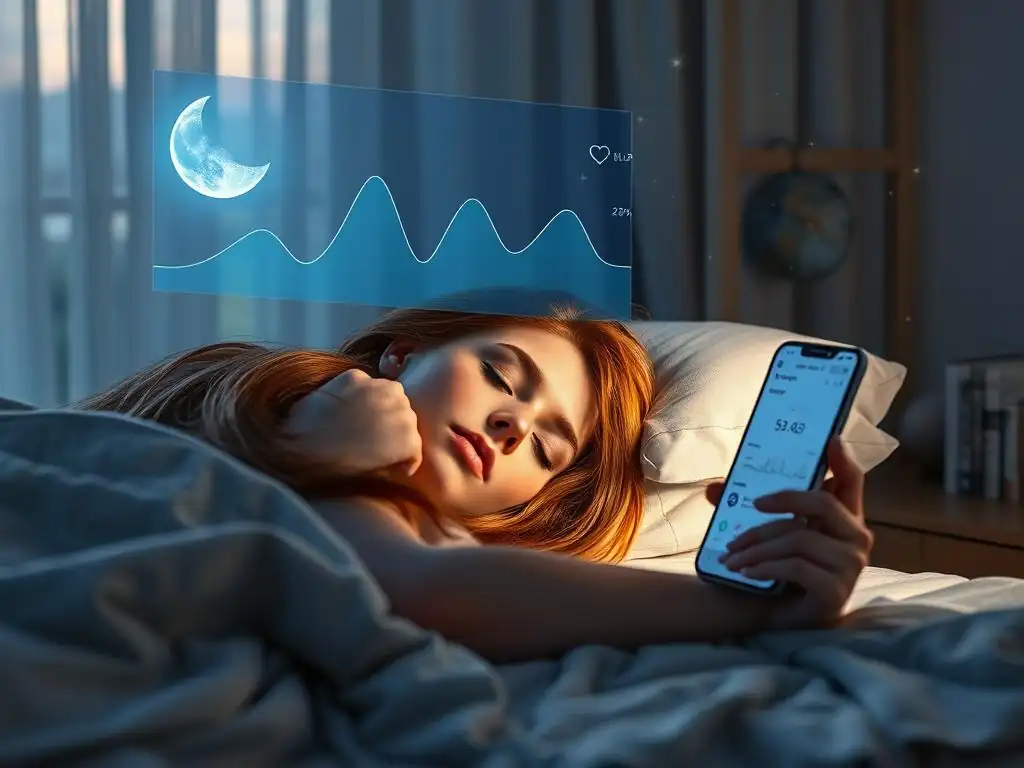
Welcome to Mind Care Guide, your sanctuary for navigating the complexities of mental well-being. Feeling lost in the vast sea of wellness apps? We understand. That's why we've dived deep into the world of digital tools to help you find what truly works. Curious about how technology can improve your sleep and, in turn, your mental health? Dive into our Sleep Tracking Apps Benefits Review to uncover the surprising advantages and find the perfect app to finally unlock your best night's rest. Let's explore together!
Understanding and Improving Sleep Quality: A Guide to Sleep Tracking Apps
Sleep is a fundamental pillar of health, just as crucial as nutrition and exercise. Yet, many people struggle with achieving consistent, quality rest. This is where technology, specifically sleep tracking apps, can offer valuable insights.
These tools leverage smartphone sensors, wearable devices, or dedicated sleep mats to monitor various aspects of your sleep cycle, helping you understand what happens after you close your eyes. By providing data on sleep duration, sleep stages, wake-ups, and even environmental factors like noise, these apps empower you to identify patterns and potential issues that might be impacting your well-being. For many, exploring sleep tracking apps benefits review becomes the first step toward taking control of their nocturnal health.
The market for sleep tracking technology has grown significantly, reflecting a rising awareness of sleep's importance. From simple apps that estimate sleep time based on movement to sophisticated systems that analyze heart rate variability and breathing, the options are vast. The core purpose remains the same: to provide actionable data that can inform behavioral changes and lifestyle adjustments. Whether you're trying to figure out why you feel tired despite spending eight hours in bed or aiming to optimize your performance, understanding your sleep through tracking can be incredibly insightful.
- Benefits of Sleep Tracking: Understanding Your Sleep Patterns
- Top Sleep Tracking Apps: Features, Accuracy, and User Experience
- In-Depth Reviews of Sleep Tracking Apps
- Choosing the Right Sleep Tracking App
- Maximizing Benefits of Sleep Tracking
- Complementary Strategies for Better Sleep
- Conclusion: Taking Control of Your Sleep
-
Frequently Asked Questions
- What are the primary benefits of using sleep tracking apps?
- How accurate are sleep tracking apps compared to professional sleep studies?
- Can sleep tracking apps help diagnose sleep disorders?
- What features should I look for in a sleep tracking app to maximize its usefulness?
- Are there any potential drawbacks or downsides to using sleep tracking apps?
- Final Reflection: The Power of Understanding Your Sleep
- Unlock Your Best Sleep Yet!
Benefits of Sleep Tracking: Understanding Your Sleep Patterns
Tracking your sleep offers a window into a part of your life you typically don't consciously experience. It moves sleep from a vague concept ("I think I slept okay") to a data-driven understanding ("I spent 6 hours and 30 minutes in bed, with 4 hours and 45 minutes of actual sleep, including only 50 minutes of deep sleep"). This objective data is crucial for identifying discrepancies between perceived and actual sleep, highlighting potential areas for improvement. A comprehensive sleep tracking apps benefits review often emphasizes this ability to gain concrete insights into nocturnal habits and patterns.
Furthermore, consistent tracking over time reveals trends. You might discover that your sleep quality consistently dips on nights after consuming caffeine late in the day, or that your deep sleep is significantly better when you exercise regularly. This kind of personalized data is far more compelling and motivating than general sleep advice. It allows you to test hypotheses about how different behaviors or environmental factors affect your specific sleep patterns, enabling targeted adjustments to your routine.
Understanding Sleep Data: Identifying Issues and Opportunities
The data provided by sleep tracking apps typically includes metrics like total sleep time, time spent in different sleep stages (light, deep, REM), wake times, sleep efficiency (percentage of time in bed actually asleep), and sometimes heart rate or breathing patterns. For example, an app might show you consistently get only 10-12% deep sleep per night, when the recommended range for adults is closer to 13-23%. This specific data point indicates a potential issue with restorative sleep and suggests areas to investigate, such as bedtime consistency, room temperature, or stress levels.
Analyzing trends in your sleep data over weeks or months can reveal significant opportunities for improvement. Perhaps your data shows that on nights you finish eating three hours before bed, your sleep onset latency (time it takes to fall asleep) is 15 minutes, compared to 45 minutes when you eat closer to bedtime. Or maybe your REM sleep is consistently low, which could prompt you to examine factors like alcohol consumption or certain medications. These specific data points move beyond general advice and provide a personalized roadmap for optimizing your rest.
Improving Sleep: How Apps Facilitate Better Rest
Armed with sleep data, users can make informed decisions about their sleep habits. Many apps offer personalized tips or insights based on the tracked data. For instance, if an app detects irregular bedtime and wake times, it might suggest setting a consistent sleep schedule. If it notes frequent wake-ups, it might prompt the user to consider factors like bedroom temperature, noise, or late-night fluid intake. This guidance translates raw data into actionable steps, making the process of improving sleep less overwhelming.
Beyond data analysis, many sleep tracking apps incorporate features designed to directly improve sleep. These can include guided meditations or breathing exercises to help users relax before bed, ambient soundscapes to block out noise, or smart alarms that wake you during a light sleep phase, theoretically reducing grogginess. Some apps also offer educational content about sleep hygiene and the science of sleep, further empowering users to understand and address their challenges. A comprehensive sleep tracking apps benefits review often highlights these integrated tools as valuable components of the overall service.
Top Sleep Tracking Apps: Features, Accuracy, and User Experience
The landscape of sleep tracking apps is diverse, ranging from simple mobile applications using phone sensors to sophisticated ecosystems involving wearables or dedicated bedside devices. Each offers a unique combination of features, varying levels of accuracy, and distinct user experiences. When comparing sleep tracking apps benefits review articles, it becomes clear that the "best" app often depends on individual needs, budget, and existing technology. Some users prioritize detailed sleep stage analysis, while others might value integration with fitness tracking or guided relaxation content.
Key factors to consider include the type of tracking technology used (accelerometer, heart rate sensor, microphone, radar), the metrics reported, the clarity and usefulness of the data presentation, and any additional features like smart alarms, personalized coaching, or integration with other health platforms. The accuracy of sleep stage detection, in particular, is a frequent topic in sleep tracking apps benefits review discussions, as this is one of the more challenging aspects of non-EEG-based tracking.
Comparing Sleep Apps: Finding the Right Fit
Choosing the right sleep tracking app involves evaluating several factors based on your specific goals and preferences. Do you primarily want to understand your total sleep duration and consistency, or are you interested in detailed analysis of sleep stages and potential breathing disturbances?
Some apps excel at providing a broad overview of sleep patterns, while others delve into granular data points like heart rate variability during sleep. For example, someone interested in the impact of exercise on sleep might prefer an app integrated with a fitness tracker, while someone struggling with falling asleep might seek an app with robust relaxation features.
Consider the technology required. Some apps work solely with your smartphone placed on the mattress or bedside table, using the microphone and accelerometer. Others require a wearable device like a smartwatch or fitness band, which can track movement and heart rate more directly. Dedicated bedside monitors use radar or sonar technology and require no contact. Each method has its pros and cons regarding convenience, comfort, and the type of data it can capture, influencing the overall sleep tracking apps benefits review for different user groups.
Sleep Tracking App Benefits: A Review
Analyzing a sleep tracking apps benefits review reveals several common advantages cited by users. The primary benefit is the increased awareness of sleep patterns. Many users report being surprised by their actual sleep duration or efficiency compared to their estimates. This awareness is often the catalyst for making positive changes. For instance, realizing you consistently get less than 6 hours of sleep might motivate you to prioritize an earlier bedtime.
Another significant benefit highlighted in many reviews is the ability to identify correlations between daily activities and sleep quality. Users learn how factors like late-night meals, evening screen time, alcohol consumption, or stress impact their sleep metrics. This personalized feedback loop is a powerful tool for behavior modification. Furthermore, some apps offer motivational elements, progress tracking, and educational content, empowering users to feel more in control of their sleep health. While not a diagnostic tool, a positive sleep tracking apps benefits review often emphasizes its role as an educational and motivational aid.
In-Depth Reviews of Sleep Tracking Apps
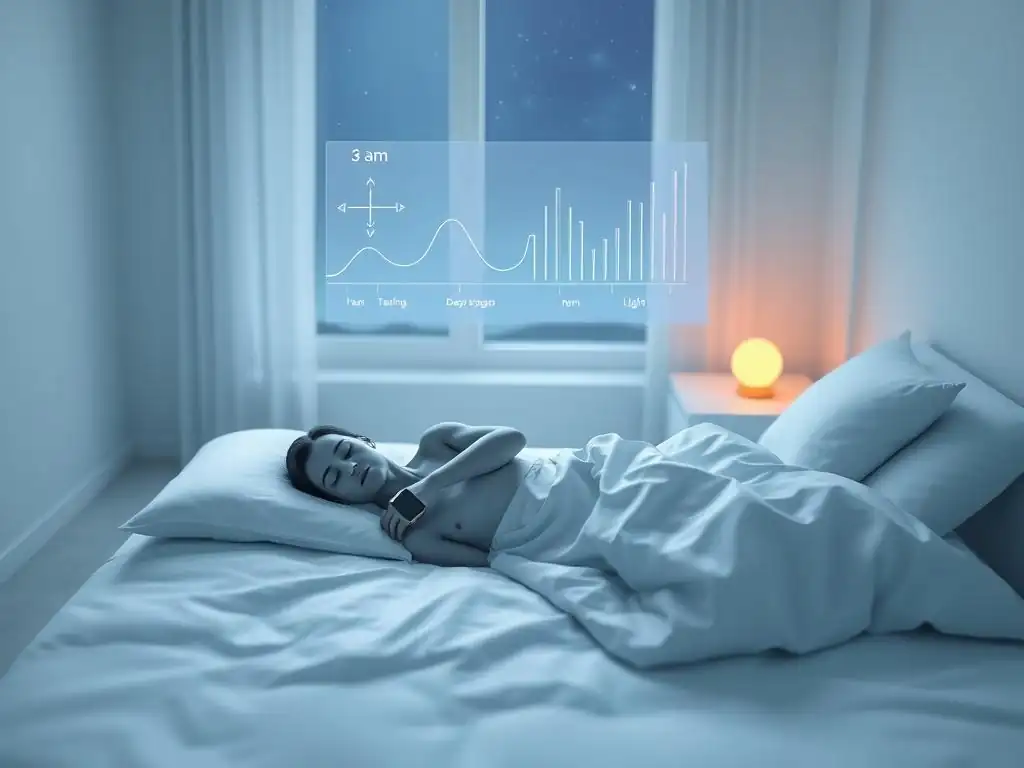
Exploring specific sleep tracking apps provides a clearer picture of their individual strengths and weaknesses. Each app approaches sleep monitoring and improvement with a different focus, catering to various user needs and preferences. A detailed look at popular options like Sleep Cycle, Fitbit, Pillow, SleepScore, and Calm reveals the diversity in features, technology, and the overall user experience they offer. Understanding these differences is key to selecting the most appropriate tool for your personal sleep journey.
These reviews often go beyond simple feature lists, delving into the user interface, the clarity of the data presentation, the reliability of the tracking, and the value provided by premium features. For instance, while many apps track sleep stages, the algorithms used can vary, potentially impacting accuracy. Similarly, the way personalized insights are delivered can significantly affect how actionable the data feels to the user. A thorough sleep tracking apps benefits review requires examining these nuances.
1. Sleep Cycle: Personalized Sleep Analysis
Sleep Cycle is one of the pioneering sleep tracking apps, known for its intelligent wake-up feature. It uses your phone's microphone and accelerometer (or integrates with wearables) to analyze sounds and movement during sleep, estimating your sleep phases. Its core premise is to wake you during your lightest sleep stage within a configurable window, aiming to make you feel more refreshed upon waking. This smart alarm is a frequently praised feature in Sleep Cycle reviews.
Beyond the alarm, Sleep Cycle provides detailed statistics on your sleep quality, duration, and the time spent in different sleep stages. It also tracks factors like snoring, sleep talking, and how external factors like weather, moon phase, or even your activity level correlate with your sleep quality. The app presents this data in intuitive graphs and provides daily, weekly, and monthly summaries, offering a comprehensive view of your sleep patterns over time.
Sleep Cycle Features: Smart Alarm and Sleep Notes
The signature feature of Sleep Cycle is its smart alarm. Instead of waking you at a fixed time, you set a 30-minute window (e.g., 7:00 AM - 7:30 AM). The app monitors your sleep cycle and triggers the alarm when you are in your lightest sleep phase within that window. This aims to avoid waking you abruptly from deep sleep, which can cause grogginess. Many users report feeling more awake and less disoriented when using this feature, contributing positively to their Sleep Cycle experience.
Another valuable feature is the "Sleep Notes" function. This allows you to log various factors that might influence your sleep, such as drinking coffee, eating late, exercising, feeling stressed, or consuming alcohol. By consistently logging these notes, Sleep Cycle can analyze the correlation between these activities and your sleep quality scores, providing personalized insights into what helps or hinders your rest. For example, after a few weeks, the app might show that "Stressful Day" consistently correlates with a lower sleep quality score or longer time to fall asleep, helping you identify specific areas for lifestyle changes.
Sleep Cycle Accuracy: Analyzing Sleep Phases
Sleep Cycle relies on analyzing sound and movement to estimate sleep stages. It uses the phone's microphone to detect snoring, talking, or other noises, and the accelerometer to detect movement. While it provides estimates for light, deep, and REM sleep, it's important to understand that this is an estimation based on these external signals, not a direct measurement of brain activity like polysomnography (PSG), the gold standard in sleep labs. The accuracy of sleep stage detection using non-wearable phone apps can be variable, influenced by factors like how the phone is placed, shared beds, or external noise.
When integrated with a wearable device (like an Apple Watch or Oura Ring), Sleep Cycle can incorporate heart rate data, which generally improves the accuracy of sleep stage estimation compared to using movement and sound alone. Heart rate and heart rate variability change predictably across different sleep stages. While still not equivalent to PSG, combining movement, sound, and heart rate provides a more robust data set for the app's algorithms to work with, leading to more reliable sleep phase analysis and contributing positively to a Sleep Cycle sleep tracking apps benefits review.
Sleep Cycle Pricing: Subscription Options
Sleep Cycle offers a basic free version with limited features, primarily focusing on the smart alarm and basic sleep duration tracking. To access the full suite of features, including detailed sleep analysis, sleep stage tracking, sleep notes analysis, snoring detection, and long-term trend analysis, users need to subscribe to Sleep Cycle Premium.
The premium subscription is available on a monthly or annual basis. As of a general approximation, the annual subscription offers significant savings compared to the monthly option. For example, an annual plan might cost around $30-40 per year, while a monthly plan could be around $10-15 per month. Users considering a long-term commitment to tracking their sleep often find the annual premium plan to be a worthwhile investment for accessing all the analytical tools and features that Sleep Cycle offers.
2. Fitbit: Holistic Sleep and Activity Tracking
Fitbit is widely recognized for its fitness trackers and smartwatches, and sleep tracking is a core component of its holistic health monitoring platform. Fitbit devices, worn on the wrist, use accelerometers and heart rate sensors to track movement and physiological signals throughout the night. This data is then synced to the Fitbit app, which provides detailed insights into sleep patterns alongside activity, heart rate, and other health metrics. A Fitbit sleep tracking apps benefits review often highlights the convenience of integrated tracking.
Fitbit's approach provides a comprehensive view of your daily activity and how it might influence your nightly rest. The app presents sleep data in an easy-to-understand format, including sleep stages, sleep duration, and a daily "Sleep Score" that summarizes the quality of your night's sleep. The integration with overall activity levels allows users to see potential correlations, such as how exercising more or less on a given day affects their sleep quality.
Fitbit's Sleep Tracking: Stages, Score, and Oxygen Variation
Fitbit devices with heart rate monitoring track time spent awake, in light sleep, deep sleep, and REM sleep. The algorithms use a combination of movement and heart rate patterns to estimate these stages. The Fitbit app presents this data in clear graphs, showing your sleep cycle throughout the night. For example, a typical graph might show periods of light sleep interspersed with shorter, deeper sleep phases earlier in the night and longer REM periods towards the morning.
Fitbit also provides a daily Sleep Score, a single number (out of 100) summarizing your sleep quality based on time asleep, sleep stages, and restlessness. A score above 80 is generally considered good. Additionally, some advanced Fitbit models track Estimated Oxygen Variation (SpO2), which can indicate potential breathing disturbances during sleep. While not a medical diagnostic tool, significant variations or drops in oxygen levels can be a signal to discuss sleep health with a healthcare professional. Many users find the Sleep Score and oxygen variation data particularly insightful in their Fitbit sleep tracking apps benefits review.
Fitbit Premium Features: Guided Programs
While basic sleep tracking is available with all compatible Fitbit devices and the free app, Fitbit Premium unlocks more advanced features and personalized guidance. Fitbit Premium offers deeper analysis of your sleep data, comparing your metrics (like sleep stages or duration) to benchmarks for your age and gender. It also provides personalized insights based on your trends, such as suggesting that inconsistent bedtimes are impacting your deep sleep.
A key benefit of Fitbit Premium is access to guided programs and challenges, including those focused on improving sleep. These programs might offer daily tips, mindfulness exercises, or guided meditations specifically designed to help you relax and prepare for sleep. For example, a "Get More Rest" program might guide you through establishing a consistent bedtime routine or reducing screen time before bed. These structured programs add a coaching element to the tracking, enhancing the value proposition often noted in a Fitbit sleep tracking apps benefits review.
Fitbit Devices: [Specific Fitbit Model] Review
(Approximation: Let's use Fitbit Charge 5 as an example model to discuss)
The Fitbit Charge 5, a popular fitness tracker, exemplifies Fitbit's sleep tracking capabilities. Worn comfortably on the wrist, it automatically detects when you fall asleep and wake up. It utilizes its accelerometer and heart rate sensor to track movement and heart rate throughout the night, feeding this data into the Fitbit sleep algorithm. Users receive detailed sleep stage breakdowns (Awake, Light, Deep, REM) in the Fitbit app the next morning.
The Charge 5 also tracks Sleep Score and Estimated Oxygen Variation, providing a more comprehensive picture of sleep health. The device's battery life, typically around 7 days, means it can be worn continuously, including overnight, without frequent recharging, ensuring consistent sleep data collection. Its relatively slim profile makes it comfortable for most people to wear while sleeping. In a Fitbit Charge 5 sleep tracking apps benefits review, users often praise the seamless integration of sleep data with their daily activity metrics and the convenience of wearing a single device for both fitness and sleep monitoring.
3. Pillow: Advanced Sleep Analysis with Audio Recording
Pillow is a popular iOS-only sleep tracking app that offers detailed sleep analysis using either the iPhone placed on the mattress or an Apple Watch. It combines motion and sound detection (via the microphone) with heart rate data (from Apple Watch) to provide insights into sleep stages. Pillow is particularly known for its comprehensive metrics and the ability to record significant audio events during the night.
The app provides detailed graphs showing sleep cycles, time spent in each stage, and metrics like sleep efficiency and sleep quality score. A unique feature is its audio recording capability, which can capture snoring, sleep talking, or environmental noises that might be disturbing your sleep. This feature, often highlighted in a Pillow sleep tracking apps benefits review, provides tangible evidence of potential sleep disruptions.
Pillow Features: Sleep Debt Calculation and Apple Watch Integration
Pillow offers a range of features designed for in-depth sleep analysis. It tracks the standard metrics like sleep duration and time in sleep stages (Awake, REM, Light, Deep). A notable feature is its calculation of "Sleep Debt," which estimates how much sleep you might owe your body based on your recent sleep patterns compared to your target sleep goal. This metric can be a powerful motivator for prioritizing rest.
Pillow seamlessly integrates with Apple Watch, leveraging the watch's accelerometer and heart rate sensor for more accurate tracking. Wearing the Apple Watch overnight allows Pillow to incorporate heart rate variability (HRV) data into its analysis, providing a more nuanced understanding of your physiological state during sleep. The app also syncs with Apple Health, allowing your sleep data to contribute to your overall health profile on your iPhone. This strong Apple ecosystem integration is a frequent positive point in a Pillow sleep tracking apps benefits review.
Pillow Accuracy: Heart Rate and Movement Tracking
Pillow's accuracy in estimating sleep stages is enhanced when used with an Apple Watch compared to using the iPhone alone. The Apple Watch provides continuous heart rate data and more precise movement tracking directly from the wrist, which are key inputs for sleep stage algorithms. While still an estimation and not equivalent to a clinical PSG, combining movement and heart rate generally leads to more reliable sleep stage breakdowns than movement and sound alone.
When using only the iPhone, Pillow relies on detecting movement of the mattress and sound from the microphone. Factors like sharing a bed, a partner's movement, or external noises can potentially affect the accuracy of the data. However, the app's algorithm is designed to differentiate typical sleep movements from other disturbances. The audio recording feature, while not directly measuring sleep stages, provides valuable context by capturing sounds that might correlate with restless periods shown in the movement data.
Pillow Premium: Personalized Tips and Trend Analysis
Pillow offers a basic free version that provides core sleep tracking and the smart alarm. The premium version, unlocked via an in-app purchase or subscription, provides access to advanced features and deeper insights. Pillow Premium includes detailed historical data, trend analysis over longer periods (weeks, months, years), and personalized recommendations based on your sleep patterns.
Premium users also gain access to mood tracking (logging how you feel upon waking and seeing its correlation with sleep quality), nap tracking, and unlimited audio recordings. The personalized tips often highlight specific issues identified in your data, such as suggesting you might benefit from a more consistent bedtime if your sleep onset time varies significantly. This level of detailed analysis and personalized feedback is a key benefit cited in a Pillow sleep tracking apps benefits review for premium users.
4. SleepScore: Science-Backed Sleep Improvement
SleepScore Labs positions itself as a science-backed platform for sleep improvement. Its flagship product, the SleepScore app, uses a unique non-contact sonar technology (via the smartphone's speaker and microphone) to track your sleep without requiring you to wear a device or place the phone on the bed. You simply place your phone on your bedside table, angled towards your body. This non-wearable approach is a significant differentiator often mentioned in a SleepScore sleep tracking apps benefits review.
SleepScore claims its technology is validated against PSG in clinical studies. The app tracks time asleep, time in different sleep stages (light, deep, REM), wake-ups, and provides a daily SleepScore (out of 100). It also offers personalized insights and recommendations based on your data, drawing from a large database of sleep research.
SleepScore Technology: Non-Wearable Sleep Tracking
SleepScore's core technology uses the smartphone's speaker to emit inaudible sound waves and the microphone to detect how these waves are reflected back as you breathe and move during sleep. By analyzing these subtle changes in the sound waves, the app can determine your presence in bed, breathing rate, and movement, which it then uses to estimate sleep stages and track sleep duration and interruptions. This non-contact method appeals to users who find wearables uncomfortable to sleep in.
The app requires your phone to be placed on a stable surface, like a bedside table, and positioned correctly to monitor your body. While it avoids the need for a wristband or device in the bed, proper placement is crucial for accurate tracking. This technology allows for continuous monitoring without physical contact, providing an alternative to traditional methods and contributing to the distinct perspective in a SleepScore sleep tracking apps benefits review.
SleepScore Premium: Personalized Plans and Expert Advice
The free version of the SleepScore app provides daily sleep scores, basic sleep stage tracking, and general sleep advice. SleepScore Premium unlocks more advanced features aimed at providing personalized guidance and deeper analysis. Premium users receive detailed historical data, trend analysis over weeks and months, and comparisons of their sleep metrics against optimal ranges based on their age and demographic.
A key benefit of SleepScore Premium is access to personalized sleep improvement plans. These plans are tailored based on your specific sleep challenges identified by the app's data and include actionable recommendations and strategies. Premium users also get access to a library of expert sleep advice and articles. The goal is to move beyond simply tracking sleep to actively guiding users toward making meaningful improvements, a point often highlighted in a SleepScore sleep tracking apps benefits review focusing on its premium offerings.
SleepScore vs. Competitors: Advantages and Disadvantages
Compared to apps that rely solely on phone movement or wearables, SleepScore's non-contact sonar technology offers a different user experience. An advantage is the comfort – there's nothing to wear or place under your mattress. It's also potentially less susceptible to inaccuracies caused by a partner's movement in a shared bed compared to phone-on-mattress apps. SleepScore Labs also emphasizes its validation against PSG, suggesting a focus on scientific rigor.
However, disadvantages exist. The non-contact method requires precise phone placement and can be sensitive to environmental factors like noise or vibrations. Some users might find the idea of the phone emitting sound waves (even inaudible ones) throughout the night less appealing. The accuracy of sleep stage tracking using this technology, while claimed to be validated, is still different from the direct brainwave measurement of PSG. A SleepScore sleep tracking apps benefits review often weighs the convenience of non-wearable tracking against potential setup requirements and the nature of the technology used for measurement.
5. Calm: Combining Meditation and Sleep Stories
Calm is primarily known as a meditation and mindfulness app, but it has become a significant player in the sleep aid market through its extensive library of "Sleep Stories" and guided meditations specifically designed for relaxation before bed. Unlike the previously mentioned apps, Calm doesn't track your sleep stages or provide detailed metrics based on movement or heart rate. Its focus is entirely on helping you fall asleep and improve the process of winding down.
Calm's approach is based on the understanding that stress, anxiety, and a racing mind are major contributors to insomnia and poor sleep quality. By offering content that promotes relaxation, reduces mental clutter, and creates a calming bedtime routine, Calm aims to address the root causes of sleeplessness for many users. A Calm sleep tracking apps benefits review would focus less on data analysis and more on the effectiveness of its content in facilitating sleep onset and relaxation.
Calm's Sleep Stories: Relaxing Narratives
Sleep Stories are a cornerstone of Calm's sleep offering. These are soothing bedtime stories for adults, read by narrators with calming voices, often including well-known personalities. The narratives are designed to be gentle, engaging enough to distract a busy mind, but not so stimulating that they keep you awake. Topics range from descriptions of serene landscapes to fictional tales and even factual accounts of interesting places. The goal is to provide a focus point that allows the listener to drift off naturally.
Users often report that listening to a Sleep Story helps quiet their internal monologue and creates a sense of peacefulness conducive to sleep. The variety of stories means there's likely something to appeal to different preferences, and new stories are added regularly, keeping the content fresh. The effectiveness of Sleep Stories is frequently highlighted as a key benefit in a Calm sleep tracking apps benefits review from users who struggle with racing thoughts at bedtime.
Calm's Meditation: Reducing Anxiety
Calm offers a vast library of guided meditations, including specific programs focused on sleep, anxiety, and stress reduction – all common culprits behind poor sleep. These meditations teach mindfulness techniques that can help users become more aware of their thoughts and feelings without getting caught up in them. Practicing meditation can lower cortisol levels, reduce heart rate, and promote a state of relaxation necessary for falling asleep.
Using Calm's meditation features before bed, or even during the day to manage overall stress, can have a positive impact on sleep quality. The app offers various meditation lengths, from short 5-minute sessions to longer guided practices, making it accessible for different schedules. The ability to use meditation to calm the mind is a significant benefit cited in a Calm sleep tracking apps benefits review, particularly for individuals whose sleep issues stem from anxiety or stress.
Calm's Impact: User Testimonials
While Calm doesn't provide quantitative sleep tracking data in the same way as other apps, its impact is often measured through user testimonials and subjective reports. Many users share stories of how Calm has helped them fall asleep faster, stay asleep longer, and feel more rested upon waking. For instance, one user might report that they used to lie awake for an hour or more, but now consistently fall asleep within 20 minutes after listening to a Sleep Story.
Another testimonial might describe how daily meditation practice using Calm has reduced their overall anxiety levels, which in turn has led to fewer nights spent tossing and turning. While these are qualitative reports, the sheer volume of positive feedback regarding the effectiveness of Calm's content in promoting sleep makes it a compelling option for those seeking a non-data-driven approach to improving their rest. A Calm sleep tracking apps benefits review from a user perspective often emphasizes the feeling of relaxation and ease it provides.
Choosing the Right Sleep Tracking App
Selecting the ideal sleep tracking app requires careful consideration of your personal goals, habits, and technological preferences. There is no single "best" app for everyone; the most effective tool will be the one you use consistently and that provides the most relevant and actionable information for your sleep challenges. Thinking critically about what you hope to gain from tracking is the crucial first step in this process.
Do you want deep scientific analysis, or simply help falling asleep? Are you comfortable wearing a device overnight, or do you prefer a non-contact solution? Is detailed sleep stage data paramount, or are you more interested in identifying lifestyle correlations? Answering these questions will narrow down your options and help you focus on apps that align with your specific needs and expectations, ultimately leading to a more positive sleep tracking apps benefits review experience.
Assessing Your Needs: Defining Goals
Before downloading an app, ask yourself: What do I want to learn or improve about my sleep? Do you suspect you're not getting enough total sleep? Are you concerned about the quality of your sleep, perhaps feeling tired even after a full night? Are you trying to identify if certain habits (like late-night snacks or evening workouts) are affecting your rest? Your specific goals will heavily influence which app features are most important.
If your primary goal is to understand your sleep cycle and identify potential issues like low deep sleep, an app with robust sleep stage analysis (like Sleep Cycle with a wearable, Fitbit, or SleepScore) would be more suitable. If you struggle with a racing mind at bedtime and just need help relaxing and falling asleep, an app like Calm that focuses on guided content might be the better fit. Defining clear goals helps you prioritize features during your sleep tracking apps benefits review process.
Accuracy and Reliability: Importance of Precise Data
The utility of sleep tracking data hinges on its accuracy and reliability. While no consumer-grade sleep tracker can perfectly replicate the accuracy of a clinical polysomnography (PSG) study, the quality of the data they provide varies. Apps relying solely on phone movement on the mattress are generally considered the least accurate for sleep stage detection, though they can still provide reasonable estimates of total sleep time and restlessness.
Wearable devices that incorporate heart rate and heart rate variability tend to offer more accurate sleep stage estimations. Dedicated non-contact monitors or systems validated against PSG (like SleepScore claims) may offer different advantages. When reading a sleep tracking apps benefits review, pay attention to comments regarding the perceived accuracy and consistency of the data, as unreliable data can be misleading and counterproductive to improving sleep.
Integration: Connecting Your Data
Consider how the sleep tracking app integrates with other health and wellness platforms you use. If you already use a fitness tracker or a health app like Apple Health or Google Fit, choosing a sleep app that syncs with these platforms can provide a more unified view of your overall health data. Seeing correlations between your activity levels, heart rate, and sleep patterns within a single ecosystem can offer deeper insights.
For example, a Fitbit user might find it most convenient to use Fitbit's built-in sleep tracking because it integrates seamlessly with their daily activity data. An iPhone user heavily invested in the Apple ecosystem might prefer Pillow due to its strong integration with Apple Watch and Apple Health. This interoperability is a practical consideration that enhances the value and convenience often mentioned in a sleep tracking apps benefits review.
Budget: Free vs. Paid Apps
Sleep tracking apps come in various pricing models: completely free, freemium (basic free version with paid premium features), and subscription-based. Free apps might offer basic tracking (like total time asleep or smart alarm) but often lack detailed analysis, historical data, or personalized insights.
Freemium and subscription models unlock the more advanced features that provide deeper understanding and personalized guidance. While the initial cost of a premium subscription might seem high (potentially $30-60+ per year), the value derived from personalized insights, detailed trend analysis, and guided programs can be substantial for those serious about improving their sleep. Weigh the cost against the features offered and consider if the potential benefits justify the expense in your personal sleep tracking apps benefits review.
Maximizing Benefits of Sleep Tracking
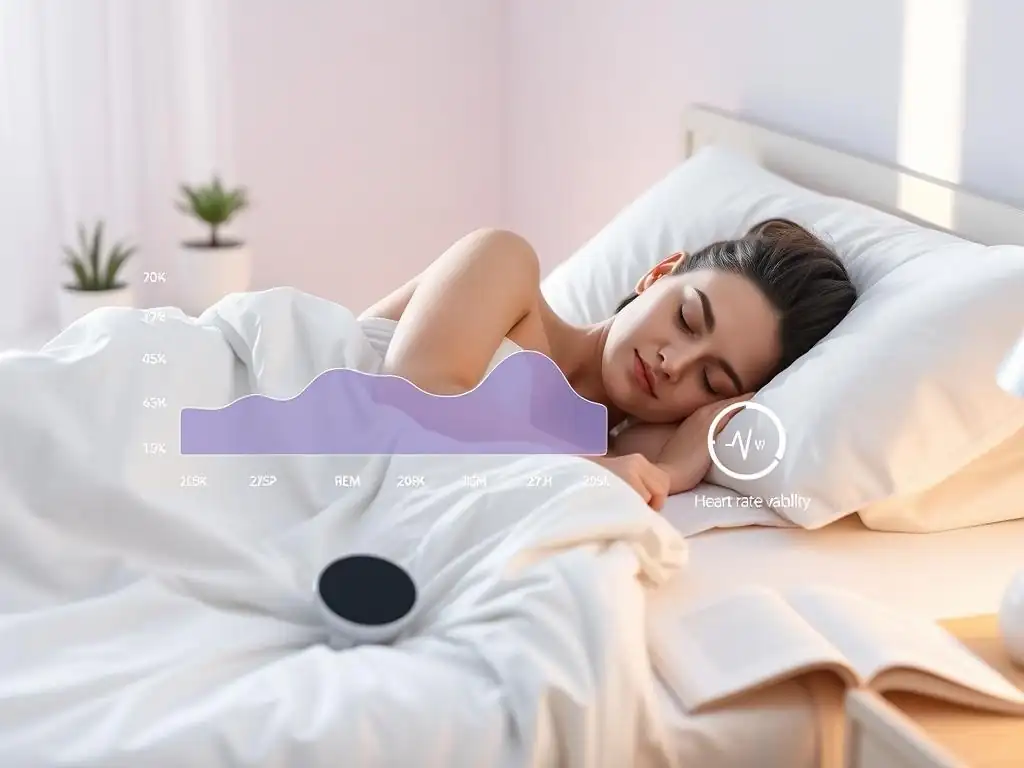
Simply tracking your sleep without analyzing the data or making changes is unlikely to lead to significant improvement. The true benefit of using sleep tracking apps comes from actively engaging with the information they provide and using it to inform your behavior. It's about turning raw data points into actionable strategies for better rest. This proactive approach is essential for realizing the full potential often discussed in a sleep tracking apps benefits review.
Maximizing benefits involves consistent tracking, careful analysis of the patterns revealed, and a willingness to experiment with lifestyle adjustments. It's a process of learning about your unique sleep needs and identifying what factors in your life positively or negatively impact your rest. The app serves as a tool to guide this exploration.
Identifying Patterns and Trends
The most powerful aspect of sleep tracking is its ability to reveal patterns and trends over time. Don't just look at your sleep score for a single night. Instead, review your data over a week, a month, or even longer. Do you notice that your sleep efficiency drops significantly on weekends compared to weekdays? Does your deep sleep decrease after nights you worked late? Are your wake times inconsistent?
Look for correlations between the sleep notes you log (if your app supports them) and your sleep metrics. For example, you might consistently see that logging "drank alcohol" correlates with reduced REM sleep and more wake-ups. Or logging "exercised vigorously" might correlate with longer deep sleep. Identifying these specific patterns is key to understanding what works and what doesn't for your unique sleep physiology.
Implementing Lifestyle Changes
Once you identify problematic patterns through tracking, the next step is to implement targeted lifestyle changes. Based on your data, this could involve setting a consistent bedtime and wake time (even on weekends), reducing caffeine or alcohol intake, creating a relaxing pre-sleep routine, optimizing your bedroom environment (temperature, light, noise), or incorporating stress-reducing activities into your day.
Small, consistent changes are often more sustainable than drastic overhauls. For instance, if your data shows late-night screen time delays your sleep onset, commit to putting devices away 30-60 minutes before bed for a week and see if your sleep onset time improves according to the app's data. Use the app's tracking to monitor the impact of these changes and refine your strategy over time.
Consulting a Specialist: When to Seek Professional Help
While sleep tracking apps can provide valuable insights and help you identify potential issues, they are not diagnostic tools. If you consistently experience significant sleep disturbances, such as chronic insomnia (difficulty falling or staying asleep for three or more nights a week for three months or longer), excessive daytime sleepiness, loud snoring, or suspected sleep apnea (indicated by high oxygen variation scores in some apps), it is crucial to consult a healthcare professional or a sleep specialist.
The data from your sleep tracking app can be a useful starting point for discussions with your doctor, providing objective information about your sleep patterns that you might not otherwise have. However, a specialist can perform clinical assessments, order medical tests (like a PSG), and provide a proper diagnosis and evidence-based treatment plan for underlying sleep disorders. Sleep tracking is a tool for self-awareness and improvement, not a substitute for professional medical advice.
Complementary Strategies for Better Sleep
Improving sleep often requires a multi-faceted approach that goes beyond simply tracking. While sleep tracking apps provide valuable data and insights, incorporating established sleep hygiene practices and healthy lifestyle habits can significantly enhance your efforts to achieve quality rest. These strategies work in conjunction with the information gained from tracking to create a supportive environment and routine for optimal sleep.
Think of these complementary strategies as the foundation upon which your sleep tracking efforts can build. They address fundamental aspects of sleep health, making it easier for your body and mind to transition into and maintain sleep throughout the night. Combining data-driven insights with proven techniques is the most effective path towards better sleep.
Creating a Bedtime Routine
Establishing a consistent bedtime routine signals to your body that it's time to wind down and prepare for sleep. This routine should be relaxing and calming, performed in the hour or so leading up to your target bedtime. Examples include taking a warm bath, reading a physical book (avoiding screens), listening to quiet music or a podcast, gentle stretching, or practicing mindfulness or meditation (perhaps using an app like Calm).
Consistency is key. Performing the same sequence of relaxing activities each night helps condition your brain to associate these actions with sleep. Avoid stimulating activities like intense exercise, work, or engaging in stressful conversations close to bedtime. A regular, calming routine helps lower your heart rate and clear your mind, making it easier to fall asleep once you get into bed.
Optimizing Your Sleep Environment
Your bedroom environment plays a critical role in sleep quality. Aim to make your bedroom a sanctuary for sleep: dark, quiet, and cool. Use blackout curtains or an eye mask to block out light. Consider earplugs or a white noise machine if your environment is noisy. The ideal sleep temperature is generally cooler, often cited as being between 60 and 67 degrees Fahrenheit (around 15-19 degrees Celsius).
Ensure your mattress and pillows are comfortable and supportive. Reserve your bedroom primarily for sleep and intimacy; avoid using it as an office, dining room, or entertainment hub. Minimizing exposure to bright lights (especially blue light from screens) in the hour before bed is also crucial, as light affects your body's production of melatonin, the sleep hormone.
Diet and Exercise: Impact on Sleep
What you eat and drink, and how physically active you are, significantly impact your sleep. Avoid heavy meals, excessive fluids, caffeine, and alcohol close to bedtime. Caffeine is a stimulant that can keep you awake, while alcohol, although it might initially make you feel sleepy, disrupts sleep later in the night, particularly REM sleep.
Regular physical activity can improve sleep quality, helping you fall asleep faster and experience deeper sleep. However, avoid vigorous exercise within a few hours of bedtime, as it can be stimulating for some people. Timing your workouts earlier in the day or choosing less intense activities like gentle yoga or stretching in the evening is generally recommended. Maintaining a balanced diet and staying hydrated throughout the day also contributes to overall well-being, which supports healthy sleep.
Conclusion: Taking Control of Your Sleep
Embarking on the journey to understand and improve your sleep can feel daunting, but tools like sleep tracking apps make it more accessible and data-driven. By providing insights into your personal sleep patterns, these apps empower you to move beyond guesswork and make informed decisions about your lifestyle and habits. While not a magic bullet or a medical device, a positive sleep tracking apps benefits review often highlights their value as educational and motivational aids in the pursuit of better rest.
Whether you choose an app focused on detailed metrics, one integrated with a wearable, a non-contact option, or one that aids relaxation, the key is consistent use and proactive engagement with the data. Use the information to identify patterns, experiment with changes, and discover what truly helps you achieve restorative sleep. Remember that sleep tracking is a tool to support broader sleep hygiene practices and healthy habits.
The Future of Sleep Tracking: Innovations
The field of sleep tracking is constantly evolving with technological advancements. We can anticipate even more sophisticated algorithms that provide potentially more accurate sleep stage detection and deeper physiological insights (like advanced heart rate variability analysis or micro-movement analysis). Integration with smart home devices could lead to environments that automatically adjust temperature, lighting, or sound based on your sleep phase.
Further innovations may include enhanced personalized coaching driven by artificial intelligence, offering more tailored recommendations and support based on long-term trends and correlations. While current apps are powerful, the future promises even more nuanced tracking and integrated solutions that blend seamlessly into our lives, offering richer data and more effective guidance for optimizing sleep health.
Achieving Consistent Sleep Monitoring
Consistent sleep monitoring is crucial for identifying meaningful trends and assessing the impact of changes you make. Sporadic tracking provides only snapshots; regular tracking builds a comprehensive picture over time. Aim to use your chosen sleep tracking app most nights, even on weekends, to capture the full spectrum of your sleep patterns.
Review your data regularly – perhaps weekly or monthly – to spot trends you might miss on a daily basis. Use the insights gained to refine your sleep improvement strategies. By consistently monitoring and actively using the data from your sleep tracking apps benefits review, you take a significant step towards understanding and ultimately achieving the consistent, quality sleep that is vital for your physical and mental well-being.
Frequently Asked Questions
What are the primary benefits of using sleep tracking apps?
Sleep tracking apps provide valuable data about your sleep patterns, helping you identify areas for improvement and potentially enhance your overall sleep quality. They can also motivate you to maintain a consistent sleep schedule.
How accurate are sleep tracking apps compared to professional sleep studies?
While sleep tracking apps are convenient, they are generally less accurate than polysomnography (PSG) conducted in a sleep lab. Apps typically estimate sleep stages based on movement and sound, whereas PSG uses brainwave activity.
Can sleep tracking apps help diagnose sleep disorders?
No, sleep tracking apps cannot diagnose sleep disorders. They can, however, provide data that you can share with a healthcare professional to aid in diagnosis and treatment. Always consult a doctor for concerns about your sleep.
What features should I look for in a sleep tracking app to maximize its usefulness?
Consider apps that offer features like sleep stage analysis, snoring detection, smart alarm functionality, and the ability to integrate with other health and fitness apps. User-friendliness is also a critical factor.
Are there any potential drawbacks or downsides to using sleep tracking apps?
Over-reliance on sleep data from apps can lead to anxiety and obsession about sleep, sometimes referred to as orthosomnia. It's important to use these apps as a tool for awareness and improvement, not as a source of stress.
Final Reflection: The Power of Understanding Your Sleep
The pursuit of better sleep is no longer a luxury; it's a necessity in our fast-paced, always-on world. The data presented in this review of sleep tracking apps highlights a crucial truth: understanding your sleep patterns is the first step towards improving them. We've explored the features and benefits of various apps, but the ultimate goal remains consistent: to empower you to take control of your rest and reap the rewards of a well-rested life.
The impact of sleep on our overall well-being is undeniable. From cognitive function and emotional regulation to physical health and productivity, the quality of our sleep profoundly shapes our daily experiences. Sleep is the best meditation.
This simple statement encapsulates the profound restorative power of sleep, a power often underestimated in our busy lives. The apps reviewed here offer a tangible way to connect with this power, providing insights that can lead to positive changes in sleep hygiene and overall health.
Now, consider your own sleep patterns. What insights have you gleaned from this article? Perhaps you've identified an app that resonates with your needs, or maybe you've realized the importance of prioritizing sleep in your daily routine. I encourage you to take the next step: download an app, track your sleep for a week, and observe the changes. Embrace the opportunity to understand your sleep, and unlock the potential for a healthier, happier, and more productive you.
Unlock Your Best Sleep Yet!
Thanks for diving into the world of better sleep with us! We hope you found the perfect app comparison helpful and are ready to prioritize your rest. Now it’s time to put that knowledge to work!
- Download your top-choice sleep app today! Start tracking your sleep cycles and patterns for a week and see what you discover.
- Share your experience: Let us know in the comments which app you chose and why! We love hearing your feedback.
- Consider experimenting with a sleep-enhancing nighttime routine – even something small, like reading for 15 minutes before bed, can make a huge difference.
Ready to wake up feeling refreshed and energized? What small change will you implement this week to improve your sleep?