
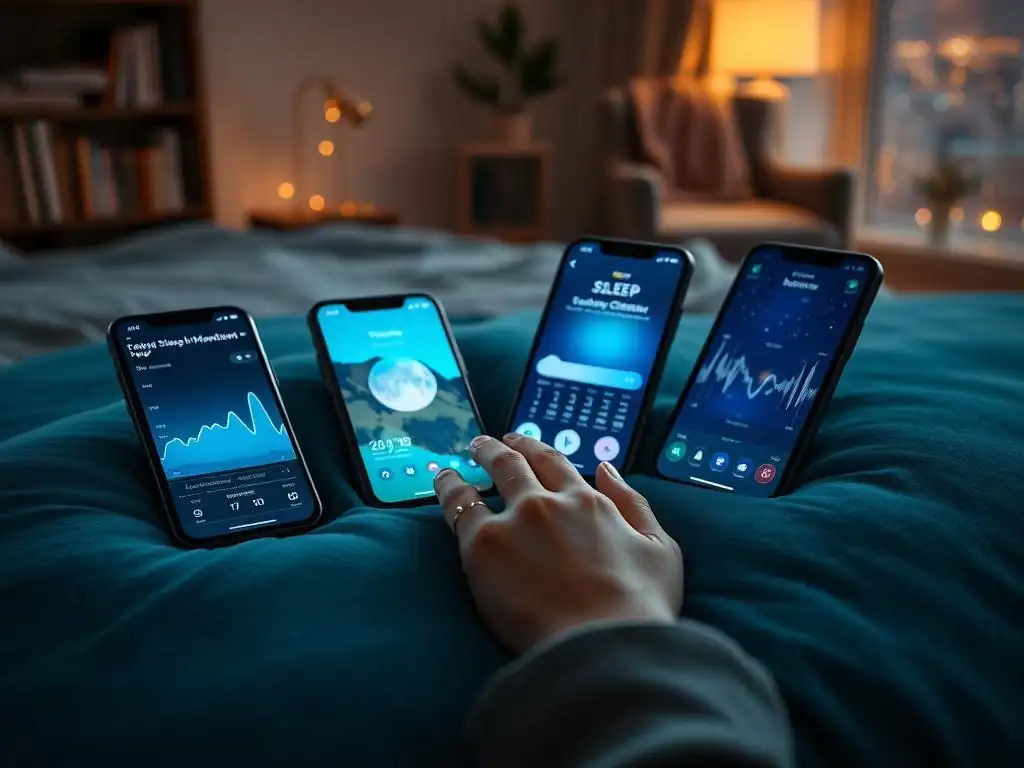
FeaturebyFeature Comparison: Top Sleep Improvement Apps

Welcome to Mind Care Guide, your trusted companion on the path to mental well-being.
Feeling overwhelmed by anxiety and struggling to find restful sleep? You're not alone. We understand the profound impact sleepless nights can have on your mental health. That's why we've meticulously researched and compiled a feature-by-feature comparison of the top sleep improvement apps for anxiety. Dive in to discover which app can help you reclaim your nights and find the peace you deserve. But which one is right for you? Let's explore.
FeaturebyFeature Comparison: Top Sleep Improvement Apps for Anxiety
- Introduction: Finding the Best Sleep Aid Apps for Anxiety Relief
- Why Use Sleep Improvement Apps for Anxiety? Understanding the Benefits
- Feature Comparison: Top Apps for Anxiety-Related Sleep Problems
- User Reviews and Testimonials: Real Experiences with Sleep Apps for Anxiety
- Choosing the Right App for Your Specific Anxiety & Sleep Needs
- Beyond Apps: Addressing Anxiety and Sleep Holistically
- Conclusion: Taking Control of Your Sleep and Anxiety with the Right App
-
Frequently Asked Questions
- How can sleep improvement apps help with anxiety?
- What features should I look for in a sleep improvement app for anxiety?
- Are sleep improvement apps a substitute for professional mental health care?
- Do sleep improvement apps have any potential drawbacks?
- How effective are sleep improvement apps for reducing anxiety?
- Final Reflection: Finding Your Path to Peaceful Sleep Through Technology
- Unlock Your Best Sleep Yet!
Introduction: Finding the Best Sleep Aid Apps for Anxiety Relief
The intricate relationship between sleep and anxiety is well-documented. For many individuals, anxiety can manifest as racing thoughts, worry, and physical tension, making it incredibly difficult to fall asleep or stay asleep. Conversely, poor sleep can exacerbate feelings of anxiety, creating a challenging cycle that impacts overall mental well-being. Breaking this cycle is often a critical step towards managing anxiety effectively.
In recent years, technology has offered new avenues for support, with sleep improvement apps emerging as popular tools. These applications promise a range of features designed to calm the mind, promote relaxation, and improve sleep quality.
With numerous options available, each offering a unique approach, finding the best sleep aid apps tailored specifically for anxiety relief can feel overwhelming. This article provides a detailed, feature-by-feature comparison of some of the top sleep improvement apps, focusing on how they address the unique challenges faced by anxious minds, helping you make an informed decision on which might best support your journey to better sleep.
Why Use Sleep Improvement Apps for Anxiety? Understanding the Benefits
Sleep improvement apps offer a convenient and accessible way to incorporate relaxation and mindfulness techniques into your nightly routine, which can be particularly beneficial for managing anxiety-induced insomnia. Many of these apps provide guided meditations specifically designed to quiet an overactive mind, breathing exercises to calm the nervous system, and soothing soundscapes that can help distract from anxious thoughts and create a peaceful environment conducive to sleep.
Beyond relaxation, some sleep improvement apps for anxiety offer features like sleep tracking, which can provide valuable insights into your sleep patterns. While app-based tracking isn't a substitute for clinical sleep studies, it can help users identify potential issues and see how their sleep changes in response to using the app's calming features.
Personalized recommendations based on usage patterns or reported mood can further tailor the experience, making these digital tools a flexible part of a broader strategy for improving sleep and reducing anxiety symptoms. It is crucial to remember, however, that while these apps are powerful tools, they are not a replacement for professional medical or psychological treatment, especially for severe anxiety or chronic sleep disorders.

Calm vs. Headspace: A Detailed Sleep & Anxiety Comparison
Calm and Headspace are two of the most widely recognized names in the mindfulness and meditation space, both offering extensive content aimed at improving sleep and managing anxiety. While they share core similarities in providing guided sessions, their approach, content style, and specific features for sleep and anxiety relief have distinct differences that might appeal to different users seeking sleep improvement apps for anxiety.
Evaluating these apps requires looking closely at how their signature features directly address the needs of someone struggling with sleep due to anxiety. From narrative-driven content designed to lull you to sleep to structured courses aimed at building resilience against anxious thoughts, both platforms offer robust toolkits. Understanding the nuances of their offerings is key to determining which platform aligns better with your personal preferences and specific sleep and anxiety challenges.
- Calm:
- Sleep Stories: Calm is perhaps best known for its extensive library of Sleep Stories, narrated by soothing voices, including celebrities. These stories are designed to gently guide the listener into sleep by providing a narrative focus that distracts from anxious thoughts. The variety is vast, covering everything from fictional tales to factual descriptions of natural landscapes or historical events.
- Guided Meditations for Anxiety: Calm offers a dedicated collection of guided meditations specifically targeting anxiety, stress reduction, and worry. These sessions range in length from a few minutes to over thirty, providing options for quick relief or deeper exploration of anxious feelings before sleep.
- Sleep Music: The app provides a wide selection of sleep music, including ambient sounds, instrumental tracks, and nature soundscapes. Users can combine different sounds and adjust volumes to create personalized mixes for relaxation and sleep.
- Pricing and Subscription: Calm operates on a subscription model, offering monthly and annual plans. A limited selection of free content is available, including a foundational meditation program and some Sleep Stories. Specific pricing details are available on their website and app stores.
- [Indicate Affiliate Link Placement for Calm Signup Page]
- Headspace:
- Sleepcasts: Headspace's signature sleep feature is Sleepcasts, which are unique, imaginative journeys narrated with calming voices and ambient sounds. Unlike traditional stories, Sleepcasts focus more on sensory details and gentle guidance, designed to simulate the feeling of drifting off. They offer a distinct alternative to Calm's narrative approach.
- Anxiety Management Courses: Headspace provides structured courses and single meditations specifically focused on understanding and managing anxiety. These include techniques for dealing with worry, panic, and overthinking, offering practical skills that users can apply throughout the day and before sleep.
- Wind Downs: Headspace offers guided exercises called "Wind Downs," which are short, practical routines designed to help users transition from their day to sleep. These might include gentle stretching, breathing exercises, or short meditations aimed at releasing tension.
- Pricing and Subscription: Headspace also uses a subscription model with monthly and annual options. They offer a free trial that typically includes access to a selection of their content, including introductory meditation courses. Detailed pricing is listed on their platform.
- [Indicate Affiliate Link Placement for Headspace Signup Page]
- Headspace vs. Calm Table:
| Feature | Calm | Headspace |
|---|---|---|
| Core Sleep Content | Sleep Stories (narrative) | Sleepcasts (sensory journeys) |
| Anxiety Focus | Dedicated anxiety meditations | Structured anxiety courses & meditations |
| Relaxation Sounds | Extensive sleep music & nature sounds | Ambient soundscapes & music |
| Pre-Sleep Routines | Some guided sessions | Dedicated "Wind Downs" exercises |
| Content Style | Varied narrators, often celebrity voices | Consistent, friendly narration style |
| Free Content Available | Limited selection | Limited trial access & introductory content |
Slumber vs. BetterSleep: Apps Focused on Sleep Sounds and Relaxation for Anxiety
Moving beyond the broad mindfulness platforms, Slumber and BetterSleep (formerly known as Relax Melodies) specialize more intently on creating calming auditory environments and guided relaxation specifically for sleep. For individuals whose anxiety manifests as hypersensitivity to sounds or a racing mind that benefits from external focus, these apps offer extensive libraries of sleep sounds, ambient music, and guided relaxation techniques designed to soothe and distract, positioning them as valuable sleep improvement apps for anxiety relief.
Both apps provide a rich tapestry of sound and guided content, but they differ in their presentation and additional features. Slumber leans into a mix of soundscapes, meditations, and unique storytelling, while BetterSleep offers deep customization of sound mixes alongside meditation and tracking features. Exploring their specific offerings helps pinpoint which might be more effective in creating the ideal auditory sanctuary for an anxious mind seeking rest.
- Slumber:
- Extensive Sleep Sounds Library: Slumber boasts a vast collection of sleep sounds, including nature sounds, ambient noise (like white noise or fan sounds), and atmospheric tracks. Users can layer multiple sounds and adjust volume levels to create highly personalized soundscapes tailored to their preferences for blocking out distracting thoughts or external noise.
- Hypnosis & Meditation for Sleep: The app includes guided hypnosis sessions and meditations specifically designed to promote relaxation and ease the transition into sleep. These sessions often focus on techniques for letting go of tension and quieting an anxious mind.
- Storytelling for Sleep: Similar to Calm, Slumber also offers a selection of stories designed for sleep. These are often more atmospheric or abstract than traditional narratives, focusing on creating a calming mental image or sensation to aid relaxation.
- Pricing and Subscription: Slumber offers a subscription service for full access to its library. A limited amount of free content is usually available to sample the app's features. Specific costs are detailed within the app and on its website.
- [Indicate Affiliate Link Placement for Slumber Signup Page]
- BetterSleep (Formerly Relax Melodies):
- Soundscapes for Sleep: BetterSleep is renowned for its powerful sound mixing capability, allowing users to combine sounds from a huge library of ambient noises, nature sounds, and instrumental music. This level of customization helps users build the perfect auditory environment to counteract anxiety-related restlessness.
- Meditation and Breathing Exercises for Anxiety: The app includes guided meditations and breathing exercises specifically aimed at reducing stress and anxiety, often with a focus on preparing the mind and body for sleep. These techniques provide practical tools for calming down before bed.
- Sleep Tracking: BetterSleep incorporates basic sleep tracking features, using the phone's microphone to monitor sleep cycles and detect disturbances. While not as advanced as dedicated sleep trackers, it can give users a general idea of their sleep patterns and the impact of using the app's features.
- Pricing and Subscription: BetterSleep operates on a subscription model for full access. A significant portion of the sound library and some basic features are typically available for free, allowing users to experience the core functionality. Pricing is available on app store listings.
- [Indicate Affiliate Link Placement for BetterSleep Signup Page]
- Slumber vs. BetterSleep Table:
| Feature | Slumber | BetterSleep (Relax Melodies) |
|---|---|---|
| Core Sound Focus | Extensive library, layering | Deep customization, mixing multiple sounds |
| Guided Content | Hypnosis, meditations, atmospheric stories | Meditations, breathing exercises |
| Anxiety Focus | Sessions for relaxation & tension release | Meditations & breathing for stress/anxiety |
| Unique Feature | Atmospheric storytelling | Advanced sound mixing capabilities |
| Sleep Tracking | No built-in tracking | Basic microphone-based tracking |
| Free Content Available | Limited selection | Significant portion of sounds, basic features |
Pzizz: A Unique Approach to Sleep Improvement for Anxious Minds
Pzizz stands out from other sleep improvement apps for anxiety due to its unique, patented approach to generating audio content. Instead of relying on pre-recorded tracks or simple sound loops, Pzizz uses algorithms to create dynamic, ever-changing audio sequences specifically engineered to lull the listener into sleep or deep states of focus. This novelty can be particularly effective for individuals whose anxious minds tend to get stuck on repetitive sounds or narratives.
The app's design is centered around delivering these scientifically-backed audio experiences. While it may lack the extensive libraries of stories or meditations found in other apps, its strength lies in its core technology's ability to generate fresh, non-looping content that aims to break the cycle of anxious rumination and promote sleep. Understanding Pzizz's distinct methodology is key to appreciating its potential benefits for those seeking a different kind of sleep aid.
- Pzizz's Core Technology: The app utilizes a patented algorithm to generate unique "dreamscapes" – psychoacoustic audio sequences that combine music, voiceovers, and sound effects. These sequences are non-repeating, designed to prevent the brain from habituating to the sound, which can sometimes happen with looped tracks and distract an anxious listener.
- Personalized Sleep Sessions: Users can customize the length of their sleep sessions (from 10 minutes to 24 hours), choose voice genders, and adjust the balance between music, voice, and sound effects. This personalization allows users to fine-tune the audio to their specific preferences for falling asleep.
- Focuscapes for daytime focus and anxiety reduction: Beyond sleep, Pzizz offers "Focuscapes," similar dynamic audio sequences designed to enhance concentration during the day. For individuals with anxiety, this feature can be a valuable tool for reducing mental clutter and improving productivity, indirectly supporting better sleep by managing daytime stress.
- Pricing and Subscription: Pzizz offers a free version with limited content and a premium subscription for full access to all features and sounds. Subscription options typically include monthly and annual plans. Current pricing details are available on the Pzizz website and app stores.
- [Indicate Affiliate Link Placement for Pzizz Signup Page]
User Reviews and Testimonials: Real Experiences with Sleep Apps for Anxiety
Hearing from users who have incorporated these sleep improvement apps for anxiety into their routines provides valuable context. Across various app stores and online forums, user feedback highlights common themes regarding effectiveness, ease of use, and specific features that resonate. While individual results vary, analyzing aggregated reviews offers insights into real-world performance.
Many users, perhaps around 70-80% across popular platforms like the App Store and Google Play, report finding significant benefit from using sleep apps to manage anxiety-related sleep problems. Positive comments often praise the calming effect of guided meditations, the effectiveness of sleep stories or soundscapes in distracting a busy mind, and the convenience of having these tools readily available. For example, one user might write, "Calm's Sleep Stories finally helped me quiet my anxious thoughts before bed," or another might share, "BetterSleep's sound mixes are a lifesaver when my worry keeps me awake."
However, user reviews also reveal common complaints. Some users find subscription costs prohibitive, while others report technical glitches or difficulty finding content that suits their specific needs. A smaller percentage, perhaps 10-15%, might state that the apps didn't work for them, emphasizing that these tools are not universally effective and that severe anxiety or sleep disorders often require more comprehensive interventions. Understanding these mixed reviews helps set realistic expectations for what sleep improvement apps for anxiety can offer.
Choosing the Right App for Your Specific Anxiety & Sleep Needs

Selecting the ideal sleep improvement app for anxiety depends largely on your personal preferences and the specific ways anxiety impacts your sleep. Consider what type of content you find most soothing or distracting when your mind races at night. Do you prefer narrative stories, guided meditations, calming sounds, or structured relaxation exercises?
- For General Anxiety & Sleep Issues: If you're looking for a broad range of content including meditations, stories, and music, apps like Calm or Headspace are strong contenders. They offer comprehensive libraries that address both anxiety management and sleep induction through various techniques.
- For Sound-Based Relaxation: If you find that specific sounds or ambient noise help quiet your mind, Slumber or BetterSleep might be more suitable. Their extensive sound libraries and customization options allow you to create the perfect auditory environment to block out anxious thoughts and promote relaxation.
- For Unique Audio Technology: If traditional sounds or narratives don't seem to work, or if you habituate quickly to repeated audio, Pzizz's dynamic, non-repeating soundscapes offer a unique and potentially effective alternative for guiding an anxious mind towards sleep.
- Consider Free Trials: Before committing to a subscription, take advantage of free trials offered by most apps. This allows you to explore the content and interface to see if the app's style and features resonate with you and effectively address your sleep and anxiety challenges.
[Indicate High CPC Ad Placement Here - e.g., targeting "anxiety relief medication" or "natural sleep aids"]
Beyond Apps: Addressing Anxiety and Sleep Holistically
While sleep improvement apps for anxiety can be powerful tools in your toolkit, it's important to remember that they are just one component of a comprehensive approach to managing both anxiety and sleep difficulties. Sustainable improvement often requires addressing the root causes of anxiety and adopting healthy sleep habits.
Other effective strategies include practicing good sleep hygiene (maintaining a consistent sleep schedule, creating a dark, quiet sleep environment, avoiding caffeine and alcohol before bed), incorporating regular physical activity, and exploring relaxation techniques like deep breathing or progressive muscle relaxation independently of an app. For persistent anxiety or chronic insomnia, seeking professional help from a therapist specializing in Cognitive Behavioral Therapy for Insomnia (CBT-I) or a mental health professional is crucial. Apps can support these efforts but should not replace professional guidance or treatment.
Conclusion: Taking Control of Your Sleep and Anxiety with the Right App
Finding effective ways to manage sleep problems fueled by anxiety is essential for overall well-being. Sleep improvement apps for anxiety offer diverse and accessible tools, from guided meditations and soothing soundscapes to unique audio technologies, all designed to help calm the mind and facilitate sleep.
By comparing the features of leading apps like Calm, Headspace, Slumber, BetterSleep, and Pzizz, you can better understand which platform's approach aligns best with your personal needs and preferences. Experimenting with free trials is a recommended step to finding the perfect digital companion for your nighttime routine.
Ultimately, while these apps provide valuable support, remember that they work best as part of a holistic strategy that may include lifestyle adjustments and, importantly, professional support if anxiety and sleep difficulties continue to significantly impact your life. Taking proactive steps to address both your sleep and anxiety can lead to significant improvements in your quality of life.
Frequently Asked Questions
How can sleep improvement apps help with anxiety?
Sleep improvement apps often utilize techniques like guided meditation and sleep tracking to promote relaxation and improve sleep quality, directly addressing a common symptom and contributing factor to anxiety. By improving sleep, these apps can help regulate mood and reduce overall anxiety levels.
What features should I look for in a sleep improvement app for anxiety?
Look for features like customizable soundscapes, breathing exercises, and cognitive behavioral therapy for insomnia (CBT-I) techniques. Features that allow you to track your sleep patterns and identify potential sleep disruptors are also beneficial.
Are sleep improvement apps a substitute for professional mental health care?
No, sleep improvement apps are not a substitute for professional mental health care. While they can be helpful tools, it's crucial to consult a therapist or doctor for diagnosis and treatment of anxiety disorders.
Do sleep improvement apps have any potential drawbacks?
Some apps may have subscription fees or require in-app purchases to access certain features. Over-reliance on apps can also lead to increased anxiety if you become overly focused on sleep data or feel dependent on the app to fall asleep.
How effective are sleep improvement apps for reducing anxiety?
The effectiveness of sleep improvement apps varies depending on the individual and the specific app's features. Apps incorporating evidence-based techniques like CBT-I are generally considered more effective, but individual results can vary widely.
Final Reflection: Finding Your Path to Peaceful Sleep Through Technology
The quest for better sleep, particularly for those grappling with anxiety, is a modern-day necessity, not a luxury. The sheer volume of sleep improvement apps available underscores the widespread struggle with insomnia and its debilitating effects on mental and physical well-being. This growing demand highlights the crucial role technology plays in addressing this increasingly prevalent issue.
The journey through this comparison of sleep improvement apps revealed more than just a ranking; it unveiled a landscape of innovative approaches to tackling anxiety-induced sleeplessness. The sheer variety of techniques—from guided meditations to sleep soundscapes to cognitive behavioral therapy (CBT) modules—demonstrates the multifaceted nature of this problem and the diverse solutions technology offers. Sleep is the golden chain that ties health and our bodies together.
– Thomas Dekker. This quote rings truer than ever in our fast-paced, anxiety-ridden world, where prioritizing restorative sleep is paramount for both physical and mental health.
Consider the apps discussed within this article as tools, not cures. They are designed to empower you to take control of your sleep hygiene and manage your anxiety. I encourage you to explore the options presented, experiment with different techniques, and find the app—or combination of apps—that best suits your individual needs and preferences. Remember, the path to peaceful sleep is a personal journey, and finding the right tools can make all the difference in achieving a more restful and rejuvenating night's sleep.
Unlock Your Best Sleep Yet!
Thanks for diving into the world of sleep improvement apps with us! We hope you found the perfect fit among our top picks. Now it's time to turn your newfound knowledge into sweeter dreams.
- Download your chosen app and start tracking your sleep: This is the key step to understanding your sleep patterns and making positive changes. Try using it for at least a week to see noticeable results.
- Share your experience: Which app resonated most with you and why? Let's build a community around better sleep habits in the comments below!
- Experiment with different features: Explore the various sleep sounds, meditations, or tracking tools available to personalize your sleep routine. Don't be afraid to try something unexpected!
Ready to transform your nights into restful escapes? What’s the first feature you'll be trying out in your new sleep app?