
Guided or Silent? Choosing a Beginner Meditation App Style

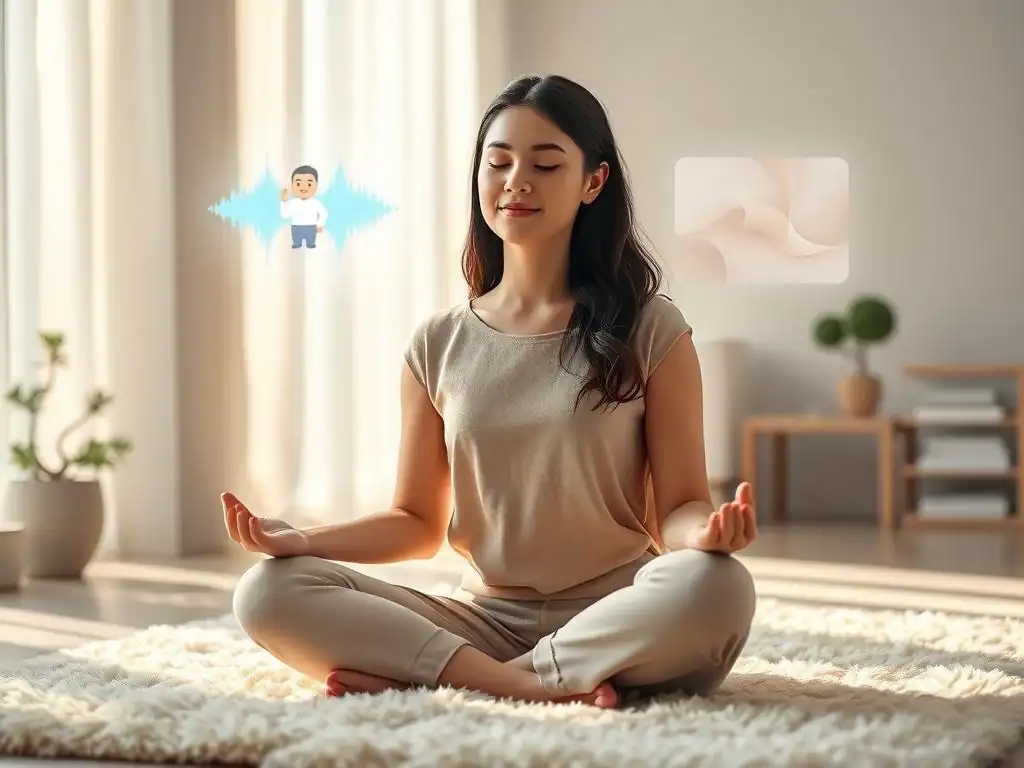
Welcome to Mind Care Guide, your sanctuary for cultivating inner peace and navigating the complexities of mental well-being. Feeling overwhelmed by the options when starting your meditation journey? You're not alone. Discover the perfect entry point with our guide to Meditation app beginner styles, exploring whether guided or silent meditation is right for you. Uncover the key to unlocking a calmer, more focused you – let's begin!
Guided or Silent? Choosing a Beginner Meditation App Style for Stress Reduction
- Understanding Meditation App Beginner Styles: Finding What Works for You
- Guided Meditation Apps: A Beginner's Best Friend?
- Silent Meditation Apps: Embracing the Stillness Within
- Guided vs. Silent Meditation Apps: A Comparative Analysis for Beginners
- Maximizing Your Meditation Practice: Blending Guided and Silent Techniques
- Conclusion: Finding Your Perfect Meditation App Style for Mental Well-being
-
Frequently Asked Questions
- What are the main differences between guided and silent meditation apps for beginners?
- Which meditation app style is generally recommended for someone new to meditation?
- What are the potential benefits of using a silent meditation app, even as a beginner?
- How can I determine which meditation app style best suits my needs?
- Are there any apps that offer both guided and silent meditation options for beginners?
- Final Reflection: Finding Your Path to Inner Peace Through Meditation Apps
- Unlock Your Inner Calm: Start Your Meditation Journey Today!
Understanding Meditation App Beginner Styles: Finding What Works for You
Why Choosing the Right Meditation Style Matters for Beginners
Starting a meditation practice can feel daunting, and the sheer number of meditation app beginner styles available might add to that feeling. Picking a style that resonates with you from the outset is crucial for building consistency and reaping the benefits, particularly stress reduction. An ill-fitting style can lead to frustration, discouragement, and ultimately, giving up before you've even experienced the positive shifts in your mental well-being. For instance, trying a completely silent method when your mind is racing might feel overwhelming, while a overly chatty guided session could be distracting for someone seeking deep calm.
Research suggests that consistency is key to seeing improvements like reduced anxiety and improved focus through meditation. Choosing a beginner meditation app style that feels accessible and comfortable increases the likelihood that you'll return to the practice day after day. Finding the right fit is not about finding the best style universally, but the best style for you right now, considering your current state of mind, personality, and goals. This personal approach is foundational to a sustainable and effective meditation journey.
The Importance of Finding a Beginner-Friendly Approach to Meditation
For those new to meditation, the concept of simply "clearing your mind" can be a significant barrier. A beginner-friendly approach acknowledges this challenge and provides tools and techniques to gently ease into the practice. This often involves breaking down the process into manageable steps, offering encouragement, and setting realistic expectations. Many apps designed for beginners focus on foundational skills like noticing your breath or observing thoughts without judgment, rather than aiming for complete mental silence immediately.
A supportive, beginner-friendly meditation app style can make the difference between a fleeting attempt and a lasting habit. Apps tailored for newcomers often feature shorter session lengths, simple language, and introductory series that explain the basics of mindfulness. For example, many platforms offer a "basics" or "introduction to meditation" course, typically spanning 5-10 sessions, designed to build fundamental skills gradually. This structured introduction helps demystify meditation and makes it feel achievable, significantly boosting a beginner's confidence and motivation.
Guided Meditation Apps: A Beginner's Best Friend?
What is Guided Meditation and How Does it Work?
Guided meditation involves following instructions and prompts from a teacher, often delivered via audio through a meditation app. The guide's voice directs your attention, perhaps focusing on the breath, body sensations, or specific visualizations. This structured approach removes the need for the beginner to figure out what to do next, providing a clear path through the meditation session. The instructions might involve telling you when to inhale and exhale, where to place your awareness, or guiding you through a body scan.
The process typically starts with settling in and finding a comfortable posture. The guide then leads you through various stages, which could include focusing on a specific anchor (like the breath), noticing bodily sensations, or cultivating feelings of kindness or gratitude. Sessions vary in length, from brief 3-minute exercises perfect for busy schedules to longer 30-minute practices. Many guided meditations also incorporate soothing background music or nature sounds, although this varies by app and specific session.
Benefits of Guided Meditation for Newcomers
Guided meditation offers significant advantages for individuals just starting their practice, making it a popular beginner meditation app style. The presence of a guide provides structure and reduces the feeling of being lost or unsure. This external support can be particularly helpful when dealing with a busy or anxious mind, as the guide's voice offers a point of focus and helps redirect wandering thoughts gently. It acts like training wheels, allowing you to experience the process of meditation without having to manage all aspects yourself.
Furthermore, guided sessions often introduce various techniques and concepts in a clear, digestible manner. A beginner might learn about body scans, loving-kindness meditation, or mindful walking through guided practices before attempting them independently. This exposure builds a foundational understanding of different approaches within the broader scope of mindfulness and meditation.
Reduced Anxiety and Stress with Guided Meditation Techniques
Guided meditation is widely recognized for its effectiveness in reducing stress and anxiety, a primary reason many beginners turn to meditation apps. The structured nature of guided sessions helps to calm the nervous system by providing a predictable and soothing experience. Techniques like focused breathing exercises, often led by a guide, can rapidly lower heart rate and induce a state of relaxation. For example, a guided session might focus entirely on deep, diaphragmatic breathing for several minutes, a simple yet powerful tool for stress relief.
Many guided meditations are specifically designed with stress reduction in mind, incorporating visualizations or affirmations aimed at releasing tension. Apps often categorize sessions by goal, such as "Stress Relief," "Calming Anxiety," or "Finding Peace." Users frequently report feeling significantly calmer after a guided session, with some studies indicating noticeable reductions in self-reported stress levels within weeks of consistent practice. This targeted approach makes guided meditation an accessible and effective tool for managing daily stressors.
Improved Focus and Concentration Through Guided Practices
Another key benefit of guided meditation for beginners is the improvement in focus and concentration. By directing your attention to specific anchors like the breath or body sensations, the guide trains your mind to stay present. When your mind inevitably wanders (which is completely normal), the guide's instructions gently prompt you to return your focus, reinforcing the practice of mindful awareness. This repeated process strengthens the mental muscle responsible for sustained attention.
Even short guided sessions, perhaps 5-10 minutes long, can help cultivate a greater capacity for focus. Beginners learn to observe distractions without getting carried away by them, a skill invaluable not only in meditation but also in daily tasks. Over time, this practice can lead to enhanced productivity and a greater ability to concentrate on work, studies, or conversations, simply by improving your mind's ability to stay present.
Easier Introduction to Mindfulness with Voice-Led Sessions
Mindfulness, the practice of being present and fully engaged in the current moment, can be a challenging concept for beginners to grasp on their own. Guided meditation provides an easier entry point by explicitly guiding you through mindful awareness exercises. The guide's voice serves as a constant reminder to bring your attention back to the present moment, whether it's noticing the feeling of your feet on the ground, the sounds around you, or the simple act of breathing.
Voice-led sessions break down mindfulness into tangible steps, making it less abstract. Instead of just being told to "be mindful," you are guided through the experience of noticing. This could involve a guided body scan, where you systematically bring awareness to different parts of your body, or a guided walking meditation, where you focus on the sensation of each step. This hands-on (or rather, "ears-on") approach makes the practice of mindfulness more accessible and less intimidating for those new to the concept.
Popular Guided Meditation Apps for Beginners
Several meditation apps have become popular choices for beginners due to their user-friendly interfaces and extensive libraries of guided content. Exploring these platforms can help you find a beginner meditation app style that suits your preferences.
Headspace: A Gentle Introduction to Meditation with a Focus on Daily Themes
Headspace is often recommended for absolute beginners, known for its simple interface and engaging animations that explain meditation concepts. It features guided courses, starting with a free "Basics" course that introduces foundational techniques over 10 sessions. The app offers themed meditations for various goals, such as stress, anxiety, sleep, and focus, with sessions typically ranging from 3 to 20 minutes. Headspace's approach is designed to make meditation feel approachable and part of a daily routine.
The app provides daily guided meditations, often around 10 minutes long, that follow specific themes or intentions. This daily structure can help beginners build consistency. Headspace also includes guided exercises for specific situations like mindful walking or commuting, making it easy to integrate mindfulness into everyday life. While premium content requires a subscription, the free introductory course provides an excellent starting point.
Calm: Soothing Sounds and Guided Meditations for Relaxation and Sleep
Calm is another leading meditation app, particularly popular for its focus on sleep and relaxation. It offers a vast library of guided meditations, including programs for managing stress, anxiety, and improving focus. Calm is well-known for its "Sleep Stories," narrated tales designed to help users fall asleep, and its extensive collection of soothing music and nature sounds. The app's aesthetic is designed to be peaceful and calming.
While Calm offers a wide range of guided content, it also includes shorter "Daily Calm" sessions and multi-part series on various topics. The app provides guided meditations for different levels, but many are suitable for beginners. The focus on creating a relaxing atmosphere through visuals, sounds, and gentle guidance makes it a very appealing beginner meditation app style for those seeking tranquility and better sleep.
Insight Timer: A Wide Variety of Guided Meditations from Different Teachers and Traditions
Insight Timer stands out due to its massive free library, offering over 100,000 guided meditations contributed by thousands of teachers worldwide. This diversity means beginners can explore various styles, lengths, and topics to find what resonates best. While the sheer volume might seem overwhelming initially, the app's filtering system allows users to search by duration, topic (like stress or anxiety), and teacher.
Beyond guided sessions, Insight Timer includes talks, podcasts, and music. For beginners, the ability to sample different teachers and traditions without a subscription is a major advantage. While not all content is specifically tailored for absolute beginners, the extensive filtering options and the "popular for beginners" tags make it possible to find suitable guided meditations to start with.
Potential Downsides of Relying Solely on Guided Meditation
While guided meditation is an excellent starting point, relying exclusively on this beginner meditation app style can have limitations as you progress in your practice.
Dependence on External Guidance and Difficulty Meditating Independently
One potential drawback of always following a guide is the risk of becoming dependent on external instructions. Meditation is ultimately a skill of self-awareness and inner exploration. If you only ever meditate when a voice is telling you what to do, you might find it difficult to sit in silence and connect with your inner experience without that structure. For example, imagine you're feeling stressed at work but don't have headphones or privacy for a guided session; being unable to apply the skills independently limits the practice's real-world utility.
Developing the capacity to meditate without guidance is an important step in deepening your practice. It allows for greater flexibility and the ability to meditate anytime, anywhere. While guided sessions teach you how to meditate, independent practice helps you internalize the essence of meditation – being present with whatever arises.
Distraction from the Voice and Music, Hindering Deep Focus
For some individuals, the guide's voice or accompanying music can become a distraction rather than an aid. While intended to soothe or direct attention, constant verbal input or background sounds might prevent the mind from settling into a deeper state of quiet awareness. Instead of focusing inward, the meditator might become overly focused on the guide's cadence, the specific words used, or the melody of the music.
This isn't universally true, as many find the voice and music incredibly helpful. However, for those who are sensitive to auditory input or who find their minds latching onto external stimuli, the elements of a guided session can inadvertently pull them out of the meditative state rather than guiding them deeper into it. Recognizing this potential distraction is part of understanding different meditation app beginner styles.
Limited Development of Inner Awareness and Self-Discovery
Guided meditation, by its nature, often directs your attention to specific points or themes chosen by the guide. While this is excellent for learning techniques and staying focused initially, it might limit the spontaneous development of inner awareness and self-discovery that can occur in less structured practice. In silent meditation, you are more directly confronted with your own thoughts, feelings, and bodily sensations as they arise naturally, without external prompts.
This unstructured space allows for a more personal and potentially profound exploration of your inner landscape. While guided sessions are like being shown a map, silent meditation is more like exploring the territory yourself. Relying solely on guided practice might mean you miss out on the unique insights and deeper connection to your inner self that can emerge when you sit in stillness and simply observe what is present without specific direction.
Silent Meditation Apps: Embracing the Stillness Within

What is Silent Meditation and How Does it Differ from Guided Meditation?
Silent meditation, also known as unguided meditation, involves sitting in stillness without verbal instructions. The practitioner sets a timer and simply focuses on their chosen anchor, most commonly the breath, or practices open awareness, observing whatever arises in the mind or body without judgment. Unlike guided meditation, where an external voice provides direction, silent meditation requires the practitioner to manage their own focus and navigate distractions internally.
The primary difference lies in the presence or absence of external guidance. Guided meditation is led step-by-step, while silent meditation is self-directed after setting the basic parameters (like time). While guided sessions often introduce specific techniques or themes, silent meditation is typically focused on the core practice of being present with the breath or observing phenomena as they are. It's a move from being shown how to be present to actively being present.
Benefits of Silent Meditation for Experienced and Aspiring Meditators
While often perceived as more advanced, silent meditation offers significant benefits that can appeal to beginners ready for a different approach, and are crucial for deepening practice. It fosters a greater sense of independence and self-reliance in meditation. By taking away the external guide, you learn to trust your own ability to sit with your experience and gently redirect your attention when it wanders.
Silent practice also allows for a more direct and unfiltered encounter with your inner world. Without a guide structuring the experience, you observe thoughts, emotions, and sensations as they spontaneously arise, offering opportunities for profound self-insight and acceptance. This can lead to a deeper understanding of your own patterns and a greater capacity to be present with difficult emotions.
Increased Self-Awareness and Connection to Inner Peace
Silent meditation cultivates a heightened state of self-awareness by creating space to observe the mind without external prompts. When you sit in stillness, you become more attuned to your internal dialogue, your physical sensations, and your emotional state. This practice of non-judgmental observation allows you to see your thoughts and feelings for what they are – transient phenomena – rather than identifying with them completely.
This increased awareness can lead to a deeper connection with an underlying sense of inner peace. By learning to sit with discomfort or restlessness in silence, you discover that these states are not permanent and that a sense of calm can exist beneath the surface of mental chatter. This self-discovery is a powerful aspect of silent meditation, fostering resilience and a more stable sense of well-being independent of external circumstances.
Improved Ability to Focus and Concentrate Without External Prompts
Practicing silent meditation directly strengthens your ability to focus and concentrate independently. In guided meditation, the guide reminds you to return your attention. In silent meditation, you develop this skill yourself. Each time your mind wanders and you notice it and gently bring it back to your anchor (like the breath), you are actively building your capacity for sustained attention without reliance on external cues.
This self-directed focus training can have a more direct carryover into daily life. The ability to maintain concentration during a task or conversation, even amidst internal or external distractions, is significantly enhanced by regularly practicing silent meditation. It teaches the mind to be less reactive to every thought or sensation that arises.
Deeper Exploration of Mindfulness and Present Moment Awareness
Silent meditation allows for a deeper and more personal exploration of mindfulness. While guided sessions introduce the concept of being present, silent practice is the direct experience of it in a less structured environment. You are fully immersed in the present moment as it unfolds, noticing sounds, sensations, thoughts, and emotions without a narrative or direction from a guide.
This unfiltered experience allows for subtle nuances of present moment awareness to be noticed. You might become more attuned to the subtle shifts in your breath, the faint sounds in the distance, or the fleeting nature of thoughts. This deeper engagement with the present moment fosters a richer, more intimate connection with reality as it is, cultivating a profound sense of presence and acceptance.
Silent Meditation Apps and Tools for Beginners
While the core of silent meditation is the absence of guidance, several apps and tools can support beginners wishing to explore this style. These often provide timers, gentle cues, or introductory explanations before you enter the silent period.
Meditopia: Offering a variety of themed meditations including silent options.
Meditopia, while primarily known for its guided content, includes options for silent or unguided meditation. The app provides a timer function where you can set the duration of your silent sit. It sometimes offers a brief introductory or concluding guidance around the silent period, helping beginners transition into and out of the stillness. Meditopia also includes background sound options, which some beginners find helpful during silent practice to mask distracting noises, although the core focus is on the unguided sitting period.
The app's design is calming, and its inclusion of silent timers alongside guided sessions allows users to easily switch between or combine different beginner meditation app styles as they feel ready. This flexibility makes it a good platform for those interested in eventually transitioning towards more independent practice.
Simple Habit: Short guided meditations with options for unguided timing.
Simple Habit focuses on short, accessible meditations for busy people, primarily offering guided sessions. However, like Meditopia, it typically includes a timer function that allows users to set a duration for unguided or silent meditation. While the app's strength lies in its guided library, having the timer readily available within the same platform encourages users to try sitting in silence once they feel comfortable with the basic practice learned through guided sessions.
The app's philosophy of making meditation simple and integrated into daily life extends to its timer feature, allowing for quick, unguided sits whenever a moment is available. This makes it easy for beginners familiar with the app's interface to experiment with a silent beginner meditation app style.
Using a Basic Timer App with Nature Sounds
Sometimes, the simplest tools are the most effective for silent meditation. A basic timer app available on any smartphone is all that is truly needed. You set the timer for your desired duration (starting with 5-10 minutes is often recommended for beginners) and simply sit. Many timer apps allow you to set a gentle chime or sound to signal the end of the session.
To enhance the atmosphere, some beginners might use a separate app that plays continuous nature sounds (like rain, ocean waves, or forest ambiance) in the background. This provides a consistent, non-distracting auditory environment that can help mask household noises and create a sense of tranquility during the silent sit. This combination of a simple timer and ambient sound is a pure form of a silent beginner meditation app style.
Challenges of Silent Meditation for Beginners
Despite its benefits, silent meditation can present significant challenges for those new to the practice, which is why it's often not the first recommended beginner meditation app style.
Difficulty Staying Focused and Avoiding Distractions
Without a guide's voice to bring your attention back, beginners practicing silent meditation often find it extremely difficult to stay focused. The mind, untrained in sustained attention, will inevitably wander, sometimes continuously. Thoughts about the past, future, to-do lists, or random worries can feel overwhelming when sitting in silence. External sounds or physical sensations can also become major distractions.
Managing these distractions requires self-reliance and patience. Beginners might feel like they are "failing" because their mind is so busy, when in reality, noticing the wandering mind and gently returning is the core practice. This initial struggle with focus is a common hurdle in silent meditation.
Feeling Overwhelmed by the Silence and Lack of Structure
The absence of external structure and the presence of silence can feel unsettling or even overwhelming for beginners. In our constantly stimulated world, sitting in complete silence can be unfamiliar and uncomfortable. Without a guide directing the experience, beginners might feel lost, unsure if they are "doing it right," or confronted by thoughts and emotions they typically push away.
The silence can amplify internal noise, making the mind seem even busier than usual. This lack of external structure requires the beginner to cultivate their own internal anchor and discipline, which takes time and practice. This initial feeling of being overwhelmed is a significant reason many start with guided meditation before attempting silent sits.
Potential for Frustration and Discouragement
Given the challenges with focus and the potential for feeling overwhelmed, beginners attempting silent meditation too early might experience frustration and discouragement. If expectations are set incorrectly (e.g., expecting the mind to be completely empty), the reality of a busy mind during silent practice can feel like a failure. This negative experience can lead to giving up on meditation altogether.
It's important for beginners exploring silent meditation to approach it with patience, self-compassion, and realistic expectations. Starting with very short durations (even just 2-3 minutes) and gradually increasing the time can help mitigate frustration. Understanding that a busy mind is normal and the goal is simply to notice and return, rather than achieve emptiness, is crucial for a positive experience with this beginner meditation app style.
Guided vs. Silent Meditation Apps: A Comparative Analysis for Beginners
Key Differences in Approach and Technique
The fundamental difference between guided and silent meditation lies in the method of instruction and focus. Guided meditation uses external verbal cues to lead the practitioner through the session, often focusing on specific themes, visualizations, or body parts as directed by the guide. The technique is externally driven, with the guide setting the pace and content.
Silent meditation, conversely, is internally driven. Once the timer is set, the practitioner relies on their own ability to maintain focus on a chosen anchor (usually the breath) or practice open awareness. There are no instructions during the sit itself. While both aim to cultivate mindfulness and presence, guided meditation is like being on a guided tour, while silent meditation is more like exploring a familiar path on your own.
Which Style is Best for You? Factors to Consider
Choosing the right beginner meditation app style depends heavily on your individual needs, personality, and goals. There is no single "best" style, only the one that supports your practice most effectively right now.
Your Personality and Learning Style
Consider how you best learn and stay motivated. If you thrive on structure, clear instructions, and external support, a guided meditation app style is likely a better starting point. If you are more independent, prefer self-discovery, and are comfortable with unstructured time, you might find silent meditation appealing sooner, though it still presents challenges. Think about whether you prefer being led or exploring on your own.
Some people are more auditory learners and respond well to verbal cues, making guided meditation a natural fit. Others might find voices distracting and prefer the simplicity of silence. Reflect on your own preferences and how you react to external stimuli.
Your Goals for Meditation (Stress Reduction, Focus, Self-Discovery)
Your primary motivation for meditating should influence your choice of beginner meditation app style. If your main goal is stress reduction and immediate relaxation, guided meditations specifically designed for stress and anxiety are often highly effective due to their targeted techniques and soothing elements. Many apps offer guided sessions focused explicitly on calming the nervous system.
If your goal is to improve focus and concentration in daily life, both styles can help, but silent meditation directly trains the mind to stay present without external aid. If your aim is deeper self-awareness and exploration of your inner landscape, silent meditation provides the most direct path for this once you have a basic foundation.
Your Level of Experience and Comfort with Silence
For absolute beginners with no prior experience, guided meditation is generally the most accessible starting point. It provides the necessary scaffolding to learn the basics without feeling overwhelmed by a busy mind in silence. It helps you understand what meditation feels like.
If you have some experience, perhaps through yoga or other mindfulness practices, or if you are naturally comfortable with quiet and introspection, you might find silent meditation less challenging from the outset. However, even those comfortable with silence may initially struggle with the mental discipline required for unguided sits. It's often recommended to start with guided sessions to build familiarity with the meditative state before transitioning to silent practice.
Real-World Examples: Success Stories with Different Meditation Styles
Hearing how others have benefited from different beginner meditation app styles can be insightful. While specific user data varies, general trends in user feedback highlight the effectiveness of both approaches.
A User's Experience with Calm for Sleep Improvement
Many users turn to Calm specifically for sleep issues, finding the app's guided sleep meditations and Sleep Stories remarkably effective. One common experience is that individuals who previously struggled to quiet their minds at night find the gentle narration and calming sounds in a guided session like "Sleep Stories" or a specific "Sleep" meditation provide a welcome distraction from racing thoughts, allowing them to relax enough to fall asleep.
For instance, an estimated millions of users have reportedly used Calm's sleep features regularly, with a significant percentage reporting improved sleep quality within weeks. This highlights how a targeted guided beginner meditation app style can directly address specific problems like insomnia.
Users often describe developing a routine where engaging with a Calm sleep session signals to their body and mind that it's time to wind down, creating a positive association that aids relaxation and sleep onset. This success story demonstrates the power of guided content tailored to a specific need.
Another User's Journey with Silent Meditation for Increased Mindfulness
While less frequently highlighted in app store reviews compared to guided sessions, many experienced meditators credit silent practice for deepening their mindfulness and self-awareness. A common narrative involves someone starting with guided meditation for stress relief but eventually finding that the guided voice, while initially helpful, became a subtle barrier to deeper introspection. Transitioning to silent meditation, often using a simple timer, allowed them to sit with their thoughts and emotions more directly.
Users who embrace silent meditation often report a greater capacity to handle challenging emotions and a more profound connection to the present moment throughout their day. They learn to observe thoughts without getting carried away, a skill honed directly in the quiet space of a silent sit. This journey illustrates how moving towards a silent beginner meditation app style can facilitate deeper personal growth and a more robust mindfulness practice over time.
Maximizing Your Meditation Practice: Blending Guided and Silent Techniques
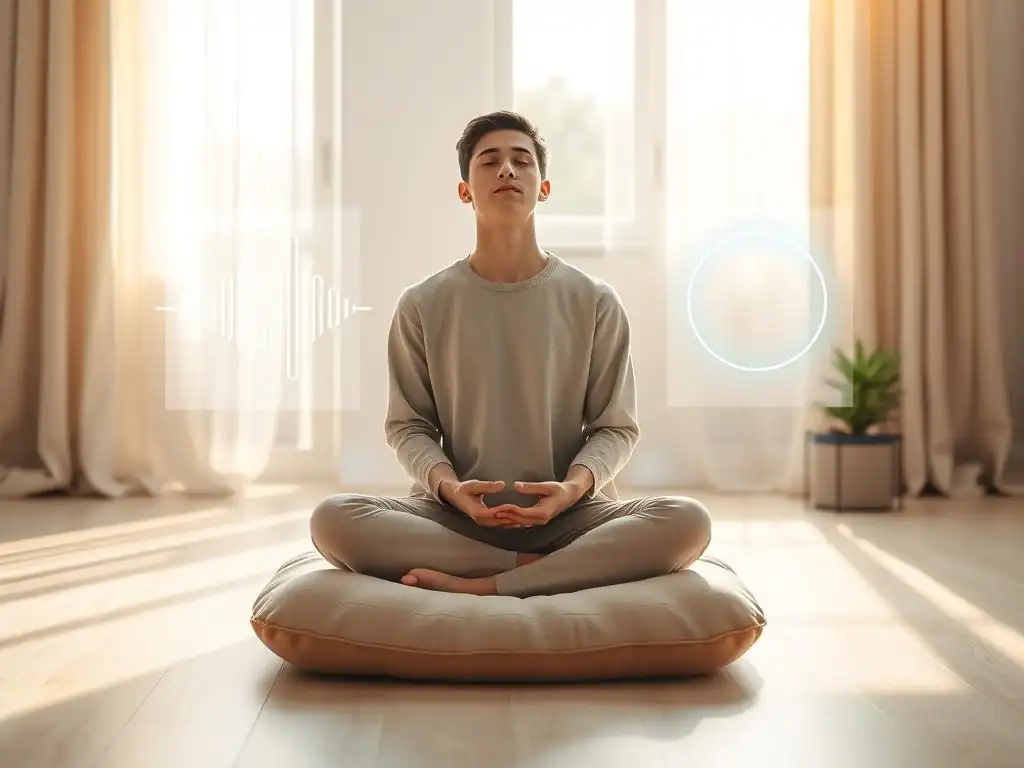
Starting with Guided Meditation to Build a Foundation
For most beginners, starting with a guided meditation app style is the most effective way to build a solid foundation. Guided sessions introduce the core concepts of mindfulness, attention to the breath, and working with distractions in a supportive and structured environment. Apps like Headspace or Calm offer introductory courses that break down the practice into simple, manageable steps.
Think of guided meditation as learning the basic movements and principles with an instructor. You learn how to sit comfortably, what to do with your attention, and how to relate to your thoughts without getting lost in them. This initial phase is crucial for developing confidence and experiencing the immediate benefits, like stress reduction, which encourages continued practice.
Gradually Incorporating Silent Meditation into Your Routine
Once you feel comfortable with the basics learned through guided practice, you can gradually begin incorporating silent meditation. This doesn't mean abandoning guided sessions entirely, but rather introducing periods of unguided sitting. Start small, perhaps just 2-5 minutes of silent meditation after a guided session, or dedicate one session a week to a short silent sit using a timer.
As you become more comfortable sitting in silence, you can increase the duration. The key is gradual progression and self-compassion. Recognize that your mind will likely be busier in silence initially, and that's perfectly normal. The goal is simply to sit and observe, gently bringing your attention back when it wanders.
Using Both Styles to Address Different Needs and Goals
Many experienced meditators utilize both guided and silent meditation depending on their needs and goals for a particular day or period. Guided sessions can be excellent for targeted practice, such as a specific meditation for anxiety before a stressful event, a guided body scan for relaxation, or a guided loving-kindness meditation to cultivate compassion. They provide structure when you feel scattered or need specific support.
Silent meditation is invaluable for developing independent focus, deepening self-awareness, and cultivating a pure sense of presence. Using a silent timer for your regular daily sit allows you to connect with your inner experience without external influence. Blending these beginner meditation app styles allows you to leverage the strengths of each, creating a well-rounded and adaptable practice that supports your mental well-being in various ways.
Recommended Products to Enhance Your Meditation Experience
While meditation requires no special equipment, a few items can enhance comfort and focus, particularly when exploring different meditation app beginner styles or transitioning to silent practice.
A Comfortable Meditation Cushion for Proper Posture
Maintaining a comfortable and stable posture is essential for longer meditation sessions, especially silent ones where you are sitting for a set duration without external cues. A meditation cushion (zafu) or bench helps elevate the hips, allowing the knees to rest below them and the spine to lengthen naturally. This reduces pressure on the knees and lower back, making it easier to sit comfortably for extended periods without fidgeting or discomfort becoming a major distraction.
Investing in a quality cushion can make a significant difference in your ability to settle into stillness, supporting consistency in your practice regardless of whether you're following a guide or sitting in silence.
Noise-Canceling Headphones for Silent Meditation in Noisy Environments
External noise can be a significant challenge during silent meditation, especially if you live in a busy environment. Noise-canceling headphones can create a quieter space, minimizing distractions from traffic, household sounds, or conversations happening nearby. While some meditators prefer to incorporate sounds into their awareness, beginners or those easily distracted may find noise-canceling headphones helpful for cultivating focus during silent sits.
Using headphones can create a portable sanctuary for your practice, allowing you to meditate in various locations without being constantly pulled out of your focus by external disturbances.
Essential Oils for Creating a Relaxing Atmosphere
Creating a calming environment can support your meditation practice, particularly when establishing a routine with a new beginner meditation app style. Using essential oils like lavender, frankincense, or chamomile in a diffuser can add a soothing aroma to your meditation space, signaling to your mind and body that it's time to relax and turn inward.
While not essential, incorporating sensory elements like pleasant scents can help make your meditation practice feel more like a dedicated ritual, enhancing your ability to relax and focus, whether you're listening to a guided session or sitting in quiet contemplation.
Conclusion: Finding Your Perfect Meditation App Style for Mental Well-being
The Importance of Experimentation and Self-Discovery
Choosing the right beginner meditation app style is a personal journey that requires experimentation and self-discovery. What works for one person may not work for another, and what works for you today might change over time. Don't be afraid to try different apps, different teachers within guided platforms, and both guided and silent approaches. Many apps offer free trials or a selection of free content that allows you to sample various styles before committing.
Pay attention to how different styles make you feel during and after the session. Do you feel calmer after a guided session focused on stress? Do you feel more present after a short silent sit? Your own experience is the best guide. Embrace the process of finding what resonates with you and supports your goals for mental well-being.
Embracing a Personalized Approach to Meditation
Ultimately, the most effective meditation practice is one that is personalized to your needs and fits into your life. This might mean using a guided meditation app style on busy days when you need structure, opting for a silent timer when you have more time and want to deepen your focus, or using specific guided sessions to address particular challenges like anxiety or sleep.
A personalized approach acknowledges that meditation is not a one-size-fits-all endeavor. It's about building a flexible practice that serves you. By understanding the nuances of different beginner meditation app styles, you empower yourself to create a meditation routine that is sustainable, enjoyable, and genuinely contributes to reducing stress and improving your overall mental well-being.
Continuing Your Journey with Additional Meditation Resources
Finding your preferred meditation app style is a wonderful step, but it's just the beginning of a lifelong journey of mindfulness and self-discovery. As you progress, you might explore different meditation techniques, learn more about the philosophy behind mindfulness, or even consider attending in-person classes or retreats if available in your area.
Many apps offer more advanced content as you move beyond the beginner stage. Continue to explore, learn, and adapt your practice as you grow. Resources like books, podcasts, and online communities can provide additional support and deepen your understanding. The path to mental well-being through meditation is ongoing, and there are always new ways to explore the stillness within and the present moment around you.
Frequently Asked Questions
What are the main differences between guided and silent meditation apps for beginners?
Guided meditation apps offer verbal instructions and prompts, while silent meditation apps focus on cultivating awareness without external guidance. The choice depends on your personal preference and comfort level.
Which meditation app style is generally recommended for someone new to meditation?
Generally, guided meditation apps are often recommended for beginners. The step-by-step instructions can make it easier to focus and understand the practice.
What are the potential benefits of using a silent meditation app, even as a beginner?
Silent meditation apps can help you develop inner awareness and self-regulation skills. Some beginners find them more challenging, but they can lead to deeper exploration of your own mind.
How can I determine which meditation app style best suits my needs?
Experiment with both guided and silent meditation apps. Pay attention to how each style makes you feel and whether it helps you achieve your desired outcome, such as relaxation or increased focus.
Are there any apps that offer both guided and silent meditation options for beginners?
Yes, many meditation apps offer both guided and silent options. This allows you to switch between styles based on your mood and experience level, providing flexibility and variety in your practice.
Final Reflection: Finding Your Path to Inner Peace Through Meditation Apps
The quest for mindfulness in our increasingly frenetic world has led to a boom in meditation apps, but choosing the right one can feel overwhelming. The sheer variety of guided and silent options available can leave even the most dedicated beginner feeling lost. This article explored the key differences between these approaches, highlighting the benefits and drawbacks of each, ultimately emphasizing the importance of finding a style that resonates with your individual needs and preferences.
The impact of easily accessible meditation tools is undeniable. We're witnessing a cultural shift, a growing acceptance of mindfulness as a vital component of mental well-being. The time to repair the roof is when the sun is shining.
This proverb perfectly encapsulates the proactive approach to mental health that meditation apps encourage. By providing accessible entry points to mindfulness practices, these apps are empowering individuals to cultivate inner peace and resilience, combating the pervasive stress and anxiety of modern life. This shift, I believe, is profoundly positive and will continue to shape our relationship with technology and self-care in the years to come.
So, which path will you choose? Guided meditations offer structure and support, while silent practices cultivate self-reliance and deeper introspection. The answer, as this article has hopefully shown, isn't a simple "right" or "wrong," but rather a journey of self-discovery. Take the time to explore both styles, experiment with different apps, and trust your intuition. Find the approach that speaks to your soul, and embark on your personal meditation journey with confidence and compassion. The rewards – a calmer mind, greater self-awareness, and a more fulfilling life – are well worth the effort.
Unlock Your Inner Calm: Start Your Meditation Journey Today!
Thanks for taking the time to explore the world of meditation with us! We hope you found valuable insights into choosing the right app for your needs. Now it's time to put that knowledge into practice.
- Download your chosen meditation app and start with a guided session. Even 5 minutes can make a difference! This is the best way to experience the benefits discussed.
- Share your experience! Tell us (or your friends!) which app you chose and how your first meditation went. We love hearing your stories.
- Explore different meditation styles beyond what the app offers. Look up simple breathing exercises online or try a guided meditation from YouTube.
Ready to discover the transformative power of regular mindfulness? What small step will you take today to cultivate more peace in your life?